Lifestyle / Transformation
Charleston Advances Toward Cancer Care Leadership

The Medical University of South Carolina is pushing forward with an ambitious plan to reshape a large section of downtown Charleston. The proposal, known as the Innovation District, is set to bring sweeping changes to the city’s medical core while also raising concerns among preservation groups and residents. City officials are reviewing how this development could transform both the healthcare landscape and the character of Charleston’s historic neighborhoods.
The Community Development Committee recently voted to advance MUSC’s proposal to the Planning Commission for further review. The plan would create a Medical District Overlay Zone covering 61 parcels across 62 acres of the city, laying the groundwork for future construction and expansion projects. Officials describe it as a framework designed to accommodate growth while maintaining a focus on Charleston’s urban footprint.
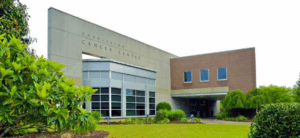 Via JLL
This proposal reflects a broader effort by MUSC to strengthen its role as a leading medical and research institution in the Southeast. University leaders emphasize that the Innovation District will not only allow for modern facilities but also attract top talent, increase clinical services, and expand access to advanced treatments.
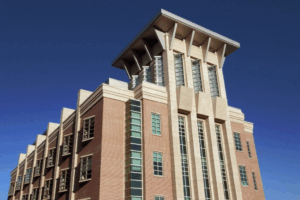 Via M. B. Kahn
University President Dr. David J. Cole said the changes would secure the institution’s future downtown and allow it to build facilities that match its vision for medical innovation. According to Dr. Cole, the overlay would provide predictability for development by giving MUSC the flexibility to construct major projects without being hindered by inconsistent zoning regulations.
He noted that large medical campuses across the country use similar frameworks to ensure they can build high-quality facilities. This approach would help MUSC continue its mission to improve healthcare access and research outcomes for South Carolina residents.
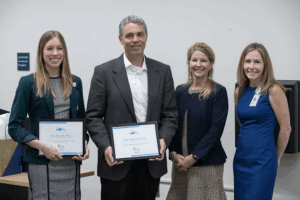 Via Medical University of South Carolina
The planned expansion also ties directly to MUSC’s goal of creating one of the leading cancer treatment centers in the Southeast. Officials emphasize that the district is not only about new buildings but also about transforming how care, research, and education interact in an urban setting. They believe this vision will allow Charleston to remain a hub of medical excellence for decades to come.
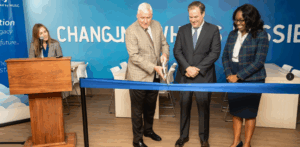 Via SCbio
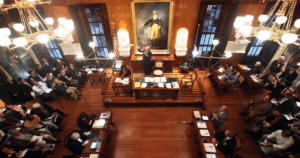
Public review processes would also continue to give community members an opportunity to voice opinions on major developments. Josh Martin, who works on special projects for Charleston, explained that this framework is designed to help MUSC remain downtown instead of relocating to the suburbs. This assurance is meant to reinforce confidence that community feedback will remain a critical part of shaping the district’s future.
Other hospitals have left urban centers in favor of larger suburban properties, but Charleston officials hope to preserve the university’s presence in the heart of the city. Martin described the effort as a partnership to secure both MUSC’s growth and Charleston’s identity as a medical hub. This collaboration is being framed as essential to balancing progress with Charleston’s historic character.
 Via Past and Courier
He pointed out that MUSC has been part of the Charleston community for more than two centuries and that its continued success benefits the entire region. By creating a predictable path for construction, the overlay could support long-term investments in healthcare infrastructure and research programs without forcing the institution to leave its historic home.
 Via Historic Charleston Foundation
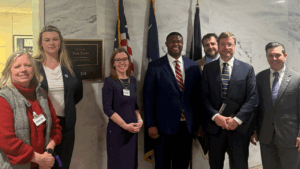
Lisa Jones, the foundation’s director of advocacy, said her organization does not oppose MUSC’s growth but wants more time to review the details of the project. Jones explained that the proposal would remove certain requirements, such as parking minimums, and would permit the demolition of several older buildings within the district.
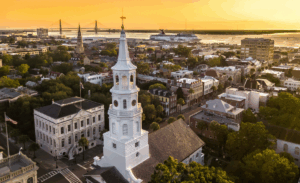
She stressed that without clear guidelines for building height, density, and design, historic neighborhoods could be overshadowed by large-scale development. Her organization wants to ensure that Charleston’s architectural heritage is not compromised in the process. Preservation advocates also point to environmental concerns.
 Via Historic Charleston Foundation
Reduced safeguards for trees, open spaces, and stormwater systems could create problems for residents in surrounding areas. Jones argued that decisions of this magnitude should involve deliberate public discussion to balance growth with livability. Her foundation is asking for guarantees that neighborhood voices will remain central to the decision-making process.
 Via Old Town Trolley Tours
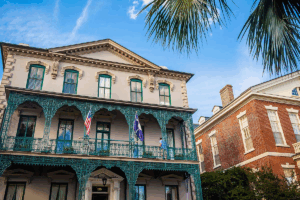
Jones emphasized that granting blanket approval without knowing the full scope of future buildings would be risky. She said the foundation supports the concept of MUSC improving healthcare access, but wants detailed plans reviewed carefully before construction begins. The group is advocating for clear parameters on design, density, and community impact.
Supporters of the overlay argue that these concerns can be addressed within the city’s existing review systems. They believe Charleston can grow responsibly by ensuring MUSC has room to innovate while still upholding preservation standards. For them, the question is how to create a partnership that aligns healthcare progress with neighborhood protections.
 Via Your Health Matters
 Via Mauldin Economics
Dr. Cole noted that having modern facilities downtown will allow patients to access multiple forms of care in a single location. This centralized approach improves patient experiences and helps attract top physicians, researchers, and students. MUSC leaders view the district as essential to maintaining competitiveness in a rapidly changing healthcare landscape.
Leaders see the Innovation District as a catalyst for collaboration between healthcare providers, researchers, and educators. By placing these resources within close reach, MUSC aims to accelerate breakthroughs in treatment and expand opportunities for training the next generation of medical professionals. This concentration of expertise is expected to drive both clinical innovation and community impact.
 Via International Citizens Insurance
 Via Nurses Group
City officials have reiterated that public input and opinion will remain part of the review, even under the new overlay. By keeping neighborhood representatives and preservation groups engaged, they hope to avoid conflict and foster a shared vision for Charleston’s medical district. Both sides agree that MUSC’s success is vital, but they differ on how to balance speed with oversight.
 Via The Medical University of South Carolina
Dr. Cole said the district will deliver world-class research, healthcare, and community engagement once complete. He envisions a medical hub that reflects Charleston’s tradition of excellence while providing the flexibility needed for modern medicine. He called on residents to view the project as an opportunity to secure high-level care without leaving the peninsula.
As the proposal moves through the Planning Commission and other city review boards, its details will become clearer. Preservation advocates will continue to push for thoughtful oversight, while MUSC officials will advocate for a streamlined framework to support their vision. The outcome will shape not only the university’s future but also Charleston’s urban identity for generations to come.
More in Lifestyle / Transformation
Via JLL
This proposal reflects a broader effort by MUSC to strengthen its role as a leading medical and research institution in the Southeast. University leaders emphasize that the Innovation District will not only allow for modern facilities but also attract top talent, increase clinical services, and expand access to advanced treatments.
MUSC’s Vision for the Innovation District
MUSC leaders say this proposal is essential to the university’s long-term presence on the peninsula. By approving new zoning measures, the school hopes to increase the density of its facilities, introduce new research centers, and add housing opportunities within walking distance of medical buildings.
Via M. B. Kahn
University President Dr. David J. Cole said the changes would secure the institution’s future downtown and allow it to build facilities that match its vision for medical innovation. According to Dr. Cole, the overlay would provide predictability for development by giving MUSC the flexibility to construct major projects without being hindered by inconsistent zoning regulations.
He noted that large medical campuses across the country use similar frameworks to ensure they can build high-quality facilities. This approach would help MUSC continue its mission to improve healthcare access and research outcomes for South Carolina residents.
Via Medical University of South Carolina
The planned expansion also ties directly to MUSC’s goal of creating one of the leading cancer treatment centers in the Southeast. Officials emphasize that the district is not only about new buildings but also about transforming how care, research, and education interact in an urban setting. They believe this vision will allow Charleston to remain a hub of medical excellence for decades to come.
City Officials Stress Ongoing Oversight
City representatives say that even if the overlay zone is approved, standard review procedures will remain in place. All new construction projects would still pass through the Technical Review Committee and the Board of Architectural Review, ensuring that building designs meet the city’s architectural and planning standards.
Via SCbio
Public review processes would also continue to give community members an opportunity to voice opinions on major developments. Josh Martin, who works on special projects for Charleston, explained that this framework is designed to help MUSC remain downtown instead of relocating to the suburbs. This assurance is meant to reinforce confidence that community feedback will remain a critical part of shaping the district’s future.
Other hospitals have left urban centers in favor of larger suburban properties, but Charleston officials hope to preserve the university’s presence in the heart of the city. Martin described the effort as a partnership to secure both MUSC’s growth and Charleston’s identity as a medical hub. This collaboration is being framed as essential to balancing progress with Charleston’s historic character.
Via Past and Courier
He pointed out that MUSC has been part of the Charleston community for more than two centuries and that its continued success benefits the entire region. By creating a predictable path for construction, the overlay could support long-term investments in healthcare infrastructure and research programs without forcing the institution to leave its historic home.
Concerns Raised by Preservation Advocates
Despite assurances from MUSC and city leaders, preservation groups have expressed serious concerns about the proposal. The Historic Charleston Foundation warns that the plan could significantly loosen oversight on new construction, potentially eroding the city’s character.
Via Historic Charleston Foundation
Lisa Jones, the foundation’s director of advocacy, said her organization does not oppose MUSC’s growth but wants more time to review the details of the project. Jones explained that the proposal would remove certain requirements, such as parking minimums, and would permit the demolition of several older buildings within the district.
She stressed that without clear guidelines for building height, density, and design, historic neighborhoods could be overshadowed by large-scale development. Her organization wants to ensure that Charleston’s architectural heritage is not compromised in the process. Preservation advocates also point to environmental concerns.
Via Historic Charleston Foundation
Reduced safeguards for trees, open spaces, and stormwater systems could create problems for residents in surrounding areas. Jones argued that decisions of this magnitude should involve deliberate public discussion to balance growth with livability. Her foundation is asking for guarantees that neighborhood voices will remain central to the decision-making process.
Balancing Growth With Charleston’s Historic Character
The debate over MUSC’s plan reflects a broader tension between progress and preservation in Charleston. As the city grows, residents have repeatedly questioned how much development its historic core can sustain without losing its unique identity. Critics say granting too much freedom to large institutions could diminish community input and alter the city’s human scale.
Via Old Town Trolley Tours
Jones emphasized that granting blanket approval without knowing the full scope of future buildings would be risky. She said the foundation supports the concept of MUSC improving healthcare access, but wants detailed plans reviewed carefully before construction begins. The group is advocating for clear parameters on design, density, and community impact.
Supporters of the overlay argue that these concerns can be addressed within the city’s existing review systems. They believe Charleston can grow responsibly by ensuring MUSC has room to innovate while still upholding preservation standards. For them, the question is how to create a partnership that aligns healthcare progress with neighborhood protections.
Via Your Health Matters
Potential Impact on Healthcare and the Economy
MUSC officials say the Innovation District is more than just a development plan; it is a blueprint for improving healthcare access in South Carolina. They argue that maintaining MUSC’s downtown campus will support high-quality care, cutting-edge research, and medical education in proximity. Dr. Cole described the project as a chance to deliver best-in-class treatment options to Charleston residents and patients across the state. Significant financial gains are also anticipated by the university as a result of the development. Similar medical projects have generated thousands of jobs in construction, research, and facility operations. By building new clinics, laboratories, and housing, MUSC believes it can strengthen Charleston’s economy while enhancing its reputation as a center for medical excellence.
Via Mauldin Economics
Dr. Cole noted that having modern facilities downtown will allow patients to access multiple forms of care in a single location. This centralized approach improves patient experiences and helps attract top physicians, researchers, and students. MUSC leaders view the district as essential to maintaining competitiveness in a rapidly changing healthcare landscape.
Leaders see the Innovation District as a catalyst for collaboration between healthcare providers, researchers, and educators. By placing these resources within close reach, MUSC aims to accelerate breakthroughs in treatment and expand opportunities for training the next generation of medical professionals. This concentration of expertise is expected to drive both clinical innovation and community impact.
Via International Citizens Insurance
Community Voices Seek Inclusion in Decision-Making
Community members are calling for a deliberate and inclusive process as Charleston weighs this significant proposal. Residents and preservation groups insist that major changes to the city’s core must involve open dialogue to address concerns about traffic, environmental impact, and neighborhood preservation. They want assurances that Charleston’s livability will not be sacrificed for institutional growth. Jones and other advocates say they simply want to slow the process enough to fully evaluate its implications. They believe this approach will protect both MUSC’s future and Charleston’s unique heritage. Their message is not opposition to growth but rather a call for transparency, accountability, and respect for the city’s longstanding character.
Via Nurses Group
City officials have reiterated that public input and opinion will remain part of the review, even under the new overlay. By keeping neighborhood representatives and preservation groups engaged, they hope to avoid conflict and foster a shared vision for Charleston’s medical district. Both sides agree that MUSC’s success is vital, but they differ on how to balance speed with oversight.
Discover Charleston’s Plan to Lead in Cancer Treatment
The timeline for the Innovation District extends several years into the future. MUSC hopes to open its new facilities by 2030, which will require steady collaboration between the university, the city, and the community. Leaders emphasize that the process is still in its early stages and that many decisions remain to be made about the exact design and scope of the project.
Via The Medical University of South Carolina
Dr. Cole said the district will deliver world-class research, healthcare, and community engagement once complete. He envisions a medical hub that reflects Charleston’s tradition of excellence while providing the flexibility needed for modern medicine. He called on residents to view the project as an opportunity to secure high-level care without leaving the peninsula.
As the proposal moves through the Planning Commission and other city review boards, its details will become clearer. Preservation advocates will continue to push for thoughtful oversight, while MUSC officials will advocate for a streamlined framework to support their vision. The outcome will shape not only the university’s future but also Charleston’s urban identity for generations to come.