Unassigned
Why the Tech Industry Wants to Take Away Your Screen
For decades, screens have been the center of digital life. Smartphones, laptops, tablets, and televisions have shaped the way people communicate, work, learn, and relax. Almost every online activity begins by looking at a display, making screens one of the most important inventions of the digital age.
Technology companies are now promoting a different future. Instead of constantly staring at phones, people may interact with digital tools through wearable devices, voice assistants, artificial intelligence, and smart accessories. This vision suggests that computers could become more natural companions instead of objects demanding continuous visual attention.
 Via Business Insider
The shift represents more than a hardware upgrade. It reflects changing ideas about convenience, mobility, and human interaction with technology. Whether this transition becomes widely accepted depends on how practical these new devices prove to be and whether users feel comfortable replacing familiar habits with new experiences.
 Via Live Science
Smartphones accelerated this trend by placing powerful computers inside pockets. Touchscreens removed the need for keyboards and transformed nearly every daily task into something accessible through taps and swipes. Shopping, navigation, photography, banking, and entertainment all became centered around portable displays.
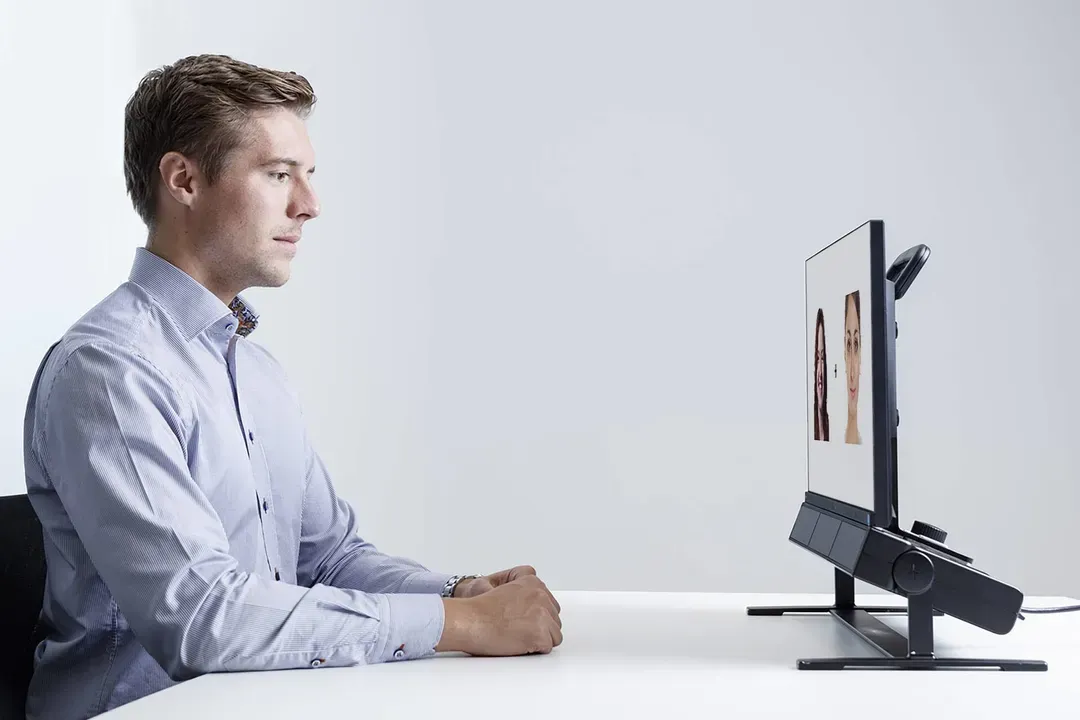
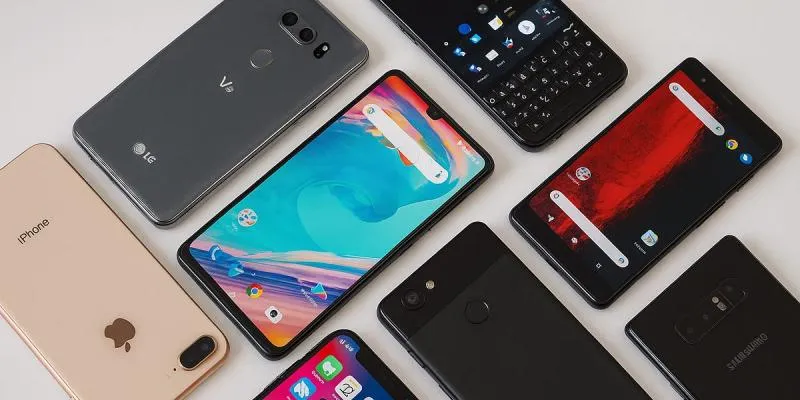
Modern society has grown deeply connected to these devices. Many people spend several hours each day looking at screens for work, education, and recreation. While this has increased productivity and connectivity, it has also created concerns about excessive screen time and its effects on health and attention.
 Via Marketing Analytics
 Via Investopedia
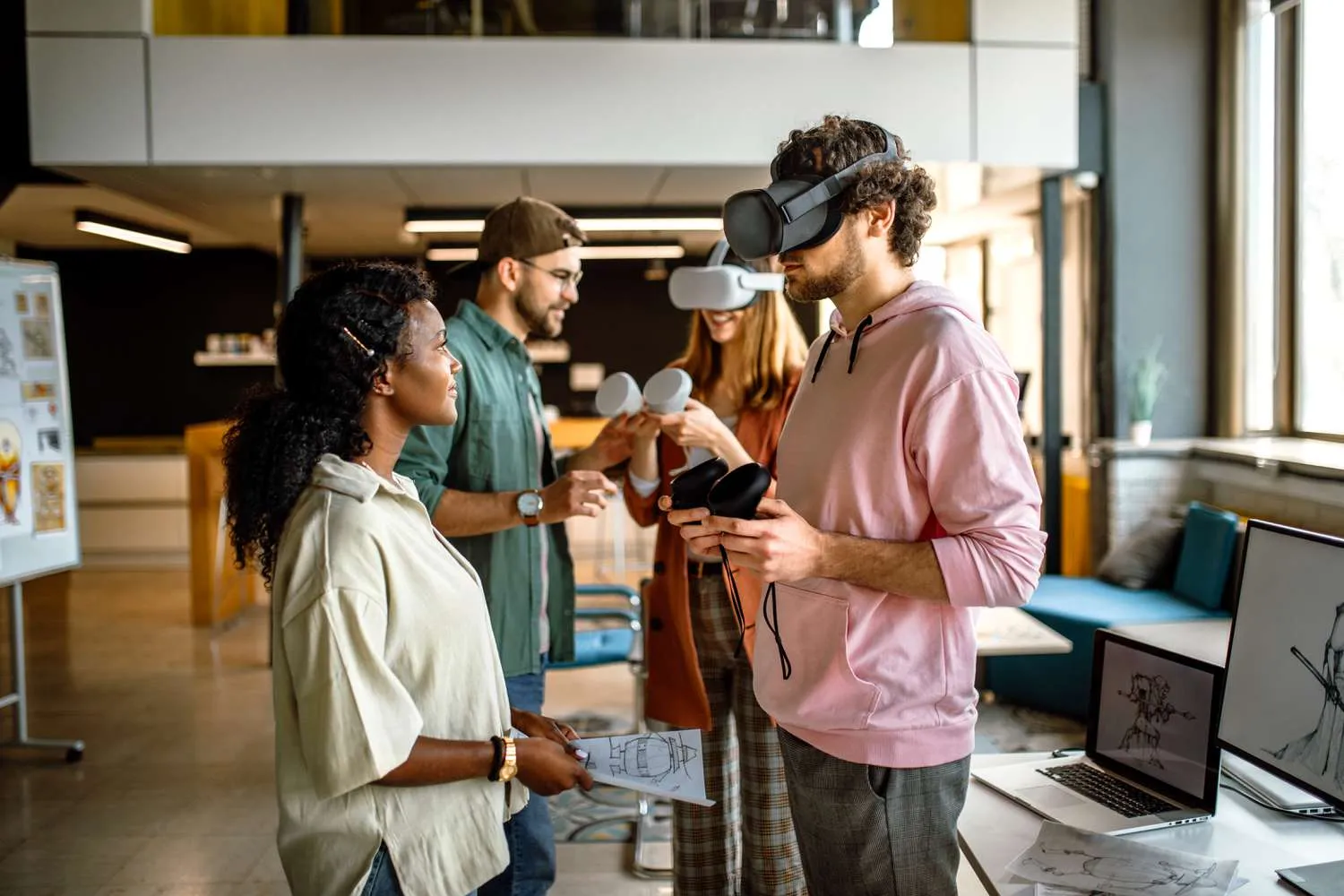
The growing popularity of wearable technology suggests that many companies believe computing should become less visible. Rather than replacing every existing device overnight, wearables may gradually handle everyday tasks while traditional screens remain available for activities requiring greater focus.
 Via Linkedin
The proposed cameras would work alongside Siri, allowing the virtual assistant to understand what users are seeing. Instead of relying only on spoken commands, Siri could combine voice requests with visual information from the surrounding environment to provide more accurate and useful assistance.
Such technology could create a more seamless experience. Asking for directions, identifying nearby objects, translating signs, or receiving information about products could happen naturally without pulling out a smartphone. This would represent a significant change in how digital assistants understand everyday situations.
 Via Apple
 Via Blogs expand Reality
Although current models remain expensive and sometimes bulky, improvements in battery life, comfort, and processing power continue to make smart glasses more practical. Many experts believe these devices represent an important step toward reducing dependence on handheld screens.
 Via Indian Express
The device attracted attention because of both its advanced capabilities and its high price. Premium hardware often arrives first for developers and technology enthusiasts before becoming smaller, lighter, and more affordable for everyday consumers in future generations.
Snap's leadership believes computing should fit naturally into daily life instead of interrupting it. The company's vision focuses on allowing people to stay engaged with their surroundings while still accessing digital information whenever needed.
 Via AOL
 Via Linkedin
This evolution could reduce the importance of screens because many digital activities may no longer require manual navigation. Instead of opening several applications, users might simply ask an intelligent assistant to complete multiple actions automatically.
 Via Healthline
Shopping experiences might also change dramatically. Looking at a product could instantly provide reviews, prices, nutritional details, or translation services through audio responses or subtle visual overlays inside smart glasses.
Many small interactions that currently interrupt daily activities could become nearly invisible. Instead of pausing conversations or lowering attention toward a phone, people could receive helpful information while remaining focused on the environment around them.
 Via Jia Medical System
 Via Value Mentor
Trust will play a major role in public acceptance. Technology companies must demonstrate that wearable devices respect personal privacy while delivering useful features. Without strong safeguards, public resistance could slow adoption regardless of technological capability.
 Via Thinkright
Local processing offers another possible solution. Instead of sending visual information to distant servers, future devices may analyze surroundings directly on the user's personal hardware before immediately deleting temporary data. This approach could reduce security risks while improving response speed.
Clear communication about data handling will become increasingly important. Consumers want reassurance that everyday conversations, locations, and surroundings are not being permanently stored or shared without permission.
 Via ET Edge
 Via Linkedin
This commercial motivation does not necessarily conflict with genuine innovation. Companies often pursue products that both improve user experiences and generate revenue. The challenge lies in ensuring that new technology solves meaningful problems rather than simply encouraging additional consumption.
 Via Inc Magazine
Wearable devices are more likely to complement smartphones than replace them completely. Quick interactions may happen through glasses or earbuds, while demanding tasks continue on larger displays whenever greater visual attention is required.
This gradual transition resembles previous technological changes. Desktop computers remained important after laptops appeared, and laptops continued thriving even after smartphones became popular. Different devices often serve different purposes rather than eliminating one another.
 Via Linkedin
 Via Medium
The movement toward screenless computing reflects a broader effort to make technology feel less intrusive while remaining constantly available. Whether that goal creates a healthier relationship with digital life or simply introduces another layer of connected devices will depend on how responsibly these innovations are designed and adopted.
More in Unassigned
Via Business Insider
The shift represents more than a hardware upgrade. It reflects changing ideas about convenience, mobility, and human interaction with technology. Whether this transition becomes widely accepted depends on how practical these new devices prove to be and whether users feel comfortable replacing familiar habits with new experiences.
The Long History of Screen-Based Computing
Screens became the standard method of interacting with computers because they provided a clear and efficient way to display information. Early computer monitors evolved into colorful displays capable of presenting documents, websites, videos, games, and countless applications. Every technological breakthrough made screens larger, sharper, and more responsive.Via Live Science
Smartphones accelerated this trend by placing powerful computers inside pockets. Touchscreens removed the need for keyboards and transformed nearly every daily task into something accessible through taps and swipes. Shopping, navigation, photography, banking, and entertainment all became centered around portable displays.
Modern society has grown deeply connected to these devices. Many people spend several hours each day looking at screens for work, education, and recreation. While this has increased productivity and connectivity, it has also created concerns about excessive screen time and its effects on health and attention.
Via Marketing Analytics
Wearable Technology Is Taking Center Stage
Technology companies are investing heavily in wearable devices that reduce dependence on smartphones. Smart glasses, intelligent earbuds, AI pendants, and other body-worn gadgets promise to deliver information without requiring users to unlock a phone every few minutes. These products rely on artificial intelligence to understand spoken requests, recognize surroundings, and provide useful responses. Instead of typing questions into a search engine, users could simply speak naturally while the wearable device handles the task in the background.Via Investopedia
The growing popularity of wearable technology suggests that many companies believe computing should become less visible. Rather than replacing every existing device overnight, wearables may gradually handle everyday tasks while traditional screens remain available for activities requiring greater focus.
Apple's Vision for Camera-Equipped AirPods
Reports suggest that Apple is developing AirPods equipped with tiny cameras designed to understand the surrounding environment rather than capture traditional photographs. Although the company has not officially confirmed these reports, industry observers consider the possibility highly believable because of reliable previous product leaks.
Via Linkedin
The proposed cameras would work alongside Siri, allowing the virtual assistant to understand what users are seeing. Instead of relying only on spoken commands, Siri could combine voice requests with visual information from the surrounding environment to provide more accurate and useful assistance.
Such technology could create a more seamless experience. Asking for directions, identifying nearby objects, translating signs, or receiving information about products could happen naturally without pulling out a smartphone. This would represent a significant change in how digital assistants understand everyday situations.
Via Apple
Smart Glasses Continue to Evolve
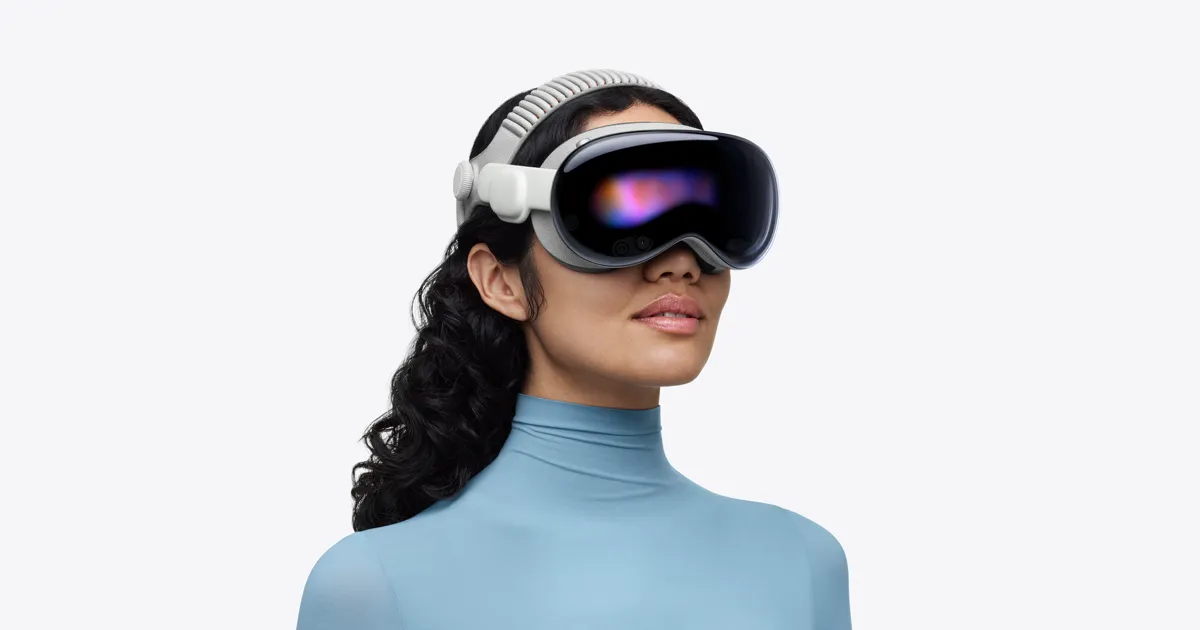
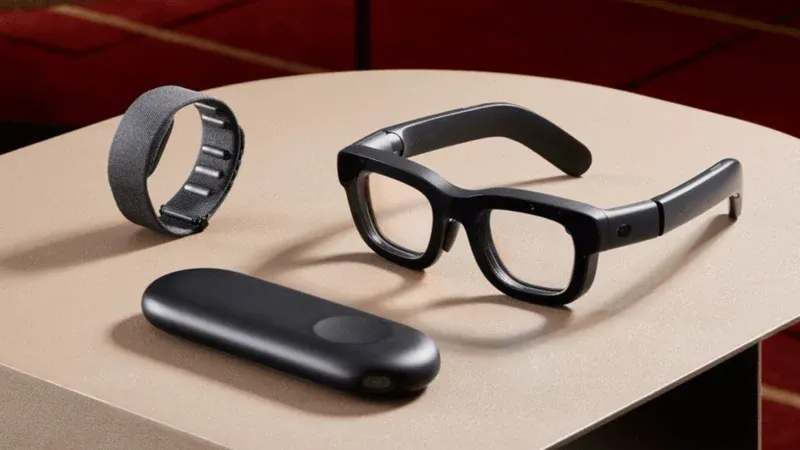
Smart glasses have attracted increasing attention as companies compete to build the next generation of wearable computers. Rather than replacing vision, these devices place digital information over the user's real-world view for brief moments, allowing digital content to blend with everyday surroundings. Several manufacturers have introduced products with cameras, microphones, speakers, and displays built into ordinary-looking glasses. These features allow users to take calls, receive notifications, capture images, and interact with artificial intelligence while keeping their hands free.
Via Blogs expand Reality
Although current models remain expensive and sometimes bulky, improvements in battery life, comfort, and processing power continue to make smart glasses more practical. Many experts believe these devices represent an important step toward reducing dependence on handheld screens.
Snap's Ambitious Approach
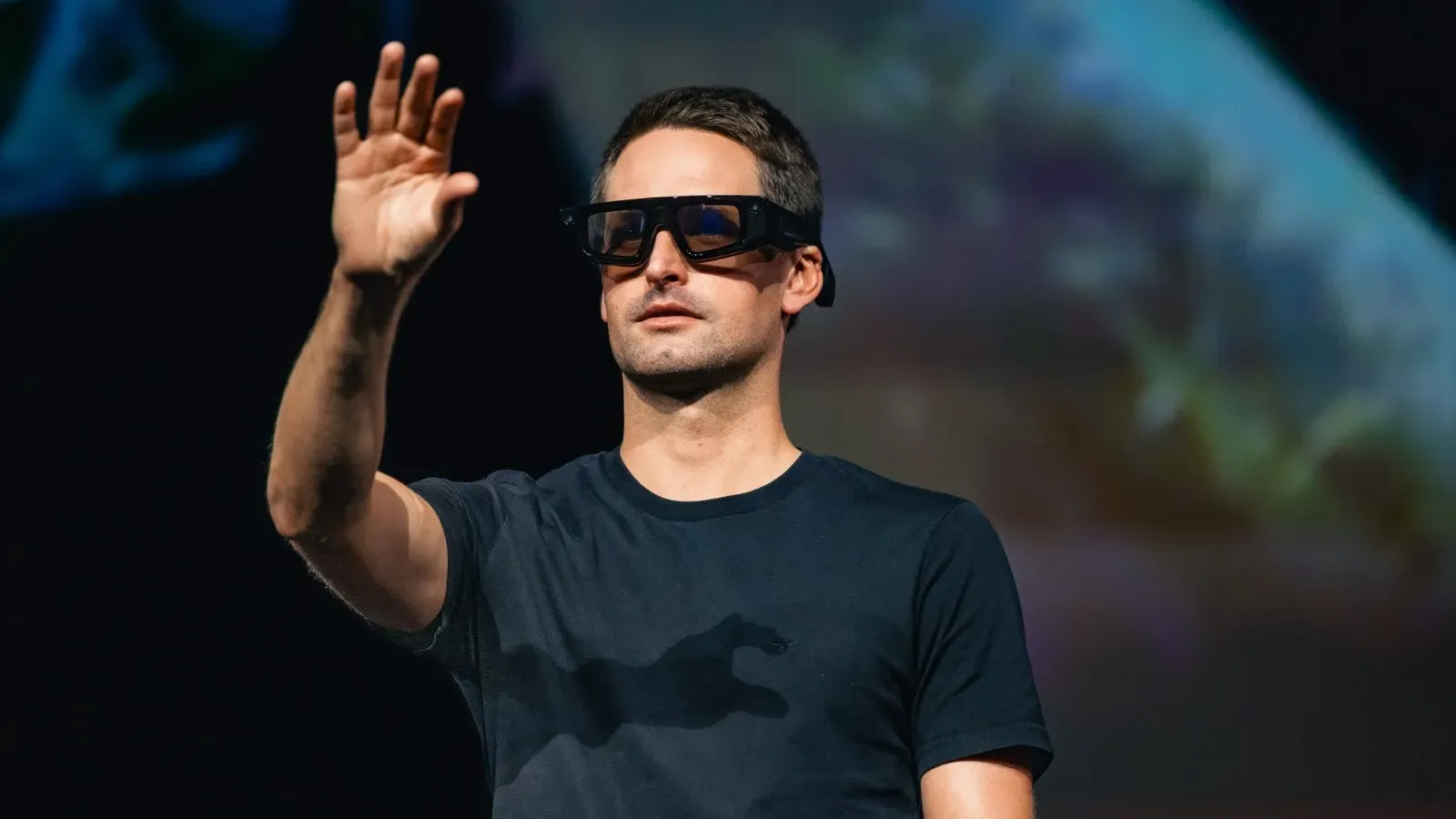
Snap introduced its latest smart glasses with an emphasis on independent computing. Unlike many earlier wearable products that rely heavily on smartphones, these glasses aim to perform many tasks on their own, creating a more complete wearable computing experience.Via Indian Express
The device attracted attention because of both its advanced capabilities and its high price. Premium hardware often arrives first for developers and technology enthusiasts before becoming smaller, lighter, and more affordable for everyday consumers in future generations.
Snap's leadership believes computing should fit naturally into daily life instead of interrupting it. The company's vision focuses on allowing people to stay engaged with their surroundings while still accessing digital information whenever needed.
Via AOL
Artificial Intelligence Changes User Interaction
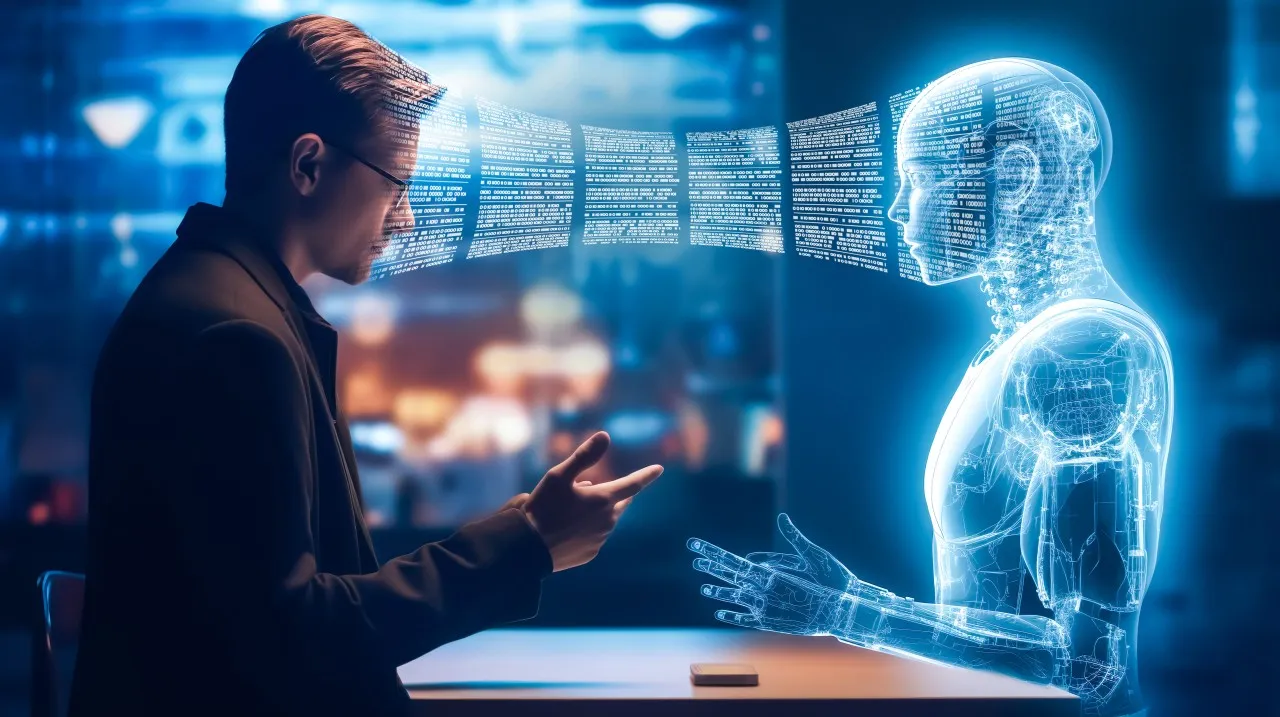
Artificial intelligence is transforming the relationship between humans and computers. Traditional software required users to understand menus, buttons, and complicated settings. AI systems aim to reverse that process by understanding natural language and carrying out requests with minimal effort. Voice assistants have already introduced this concept, but future AI systems are expected to become much more capable. They may understand conversations, recognize visual environments, remember preferences, and complete complex tasks with very little direct instruction.Via Linkedin
This evolution could reduce the importance of screens because many digital activities may no longer require manual navigation. Instead of opening several applications, users might simply ask an intelligent assistant to complete multiple actions automatically.
Everyday Life Without Constant Screen Time
A future built around wearable AI could make many daily routines simpler. Someone preparing dinner might ask for recipe suggestions based on ingredients already visible inside the refrigerator. Travelers could receive navigation instructions while continuing to observe streets instead of repeatedly checking a phone.Via Healthline
Shopping experiences might also change dramatically. Looking at a product could instantly provide reviews, prices, nutritional details, or translation services through audio responses or subtle visual overlays inside smart glasses.
Many small interactions that currently interrupt daily activities could become nearly invisible. Instead of pausing conversations or lowering attention toward a phone, people could receive helpful information while remaining focused on the environment around them.
Via Jia Medical System
Privacy Remains a Serious Concern
Despite exciting possibilities, wearable devices introduce difficult privacy questions. Cameras embedded inside glasses or earbuds create uncertainty about when recording is taking place and how collected information might be processed or stored. Many existing smart glasses include small indicator lights intended to notify nearby people that cameras are active. Critics argue these indicators may not always be noticeable, creating discomfort for individuals who cannot easily determine whether they are being recorded.Via Value Mentor
Trust will play a major role in public acceptance. Technology companies must demonstrate that wearable devices respect personal privacy while delivering useful features. Without strong safeguards, public resistance could slow adoption regardless of technological capability.
Balancing Convenience and Personal Space
Companies developing wearable devices recognize that privacy concerns could determine the success or failure of their products. Some manufacturers are already considering designs that rely primarily on microphones and speakers instead of cameras to reduce public anxiety.Via Thinkright
Local processing offers another possible solution. Instead of sending visual information to distant servers, future devices may analyze surroundings directly on the user's personal hardware before immediately deleting temporary data. This approach could reduce security risks while improving response speed.
Clear communication about data handling will become increasingly important. Consumers want reassurance that everyday conversations, locations, and surroundings are not being permanently stored or shared without permission.
Via ET Edge
The Business Motivation Behind Screenless Technology
The technology industry is constantly searching for new markets. Smartphones transformed consumer electronics over the past two decades, but growth has gradually slowed as modern devices have become increasingly similar in capability. Wearable technology creates opportunities for entirely new product categories. Smart glasses, intelligent earbuds, AI assistants, and augmented reality accessories encourage consumers to purchase additional hardware instead of relying solely on existing smartphones.
Via Linkedin
This commercial motivation does not necessarily conflict with genuine innovation. Companies often pursue products that both improve user experiences and generate revenue. The challenge lies in ensuring that new technology solves meaningful problems rather than simply encouraging additional consumption.
Will Smartphones Really Disappear?
Many technology experts believe smartphones will remain essential for years to come. Large screens remain highly effective for reading lengthy documents, watching videos, editing photographs, participating in video conferences, and performing detailed professional work.Via Inc Magazine
Wearable devices are more likely to complement smartphones than replace them completely. Quick interactions may happen through glasses or earbuds, while demanding tasks continue on larger displays whenever greater visual attention is required.
This gradual transition resembles previous technological changes. Desktop computers remained important after laptops appeared, and laptops continued thriving even after smartphones became popular. Different devices often serve different purposes rather than eliminating one another.
Via Linkedin
A Future Defined by Choice
The future of personal technology may involve greater flexibility rather than fewer devices. People could choose whichever interface best fits each situation, whether speaking to an AI assistant while walking, viewing navigation through smart glasses, or completing detailed work on a traditional screen. Consumer acceptance will depend on comfort, affordability, reliability, and trust. Even the most advanced technology succeeds only when it fits naturally into everyday routines and provides clear advantages over existing habits.Via Medium
The movement toward screenless computing reflects a broader effort to make technology feel less intrusive while remaining constantly available. Whether that goal creates a healthier relationship with digital life or simply introduces another layer of connected devices will depend on how responsibly these innovations are designed and adopted.