Unassigned
Where AI Data Centers Are Built And Why It Matters
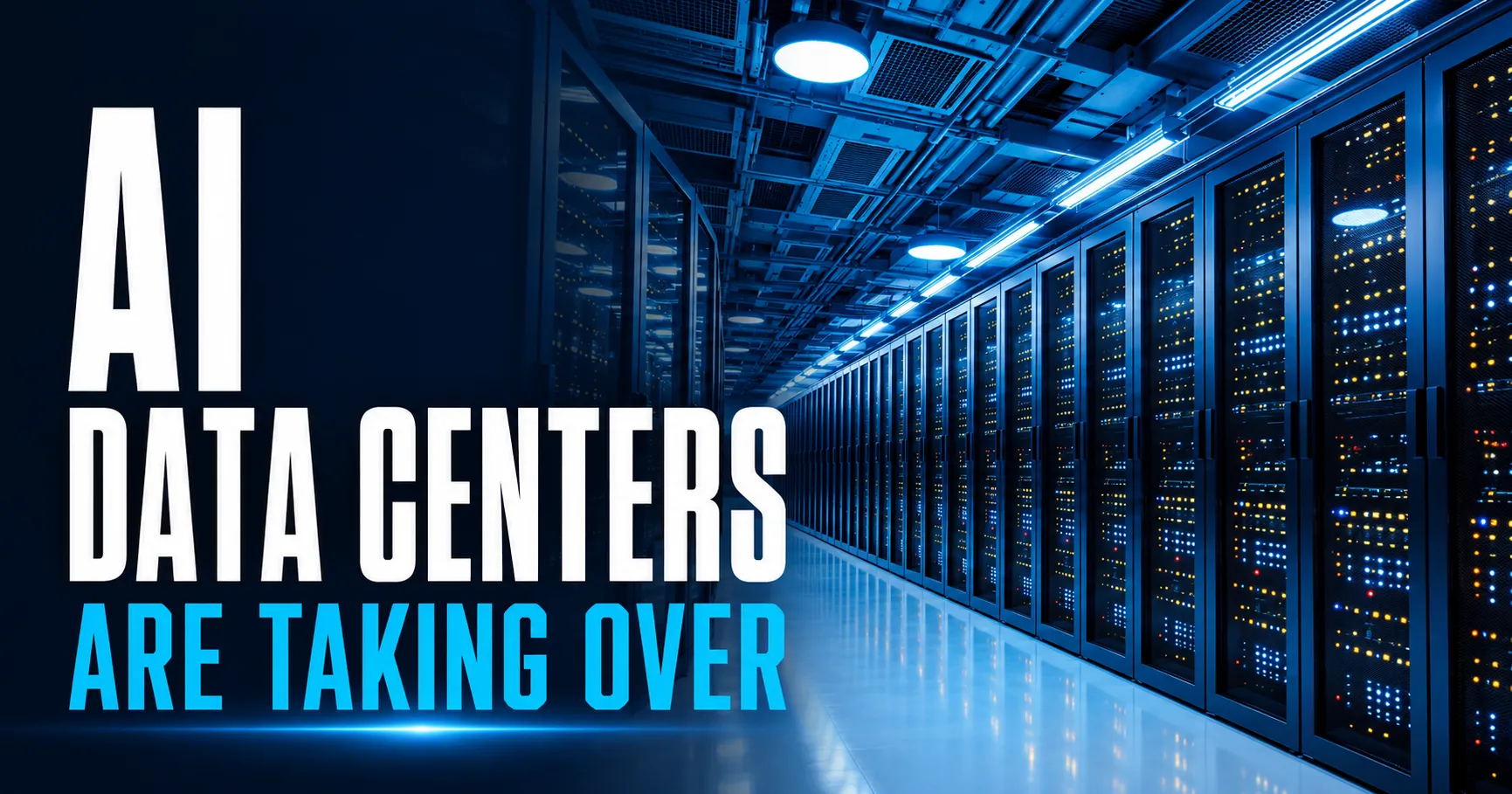
AI data centers are becoming one of the fastest-growing parts of the modern digital world. These large buildings hold thousands of powerful computers that help run tools like chatbots, cloud apps, search engines, video platforms, and business software.
As artificial intelligence becomes more common, tech companies need more space, more chips, more power, and stronger cooling systems to keep these machines working all day and night. These facilities do more than use electricity and water.
 Via IBM
They also release large amounts of heat into nearby areas. A growing number of researchers now warn that this heat may affect the land around data centers, especially when many large facilities are built close to towns, roads, farms, or industrial zones. This local warming is sometimes called the data heat island effect.
The issue matters because AI is no longer a small part of the internet. It is becoming a major part of daily life, business, education, health tools, entertainment, and public services. As demand grows, the number of AI data centers is also rising. This creates a new question for cities and communities: how can digital growth continue without putting more pressure on people, water supplies, energy systems, and the local environment?
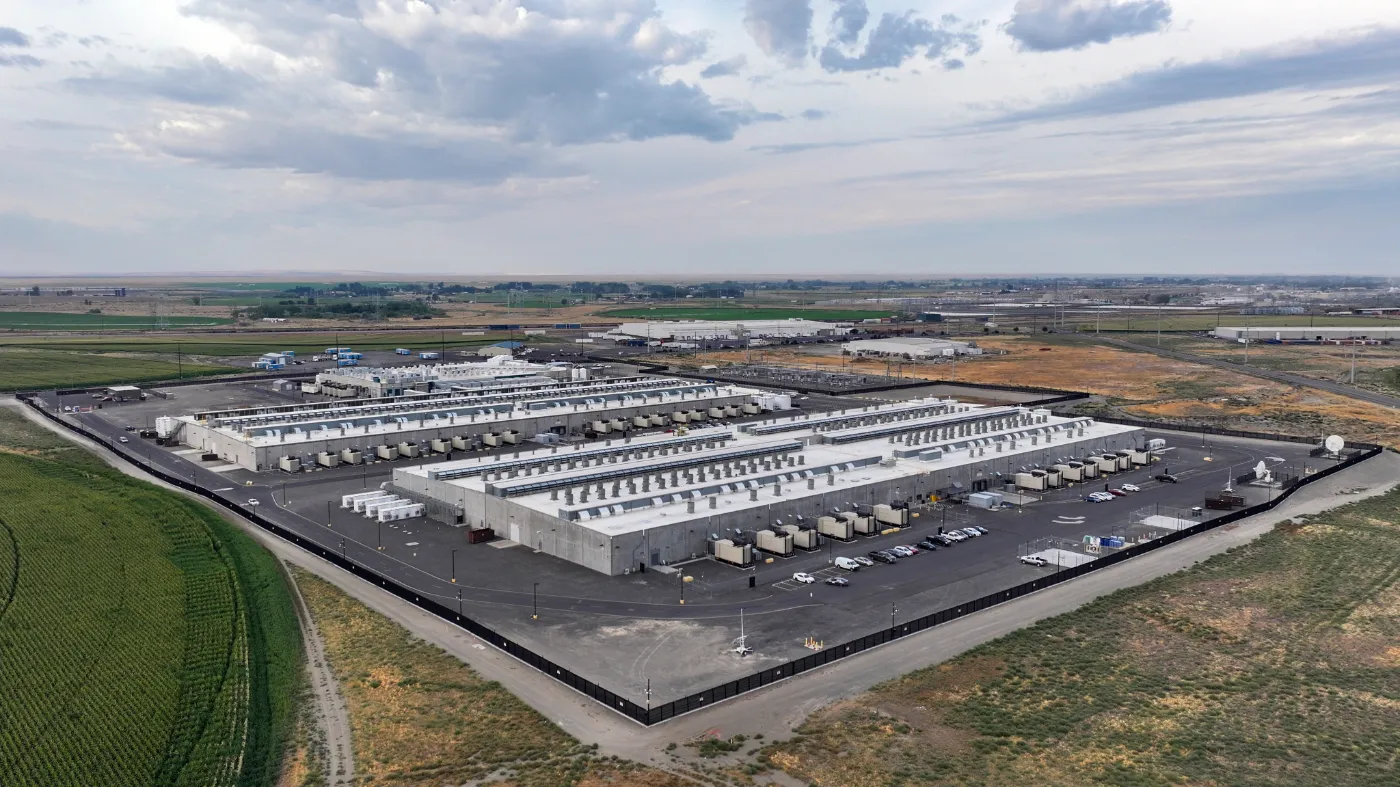 Via The Hill
 Via Network World
This heat does not fully disappear. Cooling systems move it away from servers, but the warmth can still affect the building and the surrounding area. Some data centers use air cooling, while others use liquid cooling to control higher temperatures. Both methods help protect machines, yet they also show how much heat modern AI systems can produce during daily operation.
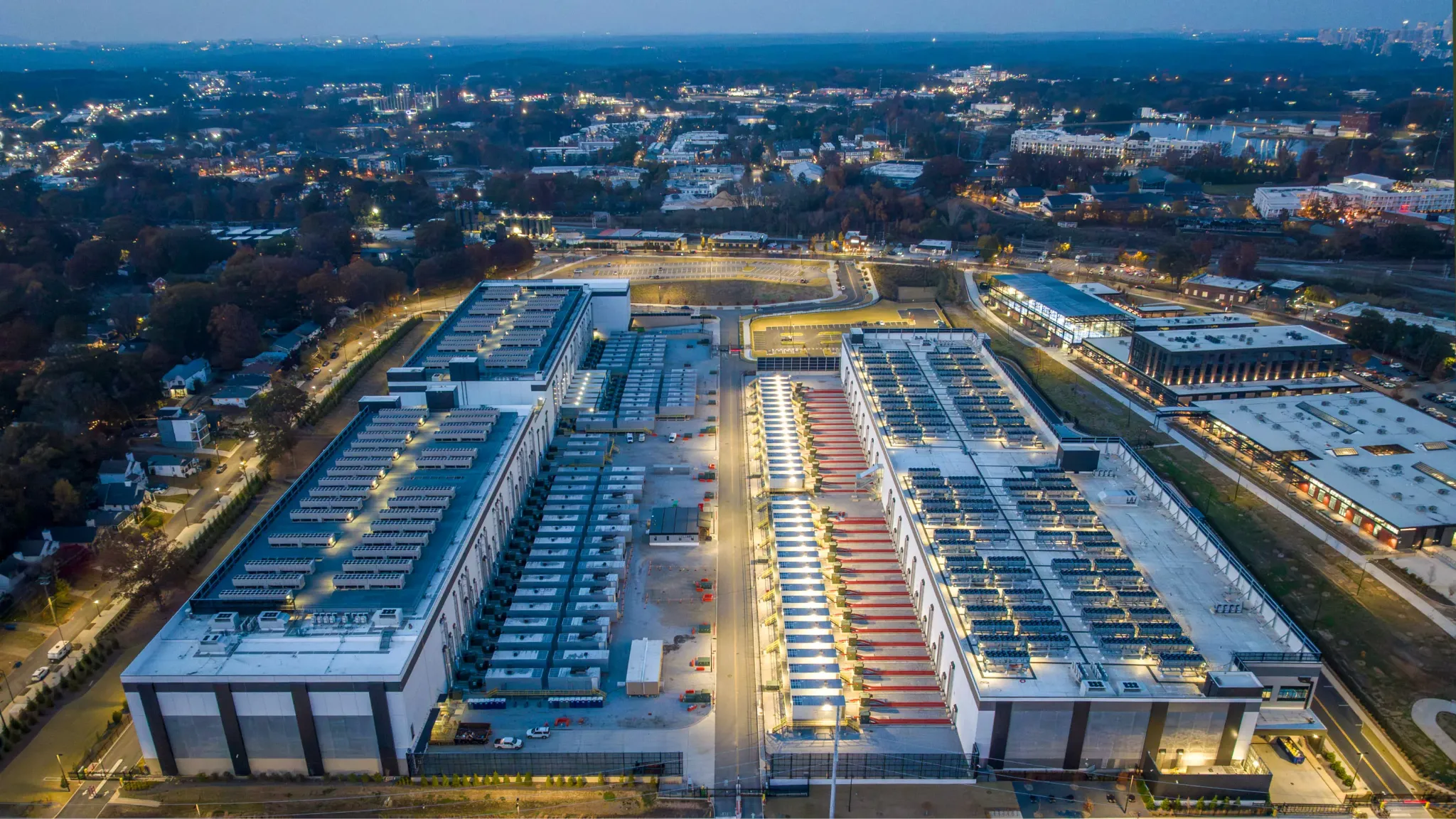 Via MIT Technology Review
Since these facilities run every hour of every day, their power demand can place heavy pressure on local grids. Electricity use also connects directly to heat. When computers use power, much of that energy turns into heat. That is why data centers need strong cooling systems, backup power systems, airflow planning, and temperature controls.
Without these systems, servers can overheat quickly. This makes cooling one of the most important and expensive parts of running a modern AI facility. Water use is another major concern. Some large data centers use huge amounts of water to cool servers, especially in warm or dry areas.
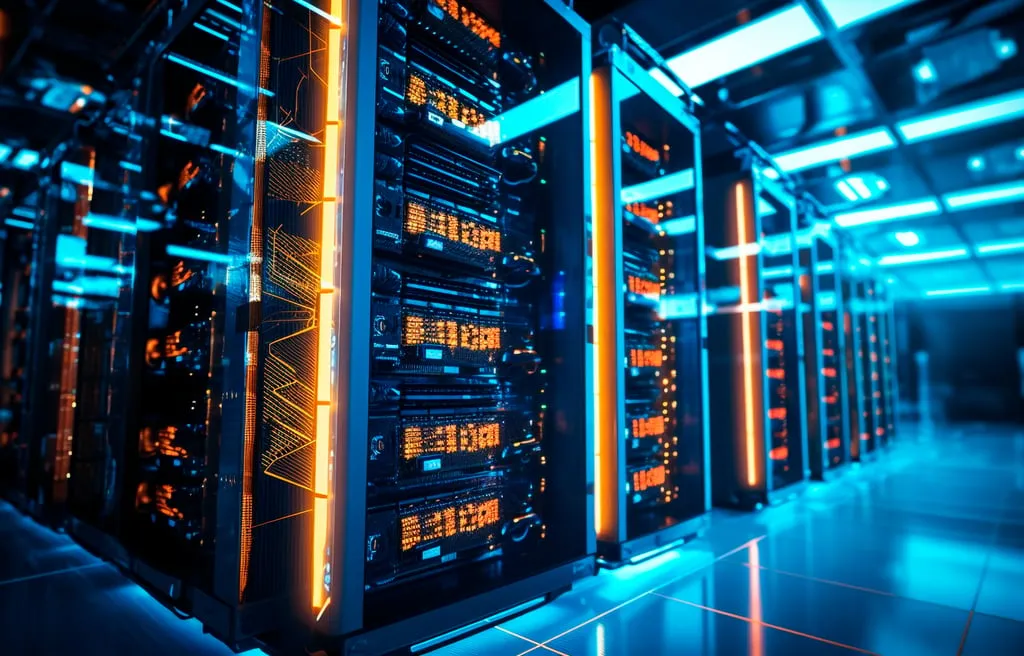 Via Enterprise Storage Forum
A single large hyperscale center can use billions of liters of water each year. This can worry nearby communities, especially in places already facing drought, rising temperatures, or growing demand from homes, farms, and businesses.
 Via Reuters
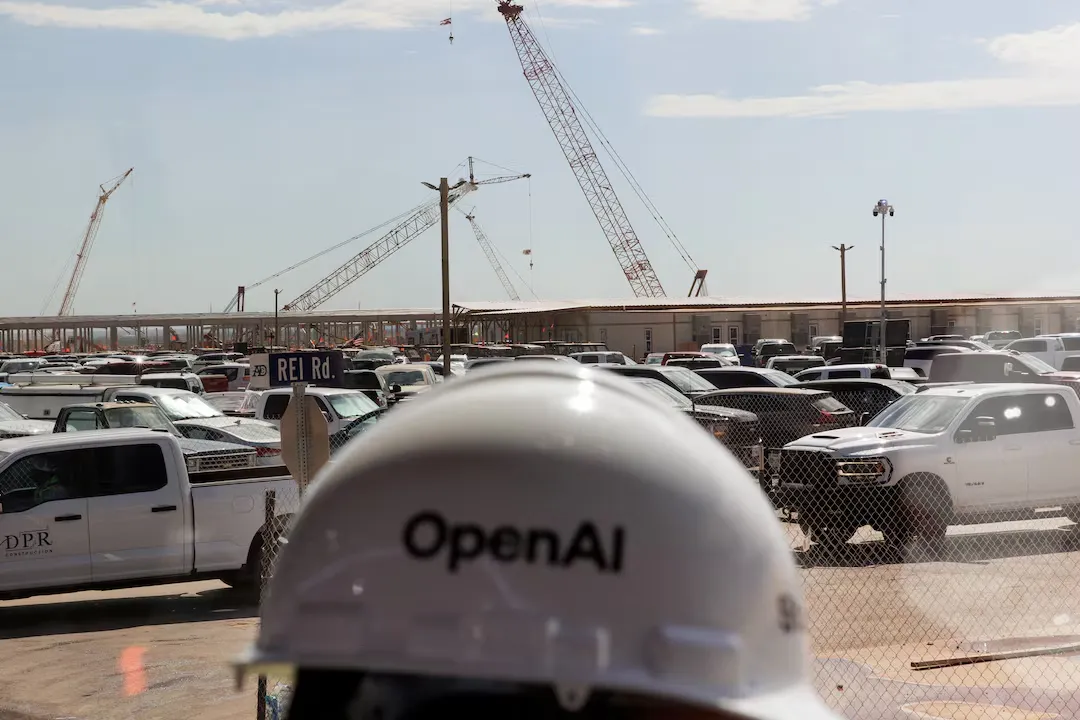
Many are located near major tech hubs, cloud regions, industrial parks, and areas with strong energy infrastructure. Europe is another major data center region. The United Kingdom, Germany, and France are important hubs because they have large business markets and strong digital demand.
Many facilities are clustered near major cities, especially where companies need fast cloud service for banks, offices, media platforms, and public services. London and nearby areas are among the busiest data center zones. Asia is also growing quickly.
 Via Oracle Blogs
China and India have large numbers of data centers, while Southeast Asia is becoming a fast-growing market for cloud and AI services. This growth is linked to rising internet use, digital payments, online shopping, gaming, streaming, and business technology. As more people and companies use AI tools, more data centers are expected across these regions.
 Via Hanwha Data Center
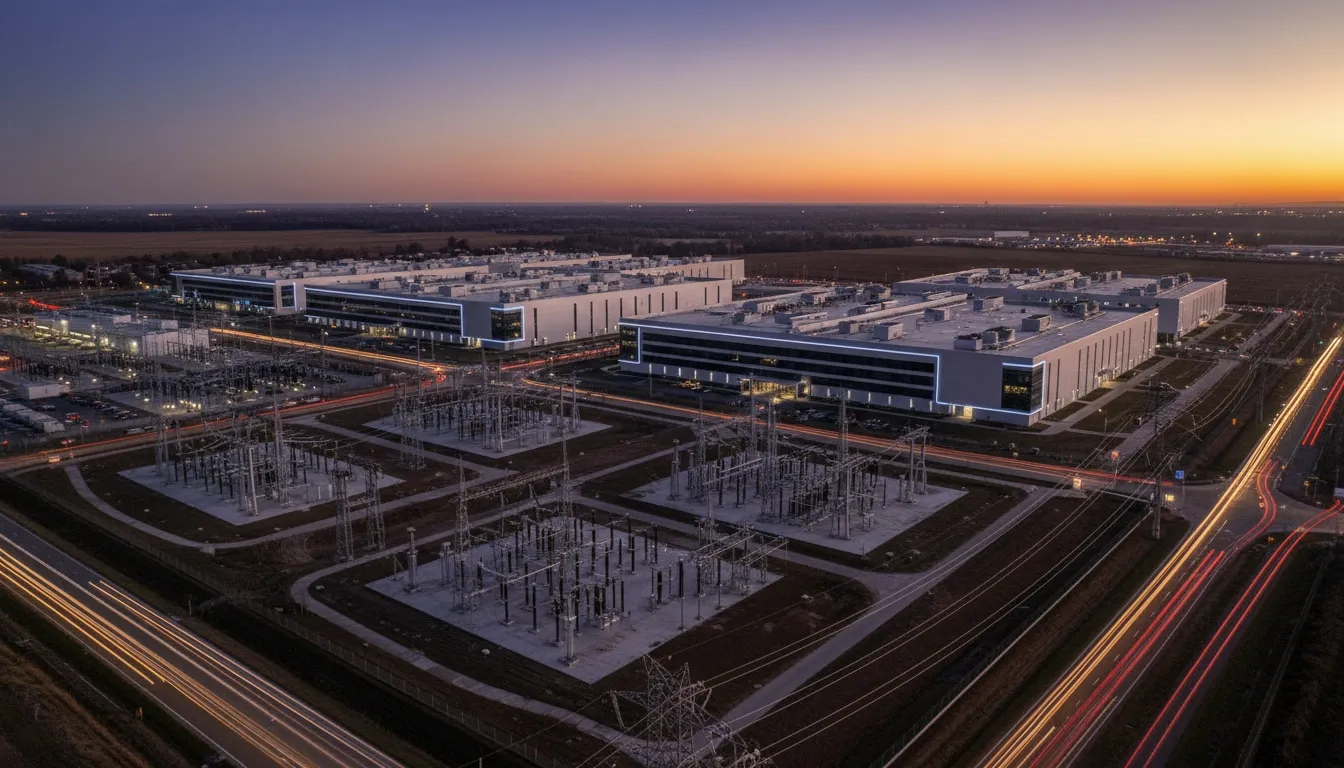
These changes may be felt within several miles of a facility, depending on the size of the center, local weather, land type, and nearby development. This effect is similar to the urban heat island problem seen in cities. Concrete, roads, buildings, machines, and human activity can make city areas hotter than nearby rural land.
Data centers can add another source of heat, especially when they are large, active all day, and located near areas that already hold warehouses, roads, factories, and power equipment. Nearby people may feel these changes in different ways.
 Via Gensler
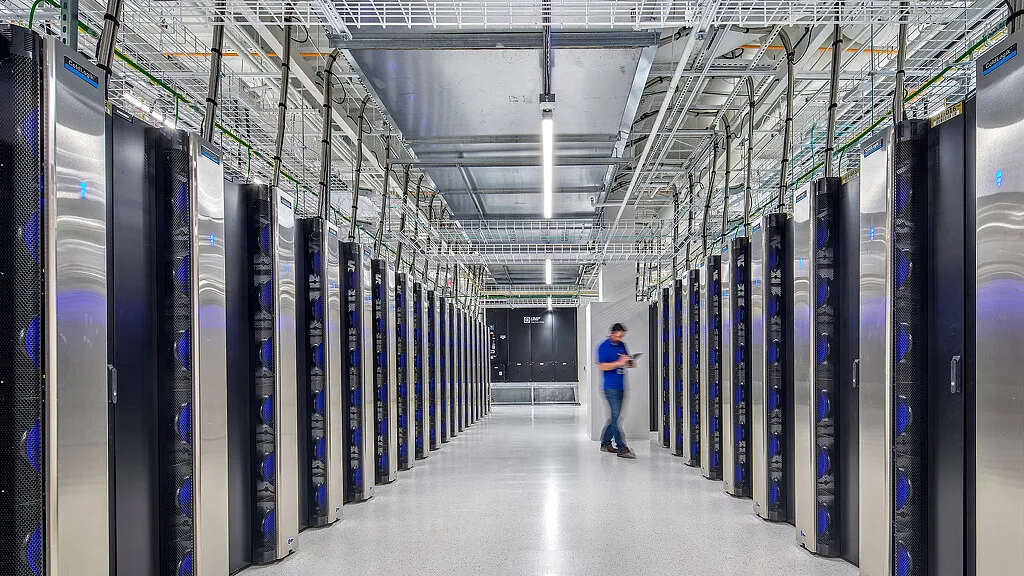
Higher local heat can increase cooling costs, make outdoor work harder, and affect comfort during hot seasons. It can also place extra stress on older adults, children, outdoor workers, and people with health problems. Even small rises in local heat can become more serious during heat waves or long dry spells.
 Via Yahoo
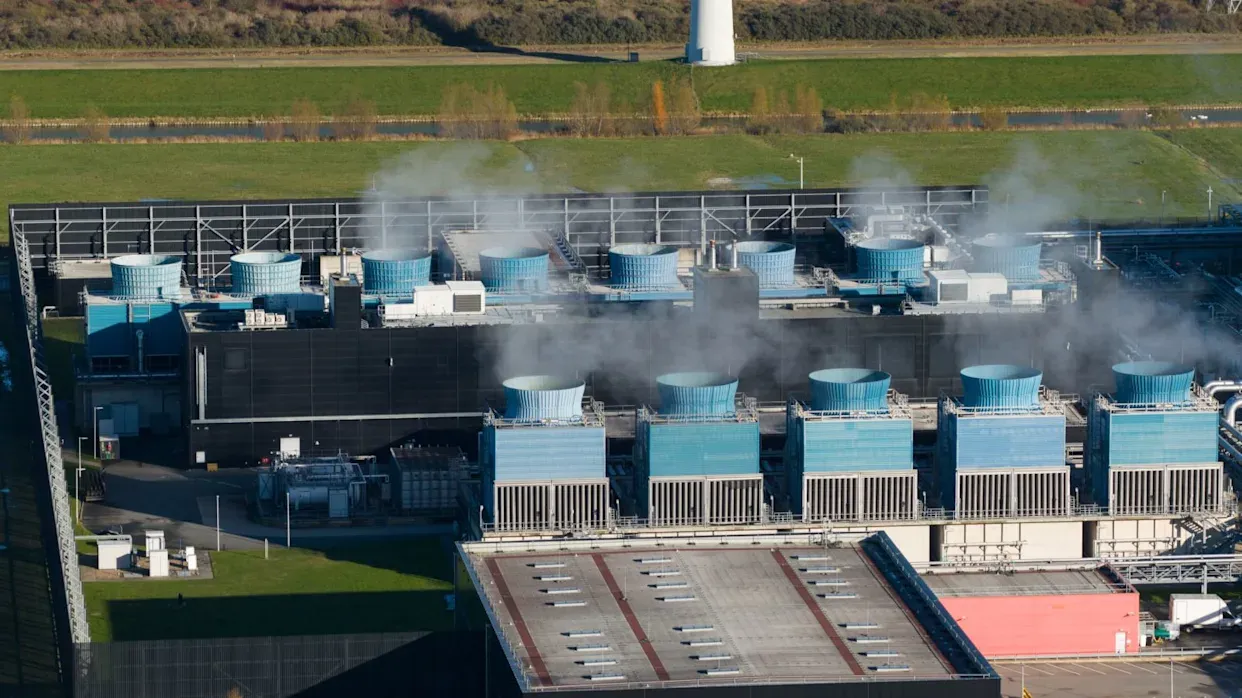
This investment shows how important AI has become for the global economy. Businesses use AI for customer service, coding, design, search, security, health tools, logistics, and many other tasks. More AI use means more demand for computing power. More computing power means more facilities, more electricity, more cooling systems, and more local planning challenges.
Large projects can also bring jobs, tax income, construction work, and new technology investment to a region. Communities may welcome these benefits, especially in areas looking for economic growth. The challenge is making sure these gains do not come with hidden costs, such as pressure on water supplies, higher energy demand, land use conflicts, or increased local heat.
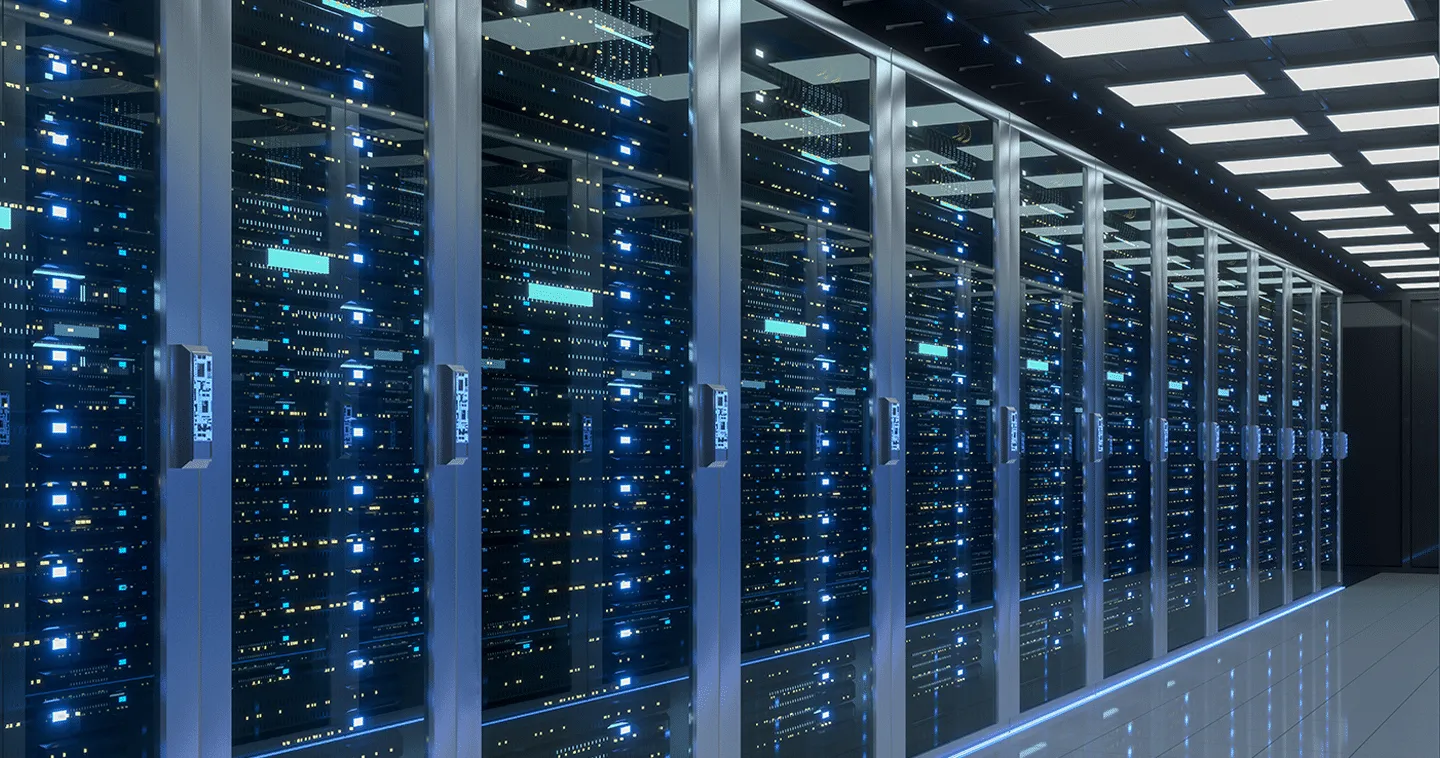 Via Western Digital Blog
 Via C&C Technology Center
Communities also need honest information. People living near these sites should understand what is being built, how much energy may be used, how water will be managed, and what steps will be taken to control heat. Trust becomes stronger when companies share clear plans and local officials review those plans carefully before approving major projects.
 Via UCS Blog
Cleaner energy can reduce the climate impact of these facilities. Solar, wind, nuclear, hydropower, and other low-carbon sources may help lower emissions from power use. Better chips and more efficient software can also reduce the amount of energy needed for each AI task.
Smaller gains can become important when millions or billions of requests are processed every day. People need a balanced approach that looks at both benefits and risks. AI data centers can support innovation, jobs, and digital services, but they also bring heat, water demand, and power challenges.
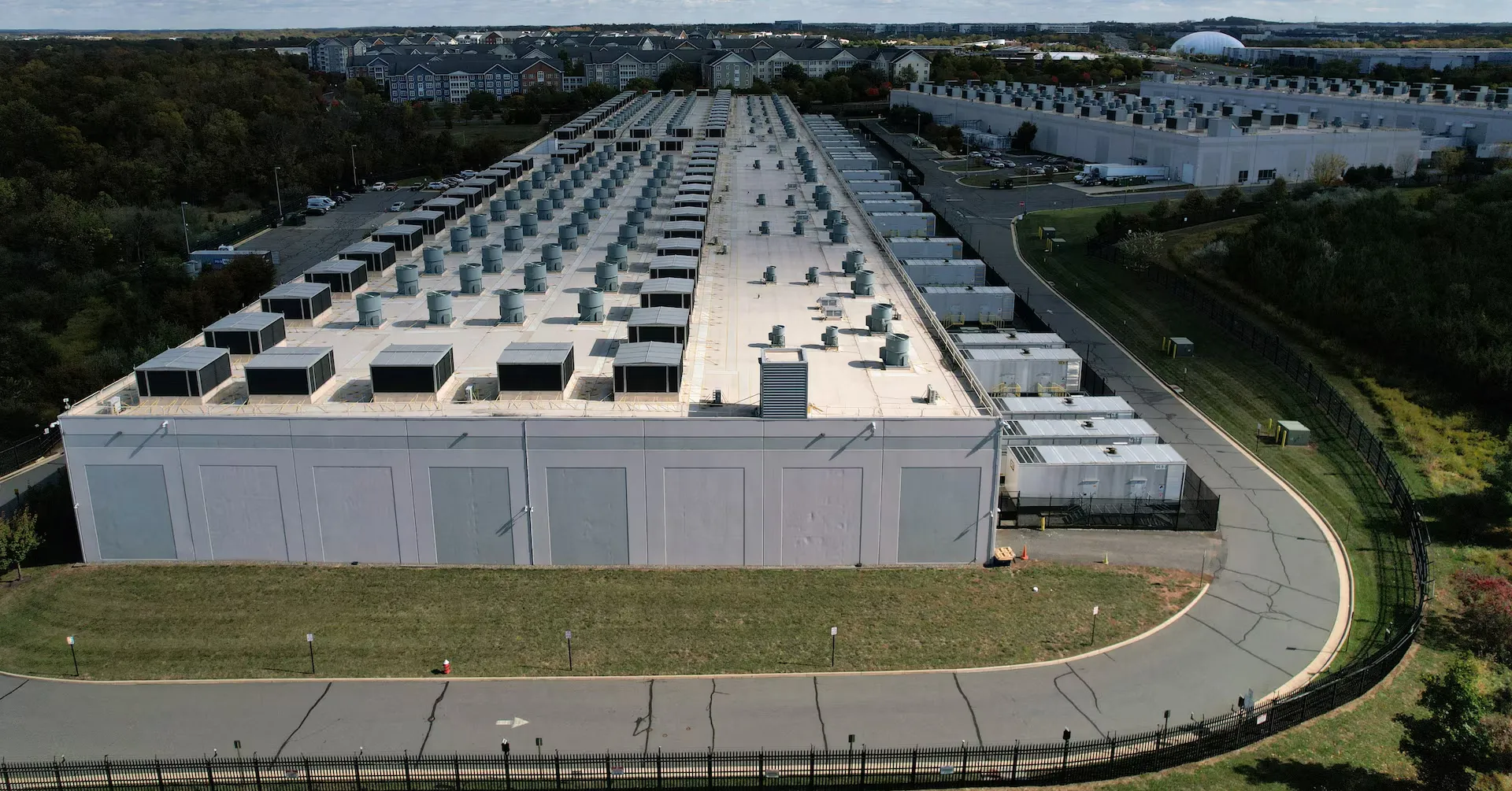 Via Reuters
Smarter rules, better design, and open community planning can help make the AI boom more responsible for nearby residents and the environment. Clear government standards can guide where data centers are built, how much water they use, and how they manage waste heat.
More in UnassignedVia IBM
They also release large amounts of heat into nearby areas. A growing number of researchers now warn that this heat may affect the land around data centers, especially when many large facilities are built close to towns, roads, farms, or industrial zones. This local warming is sometimes called the data heat island effect.
The issue matters because AI is no longer a small part of the internet. It is becoming a major part of daily life, business, education, health tools, entertainment, and public services. As demand grows, the number of AI data centers is also rising. This creates a new question for cities and communities: how can digital growth continue without putting more pressure on people, water supplies, energy systems, and the local environment?
Via The Hill
Why Centers Run Hot?
Data centers run hot because their machines work nonstop. Every AI request needs computer chips to process huge amounts of information. These chips perform many calculations at the same time, which creates heat inside the servers. The more advanced the AI system is, the more power it often needs, especially when it handles millions of requests from users around the world. Regular web servers already need steady cooling, but AI servers can be even more demanding. Large language models, image tools, cloud systems, and business AI platforms often need special chips designed for heavy workloads. These chips use a lot of electricity and can become very hot during long processing tasks. Cooling systems must then remove this heat before it damages equipment or slows performance.Via Network World
This heat does not fully disappear. Cooling systems move it away from servers, but the warmth can still affect the building and the surrounding area. Some data centers use air cooling, while others use liquid cooling to control higher temperatures. Both methods help protect machines, yet they also show how much heat modern AI systems can produce during daily operation.
Power And Water Use
AI data centers need a large and steady electricity supply. Hyperscale data centers, which are among the biggest facilities, can require between 100 and 300 megawatts of electricity. This is enough energy to serve very large numbers of homes.Via MIT Technology Review
Since these facilities run every hour of every day, their power demand can place heavy pressure on local grids. Electricity use also connects directly to heat. When computers use power, much of that energy turns into heat. That is why data centers need strong cooling systems, backup power systems, airflow planning, and temperature controls.
Without these systems, servers can overheat quickly. This makes cooling one of the most important and expensive parts of running a modern AI facility. Water use is another major concern. Some large data centers use huge amounts of water to cool servers, especially in warm or dry areas.
Via Enterprise Storage Forum
A single large hyperscale center can use billions of liters of water each year. This can worry nearby communities, especially in places already facing drought, rising temperatures, or growing demand from homes, farms, and businesses.
Where They Are Built
Most data centers are built in places with strong power access, fast internet connections, available land, and good links to business markets. The United States has the largest number of data centers, with thousands of active facilities across several states.Via Reuters
Many are located near major tech hubs, cloud regions, industrial parks, and areas with strong energy infrastructure. Europe is another major data center region. The United Kingdom, Germany, and France are important hubs because they have large business markets and strong digital demand.
Many facilities are clustered near major cities, especially where companies need fast cloud service for banks, offices, media platforms, and public services. London and nearby areas are among the busiest data center zones. Asia is also growing quickly.
Via Oracle Blogs
China and India have large numbers of data centers, while Southeast Asia is becoming a fast-growing market for cloud and AI services. This growth is linked to rising internet use, digital payments, online shopping, gaming, streaming, and business technology. As more people and companies use AI tools, more data centers are expected across these regions.
Heat Near Communities
Research suggests that land surface temperatures around some AI data centers can rise after the facilities open. Average warming has been reported at about 2 degrees Celsius in nearby areas, while some places have seen much higher increases.Via Hanwha Data Center
These changes may be felt within several miles of a facility, depending on the size of the center, local weather, land type, and nearby development. This effect is similar to the urban heat island problem seen in cities. Concrete, roads, buildings, machines, and human activity can make city areas hotter than nearby rural land.
Data centers can add another source of heat, especially when they are large, active all day, and located near areas that already hold warehouses, roads, factories, and power equipment. Nearby people may feel these changes in different ways.
Via Gensler
Higher local heat can increase cooling costs, make outdoor work harder, and affect comfort during hot seasons. It can also place extra stress on older adults, children, outdoor workers, and people with health problems. Even small rises in local heat can become more serious during heat waves or long dry spells.
Growth And Investment
Tech companies are spending huge amounts of money to build new AI infrastructure. Major companies such as Microsoft, Amazon, Google, Meta, Oracle, and others are expanding large data center campuses to support cloud computing and artificial intelligence. These projects can cost billions of dollars and may cover very large areas of land.Via Yahoo
This investment shows how important AI has become for the global economy. Businesses use AI for customer service, coding, design, search, security, health tools, logistics, and many other tasks. More AI use means more demand for computing power. More computing power means more facilities, more electricity, more cooling systems, and more local planning challenges.
Large projects can also bring jobs, tax income, construction work, and new technology investment to a region. Communities may welcome these benefits, especially in areas looking for economic growth. The challenge is making sure these gains do not come with hidden costs, such as pressure on water supplies, higher energy demand, land use conflicts, or increased local heat.
Via Western Digital Blog
Local Planning Matters
Good planning can reduce the impact of AI data centers on nearby communities. Local leaders can ask companies to explain expected power use, water needs, cooling methods, land changes, and heat control plans before construction begins. Clear rules can help make sure these facilities are built in places that can safely support them. Design choices also matter. Data centers can use cleaner power, better insulation, advanced cooling, heat reuse systems, and smarter building layouts. Some facilities can send waste heat to nearby buildings, greenhouses, or district heating systems instead of releasing it into the open air. This can turn some of the heat problem into a useful energy source.Via C&C Technology Center
Communities also need honest information. People living near these sites should understand what is being built, how much energy may be used, how water will be managed, and what steps will be taken to control heat. Trust becomes stronger when companies share clear plans and local officials review those plans carefully before approving major projects.
Cleaner AI Future
Artificial intelligence will likely keep growing, and data centers will remain central to that growth. The goal should not be to stop digital progress, but to make it safer, cleaner, and better planned. AI tools can support many useful services, yet the physical buildings behind those tools must be handled with care.Via UCS Blog
Cleaner energy can reduce the climate impact of these facilities. Solar, wind, nuclear, hydropower, and other low-carbon sources may help lower emissions from power use. Better chips and more efficient software can also reduce the amount of energy needed for each AI task.
Smaller gains can become important when millions or billions of requests are processed every day. People need a balanced approach that looks at both benefits and risks. AI data centers can support innovation, jobs, and digital services, but they also bring heat, water demand, and power challenges.
Via Reuters
Smarter rules, better design, and open community planning can help make the AI boom more responsible for nearby residents and the environment. Clear government standards can guide where data centers are built, how much water they use, and how they manage waste heat.