Unassigned
30 Years After Dolly - Current State of Cloning Technology
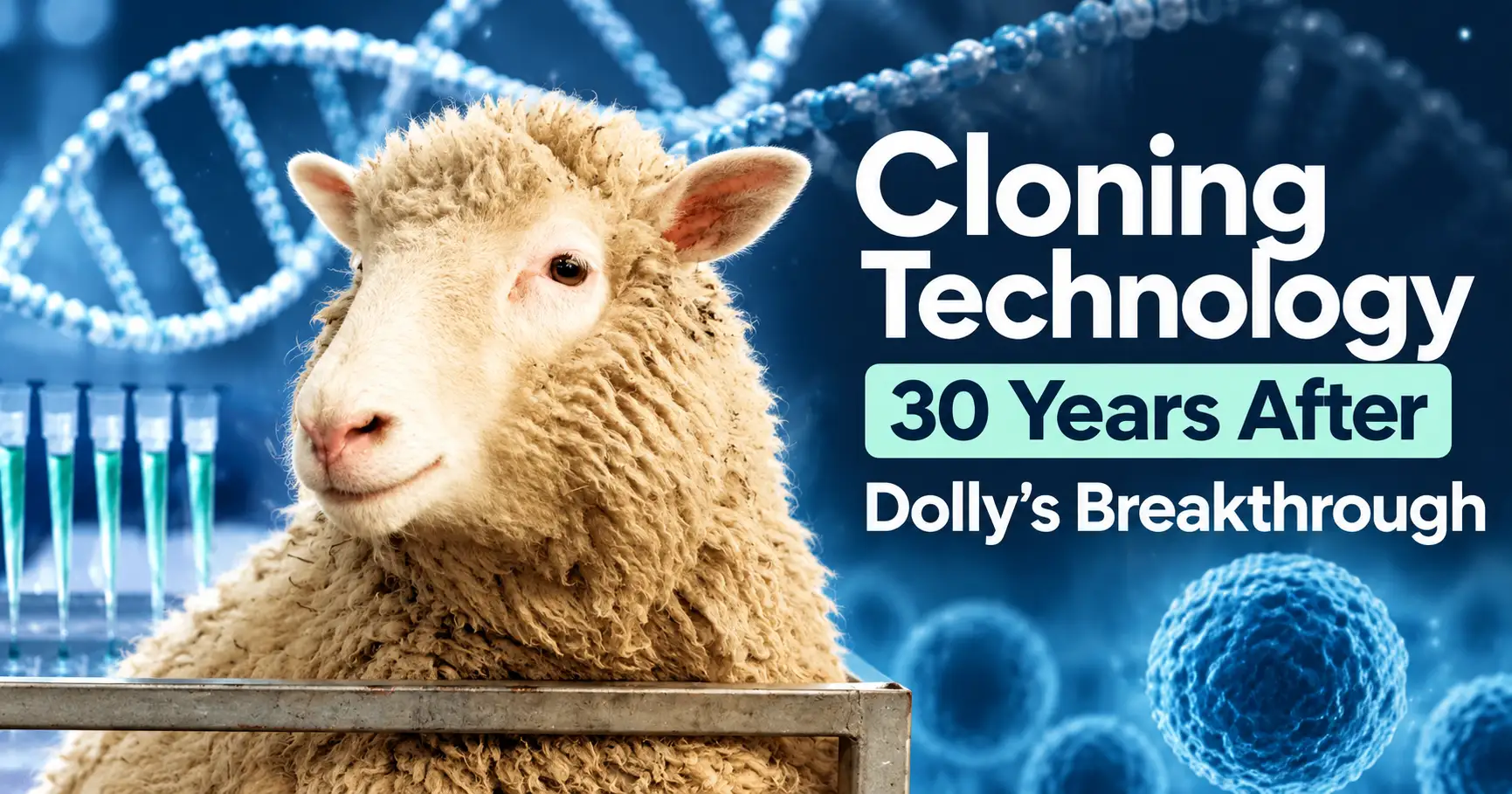
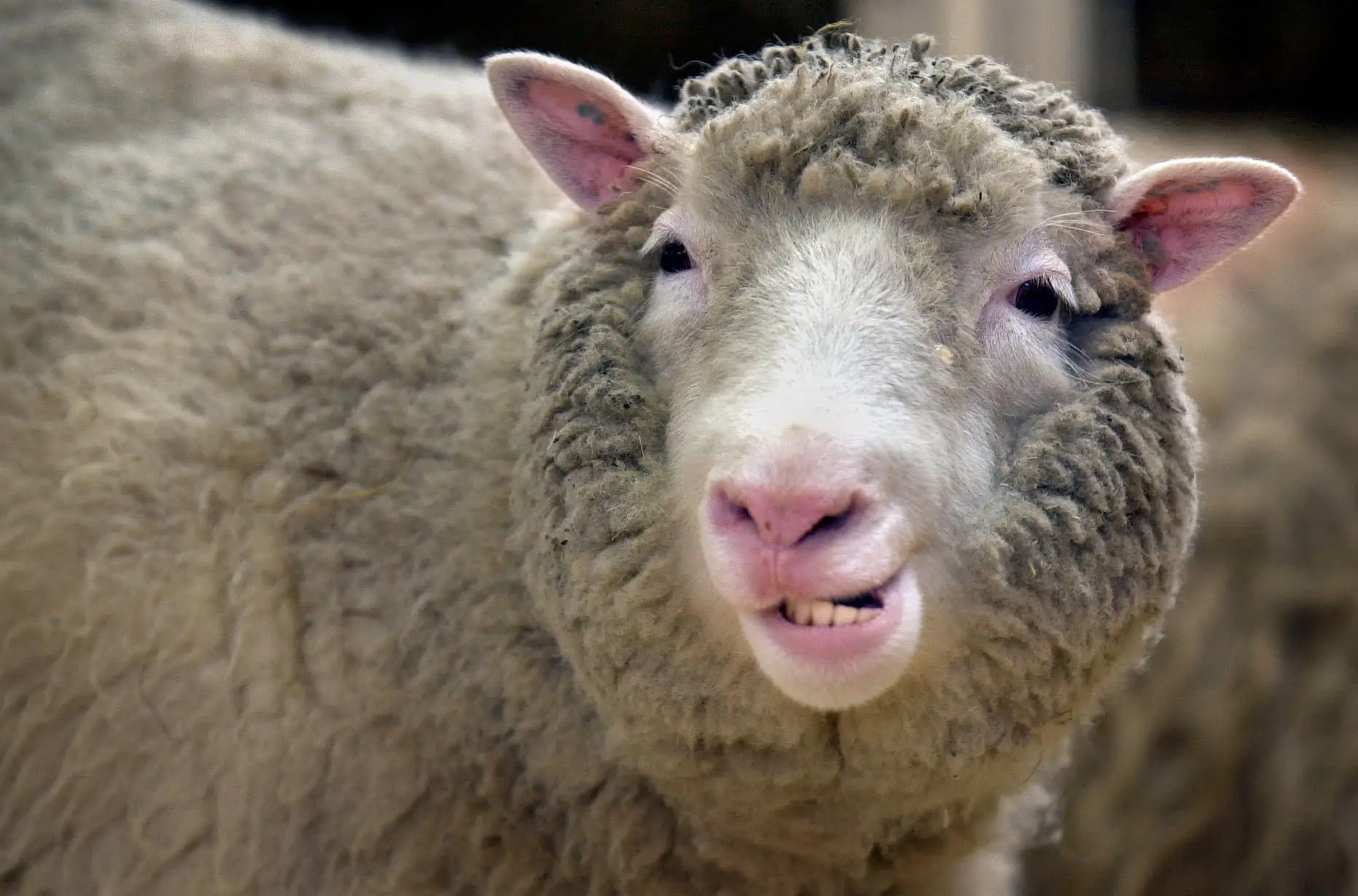
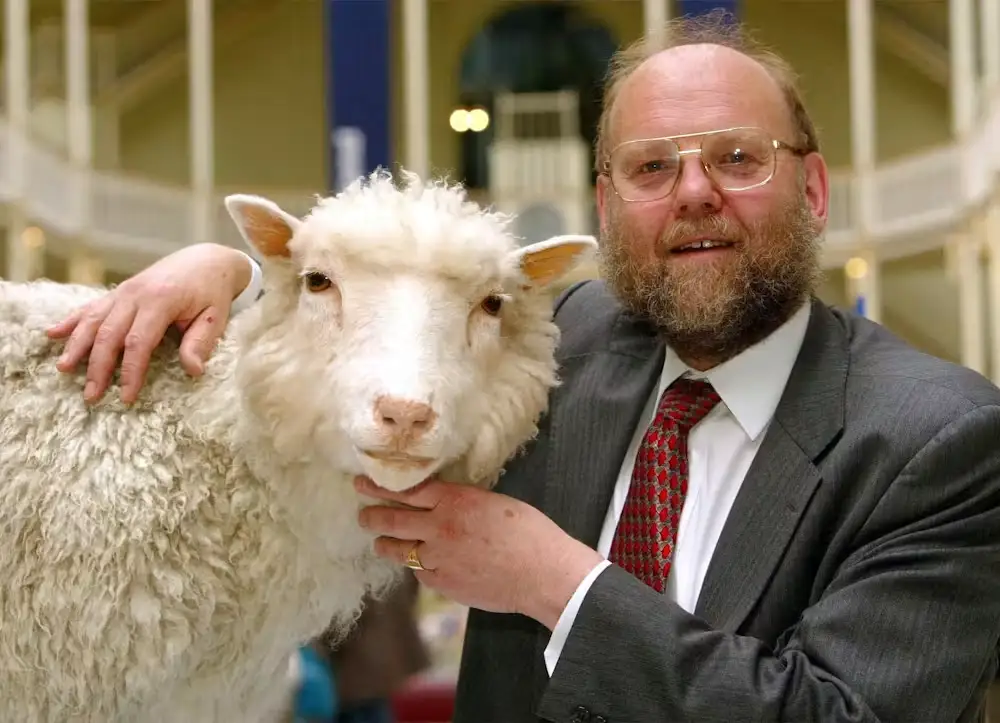
Dolly the sheep arrived in the world thirty years ago as the first mammal cloned from an adult cell. Scientists at the Roslin Institute created her through a careful laboratory process that captured global attention. Her birth marked a turning point in biology, showing that specialized adult cells could support the growth of a complete animal.
News of Dolly spread quickly and sparked wide public discussion about the future of life sciences. Many people imagined a world filled with identical pets, human copies, and even restored extinct creatures. The actual path of the technology proved more limited and complex than those early visions.
 Via Pearls & Irritations
Over the decades that followed, researchers treated Dolly’s creation as a foundation rather than an endpoint. The methods used to produce her opened new lines of inquiry into cell behavior, genetic control, and the limits of biological copying. Her story remains a clear reference point for measuring progress in the field.
 Via The Conversation
An electric pulse helps fuse the donor nucleus with the emptied egg. The combined cell begins dividing as if it were a natural embryo. Once the embryo reaches a suitable stage, it is placed into the uterus of a surrogate mother. The animal that is born carries DNA that is nearly identical to the original donor.
The process demands precise timing, specialized laboratory tools, and healthy donor material. Success depends on the egg’s ability to accept and reorganize the new genetic instructions. Even small errors in handling or timing can stop development at early stages.
 Via Technology Networks
 Via Mongabay
Cost and practical limits also slow progress. Each attempt requires donor cells, high-quality eggs, and surrogate pregnancies. These resources are expensive and difficult to obtain in large numbers. Scaling the process for routine use remains impractical for most species.
 Via Science
Researchers grow the reprogrammed cells into many different tissue types. The approach supports detailed study of disease processes inside laboratory dishes. Drug testing and regenerative medicine projects also benefit from the ability to produce patient-matched cell lines.
The discovery changed how biologists view cell identity. Specialized cells can be rewritten under the right conditions. That insight continues to guide projects far beyond the original goal of producing identical animals.
 Via Reuters
 Via National Zoo
Commercial services in certain nations offer cloning of cats and dogs. Owners seeking genetic continuity of a beloved pet can request the process. The resulting animals share DNA with the original yet develop their own personalities shaped by different experiences and environments.
 Via US Fish and Wildlife
Success in this area depends on access to viable cells and suitable surrogate mothers of related species. Each project requires careful planning to avoid introducing new health risks. The goal is to strengthen the overall gene pool rather than create large numbers of identical animals.
Cloning alone cannot solve every conservation problem. Habitat loss, disease, and climate pressures still limit recovery. When combined with habitat protection and traditional breeding, the technology can help stabilize small populations that face genetic bottlenecks.
 Via Spiegel
 Via The Sun
Even if physical traits can be recreated, the ecological role of an extinct species is harder to restore. Ecosystems change over time, and the networks of plants, predators, and climate conditions that once supported the original animal may no longer exist. Careful evaluation of these wider effects is essential before any large-scale effort proceeds.
 Via Jumpstart Magazine
Ethical questions add further weight to the restrictions. Issues of identity, consent, and possible misuse of reproductive material remain unresolved in many legal systems. Most nations therefore prohibit or tightly limit reproductive human cloning.
Research continues on related techniques that do not aim to produce whole individuals. Cell reprogramming and disease modeling draw on knowledge gained from animal cloning while avoiding the creation of cloned people. These safer applications receive broader scientific and public support.
 Via NBC News
 Via Live Science
Cloning technology continues to evolve through careful laboratory study and measured real-world trials. Its future depends on solving remaining technical hurdles while matching each application to genuine needs in health, food production, and wildlife protection.
Via Fox News
Teams working on these efforts hope the cloned monkeys will help speed up the evaluation of new drugs before human trials begin. Laboratory studies can examine how medicines affect organs and systems that closely resemble those in people. Each successful birth still requires many attempts, and the overall efficiency remains low compared with more common laboratory animals.
Animal welfare groups have raised concerns about the number of failed embryos and the conditions faced by surrogate mothers. These questions focus on whether the scientific gains justify the costs in animal lives. Researchers continue to refine the process while following strict ethical guidelines set by national review boards.
More in UnassignedVia Pearls & Irritations
Over the decades that followed, researchers treated Dolly’s creation as a foundation rather than an endpoint. The methods used to produce her opened new lines of inquiry into cell behavior, genetic control, and the limits of biological copying. Her story remains a clear reference point for measuring progress in the field.
Understanding Somatic Cell Nuclear Transfer
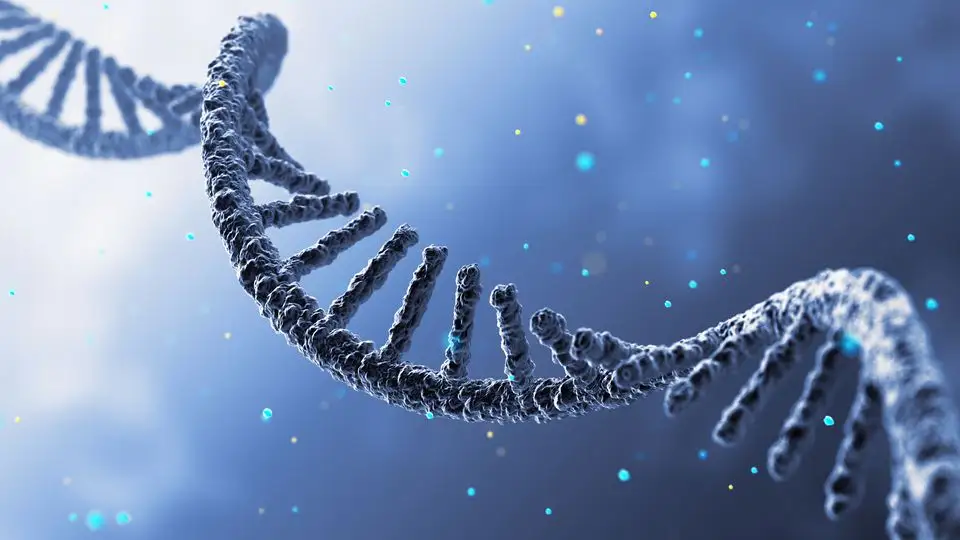
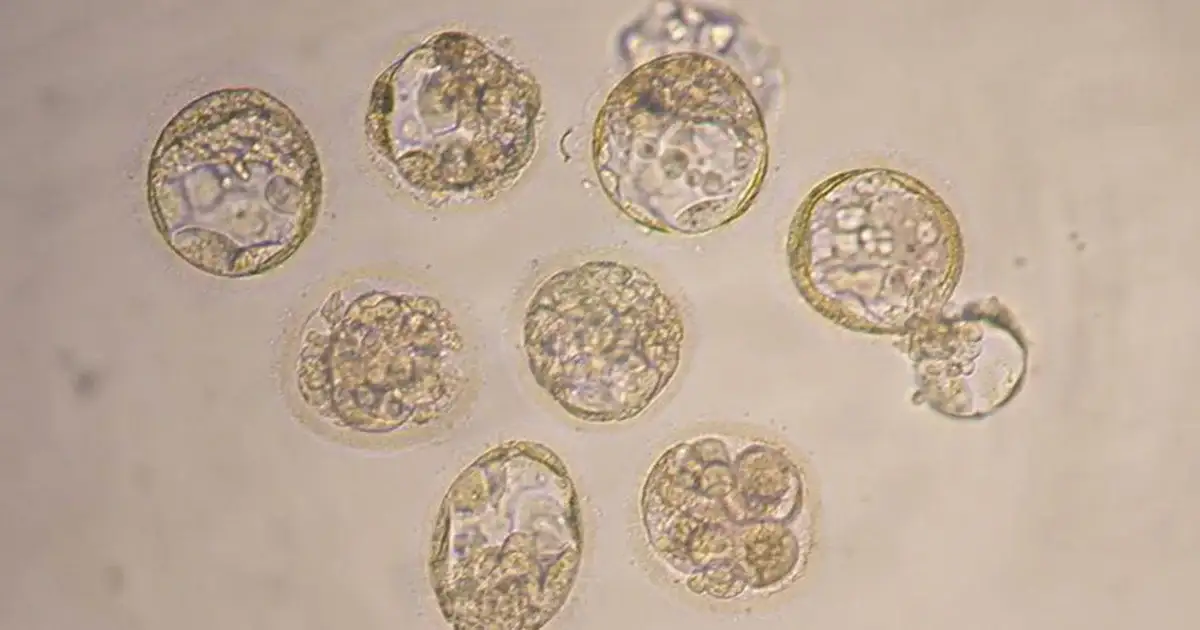
Most animal cloning relies on a method known as somatic cell nuclear transfer. Scientists remove the nucleus from a body cell that is not involved in reproduction. In Dolly’s case, the donor cell came from mammary tissue. They then take an egg cell from another animal and remove its own nucleus so the egg becomes empty of genetic material.
Via The Conversation
An electric pulse helps fuse the donor nucleus with the emptied egg. The combined cell begins dividing as if it were a natural embryo. Once the embryo reaches a suitable stage, it is placed into the uterus of a surrogate mother. The animal that is born carries DNA that is nearly identical to the original donor.
The process demands precise timing, specialized laboratory tools, and healthy donor material. Success depends on the egg’s ability to accept and reorganize the new genetic instructions. Even small errors in handling or timing can stop development at early stages.
Via Technology Networks
Why Mammal Cloning Stays Challenging
Copying DNA is only one part of the task. Adult cells carry chemical marks that tell genes which tasks to perform. An egg must erase those marks so the cell can act like a newly fertilized embryo. This resetting step, called epigenetic reprogramming, often remains incomplete. Incomplete reprogramming leads to many failed attempts. Early efforts needed hundreds of reconstructed eggs to produce a single healthy animal. The same pattern continues today, although rates have improved modestly with better techniques and equipment.
Via Mongabay
Cost and practical limits also slow progress. Each attempt requires donor cells, high-quality eggs, and surrogate pregnancies. These resources are expensive and difficult to obtain in large numbers. Scaling the process for routine use remains impractical for most species.
Breakthroughs from Cloning Studies
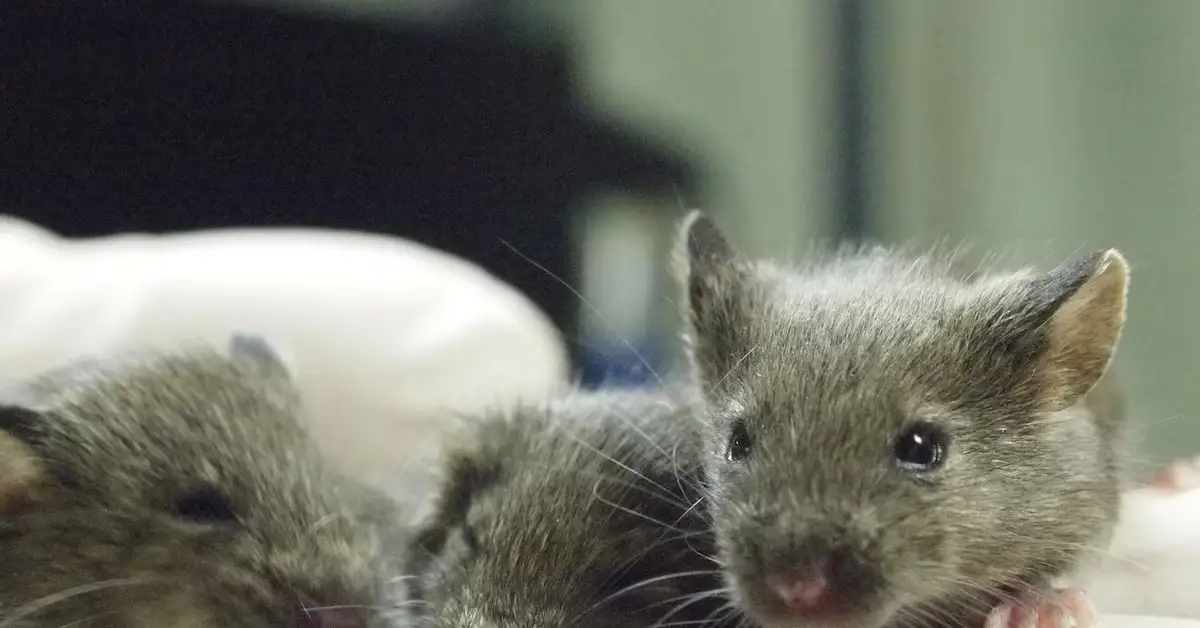
Work on nuclear transfer revealed that adult cells are not permanently locked into one role. Scientists learned they could reprogram specialized cells into a flexible state known as induced pluripotent stem cells. These cells behave much like embryonic stem cells yet do not require the creation of a full organism.
Via Science
Researchers grow the reprogrammed cells into many different tissue types. The approach supports detailed study of disease processes inside laboratory dishes. Drug testing and regenerative medicine projects also benefit from the ability to produce patient-matched cell lines.
The discovery changed how biologists view cell identity. Specialized cells can be rewritten under the right conditions. That insight continues to guide projects far beyond the original goal of producing identical animals.
Via Reuters
Cloning in Agriculture and Pets
Livestock producers sometimes use cloning to multiply animals that already show valuable traits. High milk yield, strong disease resistance, or desirable growth rates can be preserved by creating genetic copies. The method does not replace traditional breeding. Instead, it allows exact replication of proven individuals. Horse cloning has become established in some countries. Cloned horses have competed in equestrian events, demonstrating that the animals can perform at high levels. The practice remains selective because of cost and the need for skilled technical teams.
Via National Zoo
Commercial services in certain nations offer cloning of cats and dogs. Owners seeking genetic continuity of a beloved pet can request the process. The resulting animals share DNA with the original yet develop their own personalities shaped by different experiences and environments.
Supporting Endangered Species
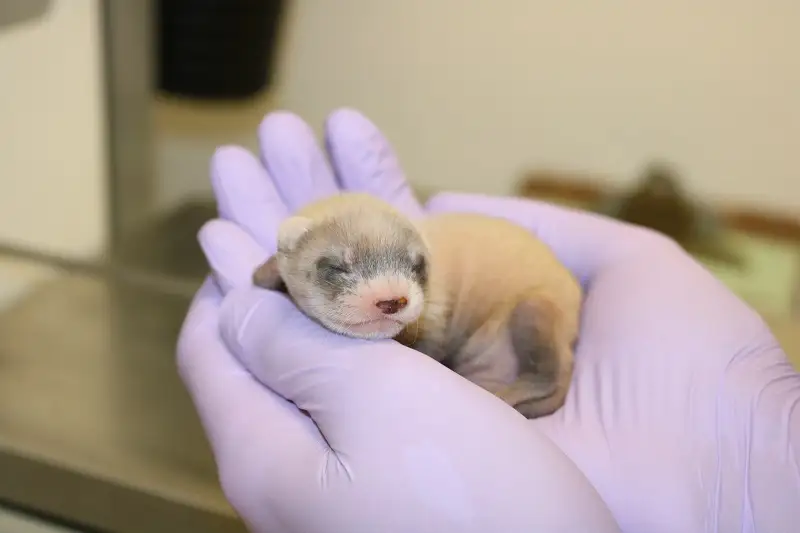
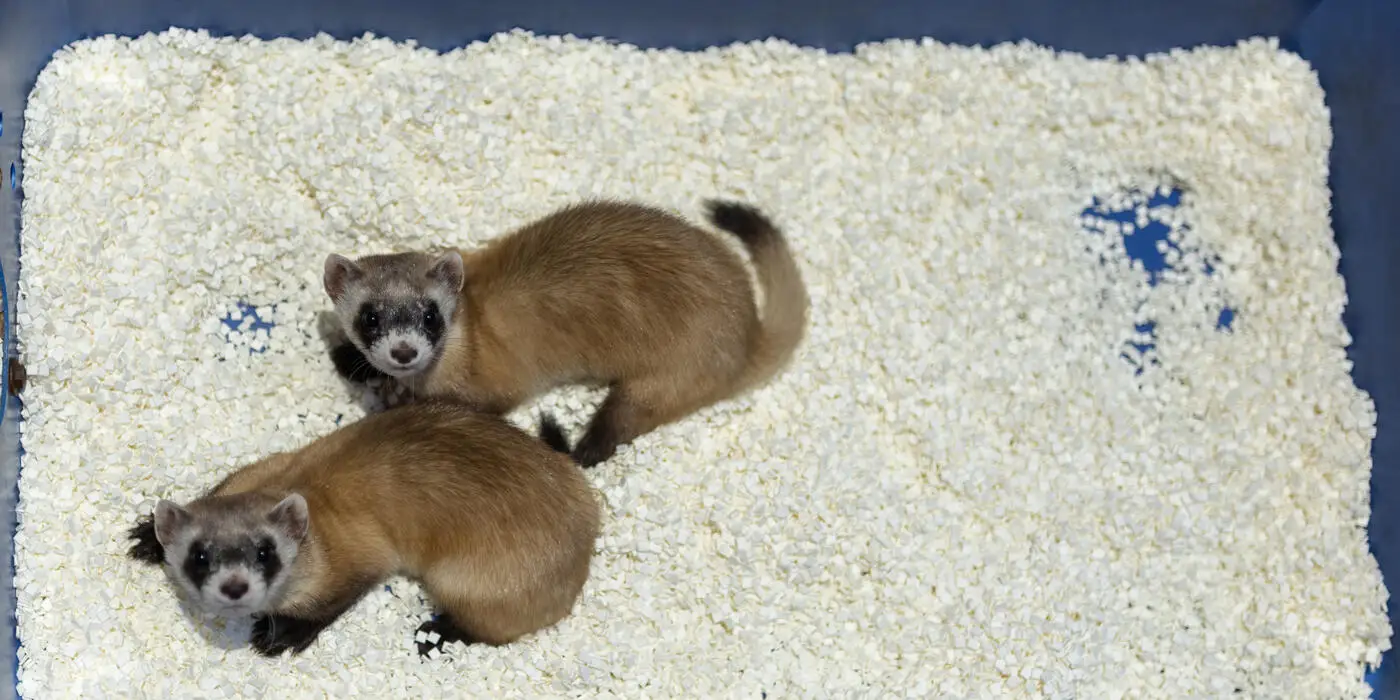
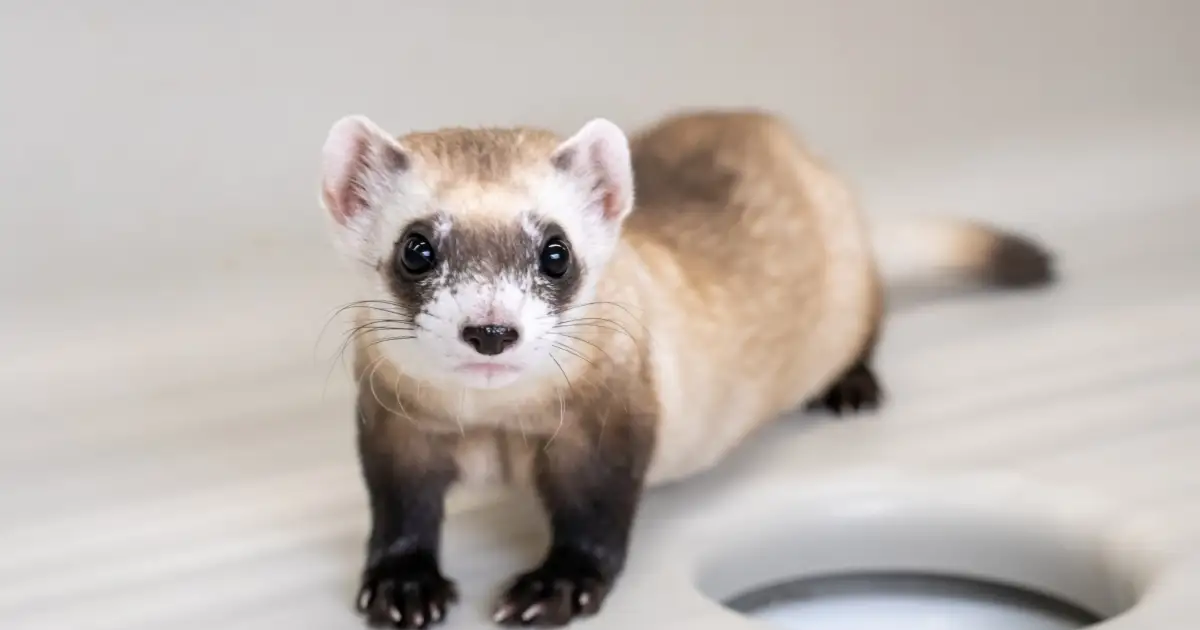
Conservation teams have applied cloning to increase genetic diversity in threatened populations. One notable project produced a black-footed ferret from cells preserved decades earlier. The cloned individual introduced genetic variation that had been lost from the living population.
Via US Fish and Wildlife
Success in this area depends on access to viable cells and suitable surrogate mothers of related species. Each project requires careful planning to avoid introducing new health risks. The goal is to strengthen the overall gene pool rather than create large numbers of identical animals.
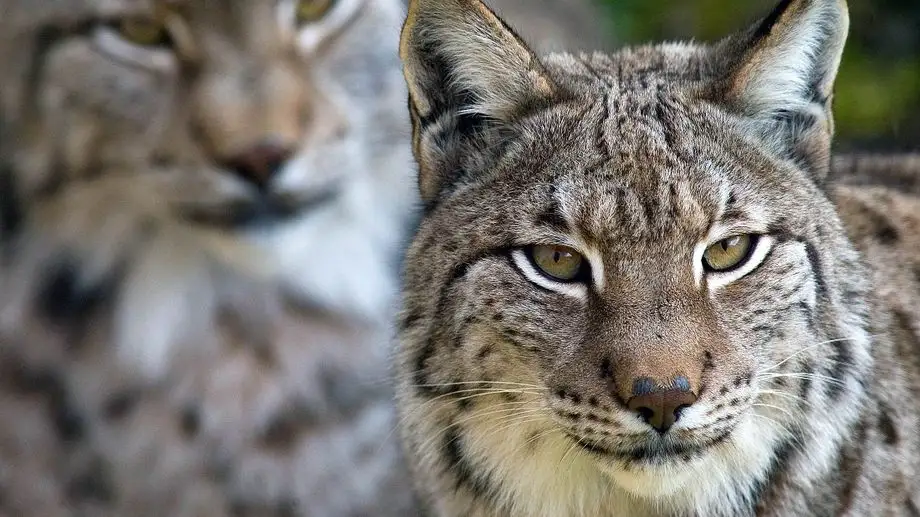
Cloning alone cannot solve every conservation problem. Habitat loss, disease, and climate pressures still limit recovery. When combined with habitat protection and traditional breeding, the technology can help stabilize small populations that face genetic bottlenecks.
Via Spiegel
Efforts Toward De-Extinction
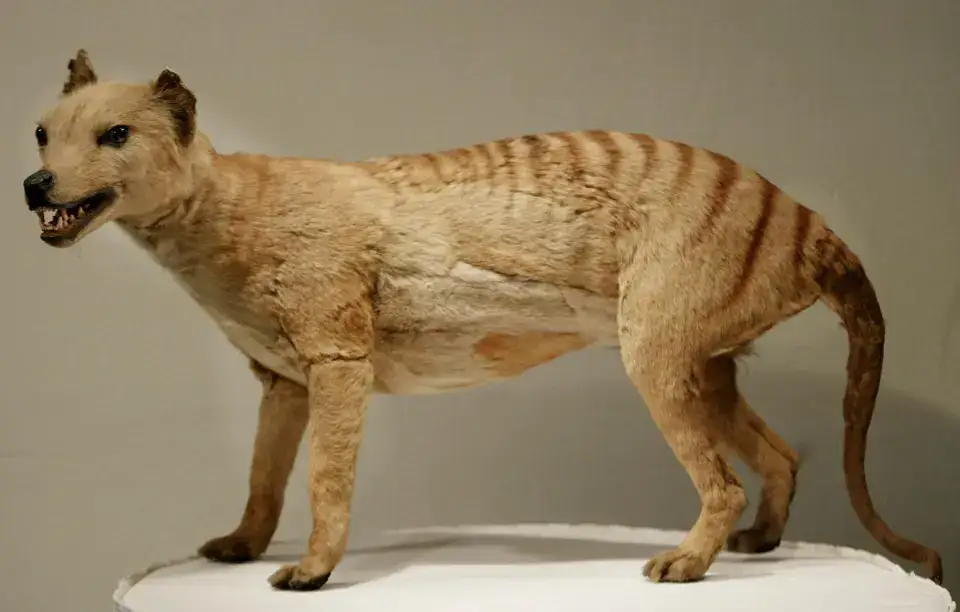
Public interest in restoring extinct species remains high, yet true cloning of long-vanished animals faces severe barriers. Ancient DNA is usually fragmented and incomplete. A functional genome, a compatible egg, and a closely related living surrogate are all required for a genuine clone. Scientists therefore explore alternative routes that combine ancient genetic fragments with gene-editing tools. Living relatives can be modified to express selected traits once found in extinct forms. A future animal resembling a woolly mammoth would most likely be an edited elephant rather than a replica.
Via The Sun
Even if physical traits can be recreated, the ecological role of an extinct species is harder to restore. Ecosystems change over time, and the networks of plants, predators, and climate conditions that once supported the original animal may no longer exist. Careful evaluation of these wider effects is essential before any large-scale effort proceeds.
Barriers to Human Cloning
Safety concerns form the primary obstacle to human reproductive cloning. Animal trials continue to show high rates of developmental failure and health problems in surviving offspring. Applying the same methods to people would expose embryos, surrogate mothers, and any resulting children to unacceptable risks.
Via Jumpstart Magazine
Ethical questions add further weight to the restrictions. Issues of identity, consent, and possible misuse of reproductive material remain unresolved in many legal systems. Most nations therefore prohibit or tightly limit reproductive human cloning.
Research continues on related techniques that do not aim to produce whole individuals. Cell reprogramming and disease modeling draw on knowledge gained from animal cloning while avoiding the creation of cloned people. These safer applications receive broader scientific and public support.
Via NBC News
The Continuing Role of Cloning Science
Thirty years after Dolly’s birth, cloning functions as one specialized tool among many in modern biology. It contributes to disease research, selective agriculture, and targeted conservation projects. The technology has not delivered the dramatic visions once imagined, yet it has delivered steady practical gains. Ongoing work focuses on improving efficiency, reducing costs, and clarifying ethical boundaries. Better understanding of epigenetic control may raise success rates and expand useful applications. At the same time, clear regulations help ensure that any new uses respect both scientific limits and social values.Via Live Science
Cloning technology continues to evolve through careful laboratory study and measured real-world trials. Its future depends on solving remaining technical hurdles while matching each application to genuine needs in health, food production, and wildlife protection.
Recent Advances in Primate Cloning
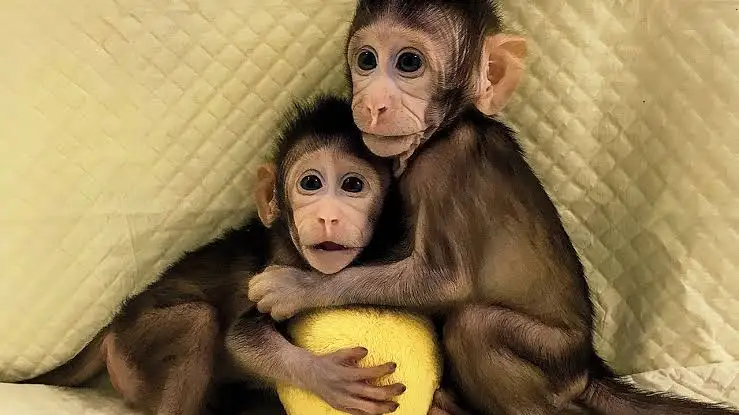
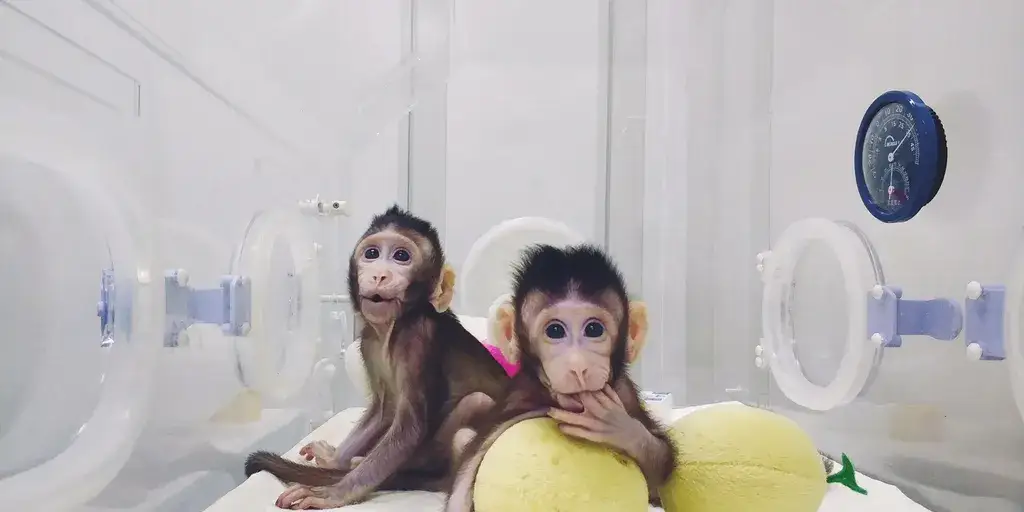
Scientists in China reported the successful cloning of a rhesus monkey in 2024, marking a notable step in primate research. The animal shares close physiological traits with humans, which makes it useful for studying complex diseases and testing potential treatments. The project relied on refined nuclear transfer methods and careful selection of donor cells to improve the chances of healthy development.Via Fox News
Teams working on these efforts hope the cloned monkeys will help speed up the evaluation of new drugs before human trials begin. Laboratory studies can examine how medicines affect organs and systems that closely resemble those in people. Each successful birth still requires many attempts, and the overall efficiency remains low compared with more common laboratory animals.
Animal welfare groups have raised concerns about the number of failed embryos and the conditions faced by surrogate mothers. These questions focus on whether the scientific gains justify the costs in animal lives. Researchers continue to refine the process while following strict ethical guidelines set by national review boards.