Unassigned
Why Spotify Has No AI Music Filter Option

Artificial intelligence is rapidly transforming the music industry, and listeners are beginning to notice the change. Many users now find their playlists filled with songs that feel different, often lacking the emotional touch of human-created music. This has raised a growing concern about transparency and control.
AI-generated music has become more common because of powerful tools that can produce songs in seconds. People want to know what they are listening to and whether it was made by a human artist or a machine. These tools can create full tracks with vocals, instruments, and lyrics, making them sound almost identical to traditional music.
 Via Mashable
As a result, it has become harder for listeners to recognize the difference between human-made and AI-created content. This confusion is pushing users to demand clearer labeling and filtering options. Spotify, as the world’s leading music streaming platform, is under pressure to respond.
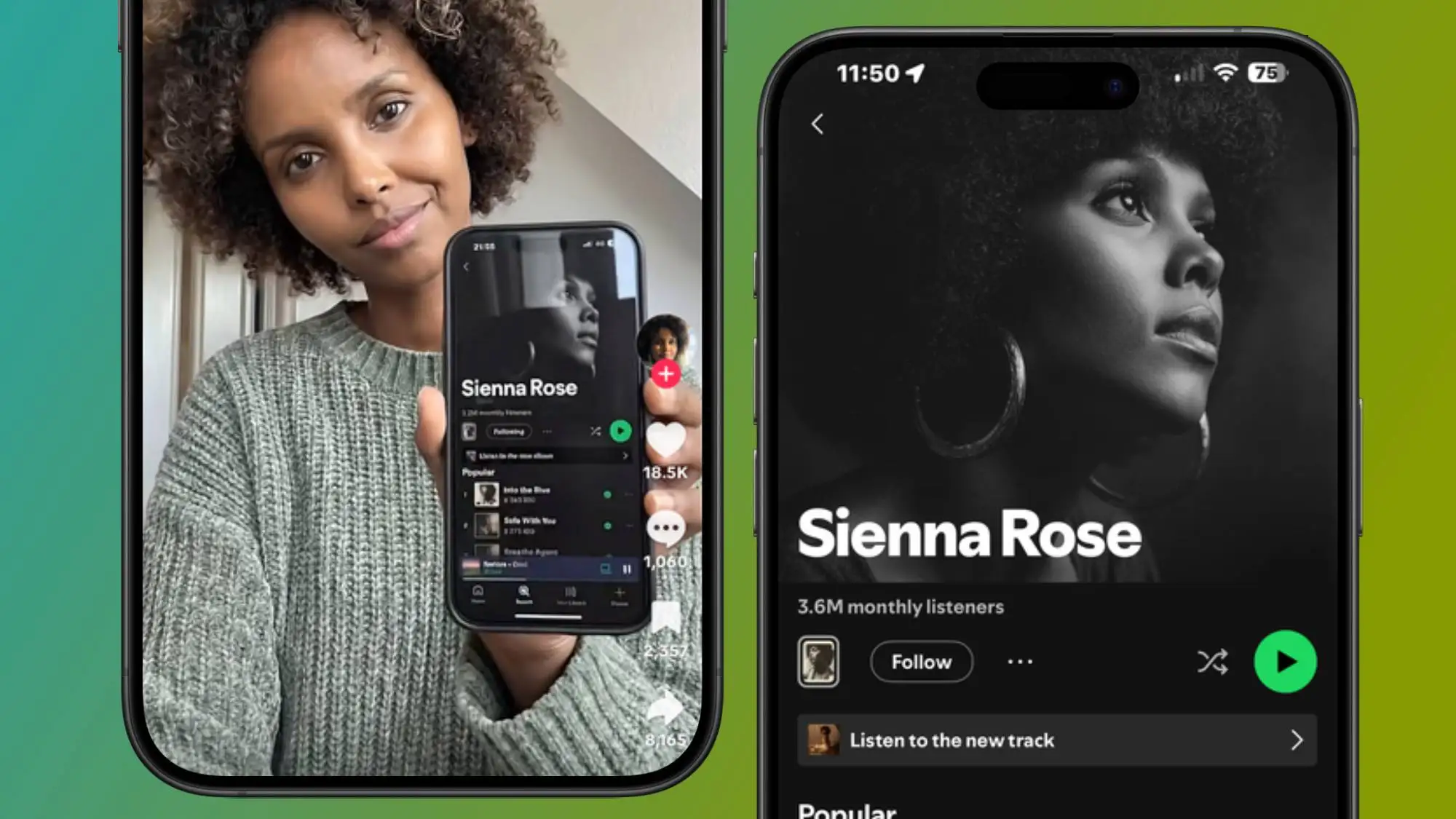
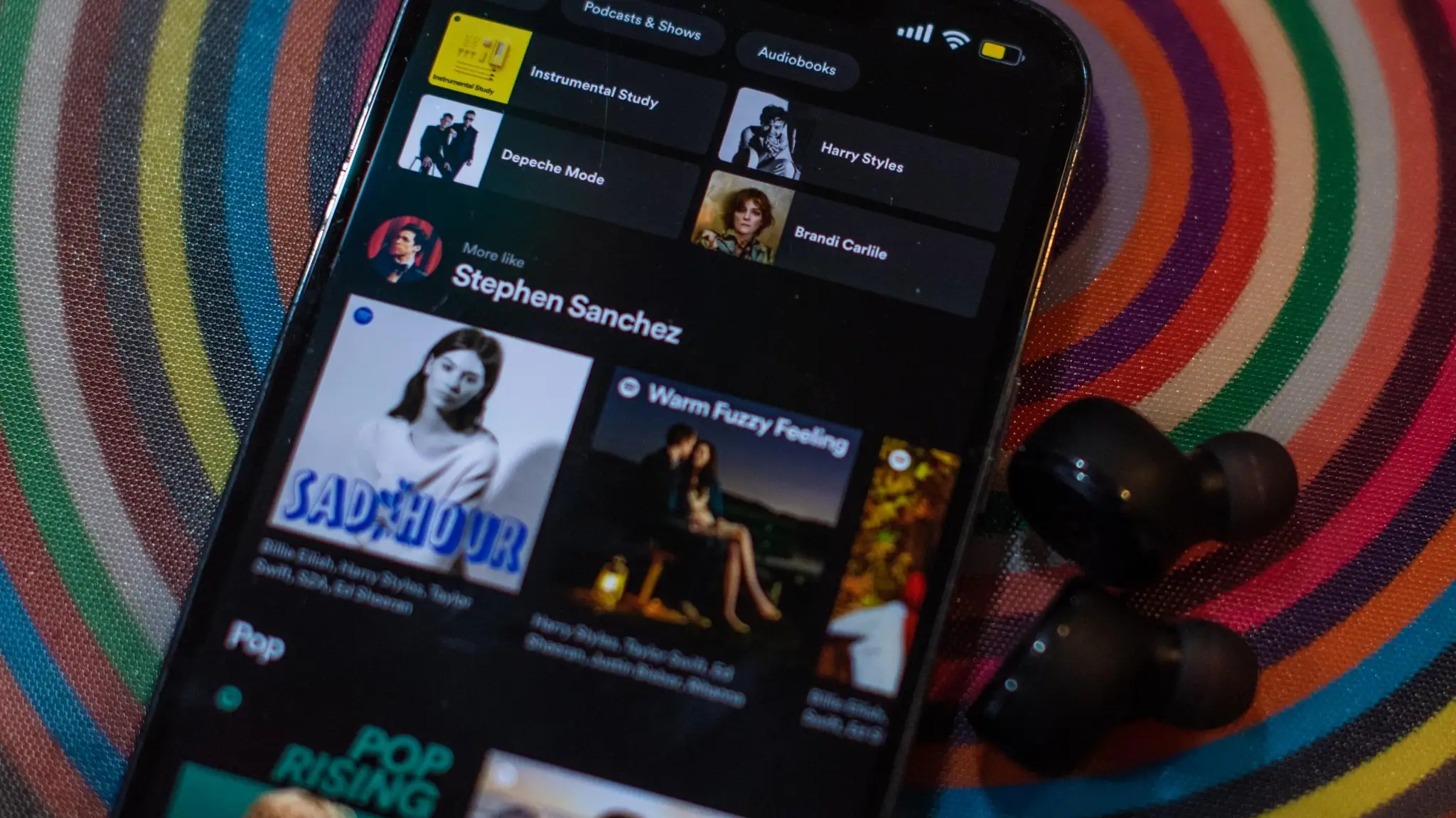
Despite these concerns, it has not introduced a direct feature to filter AI music. The company is taking a careful approach. It focuses on managing harmful uses of AI rather than separating music based on how it is created. This decision reflects the complexity of the issue.
 Via Tech Radar
 Via WIPO
The rapid growth of AI music is also raising concerns among artists. Human musicians worry that their work may be lost in a sea of machine-generated content. Even if AI tracks do not gain significant popularity, their presence still affects visibility and competition within the platform. This has made the issue more urgent for both artists and listeners.
 Via BBC
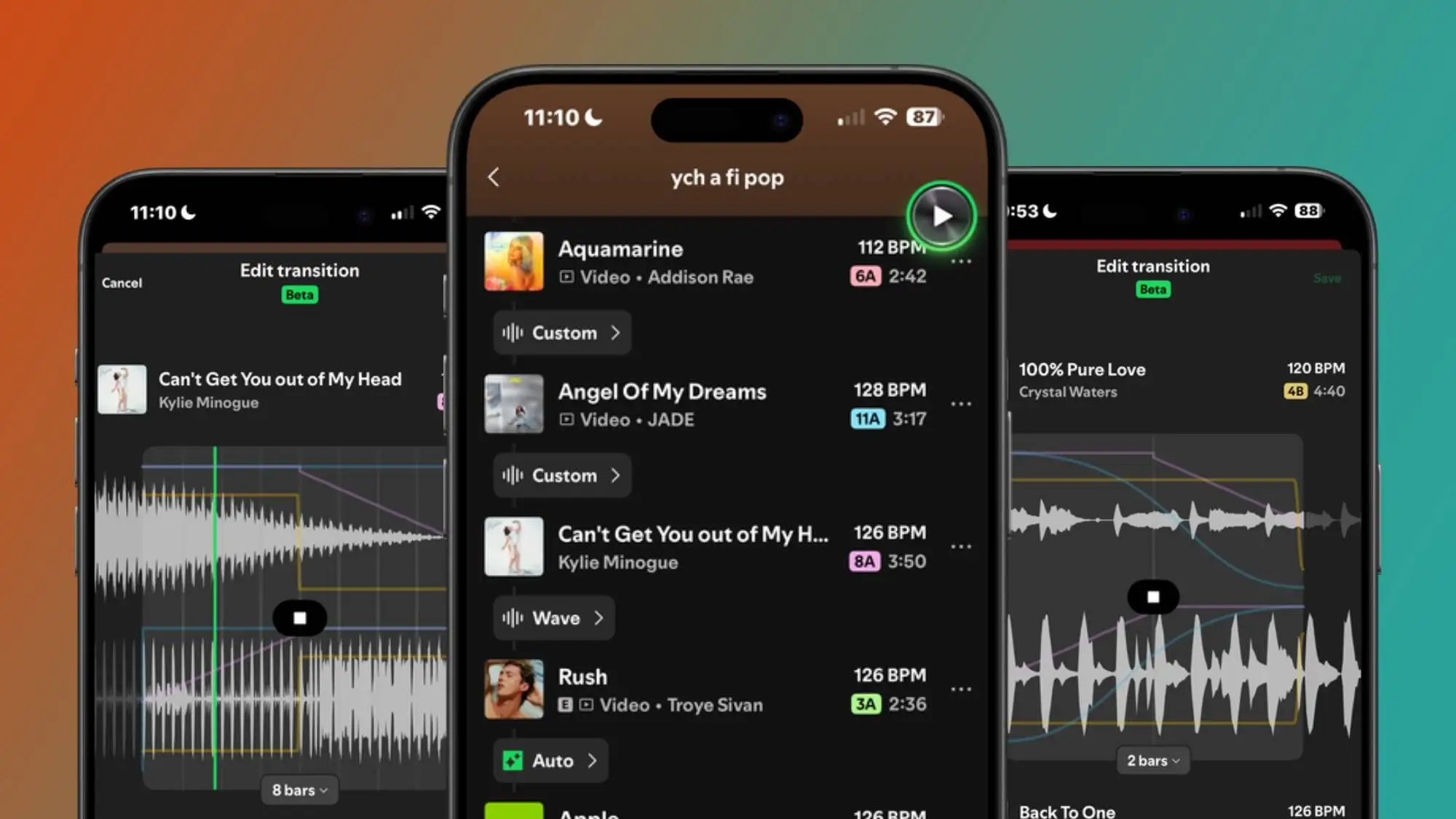
This creates a gray area where it becomes difficult to decide whether a song should be labeled as AI or not. Some tracks are fully generated by AI, while others are a mix of human creativity and machine assistance. Drawing a clear line between these categories is not easy, and any attempt to do so could lead to confusion.
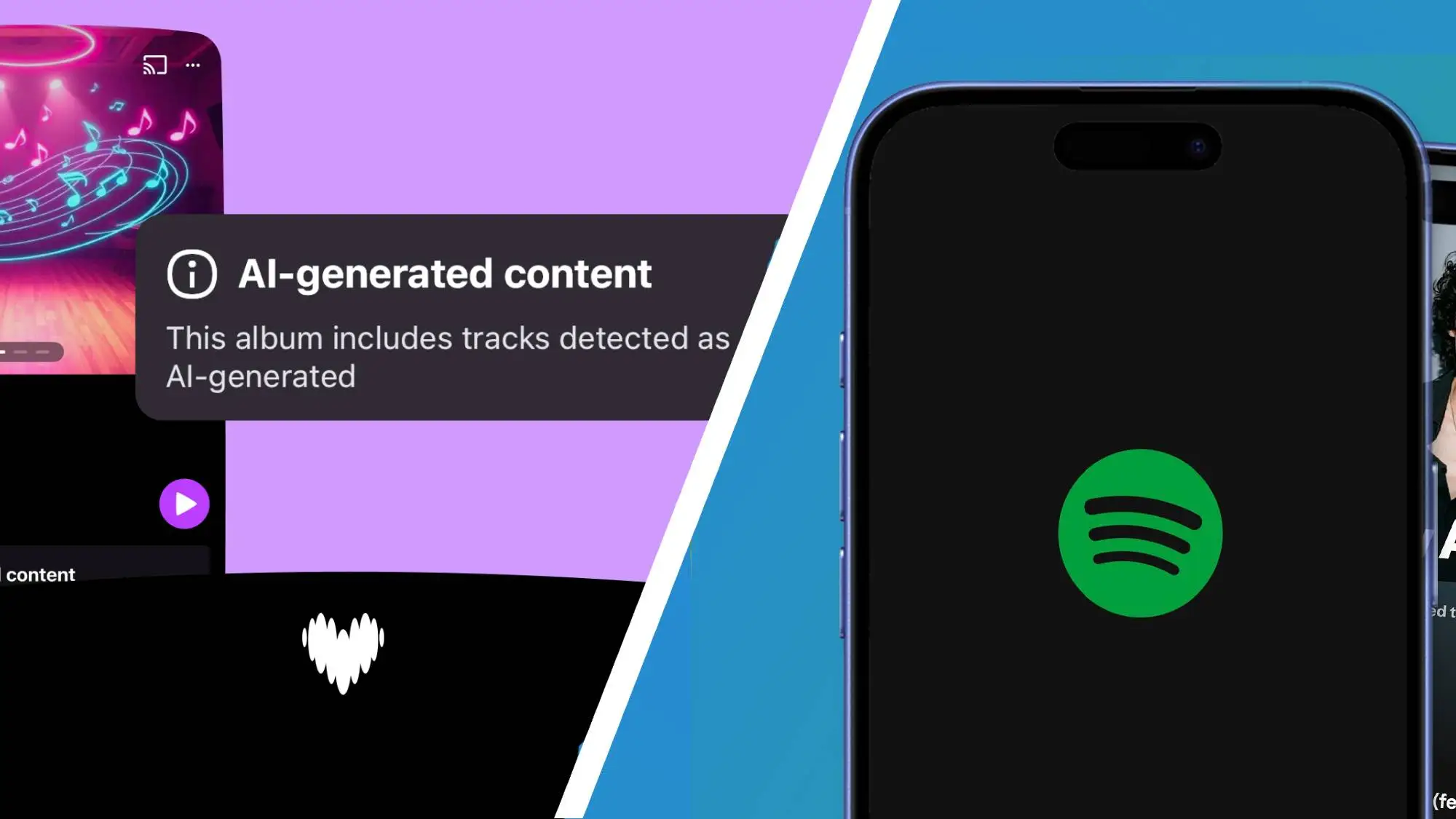
Another issue is accuracy. Detection systems are not perfect, and mistakes can happen. If a human-made song is wrongly labeled as AI-generated, it could damage the artist’s reputation. Spotify wants to avoid such risks, which is why it has not introduced a filter that relies heavily on detection technology.
 Via Tech Radar
 Via Tech Radar
This creates a continuous cycle where detection tools must be updated regularly. Experts often describe this situation as an arms race between AI creators and detection systems. Because of this ongoing struggle, platforms like Spotify cannot fully depend on detection technology to filter AI music accurately.
 Via NPR
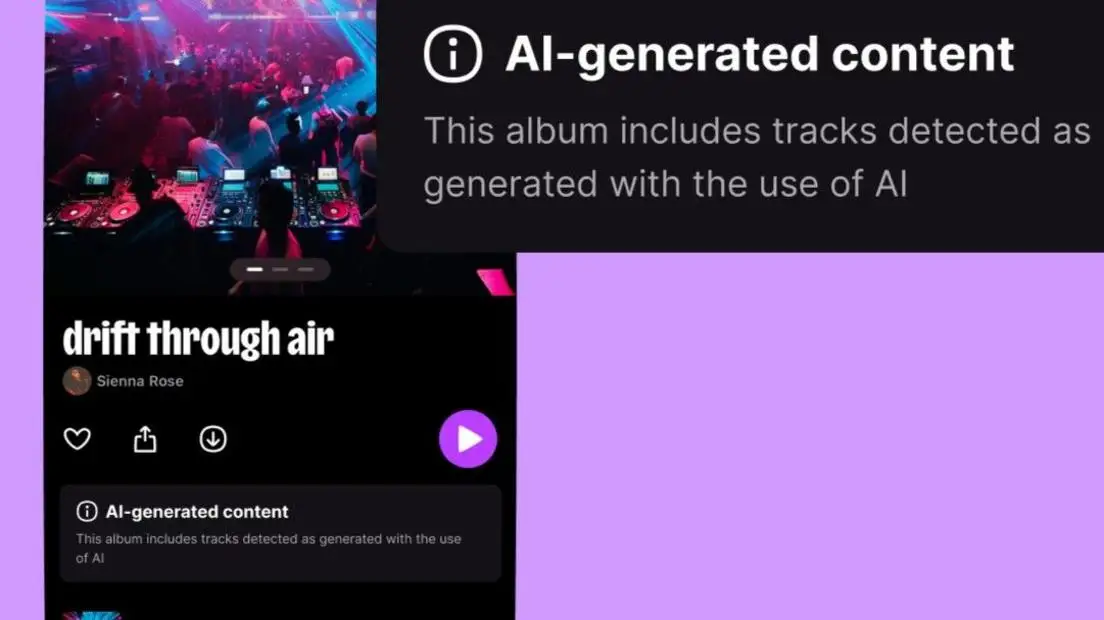
One approach involves using AI detection systems to identify machine-generated tracks. Another method relies on artists and labels to disclose whether AI was used during production. Both approaches have their advantages and limitations, as detection may not always be accurate, and self-reporting may not always be honest.
Efforts are also being made to create industry-wide standards for AI disclosure. These standards aim to provide consistent guidelines for labeling music across different platforms. If successful, they could make it easier for companies like Spotify to implement transparent systems in the future.
 Via The Hollywood Reporter
 Via Yahoo News Canada
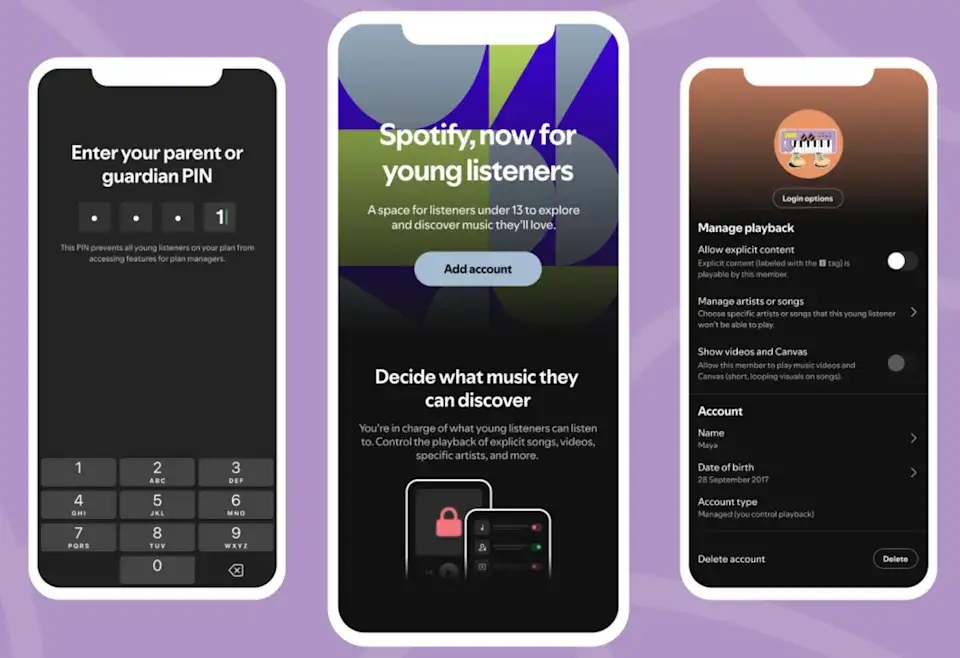
Surveys suggest that a large number of listeners support the idea of labeling AI music. While opinions on filtering are more divided, the need for awareness is widely shared. This growing demand is putting pressure on streaming platforms to take action.
 Via The New Yorker
AI-generated music may also be cheaper to produce compared to traditional music. This creates a potential advantage for platforms that want to expand their libraries quickly. It raises concerns about fairness, as human artists invest time, effort, and resources into their work.
Spotify maintains that all artists are treated equally and paid based on their share of streams. Still, critics argue that the growing presence of AI music could affect how revenue is distributed. This makes the issue more complex and adds another layer to the debate.
 Via Tech Crunch
 Via BBC
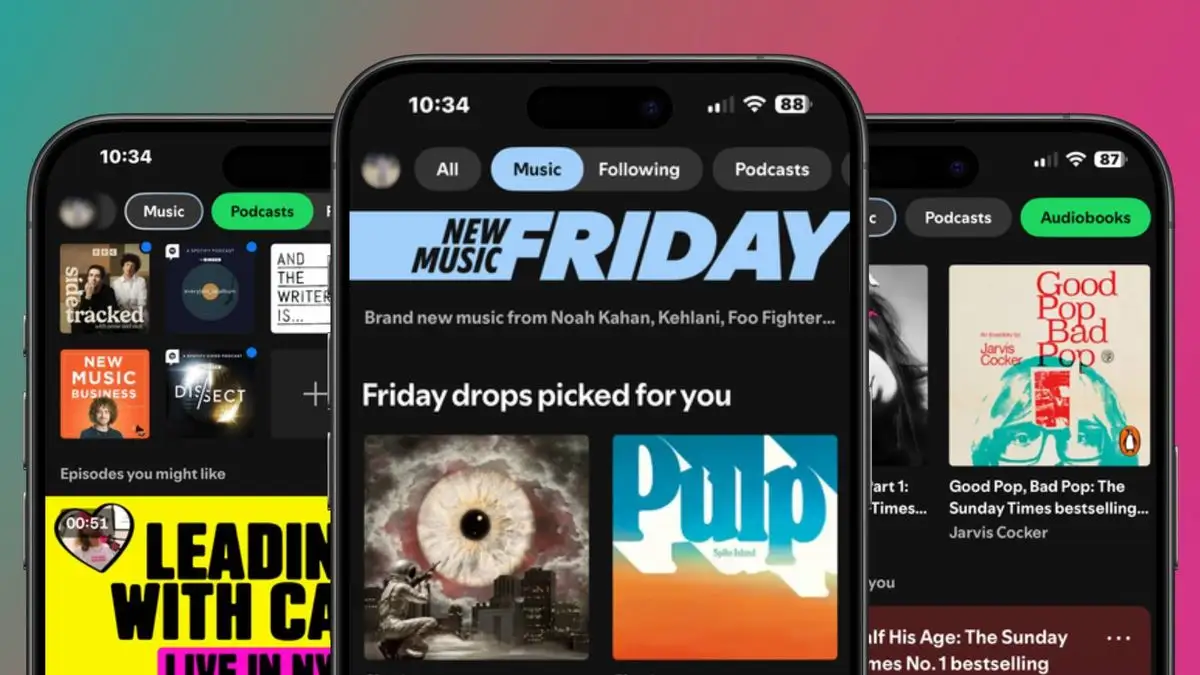
At the same time, Spotify is exploring ways to highlight human creativity. New features are being developed to provide deeper insights into how songs are made. These efforts aim to balance the growth of AI music while still supporting traditional artists.
 Via Tech Radar
AI music exists on a spectrum, ranging from fully automated tracks to partially assisted creations. This complexity makes it hard to create simple rules for filtering or labeling. Any solution must account for these variations to avoid unfair treatment.
The situation is still evolving as technology advances. Streaming platforms, artists, and listeners are all adapting to these changes. Clearer systems may emerge, but for now, the issue remains unresolved. Streaming services, musicians, and audiences are all adjusting to this new reality, each from their own perspective.
 Via CNET
 Via Synergy FM
For now, people must rely on their own preferences and awareness when exploring music on streaming platforms. The relationship between human creativity and artificial intelligence is still being shaped, and its future will depend on how these challenges are addressed.
More in UnassignedVia Mashable
As a result, it has become harder for listeners to recognize the difference between human-made and AI-created content. This confusion is pushing users to demand clearer labeling and filtering options. Spotify, as the world’s leading music streaming platform, is under pressure to respond.
Despite these concerns, it has not introduced a direct feature to filter AI music. The company is taking a careful approach. It focuses on managing harmful uses of AI rather than separating music based on how it is created. This decision reflects the complexity of the issue.
Via Tech Radar
The Rise of AI Music on Streaming Platforms
AI music tools have made it easier than ever to create songs. Anyone with access to these tools can generate professional-sounding music without traditional training or equipment. This has opened the door for a massive increase in content, with thousands of AI-generated tracks being uploaded every day. Many of these songs are highly polished and difficult to distinguish from human-created music. Studies have shown that most listeners struggle to tell the difference. This creates a challenge for streaming platforms, as they cannot rely on human judgment alone to separate AI tracks from traditional ones.
Via WIPO
The rapid growth of AI music is also raising concerns among artists. Human musicians worry that their work may be lost in a sea of machine-generated content. Even if AI tracks do not gain significant popularity, their presence still affects visibility and competition within the platform. This has made the issue more urgent for both artists and listeners.
Why Spotify Avoids a Simple Filter Option
At first glance, adding a filter to block AI music may seem like a simple solution. In reality, it is far more complicated. One of the main challenges is defining what counts as AI-generated music. Many artists use AI tools as part of their creative process, which means the final product is not purely machine-made.Via BBC
This creates a gray area where it becomes difficult to decide whether a song should be labeled as AI or not. Some tracks are fully generated by AI, while others are a mix of human creativity and machine assistance. Drawing a clear line between these categories is not easy, and any attempt to do so could lead to confusion.
Another issue is accuracy. Detection systems are not perfect, and mistakes can happen. If a human-made song is wrongly labeled as AI-generated, it could damage the artist’s reputation. Spotify wants to avoid such risks, which is why it has not introduced a filter that relies heavily on detection technology.
Via Tech Radar
The Technical Limits of Detecting AI Music
Detecting AI-generated music is a major technical challenge. AI tools are designed to mimic human creativity, which makes their output difficult to identify. As these tools continue to improve, they become even harder to detect. Most detection systems rely on patterns found in existing AI-generated music. These systems analyze elements like sound structure, repetition, and production style. However, as AI technology evolves, these patterns change, making detection less reliable over time.Via Tech Radar
This creates a continuous cycle where detection tools must be updated regularly. Experts often describe this situation as an arms race between AI creators and detection systems. Because of this ongoing struggle, platforms like Spotify cannot fully depend on detection technology to filter AI music accurately.
Industry Efforts to Label AI Content
While Spotify remains cautious, other companies are experimenting with ways to label AI-generated music. Some platforms have started tagging songs that are believed to be created by AI. These tags help users understand what they are listening to and make informed choices.Via NPR
One approach involves using AI detection systems to identify machine-generated tracks. Another method relies on artists and labels to disclose whether AI was used during production. Both approaches have their advantages and limitations, as detection may not always be accurate, and self-reporting may not always be honest.
Efforts are also being made to create industry-wide standards for AI disclosure. These standards aim to provide consistent guidelines for labeling music across different platforms. If successful, they could make it easier for companies like Spotify to implement transparent systems in the future.
Via The Hollywood Reporter
Listener Concerns and Growing Demand for Control
Listeners are becoming more aware of AI music and its impact. Many people prefer music created by human artists because they value emotional depth and authenticity. When AI-generated tracks appear in playlists without clear labels, it can lead to frustration. There is also a strong demand for transparency. People want to know how their music is made, just as they want to know the ingredients in their food. This desire for information is driving calls for clearer labeling and better control over listening experiences.
Via Yahoo News Canada
Surveys suggest that a large number of listeners support the idea of labeling AI music. While opinions on filtering are more divided, the need for awareness is widely shared. This growing demand is putting pressure on streaming platforms to take action.
The Economic Side of AI Music
AI music is not just a creative issue; it also has economic implications. Streaming platforms generate revenue based on listening activity, and AI-generated tracks can increase the total amount of content available. This can benefit platforms by keeping users engaged for longer periods.Via The New Yorker
AI-generated music may also be cheaper to produce compared to traditional music. This creates a potential advantage for platforms that want to expand their libraries quickly. It raises concerns about fairness, as human artists invest time, effort, and resources into their work.
Spotify maintains that all artists are treated equally and paid based on their share of streams. Still, critics argue that the growing presence of AI music could affect how revenue is distributed. This makes the issue more complex and adds another layer to the debate.
Via Tech Crunch
The Future of AI Music on Spotify
The future of AI music on Spotify is likely to involve gradual changes rather than sudden shifts. Industry groups are working on standards that could help define how AI-generated content should be labeled. These standards may guide platforms in developing consistent systems. New regulations are also being introduced in some regions. These laws may require companies to clearly label AI-generated content. If such rules become widespread, Spotify may need to adapt its approach and introduce more transparency features.Via BBC
At the same time, Spotify is exploring ways to highlight human creativity. New features are being developed to provide deeper insights into how songs are made. These efforts aim to balance the growth of AI music while still supporting traditional artists.
Why the Issue Remains Unresolved
The absence of an AI music filter on Spotify is not due to a lack of effort. It is the result of multiple challenges that make the issue difficult to solve. These challenges include unclear definitions, technical limitations, and concerns about fairness.Via Tech Radar
AI music exists on a spectrum, ranging from fully automated tracks to partially assisted creations. This complexity makes it hard to create simple rules for filtering or labeling. Any solution must account for these variations to avoid unfair treatment.
The situation is still evolving as technology advances. Streaming platforms, artists, and listeners are all adapting to these changes. Clearer systems may emerge, but for now, the issue remains unresolved. Streaming services, musicians, and audiences are all adjusting to this new reality, each from their own perspective.
Via CNET
Ongoing Challenge of Balancing AI and Human Music
Spotify’s decision not to offer an AI music filter reflects the complexity of the modern music landscape. The platform is trying to balance innovation, fairness, and user experience without making rushed decisions. This careful approach shows how challenging it is to manage new technology in a creative industry. Listeners continue to seek greater transparency and control over their music choices. As AI becomes more advanced, the demand for clear labeling and filtering options is likely to grow. This pressure may eventually lead to new features and industry standards.Via Synergy FM
For now, people must rely on their own preferences and awareness when exploring music on streaming platforms. The relationship between human creativity and artificial intelligence is still being shaped, and its future will depend on how these challenges are addressed.