Unassigned
OpenAI Files For IPO As AI Market Heats Up
OpenAI has taken a major step toward the stock market by confidentially filing for a United States initial public offering. The company behind ChatGPT has not shared the size, price range, or final terms of the offering. A clear timeline has also not been set, which means the company still has room to decide when public trading would make the most sense.
A confidential filing does not mean OpenAI shares are ready to trade on the stock market right away. It simply means the company has started an early legal and financial review process before a possible public launch. During this stage, regulators can study the company’s paperwork, business details, financial records, risks, and plans.
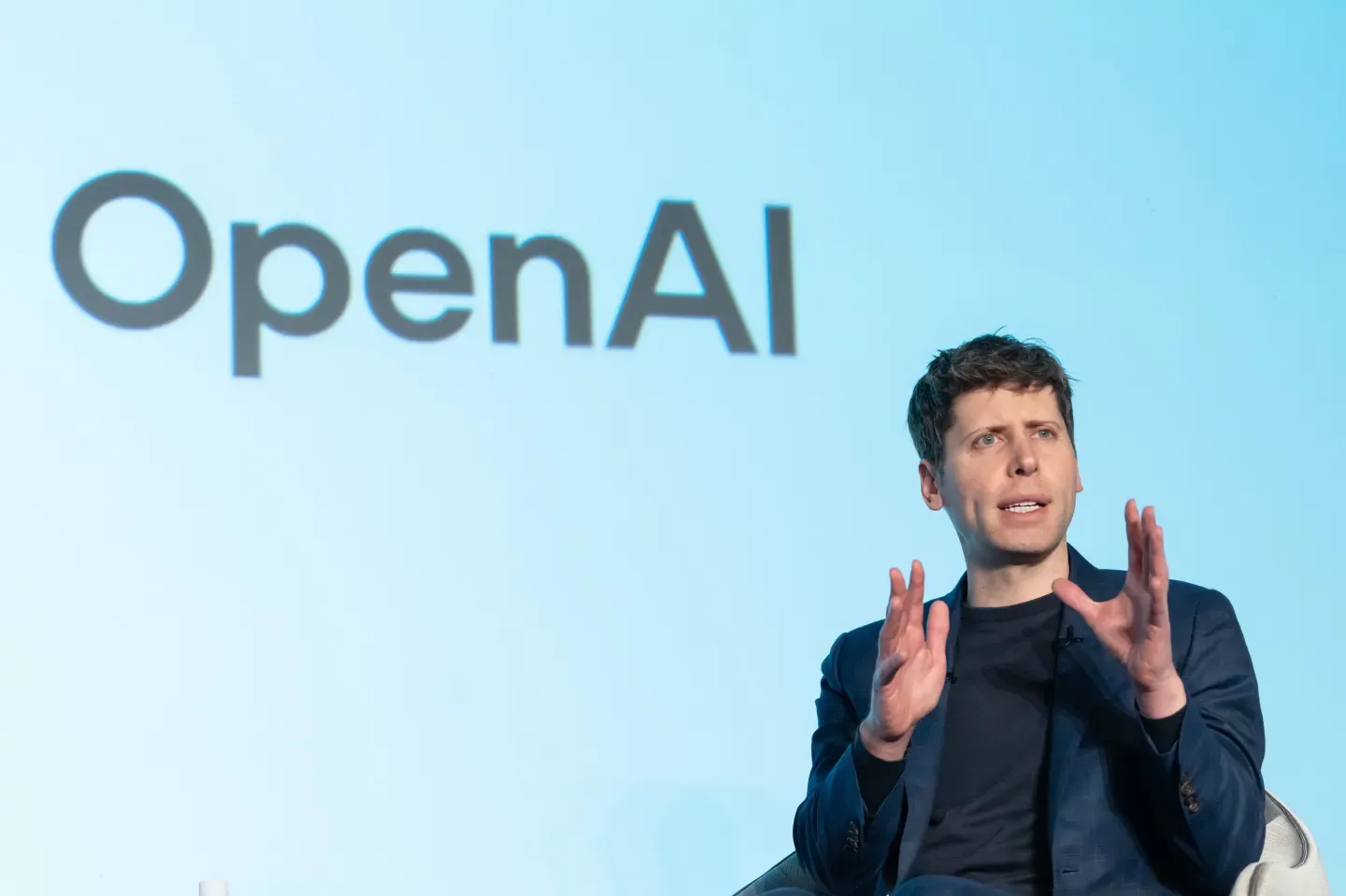 Via Fortune
This gives OpenAI time to answer questions, make changes, and prepare for a public offering without releasing every detail to the public immediately. This type of filing is common for large private companies that want more control over the timing of an IPO. It allows a company to test the process while keeping important information private during the early review period.
The move is still important because OpenAI is one of the biggest names in artificial intelligence. Its products have changed how many people write, search, code, study, and work. A future IPO could give public investors a rare chance to buy into one of the most watched companies in the fast-growing AI industry.
 Via The Express Tribune
 Via TechCrunch
OpenAI is also not alone in moving toward public markets. Rival AI company Anthropic has also taken steps toward an IPO. This has created a race among major AI companies to prove which business model can grow fast, attract paying users, and convince investors that future earnings can support very large valuations.
 Via The Japan Times
A valuation that large would bring excitement, but it would also bring pressure. Public investors would want to see strong revenue growth, clear profit plans, and stable leadership. OpenAI would need to show that its tools can keep attracting users while also managing the very high costs of building and running advanced AI systems.
The company’s future value may depend on timing. A strong market could help OpenAI get a better price, while a weaker market could make investors more careful. This is one reason the company has not locked in a date. Staying private for longer may give OpenAI more time to grow before facing public market pressure.
 Via RTE
 Via Forbes
The company has also reported fast revenue growth. Monthly revenue has increased sharply compared with earlier years, helped by subscriptions, business tools, developer products, and enterprise demand. This growth is one reason investors are watching OpenAI closely, even before the company becomes public.
 Via CNBC
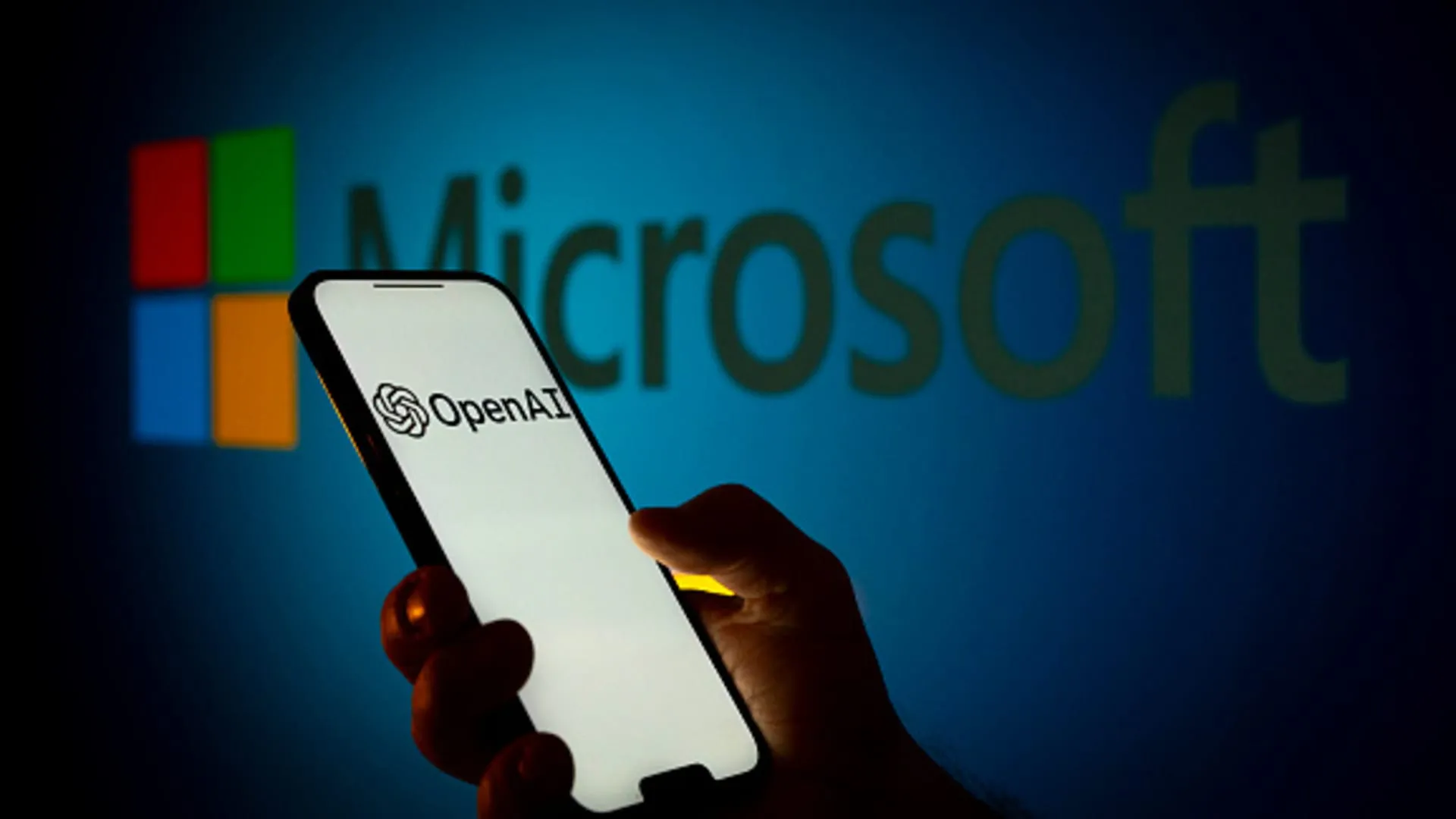
The Microsoft partnership also helped strengthen Azure, Microsoft’s cloud platform. AI tools require huge amounts of computing power, and cloud services have become a key part of the AI economy. This connection made OpenAI important not only as a software company, but also as a driver of demand for cloud infrastructure.
OpenAI has also moved toward wider partnerships with other major companies, including firms connected to cloud services, chips, and AI distribution. These partnerships can help OpenAI reduce dependence on one company and expand its reach. For investors, the strength and flexibility of these partnerships will be a major point to watch.
 Via Forbes
 Via CNBC
OpenAI later announced plans to create a public benefit corporation. The company said this structure could help it raise more capital while still keeping a mission-based purpose. The change was important because public investors usually want a clearer business structure before backing a company at a very high value.
 Via The Daily Upside
The legal fight received major attention because Musk is also connected to competing technology and AI efforts. A lawsuit from such a high-profile figure created questions that public investors would likely study carefully. Legal risk can make an IPO harder because investors prefer fewer major disputes before buying shares.
A jury later ruled against Musk in the case, removing a major legal issue that had been hanging over OpenAI. This decision may make the IPO path easier, though it does not remove every concern. OpenAI still faces questions about competition, regulation, safety, costs, and how its mission will fit with public market demands.
 Via Streamline
 Via VOX
Public market investors may also look closely at OpenAI’s leadership, partnerships, and company structure. A successful IPO would show that investors believe AI can become a lasting part of the global economy. A slower or delayed listing would not mean failure, but it could show that the company wants more time to strengthen its position before entering Wall Street.
 Via Silicon ANGLE
The next big questions will be about timing, valuation, financial details, and investor demand. Public markets will want to know how much OpenAI earns, how much it spends, and how close it is to long-term profit. They will also want to understand how the company plans to manage competition from Anthropic, Google, Meta, Amazon, and other AI players.
 Via LinkedIn
OpenAI’s possible IPO could become one of the biggest technology market events of the decade. It would test whether investors believe the AI boom can turn into lasting business value. For people watching the future of technology, this filing marks a key moment in the shift from private AI growth to public market accountability.
More in UnassignedVia Fortune
This gives OpenAI time to answer questions, make changes, and prepare for a public offering without releasing every detail to the public immediately. This type of filing is common for large private companies that want more control over the timing of an IPO. It allows a company to test the process while keeping important information private during the early review period.
The move is still important because OpenAI is one of the biggest names in artificial intelligence. Its products have changed how many people write, search, code, study, and work. A future IPO could give public investors a rare chance to buy into one of the most watched companies in the fast-growing AI industry.
Via The Express Tribune
AI Market Interest
Investor interest in artificial intelligence has grown quickly over the past few years. Big companies, startups, chipmakers, cloud providers, and software firms have all seen strong demand linked to AI tools. OpenAI’s filing arrives at a time when many investors are looking for the next major technology company that could lead the market. The AI boom has created high hopes across Wall Street. Many investors believe artificial intelligence could change business in the same way the internet, smartphones, and cloud computing changed earlier decades. OpenAI sits near the center of that story because ChatGPT helped make generative AI popular with everyday users and companies.Via TechCrunch
OpenAI is also not alone in moving toward public markets. Rival AI company Anthropic has also taken steps toward an IPO. This has created a race among major AI companies to prove which business model can grow fast, attract paying users, and convince investors that future earnings can support very large valuations.
Possible Trillion Value
Reports have said OpenAI could target a valuation of up to $1 trillion in a future stock market debut. That number would place the company among the most valuable technology names in the world. It would also make the listing one of the biggest tests of investor trust in artificial intelligence.Via The Japan Times
A valuation that large would bring excitement, but it would also bring pressure. Public investors would want to see strong revenue growth, clear profit plans, and stable leadership. OpenAI would need to show that its tools can keep attracting users while also managing the very high costs of building and running advanced AI systems.
The company’s future value may depend on timing. A strong market could help OpenAI get a better price, while a weaker market could make investors more careful. This is one reason the company has not locked in a date. Staying private for longer may give OpenAI more time to grow before facing public market pressure.
Via RTE
ChatGPT Growth Story
ChatGPT has become one of the most widely known AI products in the world. It is used by students, workers, writers, developers, businesses, and many everyday users. Its rise helped turn OpenAI from a research-focused company into a major technology force with global attention. OpenAI has shared strong growth figures in recent reports. The company has said ChatGPT has hundreds of millions of weekly users and millions of paying consumer subscribers. These numbers matter because they show that AI tools are no longer limited to labs or tech experts. They have become part of daily digital life.Via Forbes
The company has also reported fast revenue growth. Monthly revenue has increased sharply compared with earlier years, helped by subscriptions, business tools, developer products, and enterprise demand. This growth is one reason investors are watching OpenAI closely, even before the company becomes public.
Big Tech Partnerships
OpenAI’s rise has been closely linked with major technology partners. Microsoft was one of its earliest and most important backers, investing billions of dollars since 2019. This support helped OpenAI access cloud computing power, which is needed to train and run advanced AI models at a large scale.Via CNBC
The Microsoft partnership also helped strengthen Azure, Microsoft’s cloud platform. AI tools require huge amounts of computing power, and cloud services have become a key part of the AI economy. This connection made OpenAI important not only as a software company, but also as a driver of demand for cloud infrastructure.
OpenAI has also moved toward wider partnerships with other major companies, including firms connected to cloud services, chips, and AI distribution. These partnerships can help OpenAI reduce dependence on one company and expand its reach. For investors, the strength and flexibility of these partnerships will be a major point to watch.
Via Forbes
Structure And Debate
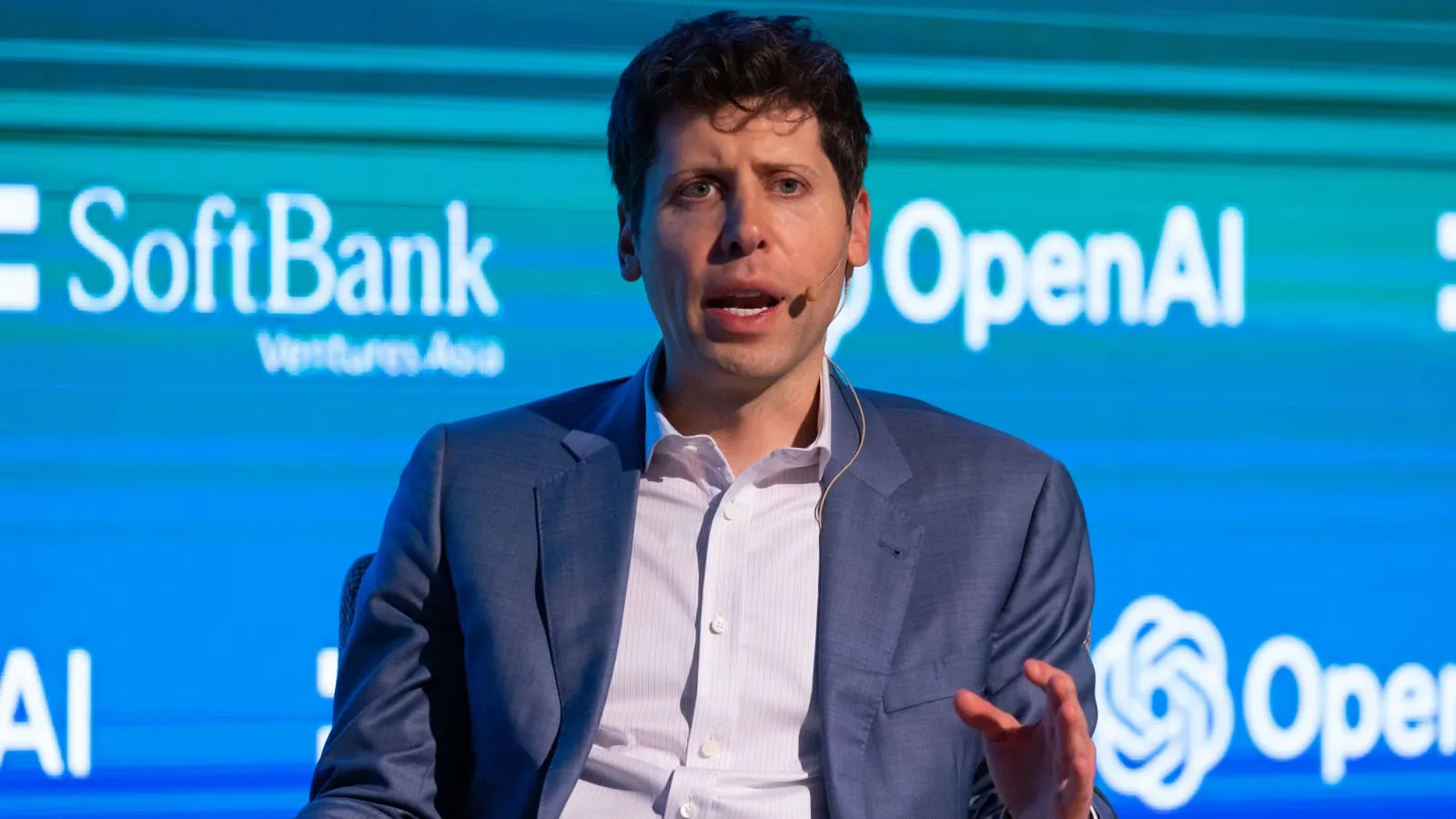
OpenAI began in 2015 as a research-focused nonprofit with a mission tied to safe and useful artificial intelligence. Four years later, it created a for-profit arm to raise the large amounts of money needed to build advanced AI systems. This unusual setup has often drawn attention from investors, critics, and industry watchers. The company’s structure became a major topic in late 2023 when CEO Sam Altman was briefly removed before returning days later. The event showed how complex OpenAI’s governance model had become. It also raised questions about control, leadership, and the balance between safety goals and business growth.Via CNBC
OpenAI later announced plans to create a public benefit corporation. The company said this structure could help it raise more capital while still keeping a mission-based purpose. The change was important because public investors usually want a clearer business structure before backing a company at a very high value.
Musk Legal Fight
Elon Musk, one of OpenAI’s early backers, became one of the company’s loudest critics. He accused OpenAI and its leaders of moving away from the original mission of building AI for broad public benefit. His lawsuit added another layer of uncertainty around the company’s future and possible IPO plans.Via The Daily Upside
The legal fight received major attention because Musk is also connected to competing technology and AI efforts. A lawsuit from such a high-profile figure created questions that public investors would likely study carefully. Legal risk can make an IPO harder because investors prefer fewer major disputes before buying shares.
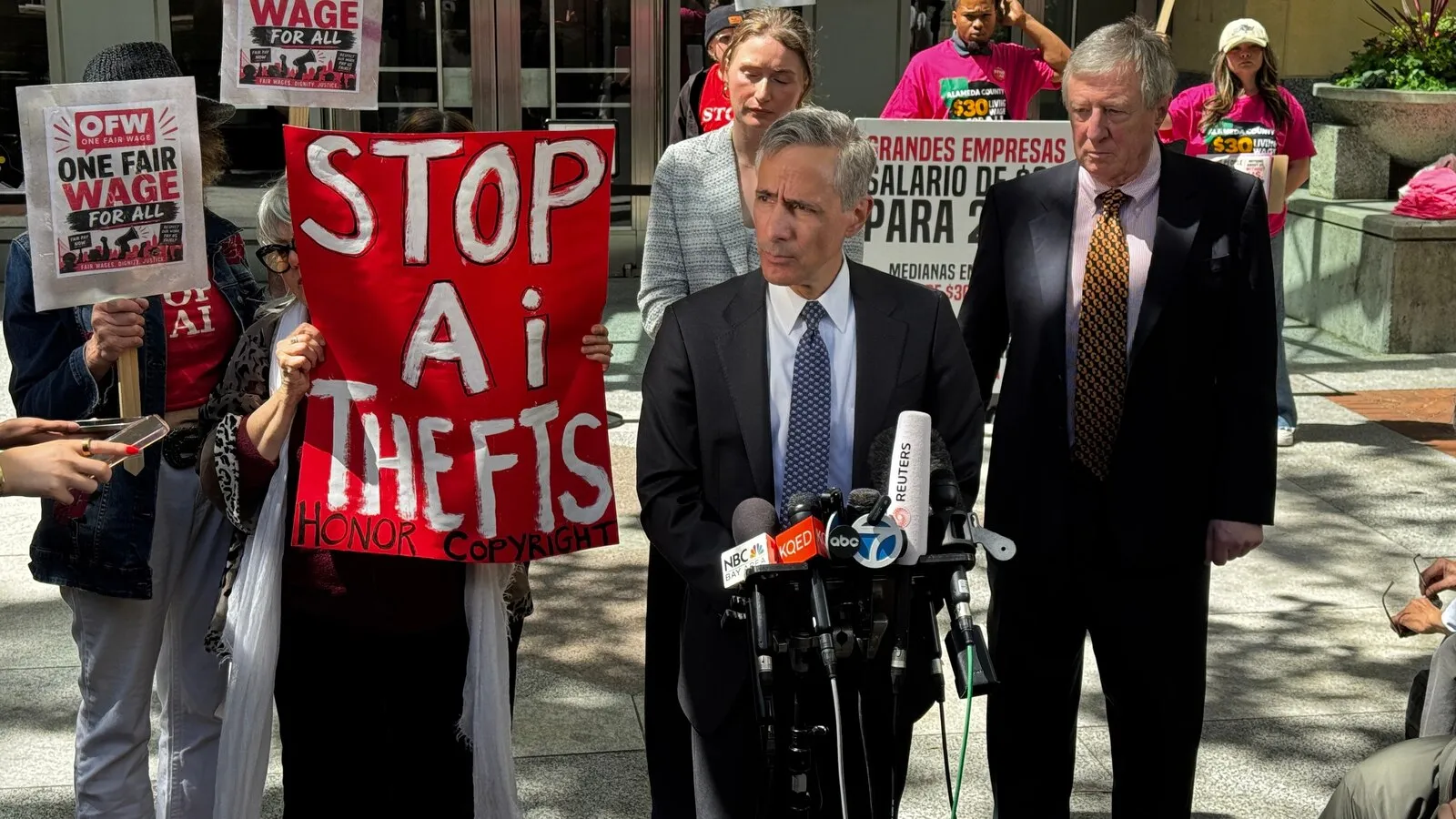
A jury later ruled against Musk in the case, removing a major legal issue that had been hanging over OpenAI. This decision may make the IPO path easier, though it does not remove every concern. OpenAI still faces questions about competition, regulation, safety, costs, and how its mission will fit with public market demands.
Via Streamline
Investor Trust Test
OpenAI’s IPO plan will be a major test of investor trust in the future of artificial intelligence. Many people see AI as the next big technology wave, but public investors will still want proof that the business can grow steadily and profitably. Strong user numbers may create excitement, but revenue, costs, competition, and long-term demand will matter even more. AI companies spend huge amounts of money on chips, data centers, research teams, safety testing, and cloud systems. These costs can make growth expensive, even when customer interest is high. OpenAI will need to show that its products can bring in enough money to support these rising expenses while still improving its tools for users and businesses.Via VOX
Public market investors may also look closely at OpenAI’s leadership, partnerships, and company structure. A successful IPO would show that investors believe AI can become a lasting part of the global economy. A slower or delayed listing would not mean failure, but it could show that the company wants more time to strengthen its position before entering Wall Street.
What Comes Next
OpenAI’s confidential IPO filing gives the company options, but it does not force an immediate listing. The company can wait, update its documents, respond to regulators, and choose the right market window. This flexibility is useful because the AI sector is moving fast and market conditions can change quickly.Via Silicon ANGLE
The next big questions will be about timing, valuation, financial details, and investor demand. Public markets will want to know how much OpenAI earns, how much it spends, and how close it is to long-term profit. They will also want to understand how the company plans to manage competition from Anthropic, Google, Meta, Amazon, and other AI players.
Via LinkedIn
OpenAI’s possible IPO could become one of the biggest technology market events of the decade. It would test whether investors believe the AI boom can turn into lasting business value. For people watching the future of technology, this filing marks a key moment in the shift from private AI growth to public market accountability.