Unassigned
Why Antonia Bembo’s Opera Took 300 Years
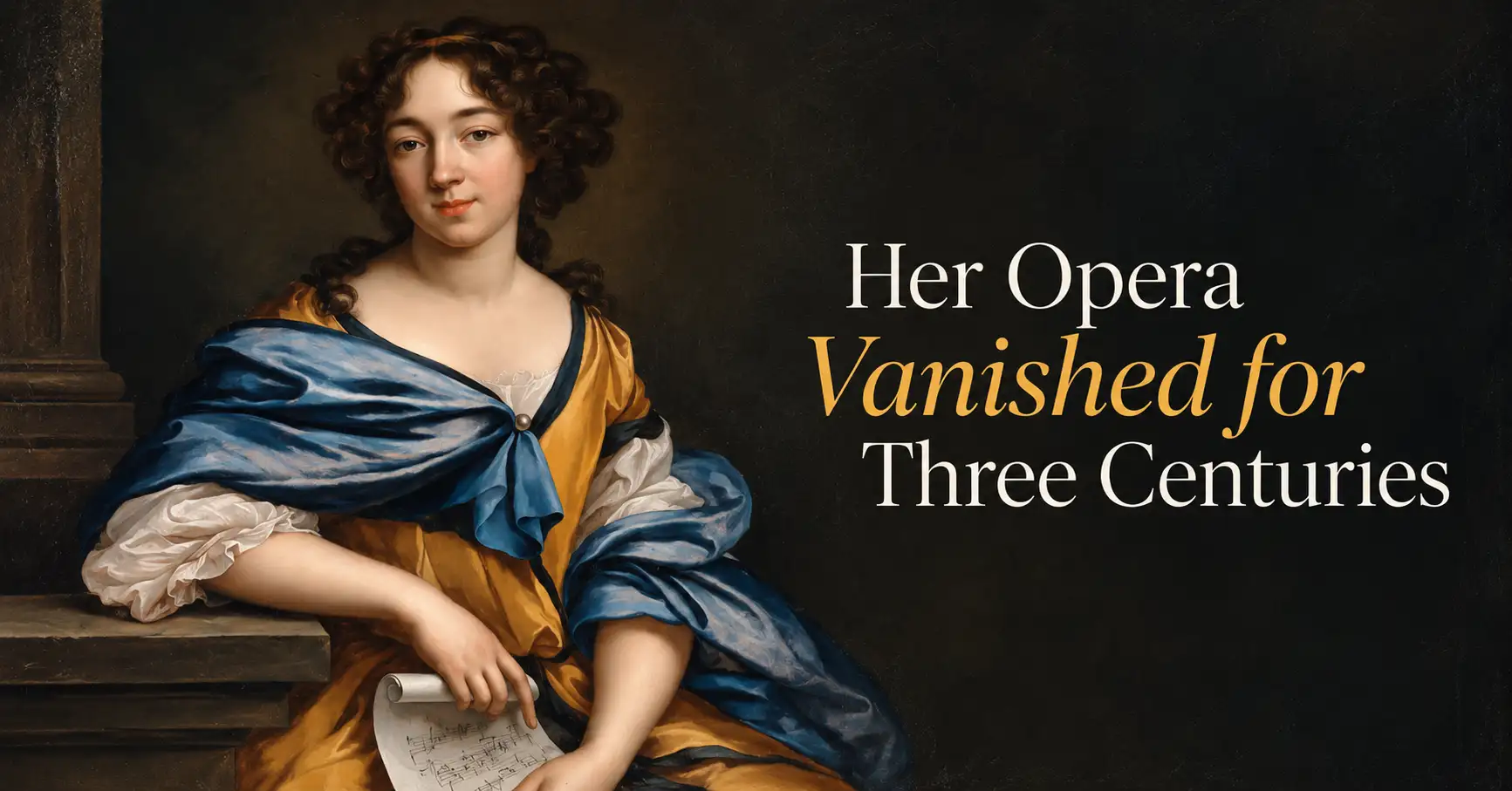
The upcoming performance of "Ercole Amante" at Paris' Opéra Bastille marks a remarkable moment in classical music history. More than three hundred years after the opera was completed, audiences will finally witness the work of composer Antonia Bembo on one of France's most prestigious stages, giving overdue recognition to her artistic legacy.
For centuries, Bembo's name remained unfamiliar outside small academic circles despite her remarkable musical achievements. Unlike many celebrated composers of the Baroque period, her compositions stayed hidden in manuscripts, preventing performers and audiences from discovering the quality and originality of her music.
 Via The conversation
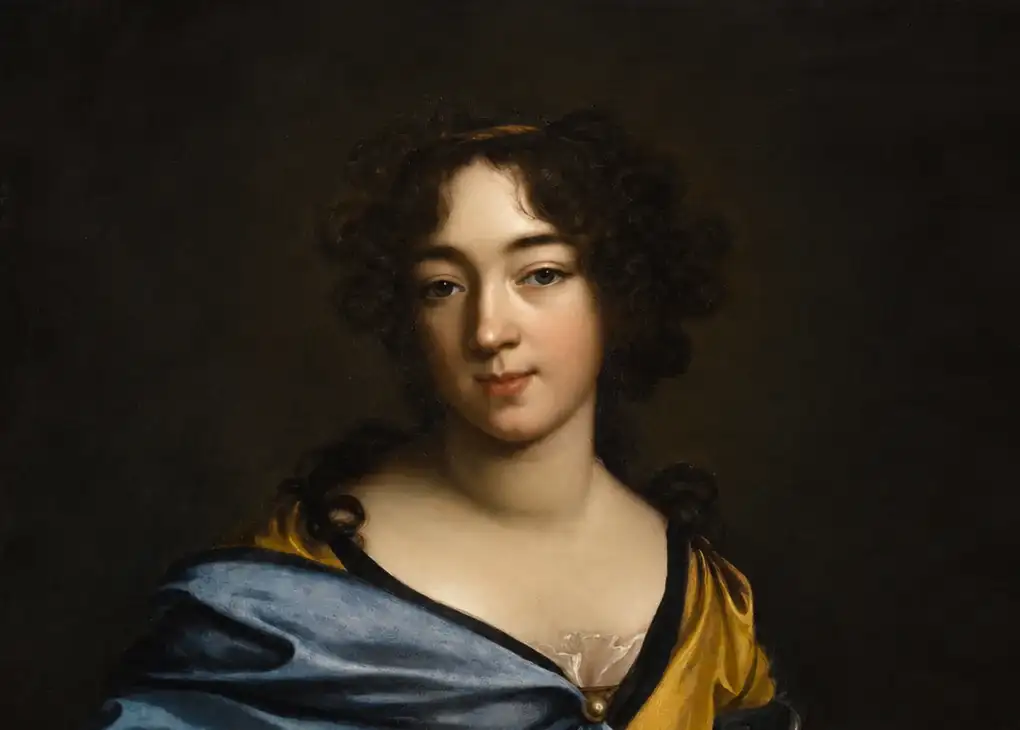
The modern revival of her opera reflects a growing appreciation for overlooked historical composers whose contributions deserve renewed attention. Bembo's return to public performance also highlights the importance of preserving forgotten cultural treasures that can still inspire audiences many generations after they were first created.
 Via Total Borque
Her father, Giacomo Padoani, worked as a physician while also enjoying poetry and intellectual pursuits. Recognizing his daughter's musical talent at an early age, he arranged for her to study with some of the finest musicians available, providing a strong artistic foundation that shaped her future compositions.
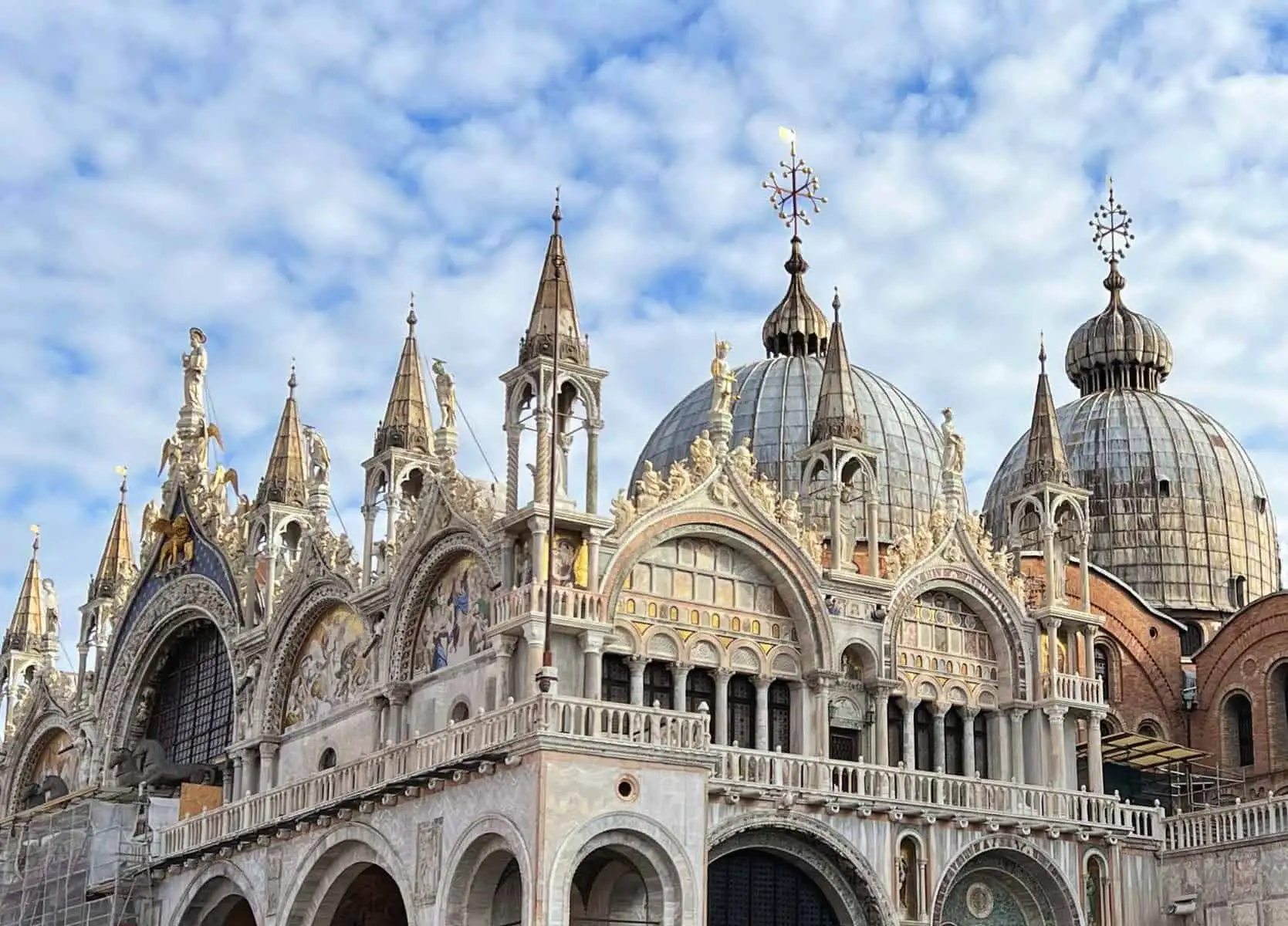
Venice offered an inspiring environment filled with churches, theaters, and public performances that encouraged musical creativity. This rich cultural atmosphere allowed Bembo to develop exceptional skills as both a singer and composer while becoming familiar with the sophisticated musical traditions of the seventeenth century.
 Via Lions in Piazza
 Via Bangor University
Studying under such a respected composer gave Bembo valuable experience in composition, dramatic storytelling, and vocal writing. The knowledge she gained during these formative years remained evident throughout her later works, which successfully blended Italian traditions with artistic influences she encountered after moving to France.
 Via Conversations
Historical records reveal that the relationship was troubled by repeated infidelity along with emotional and physical abuse. In 1672, Bembo courageously sought a legal separation by filing for divorce, presenting evidence of her husband's behavior in hopes of securing protection and freedom from the unhappy marriage.
The court refused to grant the divorce, leaving her with few legal options despite the difficult circumstances she faced. This unsuccessful attempt forced Bembo to consider a far more dangerous solution, one that would permanently change both her personal life and her future as a composer.
 Via LEAP Pakistan
 Via Historyextra
During this productive period, she created cantatas, sacred motets, expressive arias, and dramatic vocal works that reflected both technical mastery and emotional depth. Her compositions combined Italian elegance with French musical influences, creating a distinctive style that separated her work from that of many of her contemporaries.
 Via Center The Mosique
Only after her husband died in 1703 did she begin assembling her life's work into beautifully prepared volumes. She organized her compositions with great care, ensuring that they would survive as complete collections instead of remaining scattered pages that could easily disappear over time.
By the end of her life, Bembo had completed eight bound manuscript volumes containing a remarkable collection of music. Although two volumes were eventually lost, the remaining manuscripts preserved enough of her work to demonstrate the extraordinary range and creativity of her compositions for future scholars and performers.
 Via Classical Music
 Via Visit Venice
Decades later, additional archival discoveries gradually revealed Bembo's personal story in greater detail. Documents found in Venice connected her maiden name to the Padoani family, uncovered evidence of her legal struggles, and helped reconstruct the extraordinary journey that transformed her from an overlooked historical figure into a composer worthy of renewed recognition.
 Via Bachtrack
The libretto had originally been written by Francesco Buti and previously used by Bembo's former teacher, Francesco Cavalli, for an earlier opera. Bembo respected the original storyline while presenting it through her own musical voice, creating a fresh interpretation that reflected her artistic growth and personal experiences.
Her composition displayed remarkable dramatic pacing and expressive melodies while balancing emotional intensity with elegant orchestration. The opera demonstrated her ability to transform an established narrative into a sophisticated musical work that stood confidently beside other important Baroque operas of the period.
 Via Paris Opera
 Via WFMT
Growing interest in recovering overlooked musical history has gradually changed this situation. Modern festivals, researchers, and opera companies have begun presenting works by forgotten women composers, creating opportunities for audiences to experience outstanding compositions that remained hidden for hundreds of years.
 Via Radio France
Supported by an accomplished cast, a distinguished Baroque orchestra, and expert musical direction, the production allows modern audiences to appreciate Bembo's creativity exactly as she intended. The performance also acknowledges the years of scholarly research that helped preserve, interpret, and prepare her manuscripts for contemporary presentation.
Antonia Bembo now stands alongside respected Baroque composers whose music shaped European cultural history. Her inspiring journey from adversity to artistic recognition demonstrates that remarkable creativity can endure across generations, ensuring that her voice finally receives the lasting appreciation it has deserved for more than three centuries.
More in UnassignedVia The conversation
The modern revival of her opera reflects a growing appreciation for overlooked historical composers whose contributions deserve renewed attention. Bembo's return to public performance also highlights the importance of preserving forgotten cultural treasures that can still inspire audiences many generations after they were first created.
Antonia Bembo's Early Life in Venice
Antonia Bembo was born around 1640 in Venice, one of Europe's most influential centers of music, art, and culture. Growing up in an educated household allowed her to receive valuable instruction in grammar, literature, and music at a time when such opportunities were uncommon for many young women.Via Total Borque
Her father, Giacomo Padoani, worked as a physician while also enjoying poetry and intellectual pursuits. Recognizing his daughter's musical talent at an early age, he arranged for her to study with some of the finest musicians available, providing a strong artistic foundation that shaped her future compositions.
Venice offered an inspiring environment filled with churches, theaters, and public performances that encouraged musical creativity. This rich cultural atmosphere allowed Bembo to develop exceptional skills as both a singer and composer while becoming familiar with the sophisticated musical traditions of the seventeenth century.
Via Lions in Piazza
Learning From a Celebrated Master
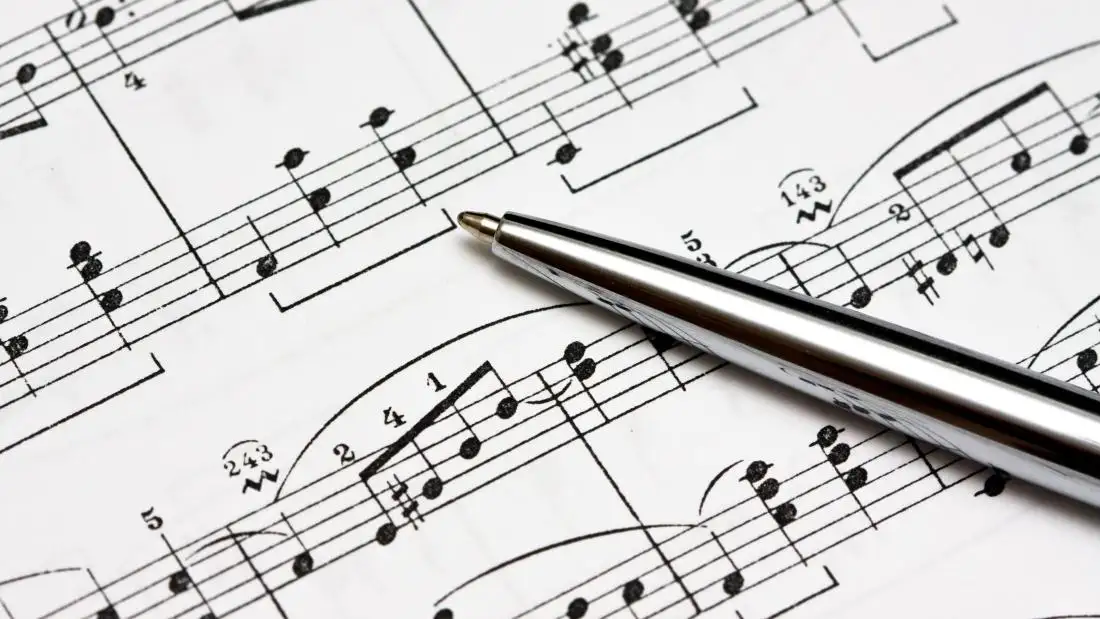
Bembo's musical education reached an extraordinary level when she became a student of the famous Venetian composer Francesco Cavalli. At the time, Cavalli ranked among the leading opera composers in Europe, and his influence helped define the development of Italian Baroque music for many decades. Cavalli had previously traveled to France after receiving an important royal commission to compose an opera celebrating the marriage of King Louis XIV and the Spanish princess María Teresa. His opera, also titled "Ercole Amante," later provided the dramatic foundation that inspired Bembo to create her own interpretation years afterward.Via Bangor University
Studying under such a respected composer gave Bembo valuable experience in composition, dramatic storytelling, and vocal writing. The knowledge she gained during these formative years remained evident throughout her later works, which successfully blended Italian traditions with artistic influences she encountered after moving to France.
Marriage Brought Hardship Instead of Security
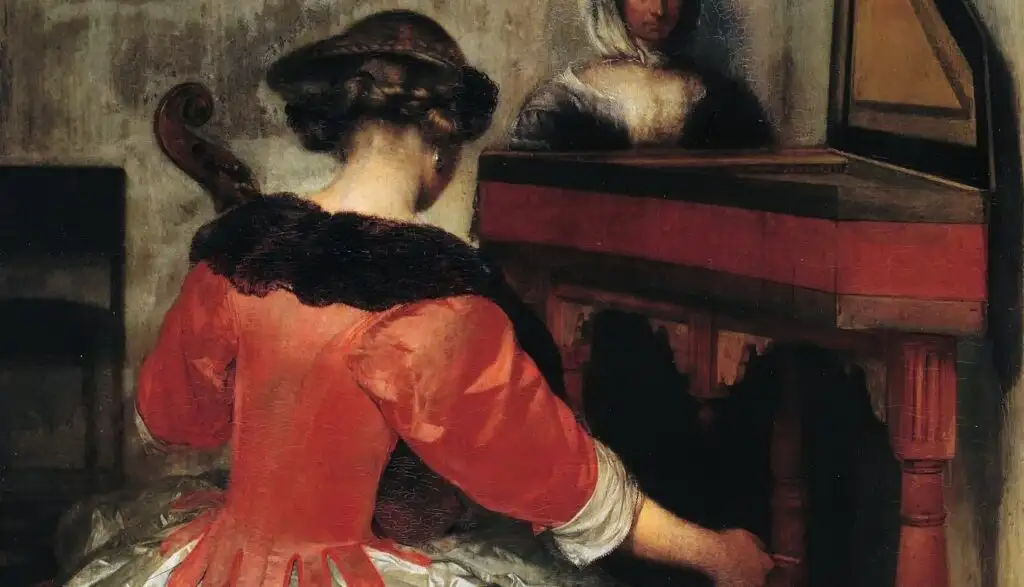
Although her musical education prepared her for an artistic career, Bembo followed the expected social path by marrying Lorenzo Bembo, a member of a respected Venetian noble family. The marriage elevated her social standing, but it gradually became a source of emotional suffering and personal hardship.Via Conversations
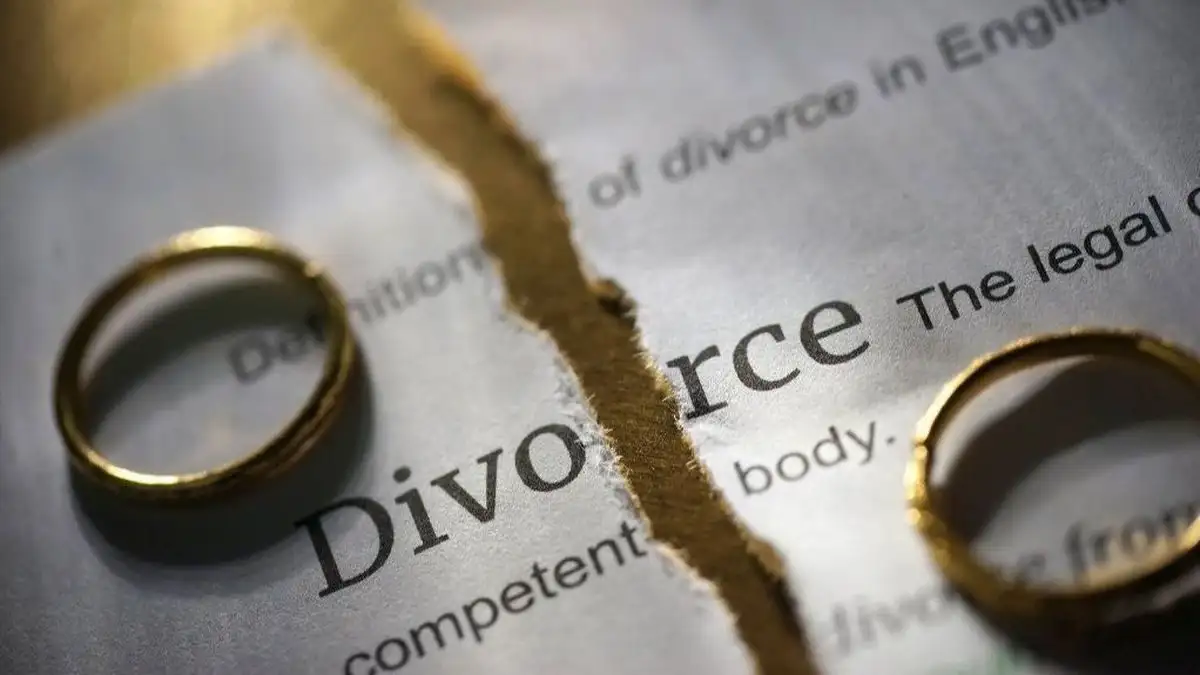
Historical records reveal that the relationship was troubled by repeated infidelity along with emotional and physical abuse. In 1672, Bembo courageously sought a legal separation by filing for divorce, presenting evidence of her husband's behavior in hopes of securing protection and freedom from the unhappy marriage.
The court refused to grant the divorce, leaving her with few legal options despite the difficult circumstances she faced. This unsuccessful attempt forced Bembo to consider a far more dangerous solution, one that would permanently change both her personal life and her future as a composer.
Via LEAP Pakistan
Finding Support at the Court of Louis XIV
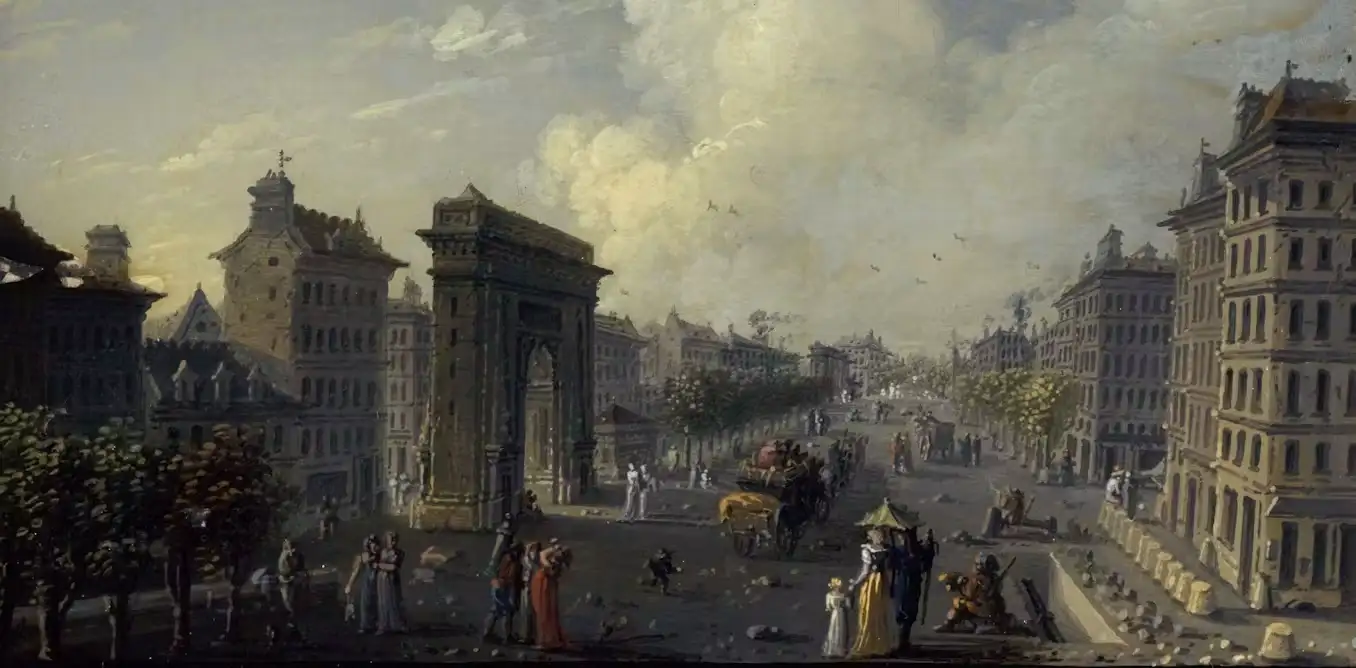
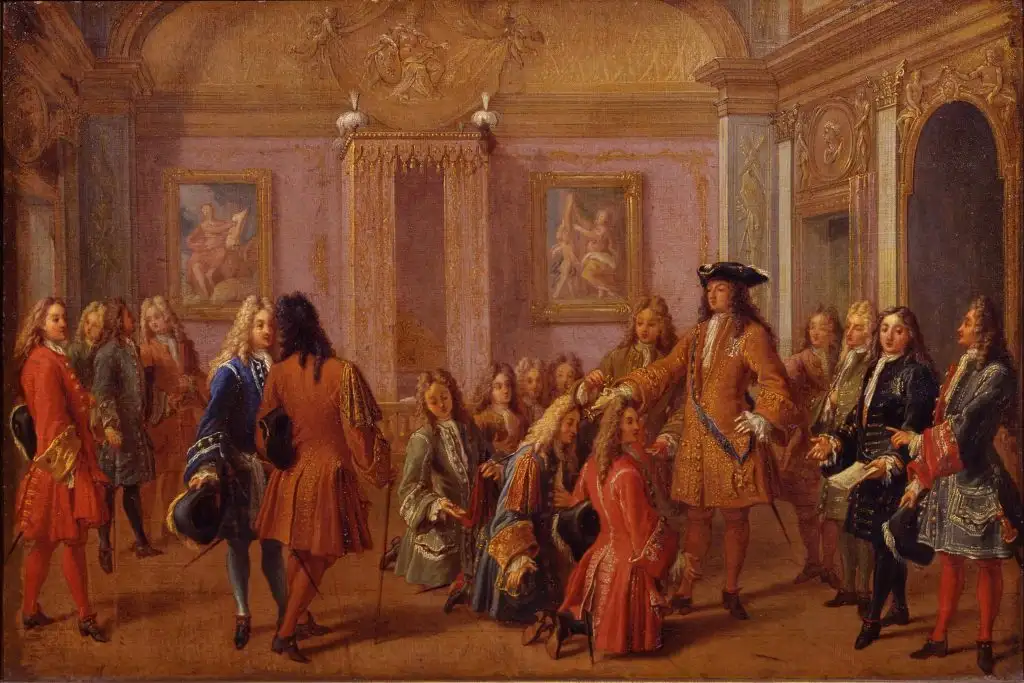
After arriving in Paris, Bembo performed before King Louis XIV, whose appreciation for music and the arts made his court one of Europe's greatest cultural centers. The performance impressed the monarch, who offered financial assistance that allowed her to establish a secure and stable life in France. She lived within a women's residential community near the recently completed Porte Saint-Denis, where she devoted herself to composing music. Grateful for the king's generosity, Bembo carefully copied many of her compositions by hand and presented them as gifts in recognition of the support she had received.Via Historyextra
During this productive period, she created cantatas, sacred motets, expressive arias, and dramatic vocal works that reflected both technical mastery and emotional depth. Her compositions combined Italian elegance with French musical influences, creating a distinctive style that separated her work from that of many of her contemporaries.
Preserving Her Music for Future Generations
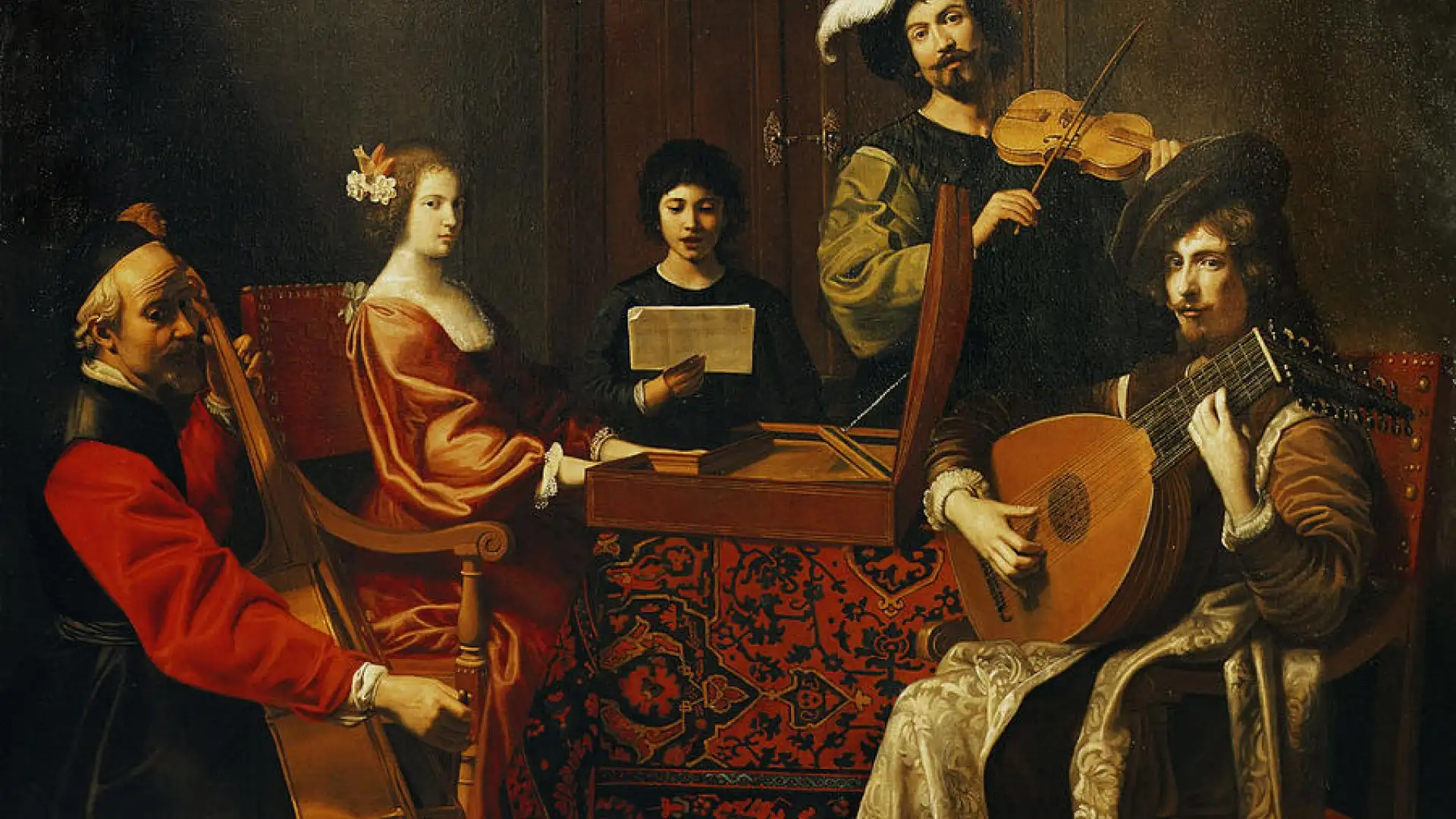
Even while enjoying greater security in Paris, Bembo continued living with uncertainty because her husband remained alive in Venice. Fear of being discovered likely influenced many of her decisions, including delaying the careful organization of her musical manuscripts for several decades.Via Center The Mosique
Only after her husband died in 1703 did she begin assembling her life's work into beautifully prepared volumes. She organized her compositions with great care, ensuring that they would survive as complete collections instead of remaining scattered pages that could easily disappear over time.
By the end of her life, Bembo had completed eight bound manuscript volumes containing a remarkable collection of music. Although two volumes were eventually lost, the remaining manuscripts preserved enough of her work to demonstrate the extraordinary range and creativity of her compositions for future scholars and performers.
Via Classical Music
Rediscovering a Forgotten Composer
Interest in Antonia Bembo remained limited for centuries because her music existed only in manuscripts that were difficult to study and perform. A turning point arrived in 1937 when two manuscript volumes containing "Ercole Amante" were acquired by the Music Department of France's National Library after an auction. That same year, musicologist Yvonne Rokseth published an important study describing Bembo's surviving works and introducing modern readers to the forgotten composer. Her research provided valuable information that encouraged future scholars to investigate the remarkable life hidden behind the neglected manuscripts.
Via Visit Venice
Decades later, additional archival discoveries gradually revealed Bembo's personal story in greater detail. Documents found in Venice connected her maiden name to the Padoani family, uncovered evidence of her legal struggles, and helped reconstruct the extraordinary journey that transformed her from an overlooked historical figure into a composer worthy of renewed recognition.
The Story Behind Ercole Amante
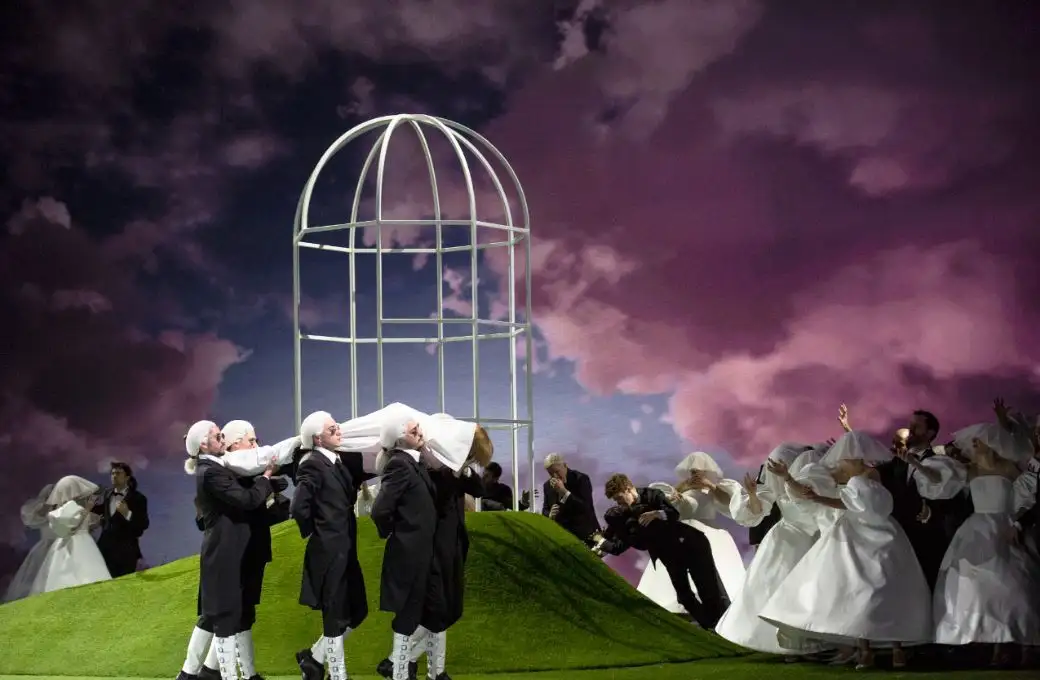
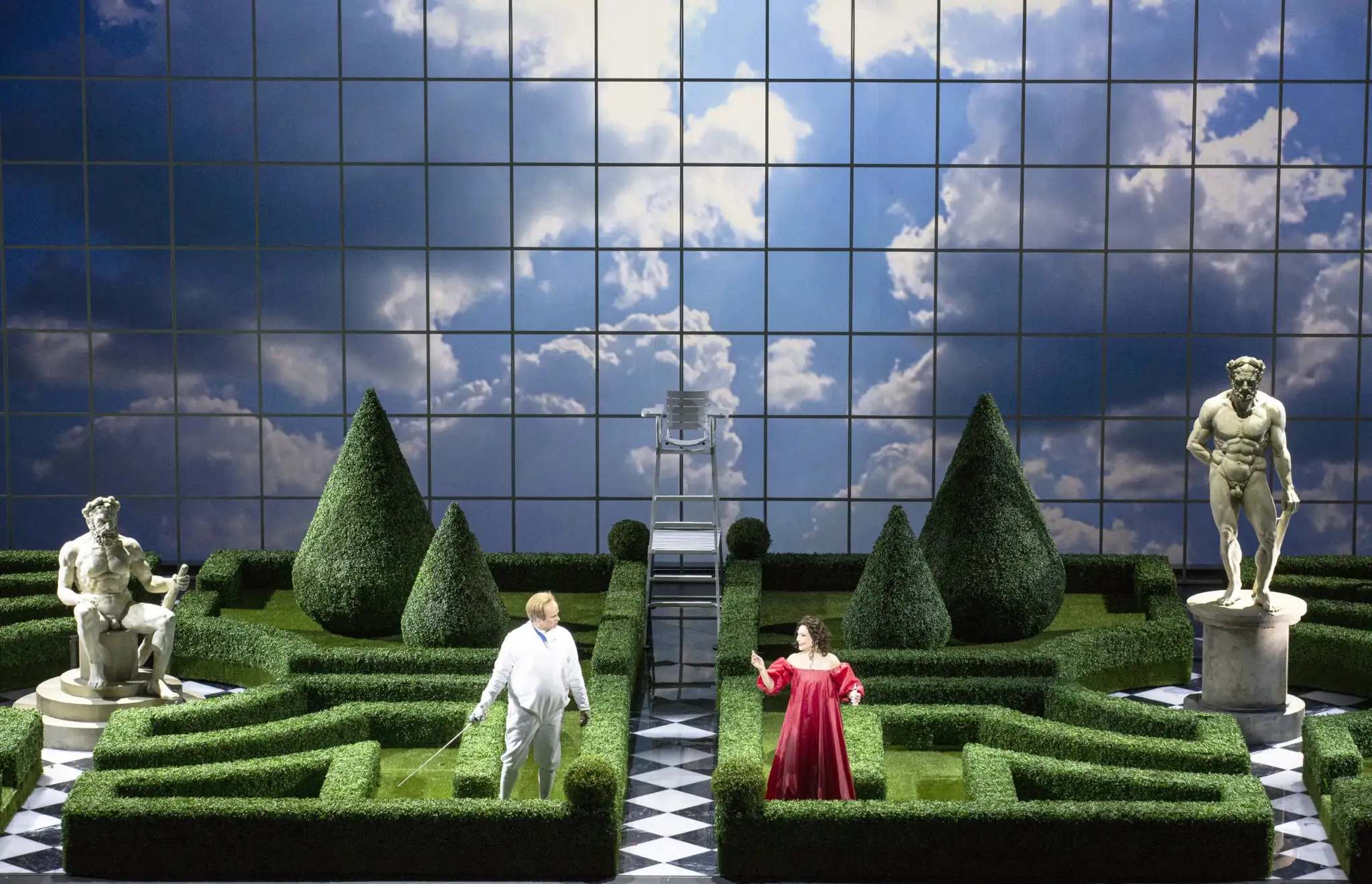
After years of composing sacred and secular music in Paris, Antonia Bembo completed her own version of "Ercole Amante" in 1707. The opera tells the dramatic story of Hercules, whose growing obsession with Iole creates conflict among family members, heroes, and powerful gods, resulting in emotional struggles and unexpected consequences.Via Bachtrack
The libretto had originally been written by Francesco Buti and previously used by Bembo's former teacher, Francesco Cavalli, for an earlier opera. Bembo respected the original storyline while presenting it through her own musical voice, creating a fresh interpretation that reflected her artistic growth and personal experiences.
Her composition displayed remarkable dramatic pacing and expressive melodies while balancing emotional intensity with elegant orchestration. The opera demonstrated her ability to transform an established narrative into a sophisticated musical work that stood confidently beside other important Baroque operas of the period.
Via Paris Opera
Why the Opera Waited More Than Three Centuries
Despite its artistic quality, "Ercole Amante" remained unperformed for centuries because the original score survived only as manuscripts. Preparing these documents for a modern performance required extensive editorial work to correct copying errors, resolve inconsistencies, and produce a reliable version suitable for today's musicians. Another reason for the long delay was the historical neglect of women composers within the traditional operatic repertoire. For generations, performance schedules focused almost entirely on works by well-known male composers, leaving many talented female musicians without the recognition their achievements deserved.
Via WFMT
Growing interest in recovering overlooked musical history has gradually changed this situation. Modern festivals, researchers, and opera companies have begun presenting works by forgotten women composers, creating opportunities for audiences to experience outstanding compositions that remained hidden for hundreds of years.
A Historic Performance Restores Bembo's Legacy
The 2026 staging of "Ercole Amante" at Paris' Opéra Bastille represents far more than the revival of a forgotten score. It celebrates the determination of a gifted composer whose talent survived extraordinary personal hardship and centuries of historical silence before finally reaching the international stage.
Via Radio France
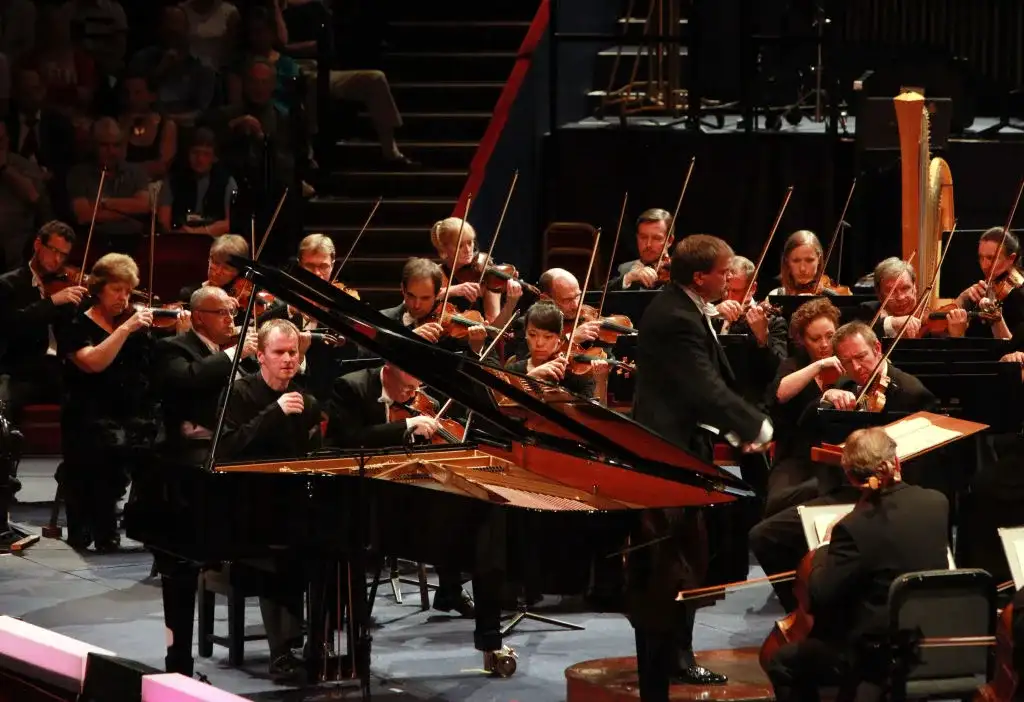
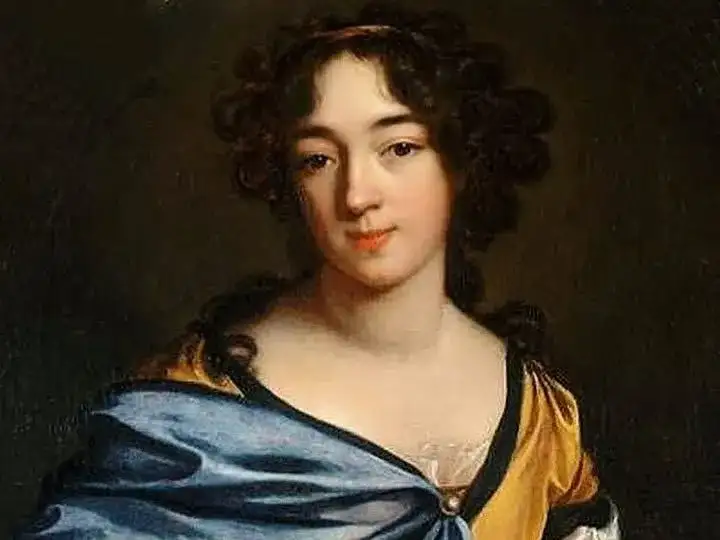
Supported by an accomplished cast, a distinguished Baroque orchestra, and expert musical direction, the production allows modern audiences to appreciate Bembo's creativity exactly as she intended. The performance also acknowledges the years of scholarly research that helped preserve, interpret, and prepare her manuscripts for contemporary presentation.
Antonia Bembo now stands alongside respected Baroque composers whose music shaped European cultural history. Her inspiring journey from adversity to artistic recognition demonstrates that remarkable creativity can endure across generations, ensuring that her voice finally receives the lasting appreciation it has deserved for more than three centuries.