Unassigned
Top African World Cup 2026 Jerseys Ranked by Style
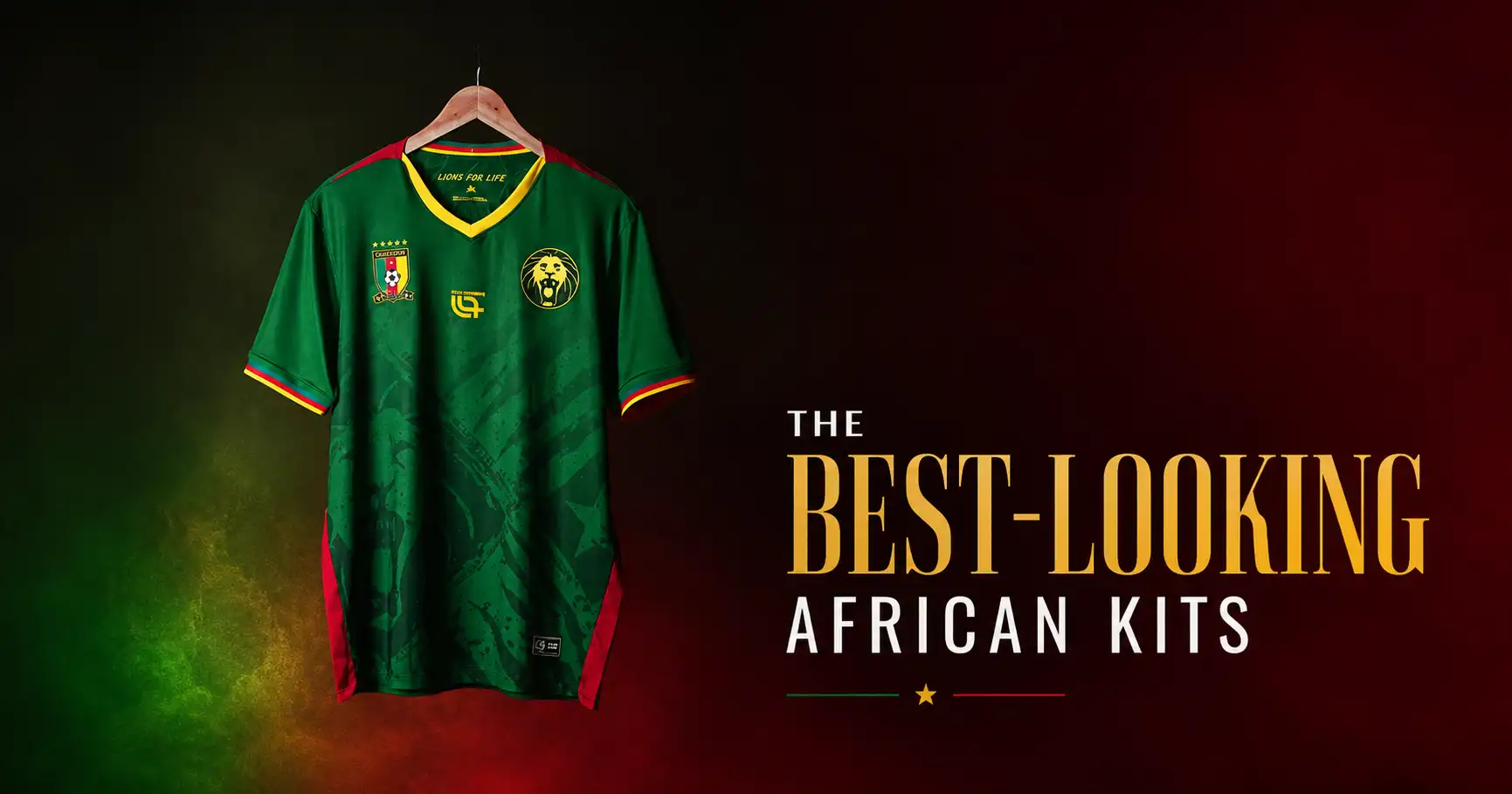
African football kits have always been more than just sportswear. They carry stories, identity, and bold artistic expression that reflect the culture and pride of each nation. From vibrant colors to intricate patterns, these jerseys often stand out on the global stage, turning football into a visual celebration. Over the years, African teams have embraced creativity in ways that many other regions hesitate to explore.
The history of African World Cup kits is filled with iconic moments. Designs such as Nigeria’s 2018 jersey became global sensations, showing how fashion and football can merge into one powerful statement. These kits often blend traditional elements with modern aesthetics, creating a balance that resonates with fans worldwide.
 Via Rolling Stone
The 2026 World Cup continues this tradition, with African teams presenting a mix of bold innovation and classic styles. Some kits take risks with patterns and symbolism, while others rely on simplicity and heritage. Each design tells a story, whether through colors inspired by national flags or patterns rooted in local traditions.
 Via GQ
Egypt’s away kit follows a similar path, incorporating pyramid-inspired patterns in a subtle way. The concept is meaningful, but the execution feels too restrained for a global event like the World Cup. A stronger visual presence could have elevated the design, making it more memorable for fans and viewers alike.
Tunisia’s home and away kits also fall into this category of simplicity. While clean and elegant, they do not capture attention in the same way as more adventurous designs. These jerseys focus on tradition and minimalism, but they miss the opportunity to showcase the country’s rich cultural identity through bold creativity.
 Via Goal
 Via GiveMeSport
DR Congo’s kits show potential but lack consistency. The away design uses gradients and patterns that seem unfinished, while the home kit introduces bold colors but struggles with identity. The mix of patterns does not fully align with the nation’s symbolism, leaving the design feeling somewhat confused despite its energy.
 Via BBC
The away kit for the Ivory Coast takes a more complex approach, combining multiple elements such as flora and fauna. This creates a visually rich design but risks appearing cluttered. The idea is ambitious, blending different aspects of the country’s environment, yet the overall composition lacks cohesion.
Ghana’s away kit stands out with its Kente cloth inspiration. The vibrant patterns reflect the country’s cultural heritage and bring a sense of movement and energy to the design. While the ambition is commendable, the complexity can make the jersey feel slightly chaotic, affecting its overall clarity.
 Via Goal
 Via ESPN
Senegal’s away kit also embraces a composed design with dark green tones. The simplicity allows the team’s identity to shine without overwhelming the viewer. While it may not be the most eye-catching jersey, it delivers a sense of confidence and tradition that resonates with fans.
 Via BBC
Senegal’s home kit draws inspiration from Dakar’s vibrant street art. The patterns reflect the energy and creativity of the city, bringing movement and color to the design. This approach captures the spirit of everyday life, making the jersey feel alive and dynamic.
These kits demonstrate how football jerseys can become storytelling tools. By incorporating cultural references and artistic elements, they create deeper connections with fans and represent their nations in meaningful ways.
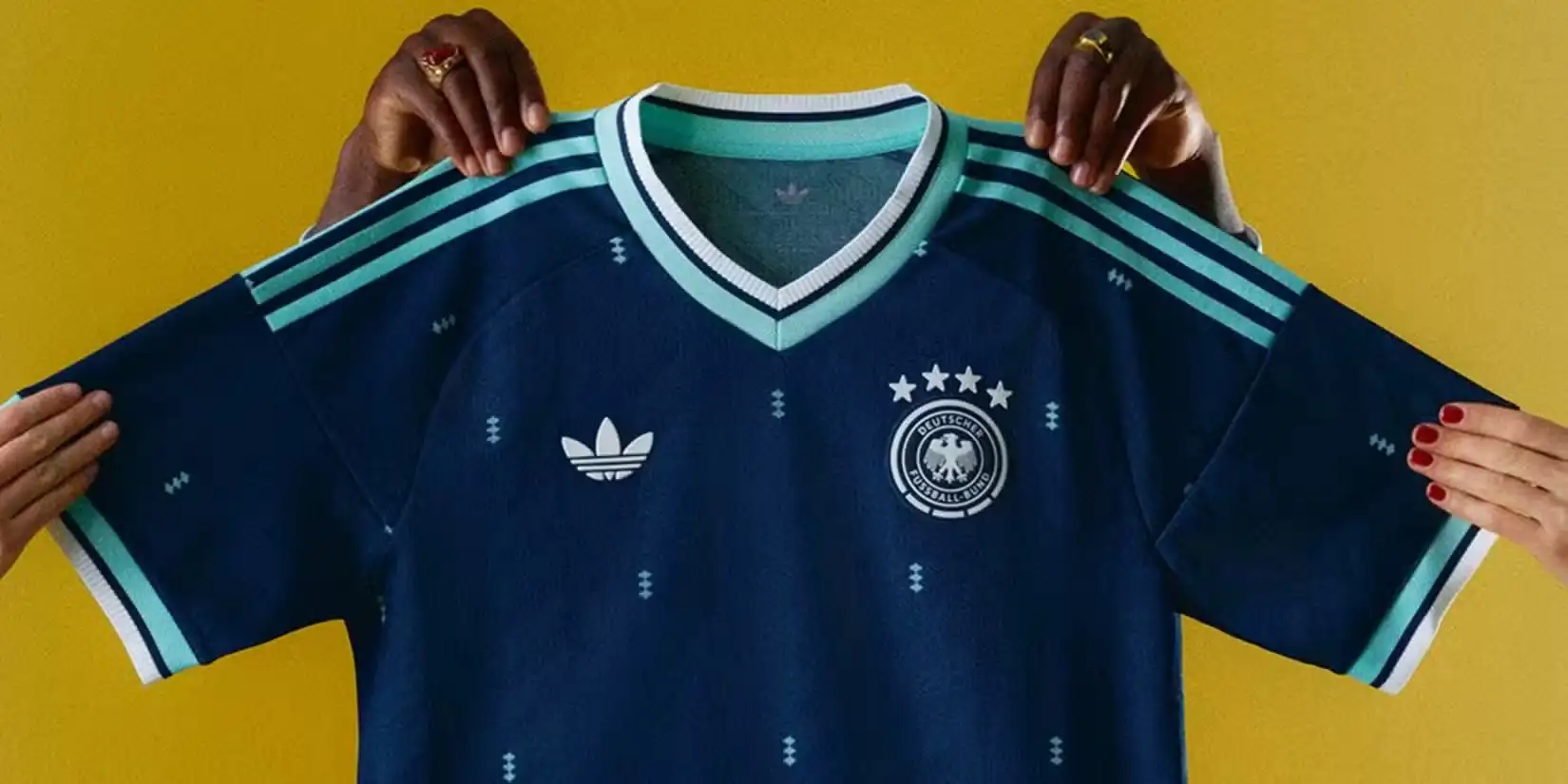 Via GiveMeSport
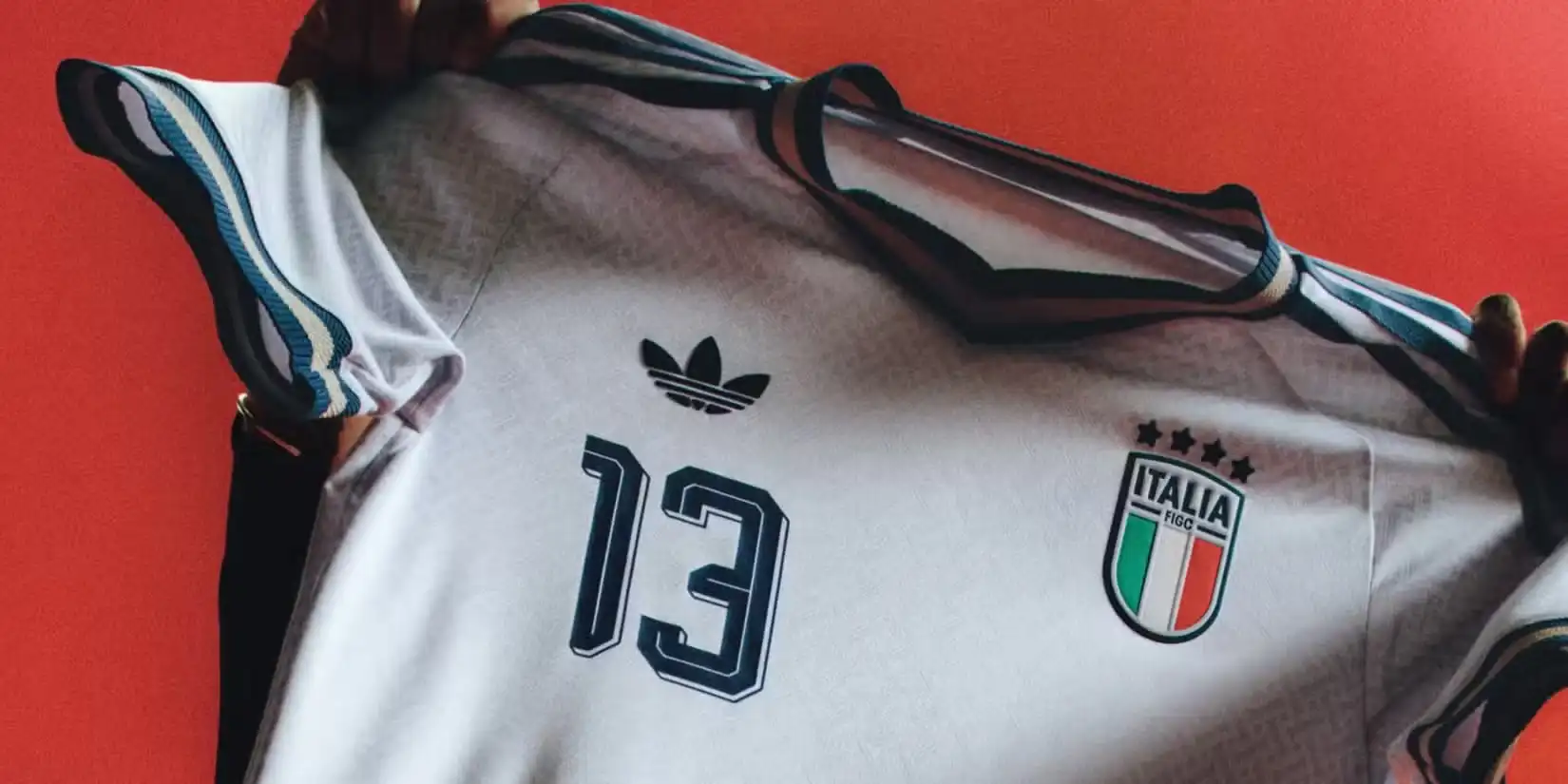 Via GiveMeSport
These kits succeed because they combine style with meaning. They do not rely solely on bold visuals but also consider the story behind the design. This approach ensures that the jerseys remain memorable long after the tournament ends.
 Via Goal
The use of heritage elements adds depth to the jersey, connecting it to both national identity and football history. This balance of tradition and modern style makes it appealing to a wide audience. It is a design that feels natural rather than forced, allowing its quality to shine.
African World Cup kits continue to push boundaries and redefine football fashion. Each jersey tells a unique story, reflecting the culture and creativity of its nation. As the tournament unfolds, these designs will not only represent teams on the field but also leave a lasting impression on fans around the world.
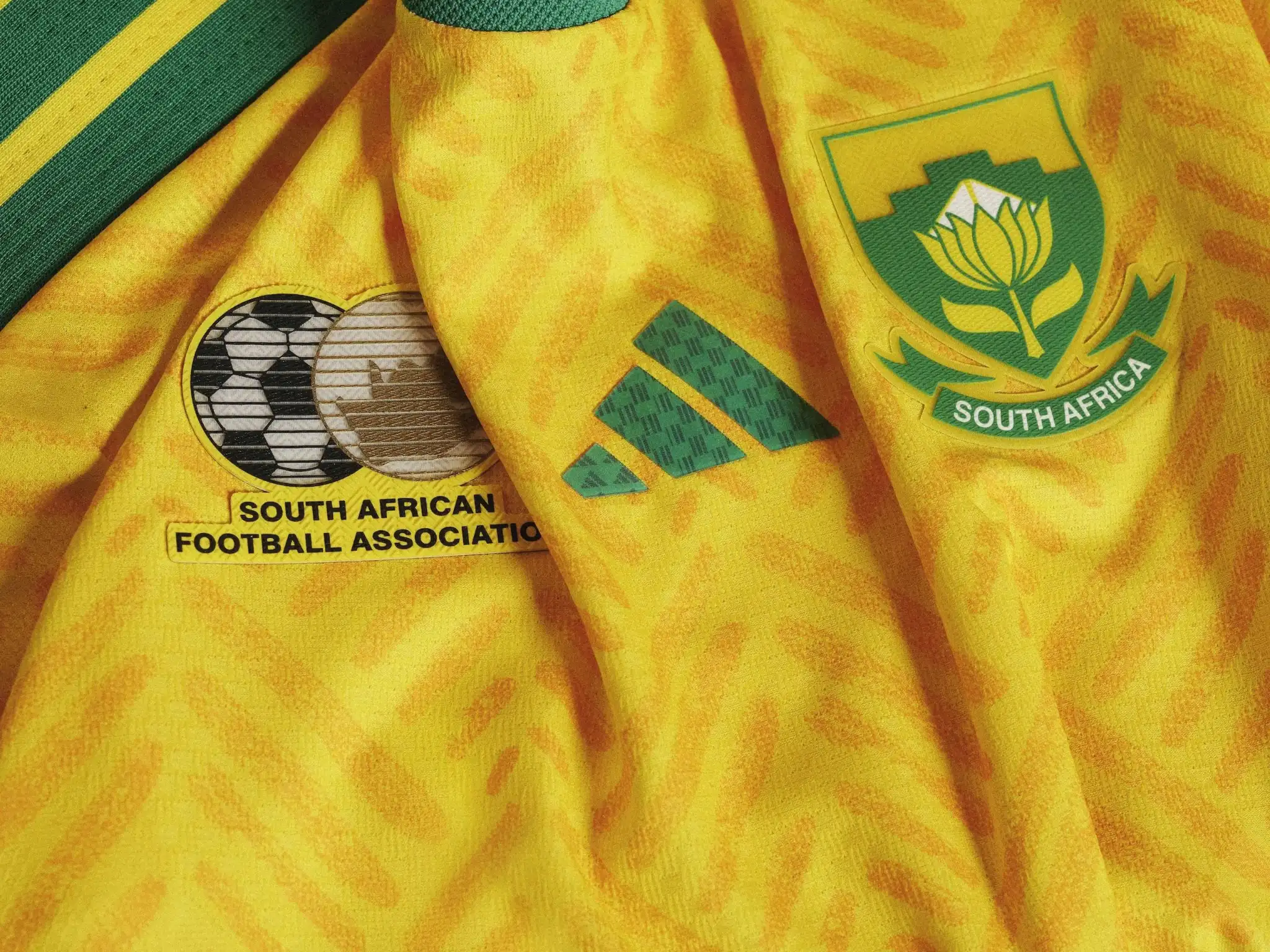 Via INKL
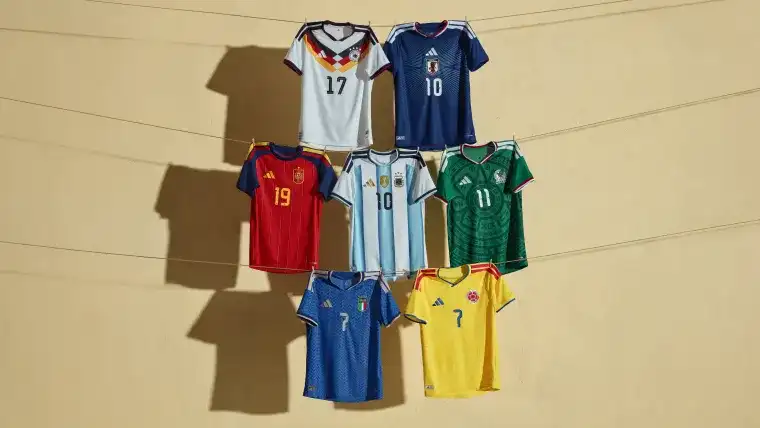 Via Goal
Modern African kits now serve as a bridge between heritage and innovation. Designers draw inspiration from local art, folklore, and landscapes, creating pieces that resonate with both local supporters and international audiences.
Via Sporting News
These jerseys also play a major role in the business side of football. Successful designs can lead to massive sales, turning kits into valuable commercial assets. African teams, in particular, have seen global demand for their unique designs, with some jerseys becoming fashion statements far beyond the sport.
The impact of a World Cup kit often lasts long after the tournament ends. Iconic designs are remembered for years and become part of football history. They are revisited, reissued, and celebrated by fans and collectors. This lasting influence highlights the importance of thoughtful design.
More in UnassignedVia Rolling Stone
The 2026 World Cup continues this tradition, with African teams presenting a mix of bold innovation and classic styles. Some kits take risks with patterns and symbolism, while others rely on simplicity and heritage. Each design tells a story, whether through colors inspired by national flags or patterns rooted in local traditions.
Designs That Struggle to Impress
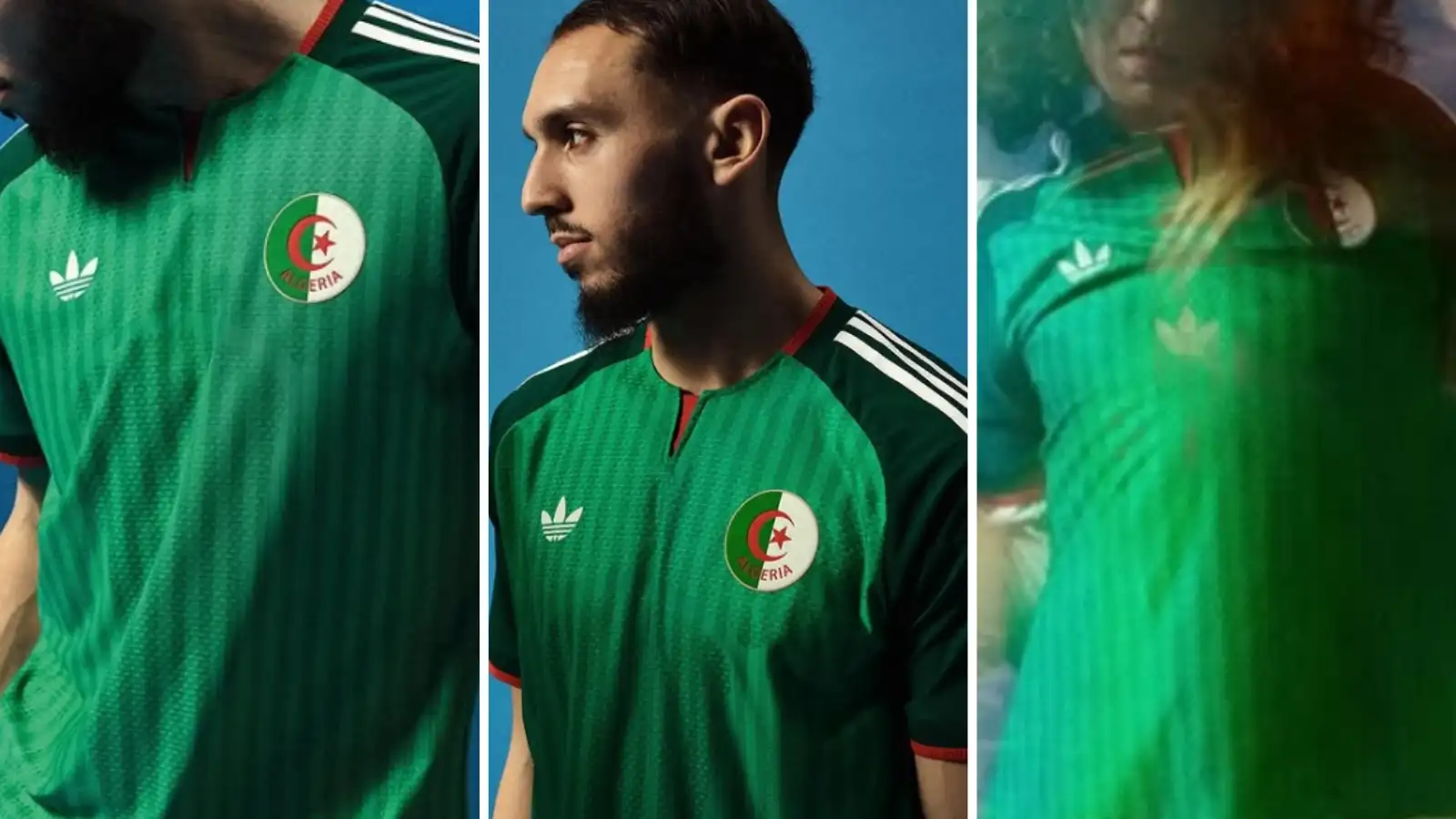
Some African teams have chosen safer designs for the 2026 World Cup, resulting in kits that feel less exciting. Algeria’s away jersey, for example, leans heavily on retro inspiration but lacks the spark needed to stand out. While vintage elements can be appealing, they must be balanced with modern creativity to make a lasting impact. In this case, the design feels more dated than nostalgic.Via GQ
Egypt’s away kit follows a similar path, incorporating pyramid-inspired patterns in a subtle way. The concept is meaningful, but the execution feels too restrained for a global event like the World Cup. A stronger visual presence could have elevated the design, making it more memorable for fans and viewers alike.
Tunisia’s home and away kits also fall into this category of simplicity. While clean and elegant, they do not capture attention in the same way as more adventurous designs. These jerseys focus on tradition and minimalism, but they miss the opportunity to showcase the country’s rich cultural identity through bold creativity.
Via Goal
Emerging Teams and Modest Creativity
Cape Verde’s debut World Cup kits represent an important milestone for the nation. The home jersey features deep blue tones with geometric patterns inspired by the islands and ocean routes. This concept reflects the country’s geography and identity, but the execution remains relatively understated. For such a historic moment, a more daring design could have made a stronger statement. The away kit for Cape Verde improves slightly with a cleaner white base and subtle patterns. The addition of blue and red accents on the collar and sleeves adds a touch of vibrancy, making it more visually appealing. It maintains the same theme as the home kit while offering a brighter and fresher look.Via GiveMeSport
DR Congo’s kits show potential but lack consistency. The away design uses gradients and patterns that seem unfinished, while the home kit introduces bold colors but struggles with identity. The mix of patterns does not fully align with the nation’s symbolism, leaving the design feeling somewhat confused despite its energy.
Strong Identity but Mixed Execution
Ivory Coast’s kits embrace bold identity through animal-inspired patterns. The home jersey features layered designs that highlight the team’s nickname, the Elephants. While the concept is strong and unmistakable, the lack of subtlety can make the design feel overwhelming. It communicates the message clearly but leaves little room for interpretation.Via BBC
The away kit for the Ivory Coast takes a more complex approach, combining multiple elements such as flora and fauna. This creates a visually rich design but risks appearing cluttered. The idea is ambitious, blending different aspects of the country’s environment, yet the overall composition lacks cohesion.
Ghana’s away kit stands out with its Kente cloth inspiration. The vibrant patterns reflect the country’s cultural heritage and bring a sense of movement and energy to the design. While the ambition is commendable, the complexity can make the jersey feel slightly chaotic, affecting its overall clarity.
Via Goal
Balanced Designs with Cultural Influence
Egypt’s home kit offers a more refined approach compared to its away version. The use of deep red tones creates a regal appearance, while subtle symbols add cultural depth. This design strikes a balance between tradition and modernity, making it more suitable for the global stage. Morocco’s home kit follows a similar philosophy, focusing on elegance and heritage. The structured collar and gold accents give the jersey a timeless feel. It does not rely on bold patterns but instead uses subtle details to convey identity, making it both stylish and versatile.Via ESPN
Senegal’s away kit also embraces a composed design with dark green tones. The simplicity allows the team’s identity to shine without overwhelming the viewer. While it may not be the most eye-catching jersey, it delivers a sense of confidence and tradition that resonates with fans.
Creative Designs That Tell Stories
Ghana’s home kit introduces a unique concept inspired by Anansi, a figure from Akan folklore. The spider-web pattern creates a narrative element, turning the jersey into more than just clothing. This design invites interpretation and adds a layer of storytelling that sets it apart from others.Via BBC
Senegal’s home kit draws inspiration from Dakar’s vibrant street art. The patterns reflect the energy and creativity of the city, bringing movement and color to the design. This approach captures the spirit of everyday life, making the jersey feel alive and dynamic.
These kits demonstrate how football jerseys can become storytelling tools. By incorporating cultural references and artistic elements, they create deeper connections with fans and represent their nations in meaningful ways.
Via GiveMeSport
Top Designs That Combine Style and Heritage
Morocco’s away kit stands out for its refined elegance. The clean white base, combined with traditional patterns, creates a sophisticated look. Gold accents add a touch of luxury, while the design remains rooted in cultural heritage. This balance makes it one of the most appealing jerseys in the tournament. South Africa’s home kit brings back memories of past World Cup appearances. The bright yellow color and subtle patterns create a vibrant yet classic design. It connects the present team with its history, offering a sense of continuity that fans appreciate.Via GiveMeSport
These kits succeed because they combine style with meaning. They do not rely solely on bold visuals but also consider the story behind the design. This approach ensures that the jerseys remain memorable long after the tournament ends.
The Best African World Cup 2026 Kit
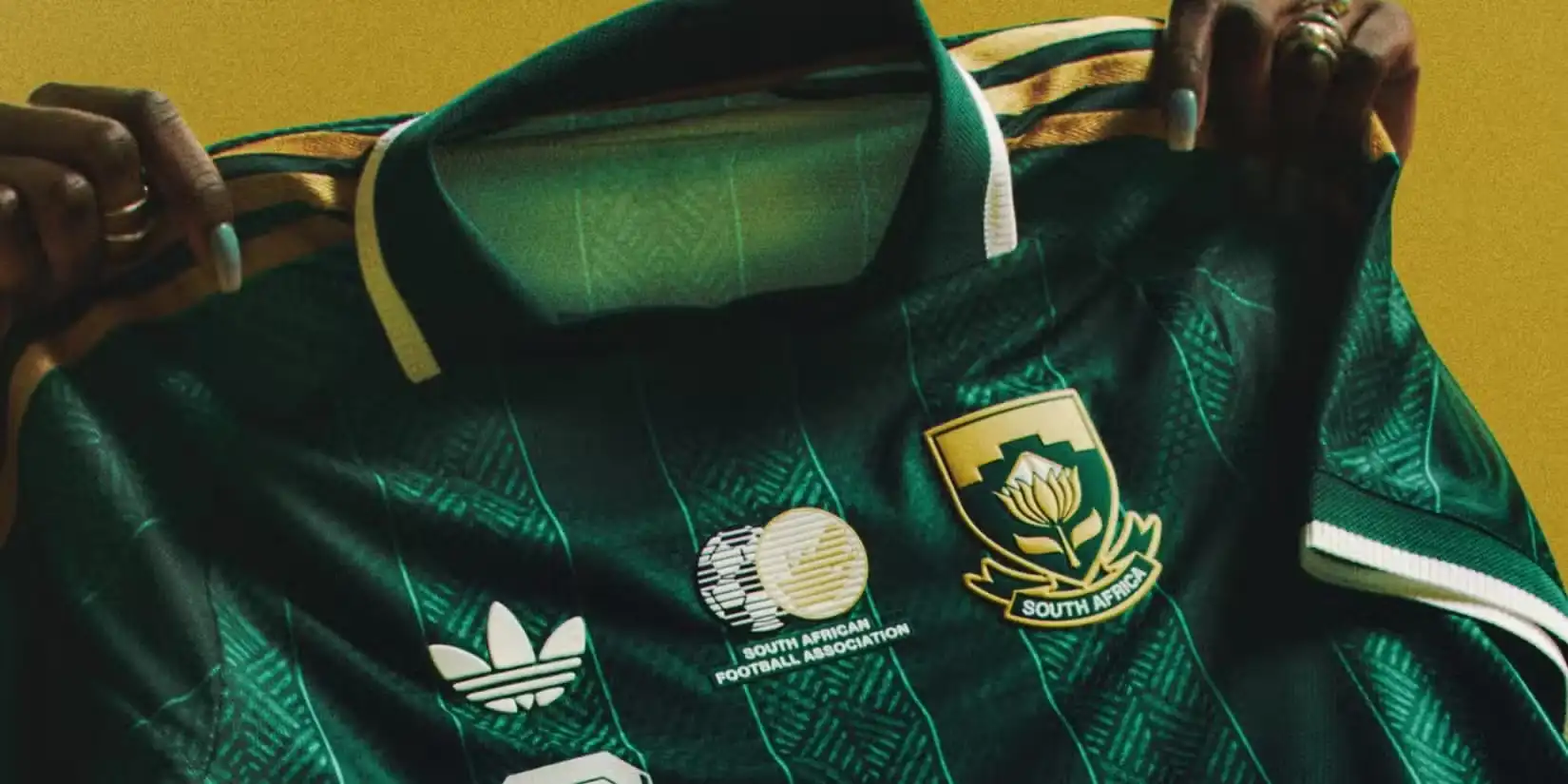
South Africa’s away kit takes the top spot for its simplicity and elegance. The combination of green shades, white trim, and gold details creates a clean and sophisticated look. It does not rely on complex patterns or bold statements, yet it stands out through its refined design.Via Goal
The use of heritage elements adds depth to the jersey, connecting it to both national identity and football history. This balance of tradition and modern style makes it appealing to a wide audience. It is a design that feels natural rather than forced, allowing its quality to shine.
African World Cup kits continue to push boundaries and redefine football fashion. Each jersey tells a unique story, reflecting the culture and creativity of its nation. As the tournament unfolds, these designs will not only represent teams on the field but also leave a lasting impression on fans around the world.
Via INKL
Evolution of African Kit Design Through the Years
African football kits have evolved significantly over the decades, reflecting both global fashion trends and local cultural shifts. Early designs were often simple and functional, focusing mainly on national colors without much artistic detail. The influence of global sports brands has also played a key role in this transformation. Companies like Adidas and Puma have worked closely with African federations to blend modern technology with traditional inspiration. This collaboration has resulted in kits that are not only visually appealing but also performance-driven, offering comfort and durability for players while maintaining a strong visual identity.
Via Goal
Modern African kits now serve as a bridge between heritage and innovation. Designers draw inspiration from local art, folklore, and landscapes, creating pieces that resonate with both local supporters and international audiences.
Why World Cup Kits Matter Beyond the Pitch
World Cup kits hold a special place in football culture because they represent more than just teams competing for a trophy. They become symbols of national pride, unity, and identity, often worn by millions of fans around the world.Via Sporting News
These jerseys also play a major role in the business side of football. Successful designs can lead to massive sales, turning kits into valuable commercial assets. African teams, in particular, have seen global demand for their unique designs, with some jerseys becoming fashion statements far beyond the sport.
The impact of a World Cup kit often lasts long after the tournament ends. Iconic designs are remembered for years and become part of football history. They are revisited, reissued, and celebrated by fans and collectors. This lasting influence highlights the importance of thoughtful design.