Unassigned
IOC Bars Transgender Women from Olympic Female Events 2028
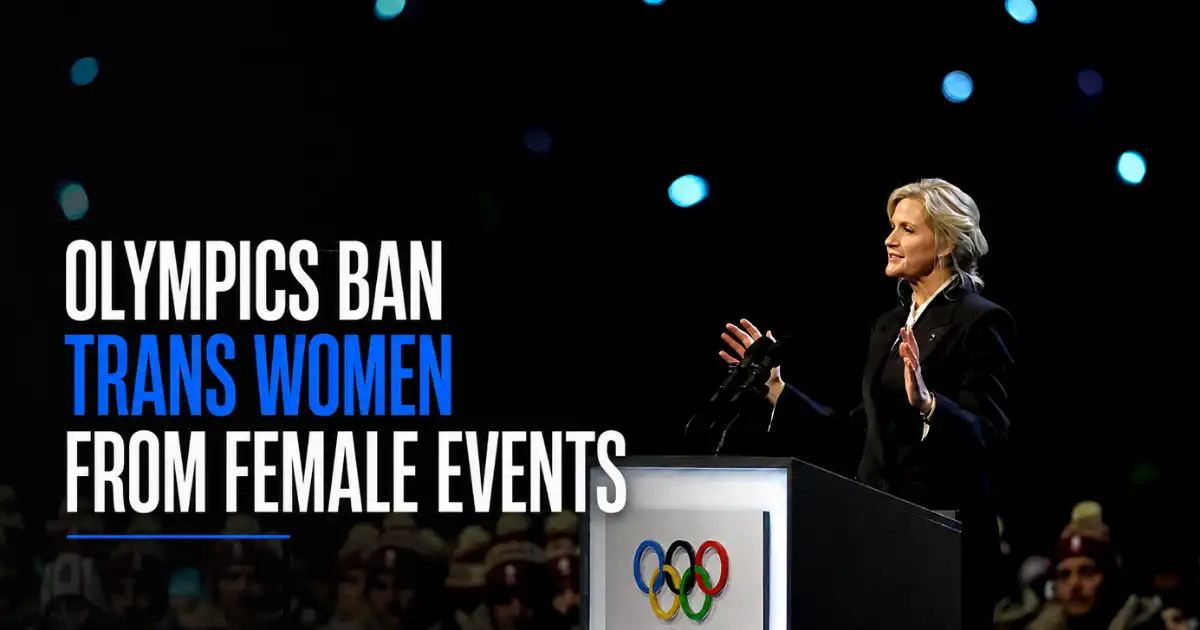
The International Olympic Committee has introduced a major policy shift that changes eligibility rules for women’s competitions. The new regulation limits participation in female categories to biological females only, starting from the 2028 Summer Olympics in Los Angeles. This decision has been described as one of the most significant rule updates in modern Olympic governance.
The policy applies across all Olympic sports, including both individual and team events. It establishes a unified standard for female category participation that all international federations must follow. The IOC stated that the purpose is to create consistency in how eligibility is determined across different sports disciplines.
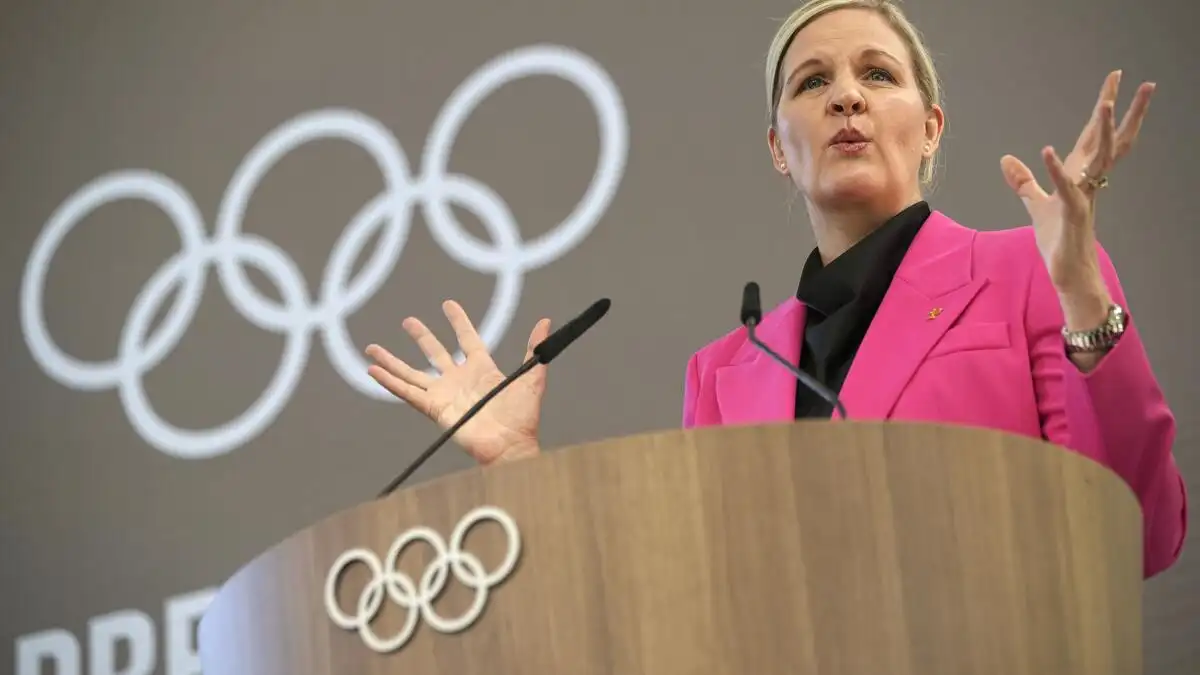 Via Los Angeles Times
The announcement has already triggered widespread debate in the global sports community. Athletes, coaches, and governing bodies are now evaluating how the rule will affect competition structures. The change represents a clear shift in how gender categories are defined at the highest level of athletic competition.
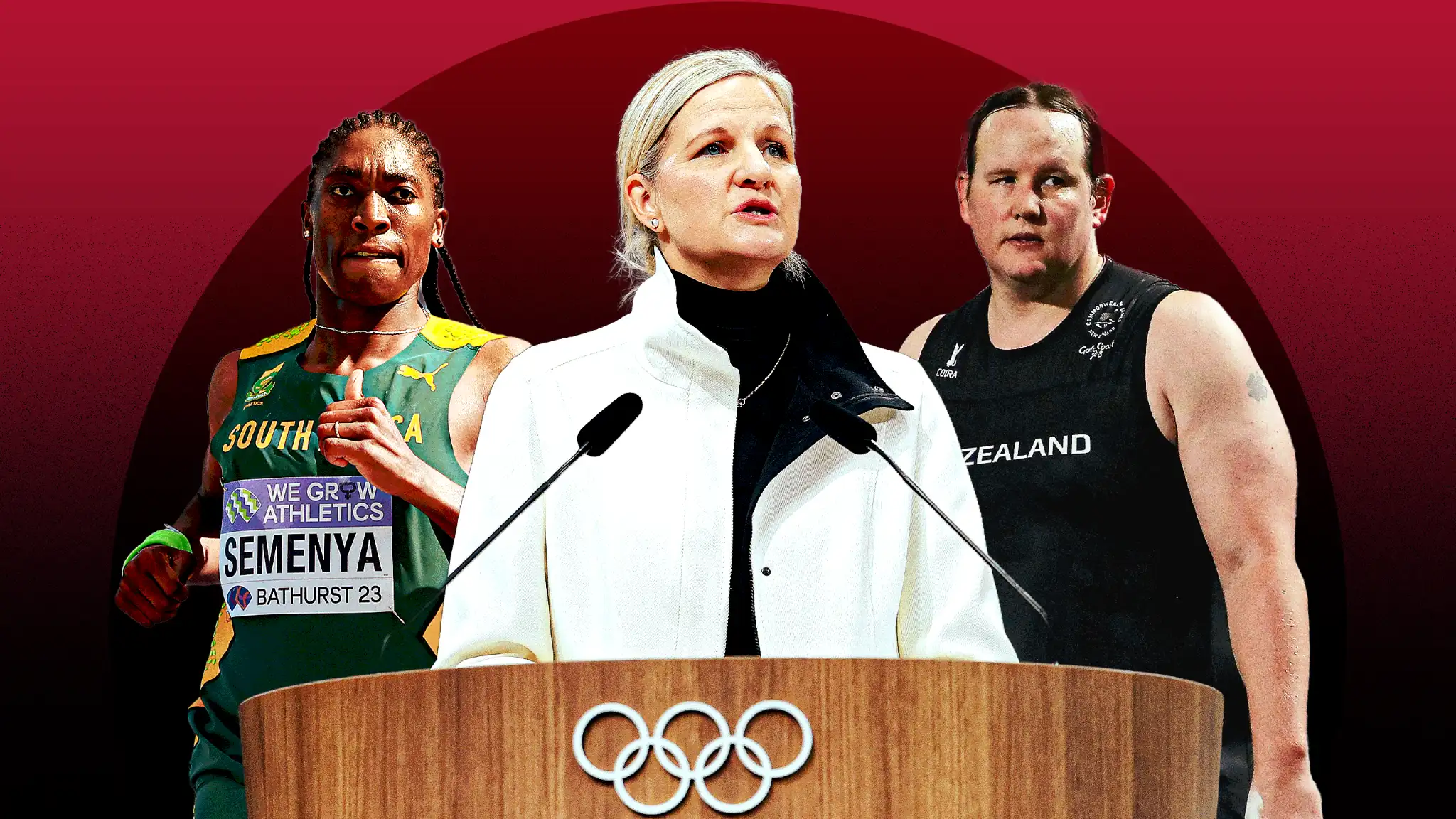 Via Sportico
Sports federations are expected to align their regulations with this definition before the 2028 Olympic cycle begins. The IOC has emphasized that the goal is to remove ambiguity in eligibility standards. Each sport may still apply specific technical guidelines, but the core definition remains consistent across all Olympic events.
The decision marks a departure from previous frameworks that allowed more flexible interpretation by individual sports organizations. The updated structure aims to reduce inconsistencies between different international competitions. This shift is expected to influence how future policies are developed beyond the Olympic Games.
 Via Los Angeles Times
 Via Mapmygenome
The introduction of genetic testing has raised important questions about privacy, ethics, and medical oversight. Sports authorities are expected to establish strict protocols for handling biological data. The process is designed to ensure consistency while maintaining standardized eligibility checks across all participating nations.
 Via The Conversation
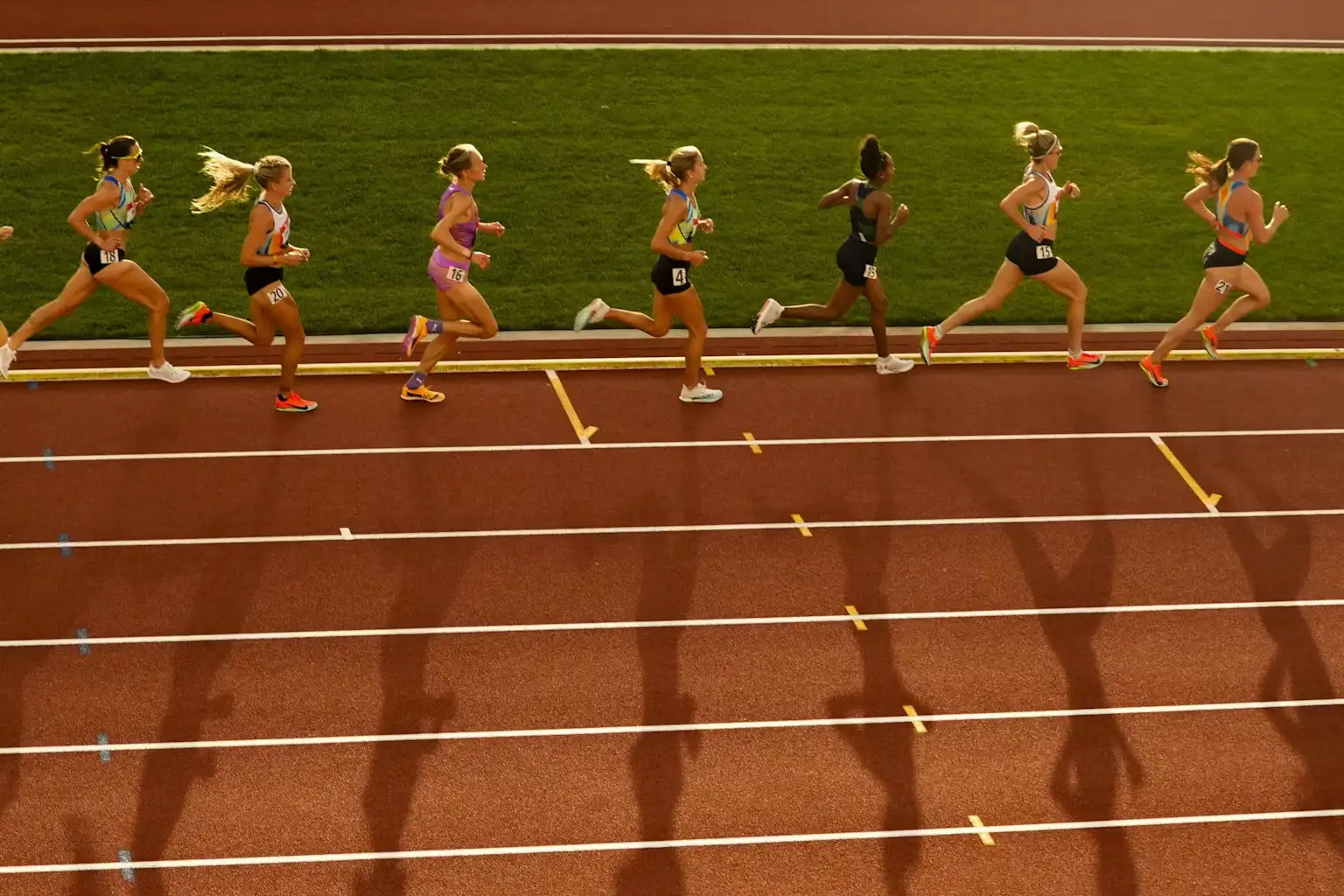
Safety considerations were also highlighted in certain sports where physical differences may affect performance and risk levels. The IOC emphasized that even small advantages can influence outcomes at elite levels of competition. This reasoning was presented as part of the justification for clearer classification rules.
The organization also stressed the importance of dignity and respect for all athletes. Support systems such as education and counseling will be made available during the transition. The policy is intended to apply only to elite competition and does not extend to recreational or grassroots sports.
 Via BBC
 Via NBC News
Former and current athletes continue to discuss how the policy will affect future participation opportunities. The issue has become a focal point in broader discussions about gender identity in sports. International reactions remain divided as federations assess the long-term impact of the rule.
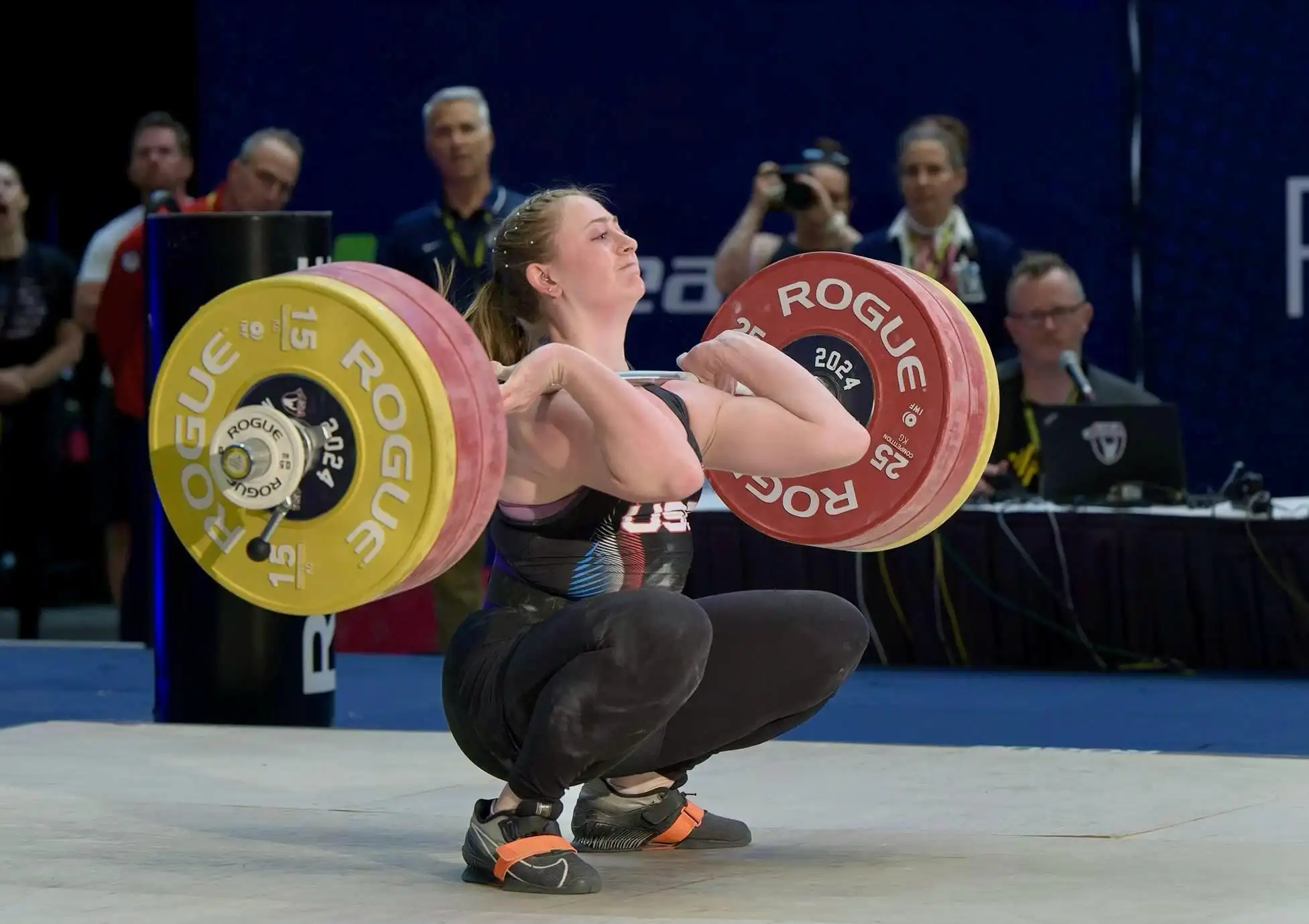 Via Women Barbell Club
Athletes preparing for the 2028 Olympics will face revised pathways to competition. Qualification standards may be updated by international federations to ensure compliance with the new policy. Training programs could also be adapted to reflect regulatory changes.
Coaches and sports organizations are expected to review athlete eligibility early in the preparation cycle. This ensures that all competitors meet the required standards before entering the Olympic qualification stages. The transition period will be critical for smooth implementation across different sports.
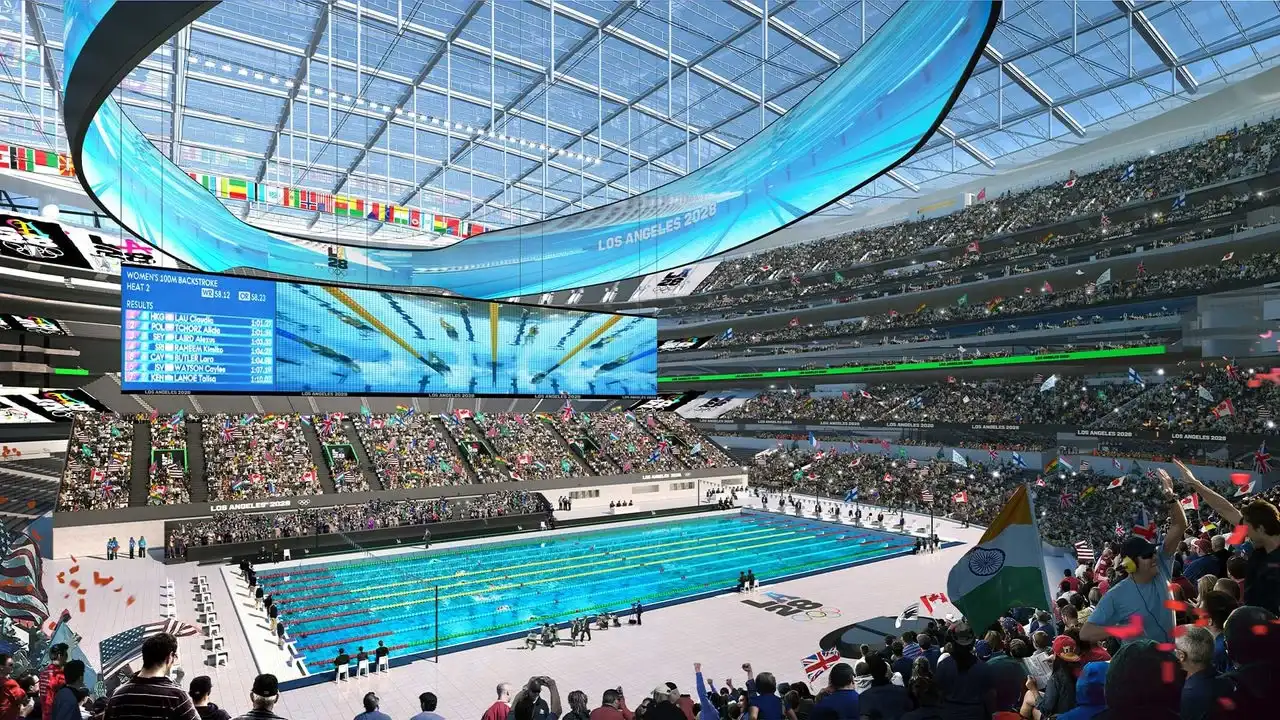 Via LA 2028
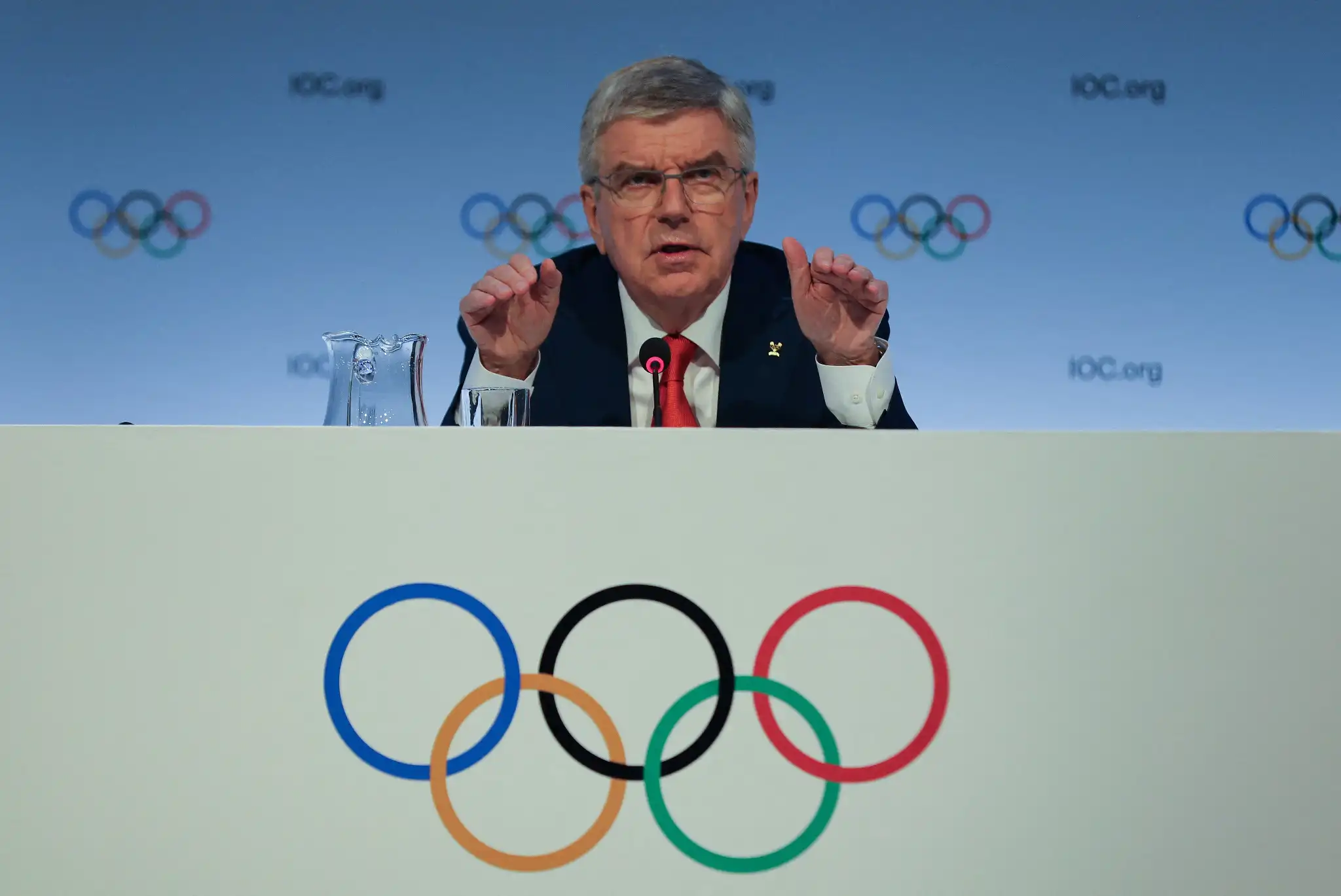 Via Reuters
International sporting bodies may face pressure to justify their regulatory frameworks in court or through policy review. The discussion continues to evolve as more stakeholders respond to the IOC decision. The issue remains one of the most debated topics in modern sports law.
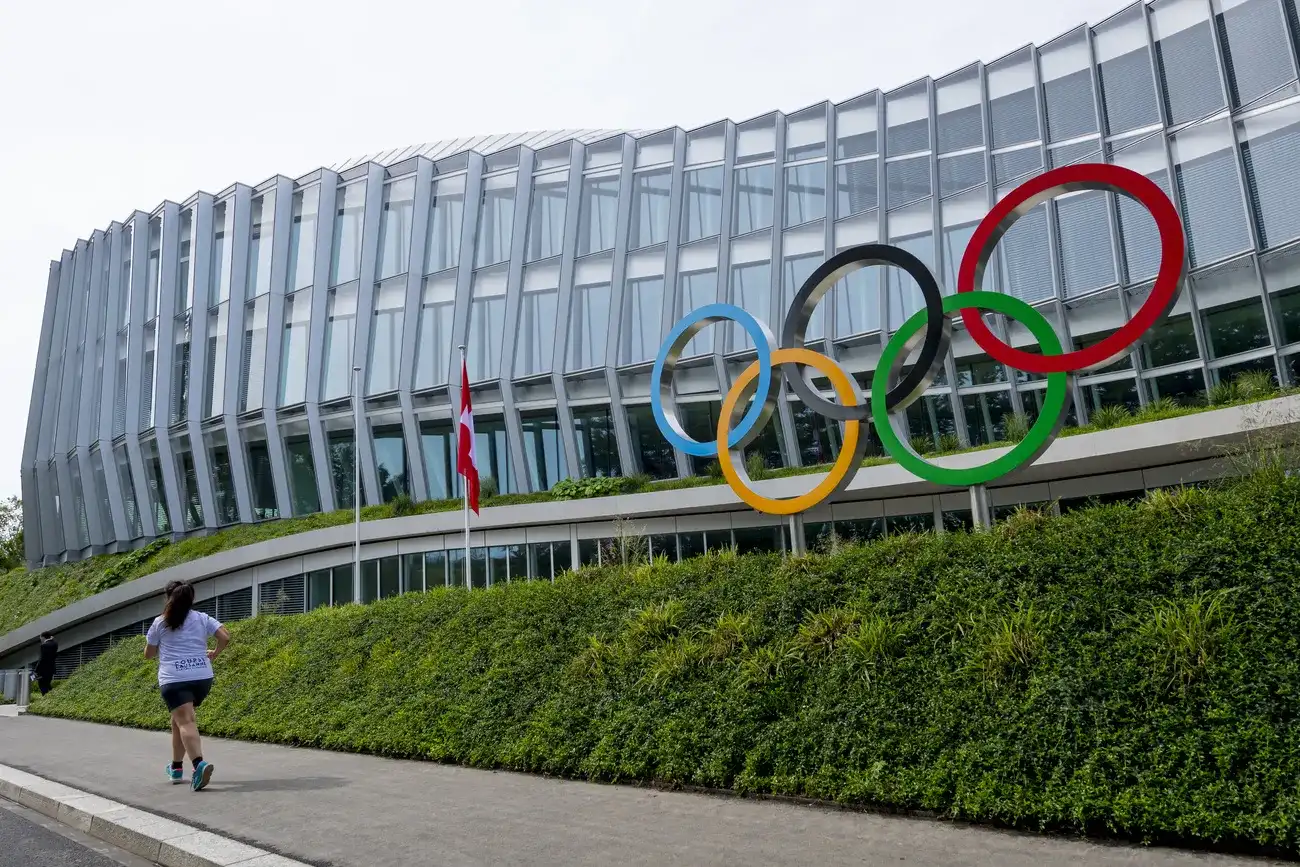 Via Swissinfo
Some federations may introduce sport-specific adaptations while maintaining the core biological classification rule. Coordination between national and international organizations will be essential for consistent enforcement. The transition process is expected to vary depending on the structure of each sport.
Compliance monitoring will be a major focus leading up to the 2028 Games. Federations will need to ensure that all participating athletes meet eligibility requirements. This coordination effort will help standardize rules across global competitions.
 Via Lake Placid News
 Via The Nation
The new IOC ruling represents a shift toward centralized regulation. It aims to unify eligibility standards across all sports under a single framework. This marks a significant change in how gender-related participation is governed at the Olympic level.
 Via Visit California
Athletes and federations are expected to adapt their preparation strategies in the coming years. The lead-up to the Games will involve adjustments to training, selection, and compliance systems. These changes will shape the structure of upcoming Olympic cycles.
The long-term impact of the policy remains uncertain as global discussions continue. Sports governance may evolve further depending on legal, scientific, and social developments. The Los Angeles Games are expected to become a key reference point in the ongoing debate over eligibility in elite sport.
 Via ACEbytes
Coaching staff, medical teams, and governing bodies are expected to collaborate more closely than ever, ensuring that preparation aligns with both competitive goals and regulatory expectations. These shifts will not only influence short-term performance but may also redefine how future Olympic cycles are structured and managed.
More in UnassignedVia Los Angeles Times
The announcement has already triggered widespread debate in the global sports community. Athletes, coaches, and governing bodies are now evaluating how the rule will affect competition structures. The change represents a clear shift in how gender categories are defined at the highest level of athletic competition.
Definition of Biological Female Category in Policy
The IOC policy defines the female category based on biological sex rather than gender identity. Under the new rules, eligibility is restricted to athletes who are classified as biological females at birth. This classification will be the determining factor for participation in women’s events.Via Sportico
Sports federations are expected to align their regulations with this definition before the 2028 Olympic cycle begins. The IOC has emphasized that the goal is to remove ambiguity in eligibility standards. Each sport may still apply specific technical guidelines, but the core definition remains consistent across all Olympic events.
The decision marks a departure from previous frameworks that allowed more flexible interpretation by individual sports organizations. The updated structure aims to reduce inconsistencies between different international competitions. This shift is expected to influence how future policies are developed beyond the Olympic Games.
Via Los Angeles Times
Mandatory Genetic Screening Process Explained
A key component of the new policy is mandatory genetic screening for athletes competing in female categories. The screening process may involve saliva samples, cheek swabs, or blood tests, depending on the sport and regulatory requirements. These tests are intended to confirm eligibility before competition begins. The IOC has stated that each athlete will undergo the screening process once during their competitive career. Track and field organizations have already used similar methods in limited cases for eligibility verification. The expansion of this system to all Olympic sports represents a broader regulatory approach.Via Mapmygenome
The introduction of genetic testing has raised important questions about privacy, ethics, and medical oversight. Sports authorities are expected to establish strict protocols for handling biological data. The process is designed to ensure consistency while maintaining standardized eligibility checks across all participating nations.
Leadership Rationale Behind Policy Shift
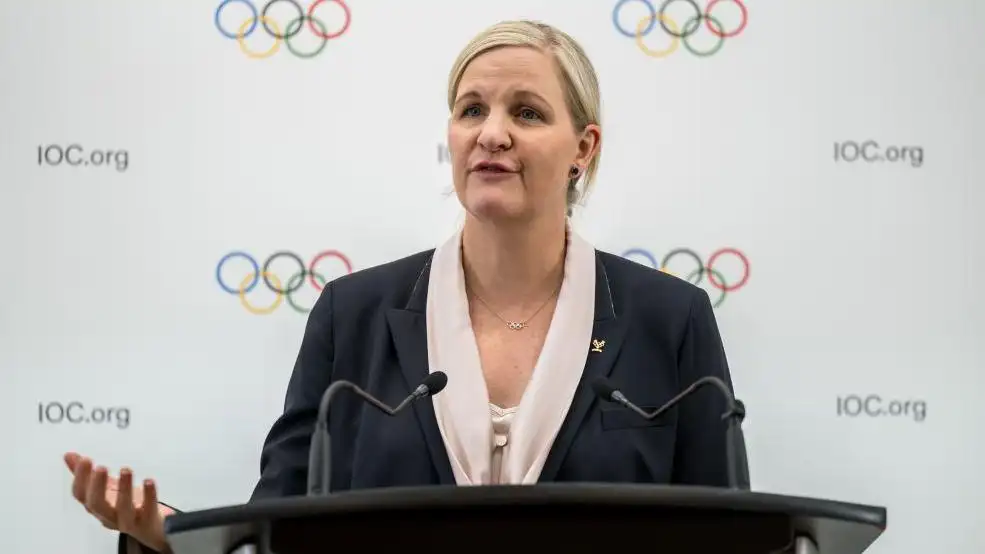
IOC leadership has explained that the policy is based on scientific review and consultation with medical experts. Officials have stated that fairness in competition remains a central priority in Olympic sport. The decision reflects concerns about maintaining equal physical conditions in female categories.Via The Conversation
Safety considerations were also highlighted in certain sports where physical differences may affect performance and risk levels. The IOC emphasized that even small advantages can influence outcomes at elite levels of competition. This reasoning was presented as part of the justification for clearer classification rules.
The organization also stressed the importance of dignity and respect for all athletes. Support systems such as education and counseling will be made available during the transition. The policy is intended to apply only to elite competition and does not extend to recreational or grassroots sports.
Via BBC
Athlete Reactions Across International Sports
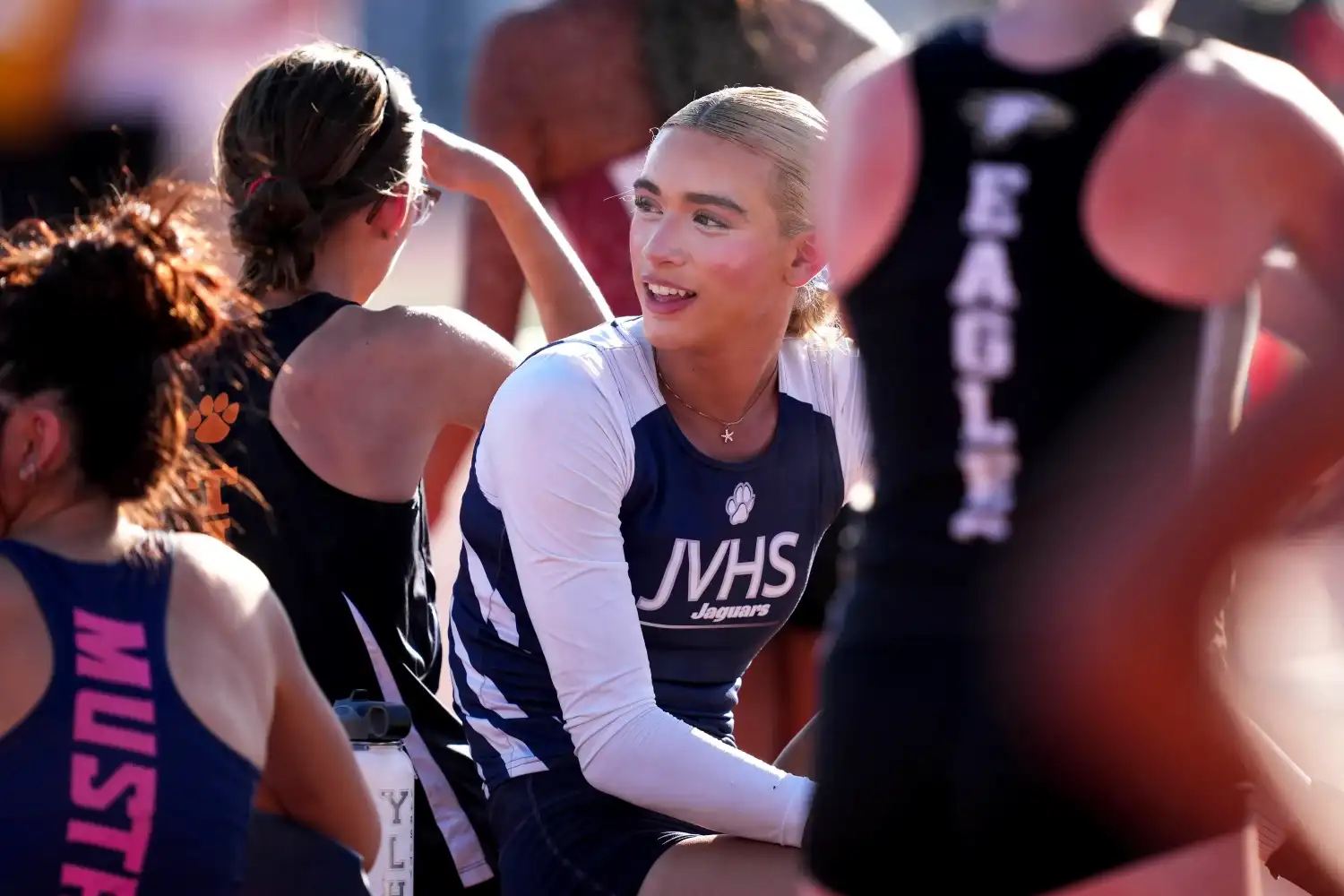
The announcement has generated strong reactions from athletes across different disciplines. Some competitors have expressed concern that the policy may limit inclusion in elite sport. Others believe the decision is necessary to preserve fairness in women’s competition categories. Several athletes have publicly voiced disagreement with the ruling on social platforms. They argue that transgender participation in Olympic-level sports has been extremely limited. The debate has highlighted differing perspectives on how inclusion should be balanced with competitive structure.Via NBC News
Former and current athletes continue to discuss how the policy will affect future participation opportunities. The issue has become a focal point in broader discussions about gender identity in sports. International reactions remain divided as federations assess the long-term impact of the rule.
Impact on Training and Qualification Systems
The new eligibility framework will significantly affect athlete training and qualification systems. National teams will need to adjust selection processes to align with IOC requirements. This includes updated screening procedures during qualification events.Via Women Barbell Club
Athletes preparing for the 2028 Olympics will face revised pathways to competition. Qualification standards may be updated by international federations to ensure compliance with the new policy. Training programs could also be adapted to reflect regulatory changes.
Coaches and sports organizations are expected to review athlete eligibility early in the preparation cycle. This ensures that all competitors meet the required standards before entering the Olympic qualification stages. The transition period will be critical for smooth implementation across different sports.
Via LA 2028
Legal and Ethical Discussions in Global Sports
The policy has raised ongoing legal and ethical discussions in international sports governance. Legal experts are analyzing how the rule aligns with human rights frameworks and anti-discrimination principles. Some argue that the policy may face challenges in different jurisdictions. Ethical debates focus on the definition of fairness and how biological categories are applied in sport. Critics question whether genetic classification fully reflects the complexity of gender identity. Supporters argue that clear categories are necessary for maintaining competitive balance.Via Reuters
International sporting bodies may face pressure to justify their regulatory frameworks in court or through policy review. The discussion continues to evolve as more stakeholders respond to the IOC decision. The issue remains one of the most debated topics in modern sports law.
Role of Sports Federations and Compliance Changes
International sports federations will play a key role in implementing the new policy. Each governing body is responsible for aligning its eligibility rules with IOC standards. This includes updating documentation, testing procedures, and qualification criteria.Via Swissinfo
Some federations may introduce sport-specific adaptations while maintaining the core biological classification rule. Coordination between national and international organizations will be essential for consistent enforcement. The transition process is expected to vary depending on the structure of each sport.
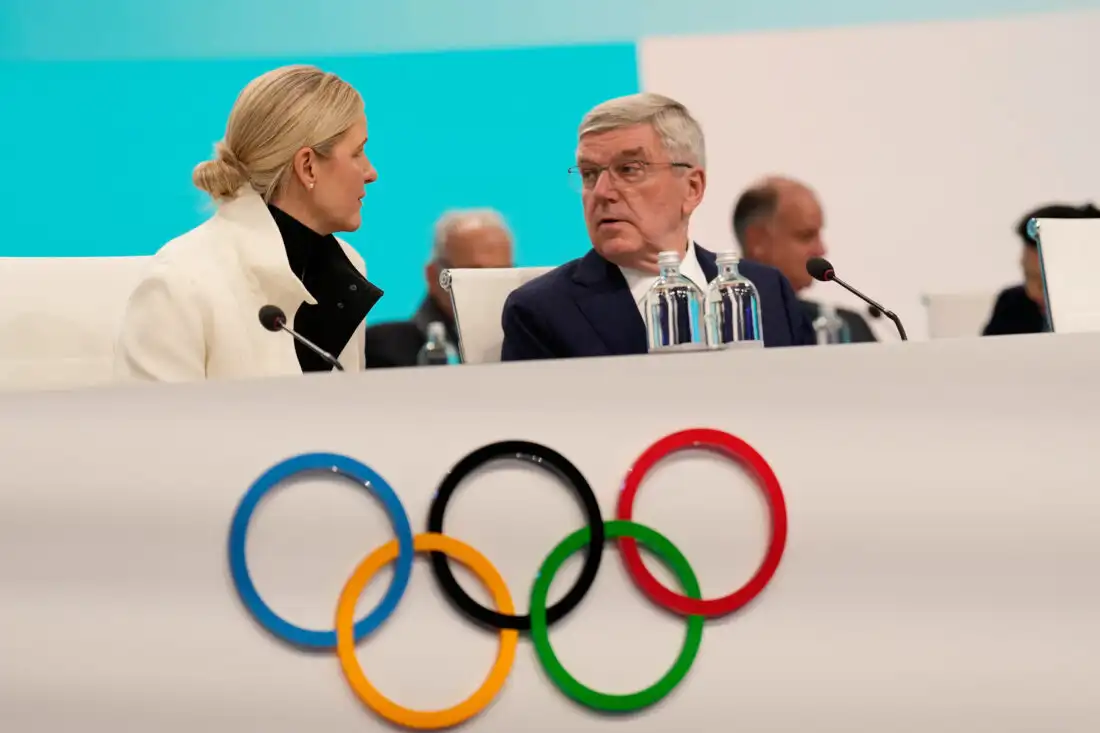
Compliance monitoring will be a major focus leading up to the 2028 Games. Federations will need to ensure that all participating athletes meet eligibility requirements. This coordination effort will help standardize rules across global competitions.
Via Lake Placid News
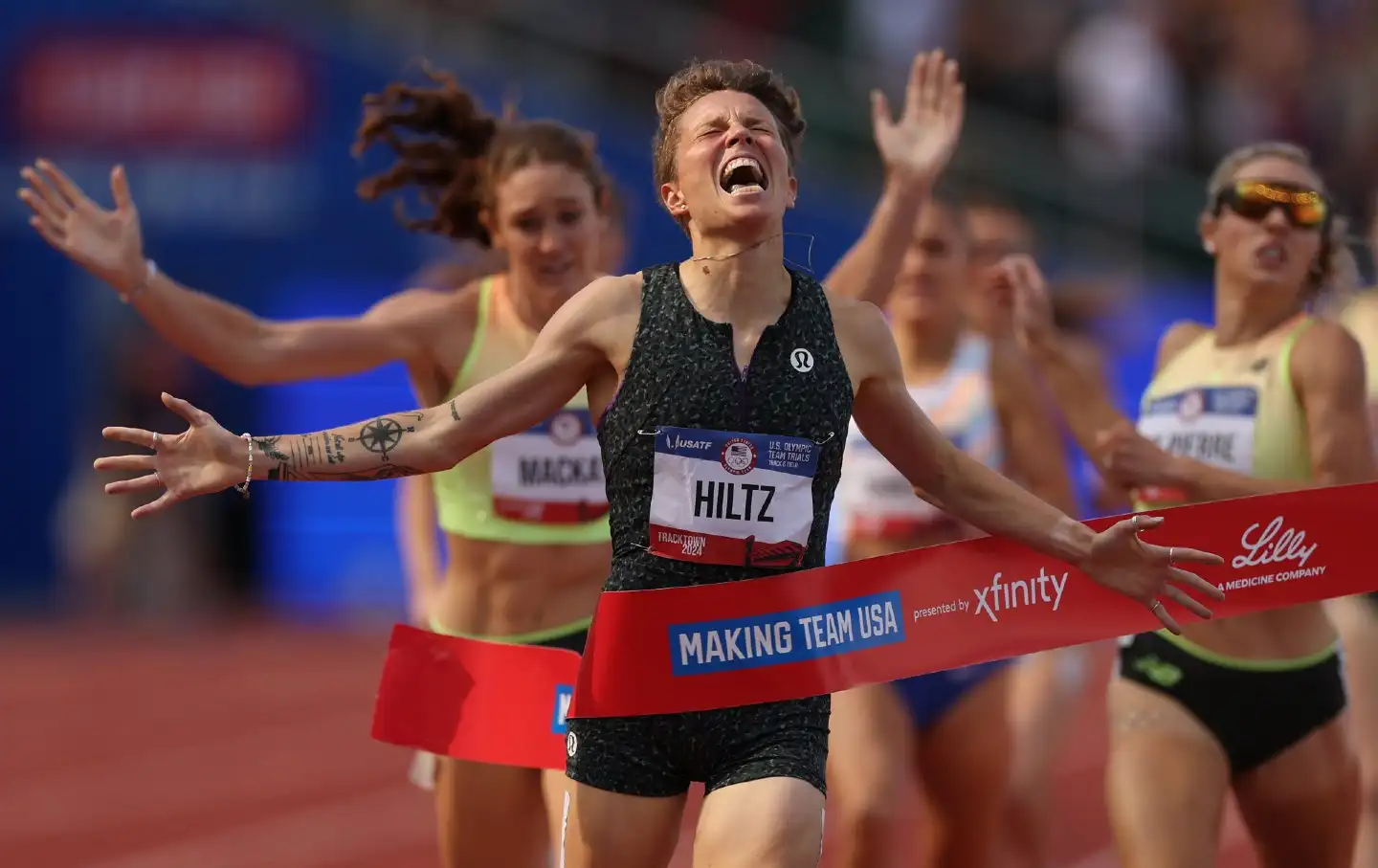
Historical Context of Transgender Participation in Olympics
Transgender participation in Olympic sports has been a developing topic over the past decades. Earlier policies allowed greater flexibility, with individual federations setting their own eligibility standards. Over time, concerns about fairness and consistency led to increased regulation. In recent Olympic cycles, participation by transgender athletes has remained limited. Discussions often centered around testosterone levels, medical criteria, and eligibility thresholds. Different sports adopted varying approaches, leading to a fragmented global system.Via The Nation
The new IOC ruling represents a shift toward centralized regulation. It aims to unify eligibility standards across all sports under a single framework. This marks a significant change in how gender-related participation is governed at the Olympic level.
Road to Los Angeles 2028 and Future Outlook
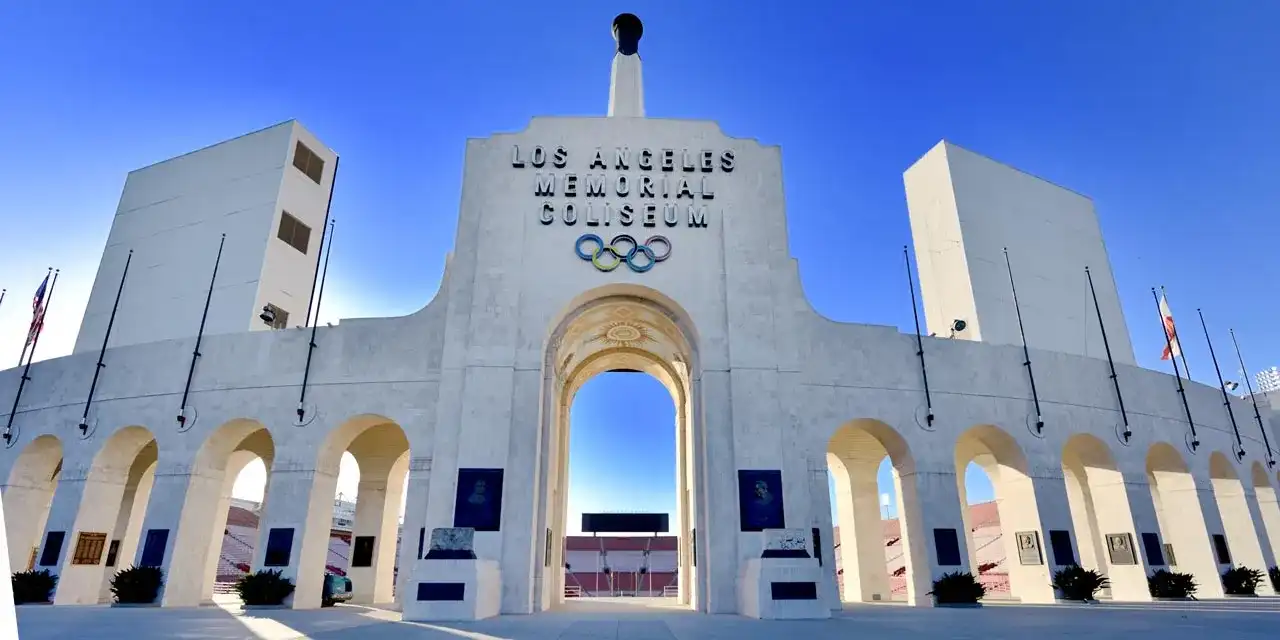
The 2028 Summer Olympics in Los Angeles will be the first Games held under the new eligibility policy. Organizers are preparing to implement updated qualification and screening systems. The transition will be closely monitored by international sports authorities.Via Visit California
Athletes and federations are expected to adapt their preparation strategies in the coming years. The lead-up to the Games will involve adjustments to training, selection, and compliance systems. These changes will shape the structure of upcoming Olympic cycles.
The long-term impact of the policy remains uncertain as global discussions continue. Sports governance may evolve further depending on legal, scientific, and social developments. The Los Angeles Games are expected to become a key reference point in the ongoing debate over eligibility in elite sport.
Via ACEbytes
Coaching staff, medical teams, and governing bodies are expected to collaborate more closely than ever, ensuring that preparation aligns with both competitive goals and regulatory expectations. These shifts will not only influence short-term performance but may also redefine how future Olympic cycles are structured and managed.