Unassigned
Football ‘’Tactical Timeouts” Face Four Major Rule Fixes
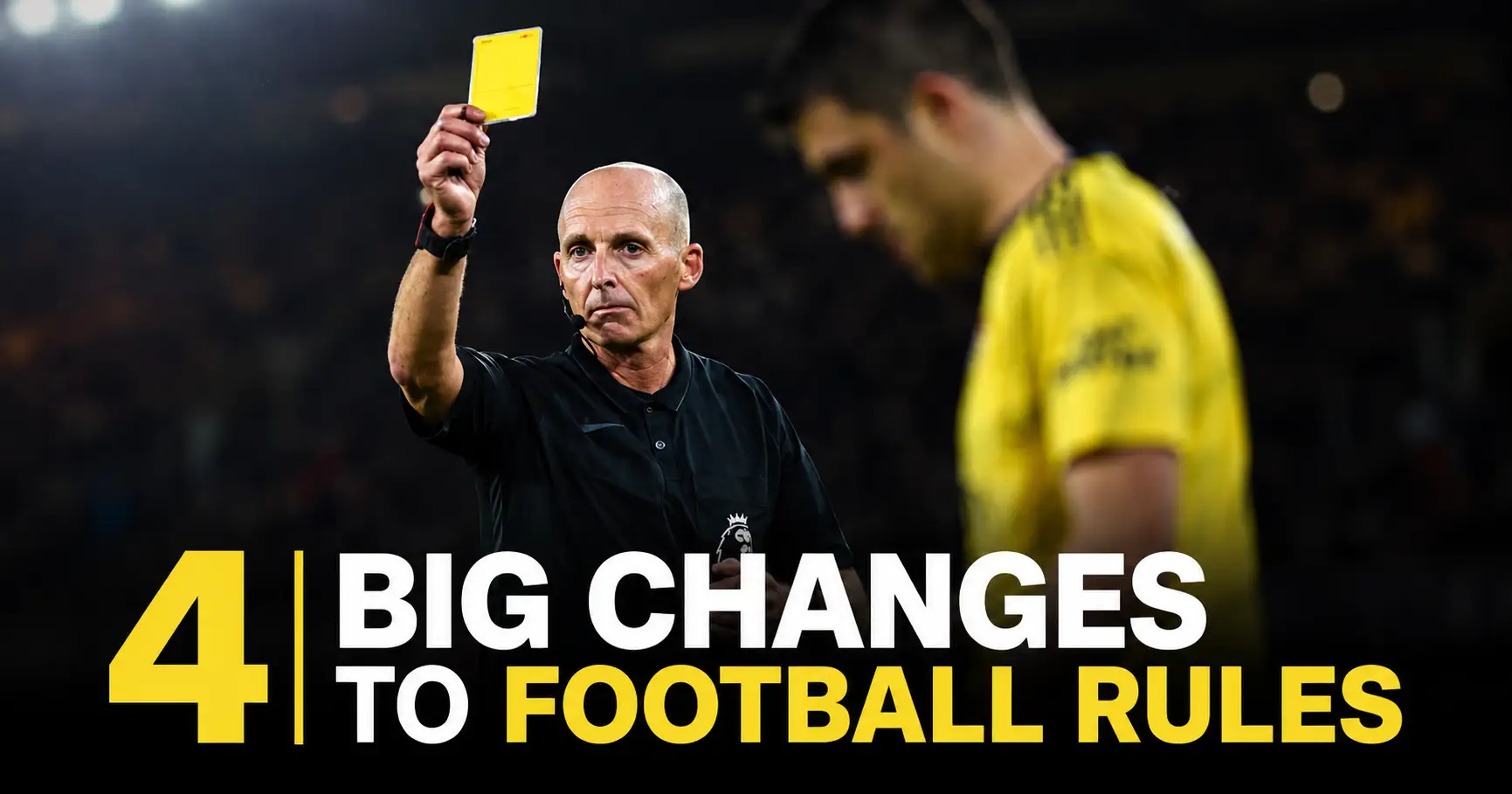
Football has always been a sport built on rhythm, pressure, quick decisions, and emotional momentum. A team can dominate a match for several minutes, push the opponent deep into their own half, and create a feeling that a goal is coming. During these moments, the flow of the game becomes powerful, and supporters can feel the energy rising inside the stadium.
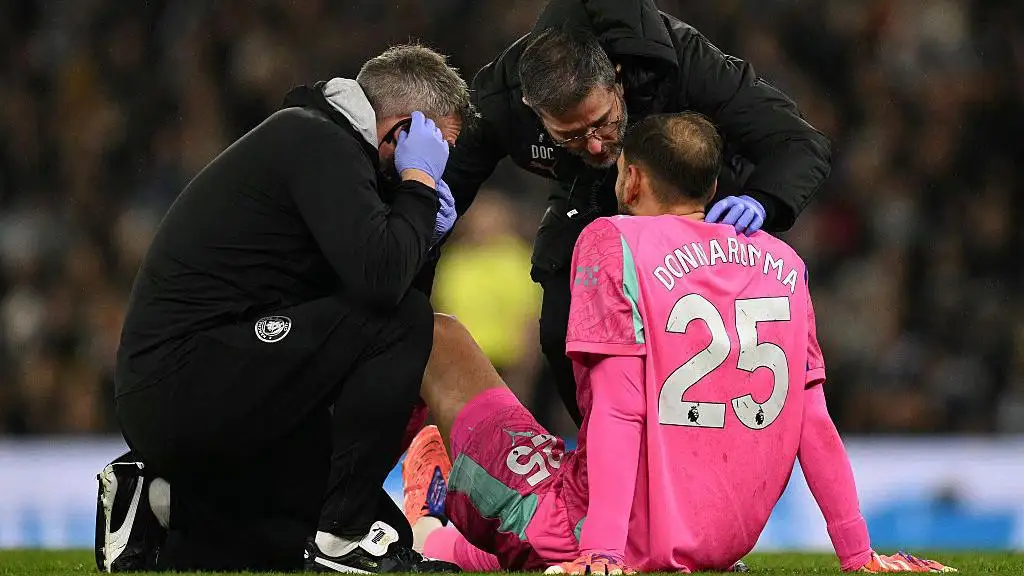
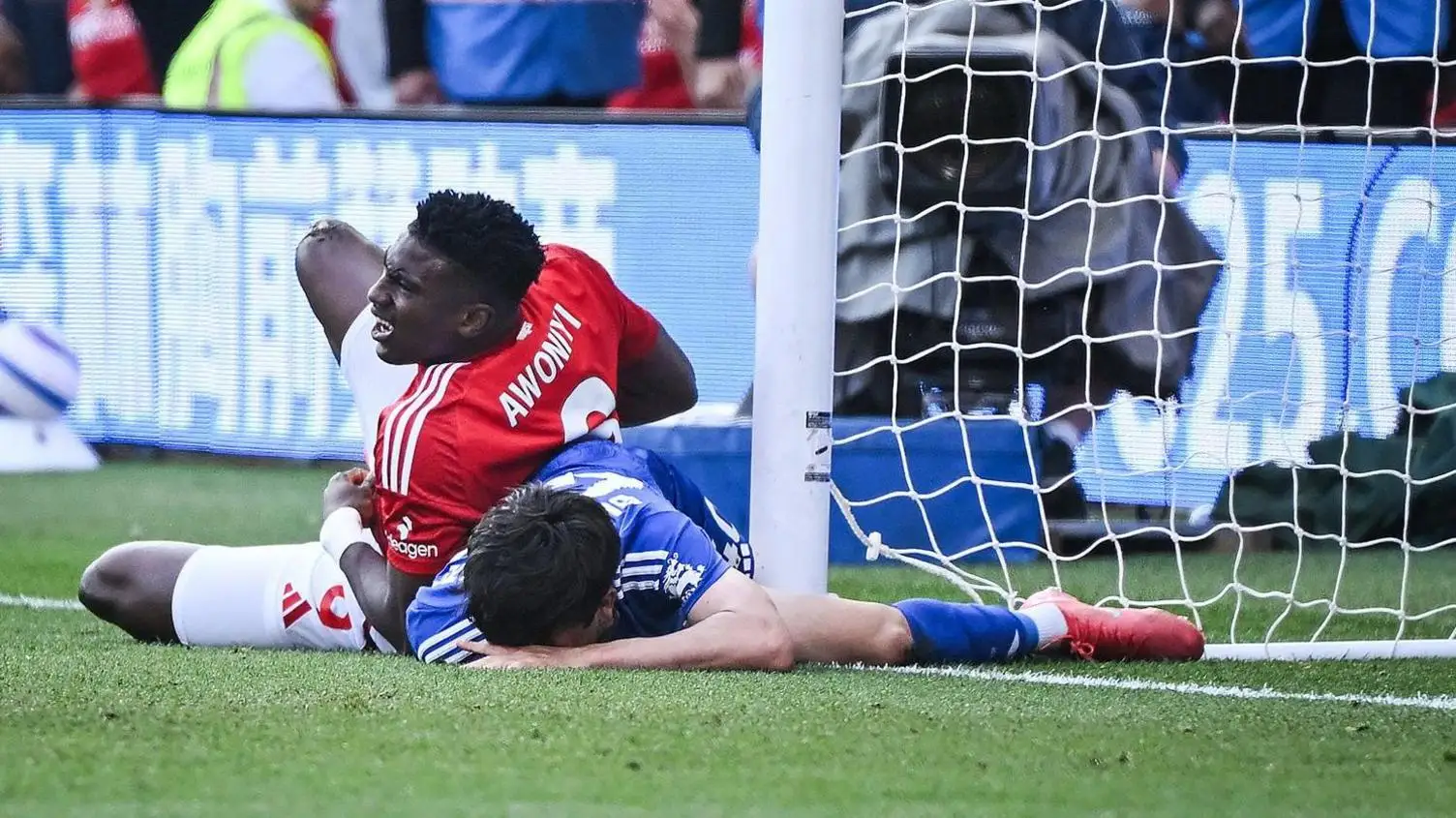
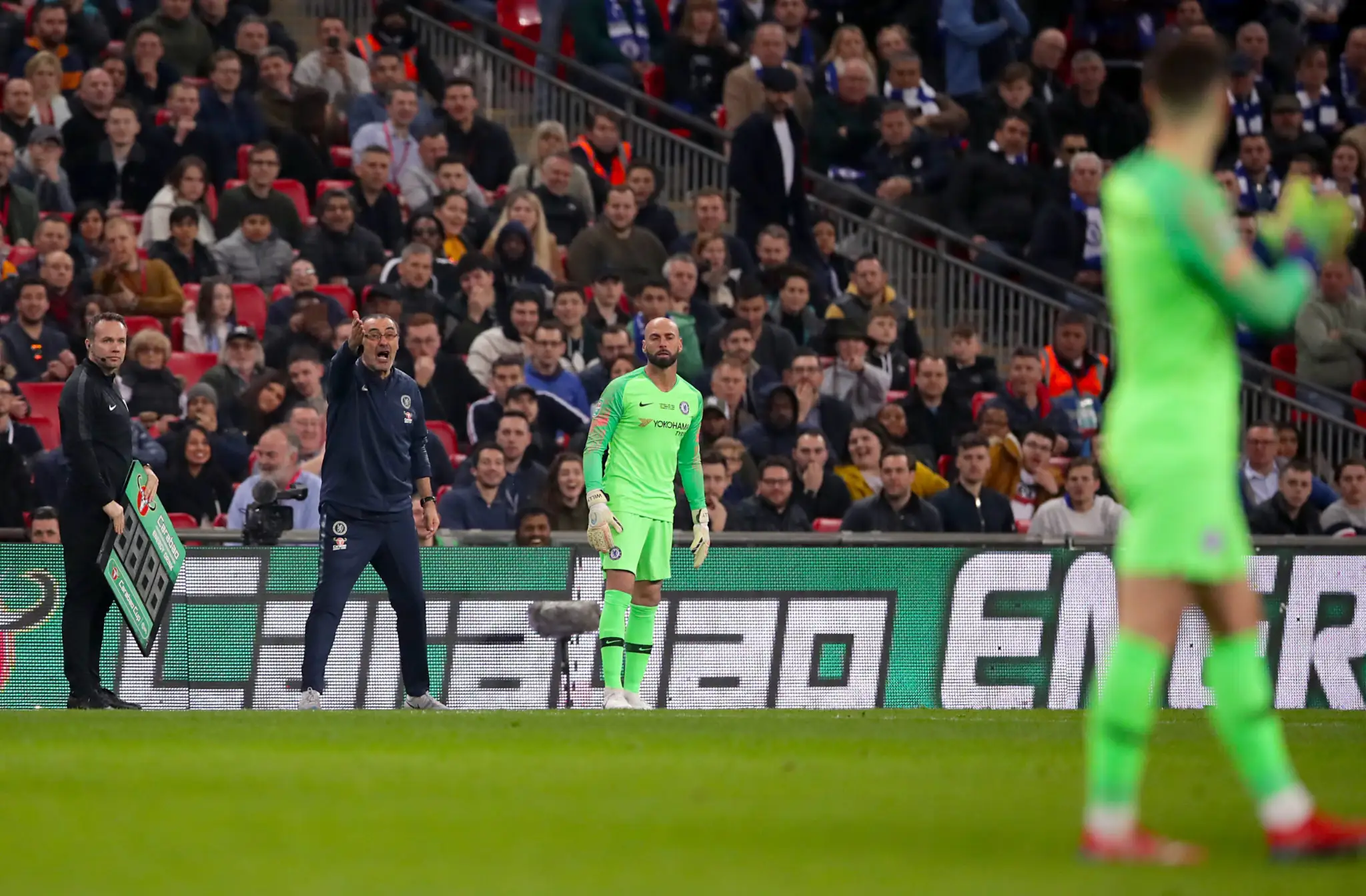
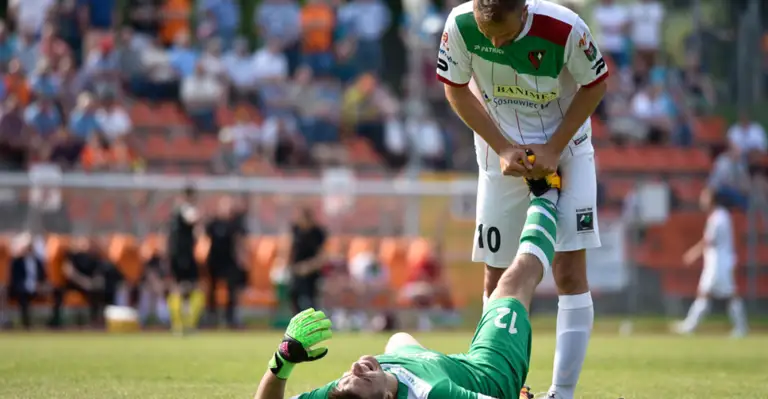
A tactical timeout usually happens when a player goes down and asks for treatment at a convenient moment in the match. In many recent cases, goalkeepers have become the main focus of this tactic because they cannot be forced off the field in the same way as outfield players.
 Via BBC
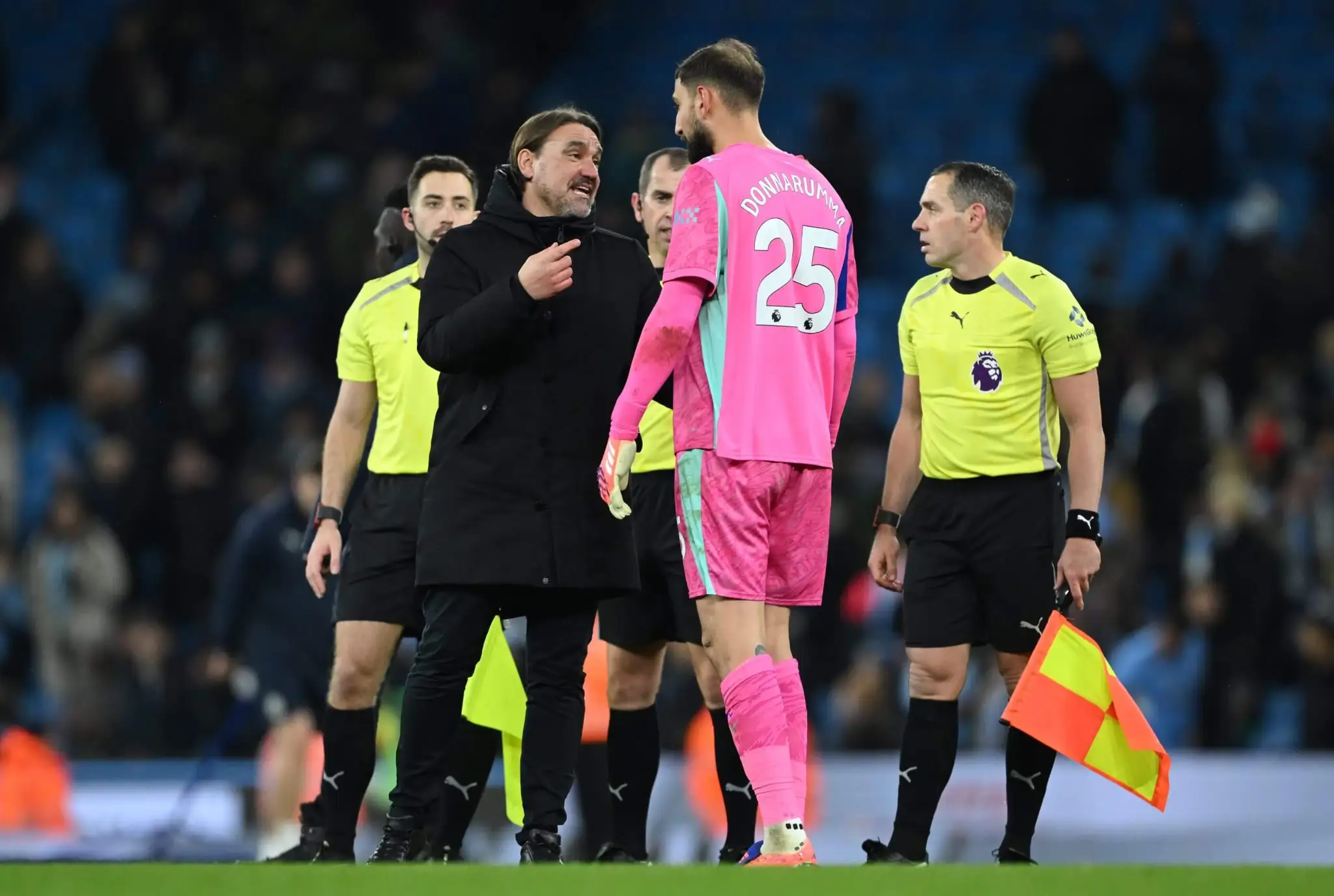
This creates a difficult situation for officials, fans, and opposing teams. Referees cannot accuse a player of pretending to be injured because player safety must always come first. At the same time, many supporters and coaches believe some stoppages are being used to break momentum or give tactical messages.
 Via The New York Times
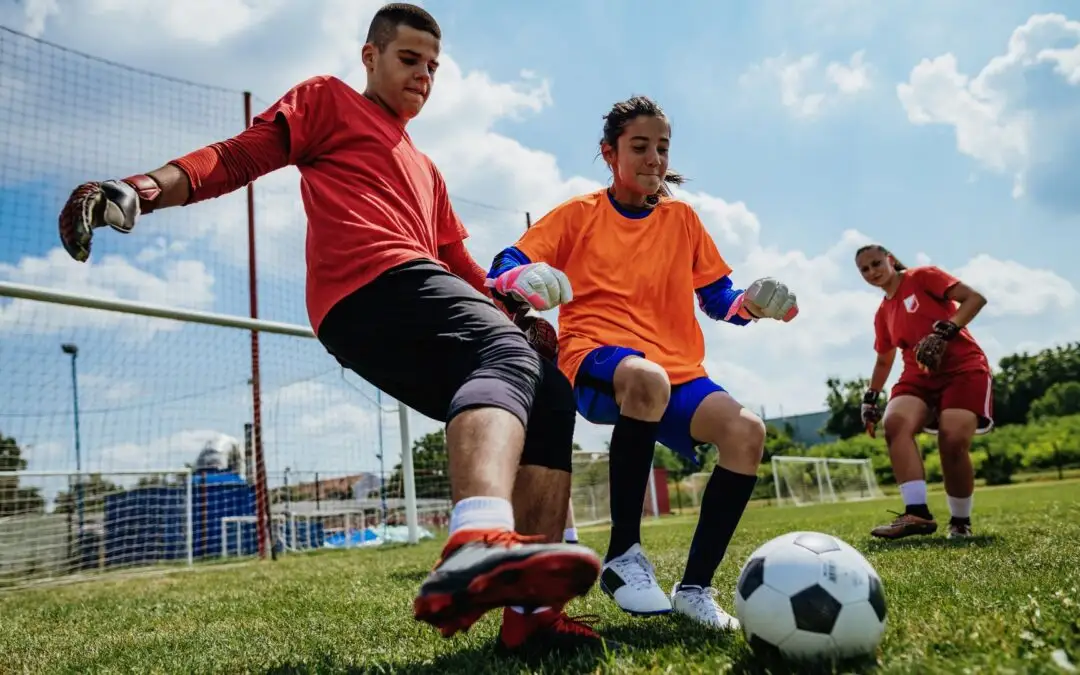
Goalkeepers became the easiest option because a team cannot continue without one on the field. If a goalkeeper asks for treatment, play must stop, and the keeper usually remains on the pitch once treatment is complete. This makes the tactic almost risk-free. While the goalkeeper receives attention, outfield players can gather near the touchline and listen to instructions.
This strategy is especially frustrating when the opposing team has been building pressure. A sudden stoppage can take energy out of the attack and silence the crowd. Players who were moving with confidence may lose their rhythm. The defending side gets time to breathe and reorganize.
 Via RTG Academy
 Via BBC
This is why many people believe stricter rules are needed. Football authorities have already made changes to reduce time-wasting in other areas, such as goal-kicks, throw-ins, and substitutions. Those changes show that the sport understands the need to keep matches moving.
 Via BBC
The team would then play with ten outfield players and a goalkeeper until the one-minute period is complete. This idea follows the same logic used for outfield injuries. If a player receives treatment, that player must leave the field for a short time before returning.
Applying a similar cost to goalkeeper treatment could discourage teams from using the keeper as a tactical tool. Coaches would need to consider whether stopping the game is worth the risk of playing short-handed, even for only one minute.
 Via Al Jazeera
Supporters of this option believe it is simple and easy to understand. It does not require referees to judge whether an injury is real or fake. The rule would apply automatically whenever the goalkeeper receives treatment. Critics argue that one minute may not be enough of a punishment.
 Via BBC
This option could be more effective because it creates a bigger tactical risk. A team that tries to stop momentum may actually invite more pressure once play resumes. Opponents could take advantage of the extra player and create scoring chances.
The concern with this approach is that it may punish teams unfairly when a goalkeeper is genuinely injured. A keeper may need treatment after a collision, awkward landing, or muscle problem. In that case, forcing an outfield player off for two minutes could feel harsh. Some people also worry that goalkeepers may avoid asking for help because they do not want to hurt their team.
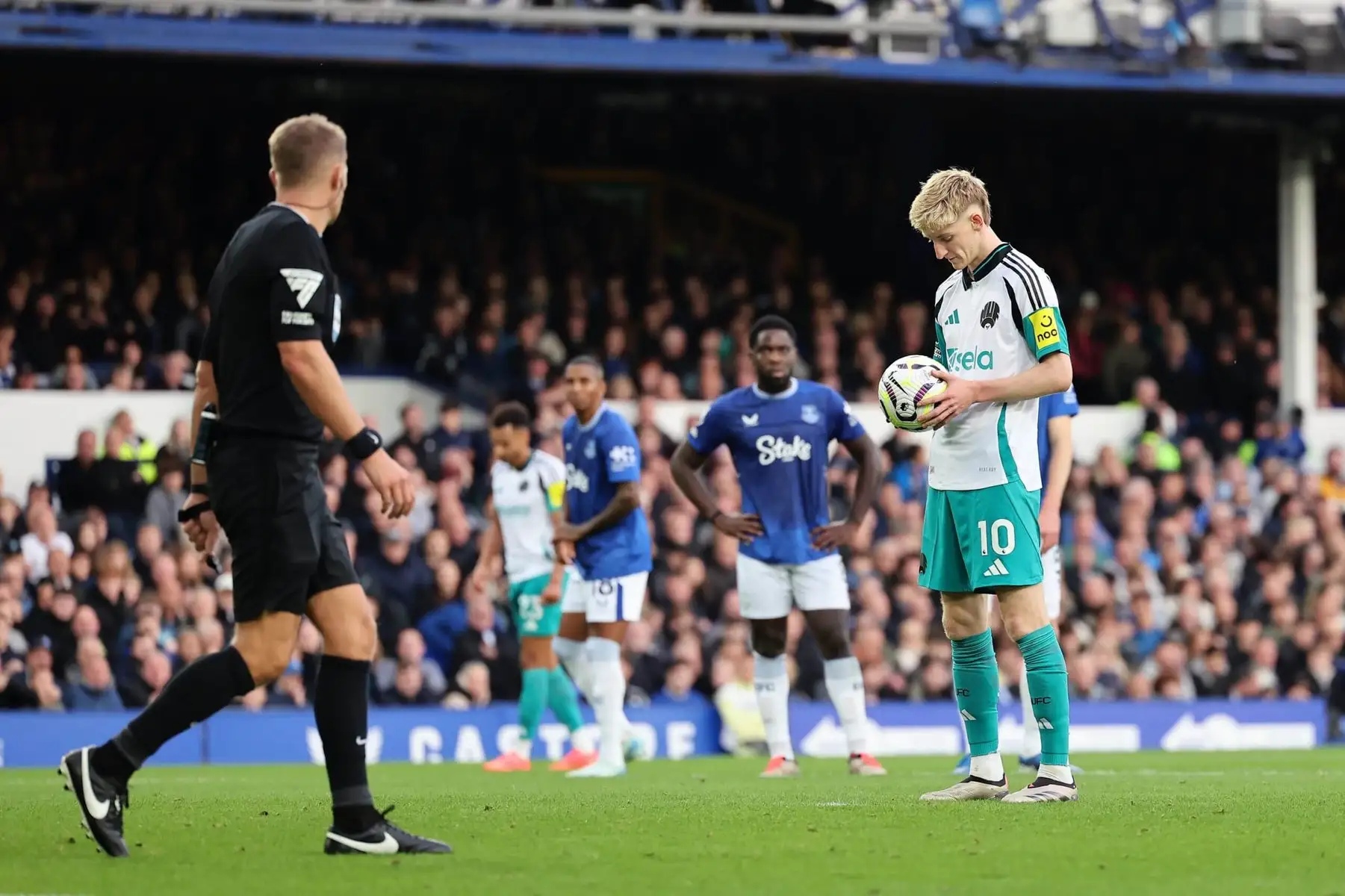 Via The New York Times
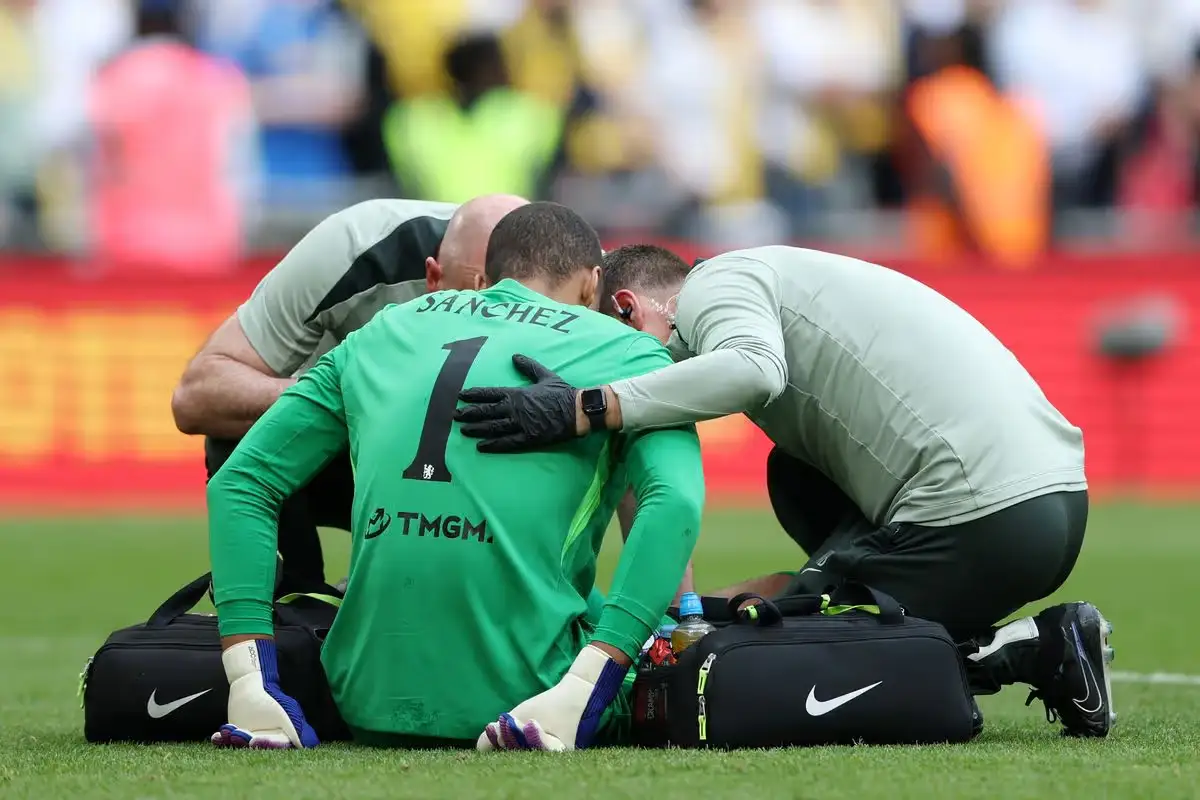 Via Football London
This solution has a clear advantage because it protects genuine injuries. A goalkeeper can still receive treatment without forcing another player to leave the field. The weakness is that it does not fully stop the momentum-breaking part of the tactic. A goalkeeper could still go down when the opposition is building pressure, and the pause itself could still help the defending team recover.
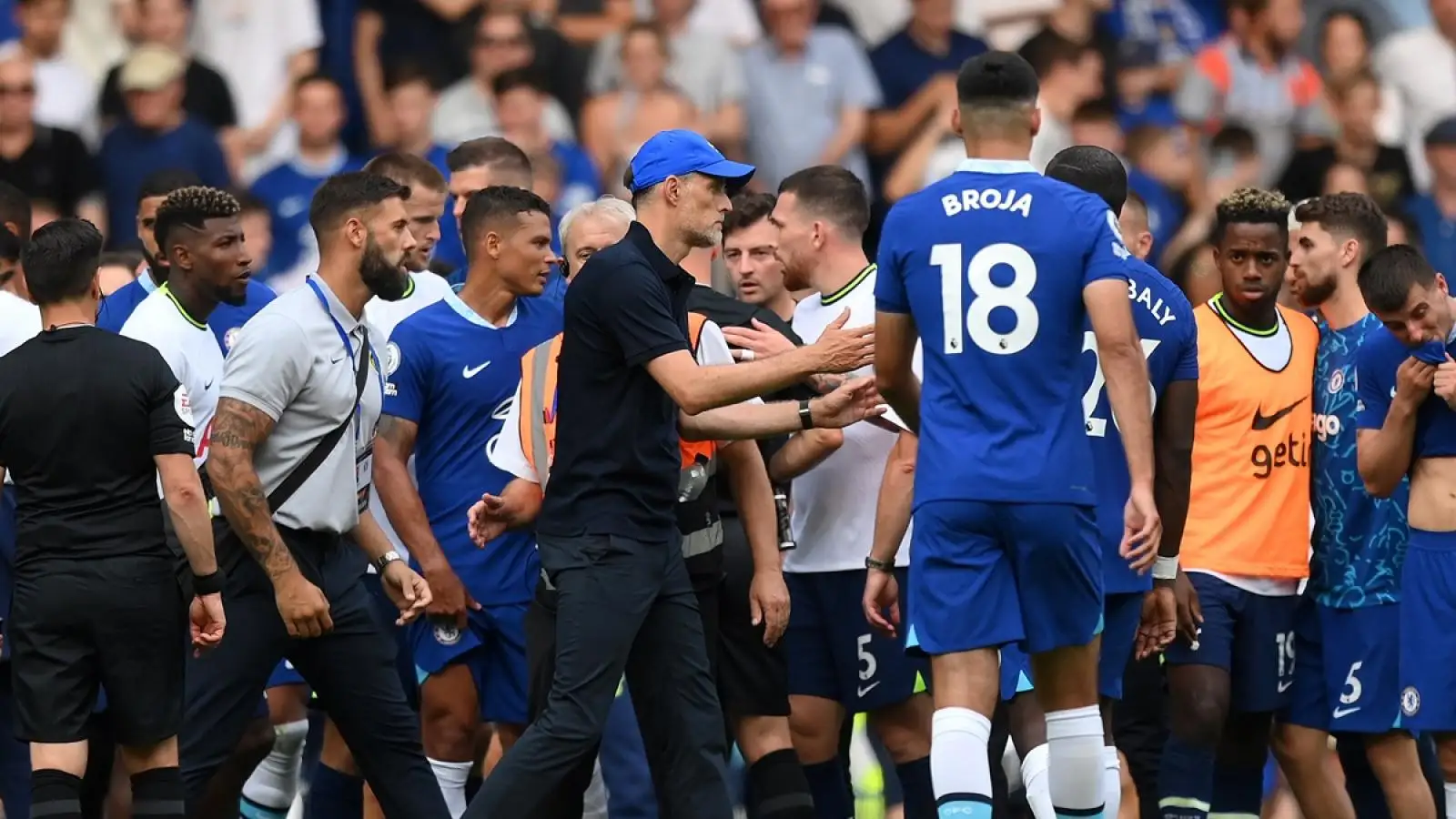 Via Rediff
This may be the most balanced option because it does not rely on referees guessing whether an injury is real. The rule would apply clearly and consistently. If the goalkeeper receives treatment, the team loses one outfield player for a short period, and the rest of the players cannot gather at the touchline. This makes the stoppage far less attractive as a tactical weapon.
The hybrid model could also help protect the spirit of the game. Teams would still be able to treat injured goalkeepers, but they would no longer gain a free tactical meeting from the stoppage. Coaches would need to use normal communication methods during play rather than relying on injury breaks. This could help restore fairness while keeping player safety at the center of the rule.
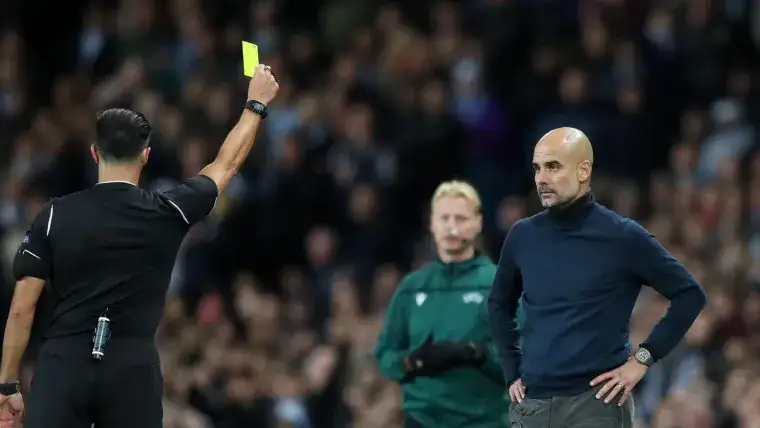 Via The Sporting News
 Via The New York Times
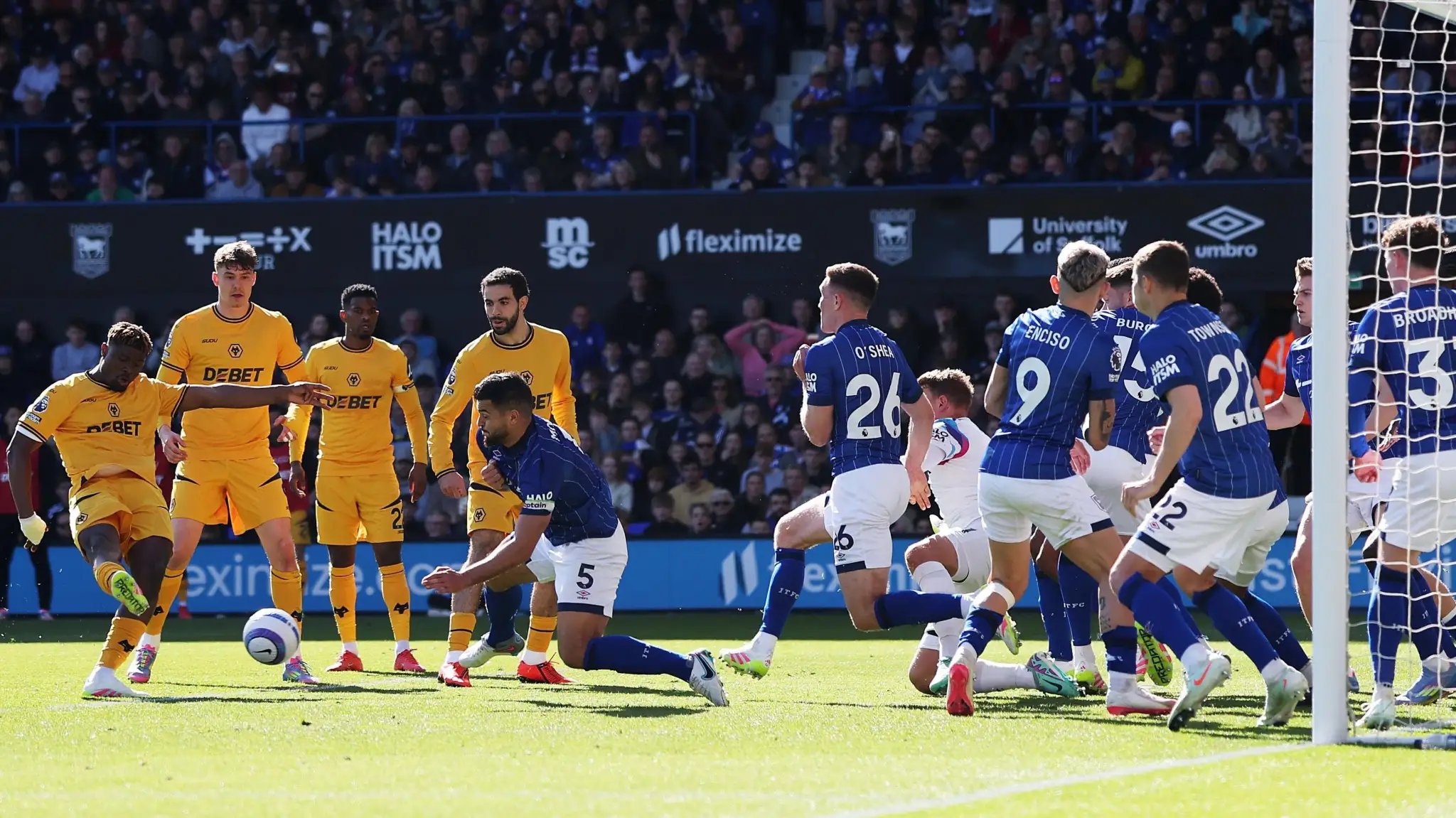
This is why many football officials are considering trials rather than an immediate worldwide rule change. Trials allow leagues to test different options and study how they work in real matches. Authorities can see whether teams change behavior, whether genuine injuries are affected, and whether referees can manage the rules clearly.
 Via BBC
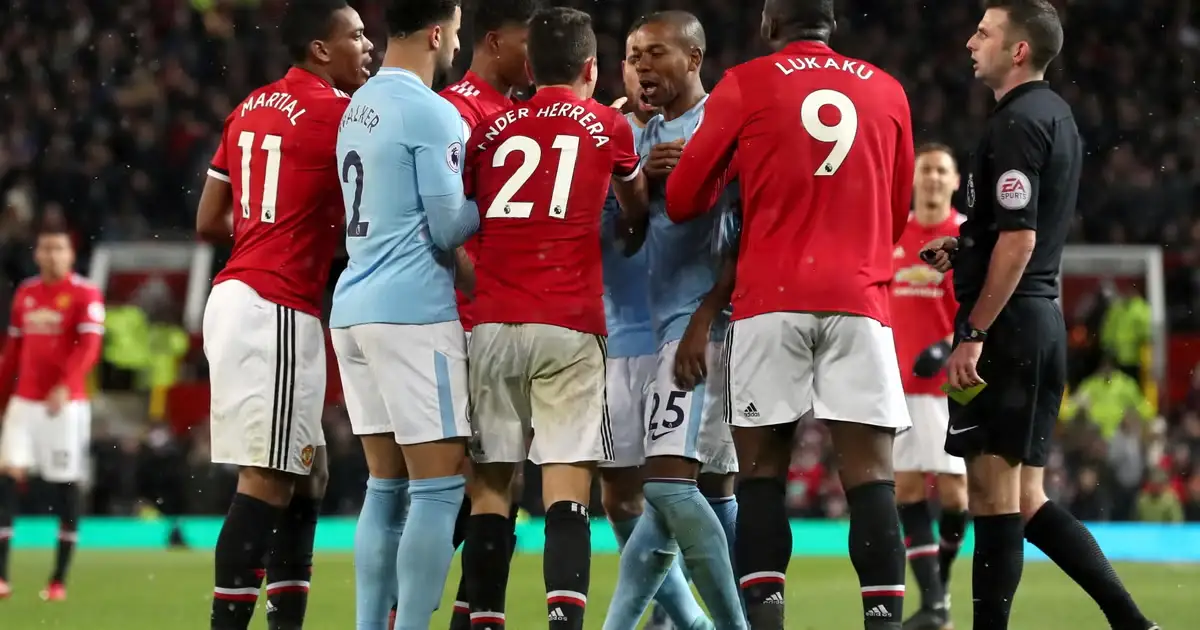
This could improve the game in some ways. Teams would rely more on leadership, preparation, and football intelligence. Captains and experienced players would play a bigger role in organizing teammates during difficult moments.
A stricter system may also reduce gamesmanship. When teams know that a goalkeeper stoppage carries a cost, they may avoid using it unless treatment is truly needed. This could make matches feel more honest and competitive. Fans would see fewer suspicious pauses and more continuous action, which would improve the overall viewing experience.
 Via The Independent
 Via MSN
Football’s future rules must protect fairness, player safety, and entertainment. Tactical timeouts may seem like a small issue, but they affect how matches feel and how teams compete. Stronger rules could help restore the natural rhythm of the game and reduce frustration for fans, players, and coaches.
More in UnassignedVia BBC
This creates a difficult situation for officials, fans, and opposing teams. Referees cannot accuse a player of pretending to be injured because player safety must always come first. At the same time, many supporters and coaches believe some stoppages are being used to break momentum or give tactical messages.
Understanding the Goalkeeper Tactical Timeout Strategy
The goalkeeper tactical timeout has developed because of a loophole in football’s current rules. In the past, outfield players were often the ones who went down to stop play. Teams used these moments to slow the game, interrupt an opponent’s attack, or allow coaches to speak with players.Via The New York Times
Goalkeepers became the easiest option because a team cannot continue without one on the field. If a goalkeeper asks for treatment, play must stop, and the keeper usually remains on the pitch once treatment is complete. This makes the tactic almost risk-free. While the goalkeeper receives attention, outfield players can gather near the touchline and listen to instructions.
This strategy is especially frustrating when the opposing team has been building pressure. A sudden stoppage can take energy out of the attack and silence the crowd. Players who were moving with confidence may lose their rhythm. The defending side gets time to breathe and reorganize.
Via RTG Academy
Why Current Football Rules Struggle to Solve It
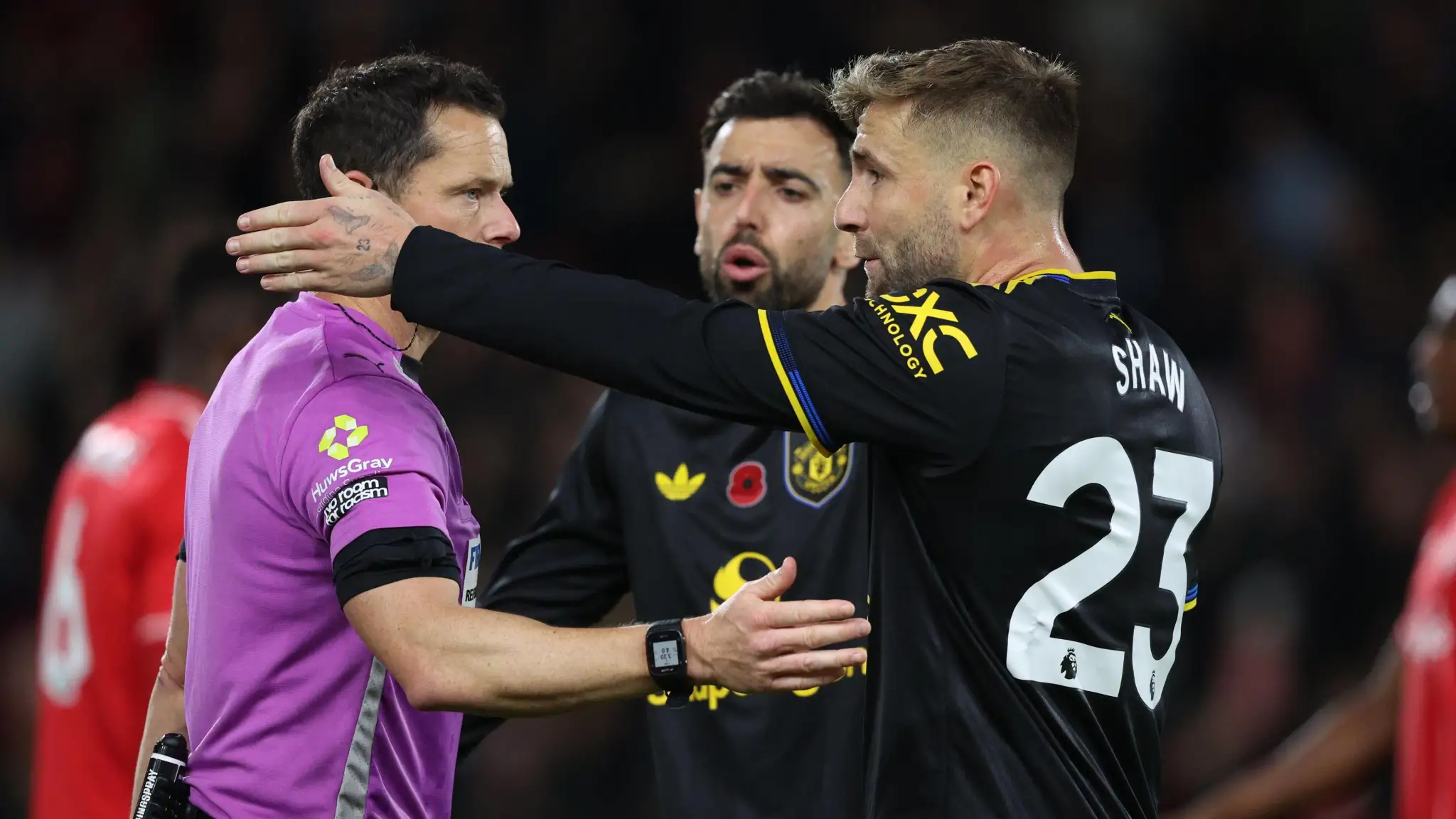
Football’s laws are designed to protect players, and this is one reason the tactical timeout problem is so hard to control. When a player claims to be injured, the referee must treat the situation seriously. A match official cannot simply decide that a player is pretending. The current rules give referees very limited power in these situations. They can add time at the end of the match, but added time does not fully restore lost momentum. A team that was attacking strongly before the stoppage may not regain the same pressure after the restart of play.Via BBC
This is why many people believe stricter rules are needed. Football authorities have already made changes to reduce time-wasting in other areas, such as goal-kicks, throw-ins, and substitutions. Those changes show that the sport understands the need to keep matches moving.
Trial One: Removing an Outfield Player for One Minute
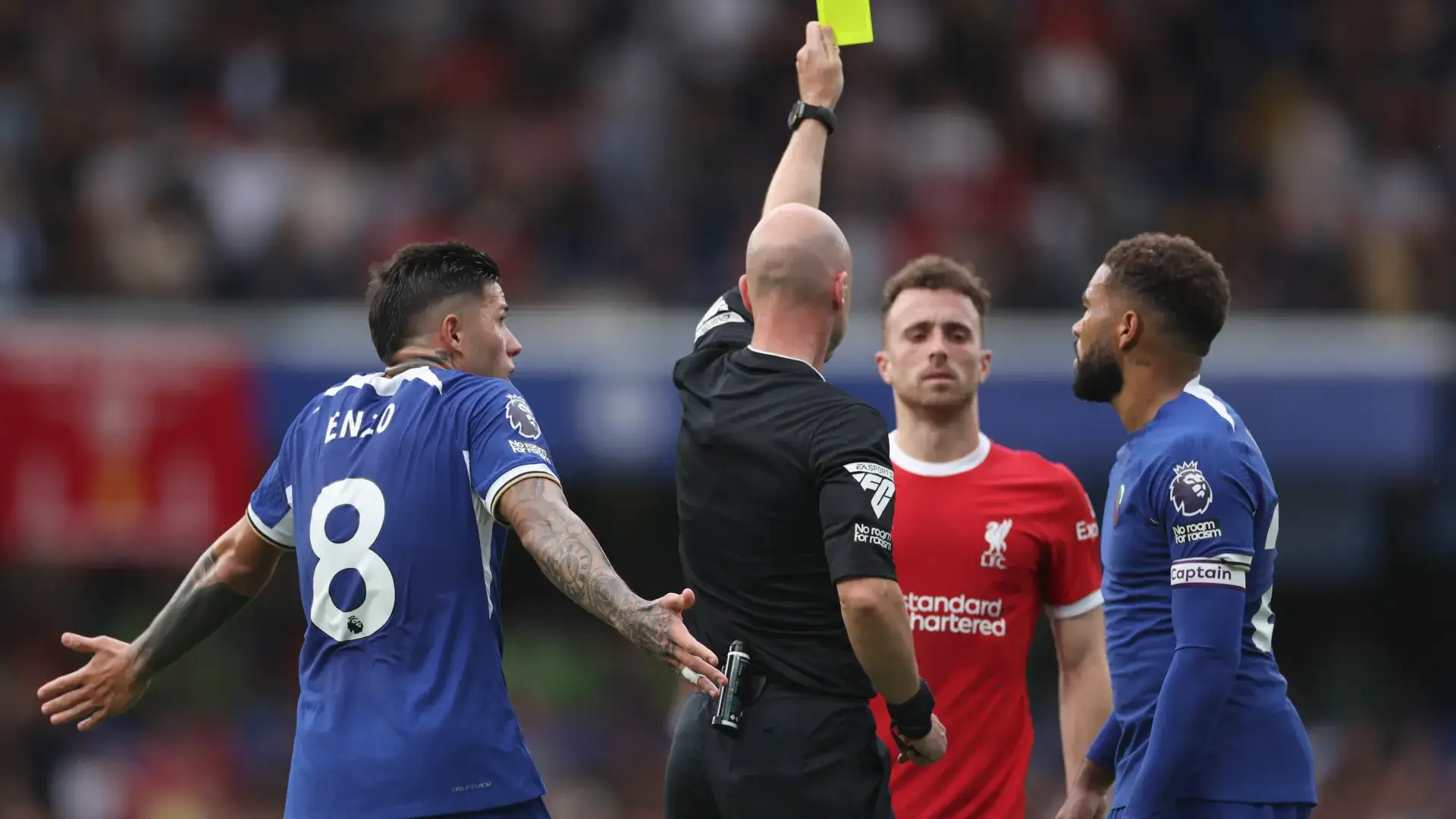
One proposed solution is to make a team remove one outfield player for one minute whenever its goalkeeper receives treatment. This would create a direct consequence for the stoppage. Since goalkeepers cannot leave the field in the same way as outfield players, another player from the same team would temporarily step off instead.Via BBC
The team would then play with ten outfield players and a goalkeeper until the one-minute period is complete. This idea follows the same logic used for outfield injuries. If a player receives treatment, that player must leave the field for a short time before returning.
Applying a similar cost to goalkeeper treatment could discourage teams from using the keeper as a tactical tool. Coaches would need to consider whether stopping the game is worth the risk of playing short-handed, even for only one minute.
Via Al Jazeera
Supporters of this option believe it is simple and easy to understand. It does not require referees to judge whether an injury is real or fake. The rule would apply automatically whenever the goalkeeper receives treatment. Critics argue that one minute may not be enough of a punishment.
Trial Two: Increasing the Time Off the Pitch to Two Minutes
A stronger version of the first proposal would require an outfield player to leave the pitch for two minutes instead of one. This would make the consequence more serious and harder for managers to ignore. In a fast-paced match, two minutes with one fewer player can be dangerous, especially if the opposition is attacking strongly or chasing a goal.Via BBC
This option could be more effective because it creates a bigger tactical risk. A team that tries to stop momentum may actually invite more pressure once play resumes. Opponents could take advantage of the extra player and create scoring chances.
The concern with this approach is that it may punish teams unfairly when a goalkeeper is genuinely injured. A keeper may need treatment after a collision, awkward landing, or muscle problem. In that case, forcing an outfield player off for two minutes could feel harsh. Some people also worry that goalkeepers may avoid asking for help because they do not want to hurt their team.
Via The New York Times
Trial Three: Stopping Players From Going to the Touchline
Another proposal focuses on removing the tactical benefit of the stoppage rather than punishing the team. Under this idea, players would not be allowed to approach the technical area when a goalkeeper receives treatment. They would need to stay where they were when play stopped or gather in a neutral area, such as their side of the center circle. This rule directly targets the team-talk element of the tactical timeout. If players cannot run to the coach, the stoppage becomes less useful as a chance to deliver instructions. Coaches would no longer be able to call the whole team over, change tactics, or calmly explain a new plan during an injury break. The medical stoppage would remain focused on treatment, not coaching.Via Football London
This solution has a clear advantage because it protects genuine injuries. A goalkeeper can still receive treatment without forcing another player to leave the field. The weakness is that it does not fully stop the momentum-breaking part of the tactic. A goalkeeper could still go down when the opposition is building pressure, and the pause itself could still help the defending team recover.
Trial Four: Using a Hybrid Model for Stronger Control
The hybrid model combines two ideas into one stronger solution. Players would not be allowed to approach the technical area during goalkeeper treatment, and one outfield player would also leave the pitch for one minute. This approach tries to solve both sides of the problem. It removes the coaching benefit and adds a real consequence for the team whose goalkeeper needs treatment.Via Rediff
This may be the most balanced option because it does not rely on referees guessing whether an injury is real. The rule would apply clearly and consistently. If the goalkeeper receives treatment, the team loses one outfield player for a short period, and the rest of the players cannot gather at the touchline. This makes the stoppage far less attractive as a tactical weapon.
The hybrid model could also help protect the spirit of the game. Teams would still be able to treat injured goalkeepers, but they would no longer gain a free tactical meeting from the stoppage. Coaches would need to use normal communication methods during play rather than relying on injury breaks. This could help restore fairness while keeping player safety at the center of the rule.
Via The Sporting News
The Challenge of Protecting Genuine Injuries
Any new rule must be careful because football injuries can be serious. Goalkeepers often face heavy contact, awkward dives, and dangerous collisions. They may land badly after jumping for a cross or get caught by an opponent while making a save. If a goalkeeper needs treatment, medical staff must be allowed to respond quickly and properly. The challenge is to stop abuse without making injured players feel guilty for asking for help. A rule that is too strict could create fear. Goalkeepers may try to continue playing while hurt because they do not want an outfield teammate removed from the pitch.Via The New York Times
This is why many football officials are considering trials rather than an immediate worldwide rule change. Trials allow leagues to test different options and study how they work in real matches. Authorities can see whether teams change behavior, whether genuine injuries are affected, and whether referees can manage the rules clearly.
How New Rules Could Change Coaching Behavior
If tactical timeout rules become stricter, managers will need to adjust how they communicate during matches. Coaches may place more focus on pre-match planning, halftime instructions, and quick messages passed during natural pauses. Players may also need to become more responsible for solving problems on the field without waiting for a stoppage.Via BBC
This could improve the game in some ways. Teams would rely more on leadership, preparation, and football intelligence. Captains and experienced players would play a bigger role in organizing teammates during difficult moments.
A stricter system may also reduce gamesmanship. When teams know that a goalkeeper stoppage carries a cost, they may avoid using it unless treatment is truly needed. This could make matches feel more honest and competitive. Fans would see fewer suspicious pauses and more continuous action, which would improve the overall viewing experience.
Via The Independent
The Future of Football’s Tactical Timeout Debate
The tactical timeout debate is likely to continue as football authorities test possible solutions. The goal is not to punish injured goalkeepers or remove medical protection. The goal is to stop teams from using injury stoppages as hidden coaching breaks. Finding that balance is difficult, but the issue has become too visible to ignore. Different trials may reveal different strengths and weaknesses. A one-minute punishment may be simple, but too soft. A two-minute punishment may be stronger but possibly too harsh. Keeping players away from the touchline may reduce coaching, but not stop momentum breaks.
Via MSN
Football’s future rules must protect fairness, player safety, and entertainment. Tactical timeouts may seem like a small issue, but they affect how matches feel and how teams compete. Stronger rules could help restore the natural rhythm of the game and reduce frustration for fans, players, and coaches.