Unassigned
Saudi Arabia Fires Renard Weeks Before 2026 FIFA World Cup
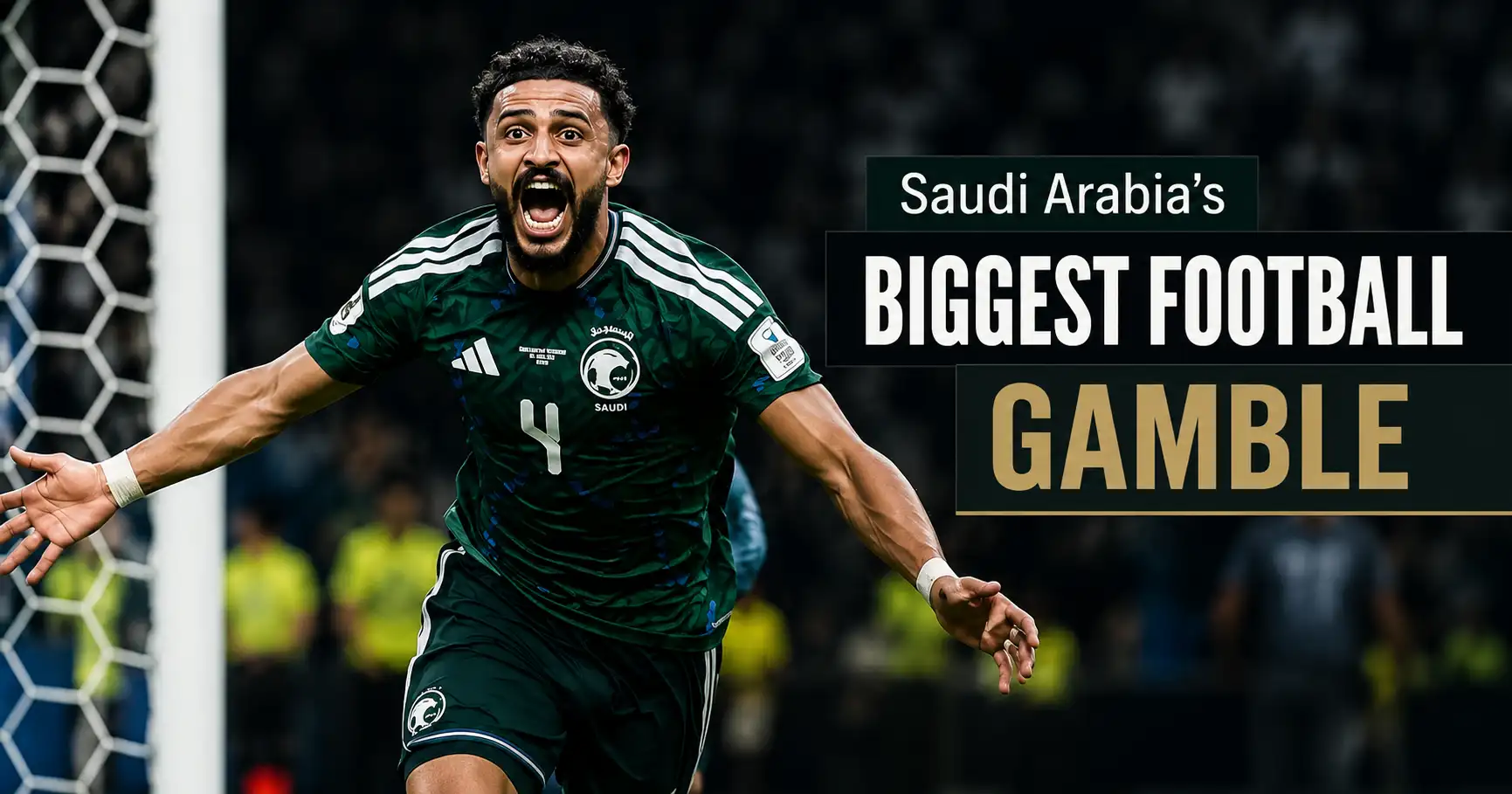
Saudi Arabia made a bold and unexpected decision by removing head coach Hervé Renard just weeks before the 2026 FIFA World Cup. The timing has raised questions across the football world, especially considering how close the tournament is. Renard, who had previously led the national team during one of its most memorable moments, was seen as a steady figure capable of guiding the squad through high-pressure matches.
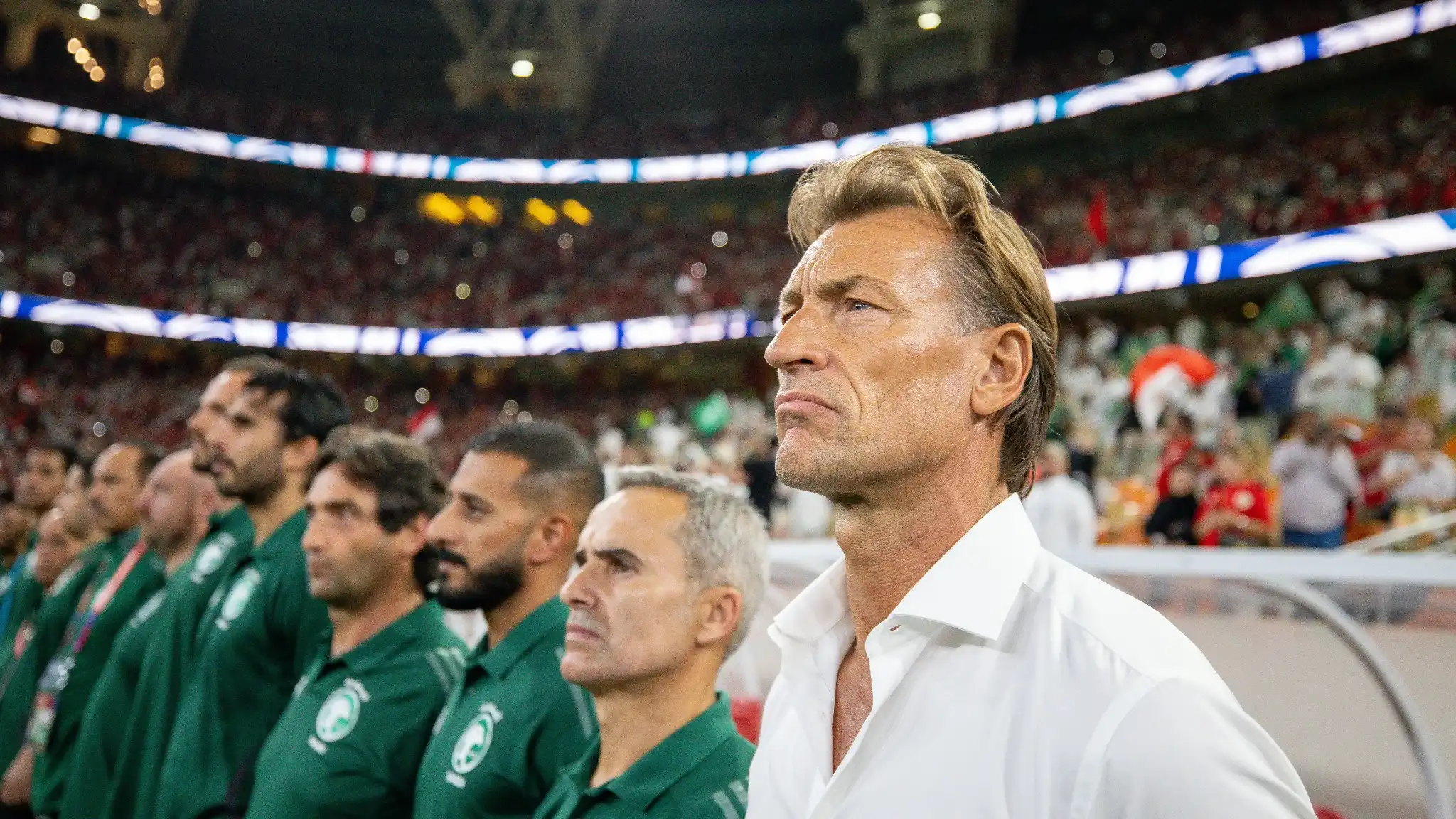
The announcement came after reports surfaced from European media outlets, later confirmed by Renard himself. The 57-year-old coach had returned to manage Saudi Arabia in 2024, marking his second stint with the team. His experience and past success made him a familiar and trusted leader within the squad.
 Via Goal
With the World Cup just around the corner, this change places the team in a delicate position. A new coach must quickly adapt, understand the squad, and prepare them for one of the biggest tournaments in football. Such last-minute changes often bring uncertainty, but they can also create new energy if handled effectively.
 Via CODE Sports
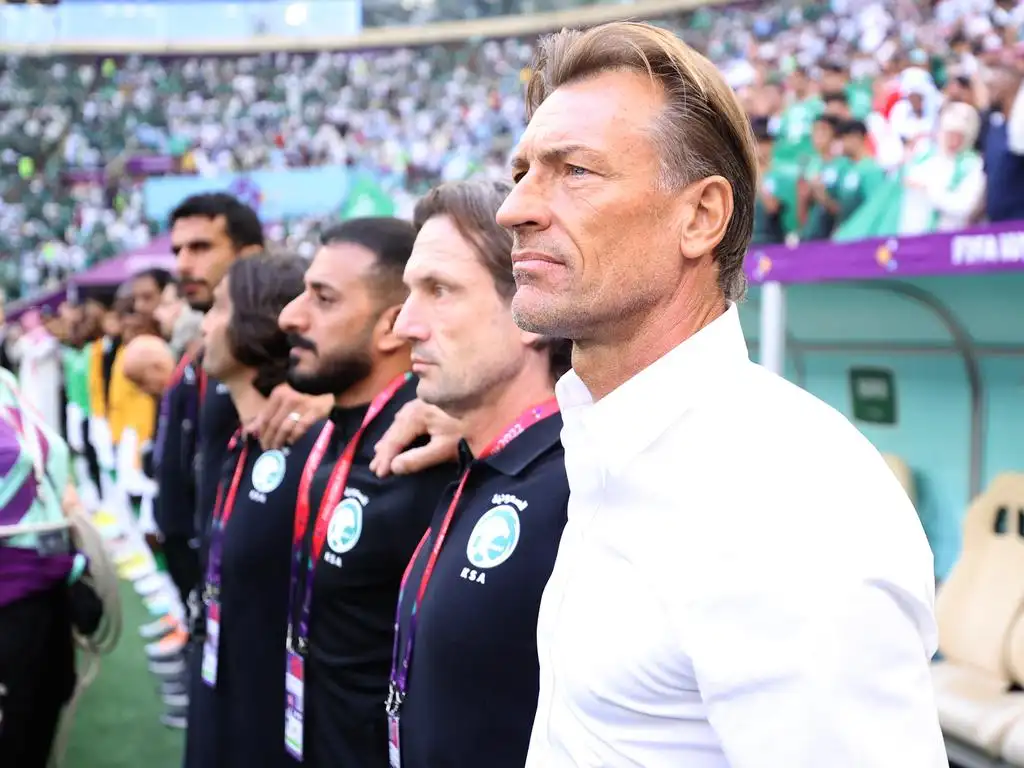
Renard’s coaching style focused on discipline, organization, and belief. His ability to motivate players and create a unified team spirit played a major role in Saudi Arabia’s improved performances. During his first tenure, he helped the squad compete with stronger teams and develop confidence on the international stage.
Despite these achievements, football is often driven by results and expectations. The federation may have felt that recent performances did not meet the standards required for a successful World Cup campaign. While Renard’s legacy includes memorable victories and strong leadership, the decision to move on reflects the high-pressure environment of international football, where even respected coaches can face sudden changes.
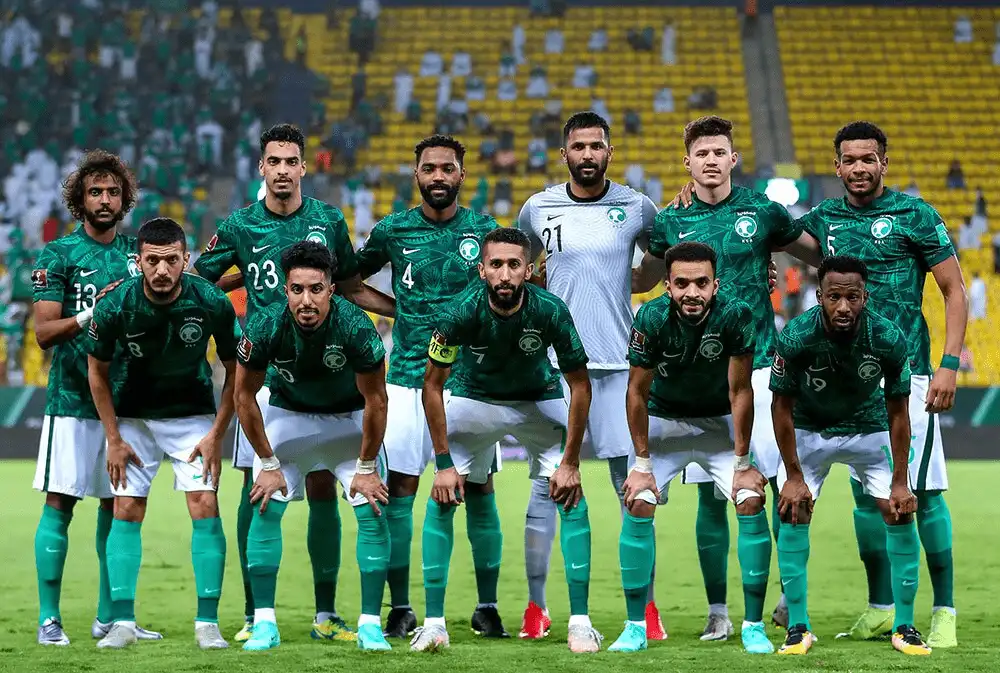 Via The Saudi Boom
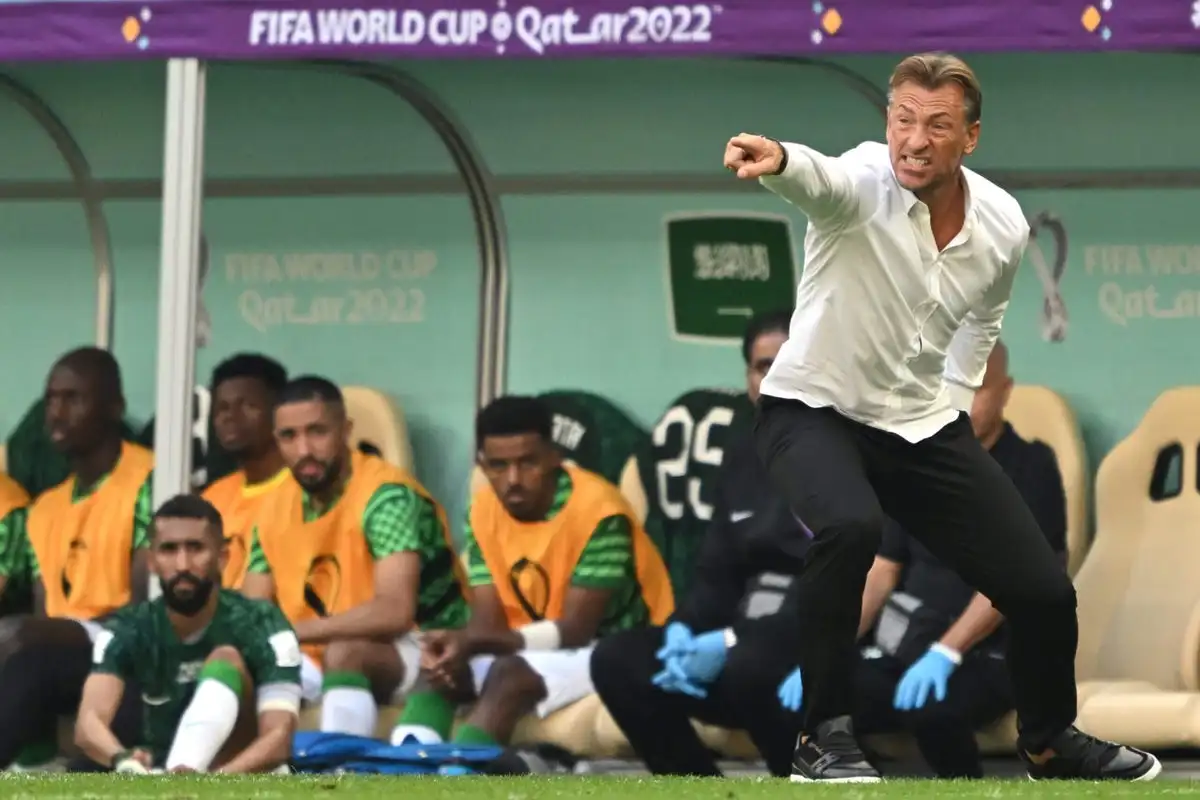 Via The New Yorker Times
At the same time, leadership changes can sometimes bring positive outcomes. A fresh perspective might introduce new tactics or motivate players to perform better. If the new coach can quickly establish authority and clarity, the team could benefit from renewed energy. The key challenge lies in balancing urgency with effective planning, ensuring that the transition does not harm the team’s overall readiness.
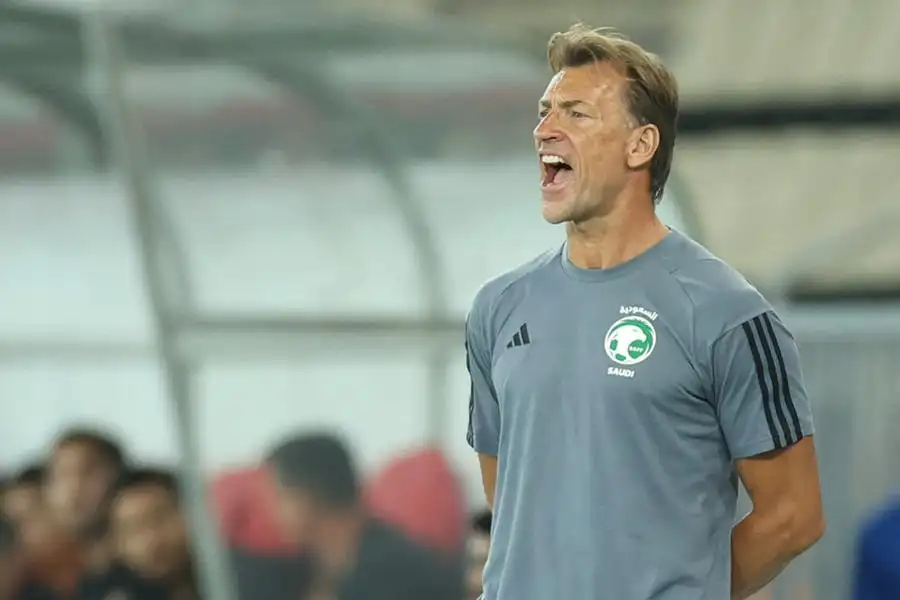 Via ZAWYA
Cape Verde, while less established, has shown steady improvement in recent years. Their players often compete in European leagues, bringing valuable experience to the team. This makes them a potential threat, especially if underestimated. Saudi Arabia must approach each match with focus and determination, as every point will be crucial in such a competitive group.
The opening match against Uruguay will set the tone for the rest of the campaign. A strong start could boost confidence, while a loss may increase pressure in the following games. With the recent coaching change, the team must quickly adapt and find stability. Success in this group will depend on teamwork, discipline, and the ability to handle high-pressure situations effectively.
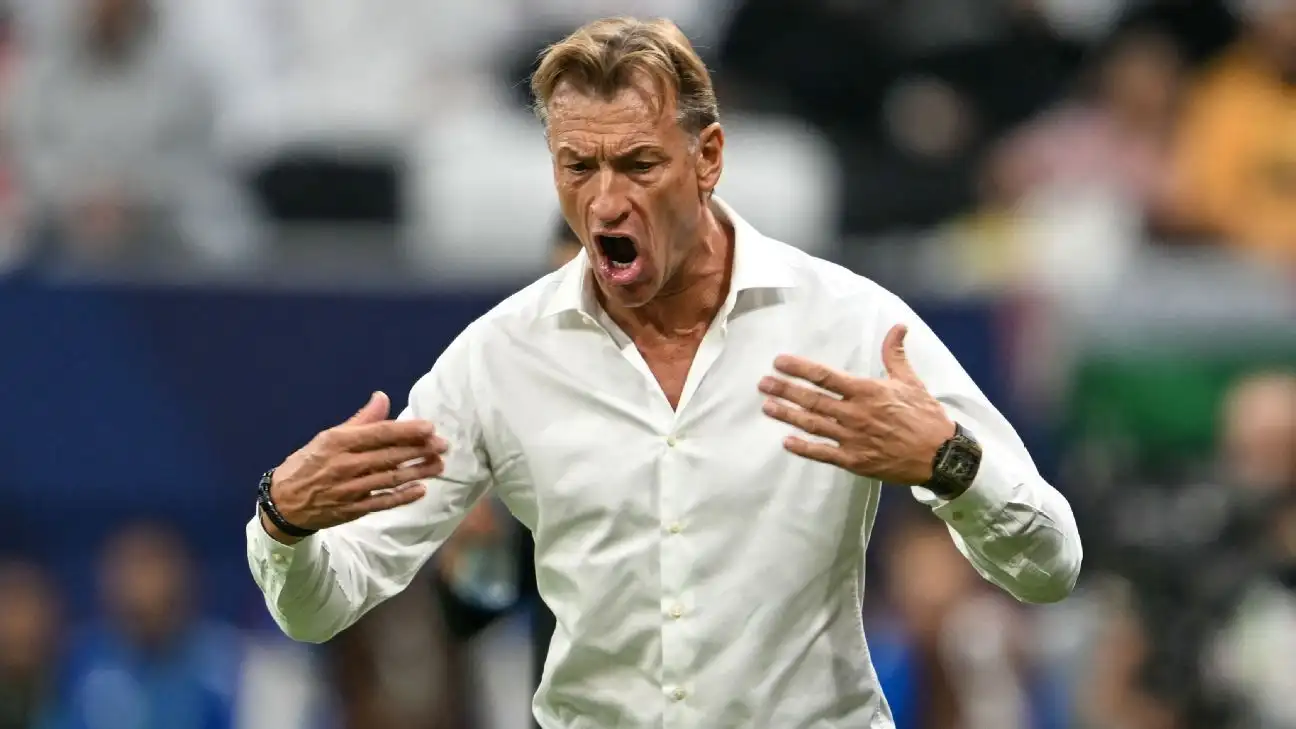 Via ESPN
 Via MSN
While these changes may create short-term uncertainty, they could also lead to long-term improvements. Building a strong football system requires alignment between management, coaching staff, and players. If these elements come together effectively, Saudi Arabia could strengthen its position in international football in the years ahead.
 Via The National News
At the same time, professional players are used to changes within the sport. They understand the need to stay focused and perform regardless of external circumstances. The team’s ability to remain united will play a key role in overcoming this challenge. Strong leadership within the squad can help maintain stability during this period.
Team morale will be closely watched as the World Cup approaches. Positive energy and clear communication from the new coaching staff can help ease the transition. If players feel supported and motivated, they are more likely to perform at their best. Maintaining a strong team spirit will be essential for Saudi Arabia’s success in the tournament.
 Via Al Arabiya
 Via NST Online
Fans have also expressed mixed reactions. Some support the decision, hoping it leads to better results, while others feel that stability would have been a safer approach. These differing opinions show how deeply football decisions can affect public perception. The true impact of this change will only become clear once the team begins its World Cup campaign.
 Via The Saudi Boom
Every moment counts as the tournament approaches.The players will need to stay focused and adaptable during this transition. Their ability to work together and follow new strategies will determine how well they perform on the field. Experience from previous tournaments can help guide them through this challenging phase. Maintaining discipline and confidence will be essential.
The upcoming World Cup presents both challenges and opportunities. Despite the uncertainty caused by the coaching change, the team still has the potential to deliver strong performances. Success will depend on preparation, teamwork, and the ability to handle pressure. The global stage awaits, and Saudi Arabia must rise to the occasion.
 Via Morocco World News
 Via Saudi Pro League
Football remains unpredictable, and outcomes are shaped by how teams respond to challenges. Saudi Arabia now has the opportunity to turn this situation into motivation and deliver a competitive performance on the world stage. Despite the risks involved, the change also presents an opportunity for fresh ideas, renewed motivation, and a different tactical approach that could reshape the team’s direction.
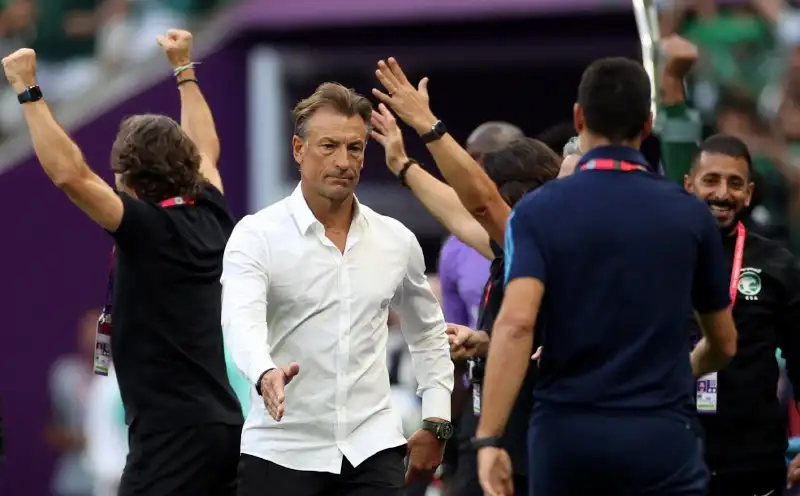 Via Al Majalla
The global spotlight will be firmly on the squad, making every match an opportunity to prove that the decision, while risky, can lead to positive results. Success on the field could transform uncertainty into a story of resilience and growth, showing that even difficult transitions can become turning points in a team’s journey.
More in UnassignedVia Goal
With the World Cup just around the corner, this change places the team in a delicate position. A new coach must quickly adapt, understand the squad, and prepare them for one of the biggest tournaments in football. Such last-minute changes often bring uncertainty, but they can also create new energy if handled effectively.
Renard’s Legacy with the Saudi National Team
Hervé Renard built a strong reputation during his time with Saudi Arabia, especially after leading the team to a historic victory against Argentina in the 2022 World Cup. That match remains one of the biggest upsets in football history, as Saudi Arabia defeated the eventual champions in a stunning 2-1 win. This moment elevated both the team and Renard’s status, earning respect from fans and analysts worldwide.Via CODE Sports
Renard’s coaching style focused on discipline, organization, and belief. His ability to motivate players and create a unified team spirit played a major role in Saudi Arabia’s improved performances. During his first tenure, he helped the squad compete with stronger teams and develop confidence on the international stage.
Despite these achievements, football is often driven by results and expectations. The federation may have felt that recent performances did not meet the standards required for a successful World Cup campaign. While Renard’s legacy includes memorable victories and strong leadership, the decision to move on reflects the high-pressure environment of international football, where even respected coaches can face sudden changes.
Via The Saudi Boom
The Impact of Timing Before the World Cup
Changing a head coach just weeks before a major tournament is always a risky decision. Teams usually rely on stability and consistency during the final stages of preparation. A new coach must quickly assess player strengths, build tactics, and create trust within a limited timeframe. This situation can disrupt team chemistry, especially if players were already comfortable with the previous system. Saudi Arabia’s opening match is scheduled against Uruguay, a strong and experienced team. Facing such opponents requires clear strategies and strong coordination among players. Any confusion or lack of preparation could affect the team’s performance in the early stages of the tournament.Via The New Yorker Times
At the same time, leadership changes can sometimes bring positive outcomes. A fresh perspective might introduce new tactics or motivate players to perform better. If the new coach can quickly establish authority and clarity, the team could benefit from renewed energy. The key challenge lies in balancing urgency with effective planning, ensuring that the transition does not harm the team’s overall readiness.
Saudi Arabia’s Group Stage Challenge
Saudi Arabia has been placed in Group H, alongside Spain, Uruguay, and Cape Verde. This group presents a mix of strong football traditions and emerging talent. Spain is known for its technical skill and possession-based play, making them one of the toughest opponents in the group. Uruguay brings experience, physical strength, and a history of strong performances in international tournaments.
Via ZAWYA
Cape Verde, while less established, has shown steady improvement in recent years. Their players often compete in European leagues, bringing valuable experience to the team. This makes them a potential threat, especially if underestimated. Saudi Arabia must approach each match with focus and determination, as every point will be crucial in such a competitive group.
The opening match against Uruguay will set the tone for the rest of the campaign. A strong start could boost confidence, while a loss may increase pressure in the following games. With the recent coaching change, the team must quickly adapt and find stability. Success in this group will depend on teamwork, discipline, and the ability to handle high-pressure situations effectively.
Via ESPN
Recent Changes Within Saudi Football Leadership
The decision to remove Renard comes at a time of broader changes within Saudi football management. Reports indicate that key figures within the federation are also transitioning into new roles. These shifts suggest a larger restructuring effort aimed at improving the country’s football performance on the global stage. Such changes often reflect long-term goals rather than short-term reactions. Leadership transitions can influence team decisions, including coaching appointments and player development strategies. The arrival of new management may bring different ideas about how the team should prepare for international competitions. This could explain the timing of Renard’s departure, as new leadership often prefers to work with their chosen staff.Via MSN
While these changes may create short-term uncertainty, they could also lead to long-term improvements. Building a strong football system requires alignment between management, coaching staff, and players. If these elements come together effectively, Saudi Arabia could strengthen its position in international football in the years ahead.
Player Reactions and Team Morale
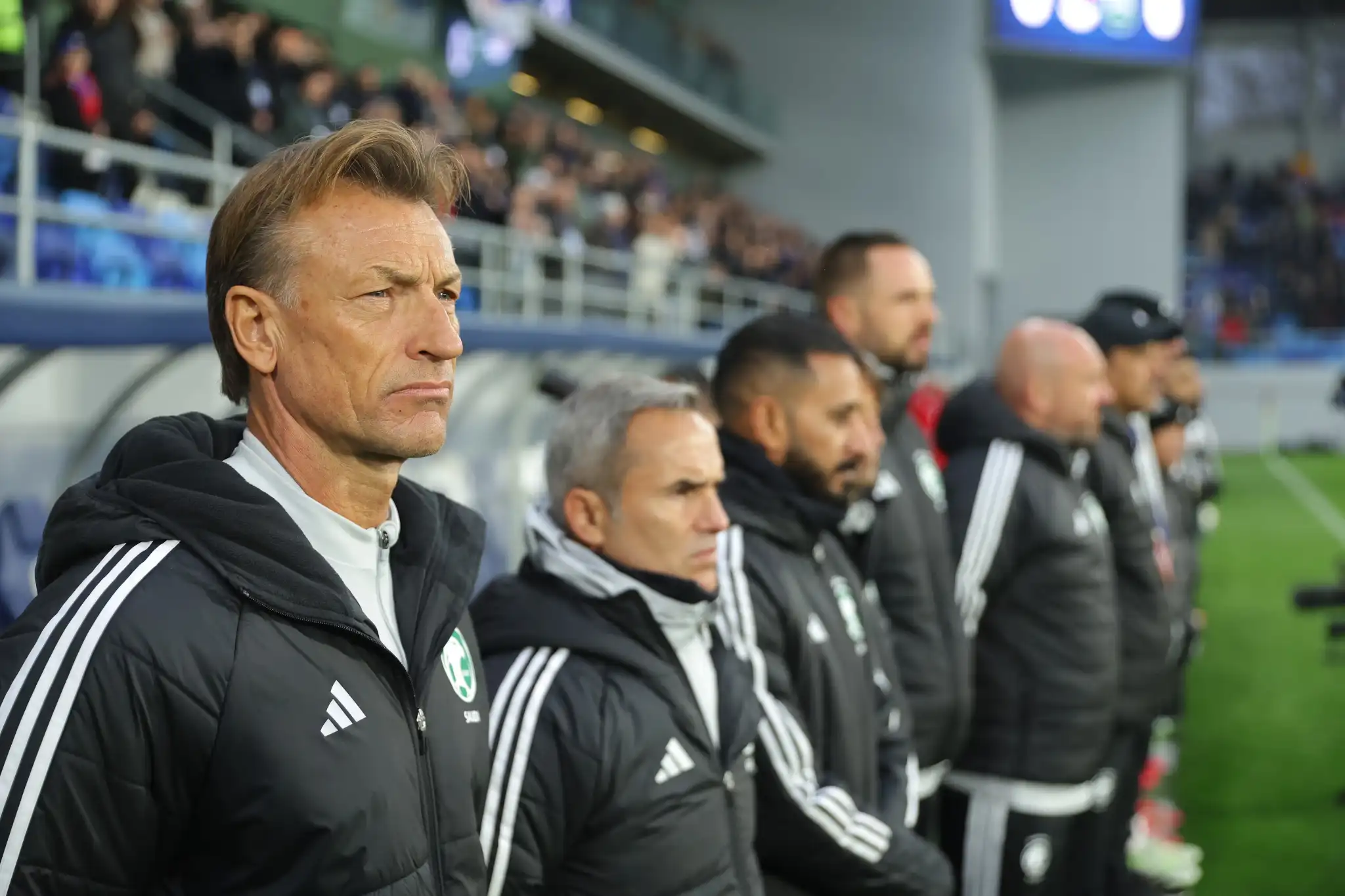
Coaching changes often have a direct impact on players, both mentally and emotionally. Many players may have developed strong relationships with Renard, making his departure difficult to process. Adjusting to a new coach requires adapting to different tactics, communication styles, and expectations. This transition can affect confidence if not managed carefully.Via The National News
At the same time, professional players are used to changes within the sport. They understand the need to stay focused and perform regardless of external circumstances. The team’s ability to remain united will play a key role in overcoming this challenge. Strong leadership within the squad can help maintain stability during this period.
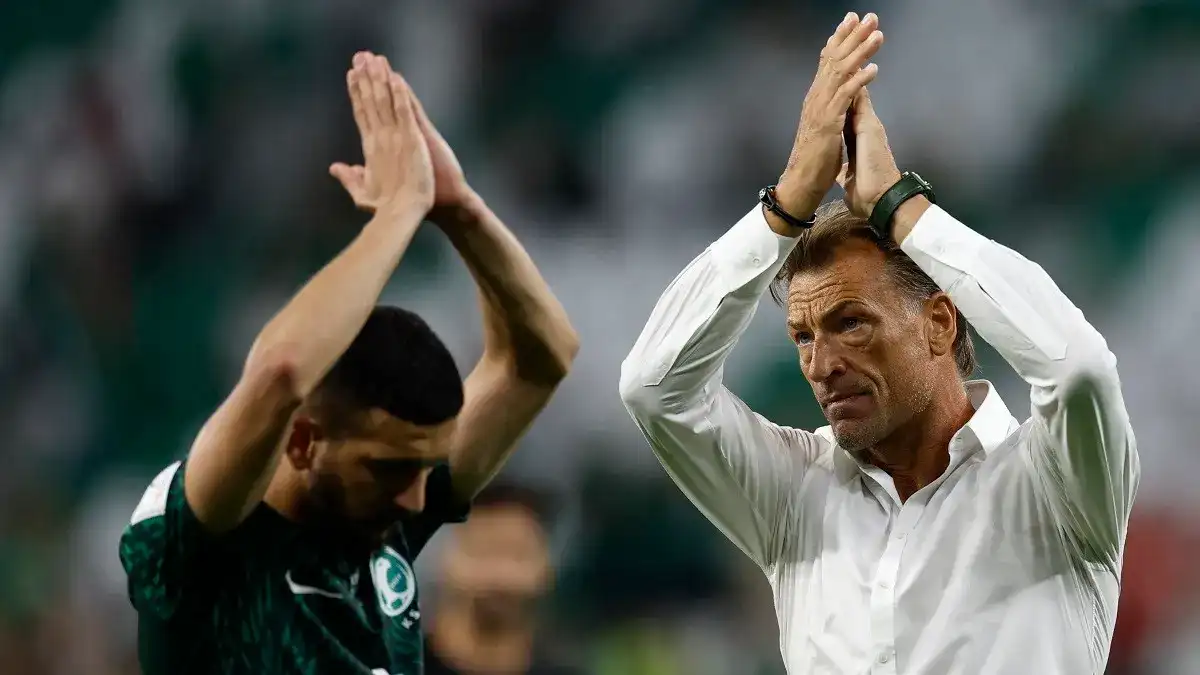
Team morale will be closely watched as the World Cup approaches. Positive energy and clear communication from the new coaching staff can help ease the transition. If players feel supported and motivated, they are more likely to perform at their best. Maintaining a strong team spirit will be essential for Saudi Arabia’s success in the tournament.
Via Al Arabiya
Global Reaction to the Coaching Decision
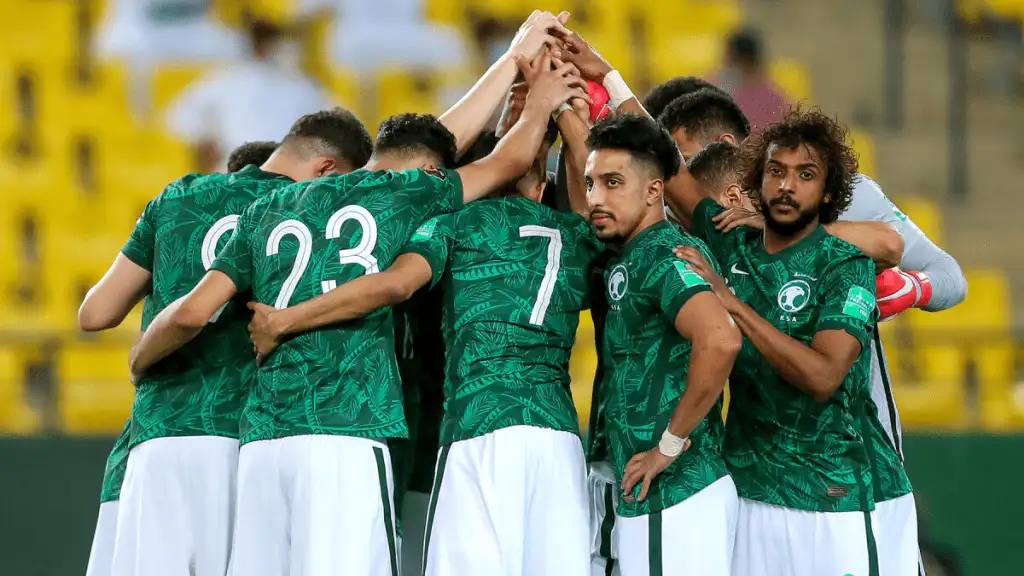
The football world has reacted with surprise to Saudi Arabia’s decision. Many analysts have questioned the timing, given Renard’s past success and experience. His victory over Argentina in the previous World Cup remains a defining moment, making his departure even more unexpected. Such decisions often spark debate about strategy and long-term planning. Media outlets across different countries have highlighted the risks associated with late coaching changes. Some experts believe the move could disrupt the team’s preparation, while others suggest it might bring fresh ideas. The debate reflects the unpredictable nature of football, where outcomes are often influenced by multiple factors.Via NST Online
Fans have also expressed mixed reactions. Some support the decision, hoping it leads to better results, while others feel that stability would have been a safer approach. These differing opinions show how deeply football decisions can affect public perception. The true impact of this change will only become clear once the team begins its World Cup campaign.
Looking Ahead to the 2026 World Cup
Saudi Arabia now faces a critical period of preparation before the World Cup begins. The new coaching staff must quickly establish a clear plan and build trust within the team. Training sessions, friendly matches, and tactical adjustments will play a key role in shaping the squad’s readiness.
Via The Saudi Boom
Every moment counts as the tournament approaches.The players will need to stay focused and adaptable during this transition. Their ability to work together and follow new strategies will determine how well they perform on the field. Experience from previous tournaments can help guide them through this challenging phase. Maintaining discipline and confidence will be essential.
The upcoming World Cup presents both challenges and opportunities. Despite the uncertainty caused by the coaching change, the team still has the potential to deliver strong performances. Success will depend on preparation, teamwork, and the ability to handle pressure. The global stage awaits, and Saudi Arabia must rise to the occasion.
Via Morocco World News
Final Preparations and Road to the Tournament
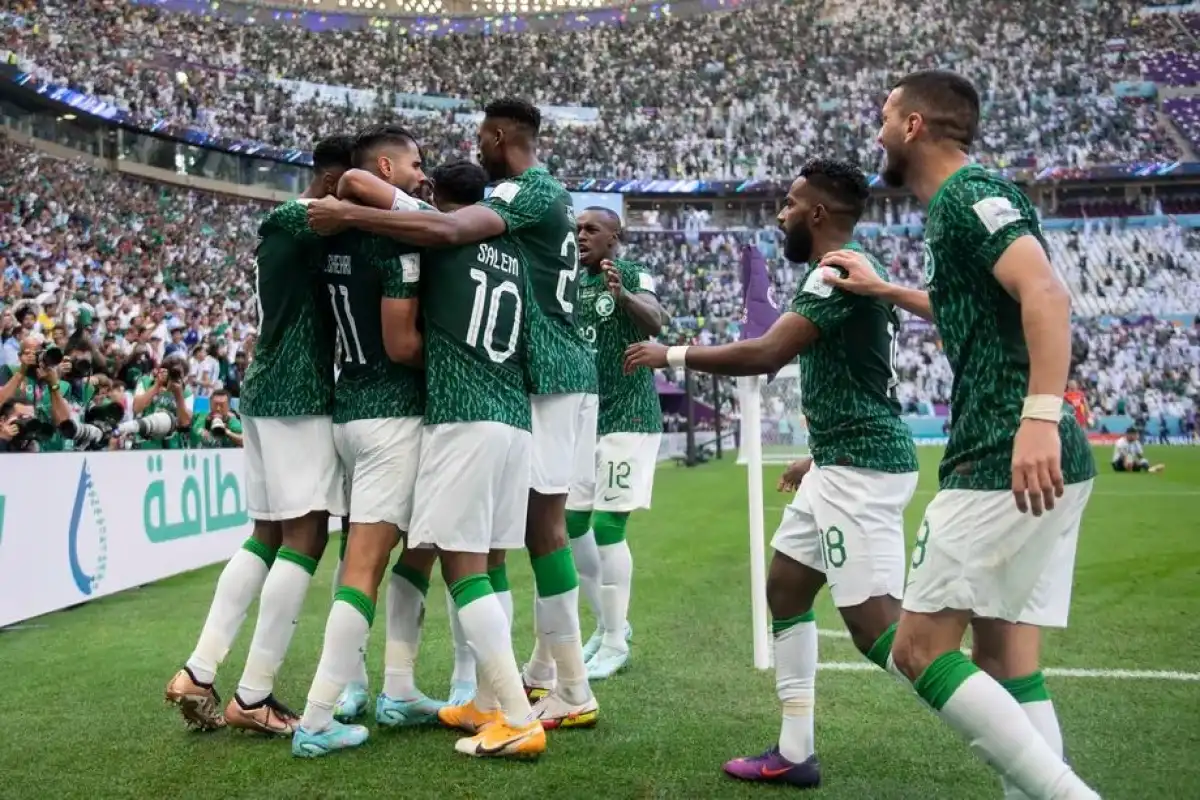
Saudi Arabia’s decision to part ways with Hervé Renard so close to the World Cup has created a wave of uncertainty and intense global discussion across the football world. Such a move, made at a crucial stage in preparation, reflects the immense pressure and high expectations that surround international teams competing on the biggest stage. Football at this level is often driven by results, and even successful managers are not immune to sudden changes when performance concerns arise. The timing of this decision adds complexity, as teams usually rely on stability and continuity in the final stretch before a major tournament.Via Saudi Pro League
Football remains unpredictable, and outcomes are shaped by how teams respond to challenges. Saudi Arabia now has the opportunity to turn this situation into motivation and deliver a competitive performance on the world stage. Despite the risks involved, the change also presents an opportunity for fresh ideas, renewed motivation, and a different tactical approach that could reshape the team’s direction.
Via Al Majalla
The global spotlight will be firmly on the squad, making every match an opportunity to prove that the decision, while risky, can lead to positive results. Success on the field could transform uncertainty into a story of resilience and growth, showing that even difficult transitions can become turning points in a team’s journey.