Unassigned
27 Famous Sports Rivalries Fans Still Talk About
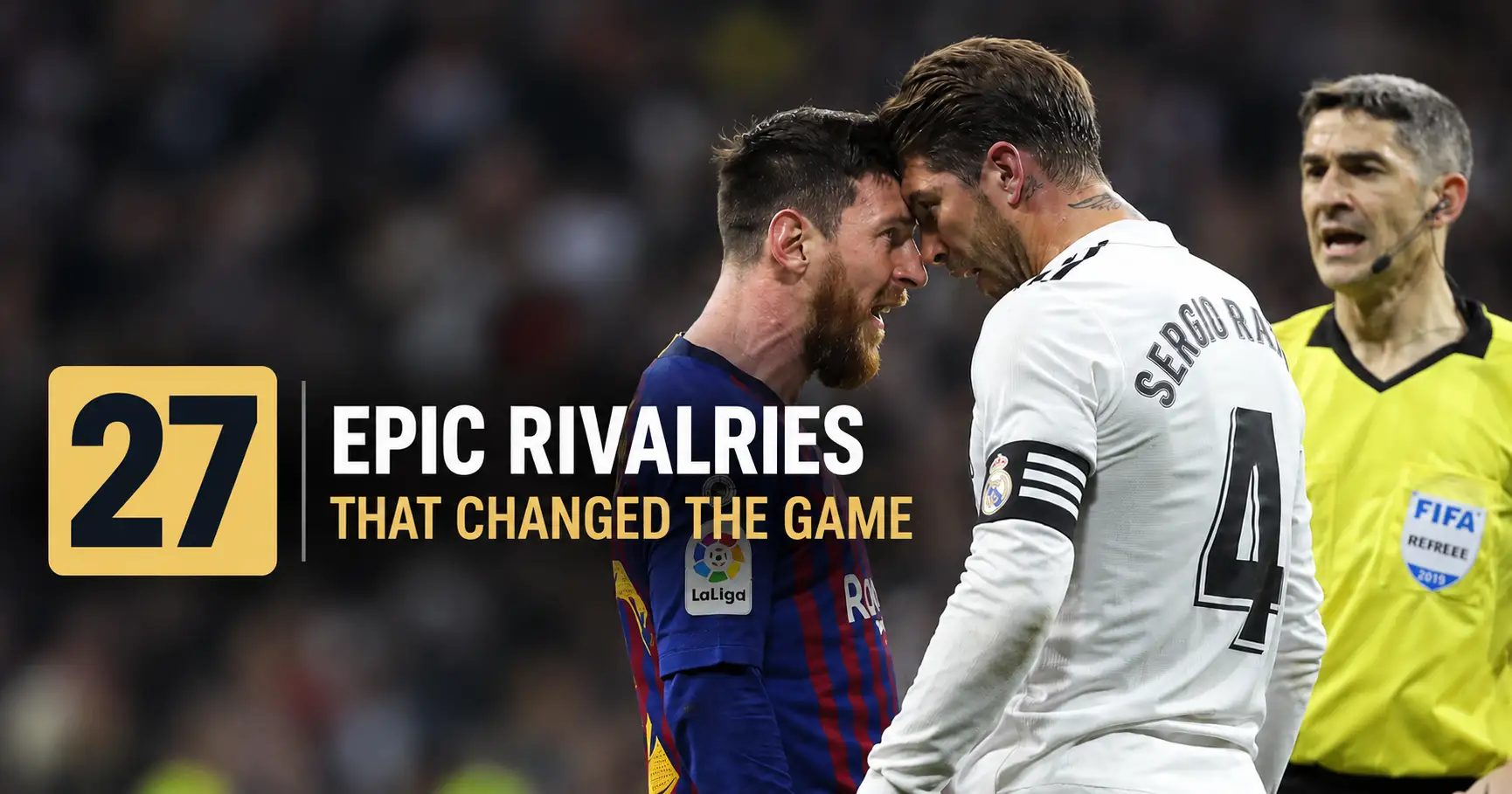
Sports rivalries have always been more than simple contests between athletes, coaches, or teams. They create drama, push players to perform at a higher level, and give fans unforgettable moments that last for years. A rivalry can begin with one hard hit, one sharp comment, one playoff battle, or one public disagreement. Once emotions rise, every meeting becomes bigger than the game itself.
Many famous rivalries come from respect, but others grow from anger, ego, pressure, and the desire to win. Some athletes battle for championships, records, and legacy. Others clash because of personality differences, team politics, or long-running tension. These stories show why competition is the lifeblood of sports. Without rivalries, games may still be exciting, but they often lose the emotional spark that makes fans care deeply.
 Via History Snob
The biggest individual rivalries in sports often involve more than scores and statistics. Sidney Crosby and Alexander Ovechkin represented two hockey giants leading rival teams. Wilt Chamberlain and Bill Russell helped define an NBA era. Larry Bird and Magic Johnson turned basketball into must-watch television. Reggie Miller and Spike Lee showed that even a fan sitting courtside could become part of sports history. These rivalries shaped leagues, careers, and fan memories across hockey, basketball, football, baseball, golf, NASCAR, and college sports.
 Via Bleacher Report
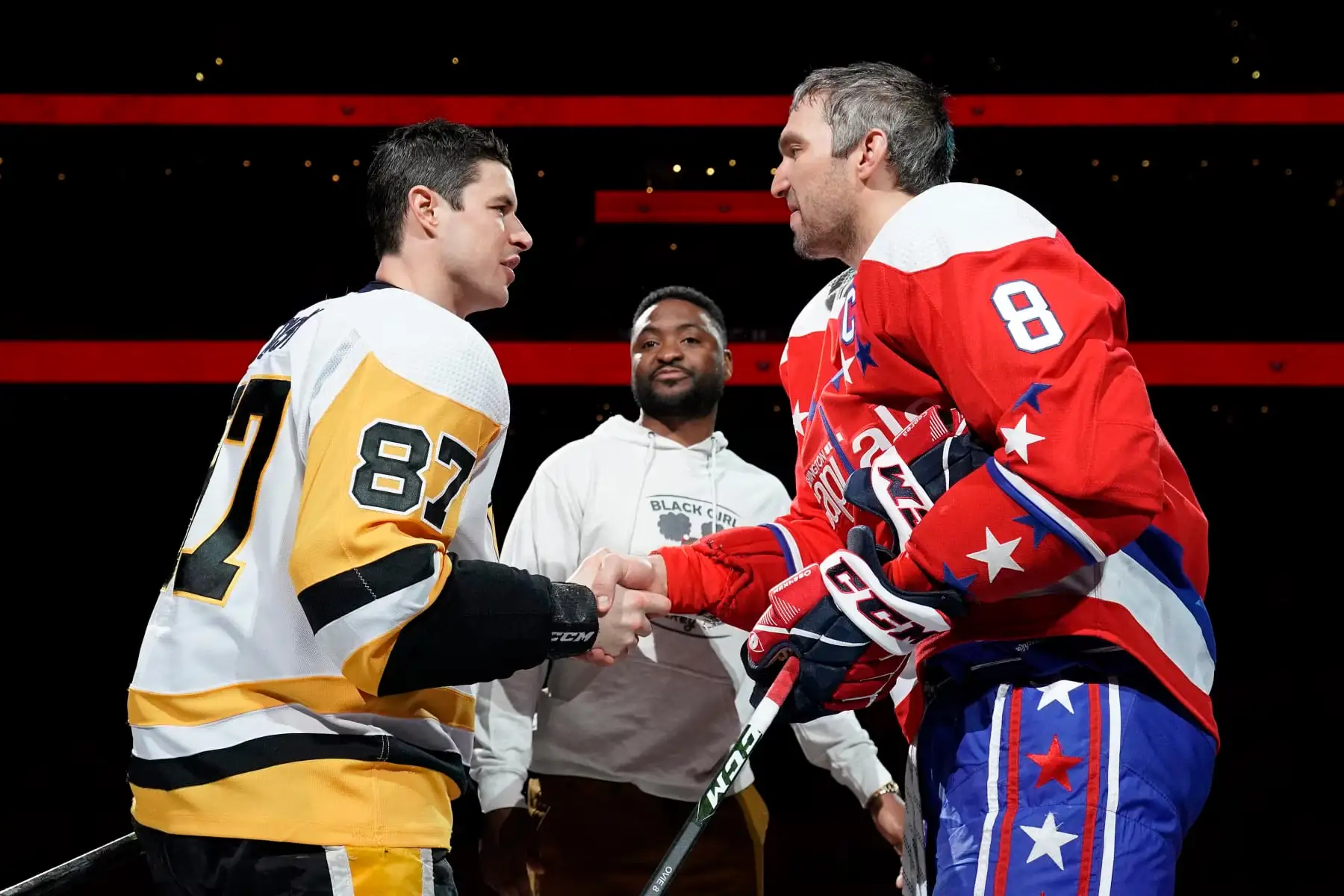
Crosby and Ovechkin became hockey’s biggest modern comparison, leading rival teams while fans debated skill, leadership, scoring, and championship value.
 Via The Sports Rush
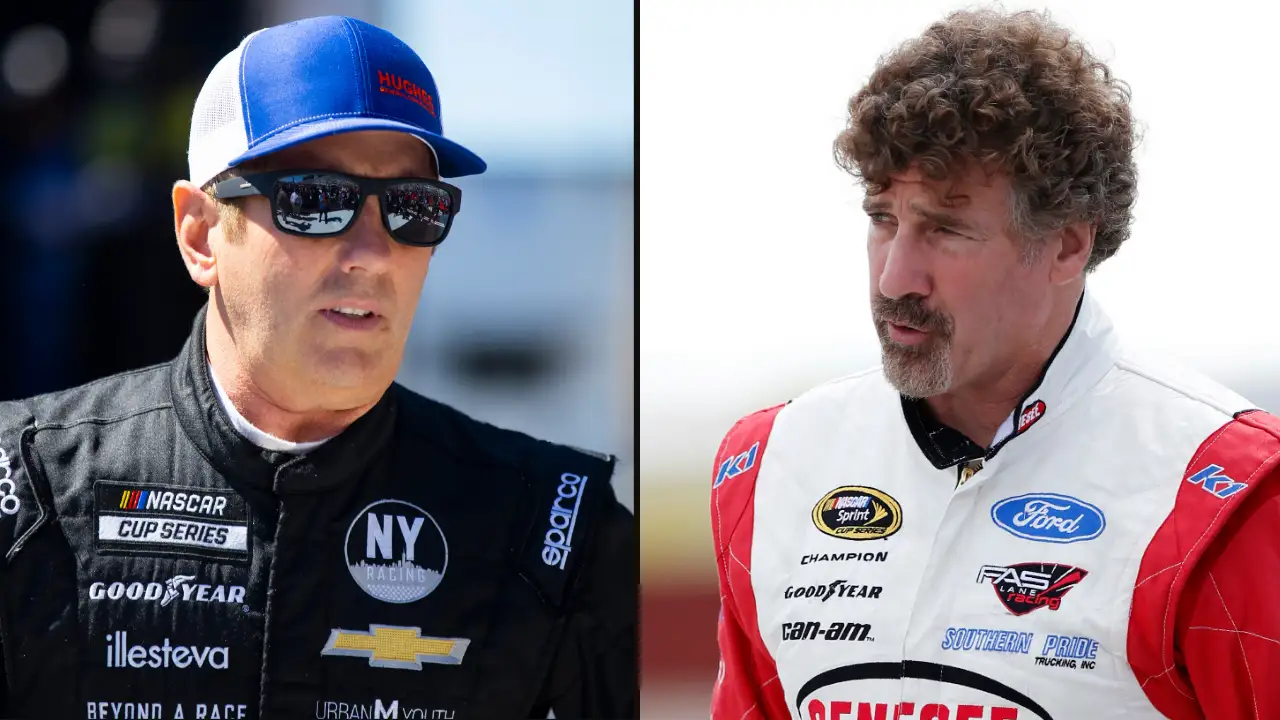
Their NASCAR feud grew after a crash at Watkins Glen, where Said openly criticized Biffle and turned racing tension into public anger.
 Via OpenCourt Basketball
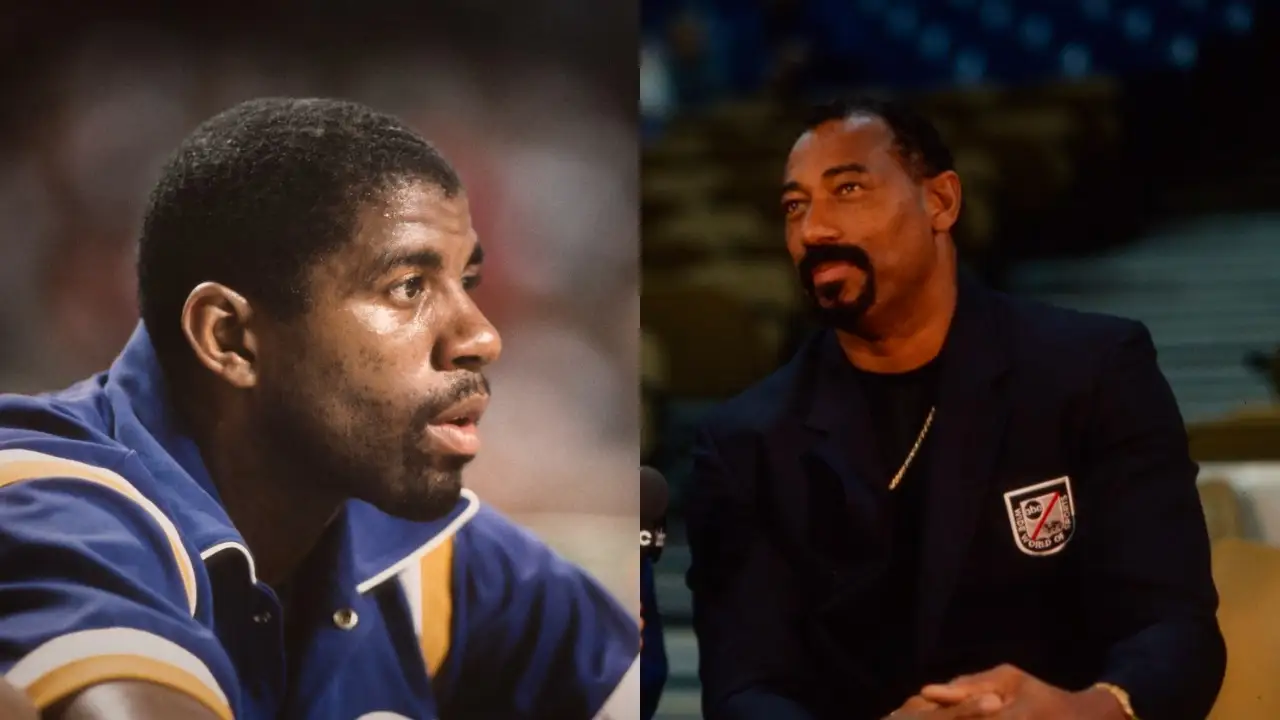
Chamberlain and Russell built one of basketball’s greatest rivalries, battling for NBA dominance while later showing friendship and mutual respect off court.
 Via The Sporting News
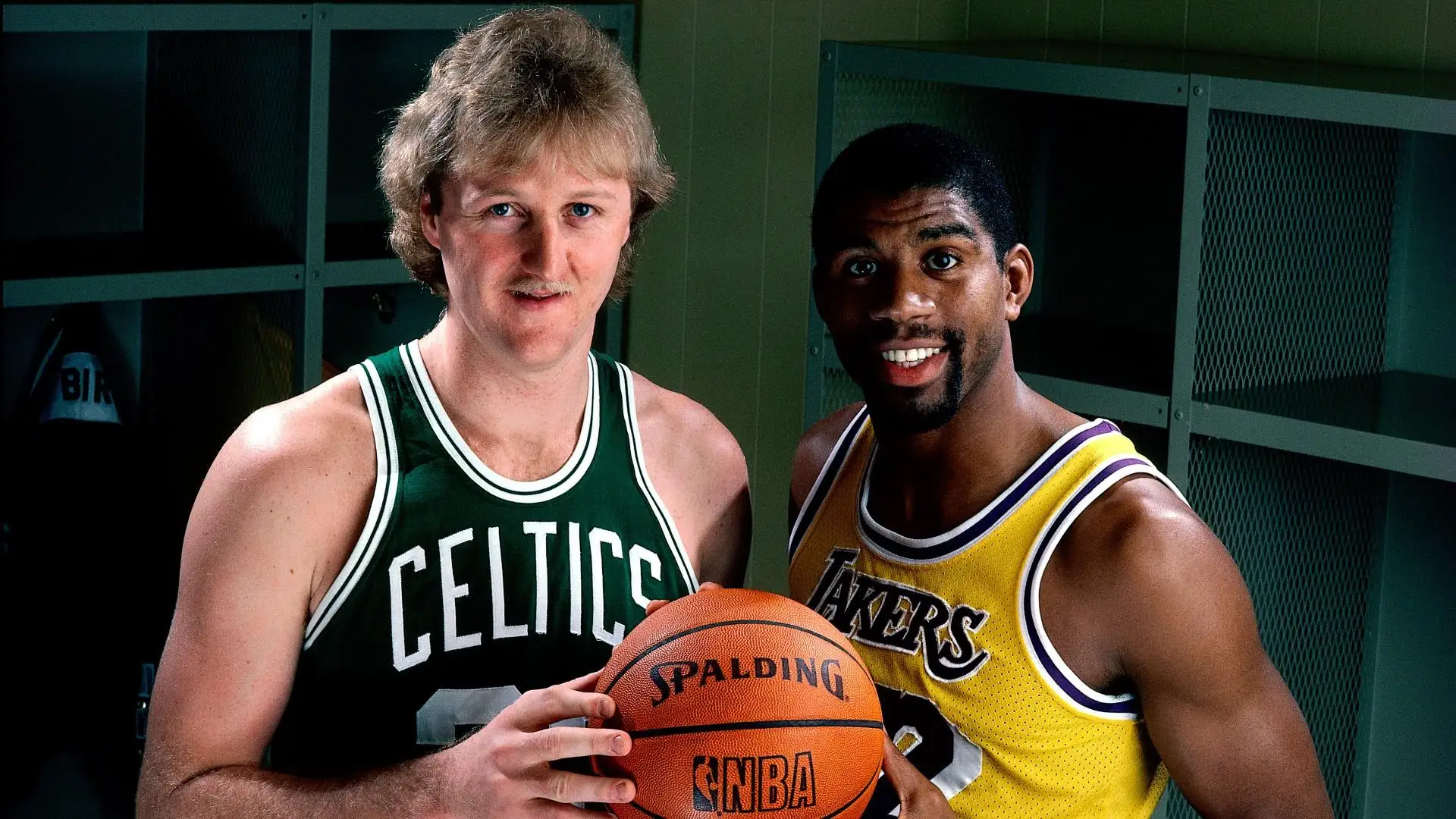
Bird and Magic turned college and NBA battles into a legendary rivalry built on competition, respect, championships, and contrasting basketball styles.
 Via New York Times
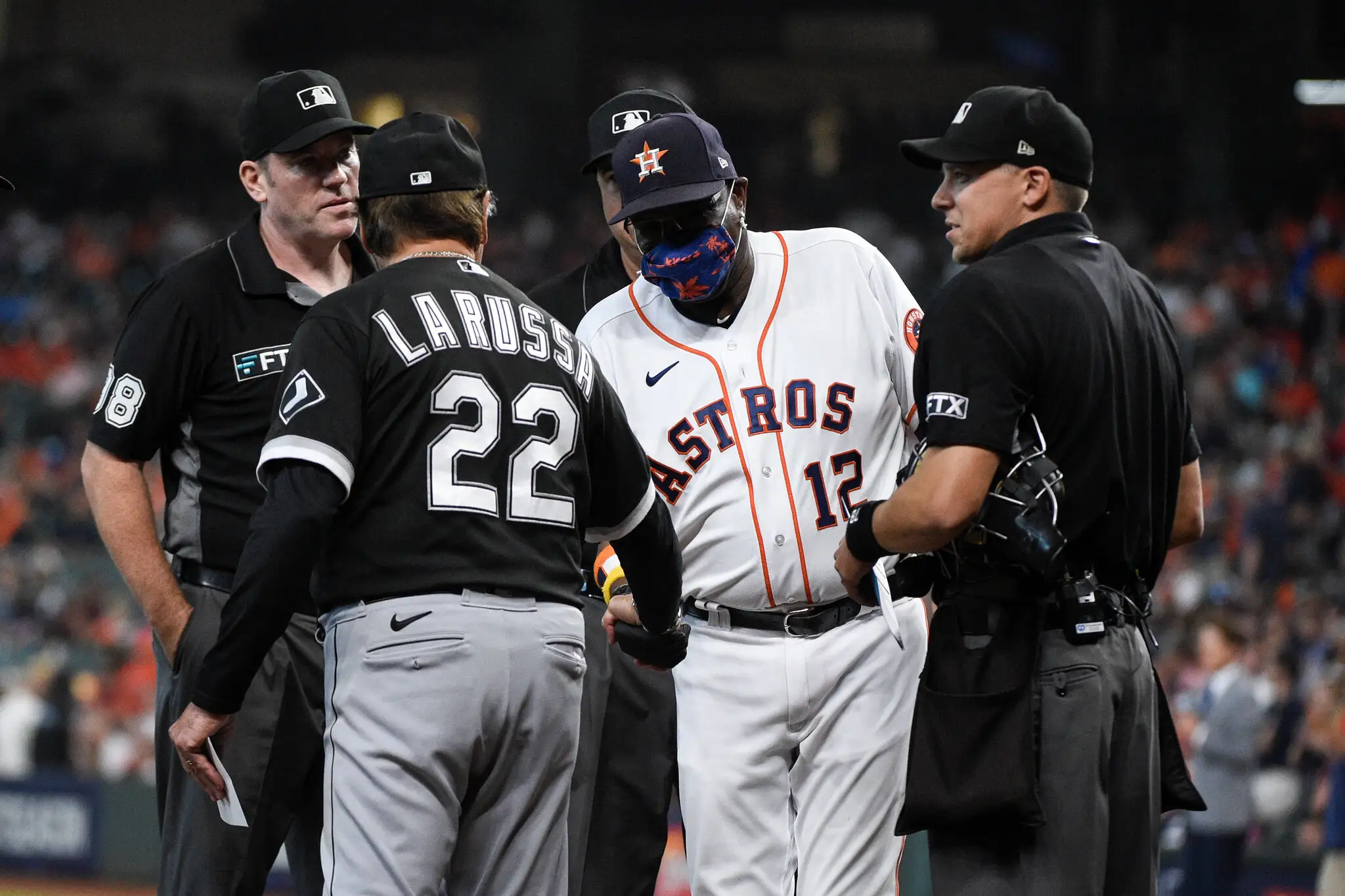
These MLB managers clashed for years, creating one of baseball’s most memorable dugout rivalries through arguments, tension, and competitive fire.
 Via Youtube
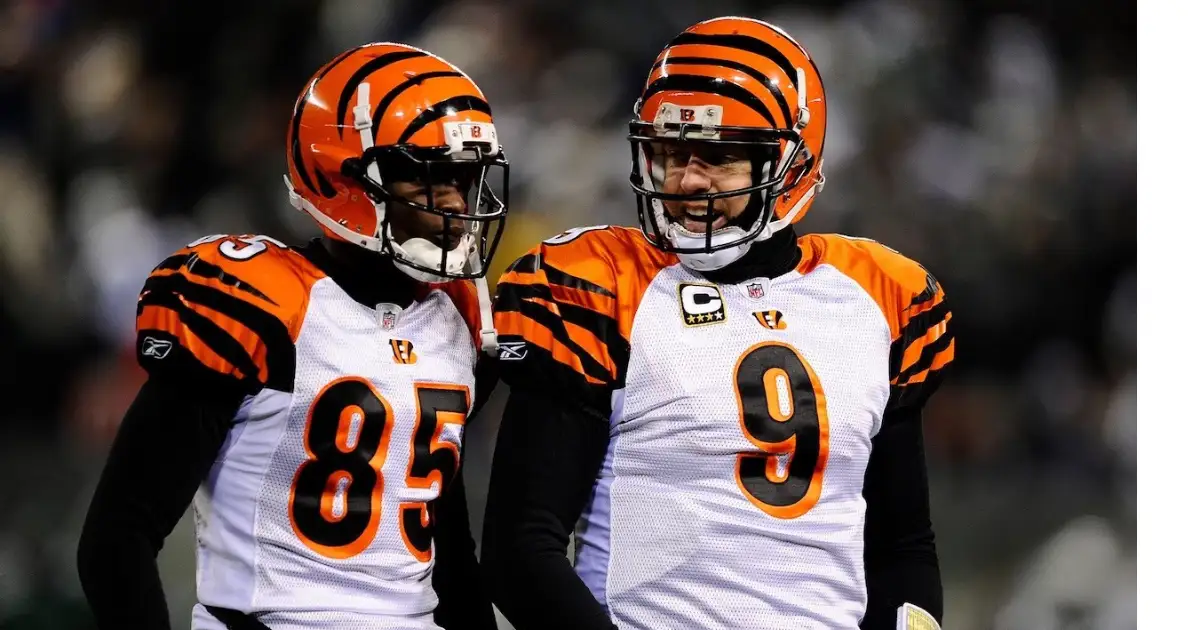
Johnson and Palmer’s Bengals partnership became strained as frustration, sideline arguments, and team struggles damaged their quarterback-receiver relationship.
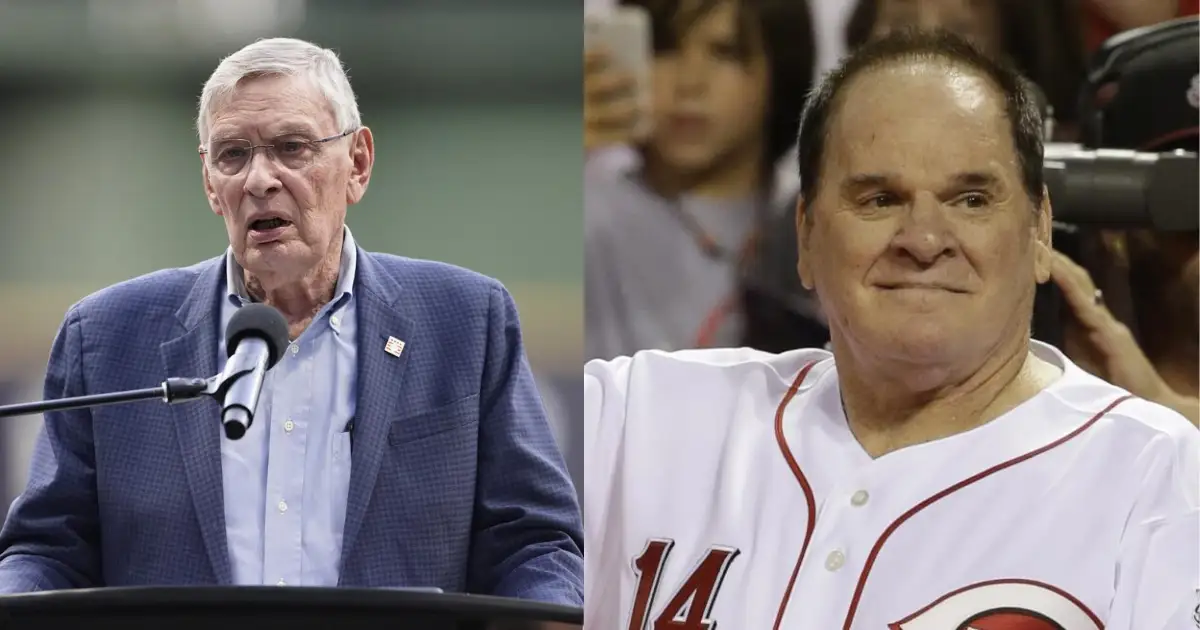 Rose’s gambling scandal and lifetime baseball ban created lasting tension with Selig, especially after Rose sought reinstatement but remained outside MLB.
 Via Sports Illustrated
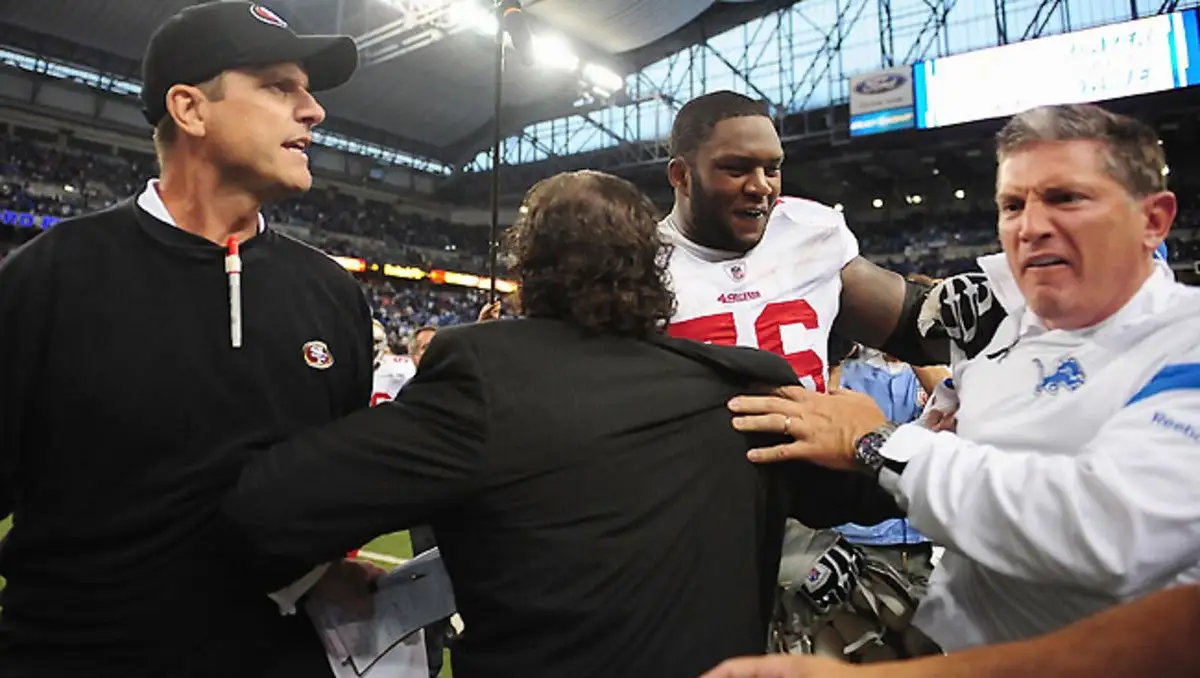
Harbaugh and Schwartz turned a postgame handshake into NFL drama, proving coaching rivalries can explode over emotion, pride, and sportsmanship.
 Via NASCAR
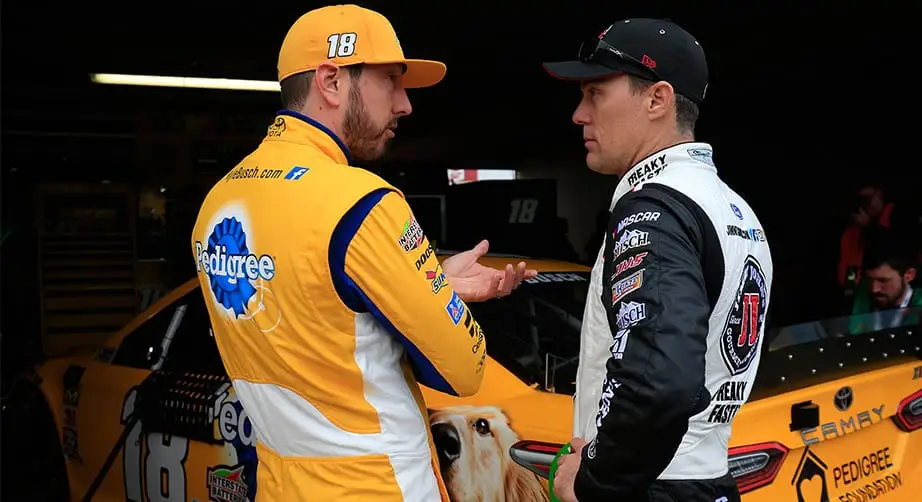
Busch and Harvick’s NASCAR feud mixed aggressive driving, personal dislike, and post-race confrontation, making their rivalry a fan-discussed spectacle.
 Via Sports Rush
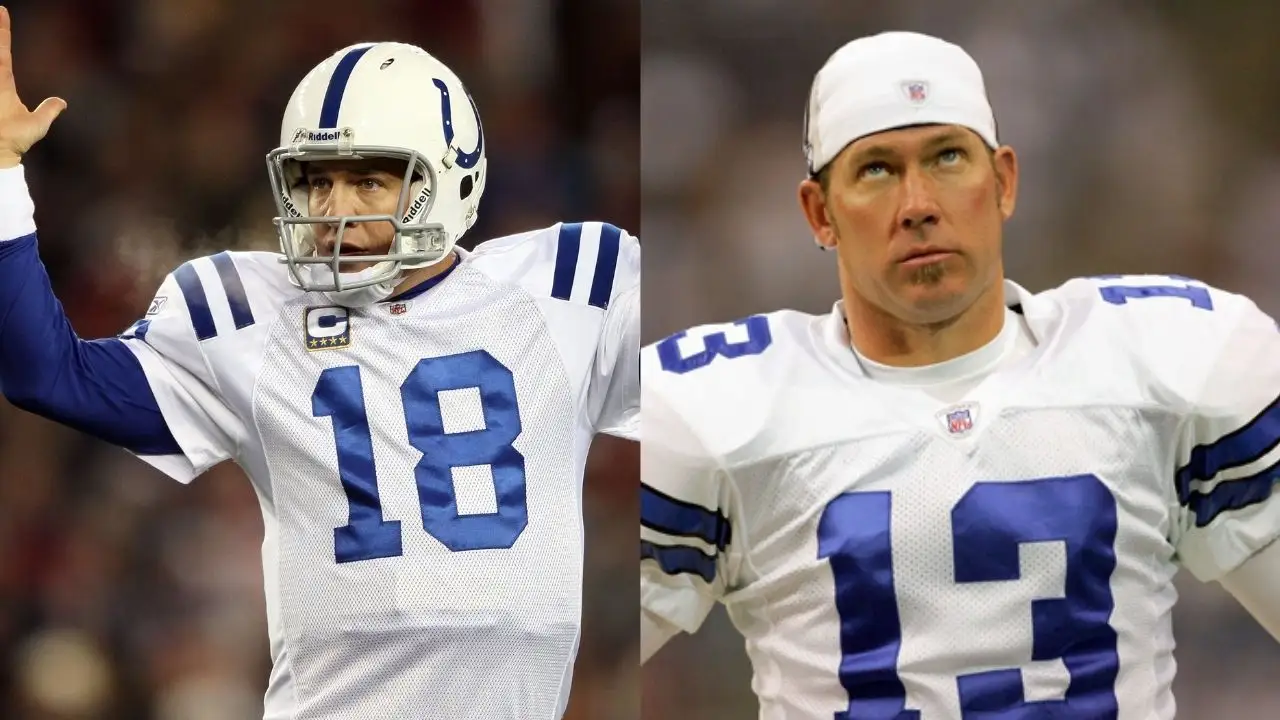
Vanderjagt criticized Manning’s leadership after a playoff loss, leading Manning to respond sharply and create one of football’s funniest feuds.
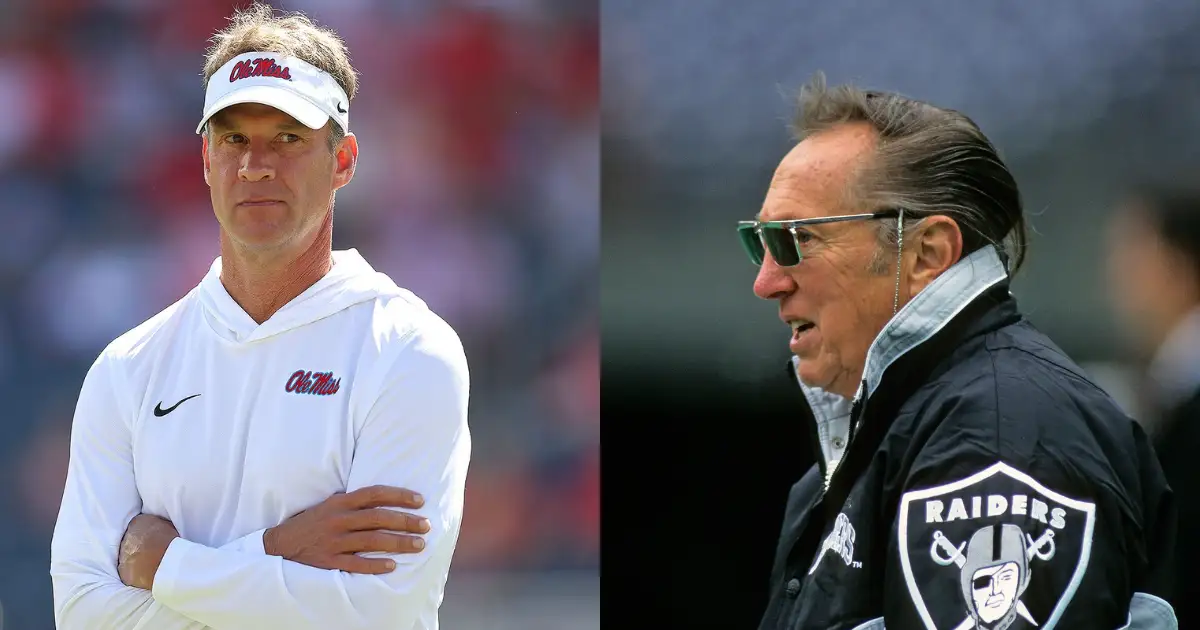 Kiffin’s ugly Raiders exit became a bitter clash with owner Al Davis, showing how power struggles can damage coach-owner relationships.
 Via The Sporting News
Jackson and Martin often argued publicly with the Yankees, yet their tense relationship did not stop New York from winning big.
 Via Hartford Courant
Cutler and Rivers became known for trash talk and visible dislike, giving NFL fans a quarterback rivalry filled with attitude.
 Via People
Woods and Mickelson carried golf’s biggest modern tension, with media attention rising whenever both stars appeared together in major tournaments.
 Via Sports Illustrated
Clemens and Piazza’s baseball rivalry became famous after a hit-by-pitch, a broken bat incident, and World Series tension.
 Via Bleacher Report
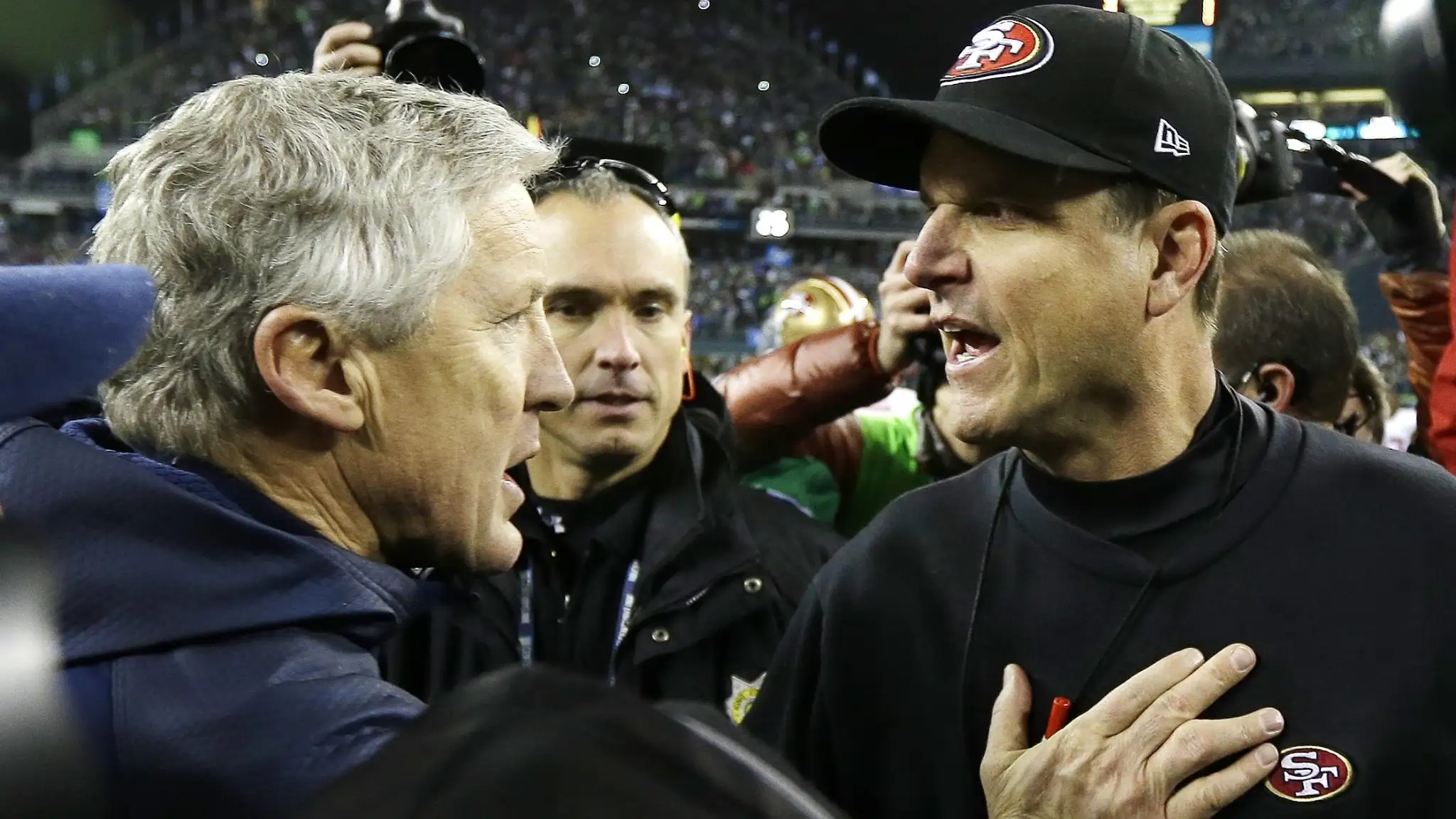
Carroll and Harbaugh’s college football feud grew through USC-Stanford battles, running up scores, and one famous “What’s your deal?” moment.
 Via Sky Sports
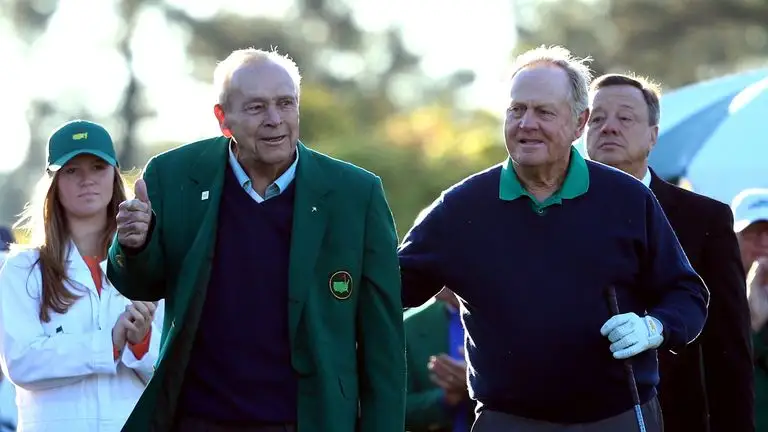
Palmer and Nicklaus gave golf a classic rivalry, mixing different images, playing styles, fan bases, and long-term greatness.
 Via Sans Fransico Chronicle
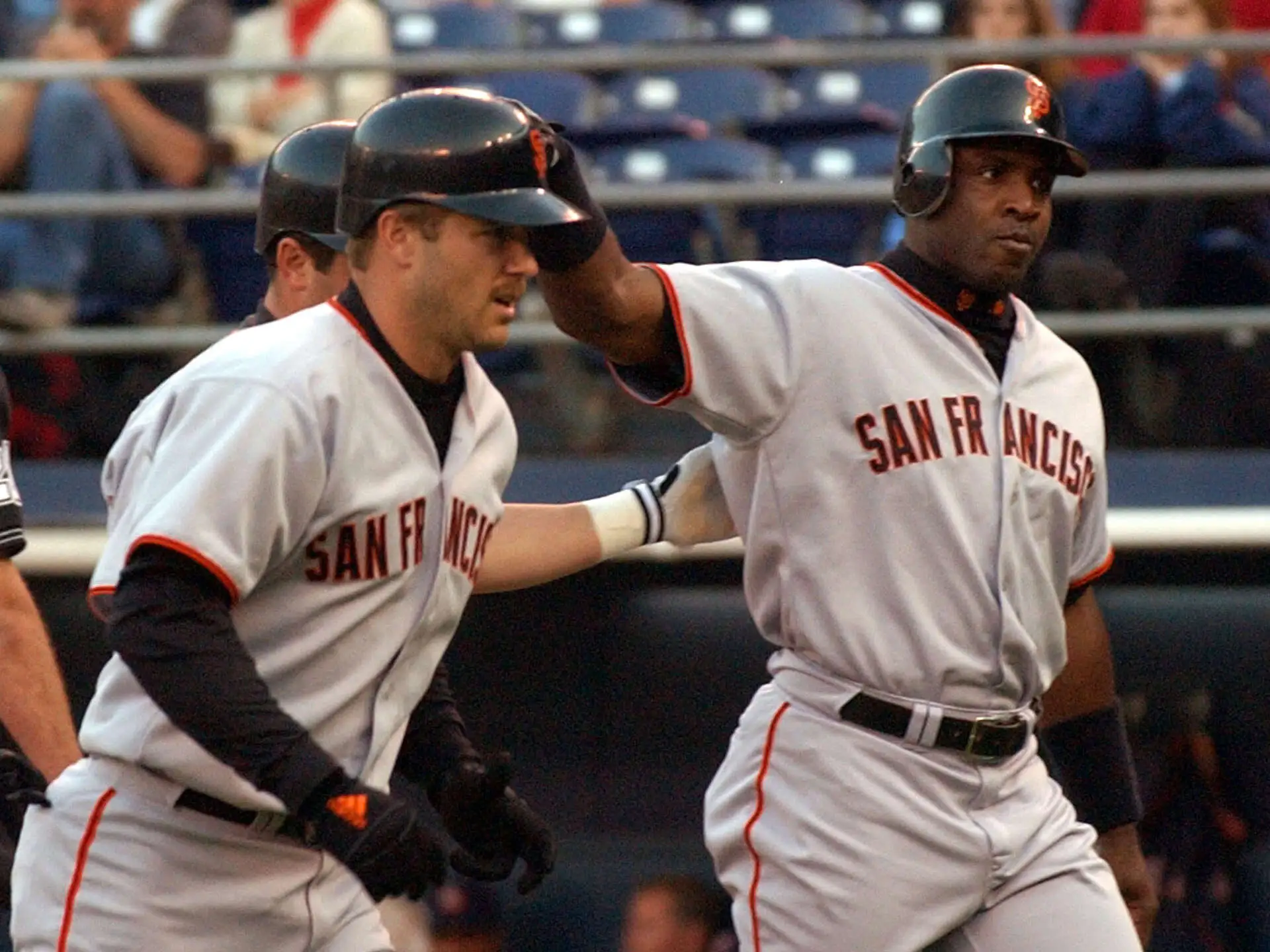
Kent and Bonds struggled as Giants teammates, with personality clashes and public tension eventually pushing Kent away from San Francisco.
 Via ESPN
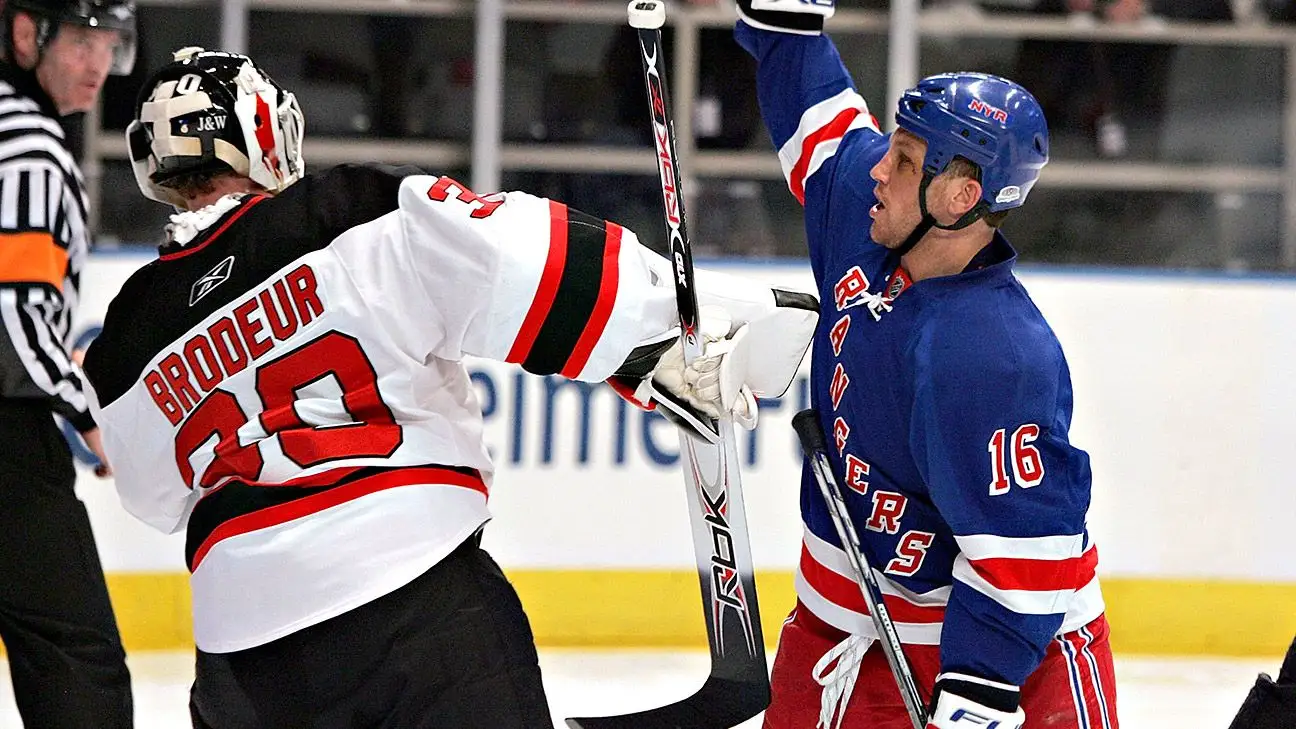
Avery’s unusual playoff tactics against Brodeur led to anger, a handshake snub, and a rule change in the NHL.
 Via ESPN
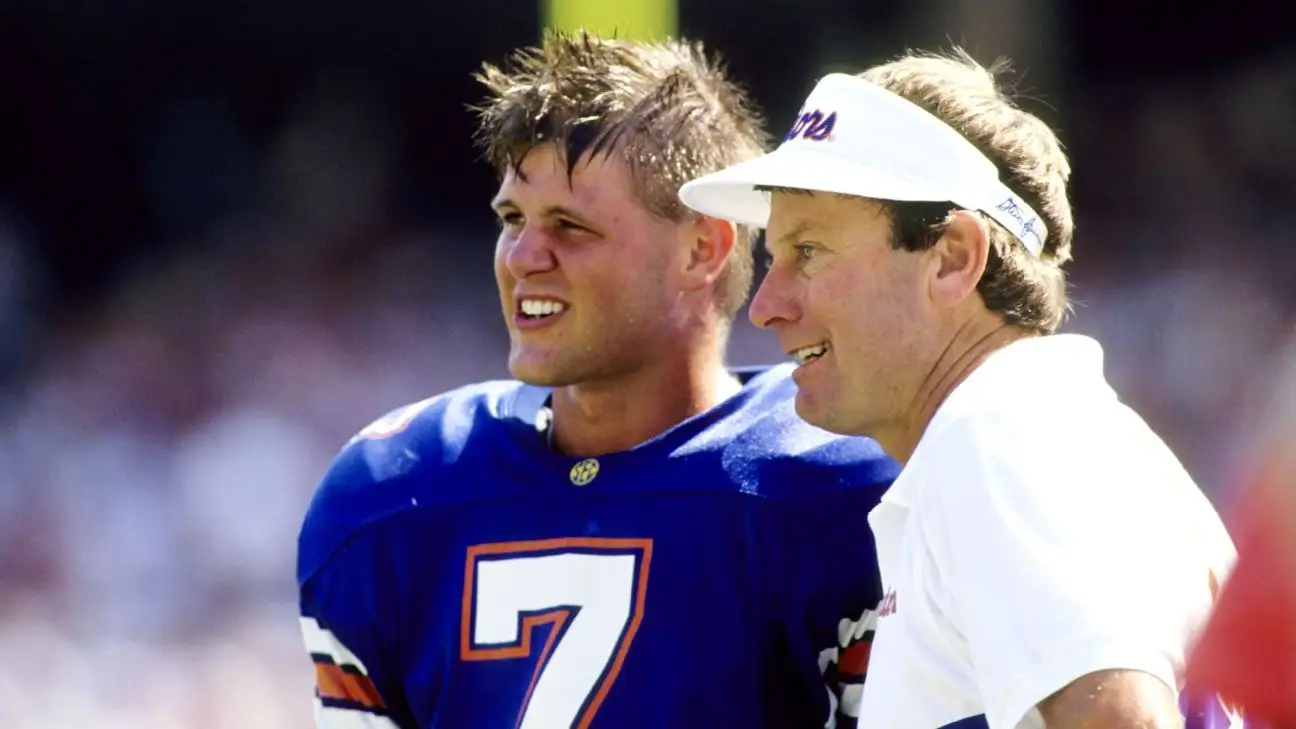
Spurrier and Bowden’s college football rivalry included sharp comments, conference pride, NCAA controversy, and years of high-pressure games.
 Via Ornaldo Magic
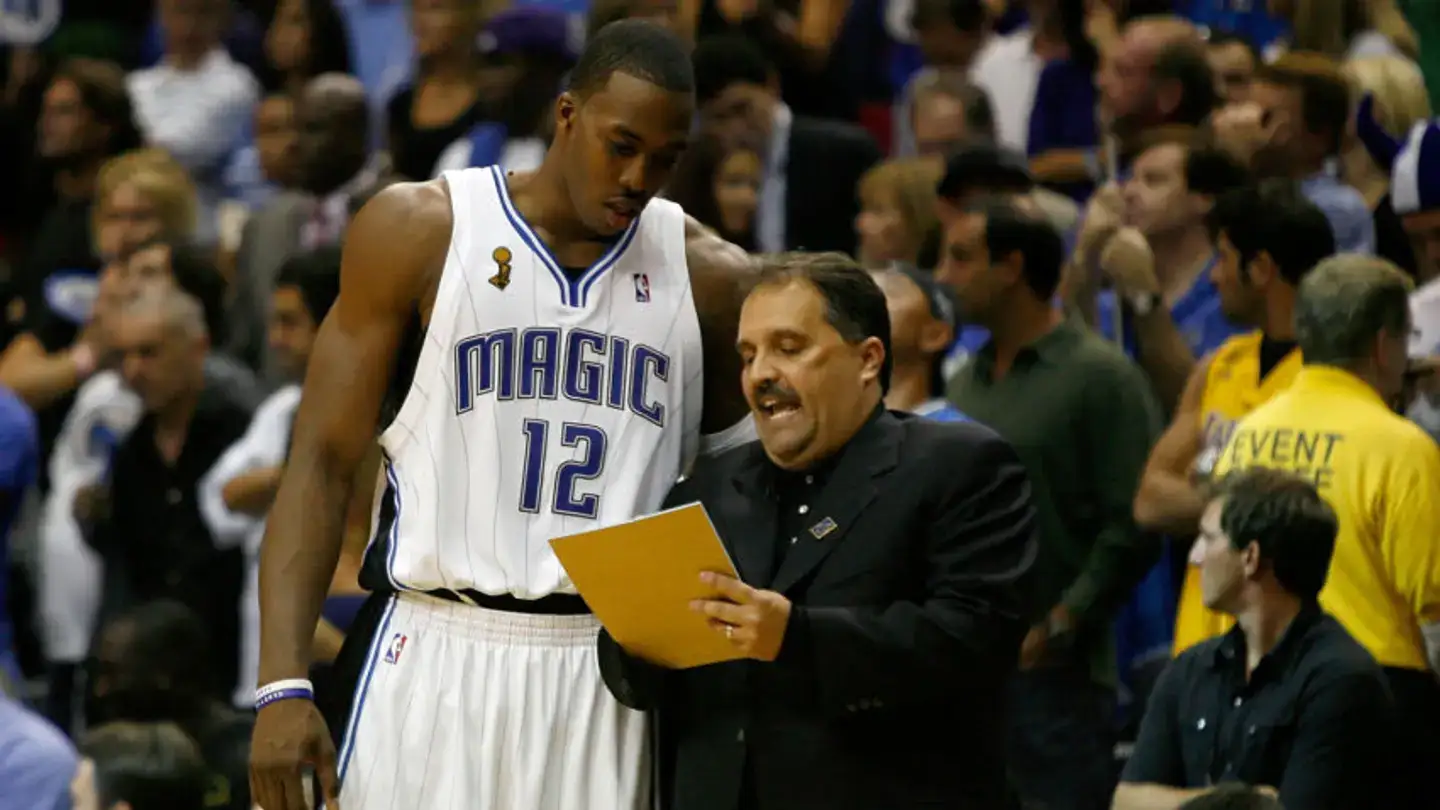
Stan Van Gundy and Dwight Howard’s tension became public during Orlando’s difficult period, creating one of the NBA’s most awkward coach-player situations.
 Via Basketball Network
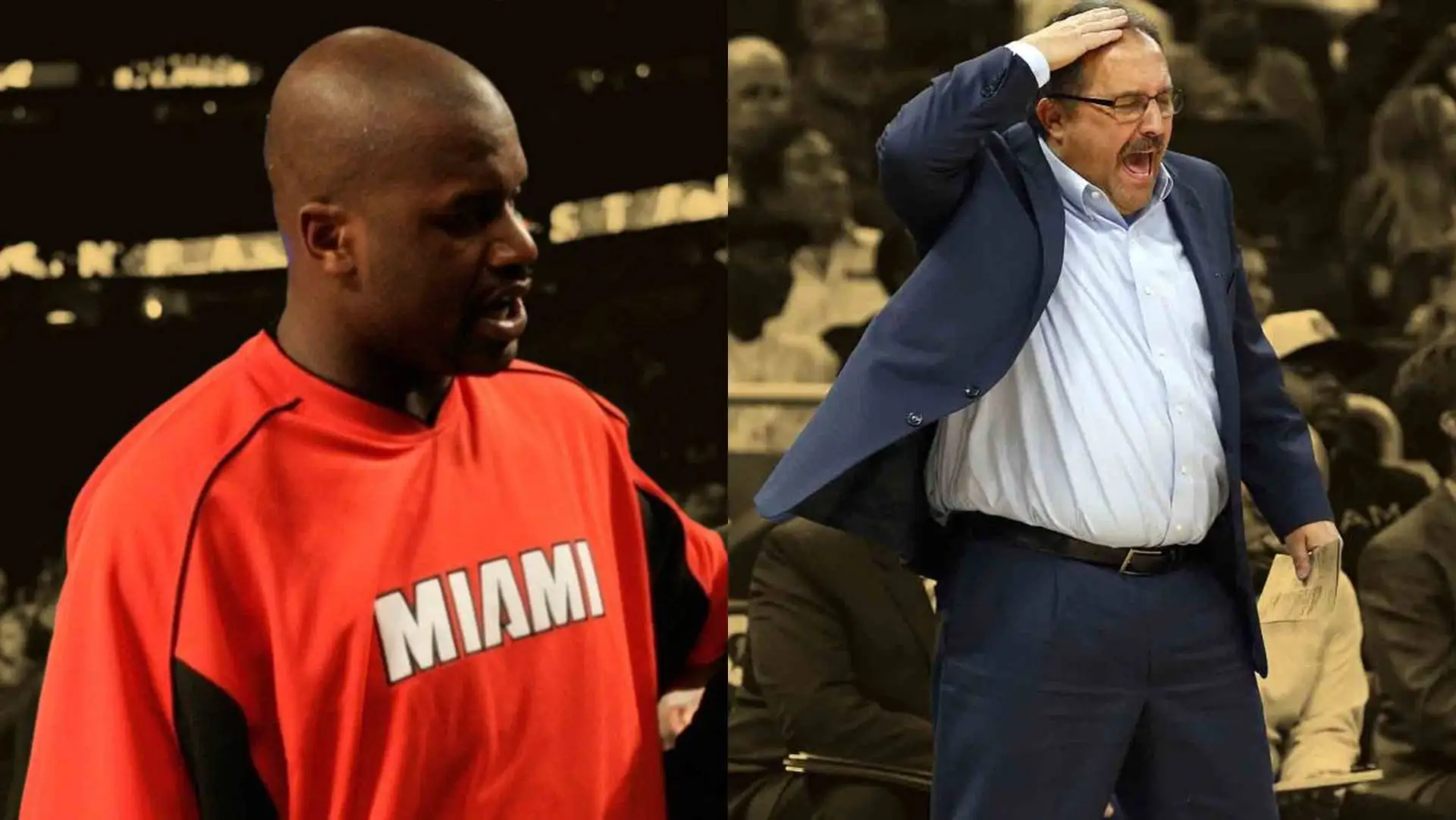
Shaquille O’Neal and Stan Van Gundy clashed in Miami, where superstar power and coaching control created a difficult relationship inside the Heat.
 Via ESPN
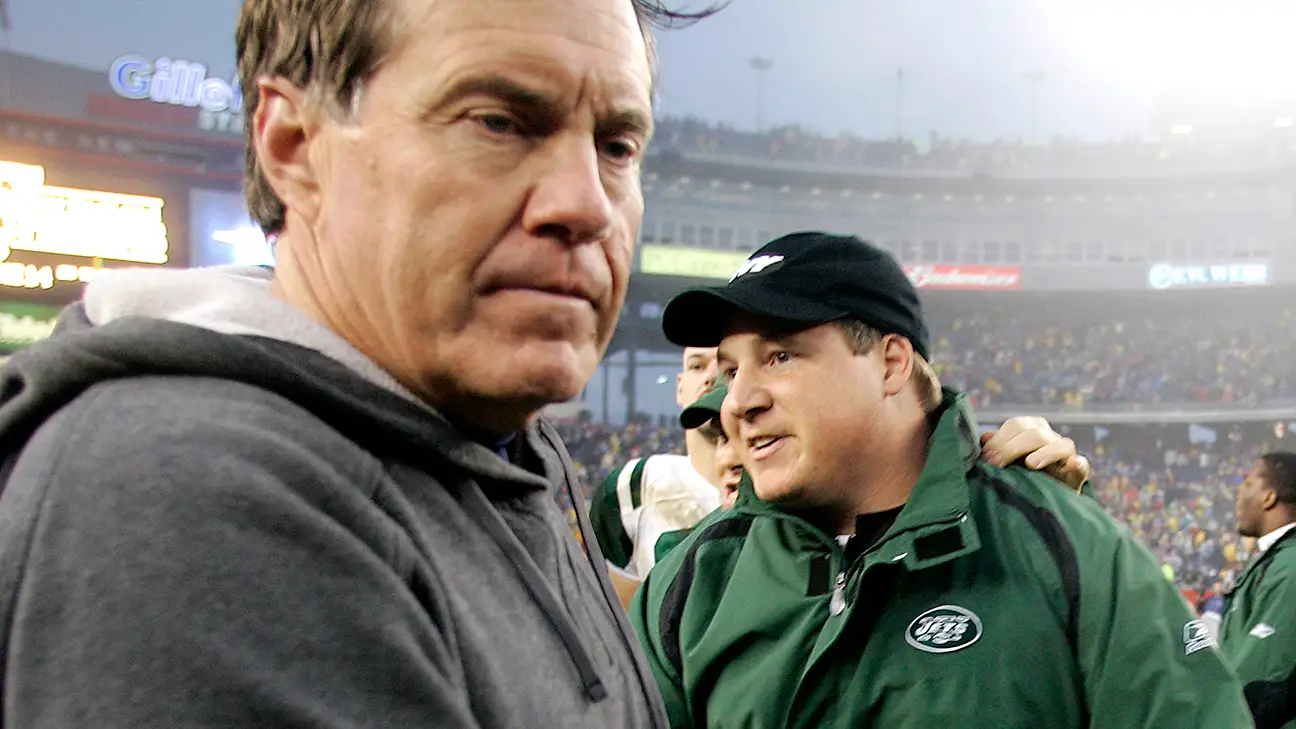
Eric Mangini’s move from Belichick’s staff to the Jets made their relationship tense, especially after the Spygate controversy damaged trust.
 Via Essentially Sports
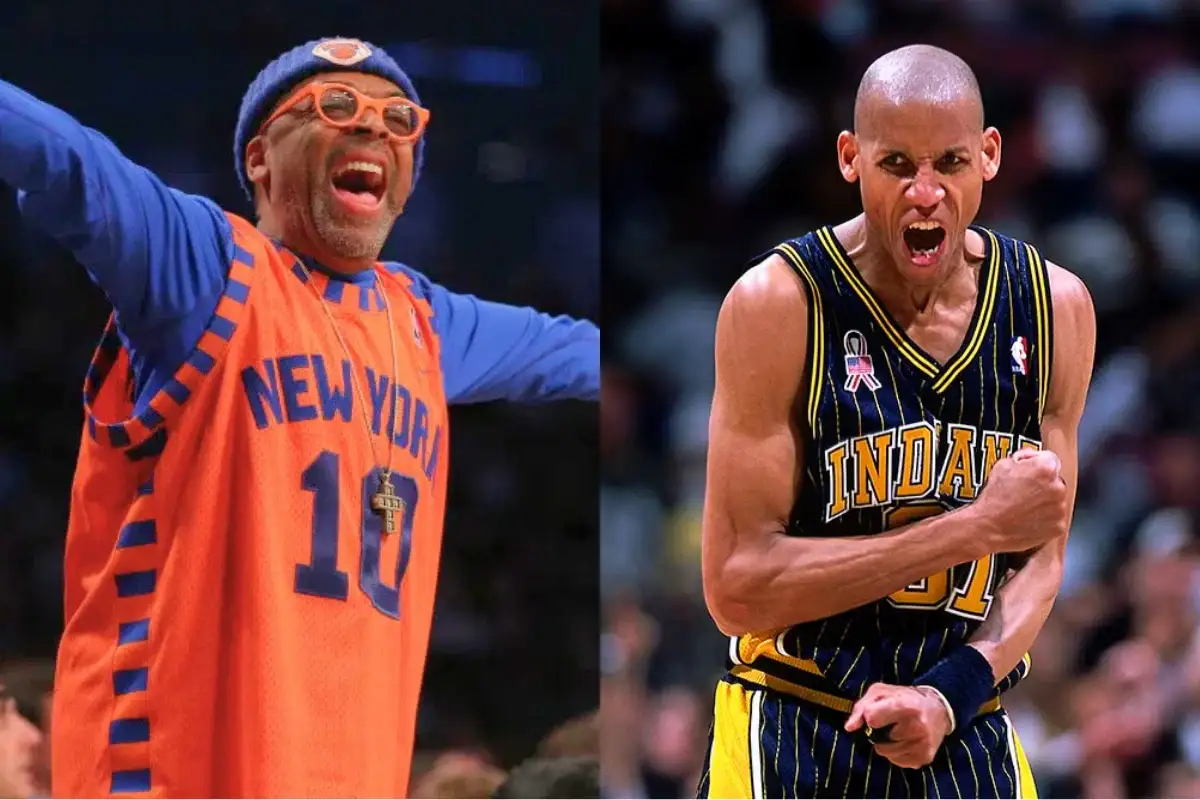
Reggie Miller and Spike Lee created an unforgettable NBA moment when Miller scored 8 points in 11 seconds while taunting Lee courtside.
 Via San Francisco 49ers
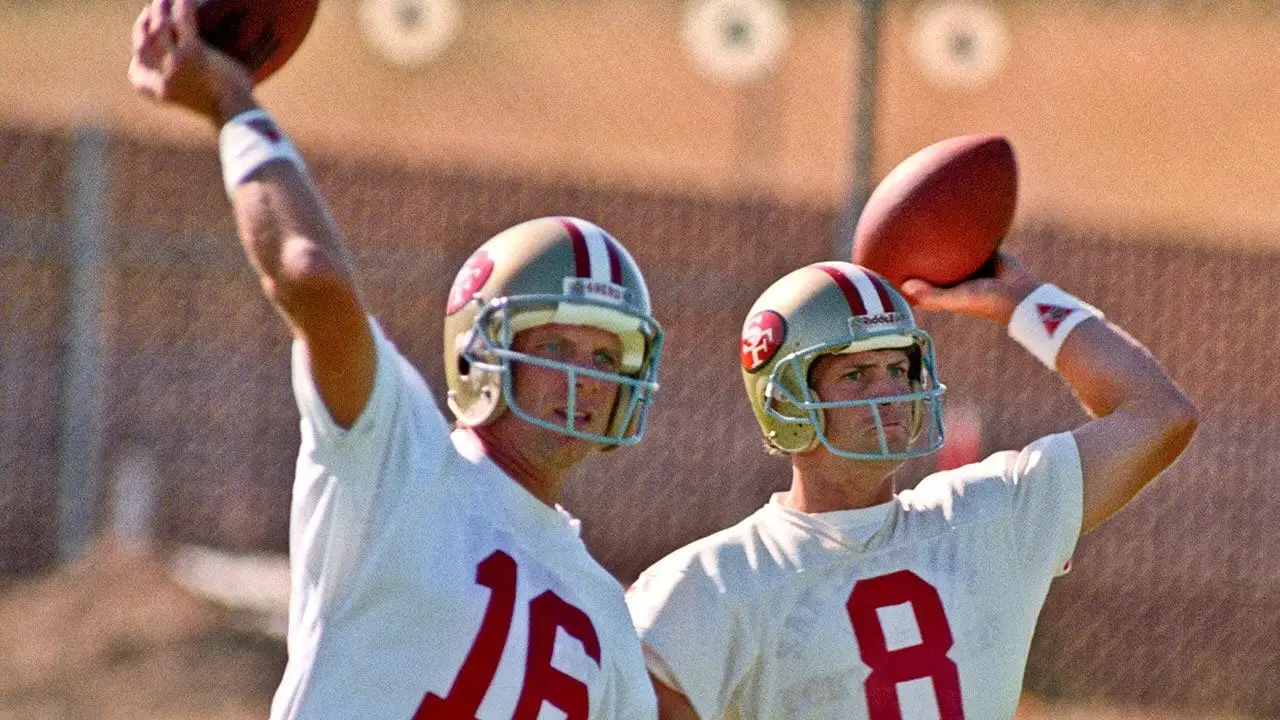
Joe Montana and Steve Young’s rivalry grew from a quarterback change, as Montana saw Young as a threat to his 49ers legacy.
 Via The US Sun
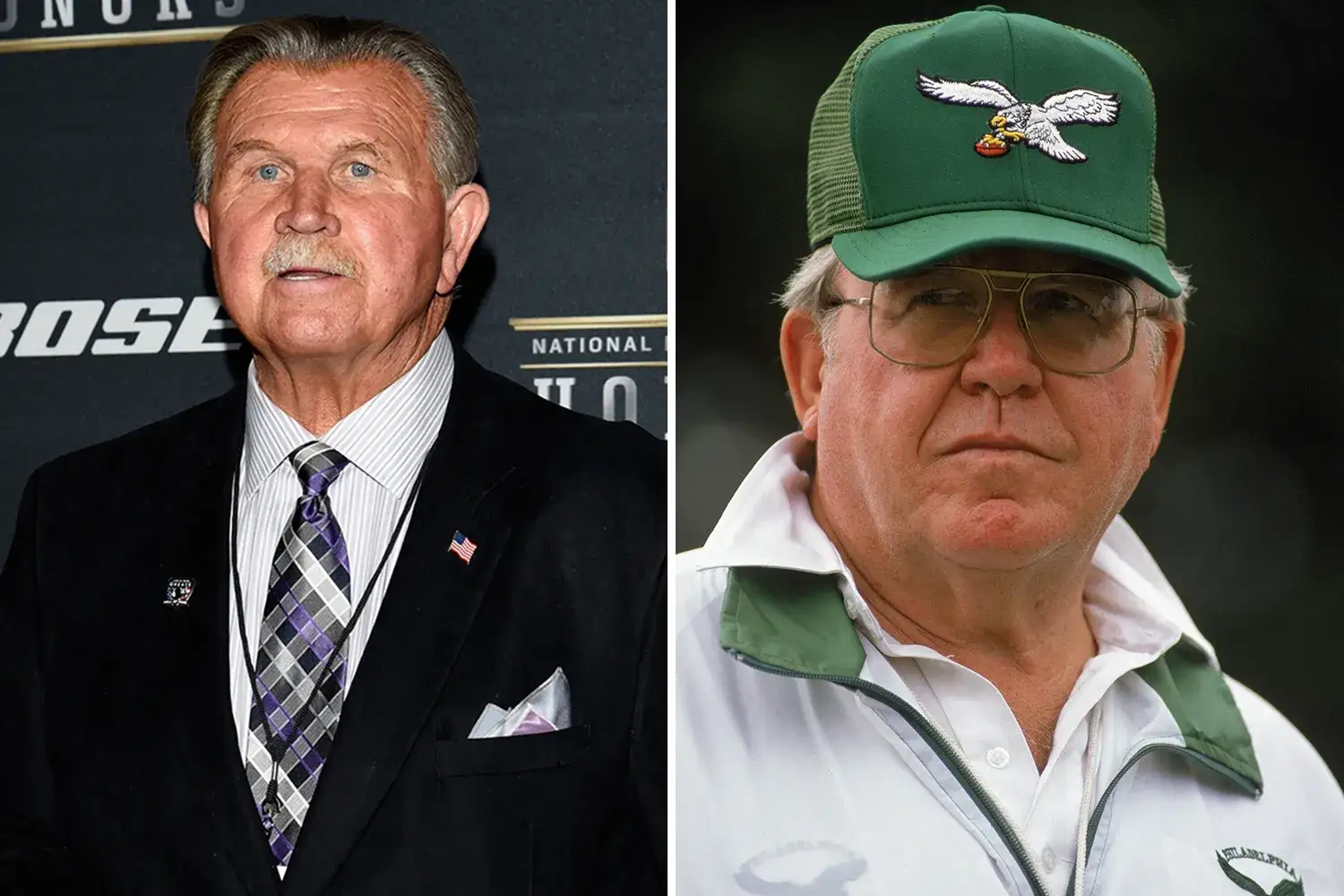
Mike Ditka and Buddy Ryan sparked a fiery coaching feud after Ryan lost the head-coaching job, creating years of tension.
 Via Bleacher Report
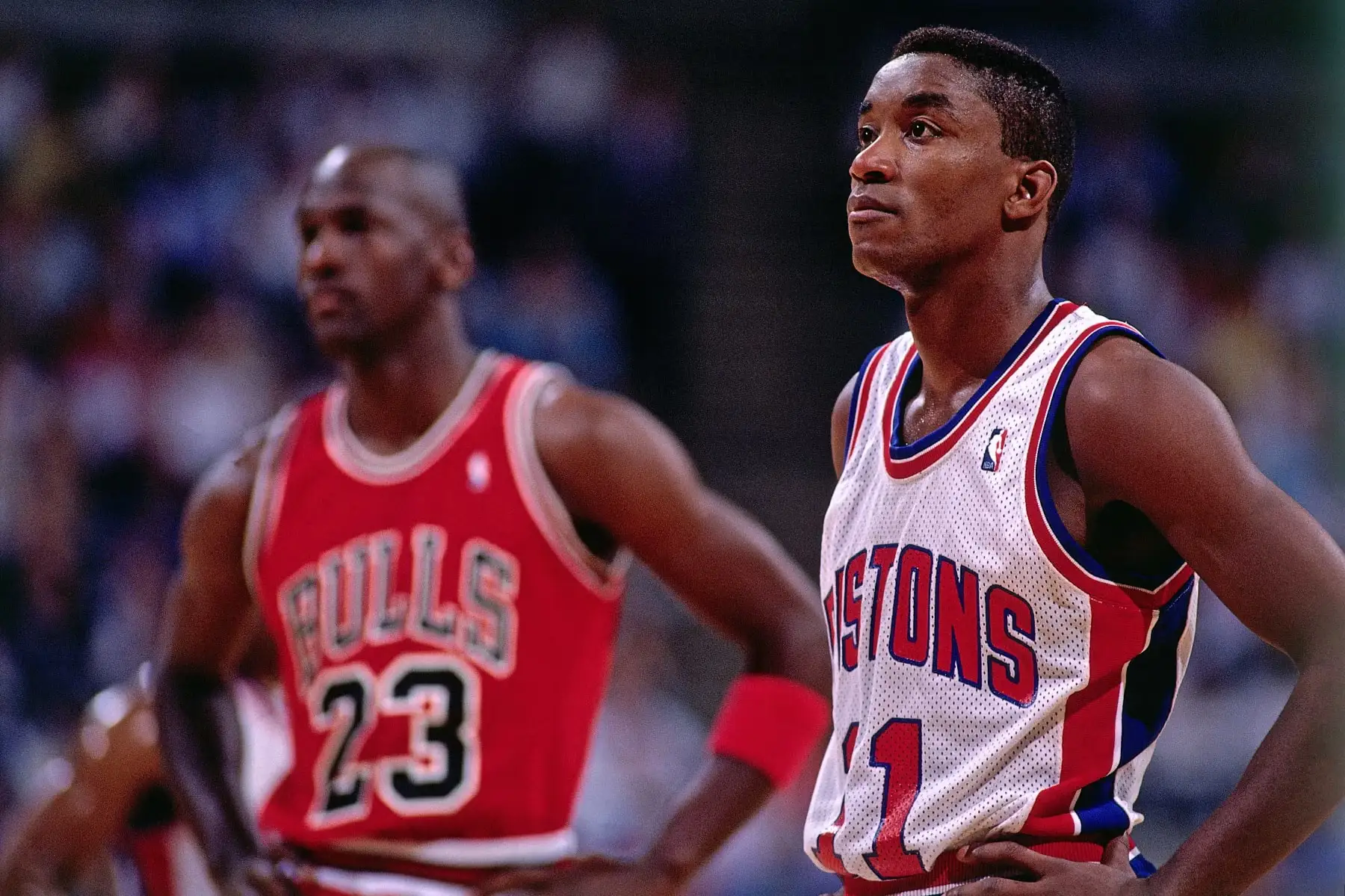
Michael Jordan and Isiah Thomas built a bitter NBA rivalry that affected reputations, respect, and even Olympic team discussions.
 Via Item Live
These rivalries also reveal the human side of competition. Athletes and coaches may be talented, wealthy, and famous, but they still deal with pride, anger, jealousy, pressure, and personal limits. Some rivalries become bitter and never fully heal. Others soften with time and turn into friendships. Chamberlain and Russell, Bird and Magic, and Palmer and Nicklaus showed that fierce competition does not always prevent respect.
Sports history is filled with rivalries because people remember conflict as much as achievement. Championships matter, but the path to them often matters even more. Rivalries give that path emotion and meaning. They make fans choose sides, defend legends, relive old moments, and debate greatness across generations. From hockey rinks and basketball courts to racetracks, golf courses, baseball diamonds, and football fields, individual rivalries have shaped the way people enjoy sports.
More in UnassignedVia History Snob
The biggest individual rivalries in sports often involve more than scores and statistics. Sidney Crosby and Alexander Ovechkin represented two hockey giants leading rival teams. Wilt Chamberlain and Bill Russell helped define an NBA era. Larry Bird and Magic Johnson turned basketball into must-watch television. Reggie Miller and Spike Lee showed that even a fan sitting courtside could become part of sports history. These rivalries shaped leagues, careers, and fan memories across hockey, basketball, football, baseball, golf, NASCAR, and college sports.
Sidney Crosby and Alexander Ovechkin
Via Bleacher Report
Crosby and Ovechkin became hockey’s biggest modern comparison, leading rival teams while fans debated skill, leadership, scoring, and championship value.
Boris Said and Greg Biffle
Via The Sports Rush
Their NASCAR feud grew after a crash at Watkins Glen, where Said openly criticized Biffle and turned racing tension into public anger.
Wilt Chamberlain and Bill Russell
Via OpenCourt Basketball
Chamberlain and Russell built one of basketball’s greatest rivalries, battling for NBA dominance while later showing friendship and mutual respect off court.
Larry Bird and Magic Johnson
Via The Sporting News
Bird and Magic turned college and NBA battles into a legendary rivalry built on competition, respect, championships, and contrasting basketball styles.
Tony La Russa and Dusty Baker
Via New York Times
These MLB managers clashed for years, creating one of baseball’s most memorable dugout rivalries through arguments, tension, and competitive fire.
Chad Johnson and Carson Palmer
Via Youtube
Johnson and Palmer’s Bengals partnership became strained as frustration, sideline arguments, and team struggles damaged their quarterback-receiver relationship.
Bud Selig and Pete Rose
Rose’s gambling scandal and lifetime baseball ban created lasting tension with Selig, especially after Rose sought reinstatement but remained outside MLB.
Jim Harbaugh and Jim Schwartz
Via Sports Illustrated
Harbaugh and Schwartz turned a postgame handshake into NFL drama, proving coaching rivalries can explode over emotion, pride, and sportsmanship.
Kyle Busch and Kevin Harvick
Via NASCAR
Busch and Harvick’s NASCAR feud mixed aggressive driving, personal dislike, and post-race confrontation, making their rivalry a fan-discussed spectacle.
Peyton Manning and Mike Vanderjagt
Via Sports Rush
Vanderjagt criticized Manning’s leadership after a playoff loss, leading Manning to respond sharply and create one of football’s funniest feuds.
Lane Kiffin and Al Davis
Kiffin’s ugly Raiders exit became a bitter clash with owner Al Davis, showing how power struggles can damage coach-owner relationships.
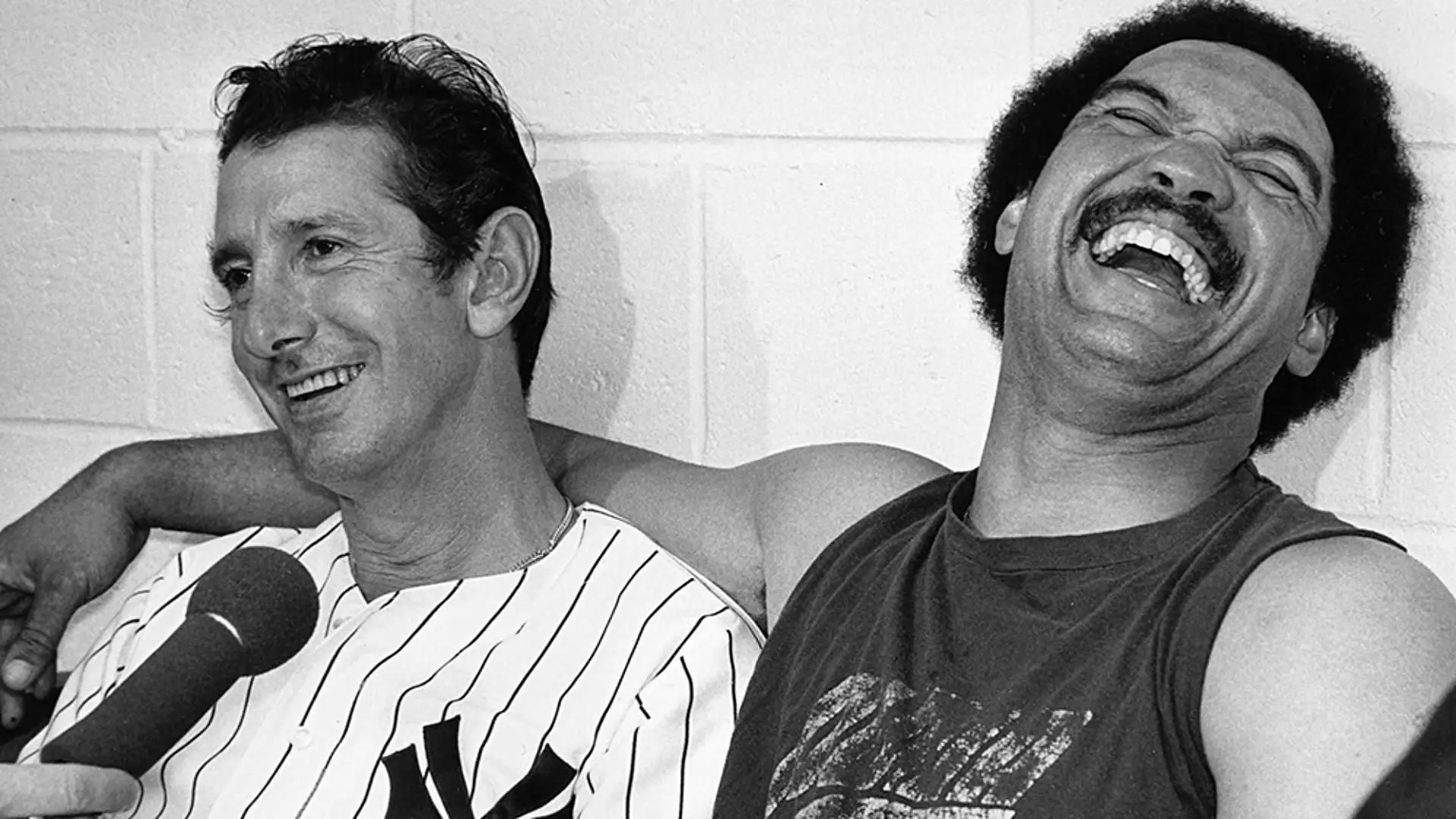
Reggie Jackson and Billy Martin
Via The Sporting News
Jackson and Martin often argued publicly with the Yankees, yet their tense relationship did not stop New York from winning big.
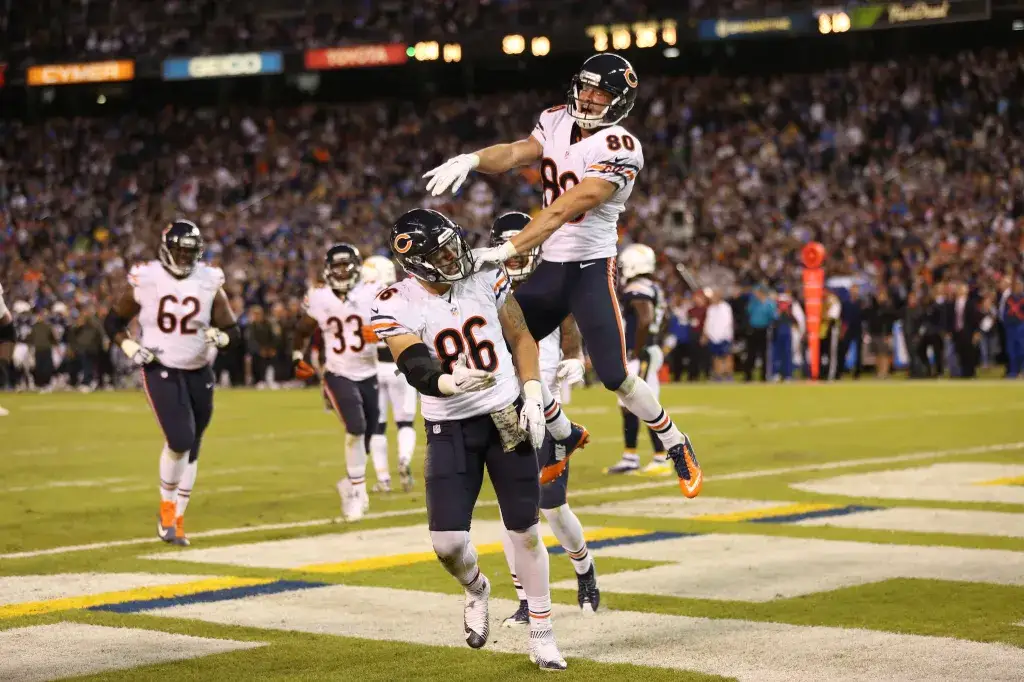
Jay Cutler and Philip Rivers
Via Hartford Courant
Cutler and Rivers became known for trash talk and visible dislike, giving NFL fans a quarterback rivalry filled with attitude.
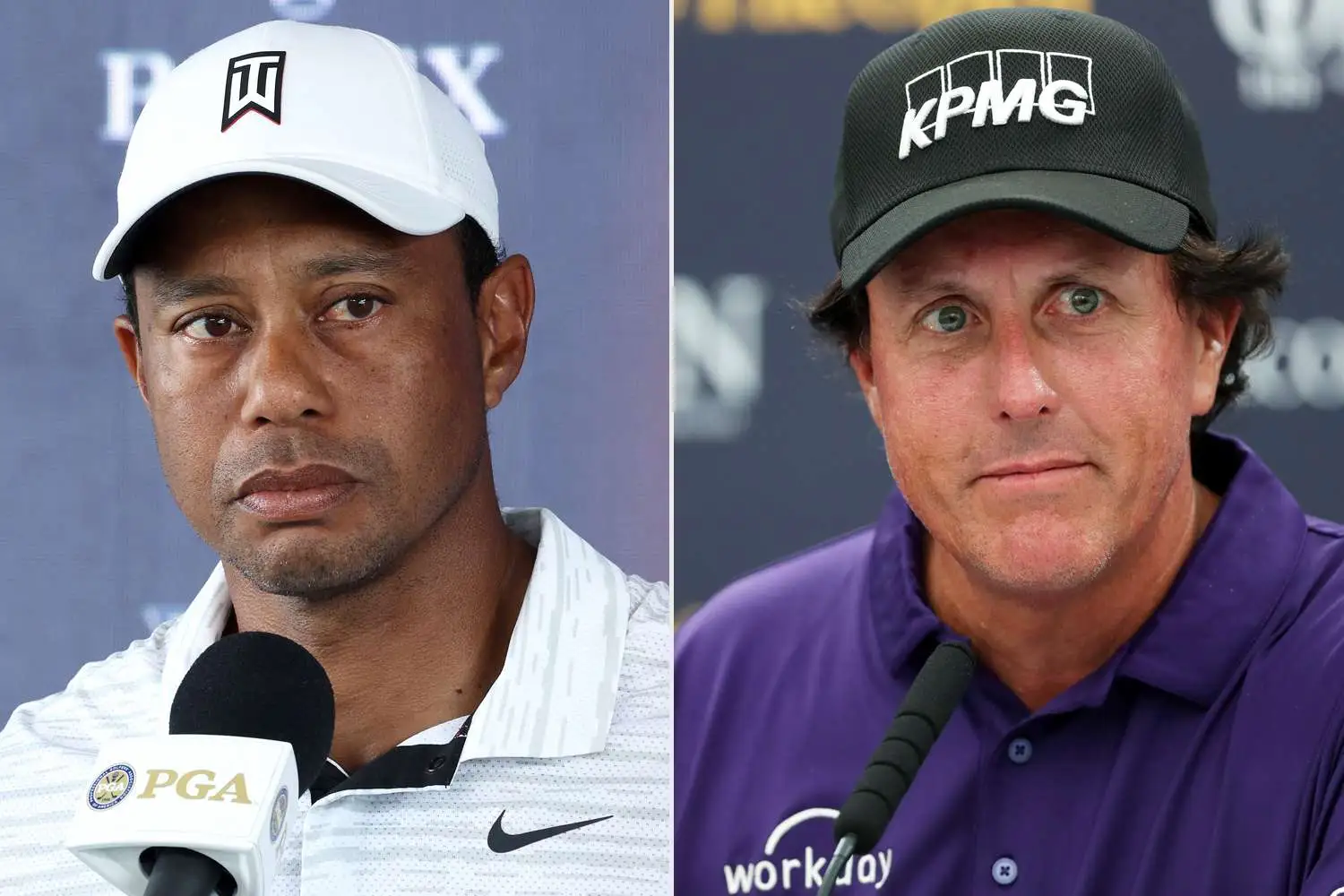
Tiger Woods and Phil Mickelson
Via People
Woods and Mickelson carried golf’s biggest modern tension, with media attention rising whenever both stars appeared together in major tournaments.
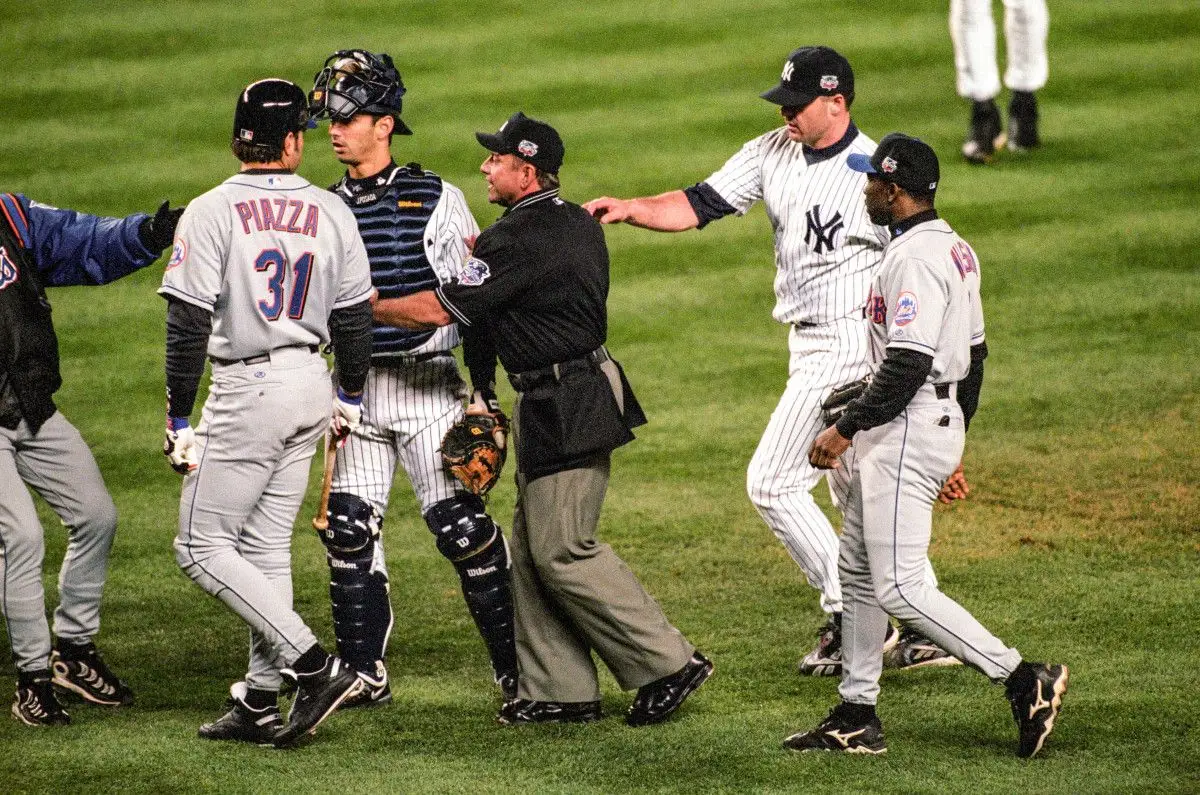
Roger Clemens and Mike Piazza
Via Sports Illustrated
Clemens and Piazza’s baseball rivalry became famous after a hit-by-pitch, a broken bat incident, and World Series tension.
Pete Carroll and Jim Harbaugh
Via Bleacher Report
Carroll and Harbaugh’s college football feud grew through USC-Stanford battles, running up scores, and one famous “What’s your deal?” moment.
Arnold Palmer and Jack Nicklaus
Via Sky Sports
Palmer and Nicklaus gave golf a classic rivalry, mixing different images, playing styles, fan bases, and long-term greatness.
Jeff Kent and Barry Bonds
Via Sans Fransico Chronicle
Kent and Bonds struggled as Giants teammates, with personality clashes and public tension eventually pushing Kent away from San Francisco.
Martin Brodeur and Sean Avery
Via ESPN
Avery’s unusual playoff tactics against Brodeur led to anger, a handshake snub, and a rule change in the NHL.
Steve Spurrier and Bobby Bowden
Via ESPN
Spurrier and Bowden’s college football rivalry included sharp comments, conference pride, NCAA controversy, and years of high-pressure games.
Stan Van Gundy and Dwight Howard
Via Ornaldo Magic
Stan Van Gundy and Dwight Howard’s tension became public during Orlando’s difficult period, creating one of the NBA’s most awkward coach-player situations.
Shaquille O’Neal and Stan Van Gundy
Via Basketball Network
Shaquille O’Neal and Stan Van Gundy clashed in Miami, where superstar power and coaching control created a difficult relationship inside the Heat.
Eric Mangini and Bill Belichick
Via ESPN
Eric Mangini’s move from Belichick’s staff to the Jets made their relationship tense, especially after the Spygate controversy damaged trust.
Reggie Miller and Spike Lee
Via Essentially Sports
Reggie Miller and Spike Lee created an unforgettable NBA moment when Miller scored 8 points in 11 seconds while taunting Lee courtside.
Joe Montana and Steve Young
Via San Francisco 49ers
Joe Montana and Steve Young’s rivalry grew from a quarterback change, as Montana saw Young as a threat to his 49ers legacy.
Mike Ditka and Buddy Ryan
Via The US Sun
Mike Ditka and Buddy Ryan sparked a fiery coaching feud after Ryan lost the head-coaching job, creating years of tension.
Michael Jordan and Isiah Thomas
Via Bleacher Report
Michael Jordan and Isiah Thomas built a bitter NBA rivalry that affected reputations, respect, and even Olympic team discussions.
Why Rivalries Matter in Sports?
Great rivalries help turn regular games into events. Fans watch not only to see who wins, but also to see how rivals react, compete, and handle pressure. The best rivalries create stories that continue beyond the scoreboard. A stare, handshake, quote, hit, or late-game shot can become part of sports culture. They prove that competition is not just about winning. It is also about pride, legacy, emotion, and the unforgettable stories created when strong personalities collide.
Via Item Live
These rivalries also reveal the human side of competition. Athletes and coaches may be talented, wealthy, and famous, but they still deal with pride, anger, jealousy, pressure, and personal limits. Some rivalries become bitter and never fully heal. Others soften with time and turn into friendships. Chamberlain and Russell, Bird and Magic, and Palmer and Nicklaus showed that fierce competition does not always prevent respect.
Sports history is filled with rivalries because people remember conflict as much as achievement. Championships matter, but the path to them often matters even more. Rivalries give that path emotion and meaning. They make fans choose sides, defend legends, relive old moments, and debate greatness across generations. From hockey rinks and basketball courts to racetracks, golf courses, baseball diamonds, and football fields, individual rivalries have shaped the way people enjoy sports.