Unassigned
The Untold Story Behind America’s First Declaration
William Penn inherited more than family wealth because he also benefited from the strong relationship his father had established with the English monarchy. Although his father had served during a turbulent political period, he remained respected after the restoration of King Charles II. That royal connection later shaped the future of one of Britain's American colonies.
Penn followed a different path from his father by embracing the Quaker faith, a Christian movement that faced severe discrimination in England. His religious beliefs brought challenges, yet they also strengthened his determination to establish a place where peaceful believers could practice their faith without constant persecution or government interference.
 Via The Epoch Times
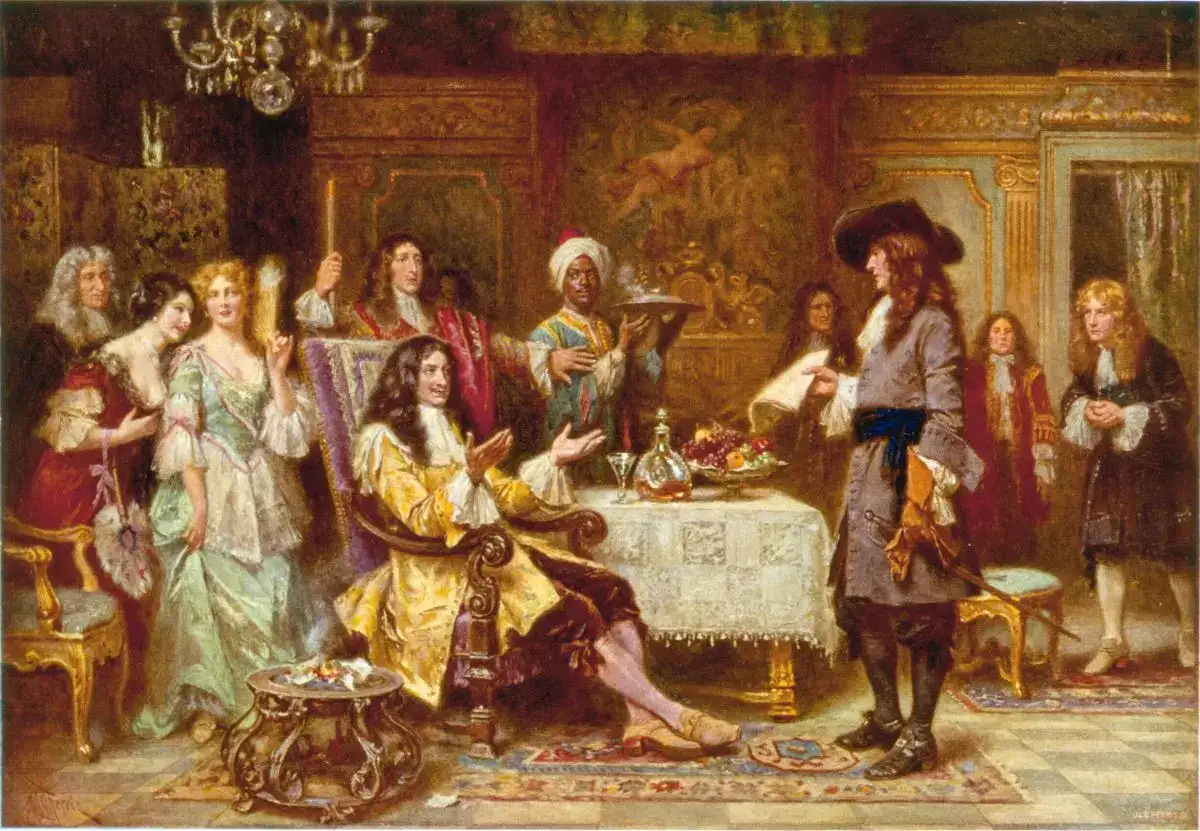
In 1681, King Charles II granted Penn a vast tract of land in North America as repayment for money owed to Penn's late father. Covering nearly 45,000 square miles, the new province became Pennsylvania, providing Penn with an opportunity to create a colony based on religious tolerance, orderly government, and responsible settlement.
 Via WPXI
Religious liberty appeared among the charter's important principles, allowing people who acknowledged one Almighty God and lived peacefully within society to worship according to their conscience. This protection represented a remarkable step during an era of religious disagreements.
Penn later revised the charter during his final visit to Pennsylvania, placing freedom of conscience near the beginning of the document. The updated version emphasized that peaceful citizens should never suffer discrimination because of their religious beliefs, reinforcing the colony's growing reputation.
 Via Britannica
 Via Britannica
The State House eventually gained worldwide recognition as Independence Hall, yet its importance grew gradually through decades of political meetings and public announcements. Long before independence was declared, the building served as the center of colonial government and became closely connected with Pennsylvania's expanding influence.
 Via Riched Nixon
His contributions extended beyond business because he served on Philadelphia's Common Council, participated actively in church leadership, and accepted military responsibilities during King George's War. These roles demonstrated his dedication to protecting both the prosperity and security of the growing colonial city.
After Richard Nixon died in 1749, his son John Nixon assumed responsibility for the family business and continued the tradition of public service. His leadership abilities, commercial experience, and growing involvement in civic affairs prepared him for the historic role.
 Via Britannica
 Via History
As political disagreements between Britain and the colonies intensified, Nixon became increasingly involved in public discussions about taxation, representation, and colonial rights. His experience in business, government, and military service made him a trusted figure whose opinions carried significant influence.
 Via National Today
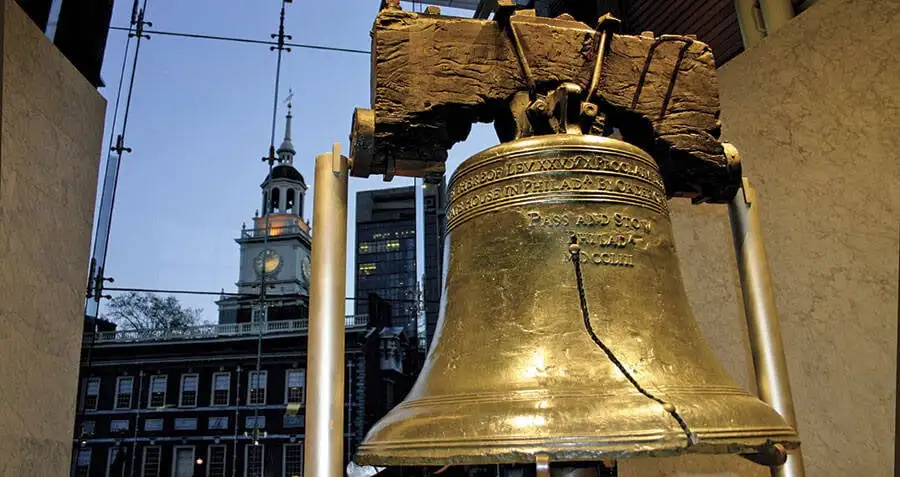
Assembly Speaker Isaac Norris instructed London's craftsmen to create a bell bearing the biblical inscription, "Proclaim Liberty throughout all the Land unto all the Inhabitants thereof." The message, taken from the Book of Leviticus, reflected ideals of freedom, renewal, and equal treatment.
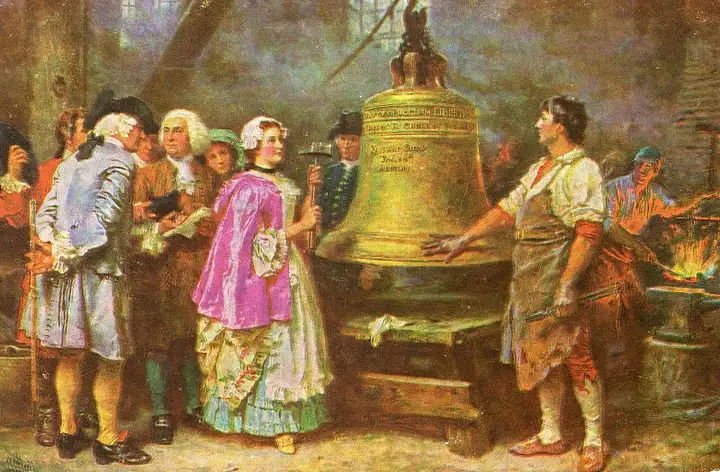
The original bell arrived from England in 1752 but cracked during its first public sound test, disappointing everyone involved in the project. Local craftsmen John Pass and John Stow recast the damaged bell, producing the version that eventually became one of the most recognizable symbols in American history.
 Via All the Interesting
 Via Historical Easter
As Parliament introduced measures such as the Sugar Act, Stamp Act, Townshend Acts, and Tea Act, the bell repeatedly summoned citizens to discuss protests and organized responses. Each gathering strengthened colonial unity, encouraging people to defend what they believed were their traditional rights as British subjects.
 Via Robert Riched
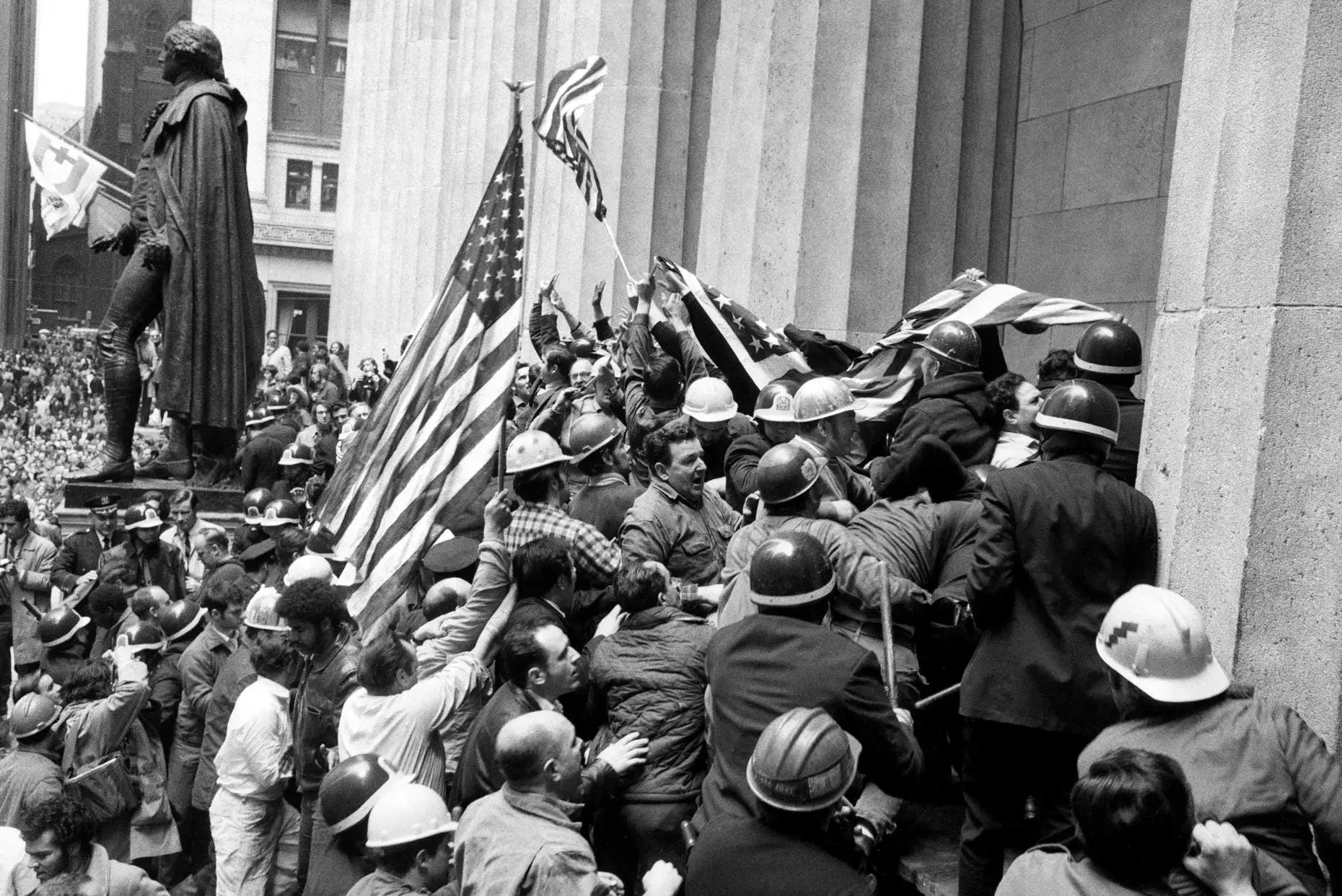
Nixon became an active participant in committees formed to coordinate colonial responses to Parliament's increasingly unpopular legislation. Working alongside other respected leaders, he helped organize meetings, communicate with neighboring colonies, and support efforts designed to protect constitutional rights through peaceful cooperation whenever possible.
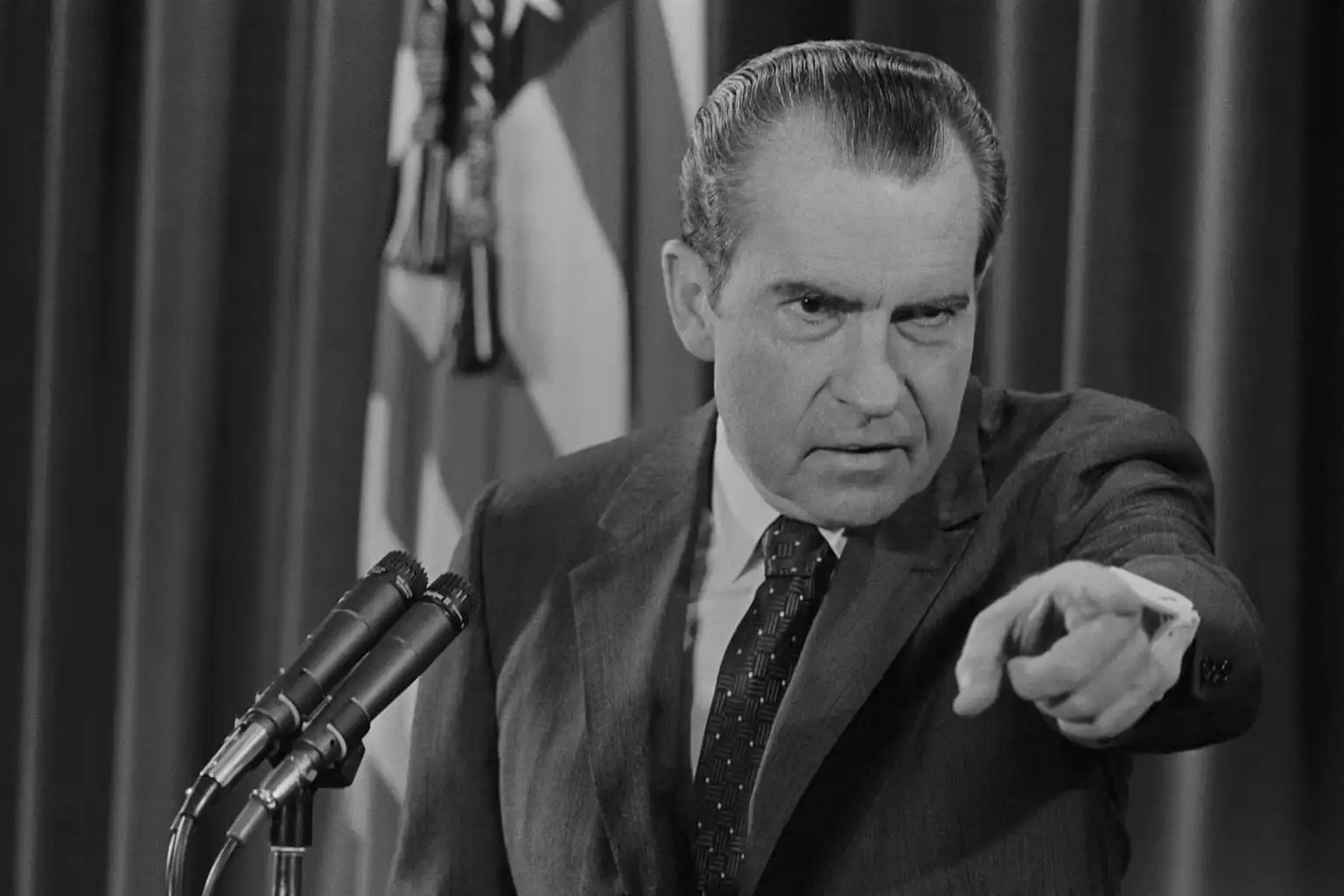
His involvement expanded even further after the passage of the Intolerable Acts in 1774. Nixon served on important committees that gathered public opinion, supported Boston during its crisis, and encouraged cooperation among the colonies, laying essential groundwork for the Continental Congress and the movement toward independence.
 Via The Conversation
 Via American Battle
As delegates gathered inside the Pennsylvania State House for the Second Continental Congress, Nixon also served on the Committee of Safety and assisted with protecting the city. His combined military and civic duties placed him close to many of the historic decisions that would soon reshape the future of the American colonies.
 Via Uchicago
Although the document was officially adopted on Independence Day, the public did not immediately hear its inspiring words. Printed copies were prepared overnight by Philadelphia printer John Dunlap, allowing the Declaration to be distributed throughout the colonies before public readings began in important towns and cities.
The historic decision marked far more than a political announcement because it introduced a new vision of government founded upon liberty, equality, and the rights of the people. Those principles would influence generations far beyond the Revolutionary era and continue shaping democratic ideals around the world.
 Via Britannica
 Via Civics for Life
Nixon's powerful public reading introduced the Declaration of Independence to ordinary citizens for the first time, transforming written words into a shared national experience. The announcement inspired hope, determination, and unity among listeners while confirming that the colonies had officially chosen the path toward independence and self-government.
.
More in UnassignedVia The Epoch Times
In 1681, King Charles II granted Penn a vast tract of land in North America as repayment for money owed to Penn's late father. Covering nearly 45,000 square miles, the new province became Pennsylvania, providing Penn with an opportunity to create a colony based on religious tolerance, orderly government, and responsible settlement.
The Charter That Shaped Pennsylvania
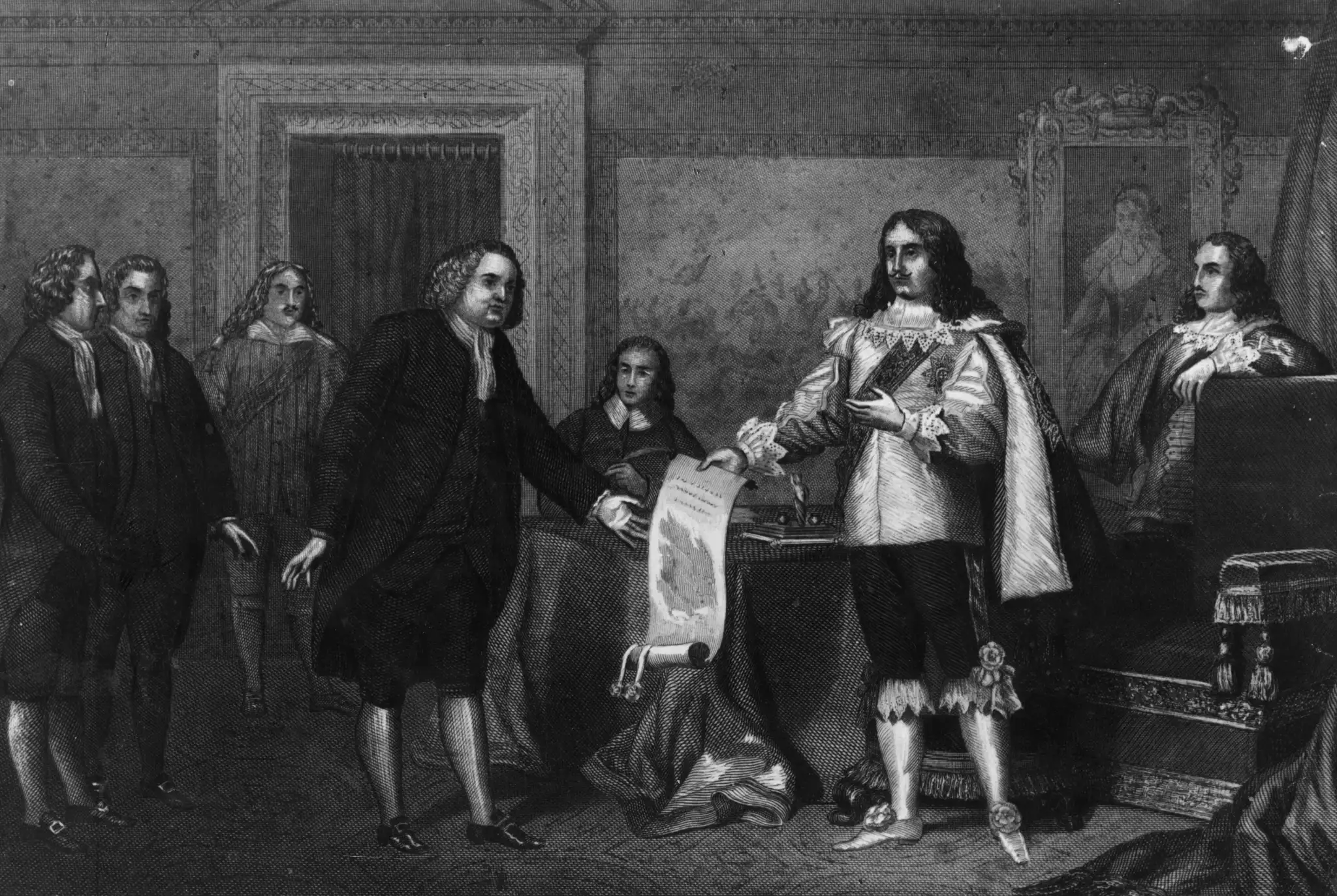
After receiving his colonial grant, Penn introduced a governing framework known as the Charter of Liberties. The document established important rules for civil government while reflecting the Christian values that influenced his political thinking and personal beliefs throughout his life.Via WPXI
Religious liberty appeared among the charter's important principles, allowing people who acknowledged one Almighty God and lived peacefully within society to worship according to their conscience. This protection represented a remarkable step during an era of religious disagreements.
Penn later revised the charter during his final visit to Pennsylvania, placing freedom of conscience near the beginning of the document. The updated version emphasized that peaceful citizens should never suffer discrimination because of their religious beliefs, reinforcing the colony's growing reputation.
Via Britannica
Philadelphia Became the Heart of Colonial Pennsylvania
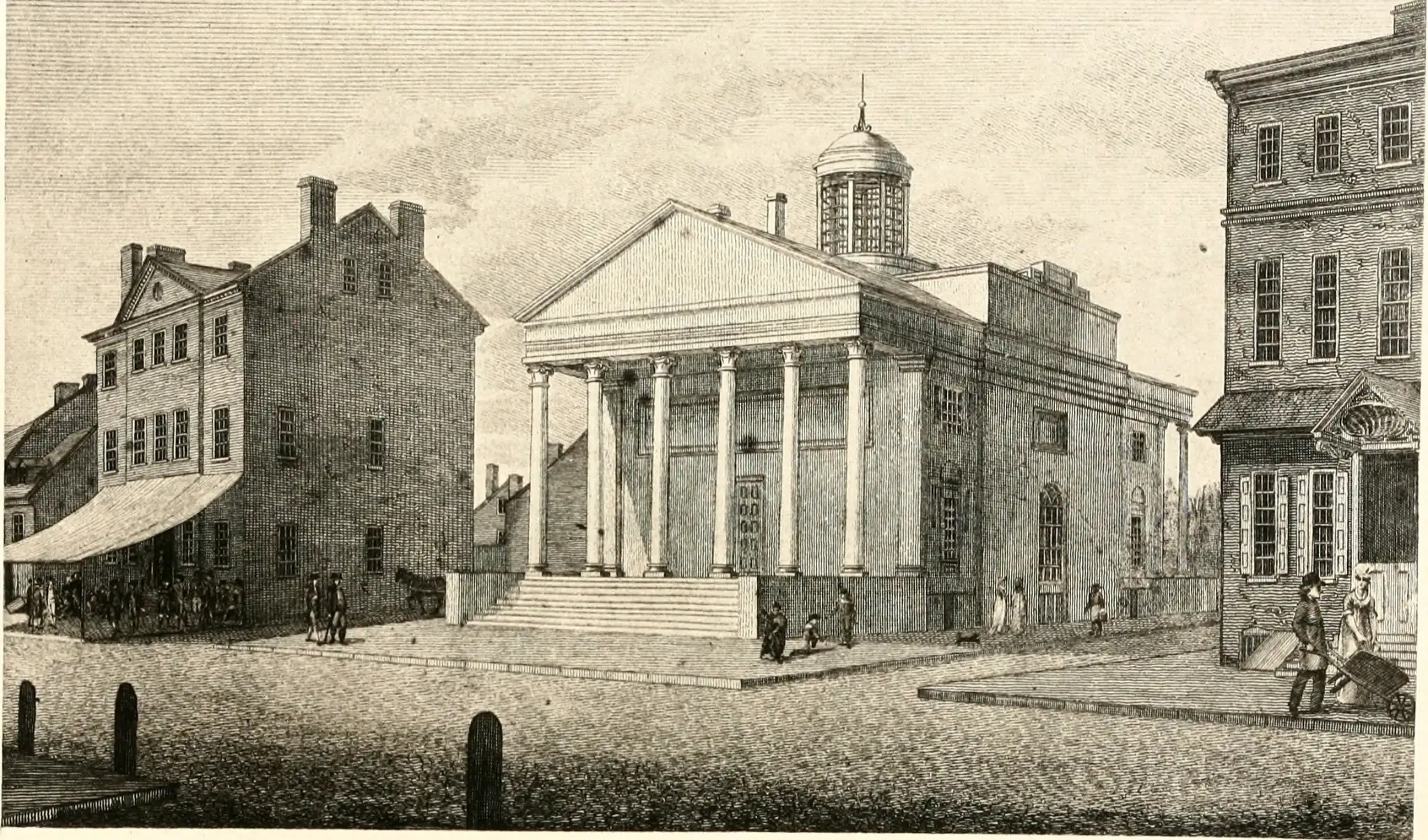
As Pennsylvania expanded, Philadelphia quickly developed into its political and commercial center. Leaders recognized the need for a permanent building where lawmakers could meet, debate important matters, and manage the growing colony's affairs with greater efficiency and organization. Construction of the Pennsylvania State House began in 1732 using elegant Georgian architecture that reflected stability and civic pride. By 1736, the assembly had moved into the completed building, which later became one of the most significant landmarks in American history because of the events that unfolded within its walls.Via Britannica
The State House eventually gained worldwide recognition as Independence Hall, yet its importance grew gradually through decades of political meetings and public announcements. Long before independence was declared, the building served as the center of colonial government and became closely connected with Pennsylvania's expanding influence.
The Nixon Family’s Influence in Philadelphia
Richard Nixon, an Irish immigrant and successful merchant, established a respected business along Philadelphia's busy Front Street. His commercial success earned him an important place within the city's economic community, while his commitment to public service strengthened his reputation among fellow citizens and local officials.Via Riched Nixon
His contributions extended beyond business because he served on Philadelphia's Common Council, participated actively in church leadership, and accepted military responsibilities during King George's War. These roles demonstrated his dedication to protecting both the prosperity and security of the growing colonial city.
After Richard Nixon died in 1749, his son John Nixon assumed responsibility for the family business and continued the tradition of public service. His leadership abilities, commercial experience, and growing involvement in civic affairs prepared him for the historic role.
Via Britannica
John Nixon’s Growing Role in Colonial Leadership
John Nixon quickly earned respect as both a successful merchant and a dependable community leader after taking over his family's business. His commercial connections strengthened Philadelphia's economy, while his active participation in civic affairs demonstrated a deep commitment to the welfare and future of the growing colony. Military service also became an important part of Nixon's life during the French and Indian War. He succeeded Thomas Willing as lieutenant of the Dock Ward Company, continuing a tradition of leadership that had begun with his father and preparing him for greater responsibilities.Via History
As political disagreements between Britain and the colonies intensified, Nixon became increasingly involved in public discussions about taxation, representation, and colonial rights. His experience in business, government, and military service made him a trusted figure whose opinions carried significant influence.
The Bell That Became a Powerful Symbol
During the early 1750s, Pennsylvania celebrated the fiftieth anniversary of William Penn's second Charter of Liberties by commissioning a large bell for the newly completed tower of the Pennsylvania State House. Leaders wanted the bell to represent justice, civic responsibility, and the principles upon which the colony had been established.Via National Today
Assembly Speaker Isaac Norris instructed London's craftsmen to create a bell bearing the biblical inscription, "Proclaim Liberty throughout all the Land unto all the Inhabitants thereof." The message, taken from the Book of Leviticus, reflected ideals of freedom, renewal, and equal treatment.
The original bell arrived from England in 1752 but cracked during its first public sound test, disappointing everyone involved in the project. Local craftsmen John Pass and John Stow recast the damaged bell, producing the version that eventually became one of the most recognizable symbols in American history.
Via All the Interesting
The Bell Called Citizens Together During Historic Events
Once installed in the State House tower, the bell served as the colony's primary signal for important announcements and public gatherings. Its familiar sound invited residents to assemble whenever major political decisions, celebrations, emergencies, or official news required the attention of Philadelphia's growing population. The bell rang in recognition of King George III's accession to the British throne in 1761, reflecting the colonies' continued loyalty to the Crown at that time. Few residents could have imagined that relations with Britain would soon deteriorate and transform the bell into a lasting symbol of liberty.
Via Historical Easter
As Parliament introduced measures such as the Sugar Act, Stamp Act, Townshend Acts, and Tea Act, the bell repeatedly summoned citizens to discuss protests and organized responses. Each gathering strengthened colonial unity, encouraging people to defend what they believed were their traditional rights as British subjects.
Rising Tensions Inspired John Nixon’s Patriot Leadership
The growing conflict between Britain and the American colonies affected merchants like John Nixon directly because new taxes and trade restrictions disrupted commerce. Rather than remaining silent, Nixon joined early non-importation agreements that encouraged colonists to reduce their dependence on British manufactured goods.Via Robert Riched
Nixon became an active participant in committees formed to coordinate colonial responses to Parliament's increasingly unpopular legislation. Working alongside other respected leaders, he helped organize meetings, communicate with neighboring colonies, and support efforts designed to protect constitutional rights through peaceful cooperation whenever possible.
His involvement expanded even further after the passage of the Intolerable Acts in 1774. Nixon served on important committees that gathered public opinion, supported Boston during its crisis, and encouraged cooperation among the colonies, laying essential groundwork for the Continental Congress and the movement toward independence.
Via The Conversation
Philadelphia Prepared for Revolution
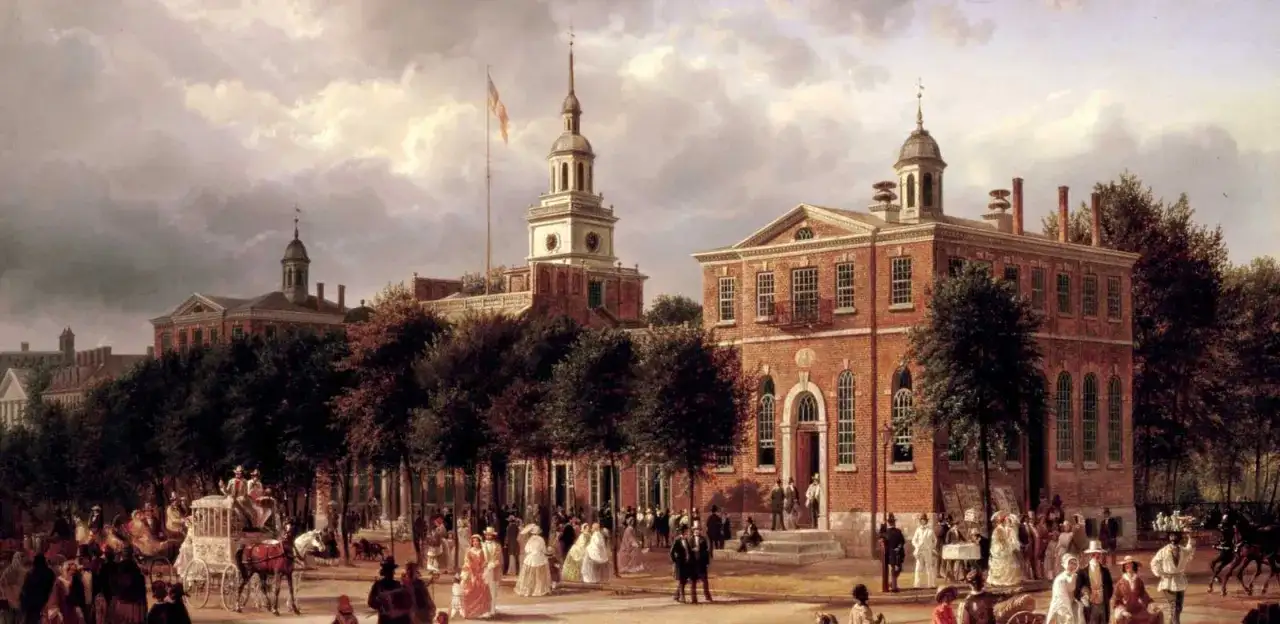
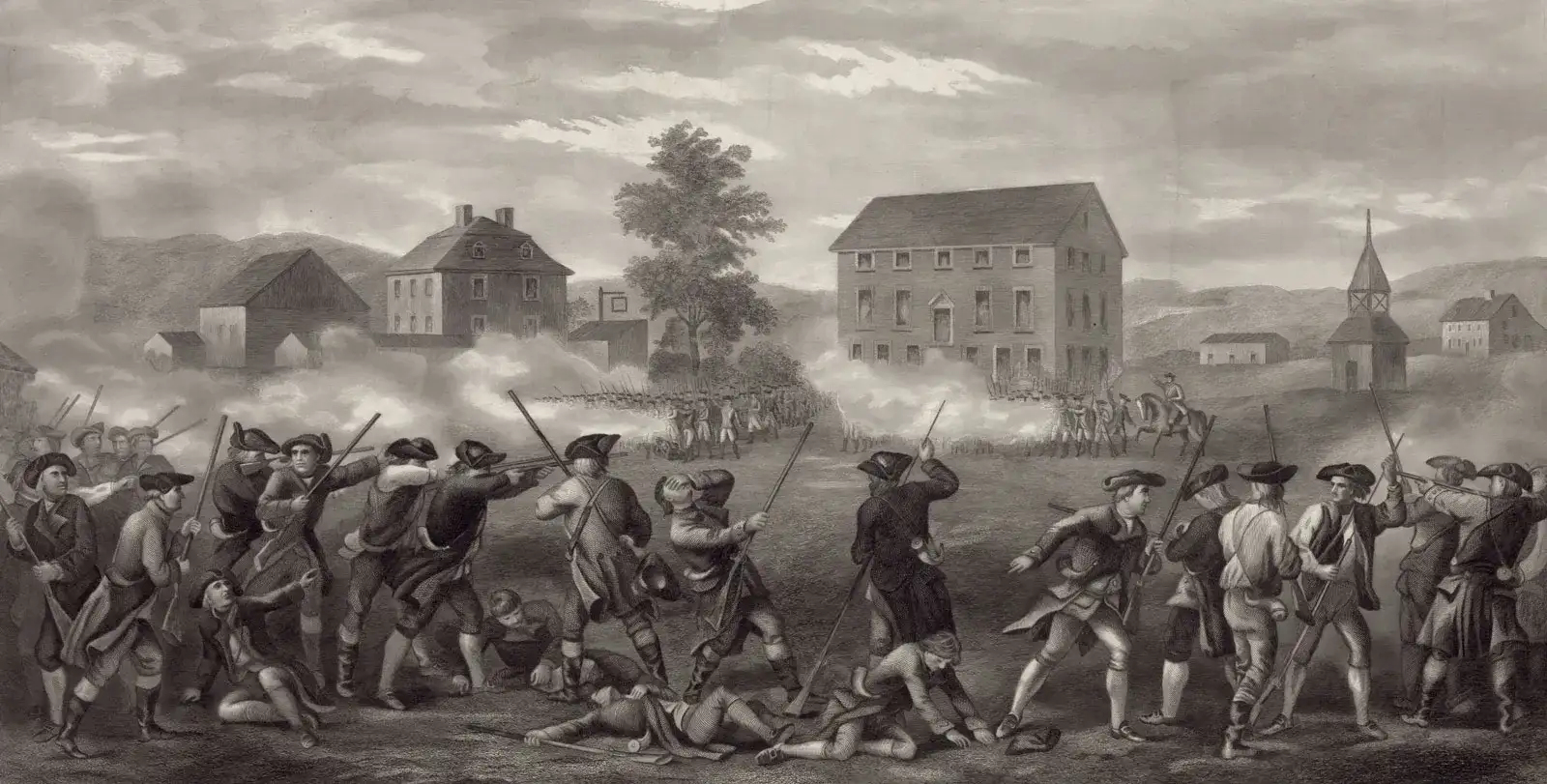
The outbreak of the Revolutionary War in April 1775 transformed Philadelphia into one of the most important centers of American resistance. News of the Battles of Lexington and Concord reached the city quickly, prompting local leaders to strengthen defenses and organize volunteer militia units for the protection of Pennsylvania. John Nixon accepted even greater military responsibility during this critical period when he became lieutenant colonel of one of Philadelphia's Associator battalions. His leadership reflected the confidence placed in him by fellow citizens who recognized his experience in both military service and public affairs.Via American Battle
As delegates gathered inside the Pennsylvania State House for the Second Continental Congress, Nixon also served on the Committee of Safety and assisted with protecting the city. His combined military and civic duties placed him close to many of the historic decisions that would soon reshape the future of the American colonies.
The Declaration of Independence Changed History
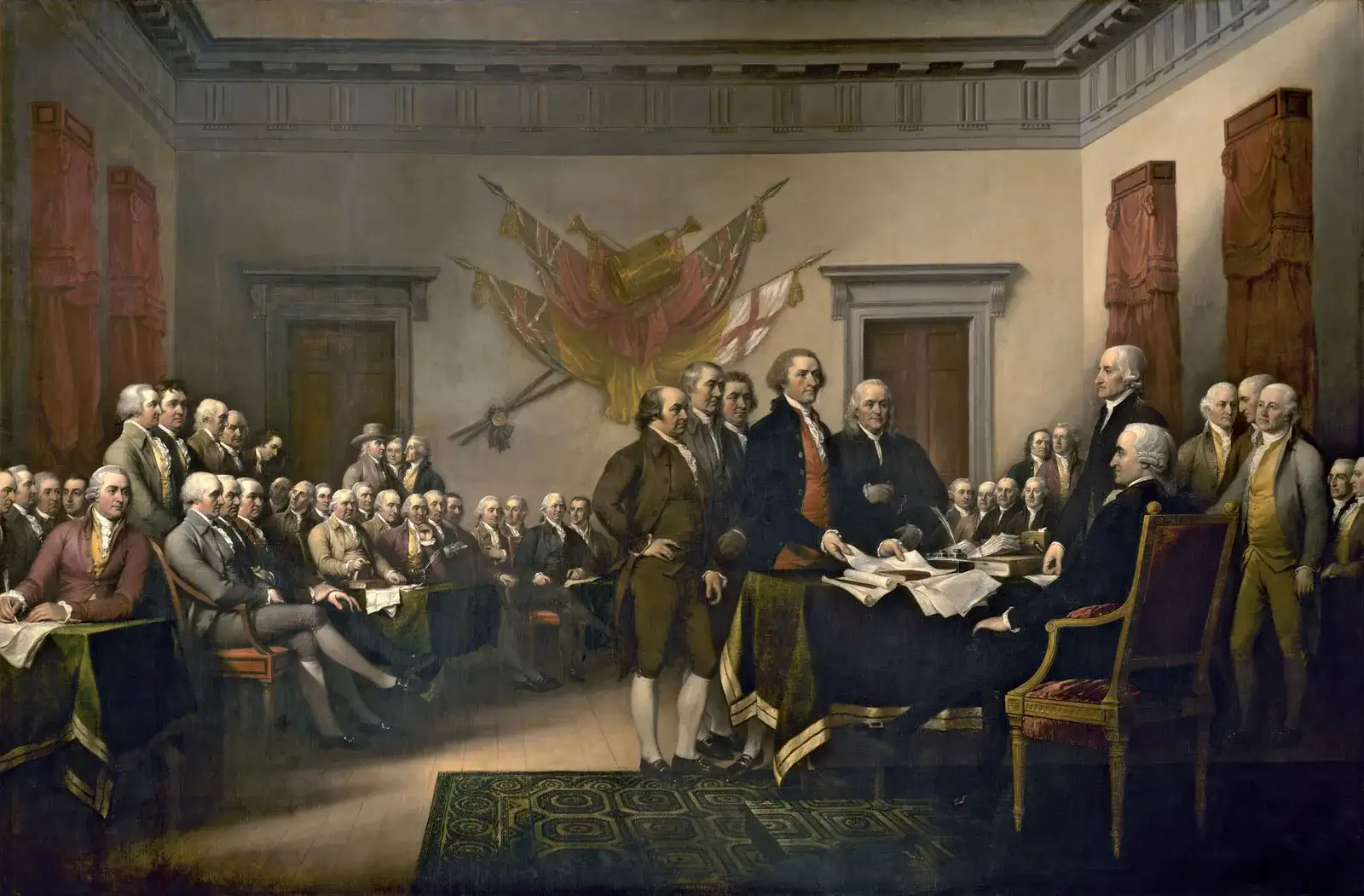
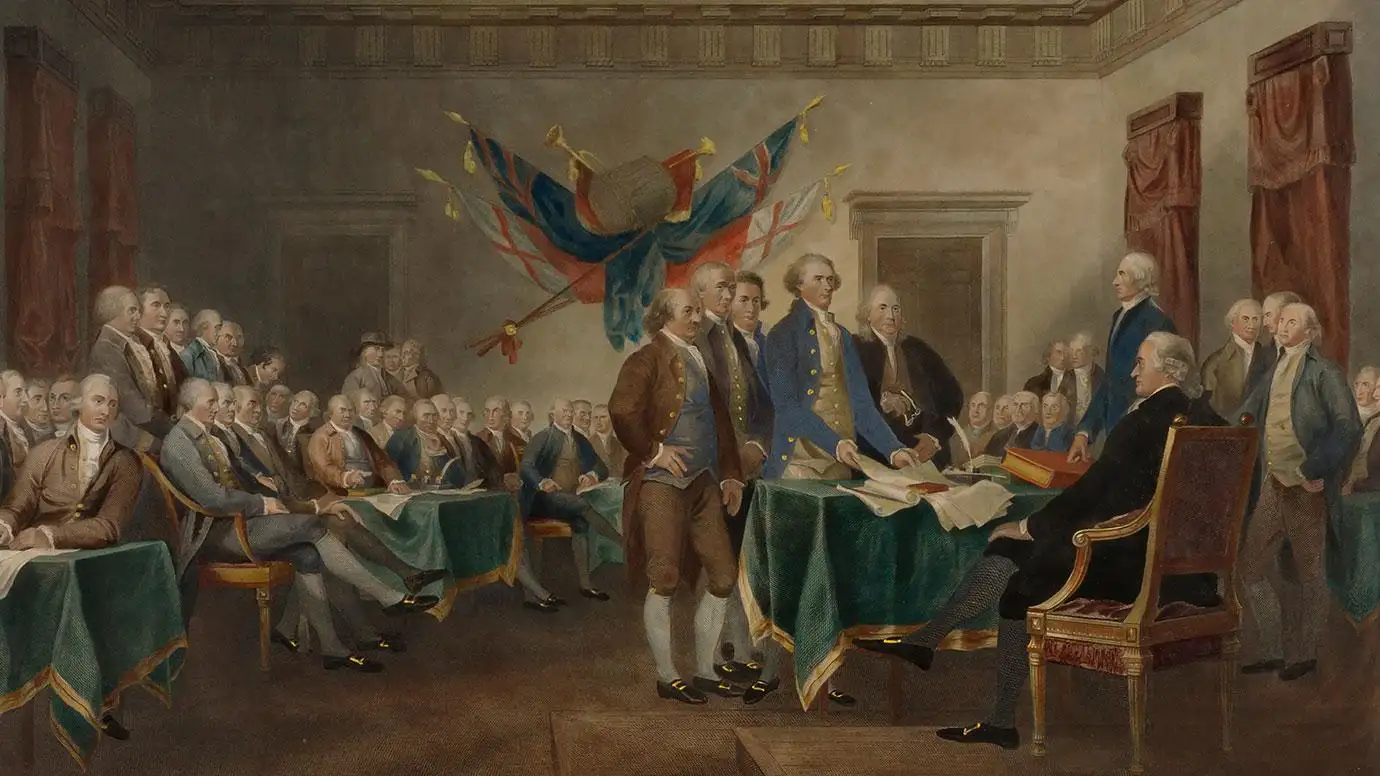
During the summer of 1776, representatives from the thirteen colonies debated whether reconciliation with Great Britain remained possible or complete independence had become necessary. After months of discussion, the Continental Congress approved the Declaration of Independence on July 4, establishing a bold new course for the colonies.Via Uchicago
Although the document was officially adopted on Independence Day, the public did not immediately hear its inspiring words. Printed copies were prepared overnight by Philadelphia printer John Dunlap, allowing the Declaration to be distributed throughout the colonies before public readings began in important towns and cities.
The historic decision marked far more than a political announcement because it introduced a new vision of government founded upon liberty, equality, and the rights of the people. Those principles would influence generations far beyond the Revolutionary era and continue shaping democratic ideals around the world.
Via Britannica
John Nixon Delivered the First Public Proclamation
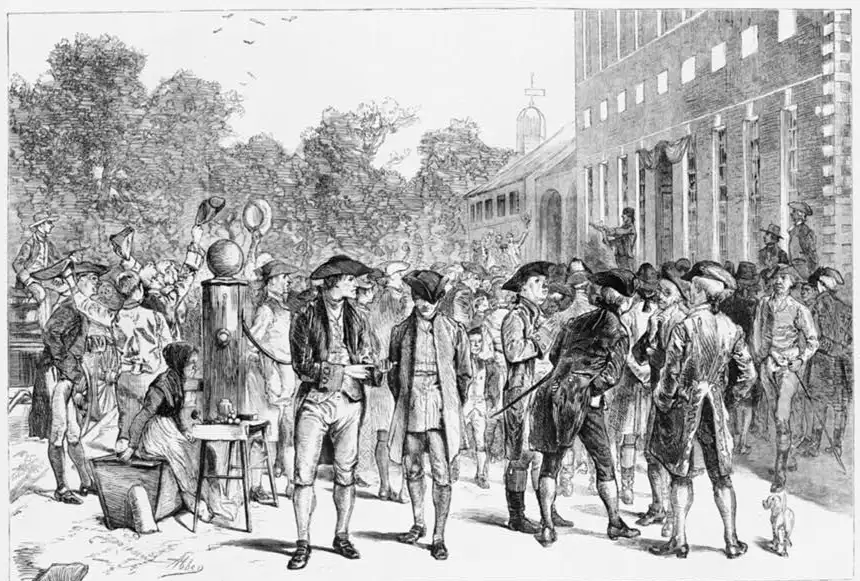
On July 8, 1776, citizens gathered in the State House Yard after hearing church bells ring throughout Philadelphia, calling the community together for a moment of extraordinary importance. A wooden platform originally built for scientific observation became the stage for one of the nation's most memorable public ceremonies. High Sheriff William Dewees opened the proceedings by announcing that the Declaration would be presented under the authority of the Continental Congress and the Committee of Safety. He then invited his deputy, Colonel John Nixon, to step forward before the assembled crowd and read the remarkable document aloud.
Via Civics for Life
Nixon's powerful public reading introduced the Declaration of Independence to ordinary citizens for the first time, transforming written words into a shared national experience. The announcement inspired hope, determination, and unity among listeners while confirming that the colonies had officially chosen the path toward independence and self-government.
.