Unassigned
The Surprising History Behind the Popsicle Invention
Frozen desserts reach back thousands of years across different cultures and continents. In ancient Rome, workers climbed high into the mountains to collect blocks of ice. They brought the ice down, crushed it, and mixed it with fruit juices or spice-flavored syrups. These early treats cooled people during hot weather and served as a special refreshment for the wealthy.
During the Middle Ages, explorers carried ideas about frozen sweets across long distances. Venetian traveler Marco Polo tasted chilled ices and sorbets while visiting the court of Kublai Khan in China. He later described these cool mixtures, helping spread knowledge of frozen desserts through Europe. People mixed snow or ice with sweet liquids to create refreshing snacks that felt luxurious in an age without modern freezers.
 Via History
In the early years of the United States, leaders also enjoyed similar chilled treats. Thomas Jefferson often served iced sorbets and freezes to guests at Monticello. These desserts used ice harvested in winter and stored carefully for warmer months. Such practices showed that the desire for cold, sweet refreshments existed long before any single inventor claimed a modern version of the idea.
 Via My Modern Met
When morning arrived, Frank found the glass filled with a hard, frozen mass. He held the glass under warm water to loosen the ice and pulled the stick free. The result was a solid block of flavored ice that he could hold by the wooden handle. The young boy quickly realized the treat tasted good and looked fun to eat. He began making more of the same frozen mixtures for friends in the neighborhood.
Frank continued the habit as he grew older. After he married and had children of his own, he prepared the same frozen sticks for his family. The idea stayed with him for years. What began as an accidental overnight experiment slowly turned into a clear plan for a product that many people might enjoy during warm weather.
 Via Grunge
 Via Food And Recipes
The patent gave Epperson legal ownership of the basic idea. With official protection in place, he could move forward with plans to sell the treats on a larger scale. The combination of a solid patent and a catchy name created a strong foundation for the product that would soon appear in stores and public places across the country.
 Via KQED
The first commercial Popsicles sold for only five cents each. They arrived in seven different flavors. Cherry quickly became the favorite among buyers and remains popular many decades later. The low price and bright flavors made the product attractive to families looking for an affordable summer pleasure.
Sales grew steadily once the treats appeared in more locations. People appreciated the simple design of a flavored ice block on a stick. The treat required no spoon or dish and left little mess when eaten outdoors. These practical advantages helped the Popsicle stand out among other desserts available at the time.
 Via Eats by the Beach
 Via Calendar
This small change helped maintain sales when other luxuries declined. The Popsicle remained a modest pleasure that families could still afford. The double-stick version became a lasting option and demonstrated how a simple product could adapt to the needs of the moment.
 Via Edible San Luis Obispo
Over the decades, the Popsicle moved beyond simple street sales. It appeared at school events, family picnics, and neighborhood gatherings. Children often chose their favorite color or taste, turning the purchase into a small personal decision. Adults who grew up with the treat passed the habit to the next generation.
The product also entered popular culture through advertising and summer imagery. Pictures of colorful sticks against blue skies or beach scenes became common. The Popsicle came to represent easy outdoor fun and childhood summers for large numbers of people across different regions.
 Via Washington Examiner
 Via Daily Meal
The Popsicle fits neatly into this pattern. An overlooked glass of soda mix left outside overnight led to a treat that millions of people still enjoy. The pattern of accident leading to success appears again and again in the history of popular foods.
 Via Mashed
People at the time relied on outdoor conditions for many food storage needs. Ice houses and natural freezing helped preserve items before widespread electric refrigeration. Frank Epperson simply used the same weather that others depended on, turning an ordinary cold night into an unexpected success.
The climate factor reminds observers that the environment can shape inventions as much as human effort. A warmer evening would have left only a sweet drink, yet the frost created a solid form that could be held and eaten. Nature supplied the final step that turned a forgotten glass into a lasting treat.
 Via Bigger Bolder Baking
 Via WV Economic Development
As availability increased, the treat became a regular part of community events and family routines. People could find the same familiar flavors in different states, creating a shared experience that crossed regional lines. Steady production growth turned a local invention into a nationwide summer staple.
 Via Amex Essential
Parks, beaches, and community pools still sell the classic form every warm season. Families keep the tradition alive by choosing the treat during outings or backyard gatherings. The low cost and easy portability keep the product relevant for new generations of children and adults.
 Via Allrecipes
The story of the Popsicle also reminds people that useful ideas can come from ordinary moments. An eleven-year-old boy’s forgotten glass of soda mix eventually became a permanent part of summer life. The treat continues to cool people on hot days and connects them to a long history of frozen desserts that began centuries earlier.
More in UnassignedVia History
In the early years of the United States, leaders also enjoyed similar chilled treats. Thomas Jefferson often served iced sorbets and freezes to guests at Monticello. These desserts used ice harvested in winter and stored carefully for warmer months. Such practices showed that the desire for cold, sweet refreshments existed long before any single inventor claimed a modern version of the idea.
Boy’s Unexpected Discovery in 1905
In Oakland, California, during the year 1905, an eleven-year-old boy named Frank Epperson made a simple mistake that changed summer snacks forever. One evening he mixed water with powdered soda flavoring in a glass. He left a wooden stick inside the glass for stirring and then forgot the mixture outside overnight. The temperature dropped low enough for the liquid to freeze solid around the stick.Via My Modern Met
When morning arrived, Frank found the glass filled with a hard, frozen mass. He held the glass under warm water to loosen the ice and pulled the stick free. The result was a solid block of flavored ice that he could hold by the wooden handle. The young boy quickly realized the treat tasted good and looked fun to eat. He began making more of the same frozen mixtures for friends in the neighborhood.
Frank continued the habit as he grew older. After he married and had children of his own, he prepared the same frozen sticks for his family. The idea stayed with him for years. What began as an accidental overnight experiment slowly turned into a clear plan for a product that many people might enjoy during warm weather.
Via Grunge
Naming the Treat and Securing a Patent
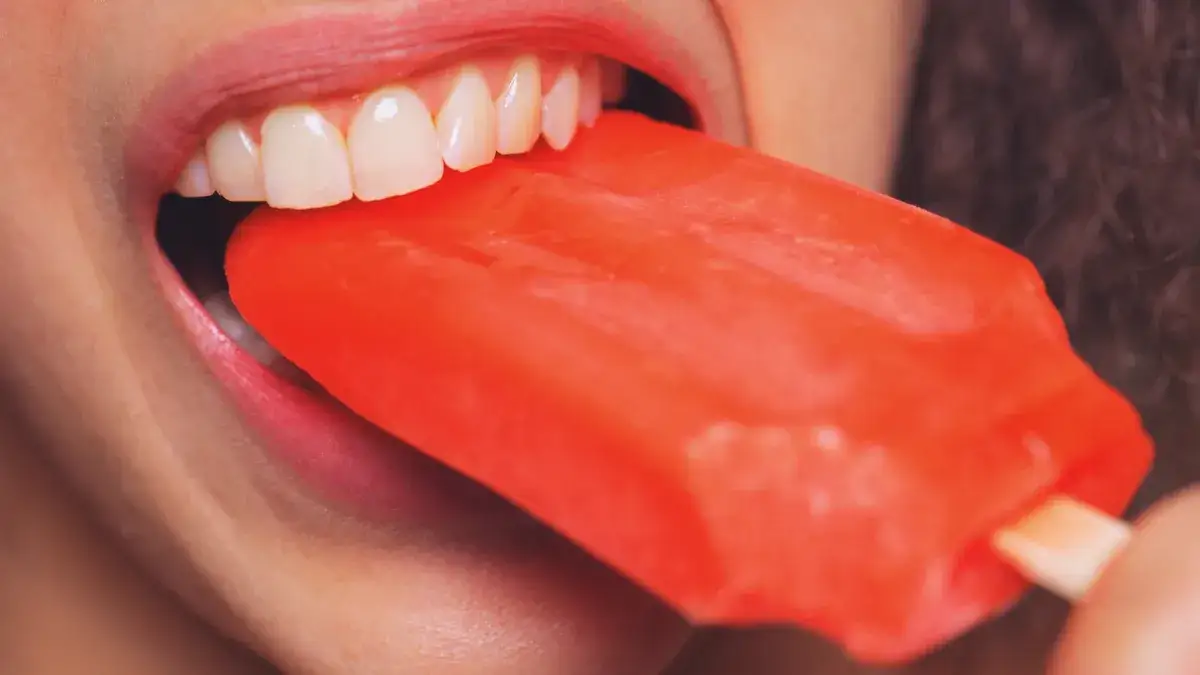
As an adult, Frank Epperson decided to protect his frozen creation with a formal patent. In 1923, he filed the necessary papers for the invention. At first he called the treats Eppsicles, combining his last name with the word icicle. The name felt personal and described the icy nature of the snack. His own children preferred a different name. They began calling the frozen sticks Pop’s ‘sicles because their father made them. The playful phrase stuck in the family and among friends. Over time the shorter form Popsicle became the common title. The new name sounded friendly and easy to remember, which helped the product feel approachable to buyers.Via Food And Recipes
The patent gave Epperson legal ownership of the basic idea. With official protection in place, he could move forward with plans to sell the treats on a larger scale. The combination of a solid patent and a catchy name created a strong foundation for the product that would soon appear in stores and public places across the country.
Bringing Popsicles to the Public
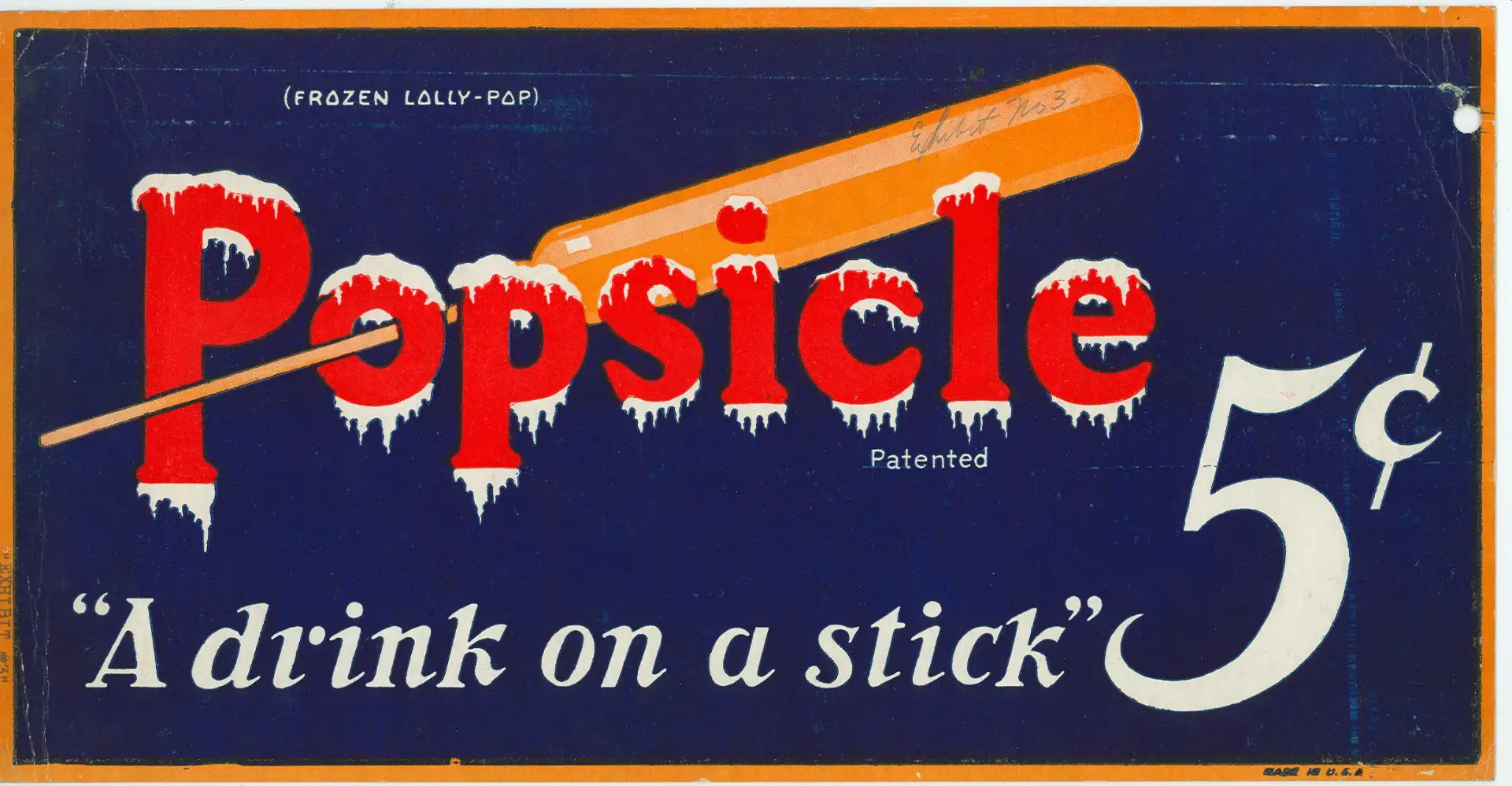
Epperson joined forces with the Joe Lowe Company to expand distribution. The partnership allowed the frozen treats to reach busy entertainment spots. One early and successful location was Coney Island amusement park in Brooklyn. Visitors walking the boardwalk or riding attractions could buy the cold snacks and enjoy them while strolling.Via KQED
The first commercial Popsicles sold for only five cents each. They arrived in seven different flavors. Cherry quickly became the favorite among buyers and remains popular many decades later. The low price and bright flavors made the product attractive to families looking for an affordable summer pleasure.
Sales grew steadily once the treats appeared in more locations. People appreciated the simple design of a flavored ice block on a stick. The treat required no spoon or dish and left little mess when eaten outdoors. These practical advantages helped the Popsicle stand out among other desserts available at the time.
Via Eats by the Beach
Innovation During the Great Depression
A few years after the first sales, the double-stick Popsicle appeared on the market. The change happened during the difficult years of the Great Depression. Many families had less money to spend on extras, so sharing became important. A single Popsicle with two sticks allowed two children to split the treat evenly while paying the same price as one regular pop. The double design proved practical and popular. Parents could buy one item and divide it between siblings without arguments over size. The idea showed sensitivity to the economic pressures of the era. At the same time, it kept the product within reach of more households.Via Calendar
This small change helped maintain sales when other luxuries declined. The Popsicle remained a modest pleasure that families could still afford. The double-stick version became a lasting option and demonstrated how a simple product could adapt to the needs of the moment.
Popular Flavors and Cultural Impact
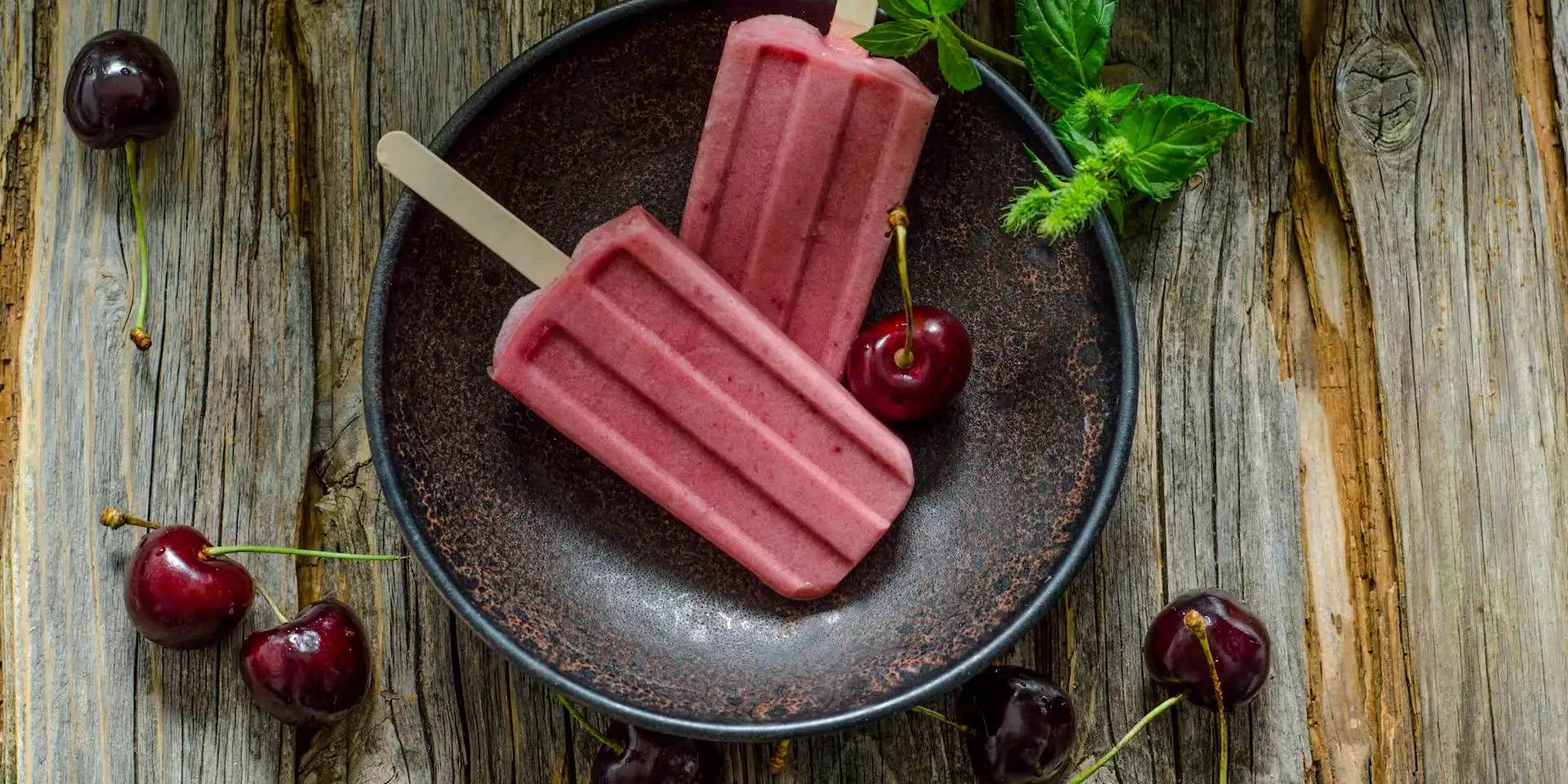
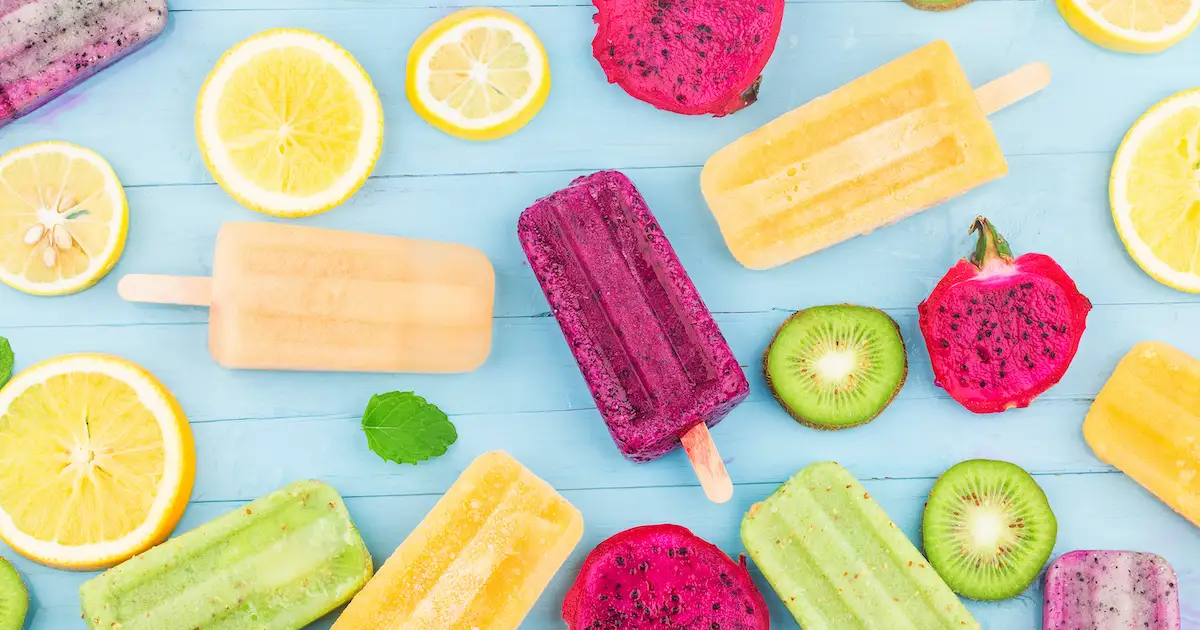
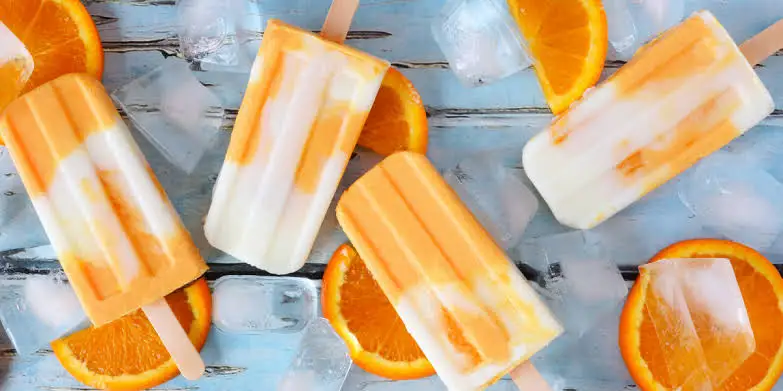
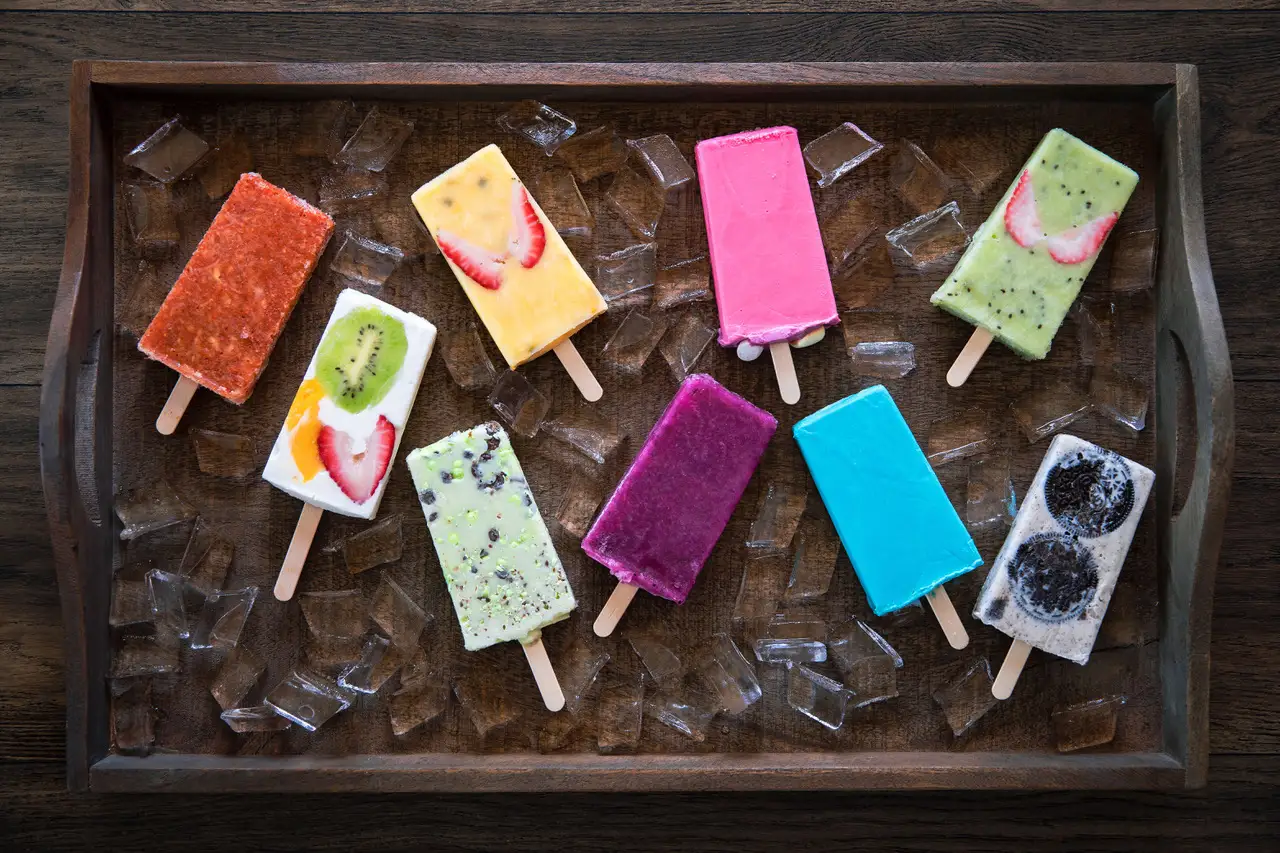
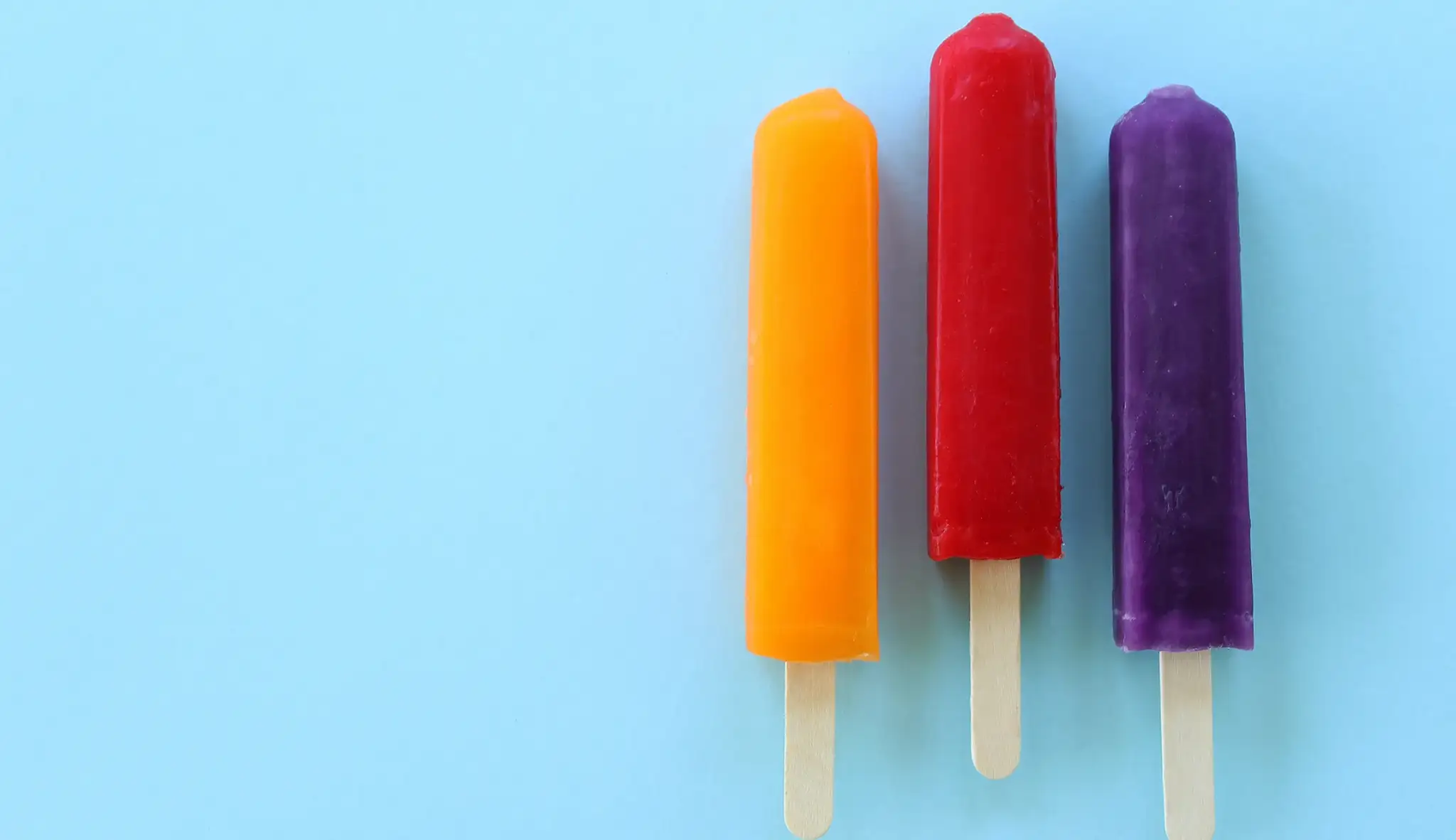
Cherry continues as the top choice for many buyers, yet other classic flavors also hold strong appeal. Orange, grape, and lemon-lime versions offer bright colors and familiar tastes. Each flavor uses a clear, icy texture that melts slowly in the mouth and provides a cooling effect on hot days.Via Edible San Luis Obispo
Over the decades, the Popsicle moved beyond simple street sales. It appeared at school events, family picnics, and neighborhood gatherings. Children often chose their favorite color or taste, turning the purchase into a small personal decision. Adults who grew up with the treat passed the habit to the next generation.
The product also entered popular culture through advertising and summer imagery. Pictures of colorful sticks against blue skies or beach scenes became common. The Popsicle came to represent easy outdoor fun and childhood summers for large numbers of people across different regions.
Via Washington Examiner
Connections to Other Food Inventions
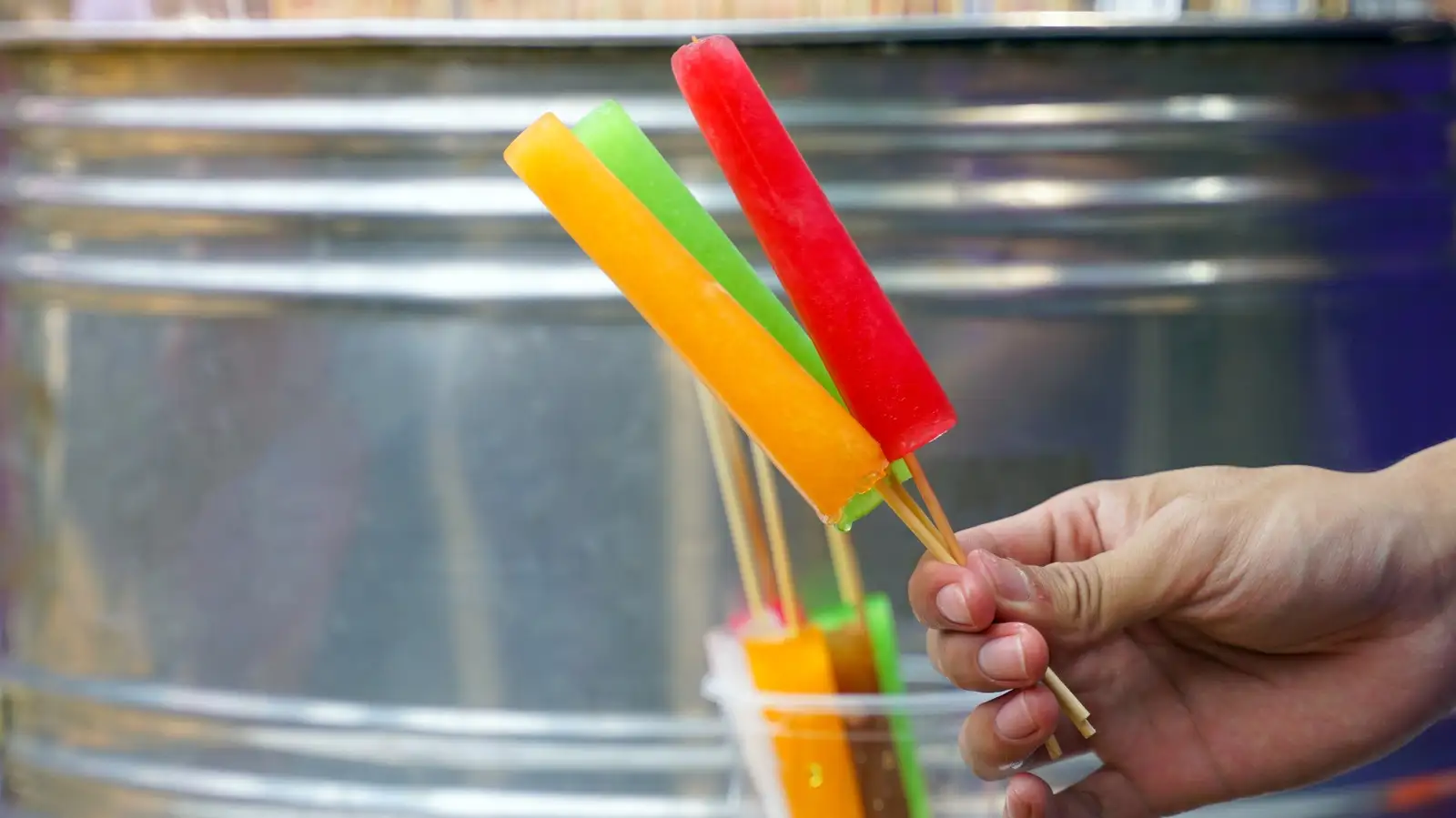
Many well-known foods began with chance events rather than careful planning. The ice cream cone offers one clear parallel. A chance meeting at a fair led to the idea of serving ice cream in a wafer container instead of a dish. The result solved a practical problem and created a new classic. Other snacks followed similar paths of accidental discovery. A melted chocolate bar left in a warm pocket later inspired the chocolate chip cookie. A forgotten batch of dough produced the first soft pretzels in some accounts. These stories show that everyday mistakes sometimes open doors to lasting products.Via Daily Meal
The Popsicle fits neatly into this pattern. An overlooked glass of soda mix left outside overnight led to a treat that millions of people still enjoy. The pattern of accident leading to success appears again and again in the history of popular foods.
Weather Conditions That Made Freezing Possible
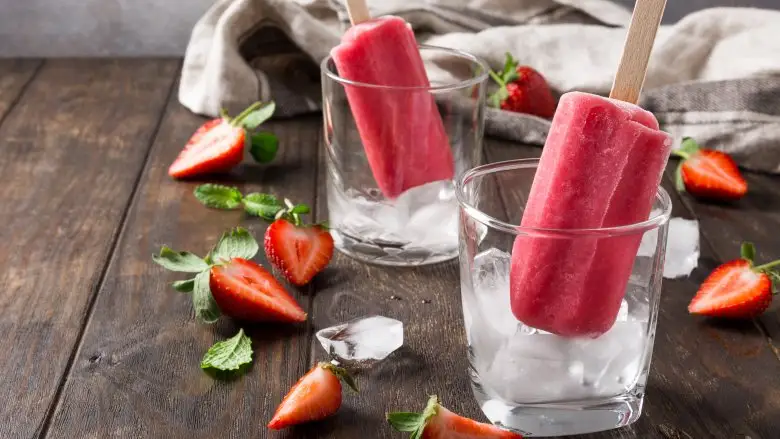
Cold overnight temperatures in early twentieth-century California played a key role in the discovery. Winter nights in Oakland often dropped low enough to freeze water in outdoor containers. Without that natural chill, the soda mixture would have remained liquid, and the stick would never have become a handle.
Via Mashed
People at the time relied on outdoor conditions for many food storage needs. Ice houses and natural freezing helped preserve items before widespread electric refrigeration. Frank Epperson simply used the same weather that others depended on, turning an ordinary cold night into an unexpected success.
The climate factor reminds observers that the environment can shape inventions as much as human effort. A warmer evening would have left only a sweet drink, yet the frost created a solid form that could be held and eaten. Nature supplied the final step that turned a forgotten glass into a lasting treat.
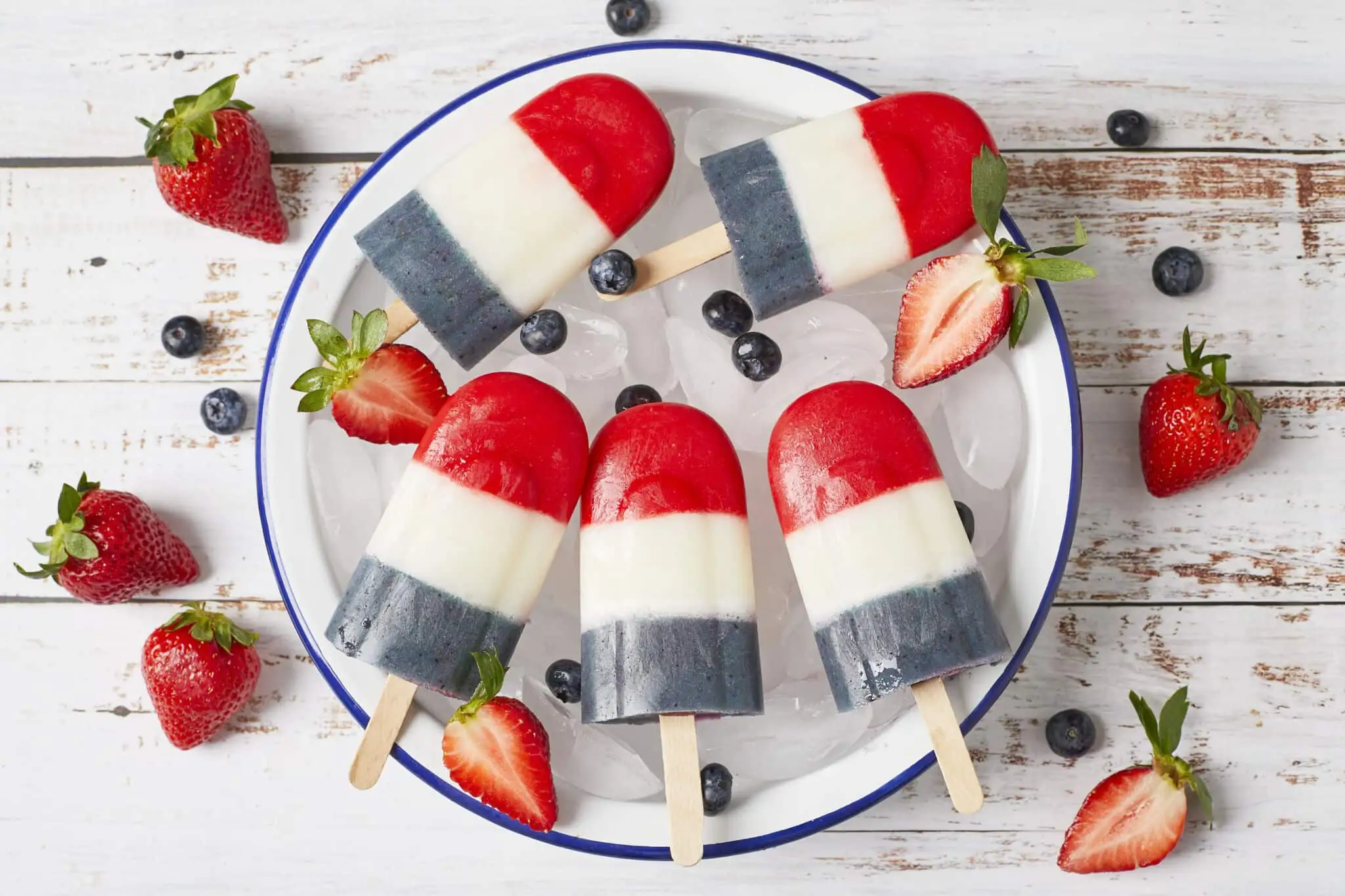
Via Bigger Bolder Baking
Growth of Production and Wider Reach
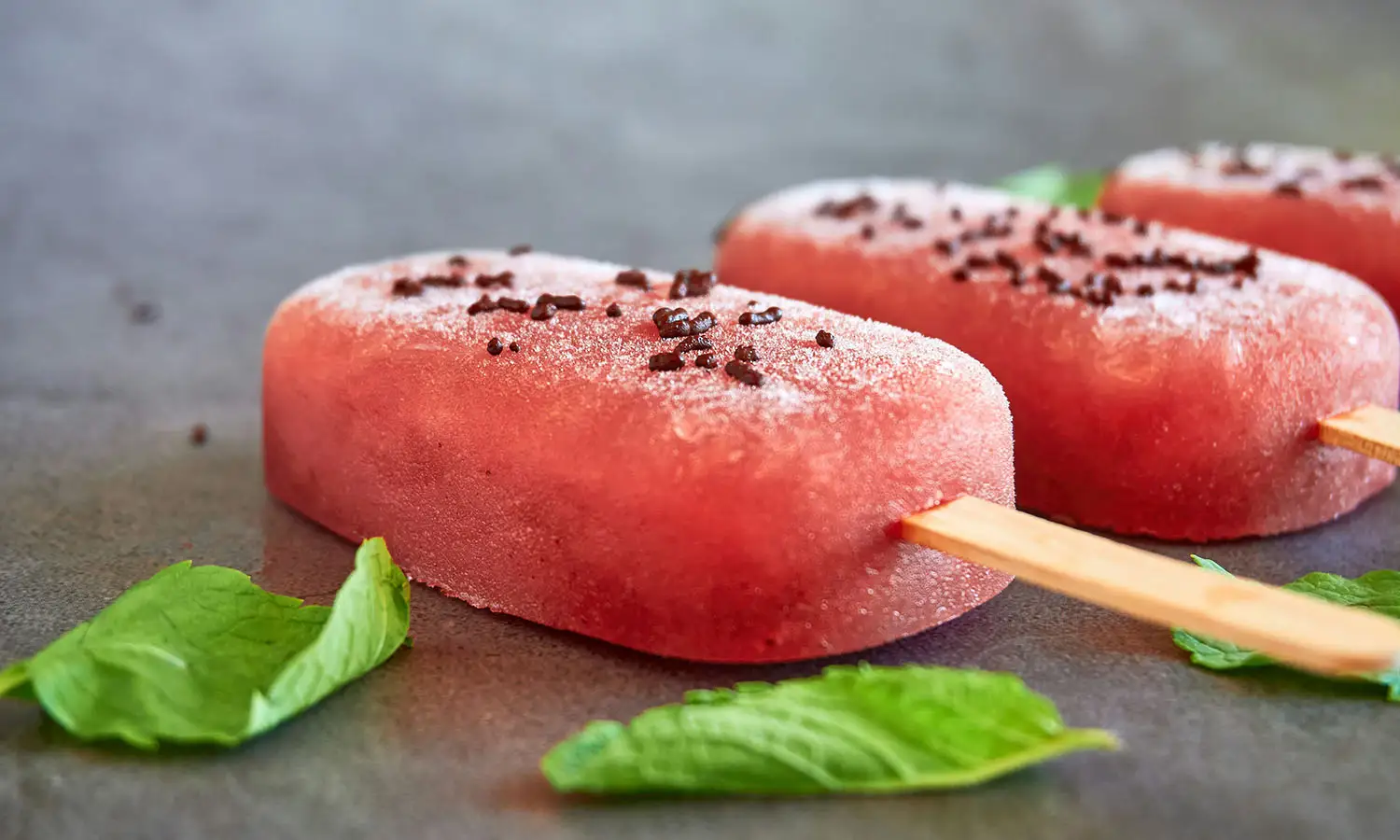
After the early partnership, production expanded to meet rising demand in cities and towns. Factories began making larger batches using molds that shaped the ice around wooden sticks in consistent sizes. Workers packaged the finished pops for transport to stores, parks, and roadside stands across greater distances. Improved shipping methods allowed the frozen treats to travel farther without melting. Insulated containers and careful timing kept the product solid until it reached customers. This reliability encouraged more sellers to stock the item and more buyers to seek it out during summer months.Via WV Economic Development
As availability increased, the treat became a regular part of community events and family routines. People could find the same familiar flavors in different states, creating a shared experience that crossed regional lines. Steady production growth turned a local invention into a nationwide summer staple.
Lasting Influence on Summer Treats
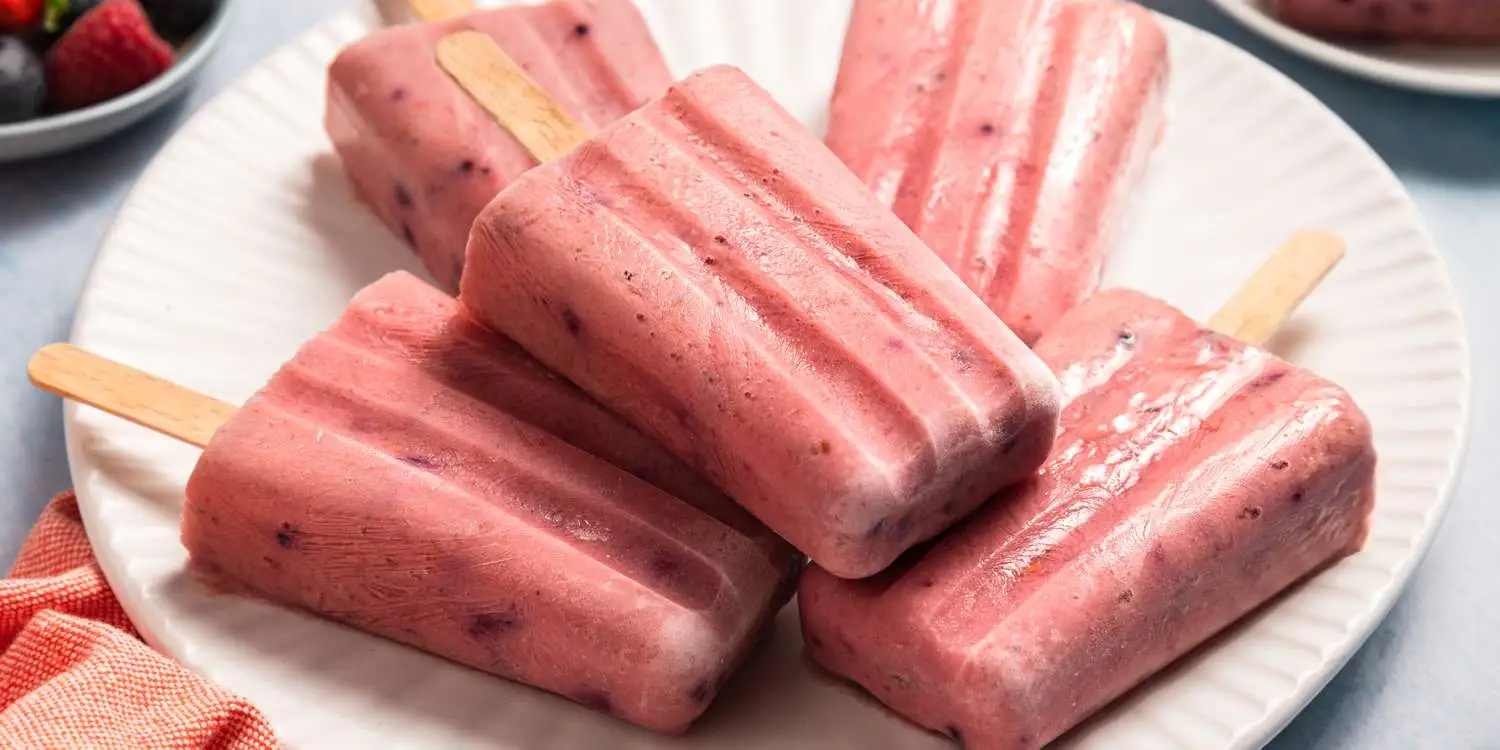
The basic idea of flavored ice on a stick continues to shape modern frozen snacks. Companies now offer dozens of flavors, shapes, and sizes, yet the original concept remains at the center. New versions may include fruit pieces or creamy layers, but the simple handle and cold texture stay familiar.Via Amex Essential
Parks, beaches, and community pools still sell the classic form every warm season. Families keep the tradition alive by choosing the treat during outings or backyard gatherings. The low cost and easy portability keep the product relevant for new generations of children and adults.
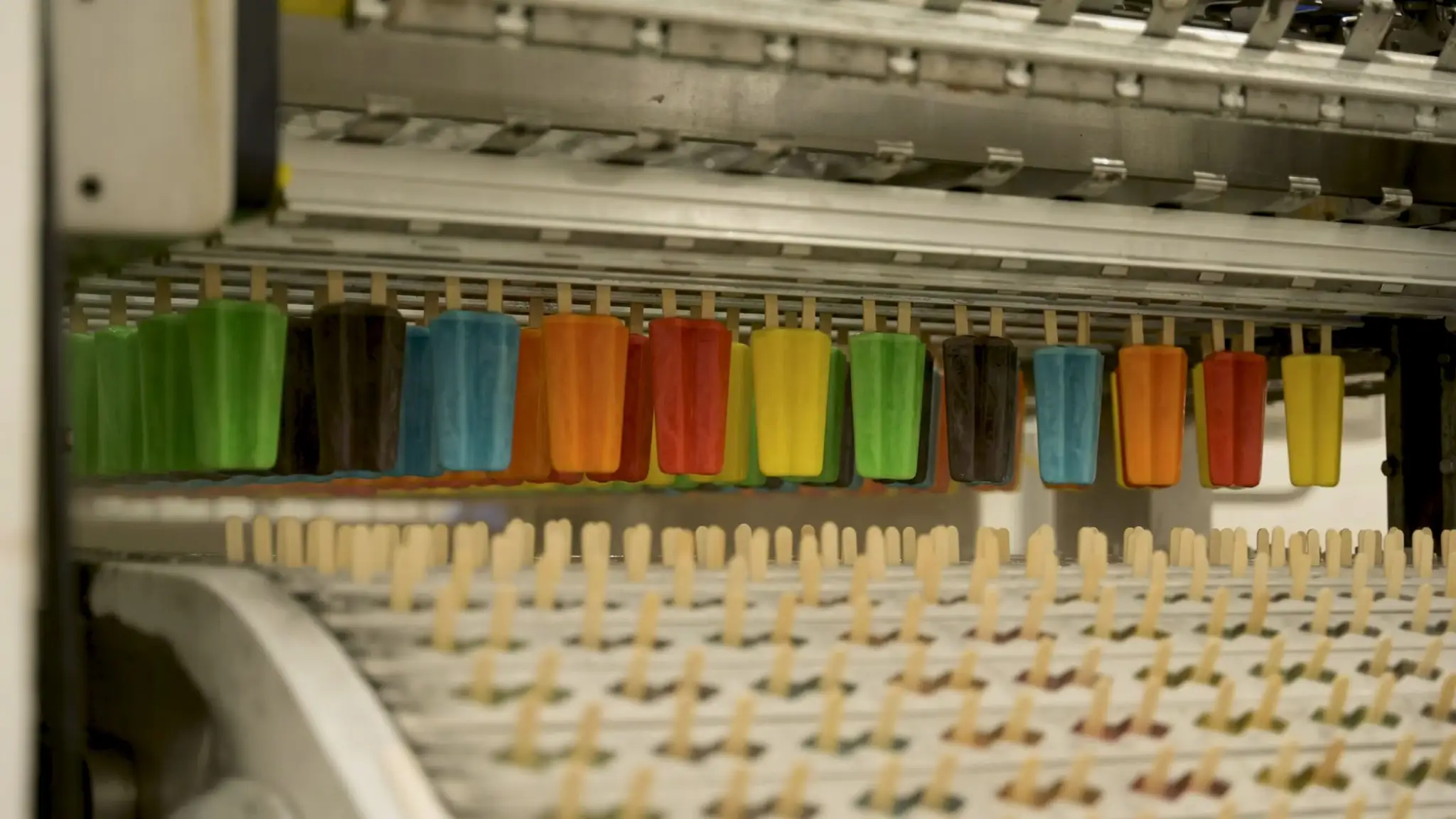
Via Allrecipes
The story of the Popsicle also reminds people that useful ideas can come from ordinary moments. An eleven-year-old boy’s forgotten glass of soda mix eventually became a permanent part of summer life. The treat continues to cool people on hot days and connects them to a long history of frozen desserts that began centuries earlier.