Unassigned
The Rival Generals Fueling Sudan's Conflict

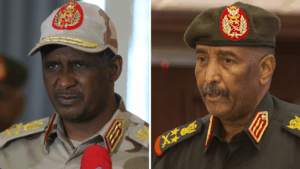
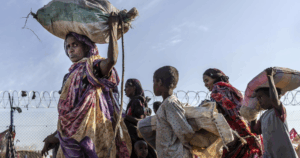
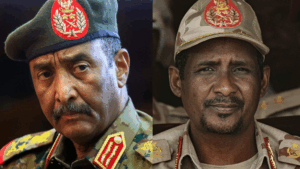
Sudan’s civil war has dragged on for over two and a half years, turning the country into a nightmare of death, hunger, and displacement. More than 150,000 people have died, and over 12 million have fled their homes. At the heart of this chaos are two generals: Abdel Fattah al-Burhan and Mohamed Hamdan Dagalo, known as Hemedti.
 Via BBC
Once allies who seized power together, they now lead rival armies locked in a brutal fight for control. Their rivalry has split Sudan in two, with foreign powers picking sides and pouring in weapons. This article looks at who these men are, how they rose to power, and why their war shows no sign of ending as of November 2025.
 Via Middle East Monitor
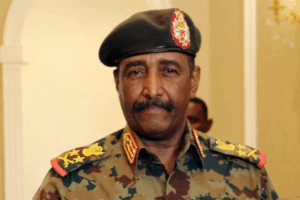
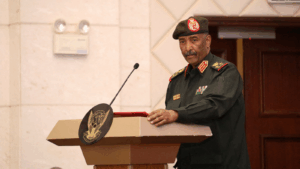
Burhan kept a low profile but built strong ties with army officers and Islamist groups that backed Bashir. When mass protests forced Bashir out in April 2019, Burhan stepped into the spotlight. Protesters wanted civilian rule, but the military moved fast.
Burhan took over as head of the Transitional Military Council, promising quick elections. Instead, he shared power with civilians in a shaky deal. In 2021, he co-led a coup with Hemedti that ousted the civilian prime minister. Burhan became the de facto leader, chairing the Sovereign Council and commanding the Sudanese Armed Forces, or SAF.
 Via Atalayar
 Via Reuters
Human rights groups accuse the SAF of executing prisoners and blocking aid. In July 2024, Burhan survived an assassination attempt at a military event. By November 2025, his forces are pushing into Kordofan to cut off RSF supply lines, but losses in Darfur have weakened his position.
 Via Arab News pk
Burhan rejects most ceasefire plans. In November 2025, he called a U.S.-led proposal from the Quad, the U.S., Saudi Arabia, UAE, and Egypt, “the worst yet.” He accuses the U.S. envoy, Massad Boulos, of bias toward the RSF and says the plan would dismantle the army while letting rebels keep cities. Burhan demands the RSF withdraw fully before any truce. On November 15, he urged all Sudanese men to take up arms, vowing no peace until the RSF is crushed.
 Via BBC
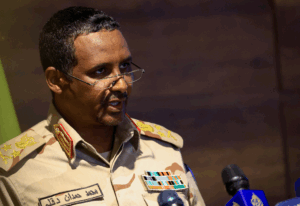
In the early 2000s, the Sudanese government under Bashir armed the Janjaweed to crush a rebellion in Darfur. Hemedti’s group led brutal attacks on non-Arab villages, burning homes, raping women, and killing civilians. A 2004 raid on Adwa village left 126 dead, including 36 children, earning him the nickname “Butcher of Darfur.” Human rights reports hold him responsible for thousands of deaths. The International Criminal Court issued an arrest warrant for Bashir partly due to these crimes, but Hemedti faced no charges then.
 Via Reuters
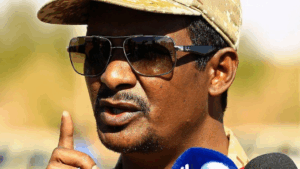
When Bashir fell, Hemedti positioned the RSF as a “people’s army” protecting protesters. He joined Burhan’s council as deputy, gaining influence. But tensions grew over integrating the RSF into the regular army and sharing gold profits. Hemedti traveled widely, building ties in the Gulf. In 2022, he met UAE leaders, securing cash and arms deals.
 Via Reuters
The group promises democracy and rights but rules through fear. The RSF, with about 100,000 fighters, uses hit-and-run tactics, drones, and foreign mercenaries. They loot homes, rape women from non-Arab groups, and burn villages in ethnic cleansing campaigns.
In El Fasher, thousands vanished after the takeover, with reports of mass graves and 200,000 missing. The U.S. declared RSF actions genocide in January 2025. Hemedti denies this, blaming rogue units, and formed an inquiry committee in October. But survivors say attacks target Fur, Masalit, and Zaghawa tribes.
 Via The New York Times
 Via Reuters
He accepted the Quad’s November 2025 truce plan, which offers a three-month humanitarian pause and a nine-month transition to civilian rule. Hemedti says it fits his vision of a secular democracy. But he vows to fight if the SAF attacks first. In a video after El Fasher, he promised aid access and mine clearance, urging unity over partition.
 Via Middle East Institute
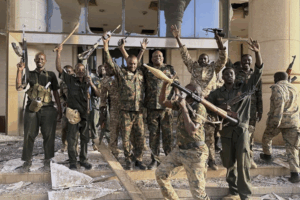
In 2023, the RSF seized Khartoum’s airport and palace, trapping Burhan inside. Hemedti’s forces looted banks and homes, selling goods in “Dagalo markets” across borders. The SAF fled east, bombing from afar. By late 2023, RSF controlled Darfur and parts of Kordofan, but supply lines stretched thin.
 Via Daily Sabah
October 2025 marked an RSF breakthrough. After sieging El Fasher for 18 months, they overran it on October 27. Satellite images show burned villages and mass graves. Up to 200,000 are missing. The SAF withdrew to save civilians, but aid groups call it genocide. Hemedti’s win partitions Sudan de facto, with RSF ruling a resource-rich west.
 Via South China Morning Post
People worldwide can help. Donate to groups like MSF or IRC for on-ground aid. Share stories to keep Sudan visible. Urge leaders for sanctions and talks. Support refugee hosts like Chad. Boycott gold from tainted sources. Every voice counts against silence.
Sudanese history shows resilience: 2019 toppled Bashir. Youth, women, and tribes unite against warlords. If Burhan and Hemedti face isolation, peace could return. But as November 2025 ends, their feud fuels more graves.
More in Unassigned
Via BBC
Once allies who seized power together, they now lead rival armies locked in a brutal fight for control. Their rivalry has split Sudan in two, with foreign powers picking sides and pouring in weapons. This article looks at who these men are, how they rose to power, and why their war shows no sign of ending as of November 2025.
Who is Abdel Fattah al-Burhan?
Abdel Fattah al-Burhan was born in 1960 in a small village in northern Sudan. He comes from a Sufi family with deep roots in the region. As a young man, he joined the Sudanese army and climbed the ranks over the decades. By the 2010s, he had become a top general, serving in key roles during the long rule of dictator Omar al-Bashir.
Via Middle East Monitor
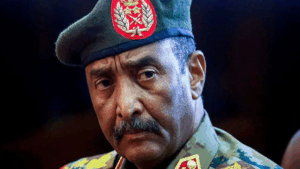
Burhan kept a low profile but built strong ties with army officers and Islamist groups that backed Bashir. When mass protests forced Bashir out in April 2019, Burhan stepped into the spotlight. Protesters wanted civilian rule, but the military moved fast.
Burhan took over as head of the Transitional Military Council, promising quick elections. Instead, he shared power with civilians in a shaky deal. In 2021, he co-led a coup with Hemedti that ousted the civilian prime minister. Burhan became the de facto leader, chairing the Sovereign Council and commanding the Sudanese Armed Forces, or SAF.
Via Atalayar
Burhan’s Grip on Power in the East
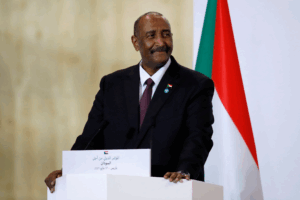
Today, Burhan runs Sudan’s recognized government from Port Sudan on the Red Sea coast. The SAF controls the north, east, and much of the center, including the capital Khartoum, which they retook in March 2025 after two years of fighting. Burhan portrays himself as the defender of Sudan’s unity and the army’s honor. He has appointed a civilian prime minister, Kamil Idris, to give his regime a non-military face. But real power stays with him and his generals. Under Burhan, the SAF has bombed cities, markets, and hospitals to root out RSF fighters. These airstrikes have killed thousands of civilians and worsened the famine.
Via Reuters
Human rights groups accuse the SAF of executing prisoners and blocking aid. In July 2024, Burhan survived an assassination attempt at a military event. By November 2025, his forces are pushing into Kordofan to cut off RSF supply lines, but losses in Darfur have weakened his position.
Burhan’s Foreign Backers and Sanctions
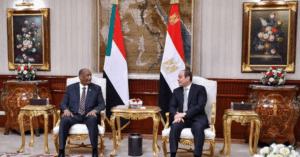
Burhan gets support from Egypt, which fears instability on its border, and Iran, which supplies drones and missiles. Russia has also sent weapons through private channels. Qatar provides quiet financial aid tied to Islamist allies. In January 2025, the U.S. sanctioned Burhan for blocking peace talks, attacking civilians, and refusing civilian rule. The sanctions freeze his assets and ban U.S. travel, but they have not stopped the fighting.
Via Arab News pk
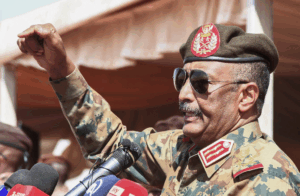
Burhan rejects most ceasefire plans. In November 2025, he called a U.S.-led proposal from the Quad, the U.S., Saudi Arabia, UAE, and Egypt, “the worst yet.” He accuses the U.S. envoy, Massad Boulos, of bias toward the RSF and says the plan would dismantle the army while letting rebels keep cities. Burhan demands the RSF withdraw fully before any truce. On November 15, he urged all Sudanese men to take up arms, vowing no peace until the RSF is crushed.
Who Is Mohamed Hamdan Dagalo, or Hemedti?
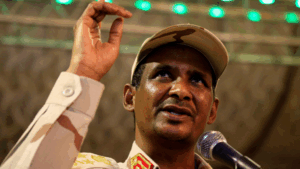
Hemedti was born around 1974 or 1975 in a nomadic Arab family in Darfur. His clan fled drought and war in Chad, settling in western Sudan. As a teen, he dropped out of school and traded camels across the desert to Libya and Egypt. Darfur was lawless then, ignored by the central government. Hemedti joined militias fighting rebels, earning a reputation as a tough fighter. By his 20s, he commanded a unit of the feared Janjaweed horsemen.
Via BBC
In the early 2000s, the Sudanese government under Bashir armed the Janjaweed to crush a rebellion in Darfur. Hemedti’s group led brutal attacks on non-Arab villages, burning homes, raping women, and killing civilians. A 2004 raid on Adwa village left 126 dead, including 36 children, earning him the nickname “Butcher of Darfur.” Human rights reports hold him responsible for thousands of deaths. The International Criminal Court issued an arrest warrant for Bashir partly due to these crimes, but Hemedti faced no charges then.
Hemedti Builds an Empire Through Gold
After Darfur, Hemedti grew rich by seizing control of gold mines in Sudan’s deserts. By 2017, gold made up 40 percent of Sudan’s exports, and Hemedti’s companies funneled billions to his pockets. He invested in real estate in the UAE and Sudan, buying villas and farms. This wealth funded his Rapid Support Forces, or RSF, formed in 2013 as a rebranded Janjaweed under army oversight. Hemedti became Bashir’s bodyguard, using RSF to crush protests.
Via Reuters
When Bashir fell, Hemedti positioned the RSF as a “people’s army” protecting protesters. He joined Burhan’s council as deputy, gaining influence. But tensions grew over integrating the RSF into the regular army and sharing gold profits. Hemedti traveled widely, building ties in the Gulf. In 2022, he met UAE leaders, securing cash and arms deals.
Hemedti’s Control of Western Sudan
By November 2025, Hemedti will rule a de facto state in western Sudan. The RSF holds most of Darfur and Kordofan, including the fall of El Fasher in October after an 18-month siege. This victory gives Hemedti near-total control west of the Nile. He has sworn in a parallel “Government of Peace and Unity” in Nyala, with himself as chairman and allies like Abdelaziz al-Hilu of the SPLM-N as deputy.
Via Reuters
The group promises democracy and rights but rules through fear. The RSF, with about 100,000 fighters, uses hit-and-run tactics, drones, and foreign mercenaries. They loot homes, rape women from non-Arab groups, and burn villages in ethnic cleansing campaigns.
In El Fasher, thousands vanished after the takeover, with reports of mass graves and 200,000 missing. The U.S. declared RSF actions genocide in January 2025. Hemedti denies this, blaming rogue units, and formed an inquiry committee in October. But survivors say attacks target Fur, Masalit, and Zaghawa tribes.
Via The New York Times
Hemedti’s Foreign Allies and Sanctions
Hemedti’s main backer is the UAE, accused of shipping weapons via Chad and Libya. UAE firms handle his gold smuggling to Dubai. Russia’s Wagner group (now Africa Corps) trained RSF fighters in exchange for gold. China buys RSF-mined resources quietly. In January 2025, the U.S. sanctioned Hemedti and seven RSF-linked companies for atrocities and blocking aid. The sanctions hit his finances but not his operations. Unlike Burhan, Hemedti embraces talks.
Via Reuters
He accepted the Quad’s November 2025 truce plan, which offers a three-month humanitarian pause and a nine-month transition to civilian rule. Hemedti says it fits his vision of a secular democracy. But he vows to fight if the SAF attacks first. In a video after El Fasher, he promised aid access and mine clearance, urging unity over partition.
The Roots of Their Rivalry
Burhan and Hemedti were partners in the 2021 coup, but cracks appeared fast. Burhan wanted the RSF folded into the SAF under his command. Hemedti demanded equal status and control over gold revenues. Protests against military rule pushed them apart. On April 15, 2023, clashes erupted in Khartoum over a new security law. What started as a power grab exploded into full war.
Via Middle East Institute
In 2023, the RSF seized Khartoum’s airport and palace, trapping Burhan inside. Hemedti’s forces looted banks and homes, selling goods in “Dagalo markets” across borders. The SAF fled east, bombing from afar. By late 2023, RSF controlled Darfur and parts of Kordofan, but supply lines stretched thin.
Turning Tides - SAF Retakes Khartoum
In early 2024, the SAF rallied with Egyptian and Iranian help, retaking Omdurman and Khartoum by March 2025. Burhan declared victory, but the RSF held the west. Famine spread as both sides blocked aid. Cholera killed thousands in crowded camps.
Via Daily Sabah
October 2025 marked an RSF breakthrough. After sieging El Fasher for 18 months, they overran it on October 27. Satellite images show burned villages and mass graves. Up to 200,000 are missing. The SAF withdrew to save civilians, but aid groups call it genocide. Hemedti’s win partitions Sudan de facto, with RSF ruling a resource-rich west.
Explore the Two Men Behind Sudan's Civil War
The war is a proxy battle. UAE arms flow to RSF for gold access. Egypt backs SAF to secure the Nile. Iran and Russia arm Burhan for bases and minerals. Saudi Arabia and the U.S. mediate but face biased claims. Kenya hosted RSF allies in February 2025, angering Khartoum. These meddlers prolong the fight, ignoring calls for an arms embargo.
Via South China Morning Post
People worldwide can help. Donate to groups like MSF or IRC for on-ground aid. Share stories to keep Sudan visible. Urge leaders for sanctions and talks. Support refugee hosts like Chad. Boycott gold from tainted sources. Every voice counts against silence.
Sudanese history shows resilience: 2019 toppled Bashir. Youth, women, and tribes unite against warlords. If Burhan and Hemedti face isolation, peace could return. But as November 2025 ends, their feud fuels more graves.