Unassigned
The Policy Shifts That Made China an Economic Giant

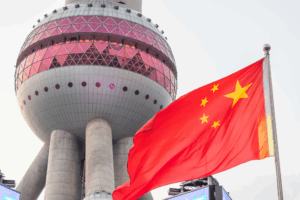
The People’s Republic of China went from one of the poorest countries on earth in the 1940s to the world’s second-largest economy in just four decades. In 1980, most Chinese people lived in the countryside and earned less than one dollar a day. Today, China builds the fastest trains, the most electric cars, and some of the best smartphones on the planet. Hundreds of millions of people now live in modern cities with good schools, hospitals, and highways.
 Via CNBC
This change is one of the biggest success stories in history. Many people outside China say it happened only because the country copied Western free-market ideas after 1978. The real story is more interesting - China used strong government planning, careful experiments, and lessons from its own past to grow fast while keeping the country stable.
 Via Britannica
Second, the government spent heavily on basic health care and schools. By the late 1970s, almost everyone could get simple medical care, and most children learned to read and write. Third, new factories for steel, chemicals, and machines were built, even in remote areas. Roads, dams, and power plants appeared where nothing had existed before.
These steps were not perfect. Some campaigns caused terrible suffering. Yet by 1978, China already had a basic industrial system, a healthier and more educated population, and a united country. India, which became independent around the same time, did not make the same early investments in health, schools, and heavy industry. That is one big reason why China later pulled far ahead.
 Via Britannica
 Via CNN
Only lighter goods were freed first. This kept life stable while the country learned how markets work. Deng also traveled south in 1992 to push scared leaders to keep reforming. His trip saved the reform program at a moment when some leaders wanted to stop it. The message was clear - getting rich is good for China.
 Via Press Network of Pakistan
Shenzhen is the best example. In 1980, it was a fishing village of 30,000 people. Today, it has over 17 million residents and is home to companies like Huawei, Tencent, and DJI. The special zones proved that China could make things cheaper and faster than almost anyone else. By 2001, when China joined the World Trade Organization, the whole country was ready to become the “world’s factory.”
 Via The Conversation
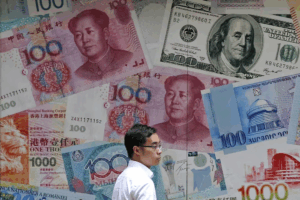
Money from overseas Chinese in Hong Kong, Taiwan, Singapore, and North America poured in first. They trusted the government more than Western firms did. Later, big American, European, and Japanese companies arrived. All of them brought modern machines, quality standards, and management ideas. China soaked up this knowledge like a sponge.
 Via China Briefing
These projects created millions of jobs and made it cheap to move goods and people. A factory in the interior can now ship products to a coastal port in hours instead of days. Companies can hire workers from anywhere because fast trains connect cities. Students in small towns can watch the same online classes as kids in Beijing.
 Via Reuters
At the same time, the government kept control of the biggest companies in energy, railways, banking, and telecom. These “national champions” received help to grow huge and compete worldwide. China Mobile, China National Petroleum, and State Grid are now among the largest companies on earth.
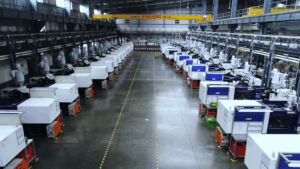 Via Reuters
Companies like BYD, CATL, Huawei, and Xiaomi started small but received quite help from the government, cheap land, research grants, and big purchase orders from state companies. The government also forced foreign car companies to share electric-vehicle technology if they wanted to sell in China. Now, Chinese brands dominate their own giant market and are expanding worldwide.
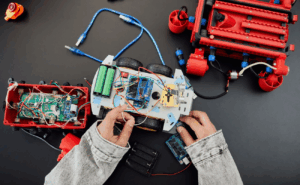 Via CPG Sourcing
Chinese tech giants grew fast because the government blocked many American websites. This gave local companies room to grow without tough foreign competition at home. At the same time, the government pushed universities and companies to invent new technology instead of only copying.
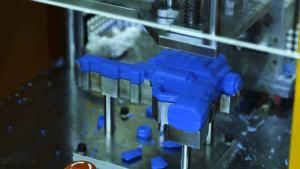 Via Reuters
This ability to change direction quickly is a big reason China avoided the deep crises that hit other fast-growing countries. China is now rich enough that workers want higher wages. Making cheap goods is moving to Vietnam and Bangladesh. To keep growing, China must invent new things and create famous brands that people around the world want to buy. The government knows this. It spends huge amounts on research, sends students abroad, and attracts talented people from other countries.
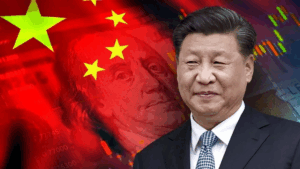 Via NewsBytes
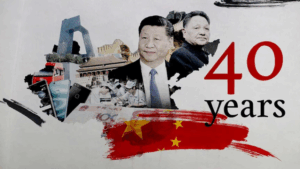
The result is a country that lifted over 800 million people out of extreme poverty, built modern cities from scratch, and now shapes technology and trade across the planet. Whatever happens next, the last forty years proved that a poor nation can transform itself astonishingly fast, with smart, steady leadership that is willing to try new things while remembering old lessons.
 Via ABC News
Special economic zones, massive infrastructure, smart use of foreign investment, and gradual reform of state companies all worked together under steady Party guidance. Today, over 800 million people have escaped poverty, life expectancy has doubled, and Chinese companies compete with the world’s best.
The next challenge is clear - moving from copying and manufacturing to genuine innovation and world-famous brands. Success will depend on giving scientists, entrepreneurs, and young talents enough room to experiment while keeping the political and social stability that made the miracle possible in the first place. Whatever the future holds, China has already shown the world that determined, pragmatic leadership can transform a nation faster and farther than anyone once thought possible.
More in Unassigned
Via CNBC
This change is one of the biggest success stories in history. Many people outside China say it happened only because the country copied Western free-market ideas after 1978. The real story is more interesting - China used strong government planning, careful experiments, and lessons from its own past to grow fast while keeping the country stable.
Mao’s Foundations - The Base That Made Growth Possible
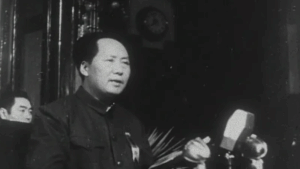
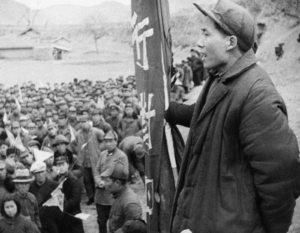
When the Communist Party took power in 1949, China was torn apart by war and was very poor. Life expectancy was only around 35 years, most people could not read, and factories hardly existed. Under Mao Zedong, the government did many things that laid the real groundwork for later success. First, land was taken from rich landlords and given to poor farmers. This ended centuries of extreme inequality in the countryside and gave millions of families a reason to support the new government.
Via Britannica
Second, the government spent heavily on basic health care and schools. By the late 1970s, almost everyone could get simple medical care, and most children learned to read and write. Third, new factories for steel, chemicals, and machines were built, even in remote areas. Roads, dams, and power plants appeared where nothing had existed before.
These steps were not perfect. Some campaigns caused terrible suffering. Yet by 1978, China already had a basic industrial system, a healthier and more educated population, and a united country. India, which became independent around the same time, did not make the same early investments in health, schools, and heavy industry. That is one big reason why China later pulled far ahead.
Via Britannica
Deng’s Big Change - Reform Without Chaos
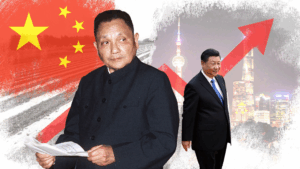
In 1978, Deng Xiaoping started the policy everyone knows - “Reform and Opening.” He allowed farmers to sell extra crops for profit. He opened special zones on the coast where foreign companies could build factories. Prices for many goods became free instead of being fixed by the government. What many people forget is that Deng did not copy the “shock therapy” used in Russia. In Russia, the government suddenly freed all prices and sold state companies very fast. The result was huge inflation, factory closures, and a drop in life expectancy. China chose a slower, two-track system. Important things like steel, electricity, and grain stayed under government control and at cheap prices for many years.
Via CNN
Only lighter goods were freed first. This kept life stable while the country learned how markets work. Deng also traveled south in 1992 to push scared leaders to keep reforming. His trip saved the reform program at a moment when some leaders wanted to stop it. The message was clear - getting rich is good for China.
Special Economic Zones - Laboratories of Change
Places like Shenzhen, Zhuhai, Shantou, and Xiamen became testing grounds. Inside these zones, rules were different. Foreign companies paid low taxes and could send profits home. Chinese workers earned higher wages. Factories making clothes, toys, and electronics sprang up overnight.
Via Press Network of Pakistan
Shenzhen is the best example. In 1980, it was a fishing village of 30,000 people. Today, it has over 17 million residents and is home to companies like Huawei, Tencent, and DJI. The special zones proved that China could make things cheaper and faster than almost anyone else. By 2001, when China joined the World Trade Organization, the whole country was ready to become the “world’s factory.”
Attracting Foreign Money and Knowledge
China wanted foreign companies to come, but on its own terms. Joint ventures were required in many industries. A foreign company had to partner with a Chinese company and share technology. Over time, Chinese engineers learned how to make the same products themselves, often better and cheaper.
Via The Conversation
Money from overseas Chinese in Hong Kong, Taiwan, Singapore, and North America poured in first. They trusted the government more than Western firms did. Later, big American, European, and Japanese companies arrived. All of them brought modern machines, quality standards, and management ideas. China soaked up this knowledge like a sponge.
Building the Bones of a Modern Country
No country has ever built infrastructure as fast as China since 1990. Thousands of kilometers of expressways, high-speed railways, airports, and ports appeared in just twenty years. Today, China has more kilometers of high-speed rail than the rest of the world combined. Electricity reaches almost every village. The Internet and 5G networks cover the country.
Via China Briefing
These projects created millions of jobs and made it cheap to move goods and people. A factory in the interior can now ship products to a coastal port in hours instead of days. Companies can hire workers from anywhere because fast trains connect cities. Students in small towns can watch the same online classes as kids in Beijing.
Fixing State Companies Without Breaking Society
In the 1990s, many old state factories lost money. Leaders decided to close or sell the worst ones, but they did it carefully. Workers received housing, pensions, or new jobs instead of being thrown onto the street. Some factories were turned into shareholding companies and listed on stock markets in Hong Kong and New York. This forced them to become more efficient.
Via Reuters
At the same time, the government kept control of the biggest companies in energy, railways, banking, and telecom. These “national champions” received help to grow huge and compete worldwide. China Mobile, China National Petroleum, and State Grid are now among the largest companies on earth.
From Making Toys to Leading in Technology
In the 1980s and 1990s, China made cheap clothes and plastic toys. By the 2000s, it made phones and computers. Today, it leads the world in electric cars, batteries, solar panels, drones, and 5G equipment.
Via Reuters
Companies like BYD, CATL, Huawei, and Xiaomi started small but received quite help from the government, cheap land, research grants, and big purchase orders from state companies. The government also forced foreign car companies to share electric-vehicle technology if they wanted to sell in China. Now, Chinese brands dominate their own giant market and are expanding worldwide.
The Digital Leap
China skipped landline telephones and went straight to mobile phones. It is now skipping traditional banks and going straight to mobile payments. Apps like WeChat and Alipay are used by almost everyone. Hundreds of millions of small shops and street sellers accept only phone payments.
Via CPG Sourcing
Chinese tech giants grew fast because the government blocked many American websites. This gave local companies room to grow without tough foreign competition at home. At the same time, the government pushed universities and companies to invent new technology instead of only copying.
Learning From Mistakes and Keeping Control
China’s leaders always watched for danger signs. When housing prices rose too fast, they added rules. When some areas polluted rivers and air, they closed dirty factories and planted forests. When private companies like Alibaba became too powerful, the government reminded everyone who is in charge.
Via Reuters
This ability to change direction quickly is a big reason China avoided the deep crises that hit other fast-growing countries. China is now rich enough that workers want higher wages. Making cheap goods is moving to Vietnam and Bangladesh. To keep growing, China must invent new things and create famous brands that people around the world want to buy. The government knows this. It spends huge amounts on research, sends students abroad, and attracts talented people from other countries.
A Unique Path That Worked
China’s rise was not a simple copy of America or Europe. It mixed firm government leadership with market energy. It learned from the early Mao years (basic industry, health, education), from Deng’s careful reforms, from foreign partners, and from its own experiments.
Via NewsBytes
The result is a country that lifted over 800 million people out of extreme poverty, built modern cities from scratch, and now shapes technology and trade across the planet. Whatever happens next, the last forty years proved that a poor nation can transform itself astonishingly fast, with smart, steady leadership that is willing to try new things while remembering old lessons.
Explore China's 40-Year Rise to Wealth.
China’s economic rise stands as one of history’s greatest achievements. In just four decades, a war-torn, impoverished nation became a global powerhouse that leads in high-speed rail, electric vehicles, renewable energy, and 5G technology. This miracle did not happen because China suddenly embraced pure free markets; it happened because strong, far-sighted leadership built on Mao-era foundations of land reform.
Via ABC News
Special economic zones, massive infrastructure, smart use of foreign investment, and gradual reform of state companies all worked together under steady Party guidance. Today, over 800 million people have escaped poverty, life expectancy has doubled, and Chinese companies compete with the world’s best.
The next challenge is clear - moving from copying and manufacturing to genuine innovation and world-famous brands. Success will depend on giving scientists, entrepreneurs, and young talents enough room to experiment while keeping the political and social stability that made the miracle possible in the first place. Whatever the future holds, China has already shown the world that determined, pragmatic leadership can transform a nation faster and farther than anyone once thought possible.