Unassigned
The Personal Cassette Player That Sparked the Walkman

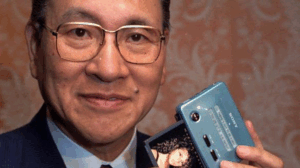
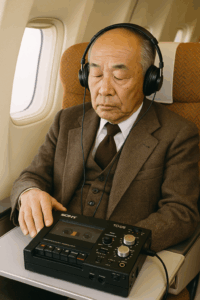
In the late 1970s, air travel was common for business leaders, but enjoying music on flights was not easy. Masaru Ibuka, one of Sony's co-founders, loved listening to opera. He often flew long distances for work. The devices back then were big and heavy, like the Sony TC-D5 cassette player he used. It gave great sound but was too bulky to carry around comfortably.
Ibuka wanted something smaller and lighter so he could enjoy his favorite operas without bothering others on the plane. This simple wish started a chain of events that would change how people listen to music forever. Ibuka shared his idea with his team at Sony. He asked for a portable device that played music through headphones.
 Via if I only had a time machine
This was not just about convenience. It was about making music personal and private, even at 30,000 feet. Engineers at Sony saw the challenge. They knew they had to make something new from what they already had. Little did they know, this personal request would lead to a product that touched millions of lives.
 Via Success Stories
By the 1970s, Sony was known for high-quality sound products. They made radios, tape decks, and even early TVs. But the world was changing. People wanted smaller gadgets. Boom boxes were popular, but they were loud and big. Sony's team was already working on portable cassette recorders like the Pressman, which journalists used for interviews.
It was mono sound, meaning one channel, and focused on recording. Ibuka's request pushed them to think about playback only, in stereo for better music quality. The company culture at Sony encouraged innovation. Employees were urged to solve real problems. Ibuka's love for opera was a real problem during his travels.
 Via Les Echos
 Via ICON Magazine
Akio Morita got a chance to try it too. He used it while playing golf and was amazed by the quality. He saw it as more than a personal gadget. Morita believed it could be a hit with young people who wanted music on the go. This feedback sped up the process from prototype to a product for sale.
 Via UX Collective
Naming was tricky. In Japan, it was called a Walkman, combining "walk" and "man" to suggest portability. For other countries, names like Soundabout in the US and Stowaway in the UK were tried first. But the Walkman stuck globally. Marketing focused on fun and freedom. Ads showed young people skating or biking with the device.
 Via The New Yorker
In the US, it was first called Soundabout but soon became the Walkman. Sales boomed worldwide. By 1981, Sony released improved models like the WM-2, which was smaller and had better buttons. The launch timing was perfect. It matched the rise of fitness trends, like jogging. People could now run with their favorite tunes, making exercise more fun.
 Via GadgetMatch
Auto-reverse lets tapes play both sides without flipping. By 1983, the WM-20 was as small as a cassette case. Sony kept innovating. Waterproof models for sports came in bright yellow. Solar-powered ones appeared in 1986. These changes kept the Walkman fresh and useful for different needs.
 Via Clustre
The brand became a symbol of cool tech. Limited editions, like silver-plated ones for anniversaries, added excitement. In Japan, it was huge. Globally, it helped cassettes outsell vinyl by 1983. People bought more music because they could listen anywhere.
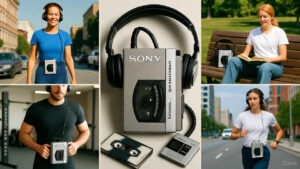 Socially, it sparked debates. Some worried about safety, like not hearing traffic. One town even banned it for pedestrians. But overall, it made music more democratic. Anyone could enjoy their favorites without sharing. In pop culture, it appeared in movies and ads. It influenced fashion, with headphones as accessories. The Walkman made "Japanese-ness" cool, showing the world compact tech from Japan.
The Walkman also transformed how people connected emotionally with music. For the first time, listeners could isolate themselves in sound, creating private emotional spaces in public settings. It wasn’t just about convenience; it changed how people processed moods and memories.
 A song heard on a Walkman during a commute or a run could become tied to that exact moment in life. This intimacy with music deepened personal expression and helped shape how people used sound to reflect identity, paving the way for today’s personalized playlists and streaming culture.
 The brand adapted to phones, too. Sony Ericsson Walkman phones in 2005 mixed music and calls. Even the PlayStation Portable was called a modern Walkman. Today, Walkmans are digital players with high-res audio. Models like the WM1 series are for audiophiles.
 Still, retro fans collect old Walkmans. Prices for working TPS-L2 models reach $450 online. Interestingly, the decline of cassettes also marked a shift in how people valued music ownership. Physical tapes, once cherished for their tangibility and mix-tape nostalgia, gave way to the convenience of digital files. Yet, for many, cassettes represented a sense of creativity and connection.
 Now, you can listen to podcasts or music anywhere. The idea of headphones blocking the world started here. Sony continues to sell Walkman products, focusing on high-quality sound. In 2019, a 40th anniversary statue went up in Tokyo. The Walkman reminds people how small ideas can spark big changes.
 At a time when music is instant on phones, the Walkman story teaches innovation. It shows how solving one person's problem can help everyone. As tech evolves, the spirit of the Walkman, portable, personal sound, lives on.
More in Unassigned
Via if I only had a time machine
This was not just about convenience. It was about making music personal and private, even at 30,000 feet. Engineers at Sony saw the challenge. They knew they had to make something new from what they already had. Little did they know, this personal request would lead to a product that touched millions of lives.
Sony's Founders and Early Days
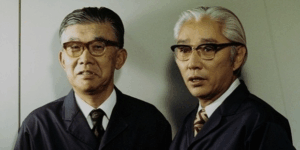
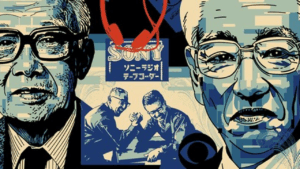
Sony started in 1946, right after World War II, in Japan. Masaru Ibuka and Akio Morita founded the company. They began with simple electronics like tape recorders. Ibuka was the tech genius, focused on engineering. Morita was the business mind, great at marketing and seeing big opportunities. Together, they built Sony into a global leader in audio and video tech.
Via Success Stories
By the 1970s, Sony was known for high-quality sound products. They made radios, tape decks, and even early TVs. But the world was changing. People wanted smaller gadgets. Boom boxes were popular, but they were loud and big. Sony's team was already working on portable cassette recorders like the Pressman, which journalists used for interviews.
It was mono sound, meaning one channel, and focused on recording. Ibuka's request pushed them to think about playback only, in stereo for better music quality. The company culture at Sony encouraged innovation. Employees were urged to solve real problems. Ibuka's love for opera was a real problem during his travels.
Via Les Echos
Building the Prototype
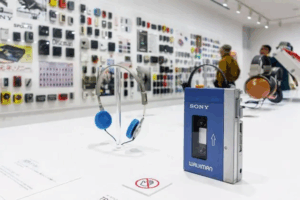
In early 1979, Ibuka asked Norio Ohga, a key Sony executive, to help. Ohga assigned the job to engineer Kozo Ohsone. They took the Pressman, a small cassette recorder, and modified it. They removed the recording parts to make it lighter. They added a stereo amplifier for richer sound. Headphones were key, so they designed lightweight ones that connected directly. The prototype was ready quickly. It was pocket-sized, ran on AA batteries, and played cassettes through headphones. No speakers meant no noise for others. Ibuka tested it on his flights and loved it. The sound was clear, and he could lose himself in opera without the bulk.
Via ICON Magazine
Akio Morita got a chance to try it too. He used it while playing golf and was amazed by the quality. He saw it as more than a personal gadget. Morita believed it could be a hit with young people who wanted music on the go. This feedback sped up the process from prototype to a product for sale.
From Prototype to Product
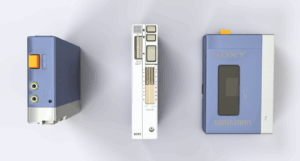
Sony's team worked fast to turn the prototype into something for stores. They kept the design simple - a blue and silver metal case, two headphone jacks for sharing, and easy controls. The goal was to make it affordable, around $150. They predicted selling 5,000 units a month, but they were wrong in a good way.
Via UX Collective
Naming was tricky. In Japan, it was called a Walkman, combining "walk" and "man" to suggest portability. For other countries, names like Soundabout in the US and Stowaway in the UK were tried first. But the Walkman stuck globally. Marketing focused on fun and freedom. Ads showed young people skating or biking with the device.
The Launch of the Walkman
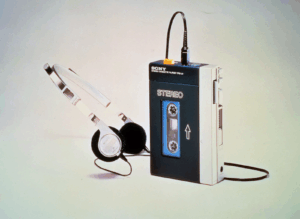
On July 1, 1979, the Sony Walkman TPS-L2 hit stores in Japan. It sold out fast. In the first two months, over 30,000 units flew off shelves. People loved the idea of taking music anywhere. No more being stuck at home with a stereo or carrying a heavy radio. The global launch came in 1980.
Via The New Yorker
In the US, it was first called Soundabout but soon became the Walkman. Sales boomed worldwide. By 1981, Sony released improved models like the WM-2, which was smaller and had better buttons. The launch timing was perfect. It matched the rise of fitness trends, like jogging. People could now run with their favorite tunes, making exercise more fun.
Key Features and Innovations
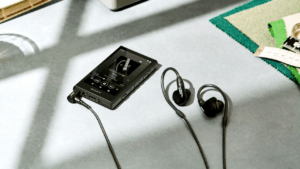
The original Walkman was simple but smart. It weighed about 14 ounces, fit in a pocket, and used standard cassettes. Stereo sound made music come alive. Lightweight headphones, only 50 grams, were a big deal. Older headphones were too heavy. Later models added cool features. In 1982, some had radios built in. Others had Dolby noise reduction to cut tape hiss.
Via GadgetMatch
Auto-reverse lets tapes play both sides without flipping. By 1983, the WM-20 was as small as a cassette case. Sony kept innovating. Waterproof models for sports came in bright yellow. Solar-powered ones appeared in 1986. These changes kept the Walkman fresh and useful for different needs.
Market Reception and Sales Success
At first, some doubted it. Why wear headphones outside? But word spread. Teens loved making mixtapes and listening privately. Sales hit 100 million by 1989. By 1999, 186 million cassette Walkmans were sold. Competition came from brands like Panasonic and Toshiba. But Sony held strong, with 50% market share in the US.
Via Clustre
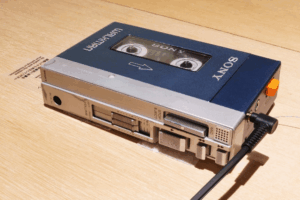
The brand became a symbol of cool tech. Limited editions, like silver-plated ones for anniversaries, added excitement. In Japan, it was huge. Globally, it helped cassettes outsell vinyl by 1983. People bought more music because they could listen anywhere.
Cultural Revolution
The Walkman changed daily life. Music was no longer just for home or cars. You could listen while walking, studying, or working out. It created personal soundtracks for life. It boosted the fitness boom. Jogging became popular in the 1980s, and Walkmans made it enjoyable. Experts called it the "Walkman effect," where people tuned out the world and tuned into their music.
Socially, it sparked debates. Some worried about safety, like not hearing traffic. One town even banned it for pedestrians. But overall, it made music more democratic. Anyone could enjoy their favorites without sharing. In pop culture, it appeared in movies and ads. It influenced fashion, with headphones as accessories. The Walkman made "Japanese-ness" cool, showing the world compact tech from Japan.
The Walkman also transformed how people connected emotionally with music. For the first time, listeners could isolate themselves in sound, creating private emotional spaces in public settings. It wasn’t just about convenience; it changed how people processed moods and memories.
A song heard on a Walkman during a commute or a run could become tied to that exact moment in life. This intimacy with music deepened personal expression and helped shape how people used sound to reflect identity, paving the way for today’s personalized playlists and streaming culture.
Evolution of the Walkman
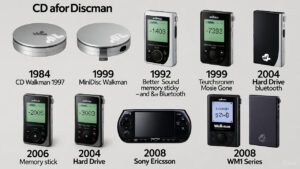
Sony did not stop at cassettes. In 1984, they made the Discman for CDs. It was rebranded CD Walkman in 1997. MiniDisc Walkmans came out in 1992 for better sound. By 1999, digital Walkmans used memory sticks. Hard drive models followed in 2004. They added MP3 support, video playback, and touchscreens. Bluetooth came in 2008.
The brand adapted to phones, too. Sony Ericsson Walkman phones in 2005 mixed music and calls. Even the PlayStation Portable was called a modern Walkman. Today, Walkmans are digital players with high-res audio. Models like the WM1 series are for audiophiles.
The Decline of Cassettes
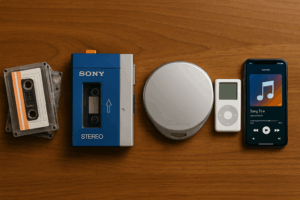
Cassettes ruled until CDs took over in the 1990s. Digital music, like MP3s, changed everything. Apple's iPod in 2001 stole the spotlight with more storage. Sony stopped making cassette Walkmans in 2010, after 220 million sold. But the brand lives on in digital forms. Streaming apps on phones replaced physical players for many.
Still, retro fans collect old Walkmans. Prices for working TPS-L2 models reach $450 online. Interestingly, the decline of cassettes also marked a shift in how people valued music ownership. Physical tapes, once cherished for their tangibility and mix-tape nostalgia, gave way to the convenience of digital files. Yet, for many, cassettes represented a sense of creativity and connection.
Legacy in the Digital Age
The Walkman paved the way for today's tech. Without it, you might not have iPods, smartphones, or streaming services like Spotify. It showed that personal, portable entertainment was possible. It influenced society by making alone time with media normal.
Now, you can listen to podcasts or music anywhere. The idea of headphones blocking the world started here. Sony continues to sell Walkman products, focusing on high-quality sound. In 2019, a 40th anniversary statue went up in Tokyo. The Walkman reminds people how small ideas can spark big changes.
Discover the Custom Sony Player That Led to the Walkman
What began with a love for opera on flights became a global icon. Ibuka's request, Morita's vision, and Sony's engineering created something timeless. The Walkman freed music from its physical confines and made it part of your daily life.
At a time when music is instant on phones, the Walkman story teaches innovation. It shows how solving one person's problem can help everyone. As tech evolves, the spirit of the Walkman, portable, personal sound, lives on.