Unassigned
The Girl Who Fell from the Sky and Lived

On December 24, 1971, a routine holiday flight turned into one of the worst aviation disasters in Peruvian history. LANSA Flight 508, a Lockheed L-188 Electra turboprop, broke apart in mid-air after being struck by lightning over the Amazon rainforest. Ninety-one of the ninety-two people on board died, but one teenage girl lived to tell an unbelievable story of survival.
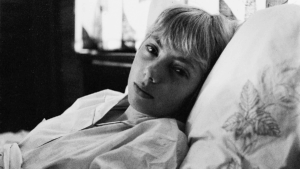
Her name was Juliane Koepcke, and her journey from a falling aeroplane seat to safety ten days later remains one of the most remarkable tales in aviation history. Despite the devastation, investigators later learned that the storm system the plane entered was far more violent than expected, with powerful updrafts, intense lightning, and towering clouds that overwhelmed the aircraft.
 Via BBC
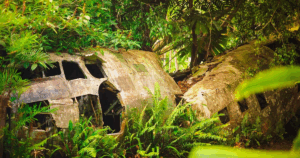
The lightning strike didn’t just damage the plane; it caused a catastrophic structural failure that sent the aircraft into a rapid, uncontrolled descent. In the chaos that followed, passengers were thrown into the open air as the plane tore apart mid-flight, setting the stage for a survival story no one could have imagined.
 Via Historic Mysteries
The plane had started life with the American airline Braniff in 1959 before being sold to LANSA the year before the crash. On Christmas Eve, this single remaining aircraft was packed with holiday travellers heading from Lima to Iquitos, with a stop in the city of Pucallpa. Eighty-six passengers and six crew members filled almost every seat.
 Via High Sierra Planets
They were returning from Lima after Juliane’s high school graduation. Then the sky changed. Thick storm clouds appeared ahead. The captain could have flown around the weather, but Christmas was the busiest travel day of the year in Peru, and the airline was already in deep trouble. Delaying the flight might mean angry passengers and more financial losses. The crew decided to fly straight through the storm.
 Via Medium
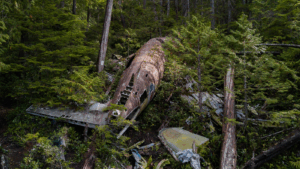
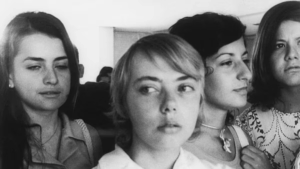
Without a right wing, the Electra rolled violently and began to fall. The sudden drop tore the plane apart in mid-air. Seats, luggage, and pieces of the fuselage flew into the stormy sky. Juliane remembers unfastening her seatbelt to get a better look out the window right before everything exploded. The next thing she knew, she was falling through the clouds, still strapped to her row of three seats.
 Via NZ Herald
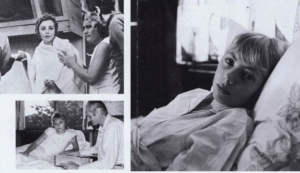
She hit the ground hard enough to knock her unconscious. When she woke up hours later, it was raining heavily. Her collarbone was broken, one eye was swollen shut, and she had deep cuts on her arms and legs. Her glasses were gone, leaving everything blurry because she was very nearsighted. Worst of all, her mother was nowhere to be found.
 Via Tumblr
With one shoe missing and wearing only a torn minidress, she started walking. She found a small creek and followed it downstream, wading in the water to ease the pain of her wounds and avoid leaving footprints for predators. Maggots soon infested her arm wounds, but she kept moving.
Days blurred together. She ate nothing for the first several days because she found no safe food. She heard search planes overhead but could not signal them through the thick jungle roof. At night, she shivered from the cold and fever. She later said the hardest part was the loneliness and the fear that no one would ever find her.
 Via Afterburner Australia
 Via Timetodepart
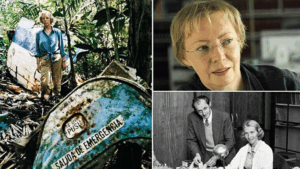
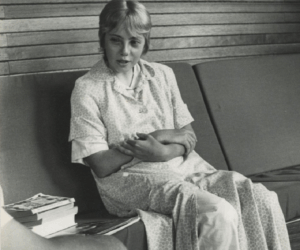
Her battered body showed deep cuts, infected wounds, and severe exhaustion, but her clarity in describing the crash zone proved vital. Investigators later noted that without her survival and detailed guidance, the dense rainforest would have kept the wreckage hidden far longer. Her recovery marked the end of an ordeal few could imagine enduring, yet it also revealed the tragic scale of the disaster unfolding in the jungle.
 Via Mamamia
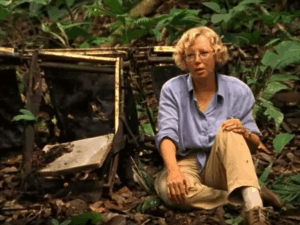
She married and took the name Juliane Diller. In 2000, she returned to the crash site with filmmaker Werner Herzog, who made a documentary called Wings of Hope about her story. She also wrote a memoir titled When I Fell From the Sky that describes every detail of the accident and her survival.
The loss of its only remaining aircraft ended LANSA forever. With a long list of previous accidents, the Peruvian government had no choice but to revoke the airline’s operating license for good. The Christmas Eve disaster became the final chapter in one of the shortest and most troubled airline histories in South America.
 Via ABC News
 Via Business Insider
Severe injuries, including a broken collarbone, deep cuts, and a concussion, left her weak and disoriented as she navigated the rainforest alone. Yet she relied on basic wilderness skills her parents had taught her, such as following water sources downstream, which eventually led her toward signs of human activity. This combination of luck, environment, and learned instinct created a path through conditions that would have been fatal for almost anyone else.
 Via Dusty Old Thing
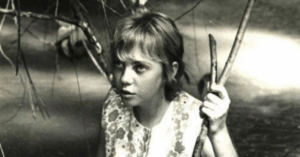
When asked how she found the strength to keep going, she gives a simple answer: “I wanted to live. And I knew my parents had taught me enough to make it possible.” Her story reminds people that even in the worst moments, knowledge, courage, and a little luck can make the difference between life and death.
Her survival has since inspired documentaries, books, and research into both aviation safety and resilience. Many experts point to her unique upbringing in the Peruvian rainforest, where her parents worked as biologists, as a key reason she recognised plants, animals, and river patterns that helped her navigate the jungle. What seemed miraculous to the world was, in part, the result of instinct and hard-earned knowledge that surfaced when she needed it most.
More in Unassigned
Via BBC
The lightning strike didn’t just damage the plane; it caused a catastrophic structural failure that sent the aircraft into a rapid, uncontrolled descent. In the chaos that followed, passengers were thrown into the open air as the plane tore apart mid-flight, setting the stage for a survival story no one could have imagined.
A Troubled Airline on Its Last Legs
Lineas Aéreas Nacionales Sociedad Anonima, better known as LANSA, was a small Peruvian airline with a terrible safety record. In less than ten years of operation, it had suffered multiple serious accidents that destroyed planes and killed passengers. By late 1971, the government had grounded most of its fleet. Only one aircraft remained airworthy: a 12-year-old Lockheed L-188A Electra with the registration OB-R-941.
Via Historic Mysteries
The plane had started life with the American airline Braniff in 1959 before being sold to LANSA the year before the crash. On Christmas Eve, this single remaining aircraft was packed with holiday travellers heading from Lima to Iquitos, with a stop in the city of Pucallpa. Eighty-six passengers and six crew members filled almost every seat.
The Calm Before the Storm
The flight left Lima’s Jorge Chávez International Airport in good weather. For the first forty minutes, everything seemed normal. The four-engine turboprop climbed to its cruising altitude of about 21,000 feet and flew northeast over the vast green blanket of the Amazon jungle. Passengers were excited to get home for Christmas. Seventeen-year-old Juliane Koepcke sat by the window next to her mother, Maria, a well-known German-Peruvian biologist.
Via High Sierra Planets
They were returning from Lima after Juliane’s high school graduation. Then the sky changed. Thick storm clouds appeared ahead. The captain could have flown around the weather, but Christmas was the busiest travel day of the year in Peru, and the airline was already in deep trouble. Delaying the flight might mean angry passengers and more financial losses. The crew decided to fly straight through the storm.
Lightning Strikes
Inside the storm, the ride became rough. The plane bounced in heavy turbulence. Rain hammered the windows, and bright flashes lit up the cabin. Passengers gripped their armrests. Some began to pray. Then came a blinding white flash and a deafening crack. Lightning hit the right wing. Witnesses on the ground hundreds of feet below later said they saw fire pouring from the plane. The lightning strike damaged fuel lines and started a fire that quickly spread. Within minutes, the burning wing broke off completely.
Via Medium
Without a right wing, the Electra rolled violently and began to fall. The sudden drop tore the plane apart in mid-air. Seats, luggage, and pieces of the fuselage flew into the stormy sky. Juliane remembers unfastening her seatbelt to get a better look out the window right before everything exploded. The next thing she knew, she was falling through the clouds, still strapped to her row of three seats.
A Two-Mile Fall
Falling from 21,000 feet usually means certain death, yet several things worked together to save Juliane’s life. She stayed buckled into her seat, and the row of seats acted like a small parachute, slowing her descent. Strong updrafts inside the thunderstorm also helped slow her fall. Most importantly, she landed in dense rainforest canopy that broke her plunge like a giant cushion.
Via NZ Herald
She hit the ground hard enough to knock her unconscious. When she woke up hours later, it was raining heavily. Her collarbone was broken, one eye was swollen shut, and she had deep cuts on her arms and legs. Her glasses were gone, leaving everything blurry because she was very nearsighted. Worst of all, her mother was nowhere to be found.
Ten Days Alone in the Jungle
Despite shock and serious injuries, Juliane remembered survival lessons her parents had taught her. Both were scientists who studied rainforest animals, and they had taken her on many field trips. She knew the most important rule: water flows downhill toward bigger streams, and bigger streams lead to people.
Via Tumblr
With one shoe missing and wearing only a torn minidress, she started walking. She found a small creek and followed it downstream, wading in the water to ease the pain of her wounds and avoid leaving footprints for predators. Maggots soon infested her arm wounds, but she kept moving.
Days blurred together. She ate nothing for the first several days because she found no safe food. She heard search planes overhead but could not signal them through the thick jungle roof. At night, she shivered from the cold and fever. She later said the hardest part was the loneliness and the fear that no one would ever find her.
Via Afterburner Australia
Finding Help at Last
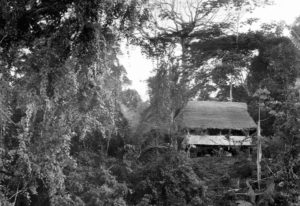
On the tenth day, she heard voices. Following the sound, she stumbled upon a small hut used by lumber workers. The men were shocked to see a battered teenage girl appear from the jungle. They cleaned her wounds with gasoline to kill the maggots, gave her food, and put her in a canoe to take her downriver to a mission station with a landing strip. From there, she was flown to a hospital in Pucallpa and reunited with her father. News of the “miracle girl” spread quickly. Search teams using her directions finally located the crash site days later. They found that several other passengers had initially survived the impact but died waiting for a rescue that never came in time. Despite her rescue, the physical and emotional toll of those ten days remained heavy.
Via Timetodepart
Her battered body showed deep cuts, infected wounds, and severe exhaustion, but her clarity in describing the crash zone proved vital. Investigators later noted that without her survival and detailed guidance, the dense rainforest would have kept the wreckage hidden far longer. Her recovery marked the end of an ordeal few could imagine enduring, yet it also revealed the tragic scale of the disaster unfolding in the jungle.
Life After the Jungle
Juliane spent weeks recovering in the hospital. She suffered nightmares for years and still carries scars on her body. Yet she refused to let the tragedy define her life. She returned to Germany to finish university and followed in her parents’ footsteps by becoming a mammalogist, studying bats in the rainforest.
Via Mamamia
She married and took the name Juliane Diller. In 2000, she returned to the crash site with filmmaker Werner Herzog, who made a documentary called Wings of Hope about her story. She also wrote a memoir titled When I Fell From the Sky that describes every detail of the accident and her survival.
The loss of its only remaining aircraft ended LANSA forever. With a long list of previous accidents, the Peruvian government had no choice but to revoke the airline’s operating license for good. The Christmas Eve disaster became the final chapter in one of the shortest and most troubled airline histories in South America.
Via ABC News
Why Juliane Lived, and Others Did Not
Experts have studied Juliane’s survival for decades. Falling while strapped to a seat row that spun like a maple seed slowed her speed. The storm’s updrafts and the thick jungle trees acted as natural brakes. Landing in deep water or on hard ground would have killed her instantly. Being young, light, and physically fit also helped her endure the ten-day walk. Her survival remains the highest fall without a parachute ever survived. The Guinness Book of World Records lists LANSA Flight 508 as the deadliest aviation accident caused by lightning. Even with these rare advantages, her survival was far from guaranteed.
Via Business Insider
Severe injuries, including a broken collarbone, deep cuts, and a concussion, left her weak and disoriented as she navigated the rainforest alone. Yet she relied on basic wilderness skills her parents had taught her, such as following water sources downstream, which eventually led her toward signs of human activity. This combination of luck, environment, and learned instinct created a path through conditions that would have been fatal for almost anyone else.
Explore Juliane Koepcke's Incredible Survival Story
More than fifty years later, people around the world still talk about the girl who fell two miles from the sky and walked out of the Amazon alive. Her calm thinking, knowledge of the jungle, and sheer will to live turned certain death into an incredible second chance. Juliane Diller continues her scientific work and occasionally speaks about that Christmas Eve in 1971.
Via Dusty Old Thing
When asked how she found the strength to keep going, she gives a simple answer: “I wanted to live. And I knew my parents had taught me enough to make it possible.” Her story reminds people that even in the worst moments, knowledge, courage, and a little luck can make the difference between life and death.
Her survival has since inspired documentaries, books, and research into both aviation safety and resilience. Many experts point to her unique upbringing in the Peruvian rainforest, where her parents worked as biologists, as a key reason she recognised plants, animals, and river patterns that helped her navigate the jungle. What seemed miraculous to the world was, in part, the result of instinct and hard-earned knowledge that surfaced when she needed it most.