Unassigned
Surviving a Plane Crash and the Amazon Alone

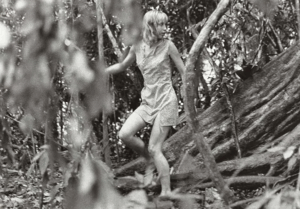
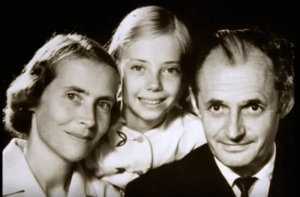
LANSA Flight 508 took off from Lima, Peru, on December 24, 1971. The Lockheed Electra carried 92 passengers and crew toward the small city of Pucallpa. Among the travelers sat 17-year-old Juliane Koepcke and her mother, Maria Koepcke. The mother and daughter planned to spend Christmas at the family research station deep in the Amazon rainforest.
Only one flight remained available during the busy holiday season. The aircraft had a poor safety record, yet tickets were booked anyway. The journey began normally. Passengers ate sandwiches and looked at the green landscape below.
 Via Rare Historical Photos
Juliane occupied the window seat near the back of the plane. Her mother sat beside her. Fifteen minutes before landing, thick black clouds appeared ahead. Thunder rumbled, and lightning flashed across the sky.
 Via Historic Mysteries
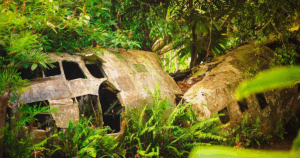
A bright flash lit the right wing. The aircraft nose-dived toward the jungle below. Seats ripped from the floor. The row containing Juliane stayed bolted together. The teenager remained strapped in while everything around vanished. Silence replaced the noise of engines and cries.
 Via Ranker
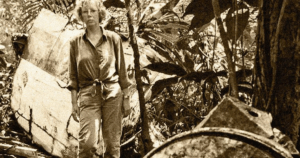
Impact came softer than expected. Thick vines and tree branches broke the fall. The seat row plunged deep into the canopy before landing upside-down on the muddy jungle floor. Rain fell steadily on Christmas morning when awareness returned. One sandal was missing,,g and the white dress hung in shreds.
 Via Tumblr
Shouting began for the mother and other passengers. Only bird calls and rain answered back. The wreck of the plane could not be seen anywhere nearby. The jungle stretched endlessly in every direction. Survival now depended completely on knowledge learned during childhood.
 Via Business Insider
Parents taught how to recognize bird and frog sounds. Rules about finding water and avoiding poison plants were repeated often. Walking downstream always led to people eventually. Piranhas only attacked in very shallow water. These facts have now become lifesaving tools.
 Via Dusty Old Thing
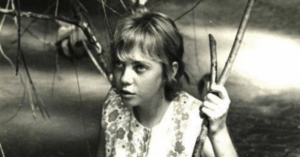
A tiny stream flowed close to the crash spot. Following water downhill seemed the safest choice. Wading began despite pain from injuries. Muddy banks held hidden snakes and insects. Staying in the current felt safer than walking on land.
 Via All That’s Interesting
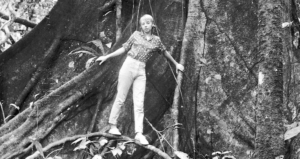
Infections started in the open wounds. Swelling turned the skin hot and red. Flies laid eggs that hatched into maggots quickly. Weakness made every step more difficult. Hope faded as helicopters passed overhead without spotting anyone.
 Via ABC News
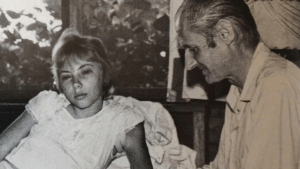
Impact drove the row deep into soft earth. One victim was a woman with painted toenails. Maria Koepcke never painted her nails. Relief mixed with fresh grief at the realization. Death surrounded the area, yet life continued somehow.
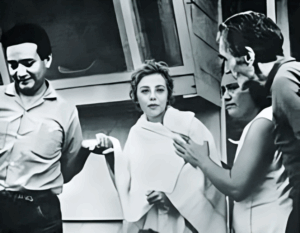 Via Goodreads
Nights brought terrifying darkness and loud insect noise. Shelter under large leaves offered little protection. Thoughts of giving up appeared by day nine. Exhaustion made rest impossible despite extreme fatigue.
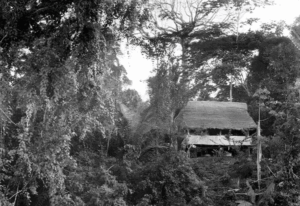 Via High Sierra Planets
Memory recalled the father treating their dog the same way. Gasoline poured directly into the infection caused intense burning pain. Thirty maggots were pulled out one by one. Pride came from handling the disgusting task alone.
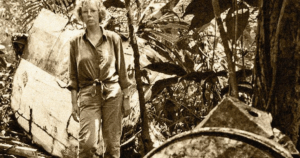 Via Ranker
A clear Spanish explanation calmed their fear. “A plane crashed, and I am the survivor,” ended the confusion. Simple food and clean water arrived immediately. The long canoe journey to civilization began that same day.
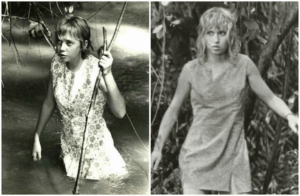 Via Reddit
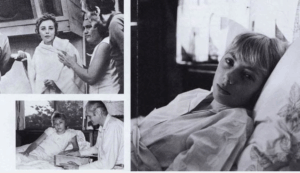
Doctors treated severe infections and broken bones. Weeks of recovery lay ahead before full strength returned. News spread quickly around Peru and then the world. The miracle teenager became a front-page story everywhere.
 Via Afterburner Australia
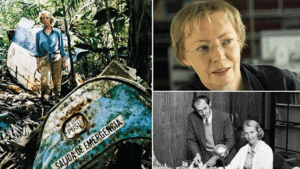
Ninety-one people died either instantly or soon after impact. Fourteen passengers possibly survived the crash itself initially. Serious injuries prevented movement for most victims. Only one person possessed both health and jungle knowledge to escape.
 Via The Washington Post
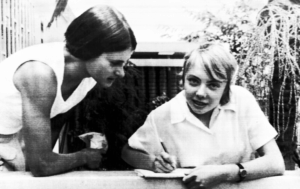
The upright body position during a fall spreads forces more evenly. Deep soft earth at the landing spot absorbed the remaining energy. A combination of many small, lucky factors created the impossible outcome.
 Via Global Landscapes Forum
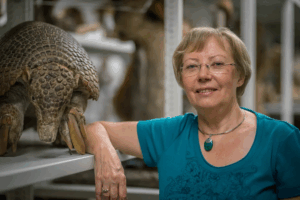
Emotional wounds heal more slowly than physical ones. The rainforest stays both loved and feared forever. Her later work blended scientific discipline with the deep personal connection she carried from childhood, allowing her to approach conservation with rare understanding.
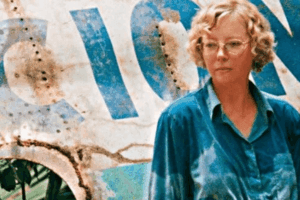
Although she lived quietly, avoiding the spotlight that often followed her story, she remained committed to protecting the rainforest that both endangered and saved her. Speaking with researchers and students, she often emphasized resilience, respect for nature, and the fragile balance that defines life in the Amazon.
 Via So Yummy
 Via PwC
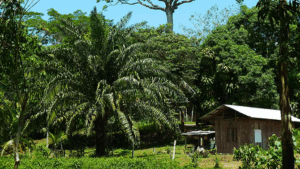
The station’s long-term studies have revealed new species, strengthened environmental protection efforts, and provided vital data about the health of the Amazon ecosystem. What began as a small family project has grown into an internationally respected refuge, proving that even events rooted in tragedy can lead to lasting preservation and knowledge.
 Via Ranker
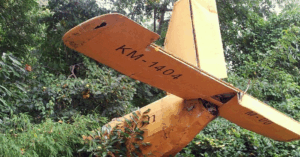
Respect for nature increases the chances of survival dramatically. Preparation matters more than luck in extreme situations. The story of the teenager who fell from the sky continues to inspire people worldwide. Courage combined with childhood learning defeated impossible odds. Eleven days alone in the wilderness ended with rescue and a new purpose. The jungle both took a mother and returned a daughter stronger than before.
More in Unassigned
Via Rare Historical Photos
Juliane occupied the window seat near the back of the plane. Her mother sat beside her. Fifteen minutes before landing, thick black clouds appeared ahead. Thunder rumbled, and lightning flashed across the sky.
Terror in the Storm
Suddenly, the aircraft entered a violent thunderstorm. Lightning struck dangerously close to the wings. Turbulence shook the cabin hard. Bags and gifts fell from overhead compartments. Drinks spilled over screaming passengers. The plane dropped several times sharply.
Via Historic Mysteries
A bright flash lit the right wing. The aircraft nose-dived toward the jungle below. Seats ripped from the floor. The row containing Juliane stayed bolted together. The teenager remained strapped in while everything around vanished. Silence replaced the noise of engines and cries.
The Three-Kilometer Fall
The row of seats spun downward like a giant leaf. Wind roared past at terrifying speed. The dense rainforest below looked like tiny broccoli heads from 3,000 meters up. The spinning motion continued for minutes. Consciousness faded as the ground rushed closer.
Via Ranker
Impact came softer than expected. Thick vines and tree branches broke the fall. The seat row plunged deep into the canopy before landing upside-down on the muddy jungle floor. Rain fell steadily on Christmas morning when awareness returned. One sandal was missing,,g and the white dress hung in shreds.
First Moments After the Crash
Pain spread through the body on waking. A broken collarbone caused sharp aches with every move. Deep cuts bled on one arm and leg. Vision stayed blurry without glasses. A mild concussion made thinking slow and difficult.
Via Tumblr
Shouting began for the mother and other passengers. Only bird calls and rain answered back. The wreck of the plane could not be seen anywhere nearby. The jungle stretched endlessly in every direction. Survival now depended completely on knowledge learned during childhood.
Childhood in the Rainforest
Juliane grew up surrounded by the Amazon wilderness. German zoologists Hans-Wilhelm and Maria Koepcke raised their daughter at the Panguana research station. Lessons about jungle life started from an early age. Dangerous animals and safe paths became familiar topics.
Via Business Insider
Parents taught how to recognize bird and frog sounds. Rules about finding water and avoiding poison plants were repeated often. Walking downstream always led to people eventually. Piranhas only attacked in very shallow water. These facts have now become lifesaving tools.
Searching for Survivors
The first day passed lying under the upside-down seats. Strength returned slowly by the second morning. The small bag of sweets found nearby provided the only food. Calling for the mother continued without success.
Via Dusty Old Thing
A tiny stream flowed close to the crash spot. Following water downhill seemed the safest choice. Wading began despite pain from injuries. Muddy banks held hidden snakes and insects. Staying in the current felt safer than walking on land.
Days of Endless Rain
The wet season brought constant heavy showers. No dry wood existed for making fire. Soaked clothing never dried completely. Chills came every night under makeshift shelters of leaves. Hunger grew stronger with each passing hour.
Via All That’s Interesting
Infections started in the open wounds. Swelling turned the skin hot and red. Flies laid eggs that hatched into maggots quickly. Weakness made every step more difficult. Hope faded as helicopters passed overhead without spotting anyone.
The Gruesome Discovery
King vultures circled high above on the fourth day. Large groups only gathered when something died. Following their path led to a terrible sight. Three passengers remained strapped in their buried seats.
Via ABC News
Impact drove the row deep into soft earth. One victim was a woman with painted toenails. Maria Koepcke never painted her nails. Relief mixed with fresh grief at the realization. Death surrounded the area, yet life continued somehow.
Following Rivers and Hope
Rivers grew wider with every kilometer walked. Small creeks turned into proper streams. Walking stayed in the middle current when possible. Deep water kept most predators away. Legs grew numb from constant cold.
Via Goodreads
Nights brought terrifying darkness and loud insect noise. Shelter under large leaves offered little protection. Thoughts of giving up appeared by day nine. Exhaustion made rest impossible despite extreme fatigue.
The Logger’s Hut and Gasoline Treatment
A small palm-roofed hut appeared around a river bend. Loggers used the shelter during work seasons. Useful items lay scattered inside the simple structure. A can of gasoline sat in one corner. The shoulder wound crawled with large maggots.
Via High Sierra Planets
Memory recalled the father treating their dog the same way. Gasoline poured directly into the infection caused intense burning pain. Thirty maggots were pulled out one by one. Pride came from handling the disgusting task alone.
Rescue by Local Workers
Voices sounded early the next morning outside the hut. Three Peruvian lumberjacks returned to their campsite. The sudden appearance of a muddy blonde girl shocked the men. Local legends spoke of blonde water spirits that lured people to death.
Via Ranker
A clear Spanish explanation calmed their fear. “A plane crashed, and I am the survivor,” ended the confusion. Simple food and clean water arrived immediately. The long canoe journey to civilization began that same day.
Arrival at Safety and Reunion
The canoe reached a small village after many hours of paddling. A tiny airstrip allowed a pilot to fly the injured teenager to the hospital. Hans-Wilhelm Koepcke waited anxiously at the medical center. Father and daughter shared tears after eleven endless days apart.
Via Reddit
Doctors treated severe infections and broken bones. Weeks of recovery lay ahead before full strength returned. News spread quickly around Peru and then the world. The miracle teenager became a front-page story everywhere.
Investigation and Causes
Official reports blamed the airline completely. The flight into known dangerous thunderstorms violated safety rules. The aircraft itself consisted mostly of spare parts from older wrecked planes. Poor maintenance added to the list of fatal errors.
Via Afterburner Australia
Ninety-one people died either instantly or soon after impact. Fourteen passengers possibly survived the crash itself initially. Serious injuries prevented movement for most victims. Only one person possessed both health and jungle knowledge to escape.
Scientific Theories of Survival
Experts studied how anyone could fall from three kilometers and live. The spinning seat row may have acted like a parachute. Strong updrafts inside the storm possibly slowed descent speed. Thick vegetation cushioned the final impact dramatically.
Via The Washington Post
The upright body position during a fall spreads forces more evenly. Deep soft earth at the landing spot absorbed the remaining energy. A combination of many small, lucky factors created the impossible outcome.
Life After the Jungle Ordeal
Studies in biology continued despite the trauma. A university in Germany awarded a degree years later. Work focused on bats living in rainforest environments. Return visits to Panguana happened regularly. Marriage and normal life developed far from public attention. Scars on arms and legs remain visible reminders.
Via Global Landscapes Forum
Emotional wounds heal more slowly than physical ones. The rainforest stays both loved and feared forever. Her later work blended scientific discipline with the deep personal connection she carried from childhood, allowing her to approach conservation with rare understanding.
Although she lived quietly, avoiding the spotlight that often followed her story, she remained committed to protecting the rainforest that both endangered and saved her. Speaking with researchers and students, she often emphasized resilience, respect for nature, and the fragile balance that defines life in the Amazon.
Via So Yummy
Legacy of Panguana Station
The research center founded by the parents continues operating today. Protection of thousands of jungle acres remains the main goal. New scientists study plants and animals in the safe zone. Tours never reveal the exact location to prevent damage. Books and documentaries share the survival story carefully. Money earned helps fund conservation work. The tragic crash indirectly saved large areas of rainforest from destruction. Over time, Panguana has become a symbol of how scientific research and conservation can support each other.
Via PwC
The station’s long-term studies have revealed new species, strengthened environmental protection efforts, and provided vital data about the health of the Amazon ecosystem. What began as a small family project has grown into an internationally respected refuge, proving that even events rooted in tragedy can lead to lasting preservation and knowledge.
Explore Juliane Koepcke's Amazon Survival
Knowledge proves more valuable than equipment in survival situations. Calm thinking preserves energy when panic wastes it. Following water almost always leads to human settlements eventually. Basic first-aid skills can prevent small injuries from becoming deadly. The Amazon rainforest supports life when understood properly. Danger exists, but so does beauty and abundance.
Via Ranker
Respect for nature increases the chances of survival dramatically. Preparation matters more than luck in extreme situations. The story of the teenager who fell from the sky continues to inspire people worldwide. Courage combined with childhood learning defeated impossible odds. Eleven days alone in the wilderness ended with rescue and a new purpose. The jungle both took a mother and returned a daughter stronger than before.