Unassigned
Strange Mantle Flow Could Fuel Mars Volcanoes
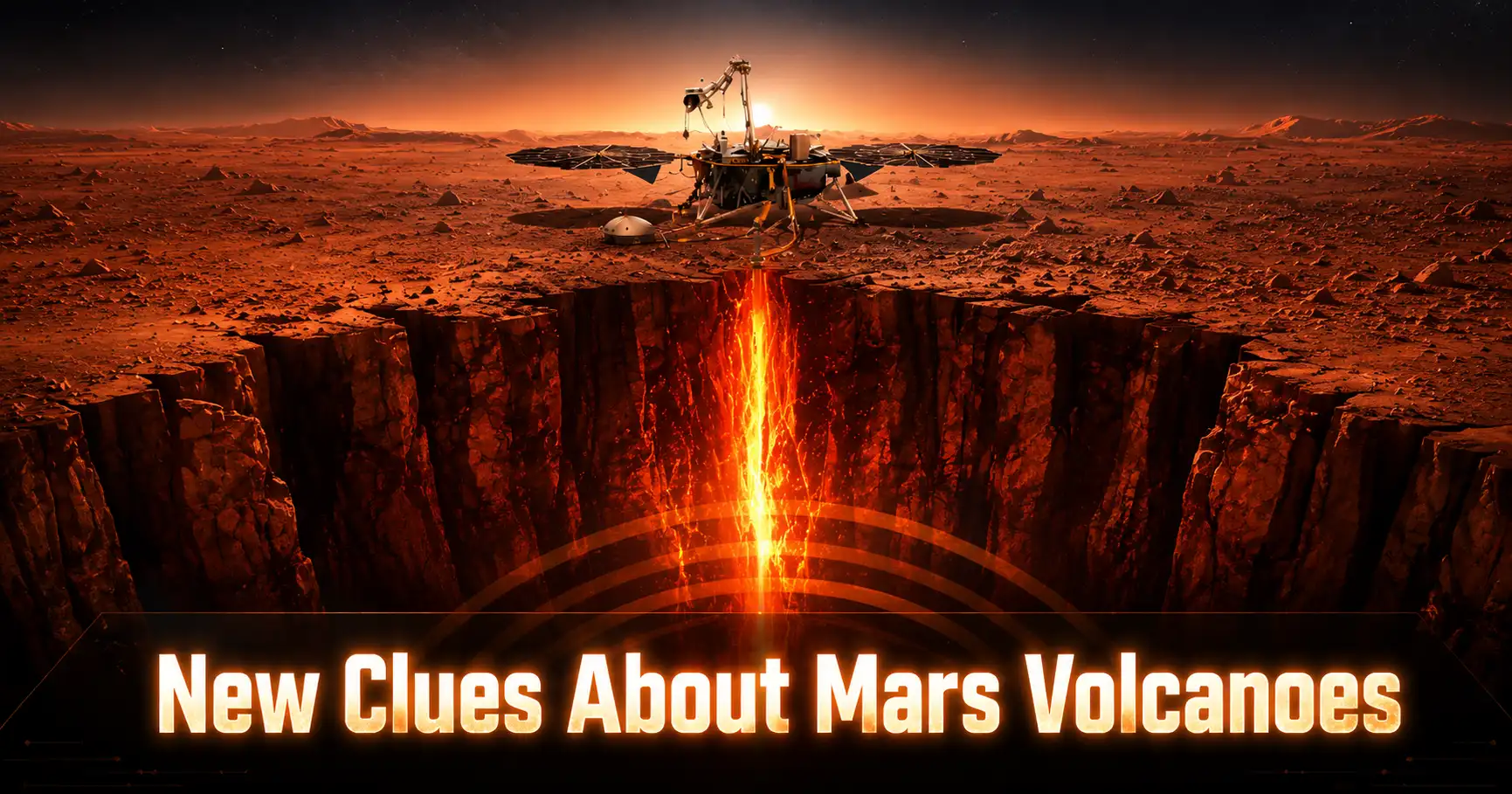
Mars has long been seen as a quiet and inactive world. Its surface appears dry, cold, and largely unchanged for millions of years. New research challenges that view by pointing to movement deep inside the planet. Scientists now believe that Mars may still hold heat and energy beneath its surface, which could affect both its geology and rotation.
The discovery comes from a detailed analysis of data collected by a robotic lander sent to study the planet’s interior. This mission helped measure how seismic waves move through Mars. These signals provided clues about what lies beneath the crust. The findings suggest that Mars is not as inactive as once believed.
 Via Live Science
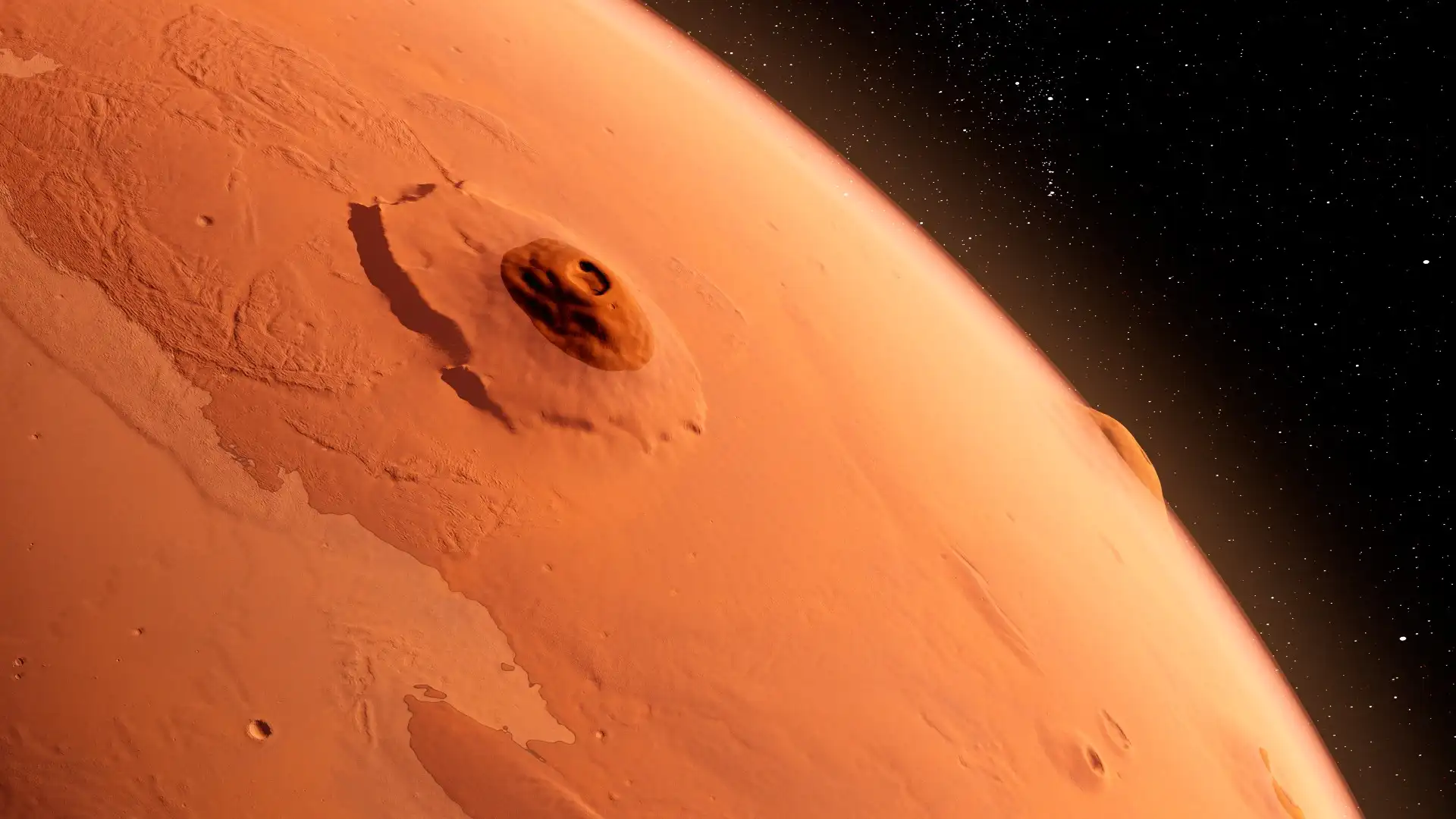
A large region known for its massive volcanoes has drawn special attention. This area may hold the key to understanding the planet’s hidden activity. Beneath it, researchers have identified a strange structure that could reshape current ideas about how Mars evolved and how it behaves today.
 Via Stock Cake
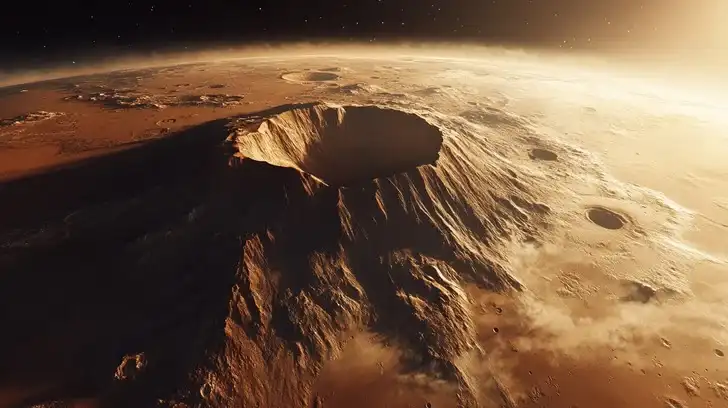
This type of structure is often called a “negative mass anomaly.” It means the material is buoyant compared to its surroundings. As it rises, it can push against the outer layers of the planet. Over time, this process may form pockets of melted rock. Even so, small changes over long periods can reshape a planet’s internal structure.
These melt pockets can eventually break through the crust. When that happens, volcanic activity can occur. This finding suggests that Mars may not be completely geologically dead. Instead, it may still have the potential for future eruptions, especially in regions where this plume is active. The movement of this plume is extremely slow, taking millions of years to shift position.
 Via Earth Sky
 Via Phys Org
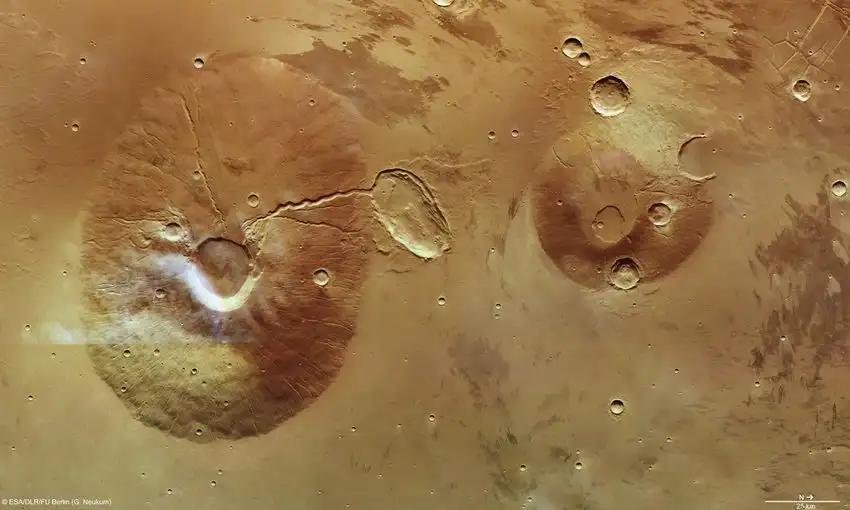
The newly discovered mantle plume sits beneath this region. Its presence may explain why Tharsis became so volcanically active. It may also suggest that the region could still experience activity in the future, even if such events are rare.
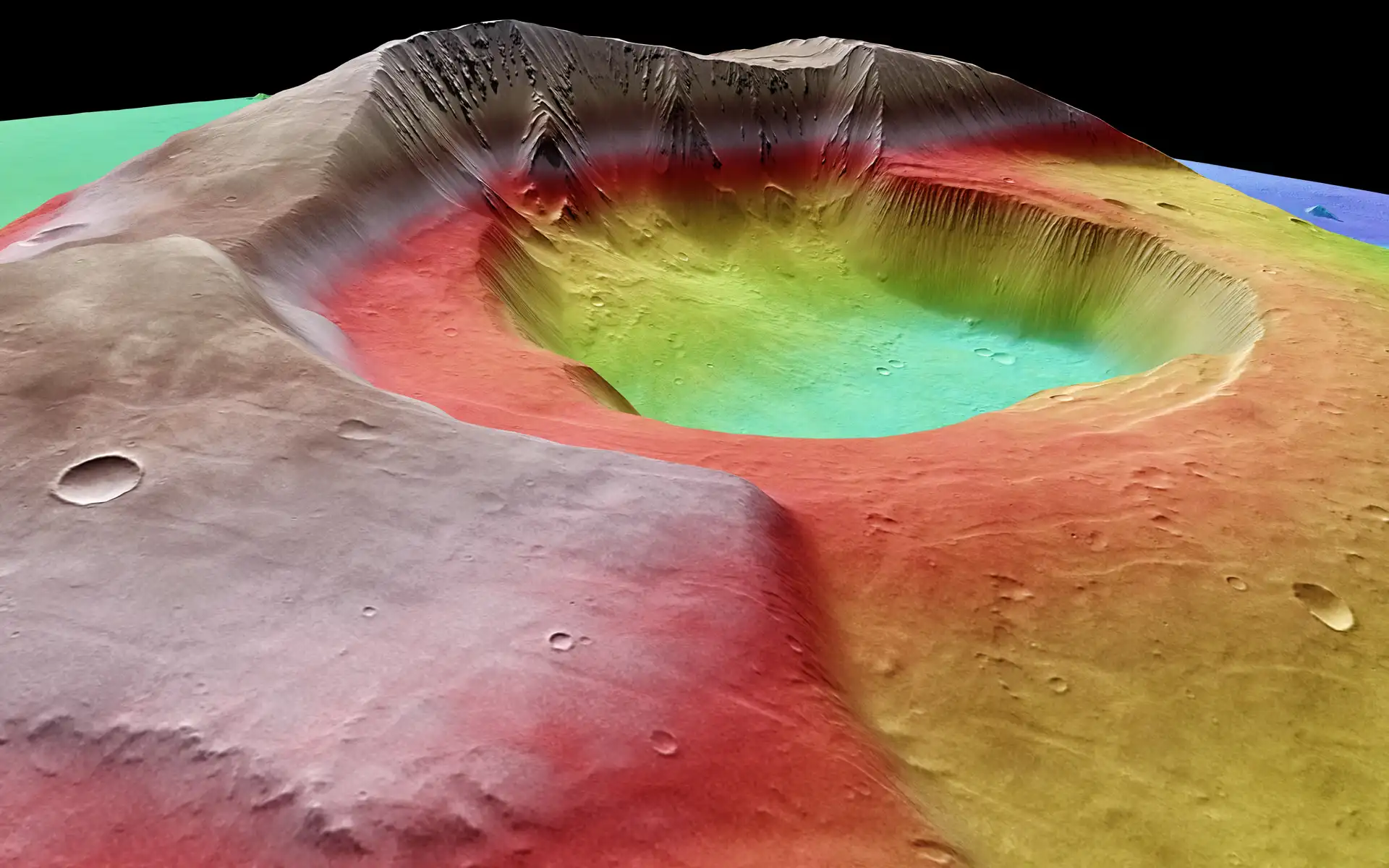
Some of the most famous structures in this area include enormous shield volcanoes that dwarf anything found on Earth. Their size indicates long-term and repeated volcanic activity. This makes Tharsis one of the most important regions for studying planetary geology.
 Via Space
 Via White Clouds
The mission provided a new way to study planets without drilling into them. It showed how seismic data can uncover hidden layers and structures. This approach has opened the door to better understanding not only Mars but also other rocky worlds.
 Via NASA Science
The mantle plume may offer a possible answer. As the lighter material moves upward, it can shift mass inside the planet. This redistribution of mass can affect how the planet rotates. Similar effects are seen in other rotating bodies when their mass changes position.
Computer simulations suggest that this internal movement could be enough to influence Mars’ spin. While the change is small, it is consistent with observations. This link between deep interior activity and rotation provides a new perspective on how planets evolve.
 Via Star Walks
 Via Space
This finding challenges previous assumptions about how planets cool. It shows that internal processes can continue longer than expected. Understanding this could help scientists learn more about the life cycles of planets across the solar system.
 Via Earth
Internal structures like mantle plumes can extend a planet’s active phase. These features can keep heat circulating and create conditions for volcanic activity. This means that even smaller planets may remain dynamic for longer periods than once believed.
Such insights are valuable for studying other planets and moons. They can help explain why some worlds remain active while others do not. This knowledge also plays a role in the search for environments that could support life.
 Via Lawrence Livermore
 Via Futura
Simulations allow scientists to explore scenarios that cannot be directly observed. They act as a bridge between data and theory. In this case, they helped reveal a hidden process shaping an entire planet. Even after the mission ended, the information continues to support discoveries about the planet’s structure and evolution.
 Via Scientific American
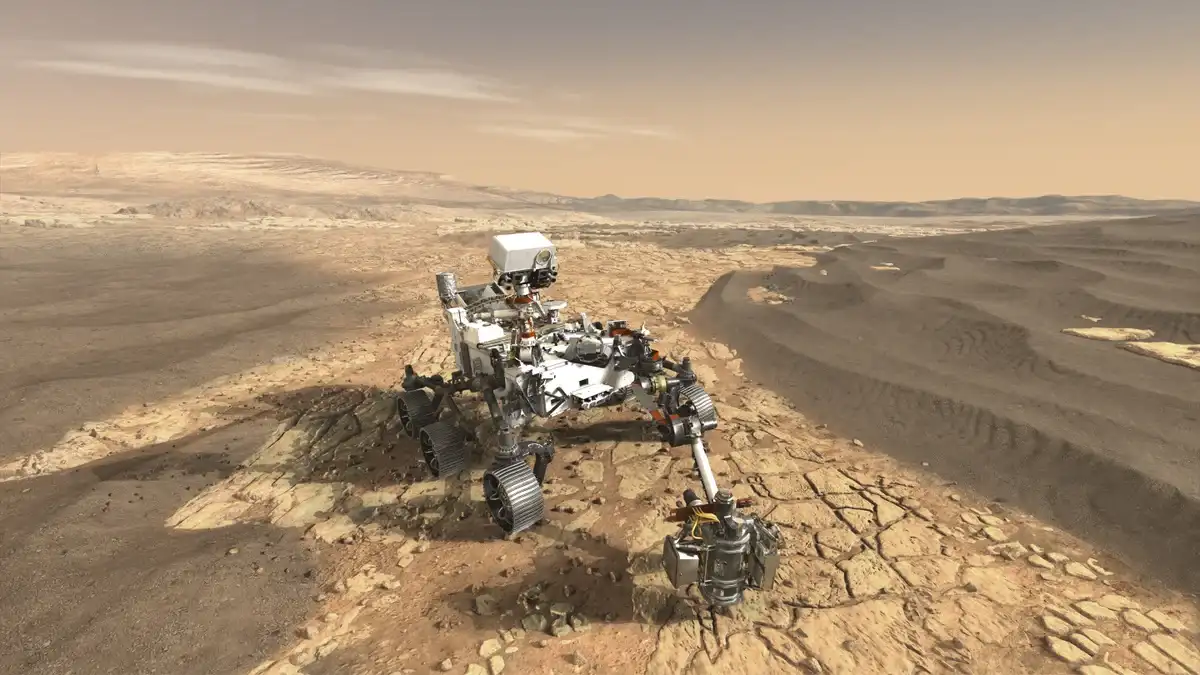
Future landers and orbiters may focus on detecting signs of heat or movement. Instruments could measure subtle changes in the surface or atmosphere. These observations would help confirm whether volcanic activity is still possible.
Exploration efforts may also aim to understand how this activity affects the environment. Heat from below could influence surface chemistry or even the presence of water in certain areas. These factors are important for understanding Mars as a whole.
 Via Explore Mars
 Via Space
Mars continues to surprise researchers with new findings. Each discovery adds to a deeper understanding of how planets work. The Red Planet remains a key subject for learning about the past and future of rocky worlds. Even tiny shifts in mass distribution can alter rotational speed when applied over millions of years.
More in UnassignedVia Live Science
A large region known for its massive volcanoes has drawn special attention. This area may hold the key to understanding the planet’s hidden activity. Beneath it, researchers have identified a strange structure that could reshape current ideas about how Mars evolved and how it behaves today.
A Deep Mantle Plume Beneath the Surface
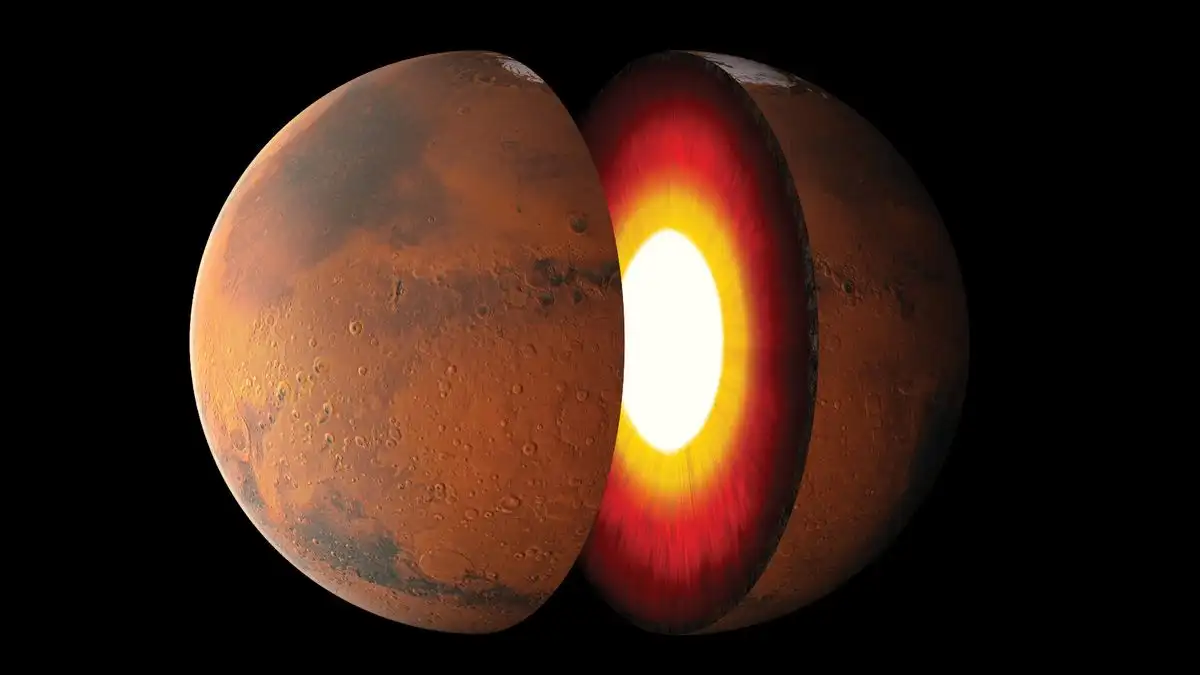
Scientists believe a large plume of lighter material exists deep within Mars’ mantle. This plume is less dense than the surrounding rock, allowing it to slowly rise upward. Such movement can create pressure beneath the surface, leading to changes in the crust above.
Via Stock Cake
This type of structure is often called a “negative mass anomaly.” It means the material is buoyant compared to its surroundings. As it rises, it can push against the outer layers of the planet. Over time, this process may form pockets of melted rock. Even so, small changes over long periods can reshape a planet’s internal structure.
These melt pockets can eventually break through the crust. When that happens, volcanic activity can occur. This finding suggests that Mars may not be completely geologically dead. Instead, it may still have the potential for future eruptions, especially in regions where this plume is active. The movement of this plume is extremely slow, taking millions of years to shift position.
Via Earth Sky
The Tharsis Region and Its Massive Volcanoes
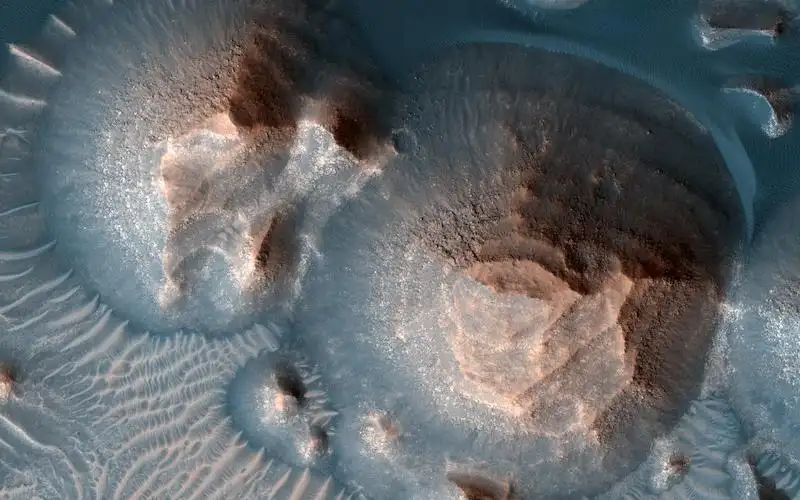
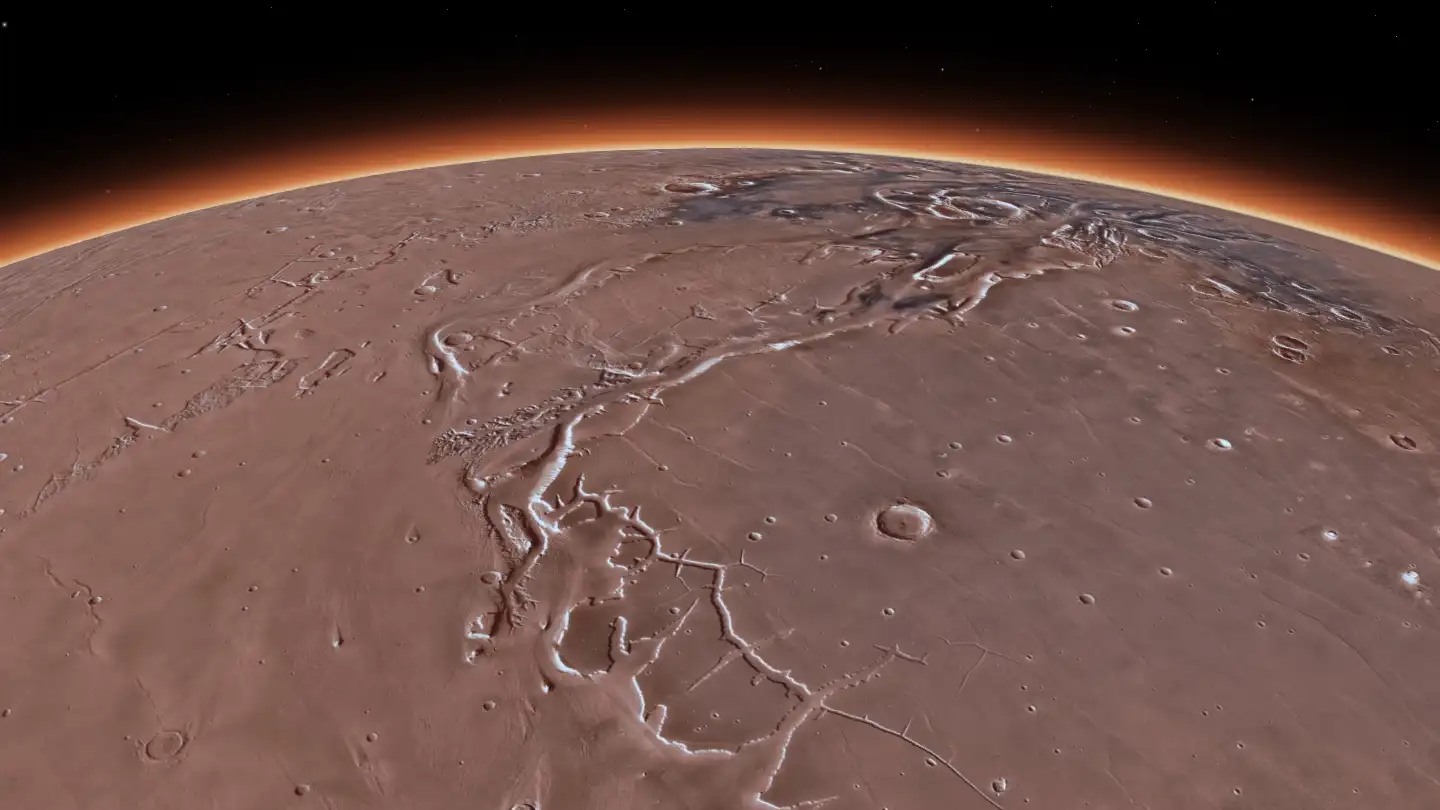
One of the most striking features on Mars is the Tharsis region. This area stretches across a large part of the planet and contains some of the tallest volcanoes in the solar system. These volcanoes formed over long periods as lava built up layer by layer. Mars does not have moving tectonic plates like Earth. This means volcanic hotspots remain fixed in one place. As a result, lava continues to pile up in the same region, creating massive structures over time. This process explains why the volcanoes in Tharsis are so large.
Via Phys Org
The newly discovered mantle plume sits beneath this region. Its presence may explain why Tharsis became so volcanically active. It may also suggest that the region could still experience activity in the future, even if such events are rare.
Some of the most famous structures in this area include enormous shield volcanoes that dwarf anything found on Earth. Their size indicates long-term and repeated volcanic activity. This makes Tharsis one of the most important regions for studying planetary geology.
Via Space
Data from a Groundbreaking Space Mission
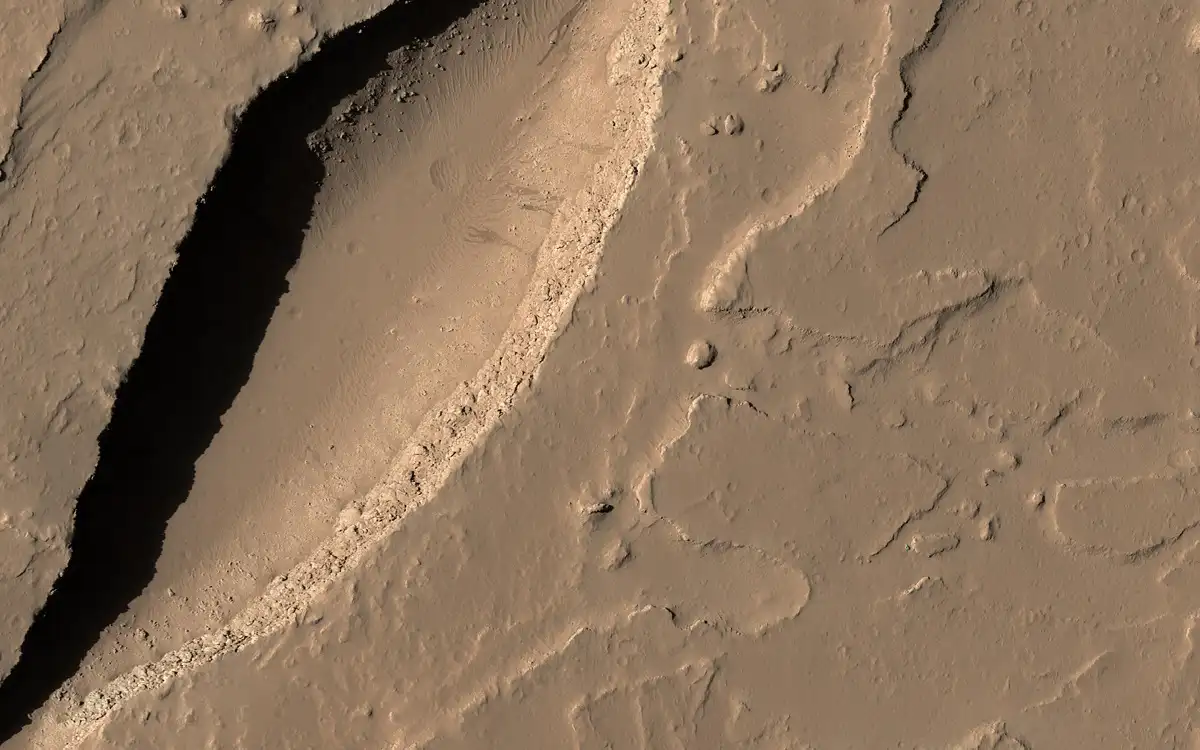
A key part of this discovery comes from a mission designed to study Mars from the inside out. The lander collected data on Marsquakes, which are similar to earthquakes on Earth. These vibrations travel through the planet and reveal details about its internal structure. By studying how these waves moved, scientists could estimate the thickness of the crust and identify unusual features below it. This method allowed researchers to build models of what might exist deep inside Mars. These models pointed to the presence of a rising mantle plume.Via White Clouds
The mission provided a new way to study planets without drilling into them. It showed how seismic data can uncover hidden layers and structures. This approach has opened the door to better understanding not only Mars but also other rocky worlds.
A Possible Link to Faster Planetary Rotation
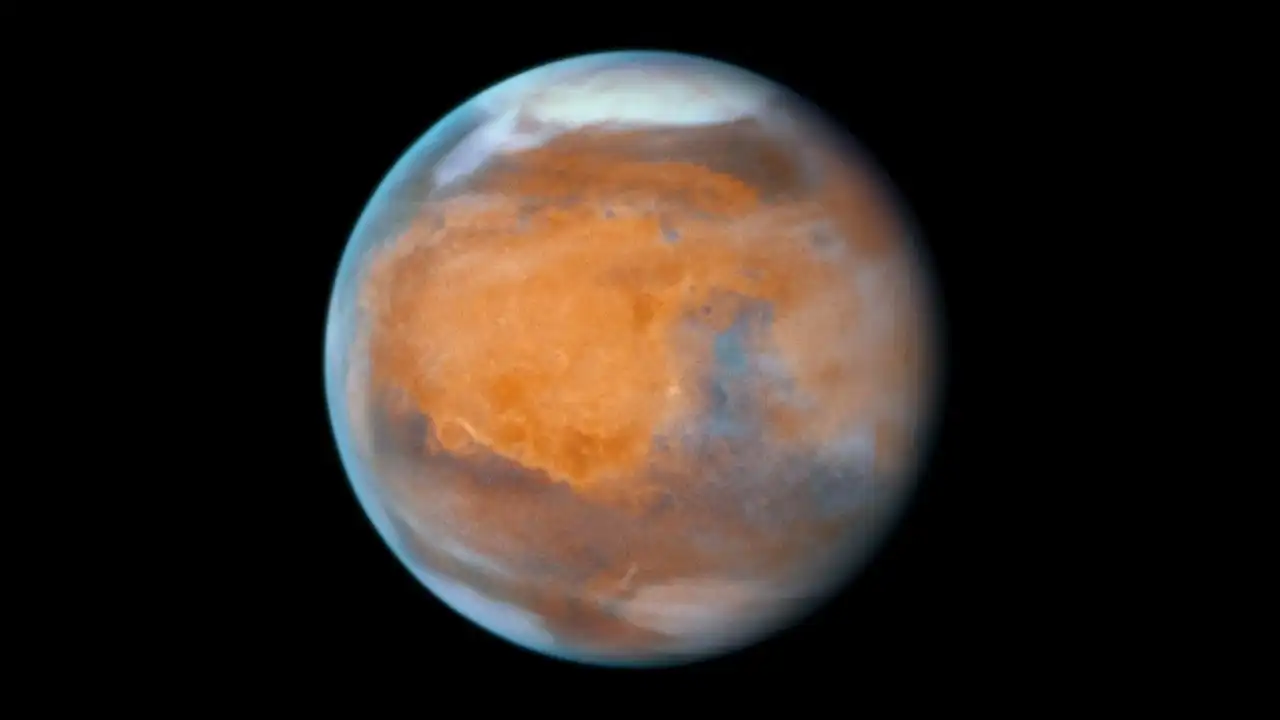
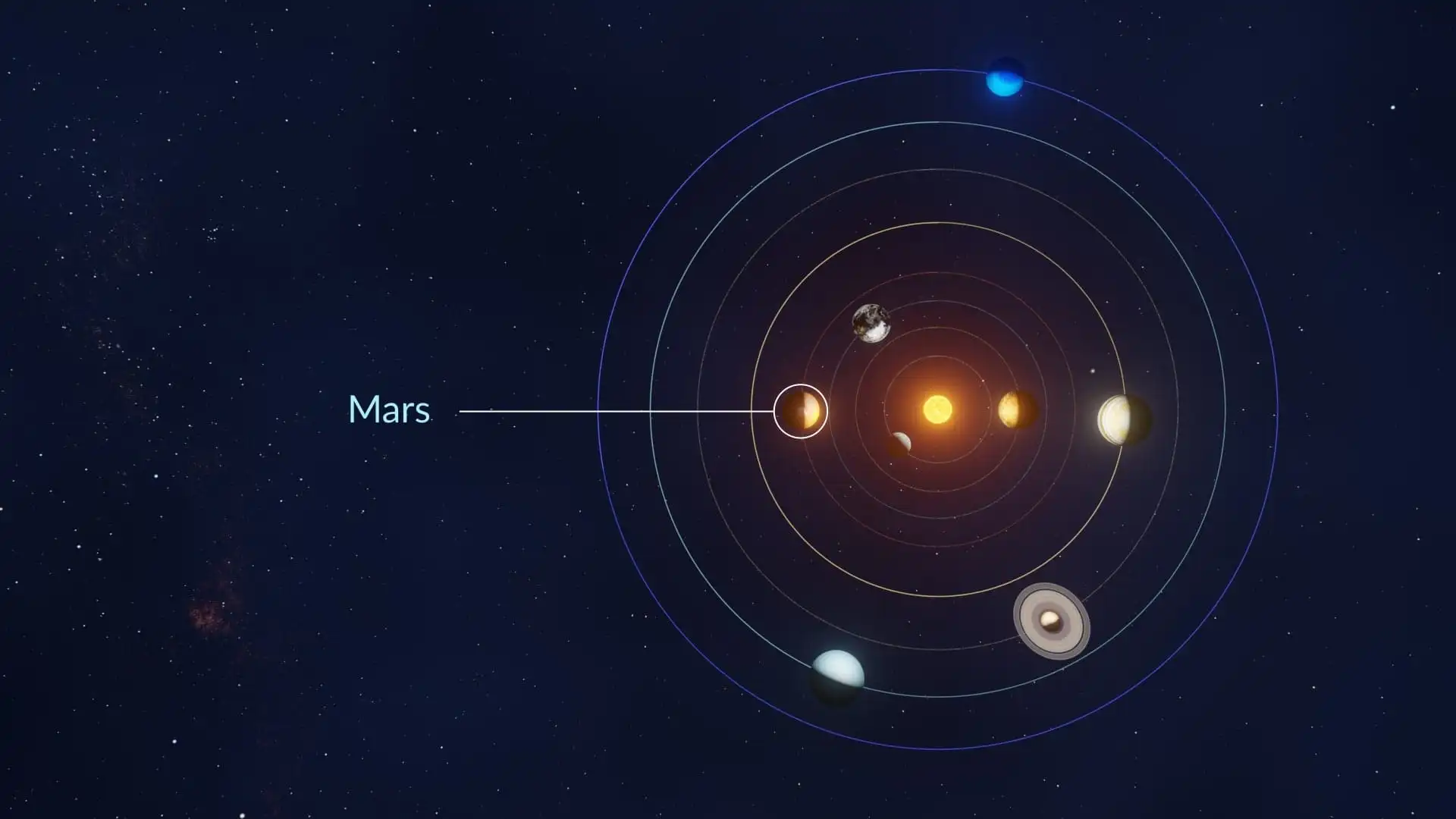
Mars has been observed to spin slightly faster over time. This change is very small, but it is measurable. Each year, the length of a Martian day shortens by a tiny fraction of a second. Scientists have been trying to explain this unusual behavior.Via NASA Science
The mantle plume may offer a possible answer. As the lighter material moves upward, it can shift mass inside the planet. This redistribution of mass can affect how the planet rotates. Similar effects are seen in other rotating bodies when their mass changes position.
Computer simulations suggest that this internal movement could be enough to influence Mars’ spin. While the change is small, it is consistent with observations. This link between deep interior activity and rotation provides a new perspective on how planets evolve.
Via Star Walks
How Does Mars Retain Heat Over Time?
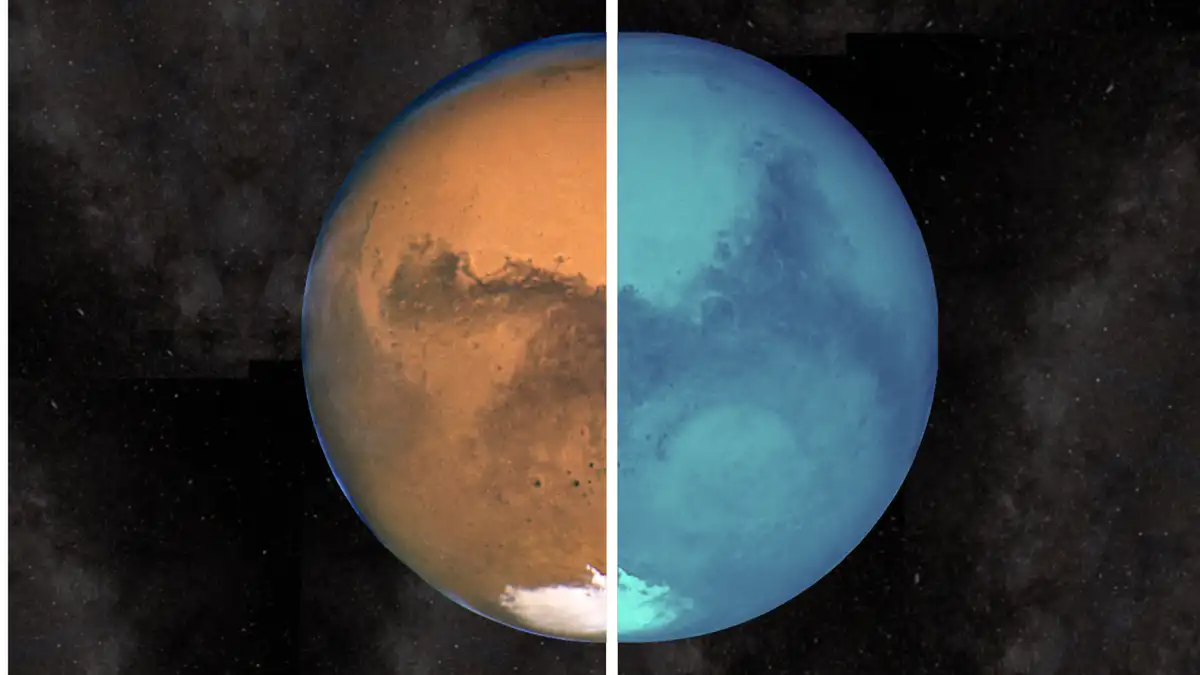
Small rocky planets are expected to cool down over billions of years. Mars, being smaller than Earth, should have lost most of its internal heat by now. The presence of a mantle plume suggests that this may not be entirely true. On Mars, where there is no active plate tectonics, these deep processes become even more important for understanding surface features. The rising material could be carrying heat from deeper layers toward the surface. This process helps maintain a level of internal energy. It may explain why Mars still shows signs of geological activity, even after billions of years.Via Space
This finding challenges previous assumptions about how planets cool. It shows that internal processes can continue longer than expected. Understanding this could help scientists learn more about the life cycles of planets across the solar system.
Rethinking the Life Cycle of Rocky Planets
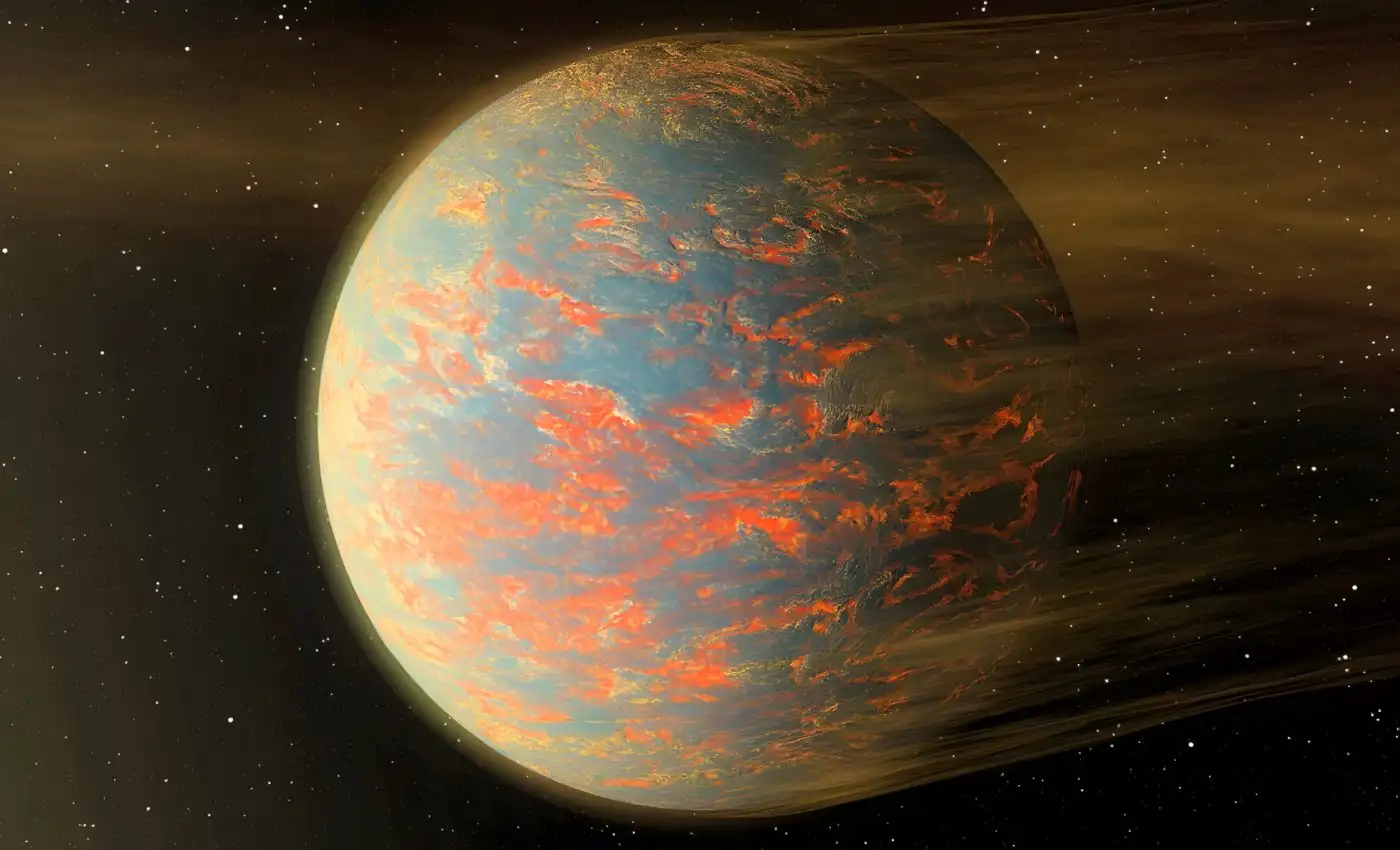
The new research encourages a fresh look at how planets form, evolve, and eventually become inactive. Mars was once thought to be a simple example of a planet that cooled quickly and lost its activity. The latest findings suggest a more complex story.Via Earth
Internal structures like mantle plumes can extend a planet’s active phase. These features can keep heat circulating and create conditions for volcanic activity. This means that even smaller planets may remain dynamic for longer periods than once believed.
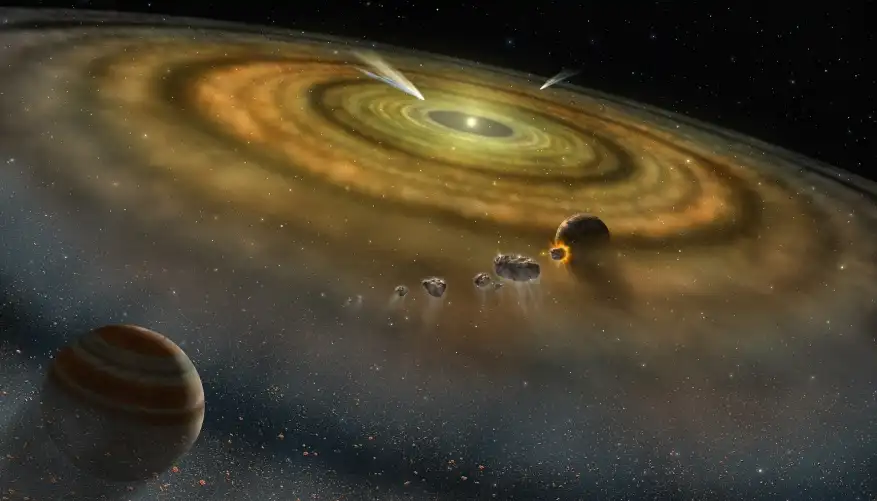
Such insights are valuable for studying other planets and moons. They can help explain why some worlds remain active while others do not. This knowledge also plays a role in the search for environments that could support life.
Via Lawrence Livermore
The Role of Computer Simulations in Discovery
Modern research relies heavily on computer models to test ideas. Scientists used simulations to recreate conditions on Mars. These models helped determine what kind of structure could produce the observed data. Mars may be experiencing a slow but continuous adjustment driven by its deep interior dynamics. By adjusting variables such as density and temperature, researchers could match the models to real measurements. The results consistently pointed to a rising plume beneath the Tharsis region. This provided strong support for the new theory.Via Futura
Simulations allow scientists to explore scenarios that cannot be directly observed. They act as a bridge between data and theory. In this case, they helped reveal a hidden process shaping an entire planet. Even after the mission ended, the information continues to support discoveries about the planet’s structure and evolution.
Future Implications for Mars Exploration
The discovery of possible ongoing activity on Mars raises new questions for future missions. Areas above the mantle plume may become targets for further study. These regions could offer clues about the planet’s current state and its past.Via Scientific American
Future landers and orbiters may focus on detecting signs of heat or movement. Instruments could measure subtle changes in the surface or atmosphere. These observations would help confirm whether volcanic activity is still possible.
Exploration efforts may also aim to understand how this activity affects the environment. Heat from below could influence surface chemistry or even the presence of water in certain areas. These factors are important for understanding Mars as a whole.
Via Explore Mars
A New Perspective on the Red Planet
Mars is no longer seen as a completely silent world. Evidence now points to hidden forces shaping its interior and possibly its future. The discovery of a mantle plume changes how scientists view the planet’s structure and behavior. The data collected over several years created one of the most detailed internal maps of Mars ever produced. The connection between internal movement and planetary spin adds another layer of complexity. It shows that even small changes deep inside a planet can have measurable effects. This insight highlights the importance of studying planetary interiors.Via Space
Mars continues to surprise researchers with new findings. Each discovery adds to a deeper understanding of how planets work. The Red Planet remains a key subject for learning about the past and future of rocky worlds. Even tiny shifts in mass distribution can alter rotational speed when applied over millions of years.