Unassigned
Statue Of Liberty: The Making Of America’s Icon
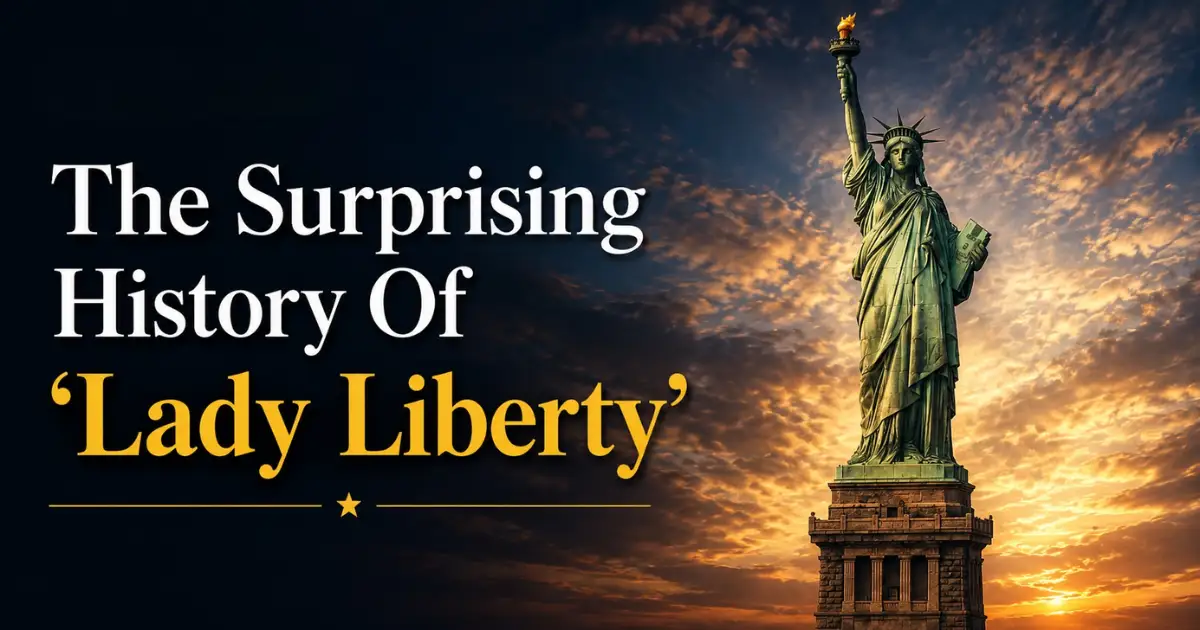
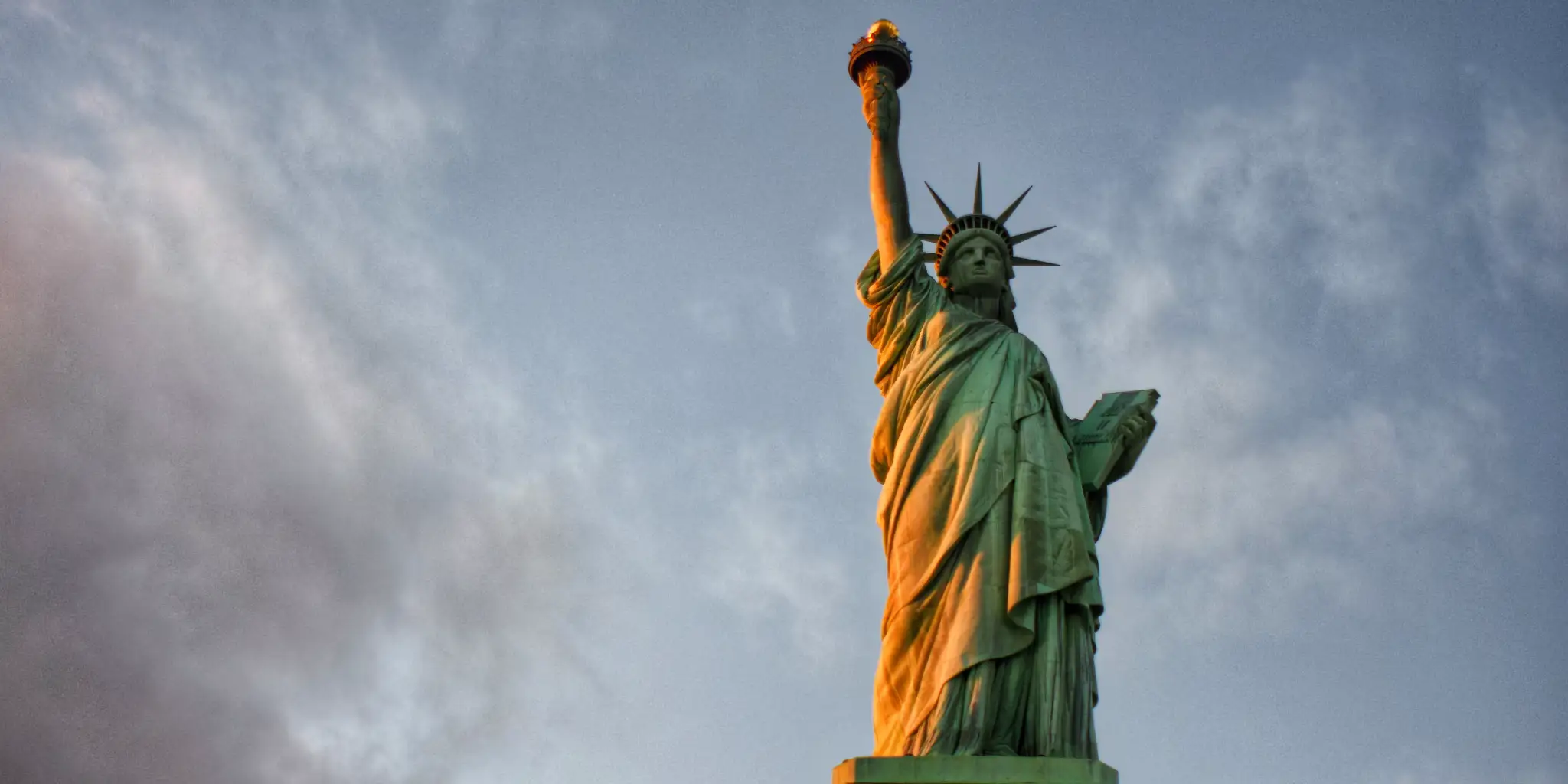
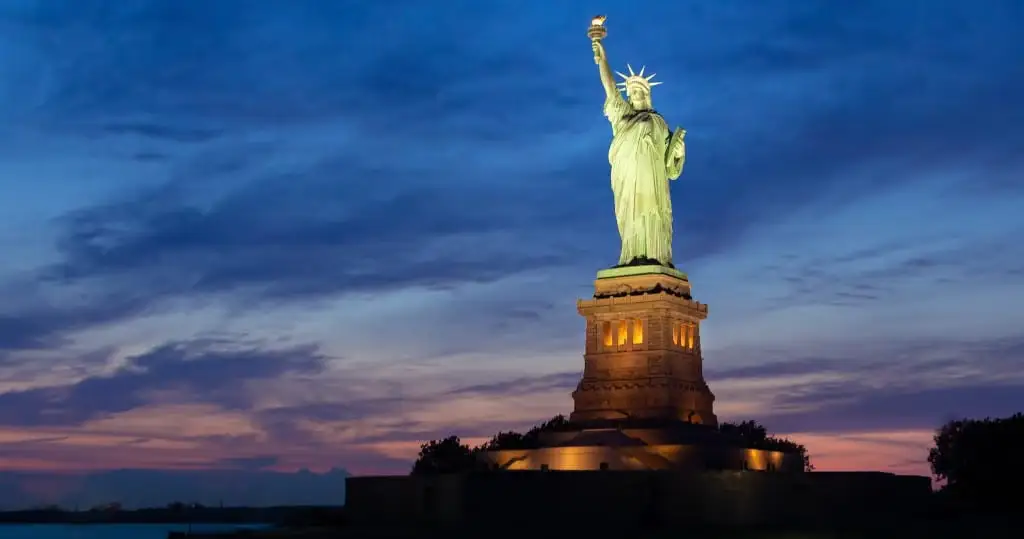
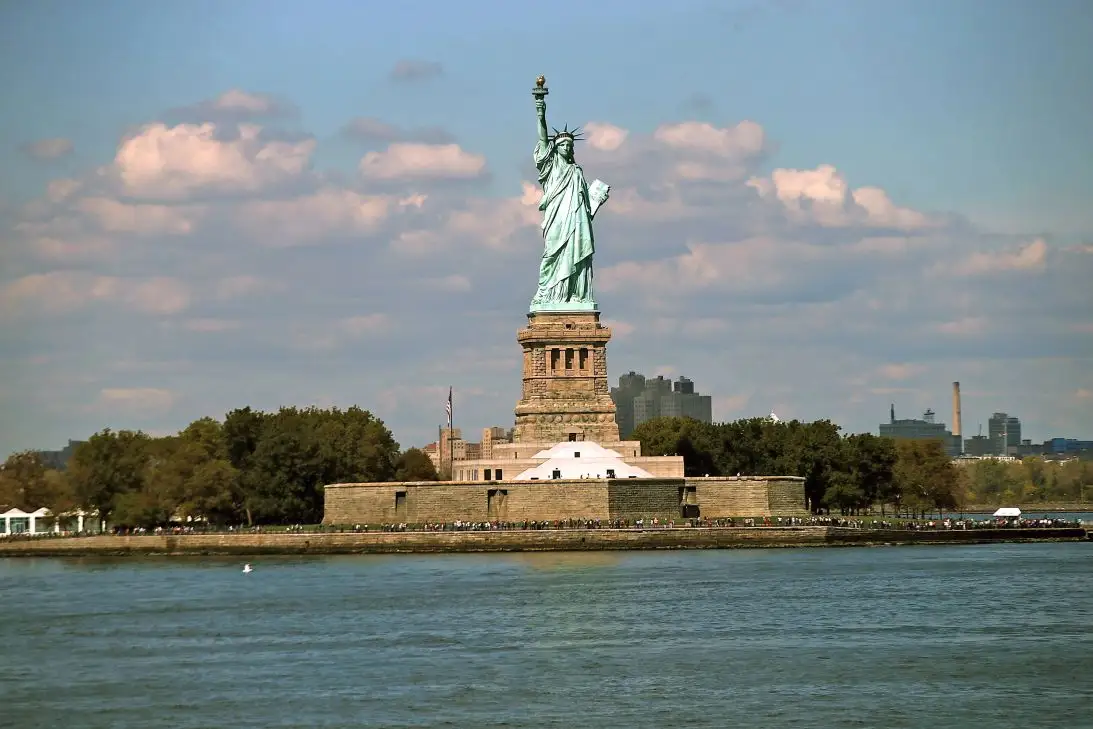
The Statue of Liberty stands high above New York Harbor and remains one of the most famous landmarks in the world. Its full height reaches 305 feet and 6 inches from the ground to the tip of the torch. Millions of people know its image from photos, postcards, films, schoolbooks, souvenirs, and travel guides. The statue is not just a large monument. It has become a powerful sign of freedom, hope, welcome, and democracy.
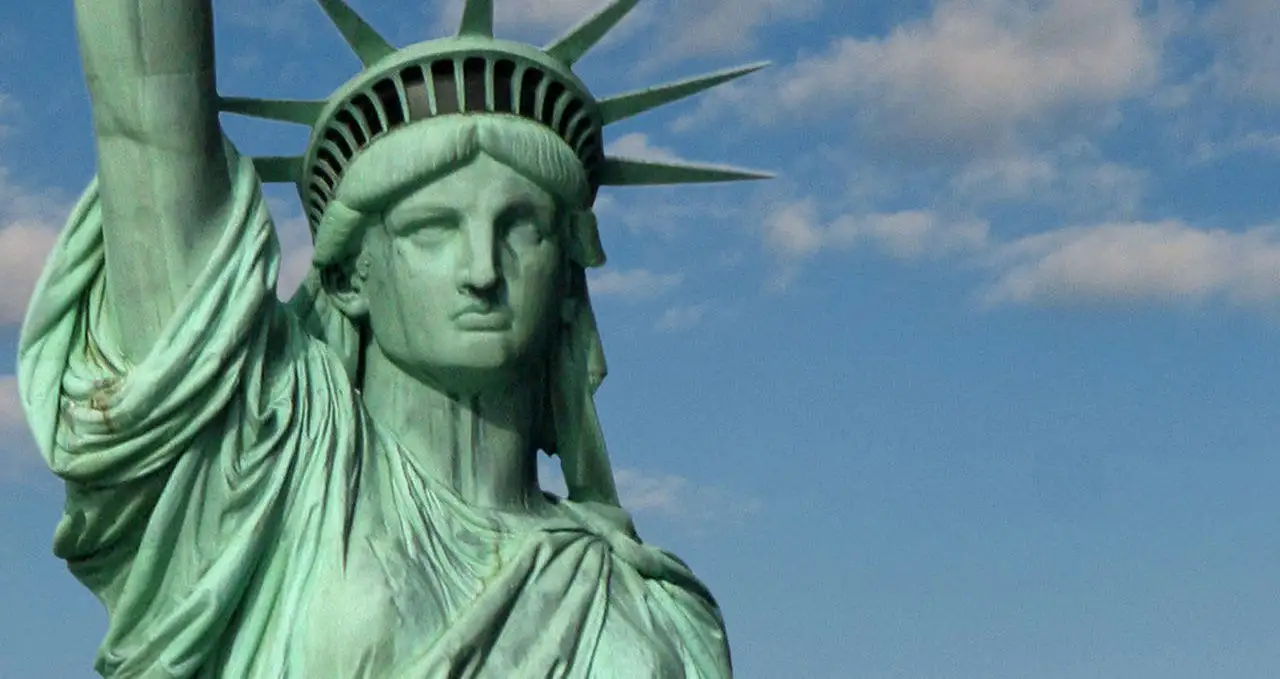
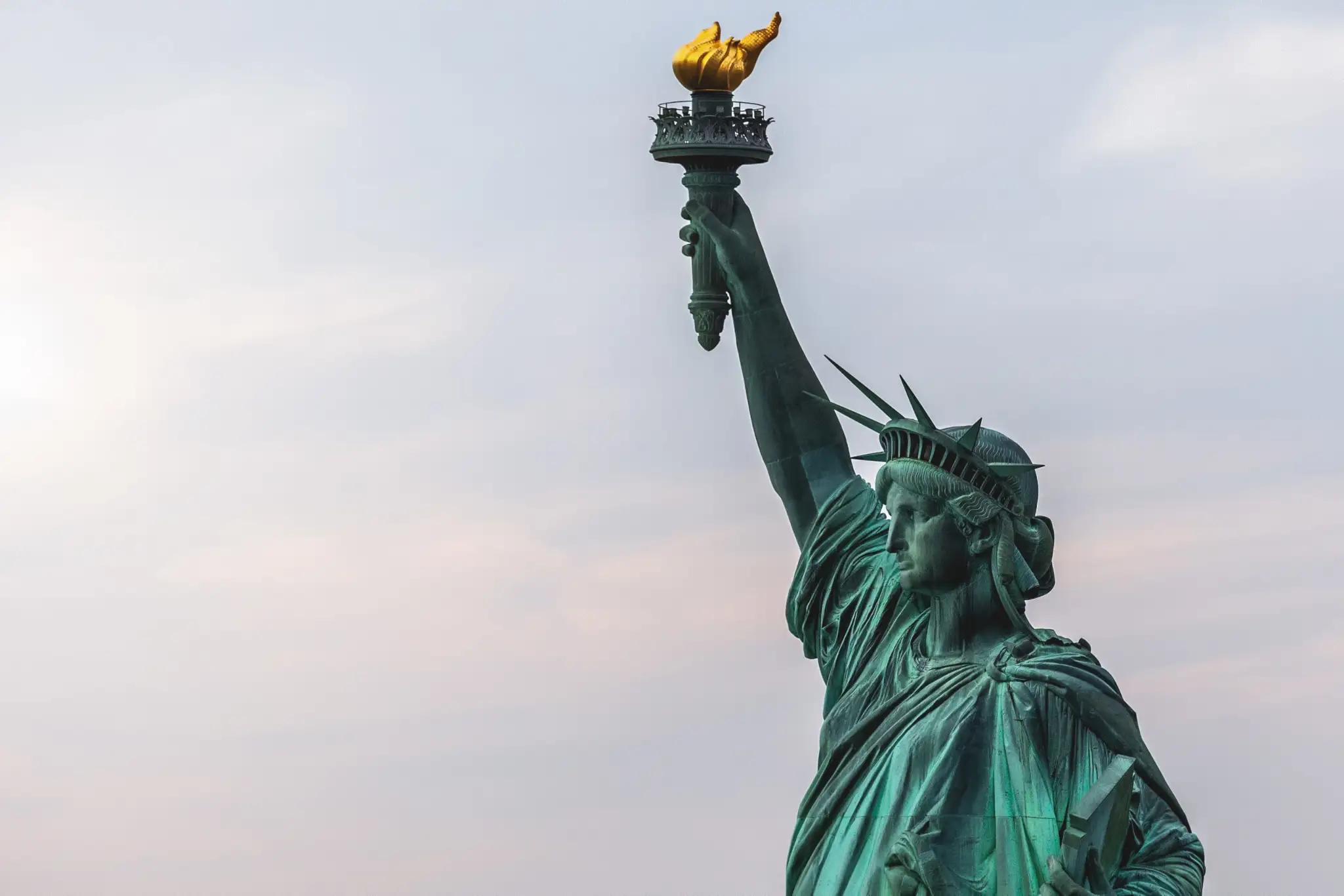
The statue’s official name is “Liberty Enlightening the World,” and that name gives a clear idea of its message. The woman holds a torch in one hand, showing light and guidance. On the other hand, she carries a tablet that marks the date of American independence. Her crown has rays that suggest light spreading across the world. Every part of the design was planned to send a strong public message.
 Via History
The statue is often seen as an American symbol, but its story began in France. It was designed by French sculptor Frédéric Auguste Bartholdi and supported by French thinker Édouard de Laboulaye. Their dream was to create a gift that honored the friendship between France and the United States. Over time, the statue became far more than a gift. It grew into one of the most loved public monuments in history.
 Via Love Exploring
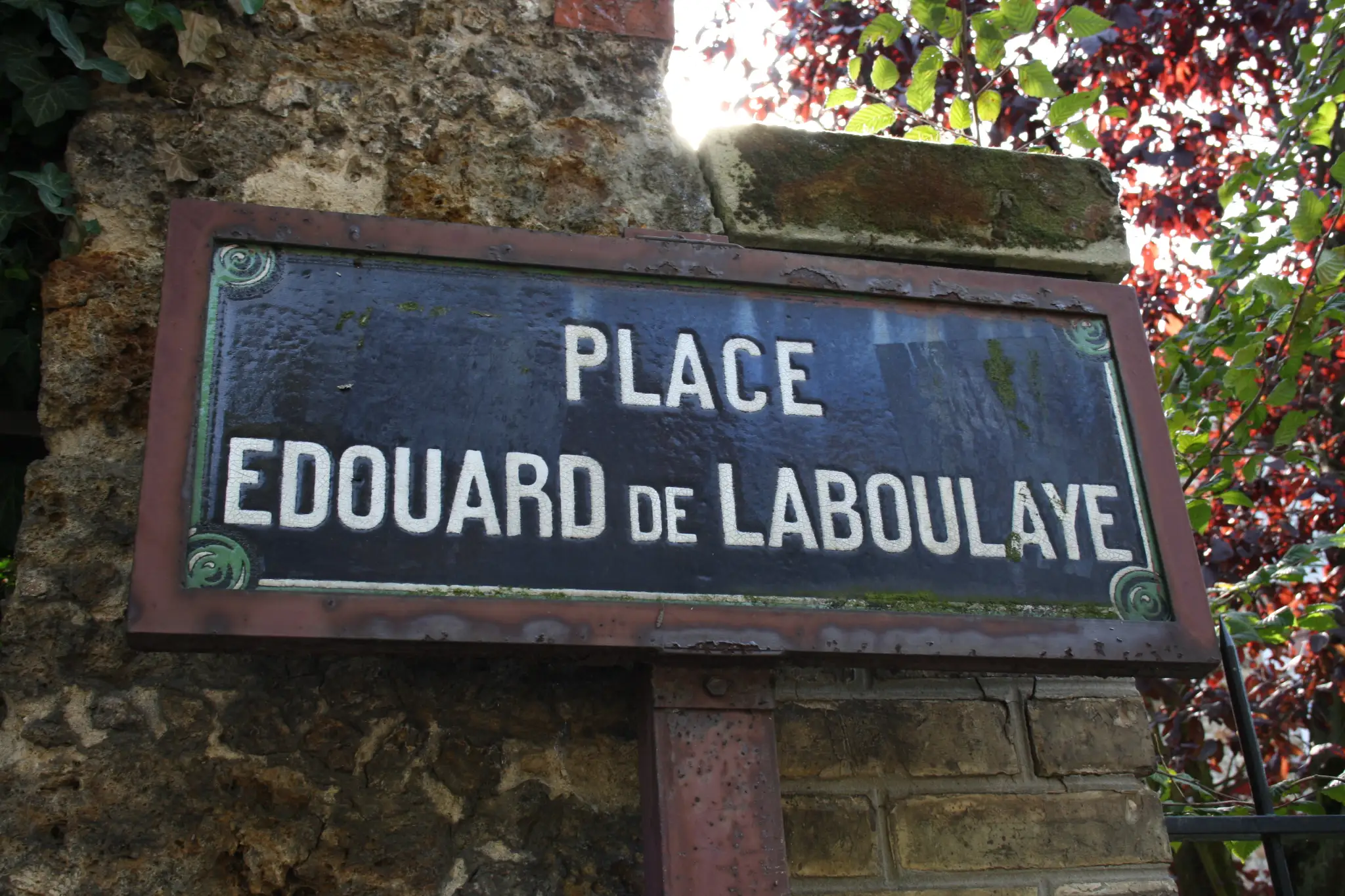
Édouard de Laboulaye played a major role in turning the idea into a serious plan. He admired the United States and believed the country represented many democratic hopes of the time. After the American Civil War and the end of slavery, he wanted to celebrate freedom and the long friendship between France and America. He believed a grand statue could carry that message better than a simple speech or written tribute.
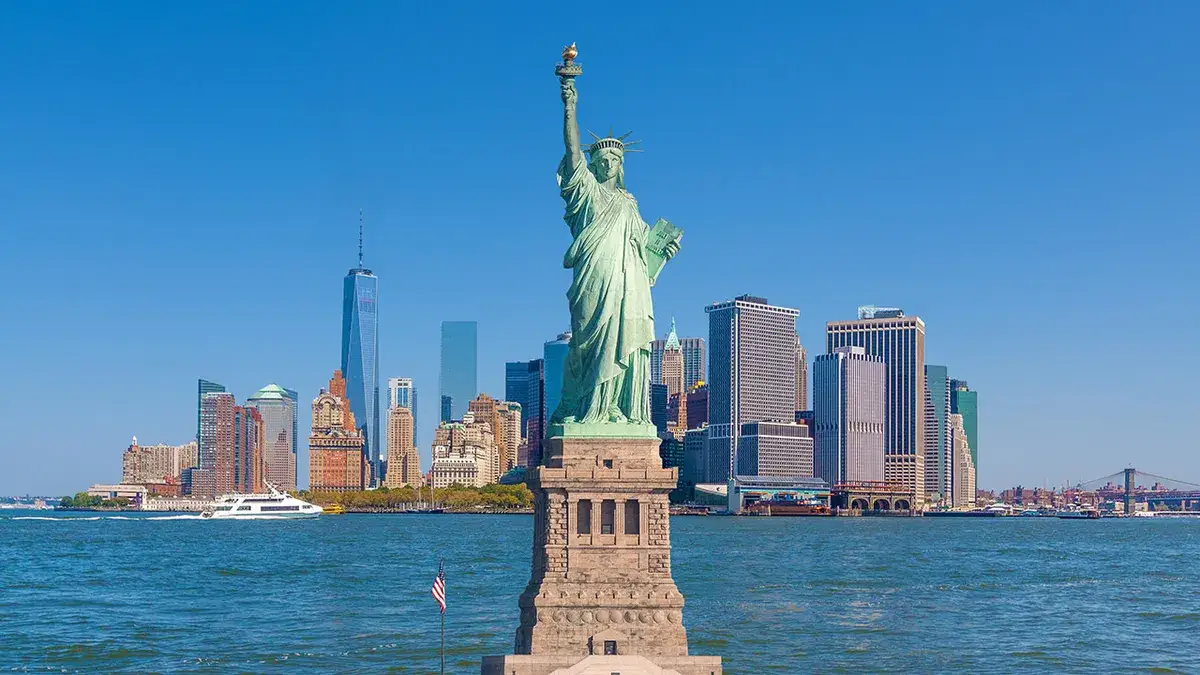
Bartholdi first visited the United States in 1871 to promote the idea. He traveled across the country and looked for support from leaders, artists, and public figures. He studied possible locations and first considered Central Park. Later, he chose Bedloe’s Island in New York Harbor, which is now called Liberty Island. The spot was perfect because ships arriving in New York would see the statue standing at the gateway to America.
 Via Wikimedia Commons
 Via Temple Sites
The display worked because people could finally see the scale of the project. The hand and torch were later shown in Madison Square in New York, where they became a public attraction. This helped people imagine how massive the finished statue would be. Fundraisers also sold small models of the statue, held events, and asked people across the country to give what they could. The statue slowly became familiar before it even stood in the harbor.
 Via Alabama Public Television
Pulitzer’s campaign became one of the most famous public fundraising drives of its time. Many donations were small, often less than one dollar, but they came from thousands of people. Workers, children, families, and immigrants all joined the effort. The campaign proved that a national monument did not have to depend only on wealthy donors. Small gifts from many people could build something lasting and meaningful.
This public support gave Americans a stronger connection to the statue. Even though the design and construction began in France, the pedestal was completed through American donations. The story made the statue feel like a people’s monument. It belonged not only to artists, politicians, or wealthy patrons, but also to everyday citizens who wanted to help raise a symbol of freedom in New York Harbor.
 Via US Constitution
 Via Fox 10 Phoenix
This frame allowed the copper skin to move slightly as temperatures changed and winds pushed against it. The design was advanced for its time and helped the huge statue remain stable. After the statue was completed in France, it was taken apart for shipping.
In 1885, it arrived in New York packed in hundreds of pieces. The pedestal was not fully ready when the statue arrived, so assembly had to wait. Once the base was finished, workers began putting the pieces together on Bedloe’s Island. The task took patience, skill, and careful planning because every part had to fit correctly.
 Via The B1M
 Via Fox News
As travel and photography grew, the statue became even more visible. Postcards helped spread its image across the United States and beyond. People who visited New York often sent pictures of the statue to friends and family. The statue also became linked to the immigrant experience.
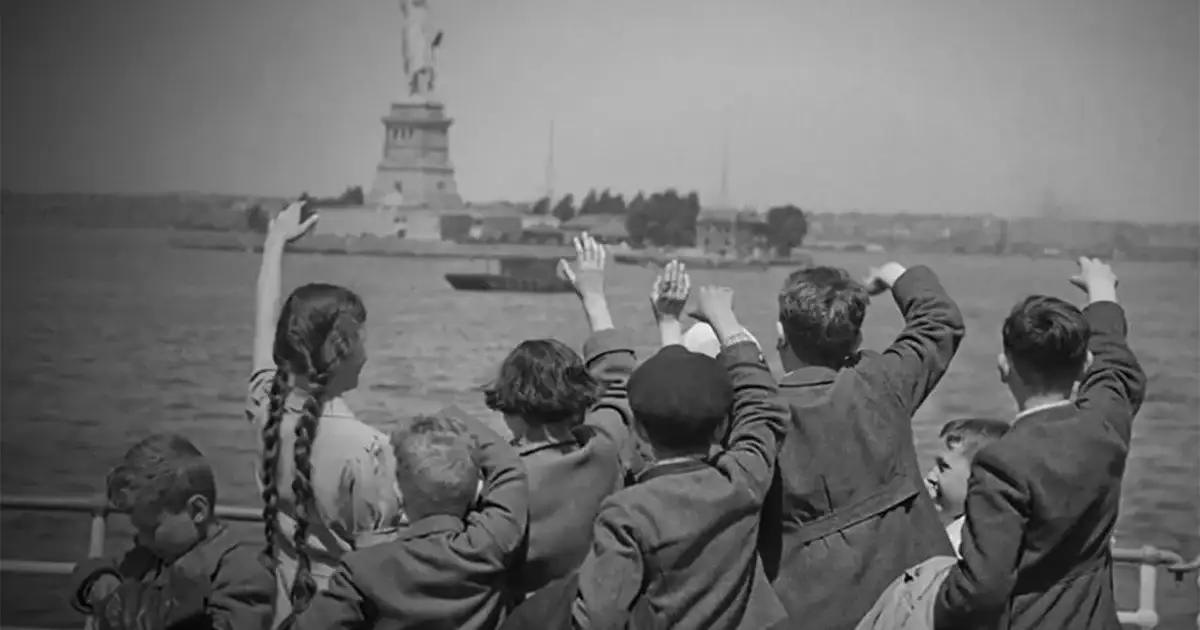
In the late 1800s and early 1900s, millions of immigrants arrived by ship and passed through New York Harbor. For many of them, the Statue of Liberty was one of the first sights of their new country. Emma Lazarus’s poem “The New Colossus,” later placed inside the pedestal, helped connect the monument with welcome, safety, and a fresh start.
 Via CBC News
 Via CNN
The raised torch, the crown, and the island setting made it unforgettable. Artists and filmmakers often used the statue to show freedom, danger, hope, loss, or the future of civilization. Few monuments have carried so many meanings in public culture. A major museum on Liberty Island opened in 2019 to share more of the statue’s story.
The museum explains how it was built, how the money was raised, and how its meaning changed over time. Visitors can learn about the workers, donors, artists, immigrants, and leaders connected to its history. This helps keep the statue’s story alive for new generations.
 Via Statue Of Liberty
 Via Fox News
The making of the Statue of Liberty proves that icons are not created in one moment. They are built through vision, struggle, belief, and public memory. Today, the statue remains one of the strongest symbols in the world because people continue to connect it with freedom, dignity, and the dream of a safer life.
More in UnassignedVia History
The statue is often seen as an American symbol, but its story began in France. It was designed by French sculptor Frédéric Auguste Bartholdi and supported by French thinker Édouard de Laboulaye. Their dream was to create a gift that honored the friendship between France and the United States. Over time, the statue became far more than a gift. It grew into one of the most loved public monuments in history.
The French Idea Behind The Statue
Frédéric Auguste Bartholdi had a bold imagination and a love for giant public art. Before he designed the Statue of Liberty, he had already thought about creating a huge female figure holding a light near the Suez Canal. That project did not happen, but the idea stayed with him. Later, he reshaped that vision into a monument for America. The torch, the robe, and the large female figure came from that earlier dream.
Via Love Exploring
Édouard de Laboulaye played a major role in turning the idea into a serious plan. He admired the United States and believed the country represented many democratic hopes of the time. After the American Civil War and the end of slavery, he wanted to celebrate freedom and the long friendship between France and America. He believed a grand statue could carry that message better than a simple speech or written tribute.
Bartholdi first visited the United States in 1871 to promote the idea. He traveled across the country and looked for support from leaders, artists, and public figures. He studied possible locations and first considered Central Park. Later, he chose Bedloe’s Island in New York Harbor, which is now called Liberty Island. The spot was perfect because ships arriving in New York would see the statue standing at the gateway to America.
Via Wikimedia Commons
Raising Money Was Not Easy
The plan sounded inspiring, but turning it into reality was difficult. France agreed to raise money for the statue itself, while Americans were expected to pay for the pedestal. This shared effort made the project a symbol of friendship between the two nations. In 1875, the Franco-American Union was formed to collect money in France. Many ordinary French citizens gave small donations to support the dream. American fundraising moved much more slowly. Many people liked the idea, but not everyone wanted to pay for the base. Some leaders in New York questioned the cost and wondered whether the project was worth public attention. Bartholdi needed a way to make people excited about a statue that had not yet been built. To create interest, he displayed the statue’s giant hand and torch at the Philadelphia Centennial Exhibition in 1876.Via Temple Sites
The display worked because people could finally see the scale of the project. The hand and torch were later shown in Madison Square in New York, where they became a public attraction. This helped people imagine how massive the finished statue would be. Fundraisers also sold small models of the statue, held events, and asked people across the country to give what they could. The statue slowly became familiar before it even stood in the harbor.
Joseph Pulitzer And Public Support
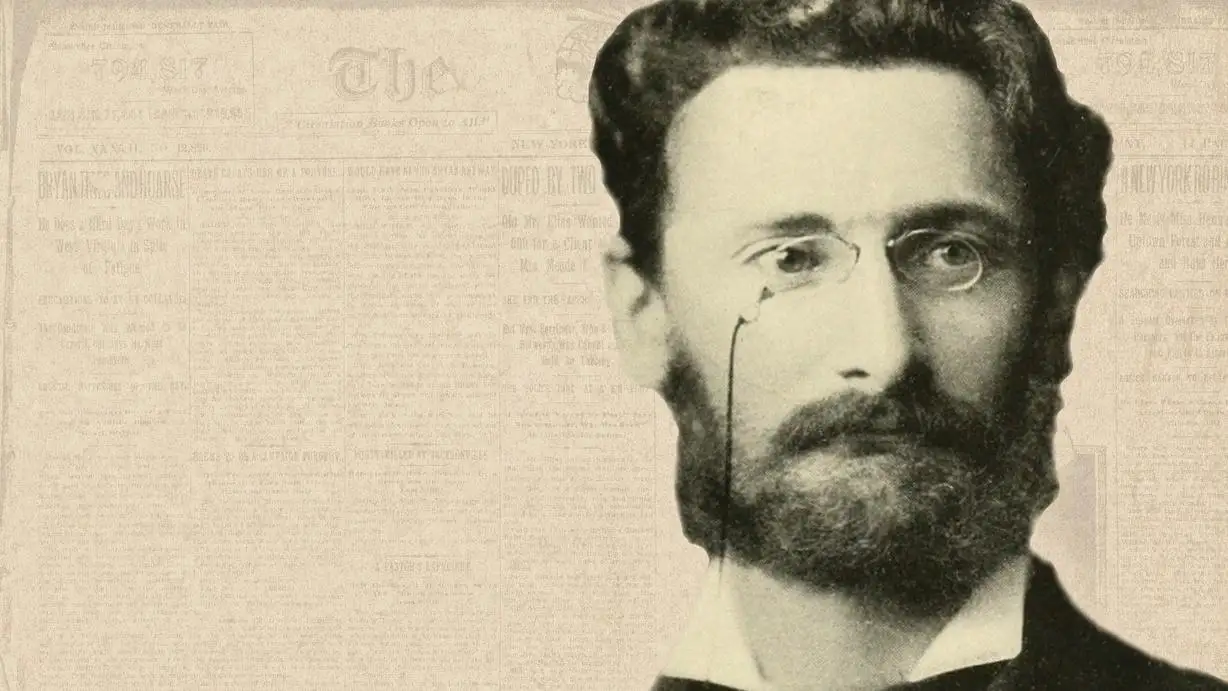
Joseph Pulitzer, the publisher of the New York World newspaper, gave the fundraising effort a major push. By 1885, the pedestal still needed money, and the project was at risk of delay. Pulitzer used his newspaper to ask ordinary Americans to help finish the work. He argued that the statue had been paid for by common people in France, so common people in America should help pay for the base.Via Alabama Public Television
Pulitzer’s campaign became one of the most famous public fundraising drives of its time. Many donations were small, often less than one dollar, but they came from thousands of people. Workers, children, families, and immigrants all joined the effort. The campaign proved that a national monument did not have to depend only on wealthy donors. Small gifts from many people could build something lasting and meaningful.
This public support gave Americans a stronger connection to the statue. Even though the design and construction began in France, the pedestal was completed through American donations. The story made the statue feel like a people’s monument. It belonged not only to artists, politicians, or wealthy patrons, but also to everyday citizens who wanted to help raise a symbol of freedom in New York Harbor.
Via US Constitution
Building A Giant Copper Monument
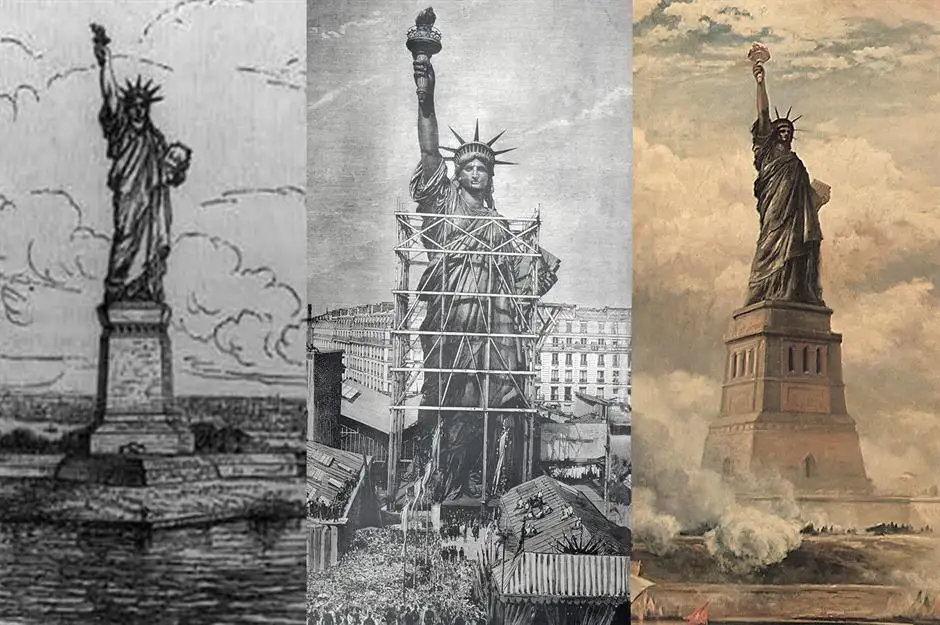
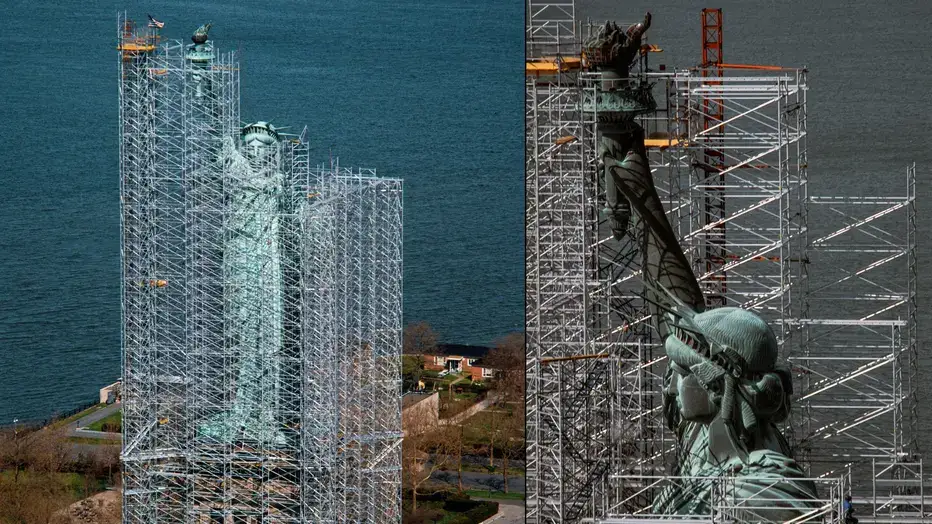
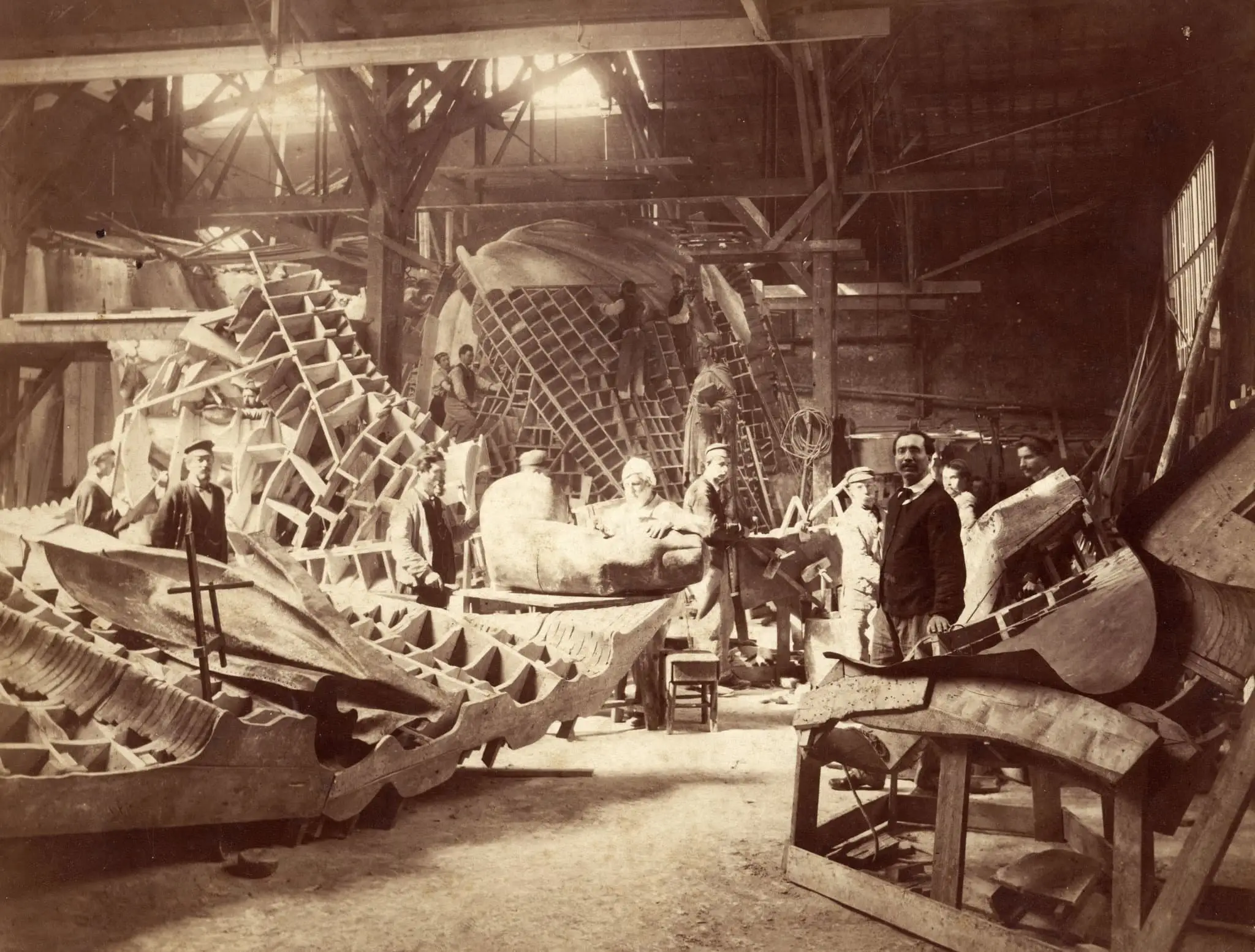
The Statue of Liberty was built using copper sheets shaped over a strong inner frame. Skilled workers hammered the copper by hand to create the folds of the robe, the face, the arms, and the torch. The copper skin was thin compared with the size of the statue, but it was strong enough when attached to the metal support system inside. Over time, the copper changed color and formed the green surface seen today. The inner structure was also important because the statue had to stand against wind, weather, and time. Engineer Gustave Eiffel, who later became famous for the Eiffel Tower, helped design the internal iron framework.
Via Fox 10 Phoenix
This frame allowed the copper skin to move slightly as temperatures changed and winds pushed against it. The design was advanced for its time and helped the huge statue remain stable. After the statue was completed in France, it was taken apart for shipping.
In 1885, it arrived in New York packed in hundreds of pieces. The pedestal was not fully ready when the statue arrived, so assembly had to wait. Once the base was finished, workers began putting the pieces together on Bedloe’s Island. The task took patience, skill, and careful planning because every part had to fit correctly.
Via The B1M
Dedication And Early Fame
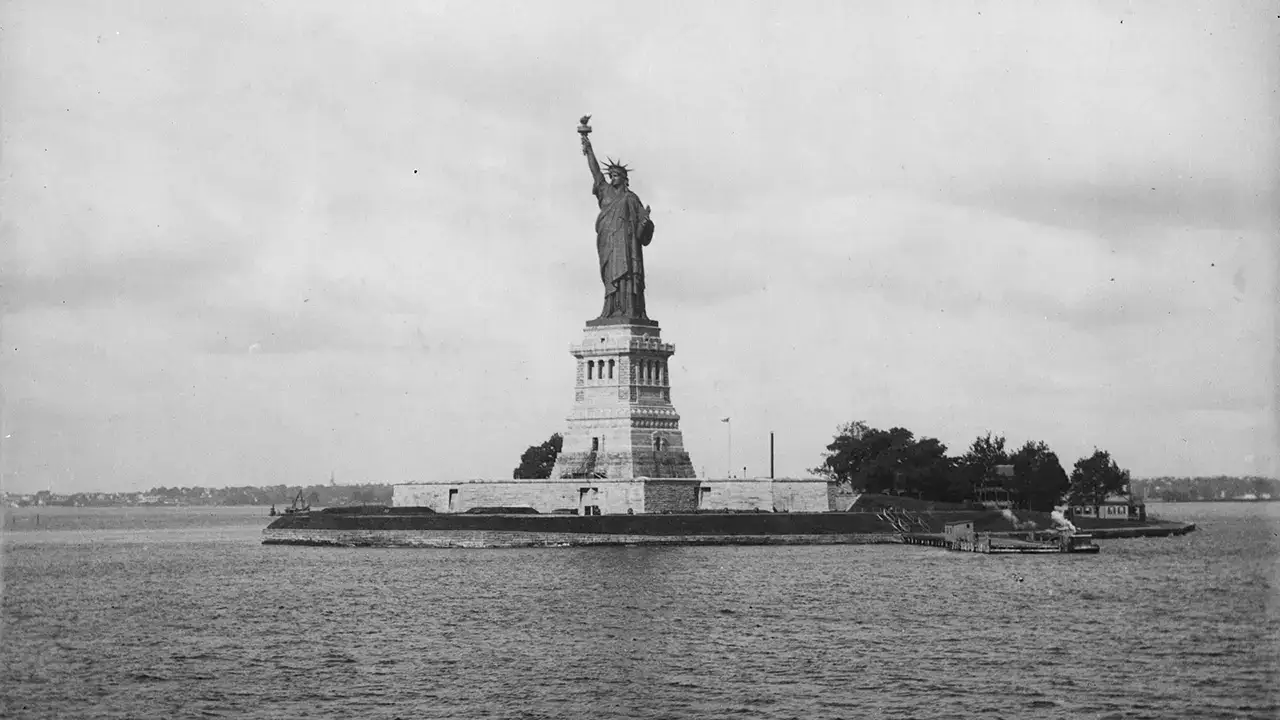
The Statue of Liberty was officially dedicated in October 1886. President Grover Cleveland led the ceremony, and large crowds gathered to witness the moment. The event marked the end of years of planning, fundraising, construction, and public debate. The statue was finally standing where Bartholdi had imagined it, facing the harbor and greeting ships entering New York. Its size and message quickly made it a popular tourist attraction. Visitors wanted to see the giant copper figure in person and experience the view from the island.Via Fox News
As travel and photography grew, the statue became even more visible. Postcards helped spread its image across the United States and beyond. People who visited New York often sent pictures of the statue to friends and family. The statue also became linked to the immigrant experience.
In the late 1800s and early 1900s, millions of immigrants arrived by ship and passed through New York Harbor. For many of them, the Statue of Liberty was one of the first sights of their new country. Emma Lazarus’s poem “The New Colossus,” later placed inside the pedestal, helped connect the monument with welcome, safety, and a fresh start.
Via CBC News
How The Statue Became A Global Icon
The Statue of Liberty grew more famous as America changed. During World War I, soldiers leaving for Europe saw it as they sailed away, and many saw it again when they returned home. The statue became tied to ideas of home, service, and national identity. It was no longer only a monument to French-American friendship. It had become part of the emotional life of the country. Movies, posters, books, toys, and news images helped turn the statue into a worldwide symbol. Its shape was easy to recognize, even from a simple outline.Via CNN
The raised torch, the crown, and the island setting made it unforgettable. Artists and filmmakers often used the statue to show freedom, danger, hope, loss, or the future of civilization. Few monuments have carried so many meanings in public culture. A major museum on Liberty Island opened in 2019 to share more of the statue’s story.
The museum explains how it was built, how the money was raised, and how its meaning changed over time. Visitors can learn about the workers, donors, artists, immigrants, and leaders connected to its history. This helps keep the statue’s story alive for new generations.
Via Statue Of Liberty
French Gift Became America’s Freedom Icon
The Statue of Liberty became famous because its story is larger than its size. It began as a French idea, grew through public support, crossed the ocean in pieces, and rose above New York Harbor through shared effort. Its journey shows how art, engineering, politics, and ordinary donations can create something that lasts for centuries. The monument’s meaning has changed with time. It has stood for democracy, friendship, freedom, immigration, homecoming, and hope. Different people may see different meanings in the statue, but its message remains powerful. The torch still suggests light in dark times and guidance toward a better future.Via Fox News
The making of the Statue of Liberty proves that icons are not created in one moment. They are built through vision, struggle, belief, and public memory. Today, the statue remains one of the strongest symbols in the world because people continue to connect it with freedom, dignity, and the dream of a safer life.