Unassigned
Secret WWII Bunkers - Churchill's Guerrilla Army Story
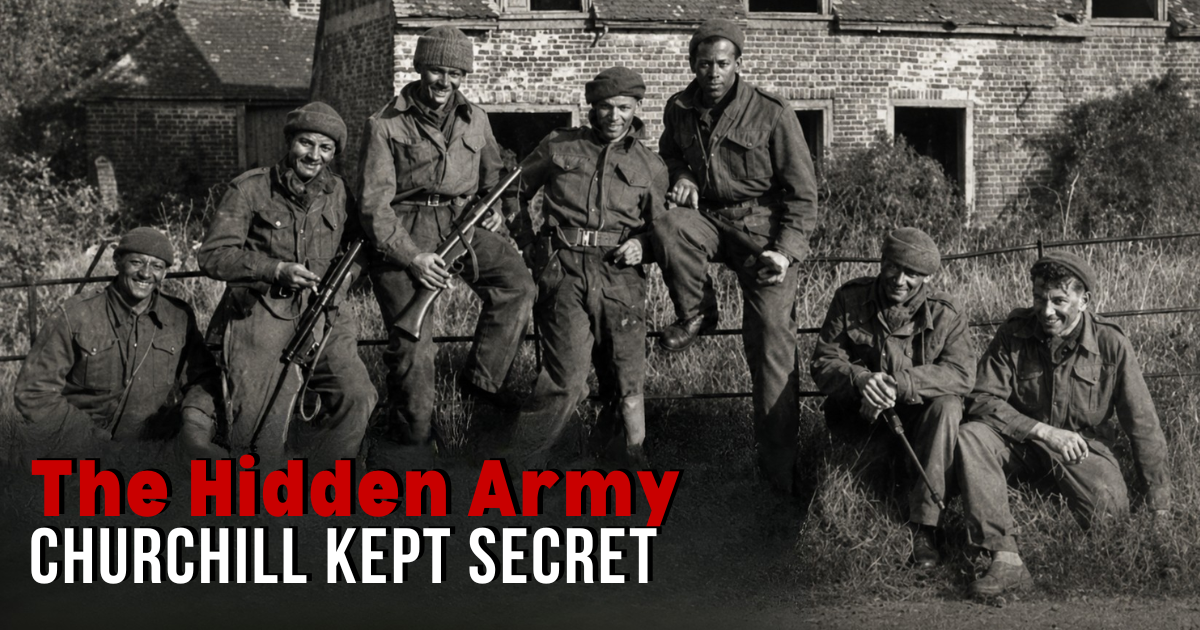
Summer 1940 marked one of the most dangerous periods in British history. Nazi forces had conquered most of Europe within weeks, leaving Britain isolated and vulnerable. The evacuation at Dunkirk had severely weakened the British Army, while Hitler controlled European coastlines from the Arctic Circle down to the Pyrenees.
Operation Sea Lion, Hitler's planned invasion of Britain, seemed inevitable to observers worldwide. The nation faced an existential threat unlike anything in modern times. Traditional military defenses appeared insufficient against the overwhelming German war machine that had steamrolled through continental Europe.
 Via New York Post
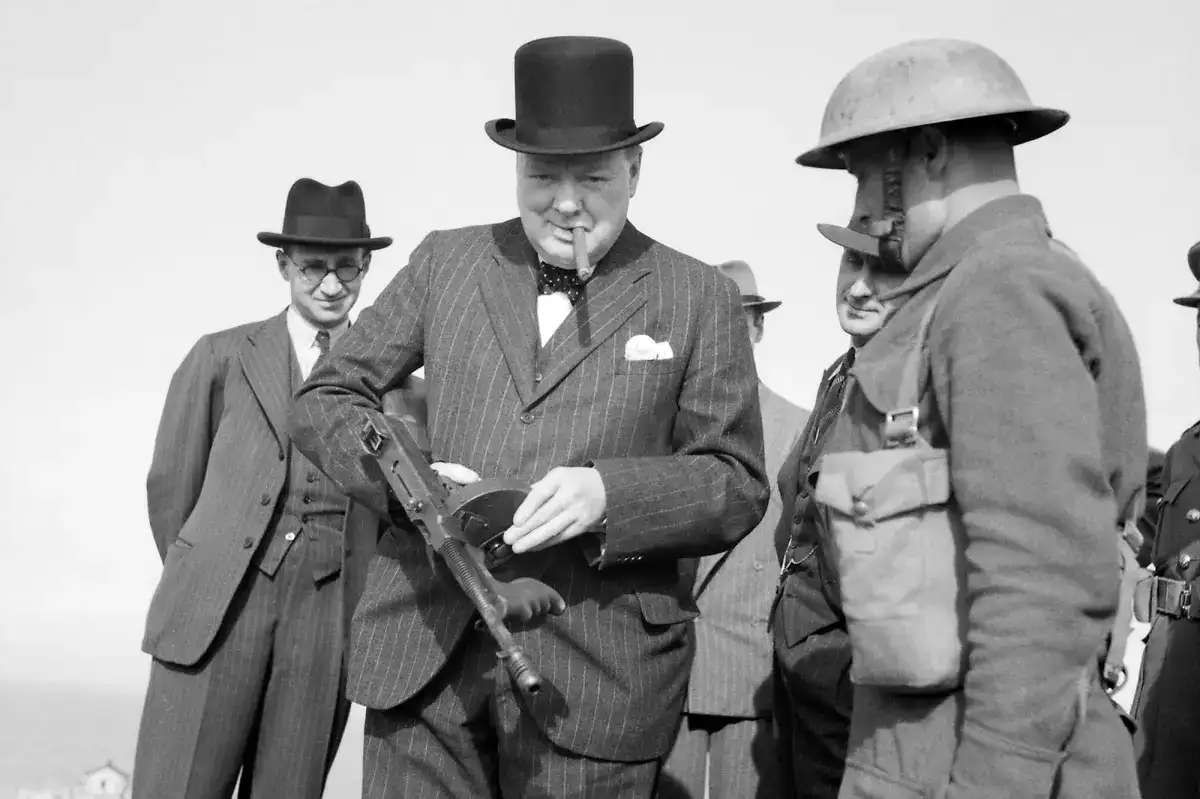
The secret initiative created an underground network of civilian fighters scattered across the English countryside. These hidden warriors received training in guerrilla warfare and sabotage techniques. Their mission remained classified for decades, known only to a select few within the highest levels of government and military command.
 Via Smithsonian Magazine
The Auxiliary Units operated under the nickname "Stay Behinds" for good reason. Members would remain in occupied territory after German forces advanced through their areas. Unlike the Home Guard volunteers who defended Britain's coastline openly, these fighters worked in complete secrecy and isolation from regular military units.
Traditional coastal defenses included visible pillboxes, anti-tank obstacles, and armed volunteer patrols along beaches. The Stay Behinds represented something entirely different-an invisible secondary force designed to operate behind enemy lines. Churchill envisioned these units as a last-resort weapon that could disrupt German operations from within occupied British territory.
 Via Sky History
 Via Metro
Physical fitness mattered less than practical outdoor skills and psychological resilience. Recruiters sought men who could remain calm under extreme pressure and maintain absolute secrecy. The psychological demands of this service would test even the strongest individuals in ways conventional warfare never could.
 Via Forces War Records
This enforced silence created immense strain on family relationships and personal lives. Wives questioned where their husbands went several nights each week without explanation. Children grew up wondering about their fathers' secretive behavior that could never be discussed or explained.
The secrecy extended beyond protecting operational security to include brutal tactical requirements. Andy Chatterton explains that Auxiliaries received orders to be "utterly, utterly brutal" in their methods. Mutilation of enemy bodies aimed to create psychological terror among German troops encountering the aftermath of Auxiliary operations.
 Via Historic UK
 Via Key Military
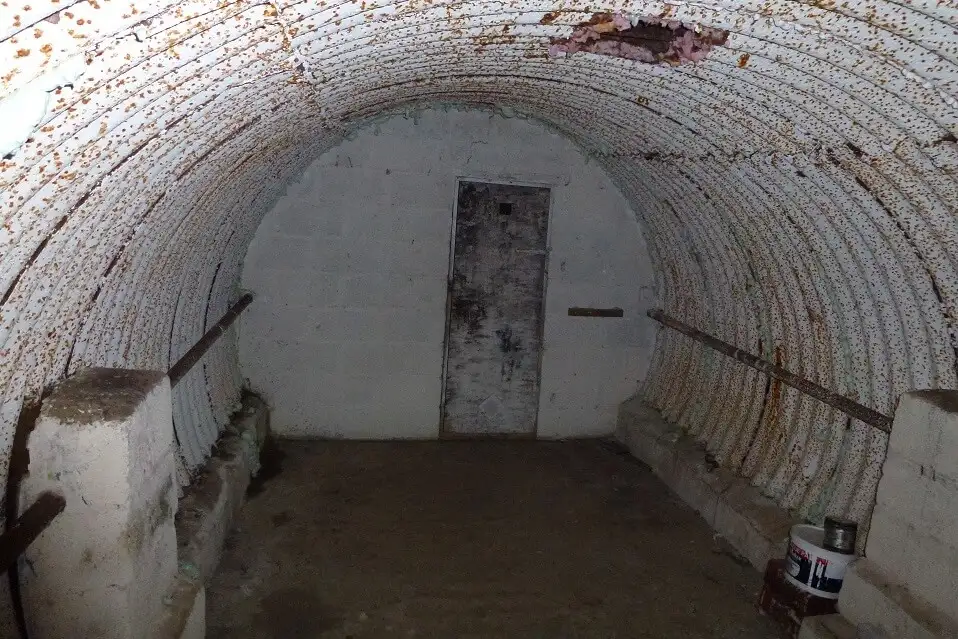
The toilet bunker featured multiple layers of concealment for maximum security. If German forces discovered the primary radio room, a second hidden wall protected the wireless operator. A secret hook mounted on an innocuous shelf released the secondary wall when lifted in the correct sequence.
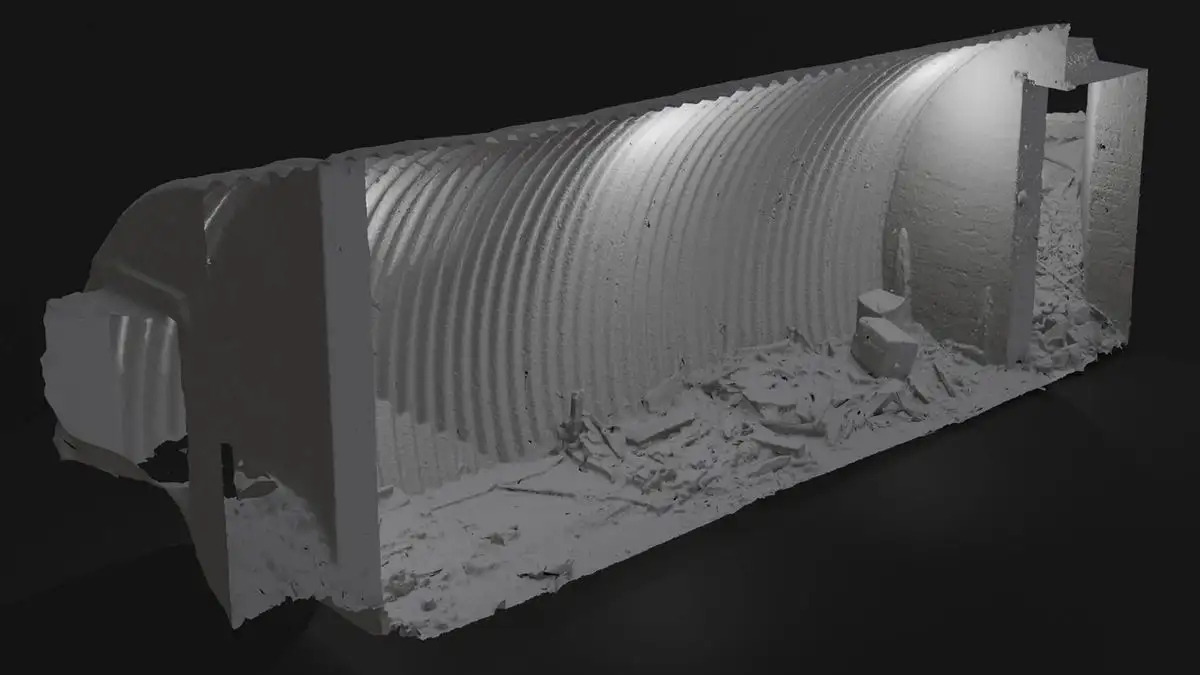 Via Live Science
Andy Chatterton and his team rely on oral histories from surviving Auxiliary members to locate sites. Forensic analysis of landscape features provides clues about potential bunker locations. Sometimes pure luck leads researchers to sites that might otherwise remain hidden forever.
Physical evidence can be remarkably subtle after eight decades of abandonment and natural overgrowth. A piece of wire trailing up a tree trunk might indicate buried communication lines. Specific types of metal grates hidden under forest debris reveal ventilation shafts for underground chambers.
 Via History Hit
 Via History Hit
The experience of crawling into these confined underground spaces brings history vividly to life. The cramped conditions and primitive facilities make clear how difficult life would have been for Stay Behinds. These visits honor the memory of men who volunteered for service in these miserable conditions.
 Via History Hit
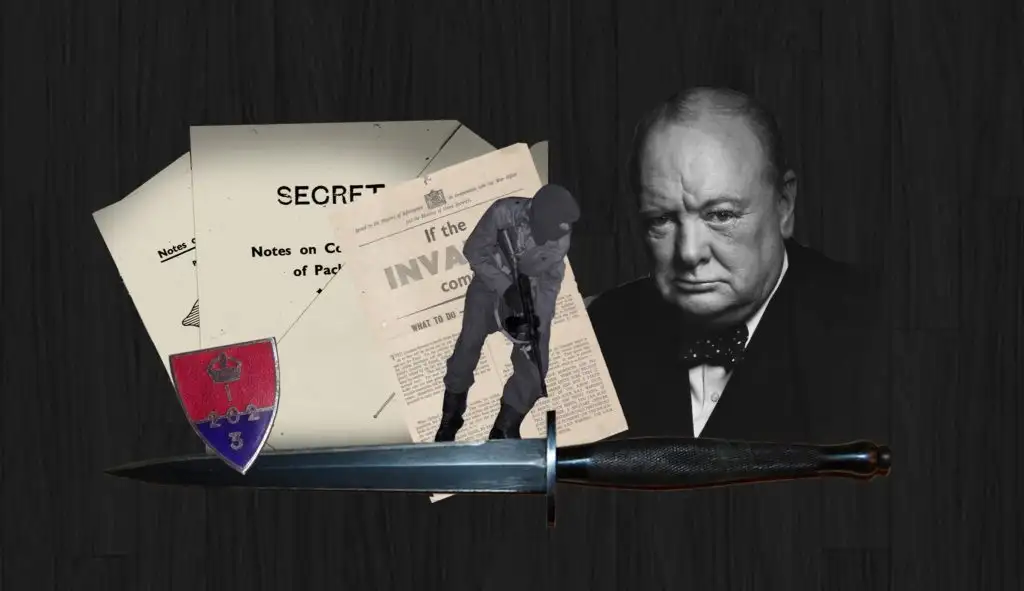
The diary format allowed members to carry critical information without arousing suspicion. If German forces searched civilians, the almanac seemed completely innocent and appropriate for rural workers. Hidden within mundane entries about weather and crops were coded instructions for destroying infrastructure and killing enemies.
This clever disguise represented the careful planning that went into every aspect of Auxiliary operations. Nothing could appear suspicious or attract attention from German intelligence services. The ability to hide deadly information in plain sight gave Stay Behinds advantages that more conventional resistance movements lacked.
 Via Keele University
Members memorized key information from the diary to reduce reliance on physical documents. The combination of coded written material and committed memory created redundant information storage. Even if the Germans captured and destroyed diaries, members retained knowledge needed to continue resistance operations.
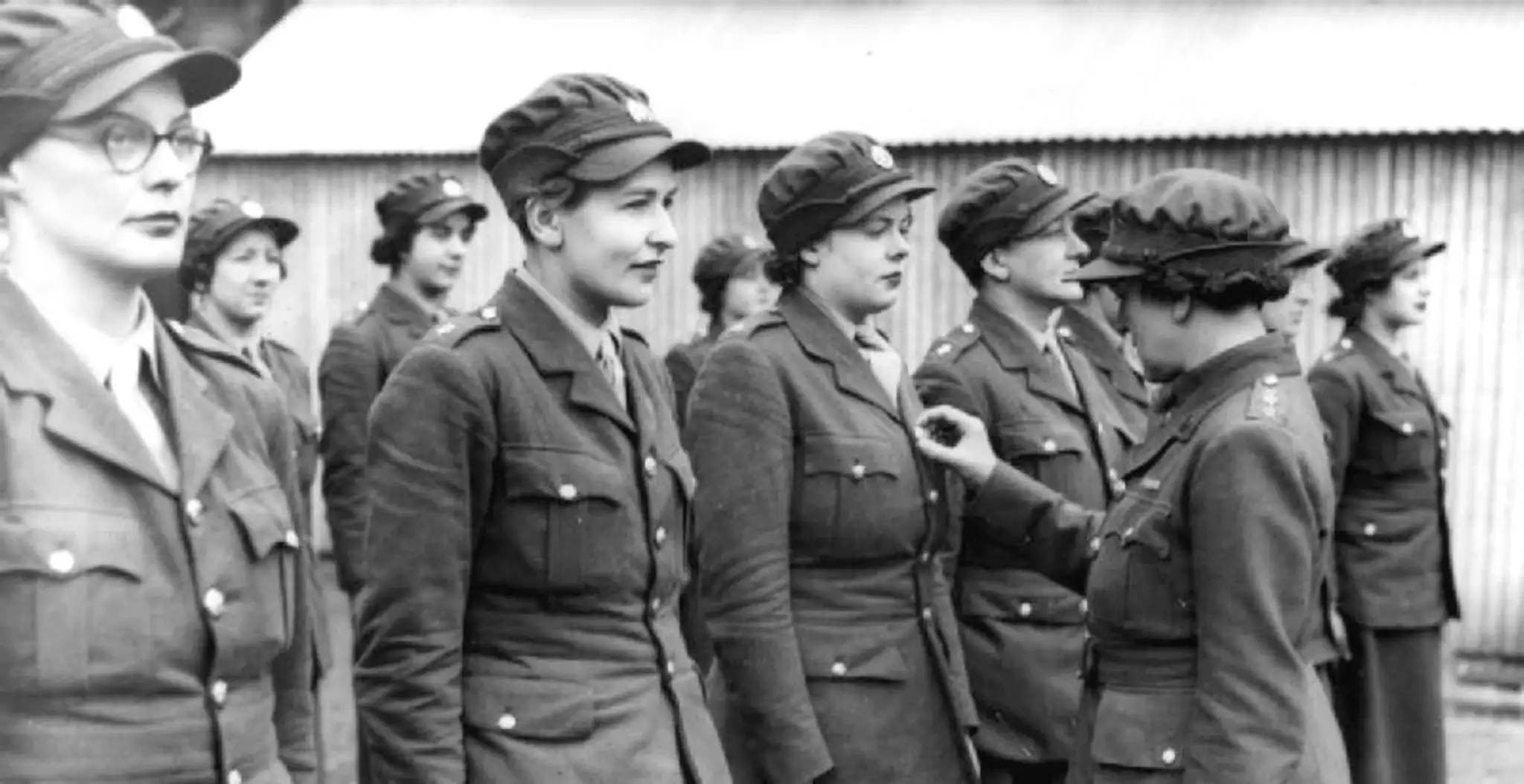 Via Historic UK
The Auxiliary Units represent the extraordinary lengths Britain was willing to go to avoid surrender and occupation. Churchill and military planners understood that conventional defenses alone might fail against superior German forces.
These civilian cells formed Britain's absolute last line of defense against Nazi occupation. If Germany had successfully invaded, Auxiliary Units would have waged brutal guerrilla warfare across the countryside. Their sabotage and assassination campaigns would have made the occupation extremely costly for German forces.
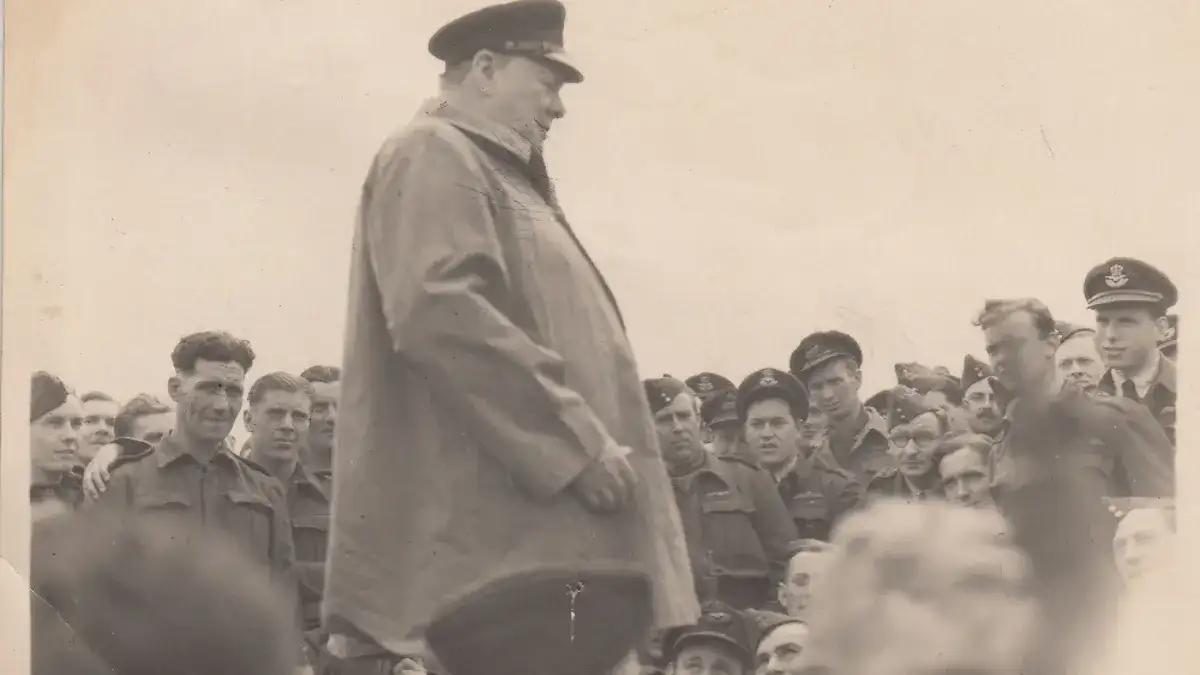 Via Fox News
 Via The Harwich Society
The effectiveness of the Auxiliary Units was never tested in actual combat since Operation Sea Lion was cancelled. Whether these civilians could have successfully executed their deadly missions remains unknown. The theoretical deterrent value alone may have contributed to German decisions not to attempt an invasion.
More in UnassignedVia New York Post
The secret initiative created an underground network of civilian fighters scattered across the English countryside. These hidden warriors received training in guerrilla warfare and sabotage techniques. Their mission remained classified for decades, known only to a select few within the highest levels of government and military command.
The Auxiliary Units Take Shape
History Hit's documentary "Churchill's Secret Army" reveals the forgotten story of Britain's Auxiliary Units. Historian Andy Chatterton from the Coleshill Auxiliary Research Team partnered with Dan Snow to investigate this clandestine organization. The film uncovers how ordinary British citizens were prepared to wage unconventional warfare against Nazi invaders.Via Smithsonian Magazine
The Auxiliary Units operated under the nickname "Stay Behinds" for good reason. Members would remain in occupied territory after German forces advanced through their areas. Unlike the Home Guard volunteers who defended Britain's coastline openly, these fighters worked in complete secrecy and isolation from regular military units.
Traditional coastal defenses included visible pillboxes, anti-tank obstacles, and armed volunteer patrols along beaches. The Stay Behinds represented something entirely different-an invisible secondary force designed to operate behind enemy lines. Churchill envisioned these units as a last-resort weapon that could disrupt German operations from within occupied British territory.
Via Sky History
Choosing the Right Men for Brutal Work
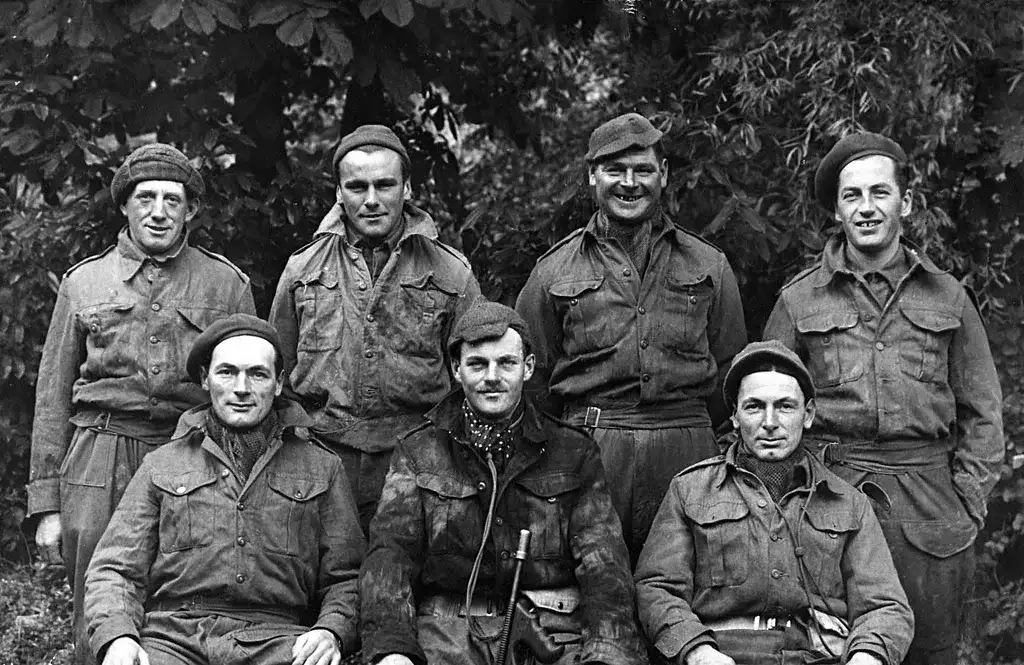
Selection criteria for Auxiliary Units differed dramatically from standard military recruitment. Candidates needed intimate knowledge of their local countryside that came from years of living and working the land. The ability to navigate familiar terrain in complete darkness proved essential for nighttime sabotage missions behind enemy lines. Local men who knew every hill, stream, and forest path "like the back of their hand" received priority consideration. Gamekeepers understood how to move silently through woods at night without disturbing wildlife. Miners brought expertise in underground operations and working in confined spaces with limited oxygen and light.Via Metro
Physical fitness mattered less than practical outdoor skills and psychological resilience. Recruiters sought men who could remain calm under extreme pressure and maintain absolute secrecy. The psychological demands of this service would test even the strongest individuals in ways conventional warfare never could.
The Weight of Absolute Secrecy
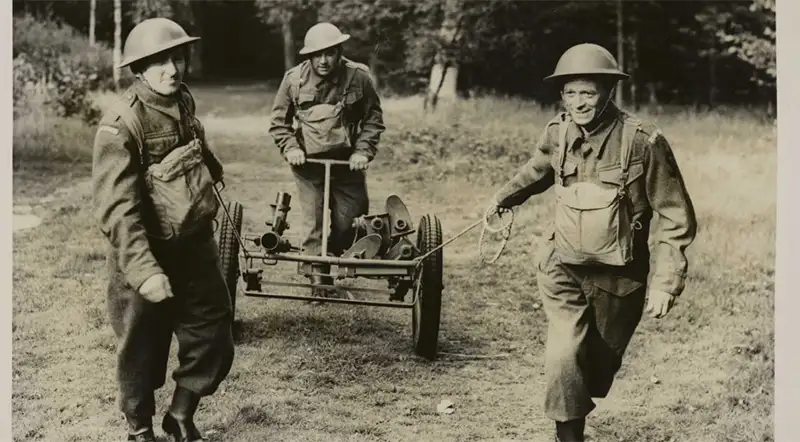
Auxiliary Unit members lived double lives under crushing psychological pressure. Families often had no idea why husbands and fathers disappeared for mysterious training sessions and nighttime absences. The Official Secrets Act forbade members from revealing anything about their involvement, even to their closest relatives.Via Forces War Records
This enforced silence created immense strain on family relationships and personal lives. Wives questioned where their husbands went several nights each week without explanation. Children grew up wondering about their fathers' secretive behavior that could never be discussed or explained.
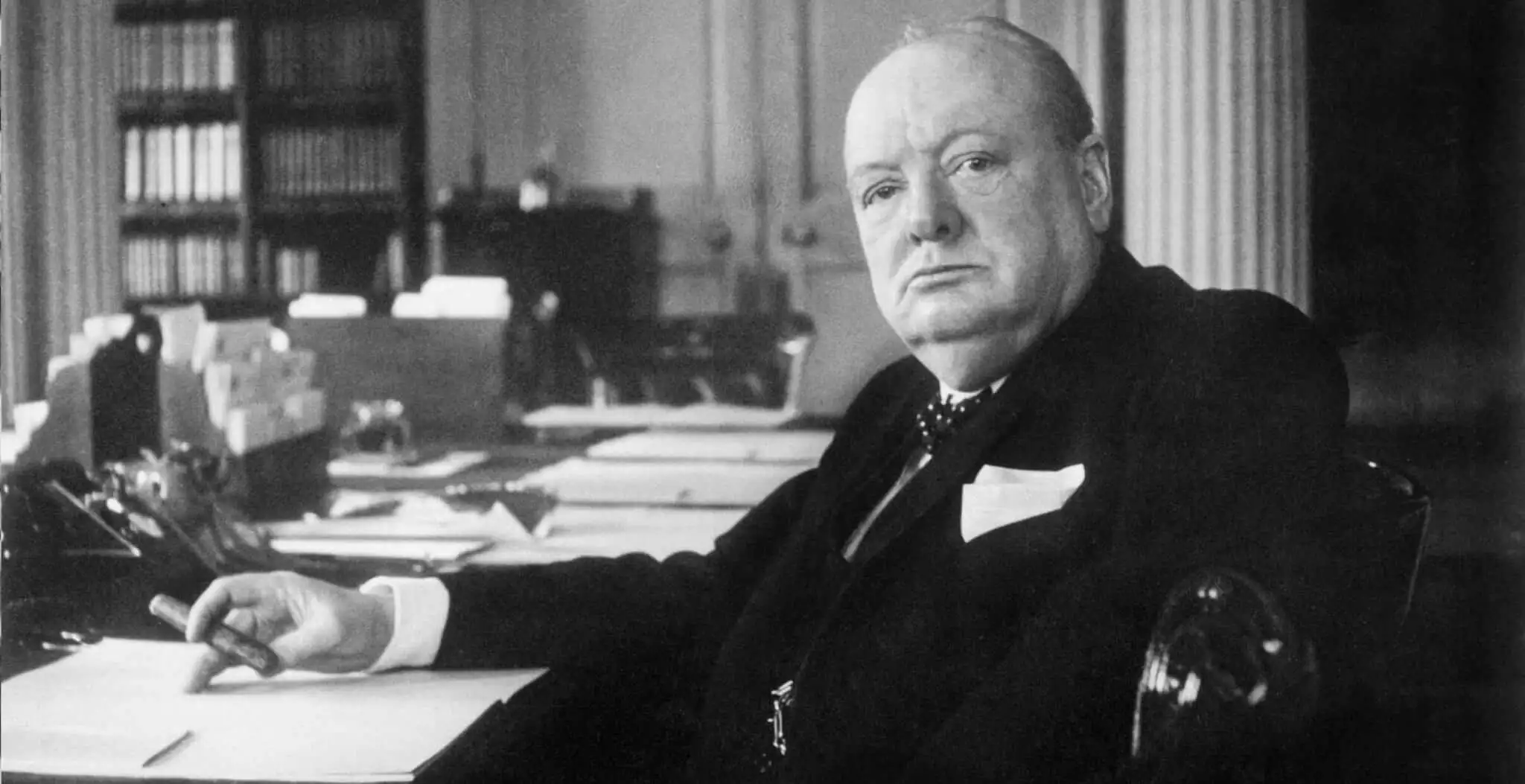
The secrecy extended beyond protecting operational security to include brutal tactical requirements. Andy Chatterton explains that Auxiliaries received orders to be "utterly, utterly brutal" in their methods. Mutilation of enemy bodies aimed to create psychological terror among German troops encountering the aftermath of Auxiliary operations.
Via Historic UK
Special Duties Branch Intelligence Network
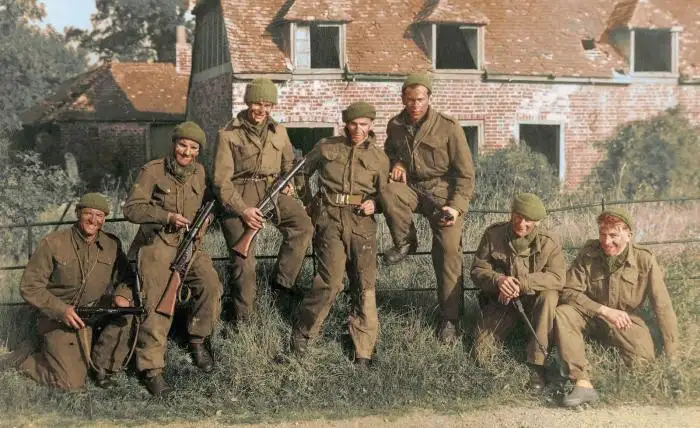
The Special Duties Branch operated alongside sabotage units as an intelligence-gathering network. These operatives monitored German troop movements and relayed information through hidden wireless radio equipment. Their work provided crucial real-time intelligence about enemy positions and activities within occupied territory. Special Duties members demonstrated remarkable ingenuity in concealing their equipment and operations. The documentary shows Dan Snow exploring a bunker hidden beneath a functioning outside toilet. A cunning release mechanism provided access that appeared completely ordinary from above ground. Via Key Military
The toilet bunker featured multiple layers of concealment for maximum security. If German forces discovered the primary radio room, a second hidden wall protected the wireless operator. A secret hook mounted on an innocuous shelf released the secondary wall when lifted in the correct sequence.
Locating Lost Bunkers Decades Later
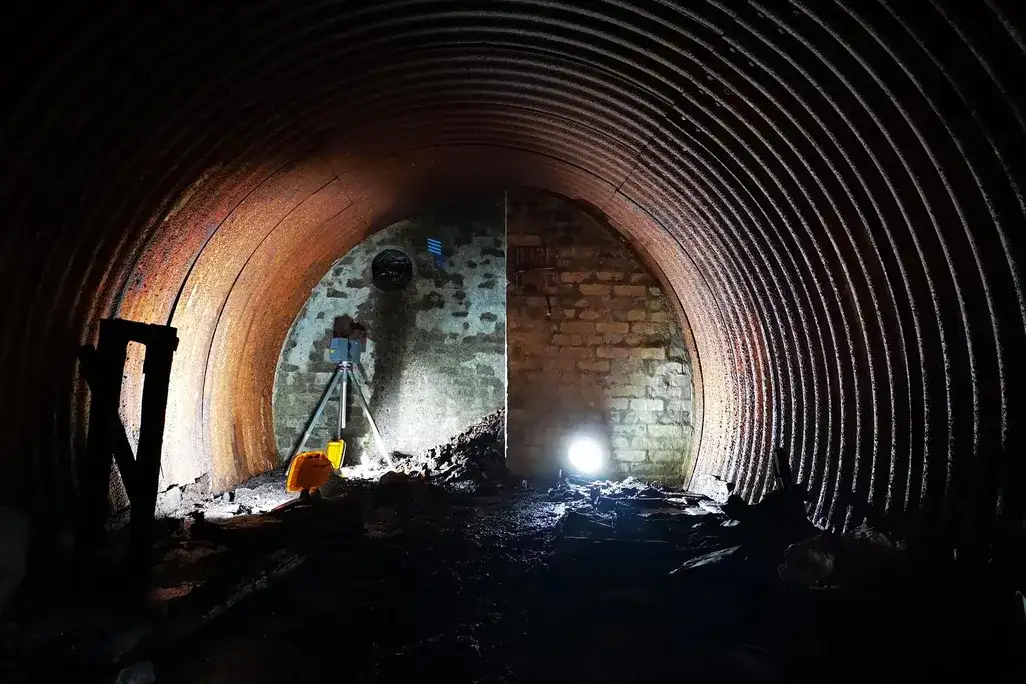
Finding Auxiliary Unit OBs today presents enormous challenges for researchers and historians. No official maps documenting bunker locations ever existed due to security requirements. Military authorities deliberately avoided creating records that enemy intelligence might capture and exploit.Via Live Science
Andy Chatterton and his team rely on oral histories from surviving Auxiliary members to locate sites. Forensic analysis of landscape features provides clues about potential bunker locations. Sometimes pure luck leads researchers to sites that might otherwise remain hidden forever.
Physical evidence can be remarkably subtle after eight decades of abandonment and natural overgrowth. A piece of wire trailing up a tree trunk might indicate buried communication lines. Specific types of metal grates hidden under forest debris reveal ventilation shafts for underground chambers.
Via History Hit
Exploring Sealed Underground Sites
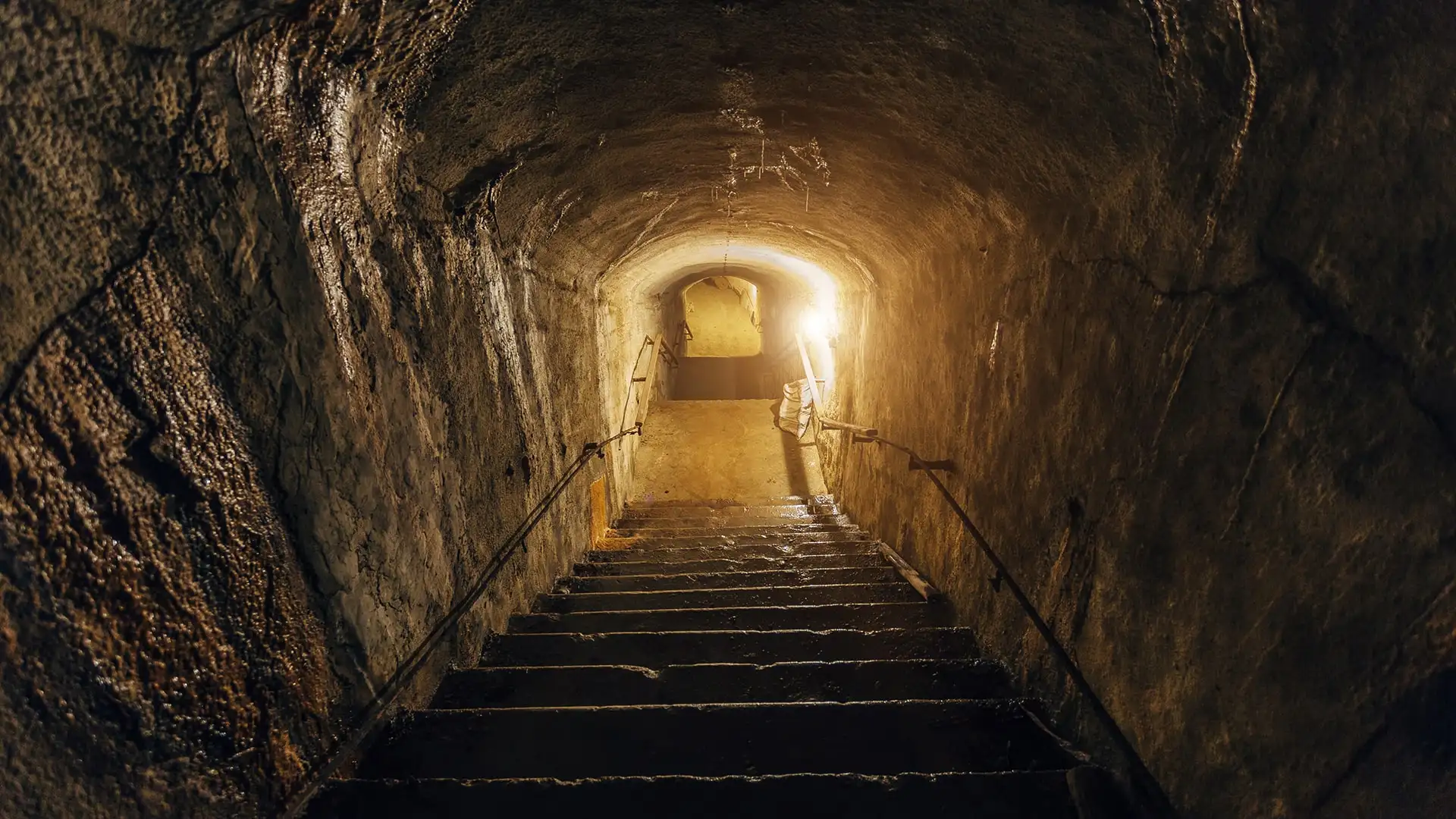
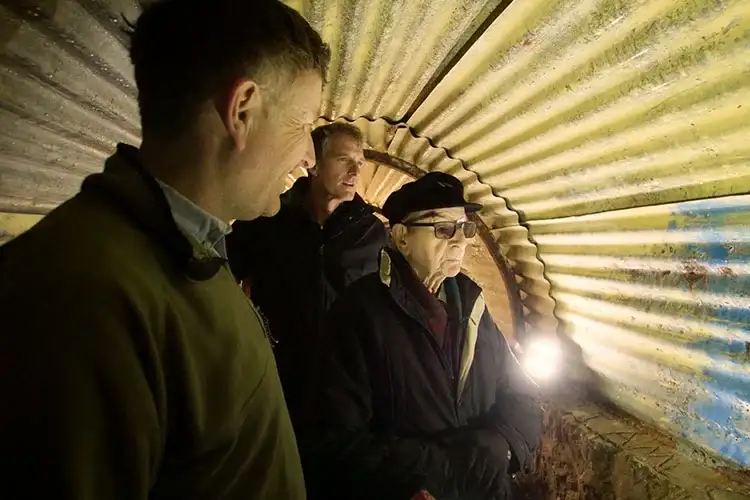
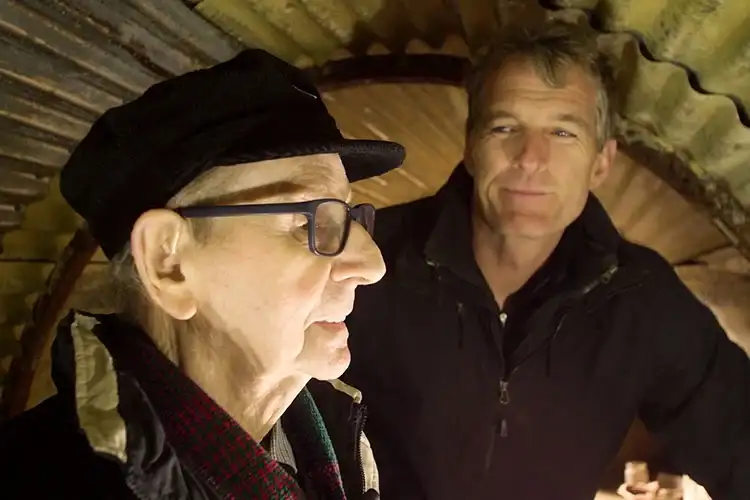
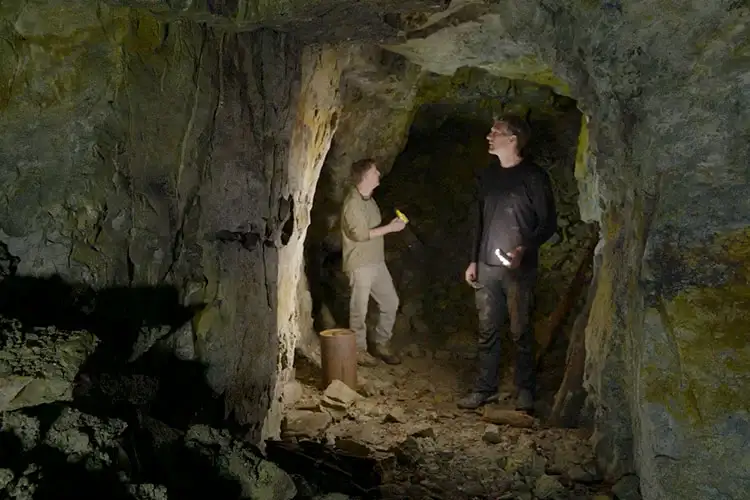
Dan Snow's documentary includes footage of researchers entering OBs that remained sealed for 80 years. These time capsules preserve artifacts and equipment from the war era in remarkable condition. Entering these spaces provides a tangible connection to the men who prepared to make ultimate sacrifices. Blown escape tunnels reveal how some bases became compromised or abandoned. The archaeology of these sites tells stories about what happened during training exercises and preparations. Each artifact contributes pieces to puzzles about how individual units operated and what they experienced.Via History Hit
The experience of crawling into these confined underground spaces brings history vividly to life. The cramped conditions and primitive facilities make clear how difficult life would have been for Stay Behinds. These visits honor the memory of men who volunteered for service in these miserable conditions.
The Countryman's Diary Deception
Auxiliary Units used ingenious methods to disguise their lethal knowledge and capabilities. The "Countryman's Diary" appeared to be a harmless rural almanac filled with agricultural tips and countryside observations. In reality, this document served as a sabotage manual containing detailed instructions for guerrilla warfare.Via History Hit
The diary format allowed members to carry critical information without arousing suspicion. If German forces searched civilians, the almanac seemed completely innocent and appropriate for rural workers. Hidden within mundane entries about weather and crops were coded instructions for destroying infrastructure and killing enemies.
This clever disguise represented the careful planning that went into every aspect of Auxiliary operations. Nothing could appear suspicious or attract attention from German intelligence services. The ability to hide deadly information in plain sight gave Stay Behinds advantages that more conventional resistance movements lacked.
Via Keele University
Members memorized key information from the diary to reduce reliance on physical documents. The combination of coded written material and committed memory created redundant information storage. Even if the Germans captured and destroyed diaries, members retained knowledge needed to continue resistance operations.
Legacy of the Stay Behinds
Churchill's Secret Army documentary preserves the legacy of Britain's Auxiliary Units for future generations. By exploring sealed bunkers and interviewing the last survivors, the film creates a permanent record of this classified chapter.Via Historic UK
The Auxiliary Units represent the extraordinary lengths Britain was willing to go to avoid surrender and occupation. Churchill and military planners understood that conventional defenses alone might fail against superior German forces.
These civilian cells formed Britain's absolute last line of defense against Nazi occupation. If Germany had successfully invaded, Auxiliary Units would have waged brutal guerrilla warfare across the countryside. Their sabotage and assassination campaigns would have made the occupation extremely costly for German forces.
Via Fox News
Lessons for Modern Times
The Stay Behind story raises profound questions about sacrifice, secrecy, and the moral compromises nations make during existential crises. Would modern democratic societies accept such programs involving planned civilian casualties and brutal tactics? The answer remains unclear and hopefully will never need testing through actual invasion scenarios. The psychological cost to Auxiliary members and their families demonstrates hidden casualties of total war. Veterans carried trauma and secrets for decades without support or recognition. Families suffered from mysterious absences and unexplained behaviors they could never question or understand during or after wartime service.Via The Harwich Society
The effectiveness of the Auxiliary Units was never tested in actual combat since Operation Sea Lion was cancelled. Whether these civilians could have successfully executed their deadly missions remains unknown. The theoretical deterrent value alone may have contributed to German decisions not to attempt an invasion.