Unassigned
Quiet Black Holes Can Still Blow Cosmic Winds
Astronomers have found new signs that Sagittarius A*, the supermassive black hole at the center of the Milky Way, may be blowing a gentle wind. This discovery matters because Sagittarius A* is not very active right now. It is not swallowing huge amounts of gas and dust like some powerful black holes in distant galaxies.
Even in this quiet state, it seems to shape the space around it. For about 50 years, scientists have searched for clues of this kind of wind near the Milky Way’s center. The area is hard to study because thick dust, gas, and crowded stars block a clear view.
 Via Reuters
Many tools can look through this material in different ways, but finding a soft wind close to the black hole has been a major challenge. New observations now show a cone-shaped path leading away from Sagittarius A*.
This path looks like it was carved by hot moving gas. The finding suggests that even quiet black holes may not be fully inactive. They can still push material around, change their nearby space, and affect how gas moves in the heart of a galaxy.
 Via Science News Express
 Via Global News
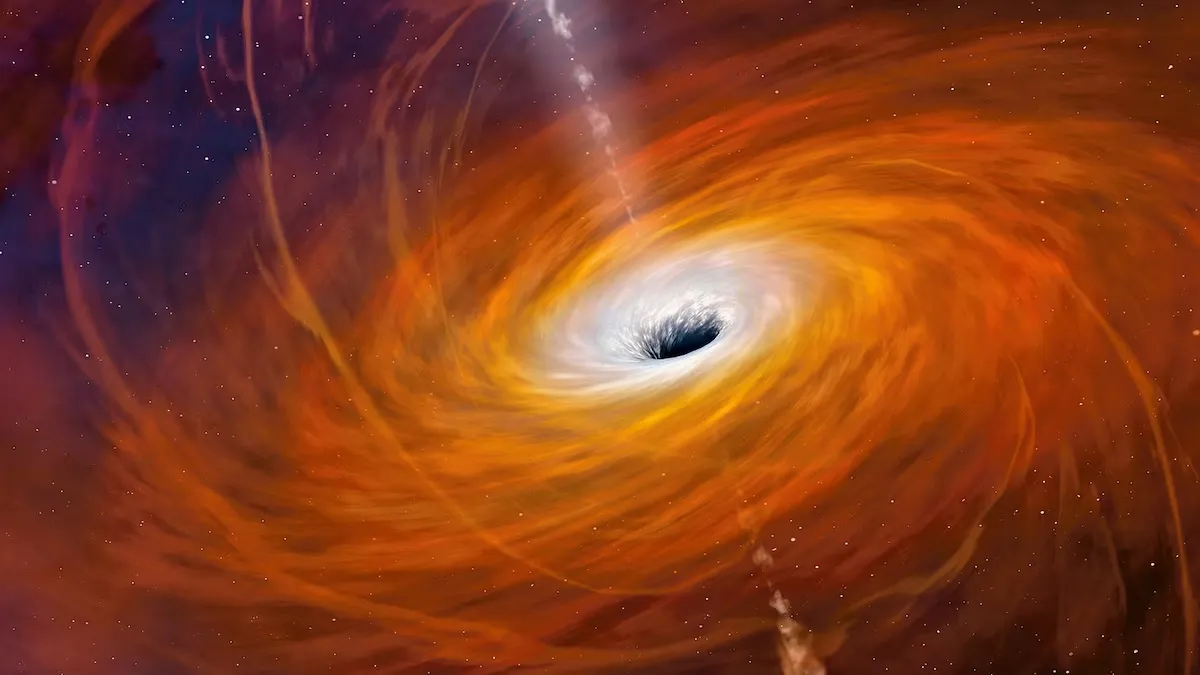
This does not mean Sagittarius A* is blasting space with violent force right now. The evidence points to a mild wind, more like a steady breeze than a storm. That difference is important because many black holes spend most of their lives in a quiet state. A gentle wind may be one of their normal behaviors.
 Via National Geographics
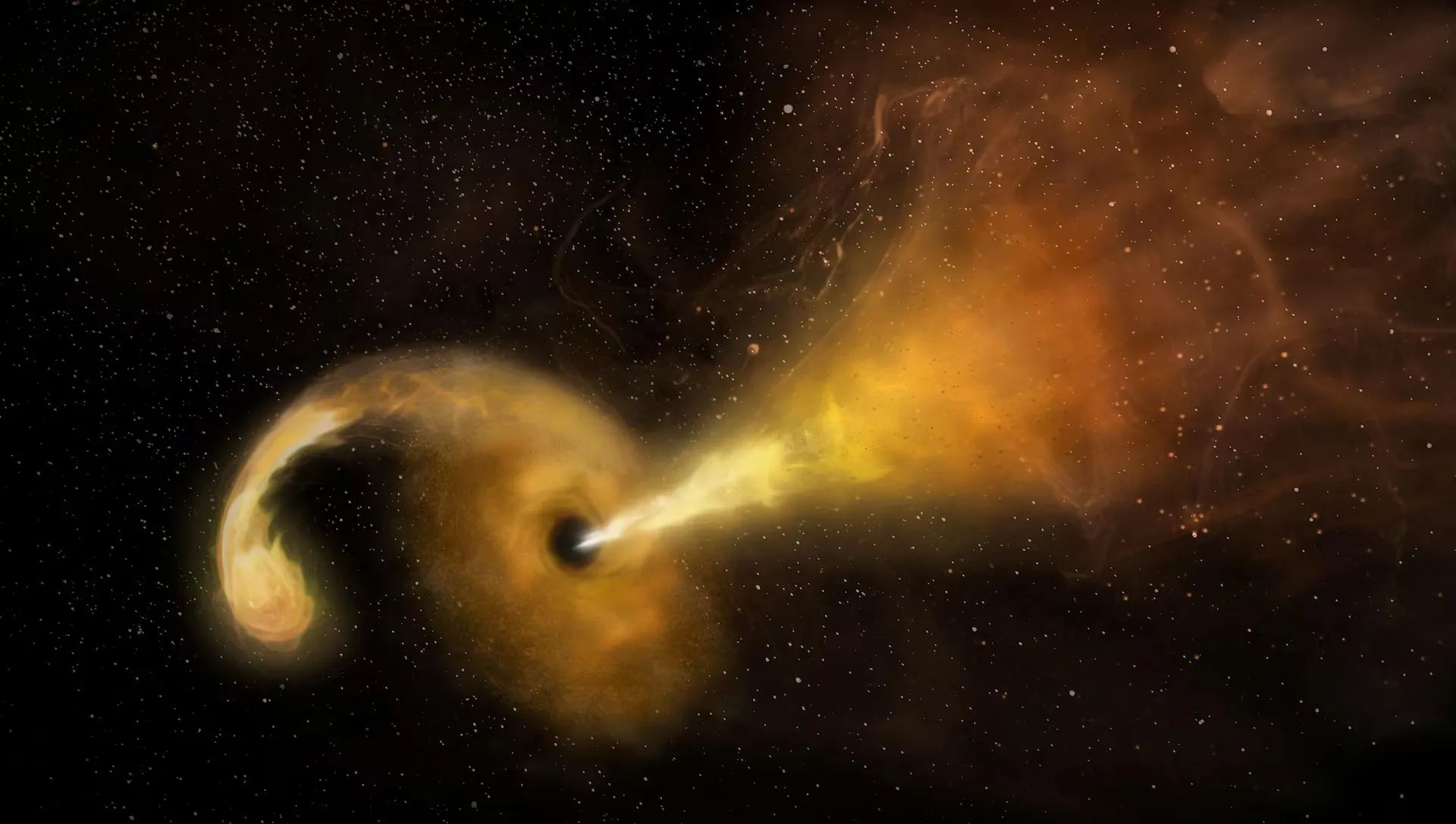
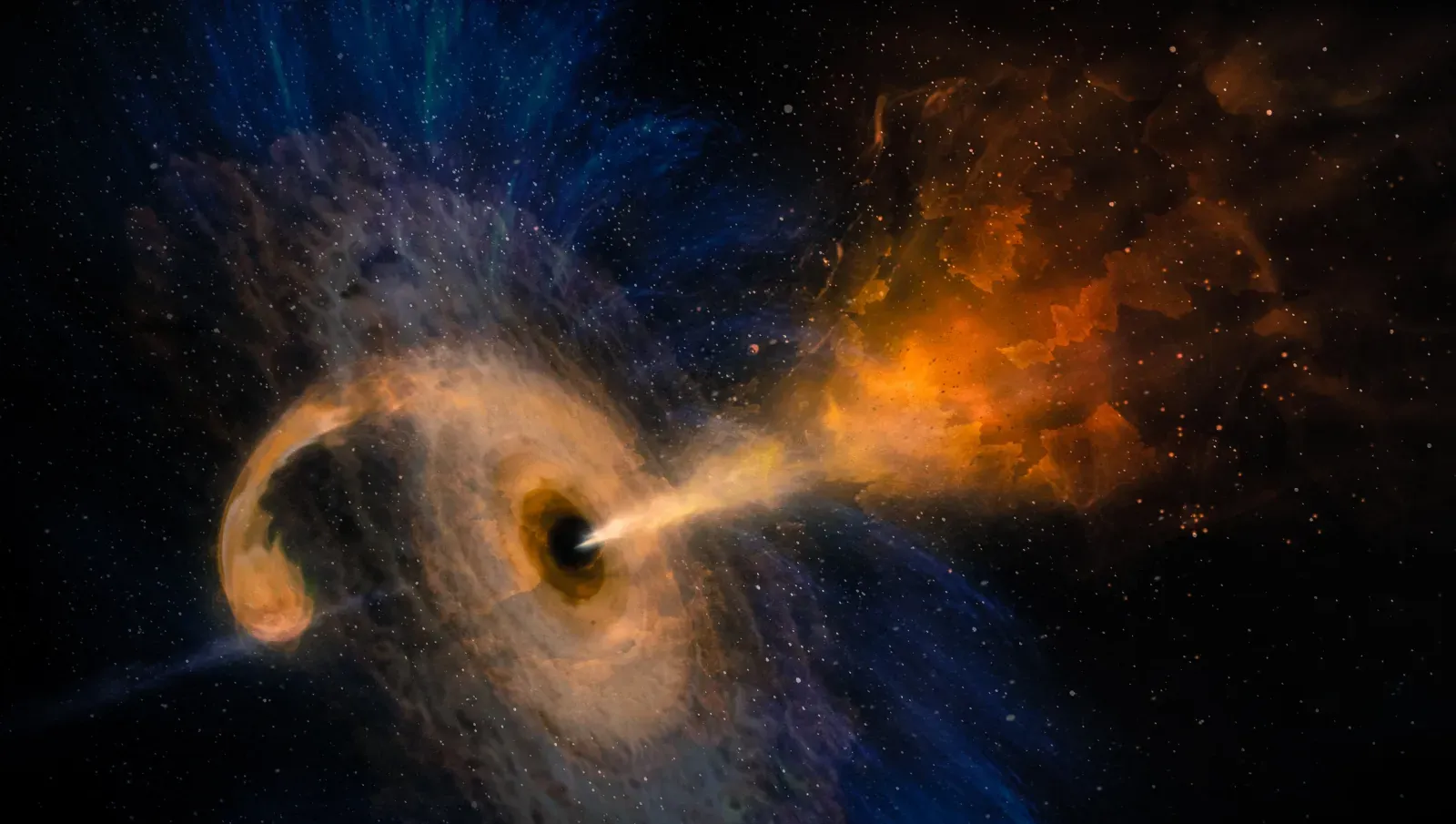
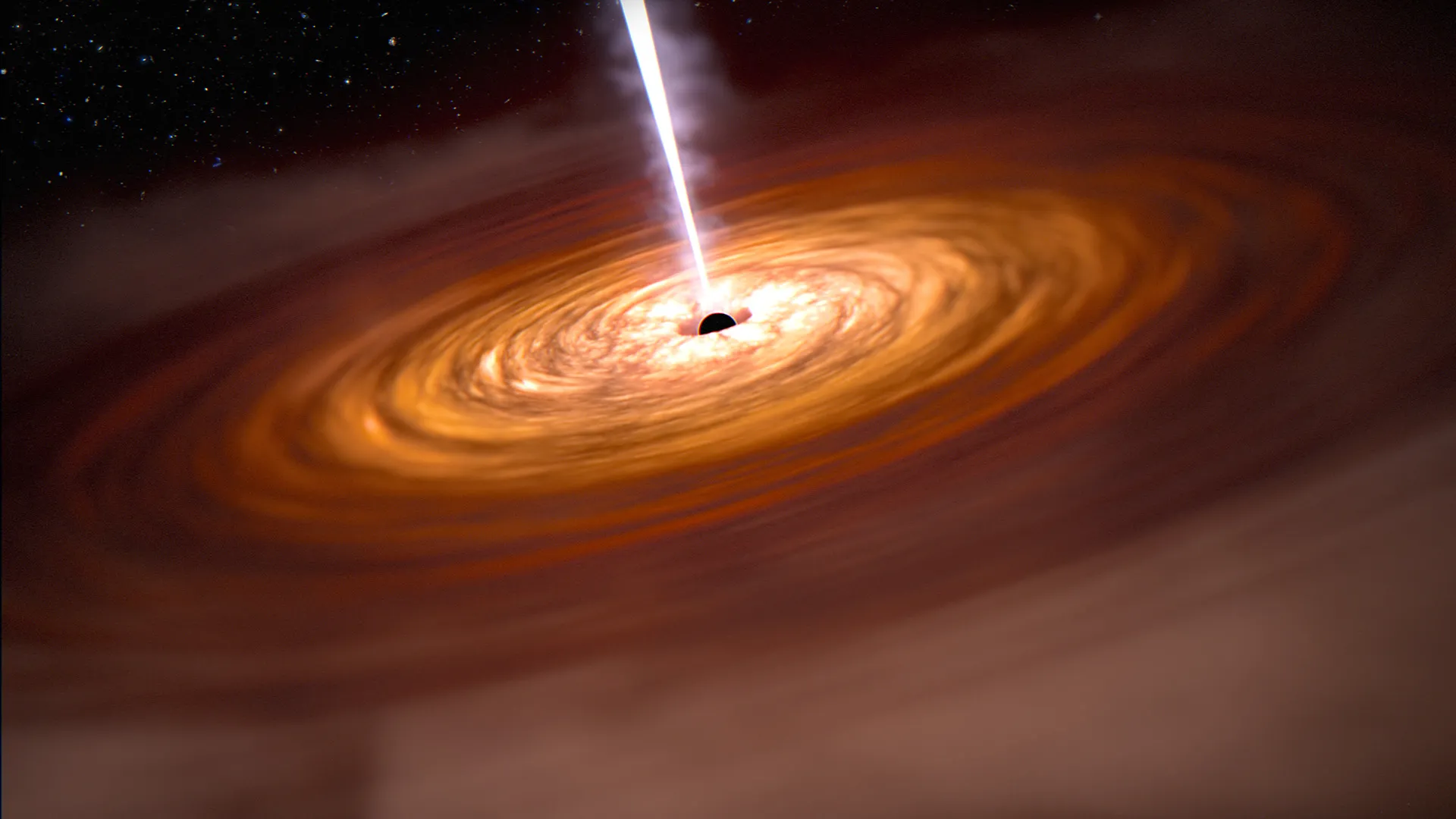
When a black hole feeds heavily, the wind can be extremely strong. Such winds may throw gas far away, sometimes even beyond a galaxy. These powerful outflows can change how a galaxy grows by removing the raw material needed to form new stars. Active black holes are often easier to notice because their energy output is huge.
Sagittarius A* is different right now because it is feeding very lightly. It is not in a dramatic growth phase, so any wind near it should be weak and hard to detect. That is why this discovery is so important. It shows that even low-feeding black holes can still release energy and quietly shape their surroundings.
 Via Newsweek
 Via Space
Some earlier X-ray and gamma-ray signs suggested that stronger winds may have blown from the black hole in the past. These signs were found far from Sagittarius A*, even beyond the central region of the galaxy. The missing piece was evidence close to the black hole itself. The new cone-shaped gap may finally provide that key clue.
 Via Modern Sciences
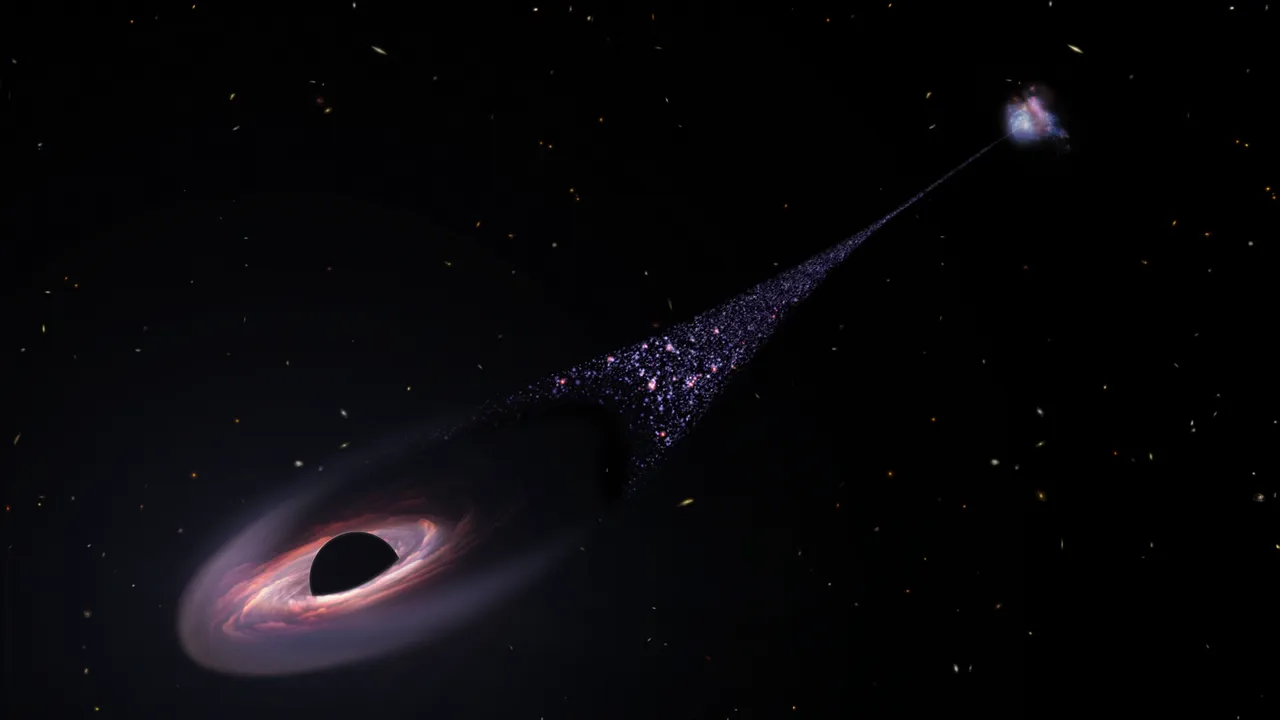
The team studied cold carbon monoxide near the black hole because this molecule helps trace gas distribution. By mapping where the gas appears and where it is missing, astronomers can understand what has shaped the area. The cone-shaped empty region stood out because it did not look random. It had a clear direction and structure.
A new data-processing method helped researchers see much fainter material than before. The improved image was also much sharper, allowing them to study the black hole’s neighborhood in better detail. This stronger view revealed the cone-shaped gap and helped connect it with earlier signs of hot gas. Together, these clues point toward a gentle wind.
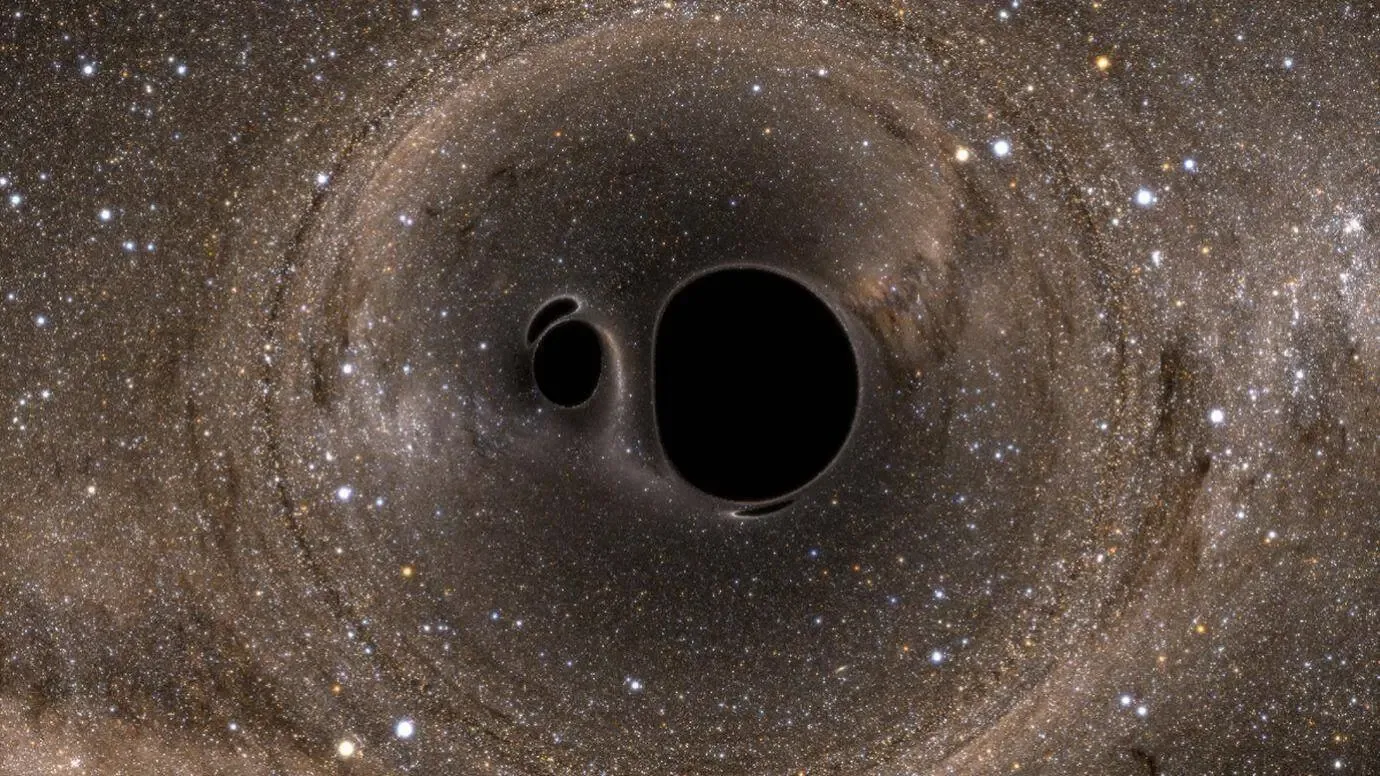 Via INKL
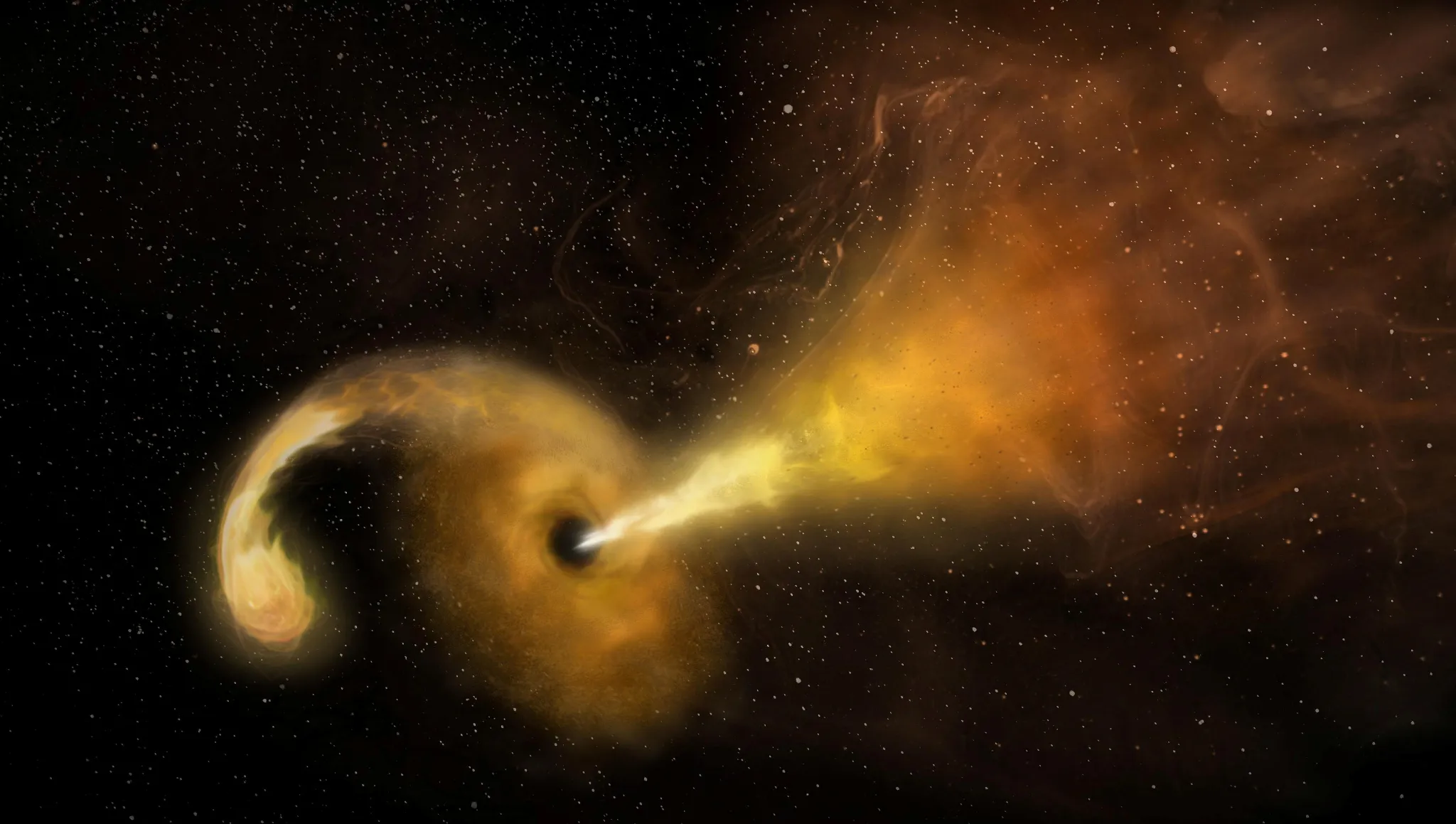 Via Reuters
Studying Sagittarius A* helps scientists understand this process close to home. Distant galaxies may have black holes that are harder to observe in fine detail. The Milky Way’s center gives astronomers a nearby example of how a quiet supermassive black hole behaves. That nearby view can help explain what happens in many other galaxies across the universe.
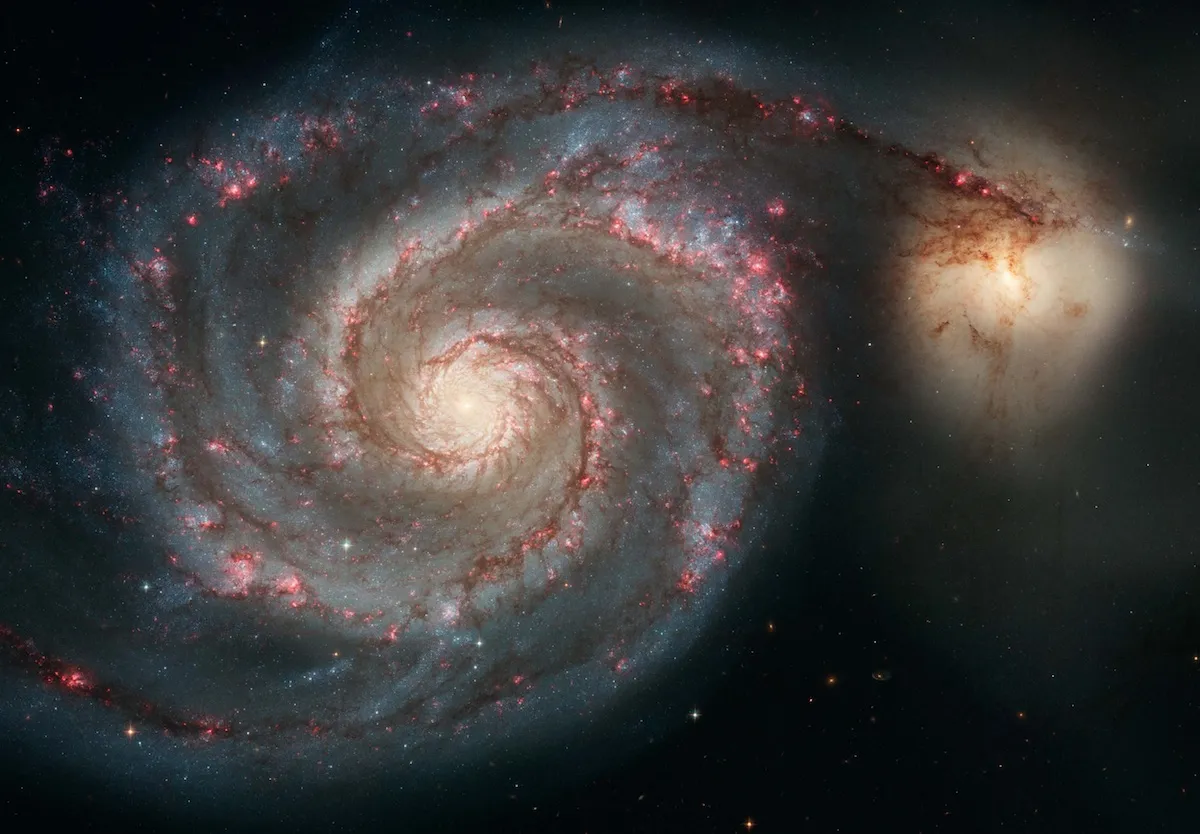 Via Live Science
This discovery also changes how quiet black holes are understood. A black hole may look calm from far away, but it can still affect gas, dust, and star-forming material nearby. Quiet does not always mean harmless or inactive. Sagittarius A* may be softly shaping the center of the Milky Way even during its low-feeding phase.
Scientists still need more evidence to confirm the wind. Future observations may measure how fast gas is moving near the cone-shaped gap. They may also show whether the edges of the empty region shift or wobble over time. Such changes would make the wind case stronger and reveal how this soft cosmic breeze keeps moving through space.
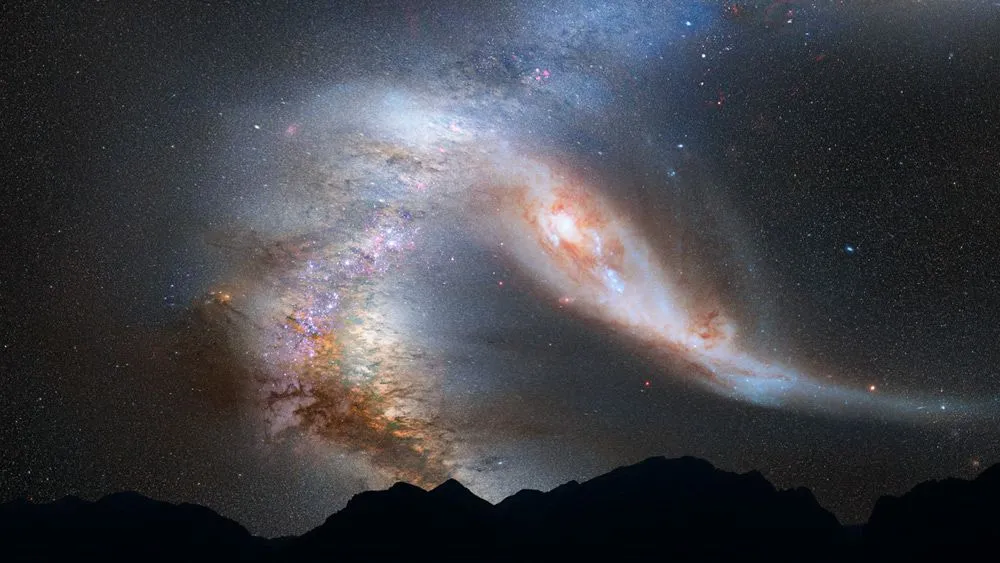 Via Space
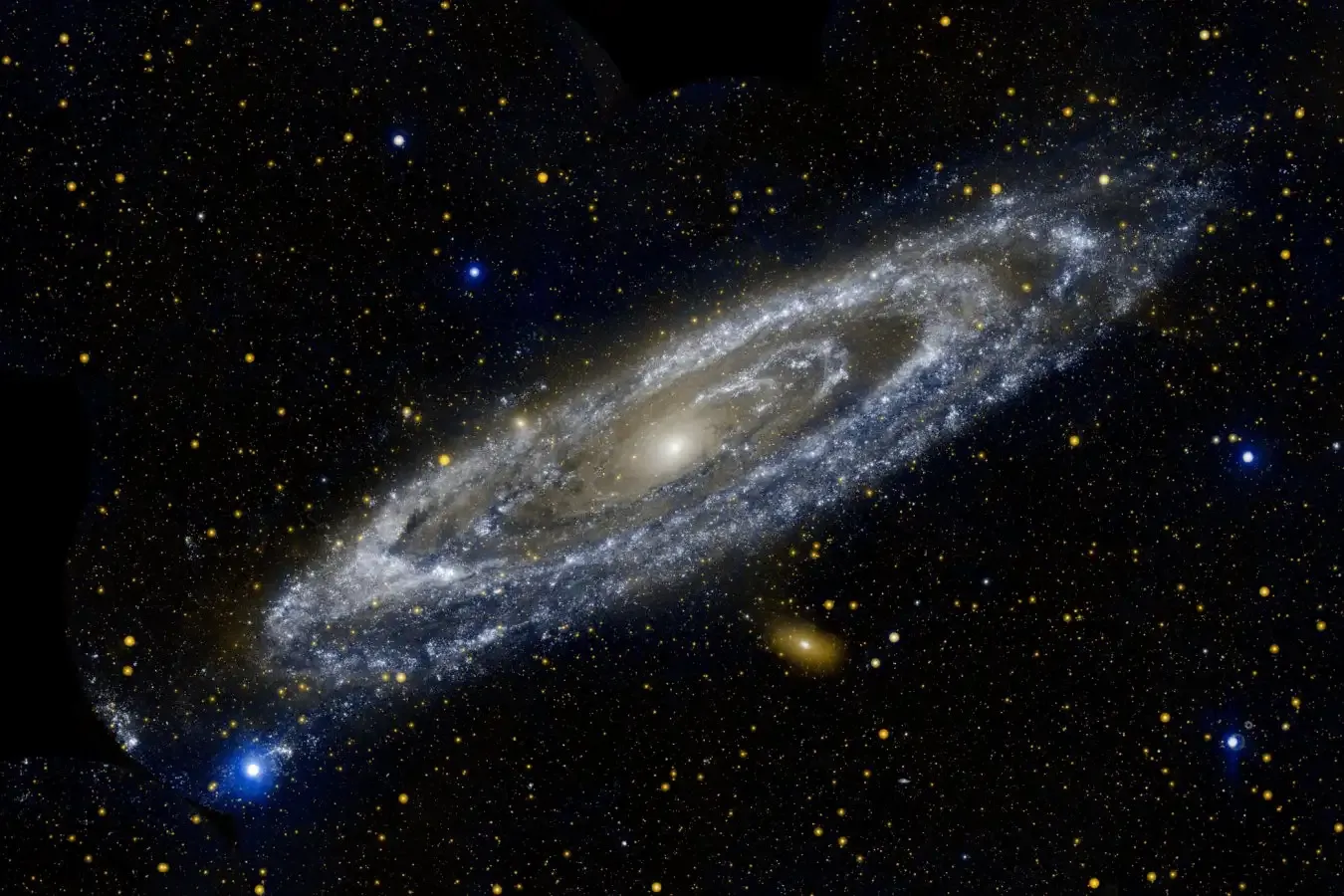 Via New Scientist
Scientists are careful when studying signs like this because an absence of gas alone is not always enough proof. Other forces near the galactic center can also move material. Still, when the cone shape is combined with earlier X-ray signs of hot gas, the wind idea becomes more likely. Future data may help confirm the full picture.
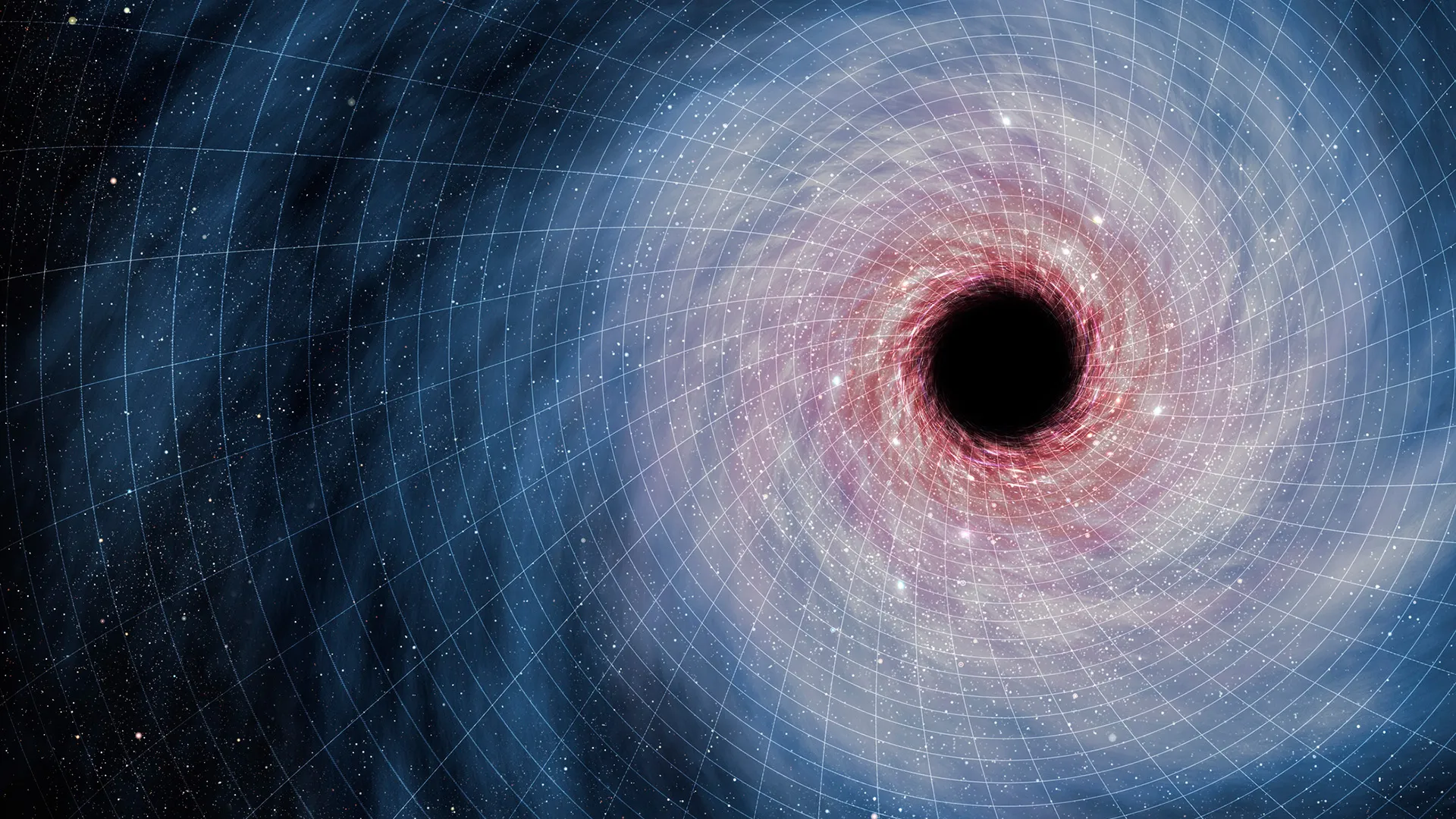 Via Live Science
Scientists may also watch the same area over time. If the edges of the gap shift, ripple, or wobble, it could show that hot wind is still pushing against colder gas. Space changes slowly, but powerful telescopes can notice small movements when they collect enough detailed data over many years.
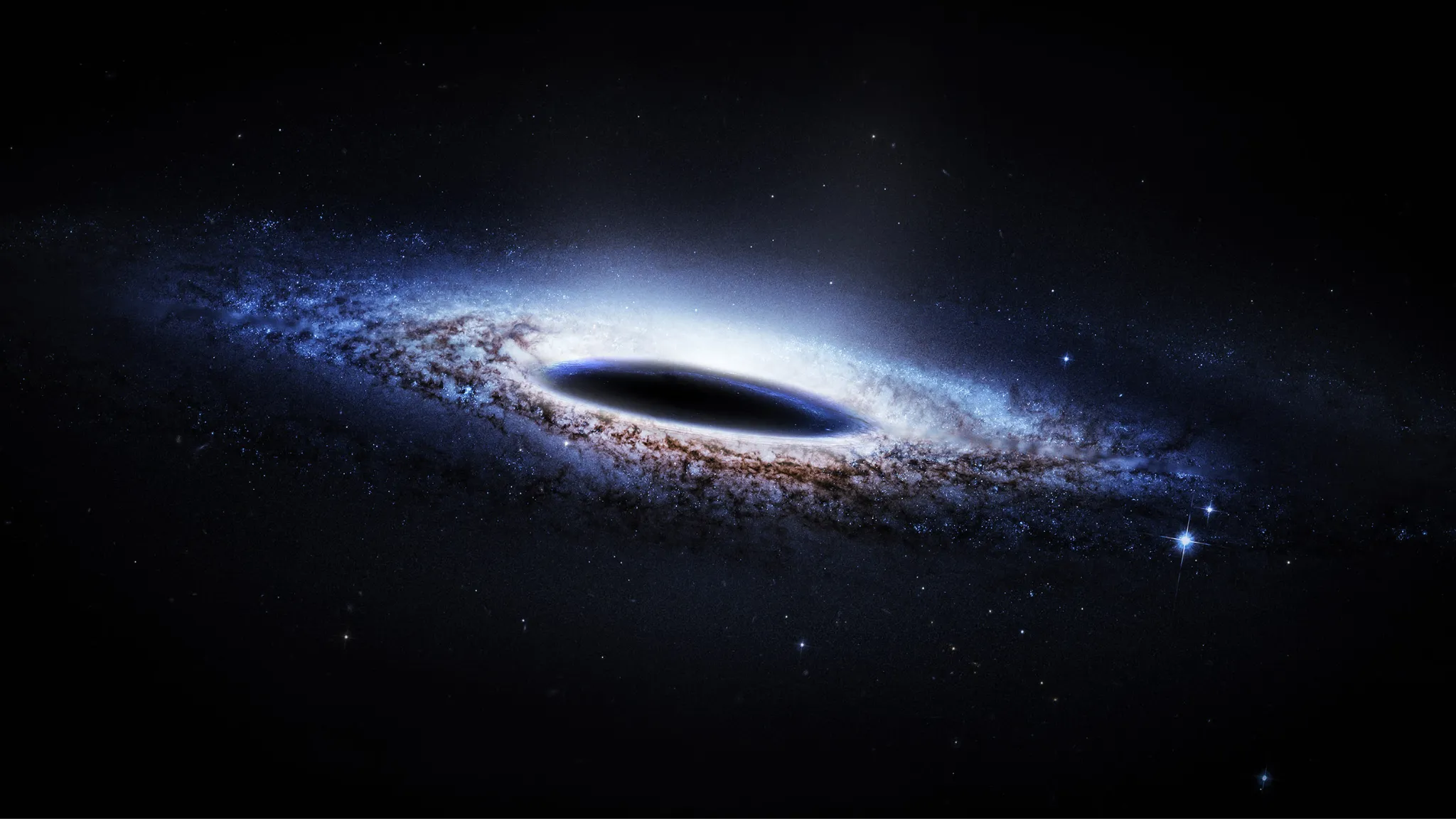 Via Explorersweb
Better tools may also reveal fainter gas and dust that current images cannot fully show. Each new observation can sharpen the view of the Milky Way’s center. This may help researchers understand how quiet black holes behave, how long their winds last, and how much they shape nearby star-forming material.
More in UnassignedVia Reuters
Many tools can look through this material in different ways, but finding a soft wind close to the black hole has been a major challenge. New observations now show a cone-shaped path leading away from Sagittarius A*.
This path looks like it was carved by hot moving gas. The finding suggests that even quiet black holes may not be fully inactive. They can still push material around, change their nearby space, and affect how gas moves in the heart of a galaxy.
Via Science News Express
What Astronomers Found
The new study focused on a strange cone-shaped gap near Sagittarius A*. This gap appears to be missing cold carbon monoxide gas, which is often used to trace cooler material in space. Around the gap, gas is still visible, but inside the cone, the cold gas seems to be cleared away. That empty shape gives scientists an important clue. Researchers believe a hot wind from the black hole likely swept the cold gas out of that region. The shape of the gap supports this idea because it points away from Sagittarius A* like a pathway made by flowing material. Earlier X-ray observations also found hot gas in the same area, which makes the wind explanation stronger.Via Global News
This does not mean Sagittarius A* is blasting space with violent force right now. The evidence points to a mild wind, more like a steady breeze than a storm. That difference is important because many black holes spend most of their lives in a quiet state. A gentle wind may be one of their normal behaviors.
Why Black Holes Blow
Black holes do not let light escape once material crosses their event horizon. Yet the space around a black hole can become bright and active before material falls in. Gas and dust swirl around the black hole, heat up, and release energy. This energy can push nearby material outward and create powerful or gentle winds.Via National Geographics
When a black hole feeds heavily, the wind can be extremely strong. Such winds may throw gas far away, sometimes even beyond a galaxy. These powerful outflows can change how a galaxy grows by removing the raw material needed to form new stars. Active black holes are often easier to notice because their energy output is huge.
Sagittarius A* is different right now because it is feeding very lightly. It is not in a dramatic growth phase, so any wind near it should be weak and hard to detect. That is why this discovery is so important. It shows that even low-feeding black holes can still release energy and quietly shape their surroundings.
Via Newsweek
Decades Of Searching
Sagittarius A* was discovered in the 1970s, but scientists did not fully understand its nature at first. Over time, evidence showed that it was likely a supermassive black hole sitting at the Milky Way’s center. Since then, astronomers have worked to learn how it behaves, how it feeds, and how it affects the galaxy around it. The search for winds from Sagittarius A* has been difficult because the galactic center is a crowded and messy place. Stars, dust clouds, gas streams, and strong gravity all overlap in the same region. From Earth, this area appears hidden behind layers of cosmic material, so scientists need advanced telescopes and careful methods to study it.Via Space
Some earlier X-ray and gamma-ray signs suggested that stronger winds may have blown from the black hole in the past. These signs were found far from Sagittarius A*, even beyond the central region of the galaxy. The missing piece was evidence close to the black hole itself. The new cone-shaped gap may finally provide that key clue.
How Data Helped
The research team used more than 100 hours of observations collected over five years. These observations came from the Atacama Large Millimeter/submillimeter Array, also known as ALMA, in Chile. ALMA is powerful because it can study cold gas and dust in space with great detail. That made it useful for looking near Sagittarius A*.Via Modern Sciences
The team studied cold carbon monoxide near the black hole because this molecule helps trace gas distribution. By mapping where the gas appears and where it is missing, astronomers can understand what has shaped the area. The cone-shaped empty region stood out because it did not look random. It had a clear direction and structure.
A new data-processing method helped researchers see much fainter material than before. The improved image was also much sharper, allowing them to study the black hole’s neighborhood in better detail. This stronger view revealed the cone-shaped gap and helped connect it with earlier signs of hot gas. Together, these clues point toward a gentle wind.
Via INKL
Impact On Galaxies
Black hole winds can play a major role in galaxy growth. They may slow star formation by pushing gas away from places where stars could form. Without enough cold gas, fewer new stars can be born. This means even a quiet black hole may help control how active its galaxy becomes over long periods of time. These winds can also have the opposite effect in some cases. When moving gas presses into dust clouds, it may compress them and help trigger star formation. This makes black hole winds complex. They do not only destroy or remove material. They can also reshape gas in ways that may support new stars under the right conditions.Via Reuters
Studying Sagittarius A* helps scientists understand this process close to home. Distant galaxies may have black holes that are harder to observe in fine detail. The Milky Way’s center gives astronomers a nearby example of how a quiet supermassive black hole behaves. That nearby view can help explain what happens in many other galaxies across the universe.
Why It Matters
The possible wind from Sagittarius A* suggests the Milky Way’s central black hole is not unusual. Other supermassive black holes are known to create winds, especially when they are active. Seeing a similar process in a quiet black hole shows that wind may be a common feature, not only a sign of powerful feeding.Via Live Science
This discovery also changes how quiet black holes are understood. A black hole may look calm from far away, but it can still affect gas, dust, and star-forming material nearby. Quiet does not always mean harmless or inactive. Sagittarius A* may be softly shaping the center of the Milky Way even during its low-feeding phase.
Scientists still need more evidence to confirm the wind. Future observations may measure how fast gas is moving near the cone-shaped gap. They may also show whether the edges of the empty region shift or wobble over time. Such changes would make the wind case stronger and reveal how this soft cosmic breeze keeps moving through space.
Via Space
Clues In Missing Gas
Missing gas can tell a strong story in space. Astronomers often study what is present, but empty regions can be just as important. Near Sagittarius A*, the cone-shaped gap stands out because cold carbon monoxide appears around it, while the inside looks cleared. That shape suggests something strong enough to move gas has passed through the area. This empty path does not look like a random hole in space. Its cone-like form points away from the black hole, which makes it look like material was pushed outward in one direction. A hot wind could explain why cold gas is missing there. The wind may have swept through the region and left a cleaner path behind.Via New Scientist
Scientists are careful when studying signs like this because an absence of gas alone is not always enough proof. Other forces near the galactic center can also move material. Still, when the cone shape is combined with earlier X-ray signs of hot gas, the wind idea becomes more likely. Future data may help confirm the full picture.
Future Space Studies
Future observations will help astronomers test whether this gentle wind is truly coming from Sagittarius A*. One important step is measuring the speed of gas near the cone-shaped gap. If gas is moving away from the black hole in a clear direction, that would support the idea of an ongoing wind.Via Live Science
Scientists may also watch the same area over time. If the edges of the gap shift, ripple, or wobble, it could show that hot wind is still pushing against colder gas. Space changes slowly, but powerful telescopes can notice small movements when they collect enough detailed data over many years.
Via Explorersweb
Better tools may also reveal fainter gas and dust that current images cannot fully show. Each new observation can sharpen the view of the Milky Way’s center. This may help researchers understand how quiet black holes behave, how long their winds last, and how much they shape nearby star-forming material.