Unassigned
Oxford’s 750-Year-Old Library Holds Medieval Secrets
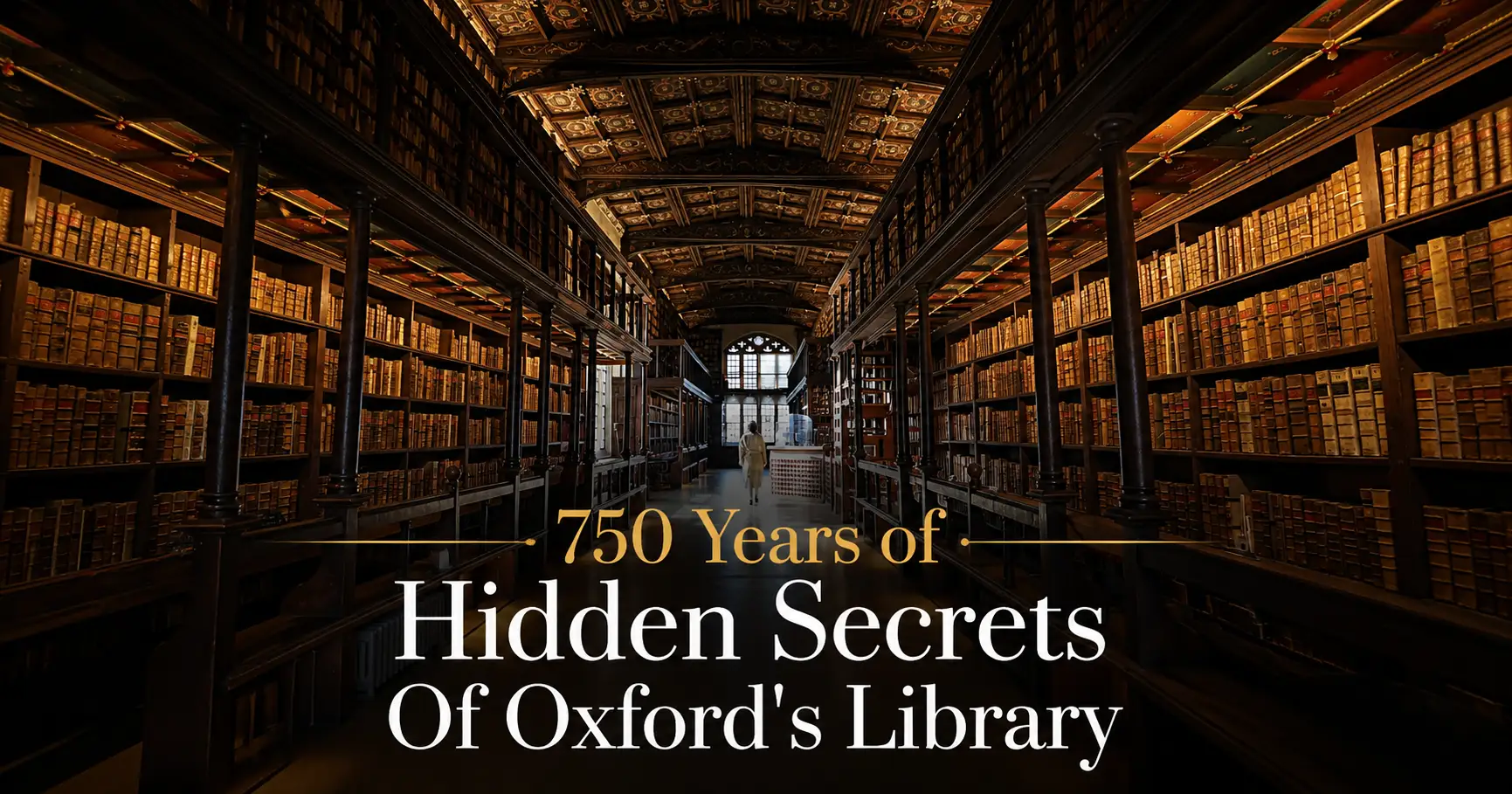
Merton College Library at Oxford University stands as one of the most remarkable academic spaces in the world, with a history that stretches back over 750 years. Its origins date to the late 13th century, a time when books were rare, expensive, and treated as precious possessions.
During this period, knowledge was preserved through manuscripts, and each book required months of careful labor to complete. The library began as a simple collection of donated texts, gathered to support scholars in their studies. A major turning point came in 1276 when a formal rule required fellows of Merton College to contribute books to the institution. This decision helped create a shared resource that would grow steadily over time.
 Via BBC
The collection was not stored in open shelves as seen today, but kept in a secure chest that required multiple key holders to access. This strict method ensured that these valuable manuscripts remained protected in an age when even a single book could hold immense worth.
This early system laid the foundation for what would become one of the longest-running academic libraries in Europe. Its continuous use through centuries of change highlights its importance as a center of learning. The library has witnessed the rise and fall of empires, major global events, and countless generations of scholars who relied on its resources for knowledge and discovery.
 Via Design Engine Architect
 Via BBC
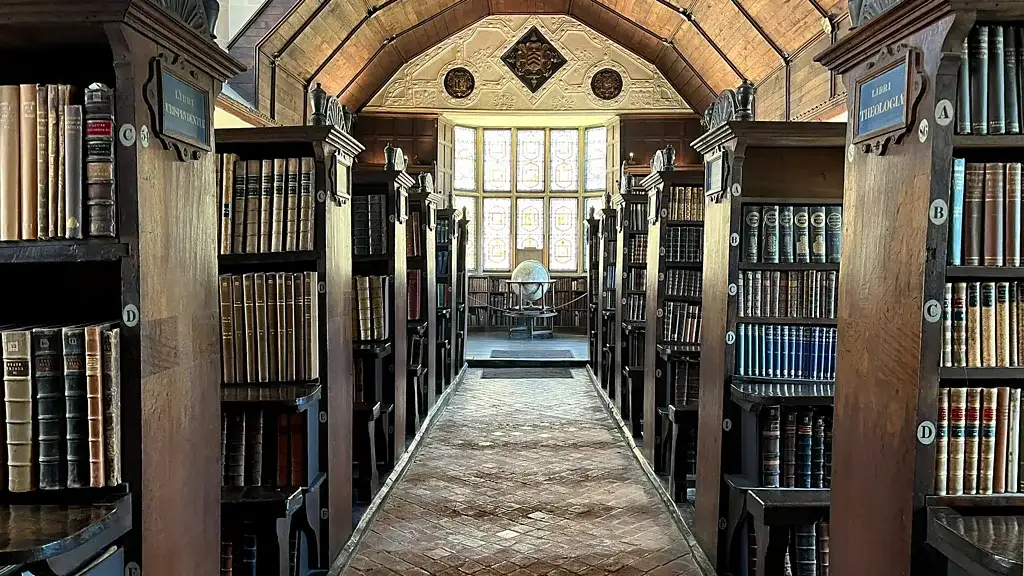
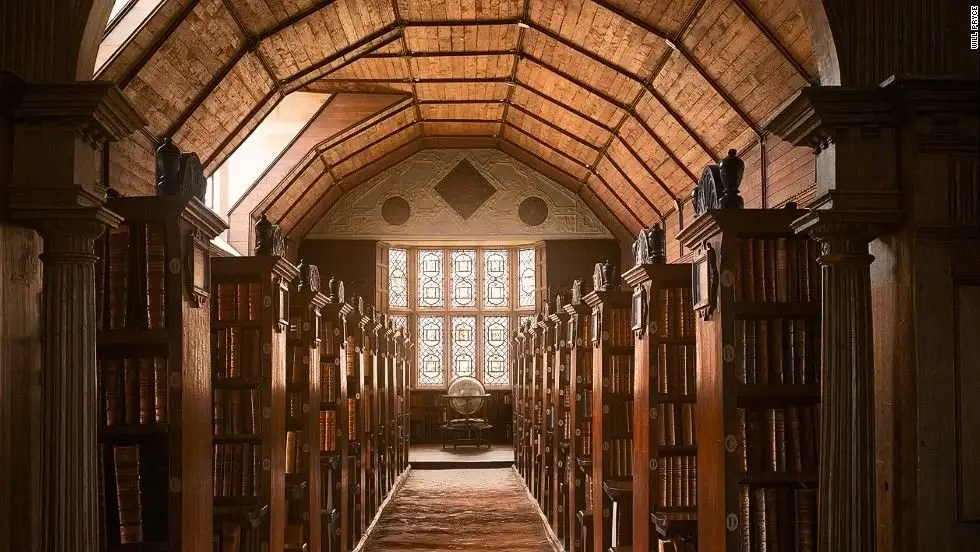
These chains prevented theft and loss, which were major concerns at the time. This practice marked an important step toward modern library systems, where materials are divided between reference collections and loanable items. By the 14th century, a dedicated room was built to house the growing number of books. This space introduced horizontal shelving, a design that allowed books to be stored upright.
Interestingly, the books were placed with their spines facing inward, while titles were written on the edges. This unusual arrangement was necessary because the chains were attached to the outer edges of the covers. These innovations demonstrate how the library adapted to meet the needs of its users while preserving its valuable collection.
 Via hab
 Via Fox News
Students still use the library during academic terms, adding another layer to its story. Few places in the world can claim such a long period of continuous use for the same purpose. This ongoing role highlights the enduring value of knowledge and the importance of preserving spaces where learning can thrive. The library’s ability to remain relevant across centuries is one of its most remarkable achievements.
 Via Atlas Obscura
In later centuries, the library attracted well-known writers and thinkers. Among them was J.R.R. Tolkien, whose time at Oxford left a lasting impact on his creative work. The atmosphere of ancient texts and historic surroundings likely influenced his imagination, contributing to the rich worlds he created in his writing. Such connections add a unique cultural dimension to the library’s history.
Other literary figures and visitors have also been inspired by the space. Writers from different periods described its beauty, its sense of age, and its connection to the past. These impressions helped build the library’s reputation as a place of deep historical and intellectual significance. The presence of such figures underscores the library’s role not just as a storehouse of books but as a source of inspiration.
 Via BBC
 Via Merton College
These claims grew even more ambitious. Some descriptions labeled it as the oldest library in the world, a statement that captured attention but lacked precise accuracy. These exaggerated claims show how strongly the library captured the imagination of those who encountered it. Its long history and well-preserved features made it easy to see why such legends developed.
 Via Medium
Examples from other regions highlight this complexity. Libraries such as those in Morocco and Egypt have been recognized for their long histories, with some dating back over a thousand years. However, each has its own unique background, and the way it functions may differ from modern expectations. These variations show that the concept of a library has evolved.
Merton College Library is often described as one of the oldest continuously functioning academic libraries in Europe. This careful wording reflects a more accurate understanding of its place in history. It acknowledges the library’s impressive age while recognizing the broader global context. Such an approach helps maintain historical accuracy while still celebrating its remarkable legacy.
 Via BBC
 Via Reddit
The preservation of these rare materials requires careful handling and strict environmental controls. Temperature, humidity, and light levels are closely monitored to prevent damage over time. This level of care ensures that future generations will continue to benefit from these historic resources.
 Via The Oxford Magazine
The interior of the library is equally impressive, with rows of wooden desks and shelves that have been in use for centuries. The layout was carefully planned to maximize space and accommodate the growing collection of books.
Restoration efforts over the years have focused on preserving the original features while ensuring the building remains safe and usable. Skilled craftsmen have worked to maintain the authenticity of the structure, repairing damage without altering its historic character.
 Via Art & Architecture
 Via Gilbert Scott
People continue to visit and study within its walls, contributing to an ongoing story that spans generations. The library’s long life reflects the value placed on education and the preservation of knowledge. It stands as a reminder that ideas and learning can endure far beyond the time in which they were created.
More in UnassignedVia BBC
The collection was not stored in open shelves as seen today, but kept in a secure chest that required multiple key holders to access. This strict method ensured that these valuable manuscripts remained protected in an age when even a single book could hold immense worth.
This early system laid the foundation for what would become one of the longest-running academic libraries in Europe. Its continuous use through centuries of change highlights its importance as a center of learning. The library has witnessed the rise and fall of empires, major global events, and countless generations of scholars who relied on its resources for knowledge and discovery.
Via Design Engine Architect
How Books Were Stored and Protected
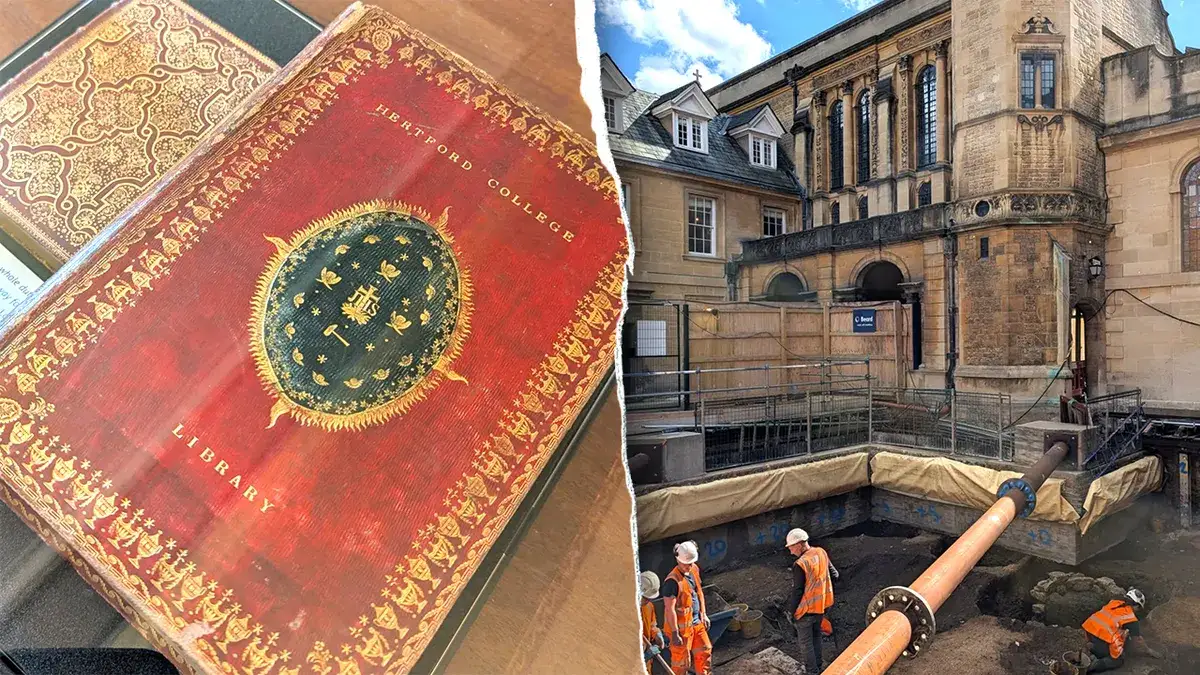
In the early days of the library, books were not arranged for casual browsing. Access was highly controlled, and borrowing required formal procedures. The entire academic community often gathered to open the chest that held the collection, making each use of the books a shared and deliberate act. This system reflected the immense value placed on knowledge during the medieval period, when books were rare and irreplaceable. As the collection expanded, new methods of storage began to emerge. Some books were placed outside the chest and chained to tables, allowing scholars to consult them more freely while still ensuring their safety.
Via BBC
These chains prevented theft and loss, which were major concerns at the time. This practice marked an important step toward modern library systems, where materials are divided between reference collections and loanable items. By the 14th century, a dedicated room was built to house the growing number of books. This space introduced horizontal shelving, a design that allowed books to be stored upright.
Interestingly, the books were placed with their spines facing inward, while titles were written on the edges. This unusual arrangement was necessary because the chains were attached to the outer edges of the covers. These innovations demonstrate how the library adapted to meet the needs of its users while preserving its valuable collection.
Via hab
A Space That Preserves Medieval Atmosphere
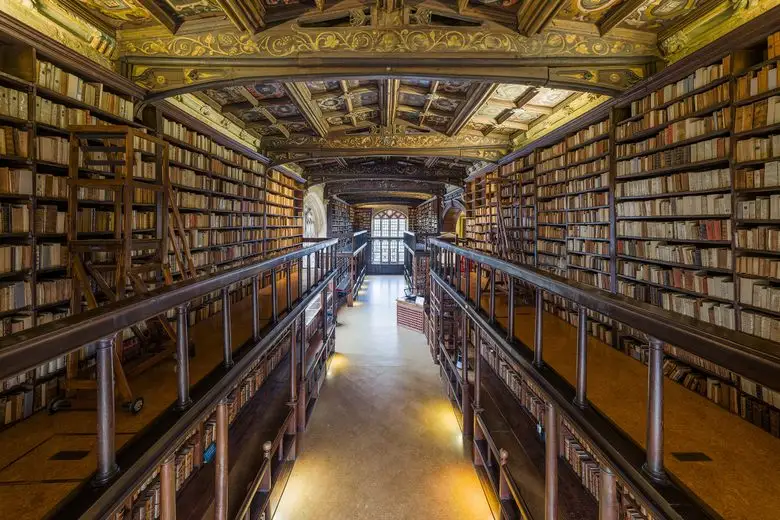
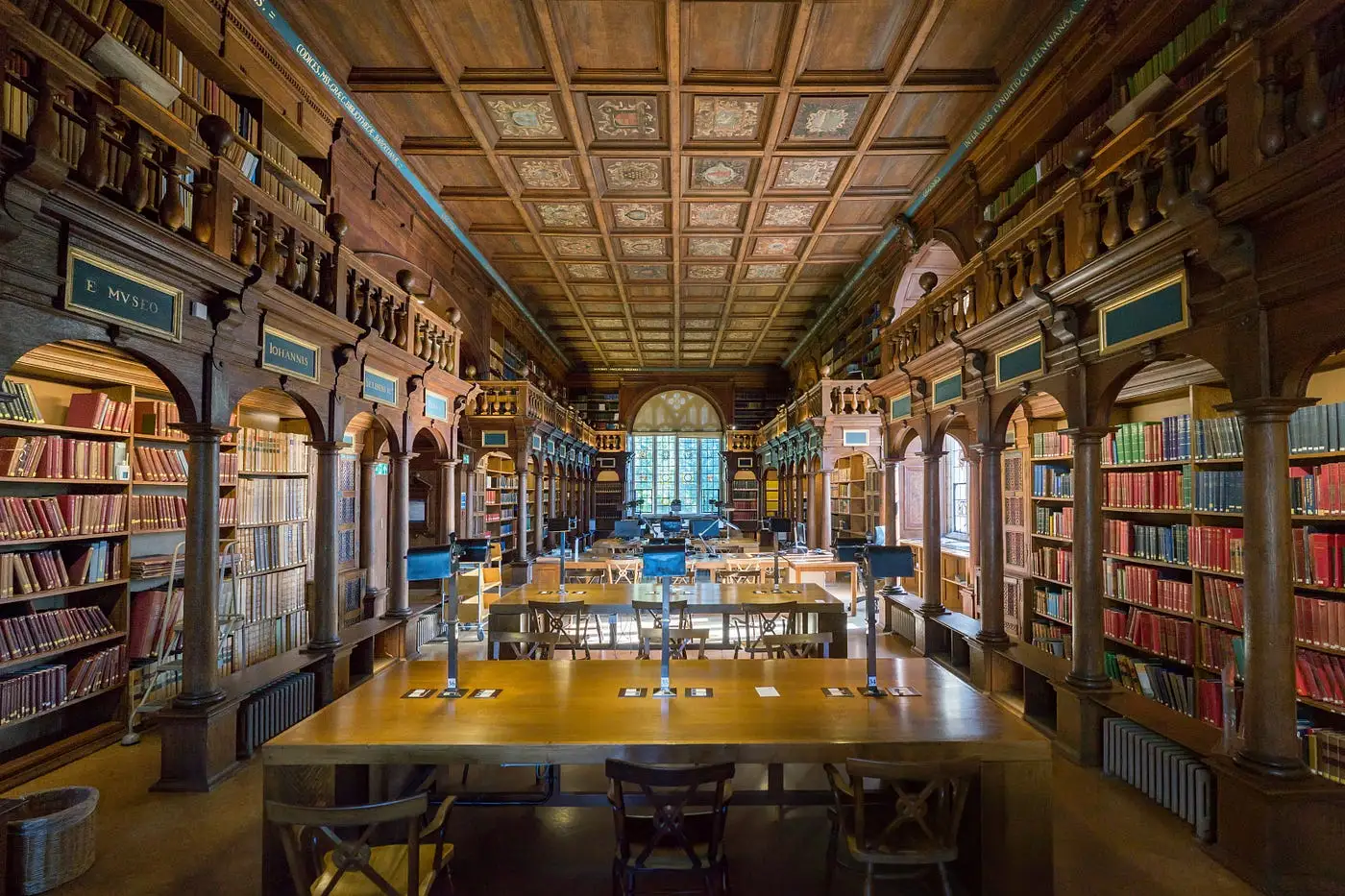
The historic reading room of Merton College Library remains one of its most striking features. Walking through this space feels like stepping into a different era, as many of its original elements have been carefully preserved. Wooden beams, long rows of desks, and ancient shelving create an atmosphere that reflects centuries of academic tradition. This continuity makes the library a living link between the past and the present. Only a few books remain chained today, mostly as part of historical displays that help visitors understand earlier practices. Most volumes are now arranged in the modern style, with spines facing outward for easy identification. Despite these updates, the room itself has changed very little over time, maintaining its medieval character. This careful balance between preservation and usability allows the library to function as both a historical site and an active academic resource.Via Fox News
Students still use the library during academic terms, adding another layer to its story. Few places in the world can claim such a long period of continuous use for the same purpose. This ongoing role highlights the enduring value of knowledge and the importance of preserving spaces where learning can thrive. The library’s ability to remain relevant across centuries is one of its most remarkable achievements.
Scholars and Writers Through the Ages
Throughout its long history, the library has been used by many notable figures. Medieval scholars, including mathematicians and philosophers, relied on its collection to advance their studies. These early users helped shape academic traditions that continue to influence education today. Their work, supported by the resources of the library, contributed to important developments in science, mathematics, and literature.
Via Atlas Obscura
In later centuries, the library attracted well-known writers and thinkers. Among them was J.R.R. Tolkien, whose time at Oxford left a lasting impact on his creative work. The atmosphere of ancient texts and historic surroundings likely influenced his imagination, contributing to the rich worlds he created in his writing. Such connections add a unique cultural dimension to the library’s history.
Other literary figures and visitors have also been inspired by the space. Writers from different periods described its beauty, its sense of age, and its connection to the past. These impressions helped build the library’s reputation as a place of deep historical and intellectual significance. The presence of such figures underscores the library’s role not just as a storehouse of books but as a source of inspiration.
Via BBC
The Rise of Its Legendary Reputation
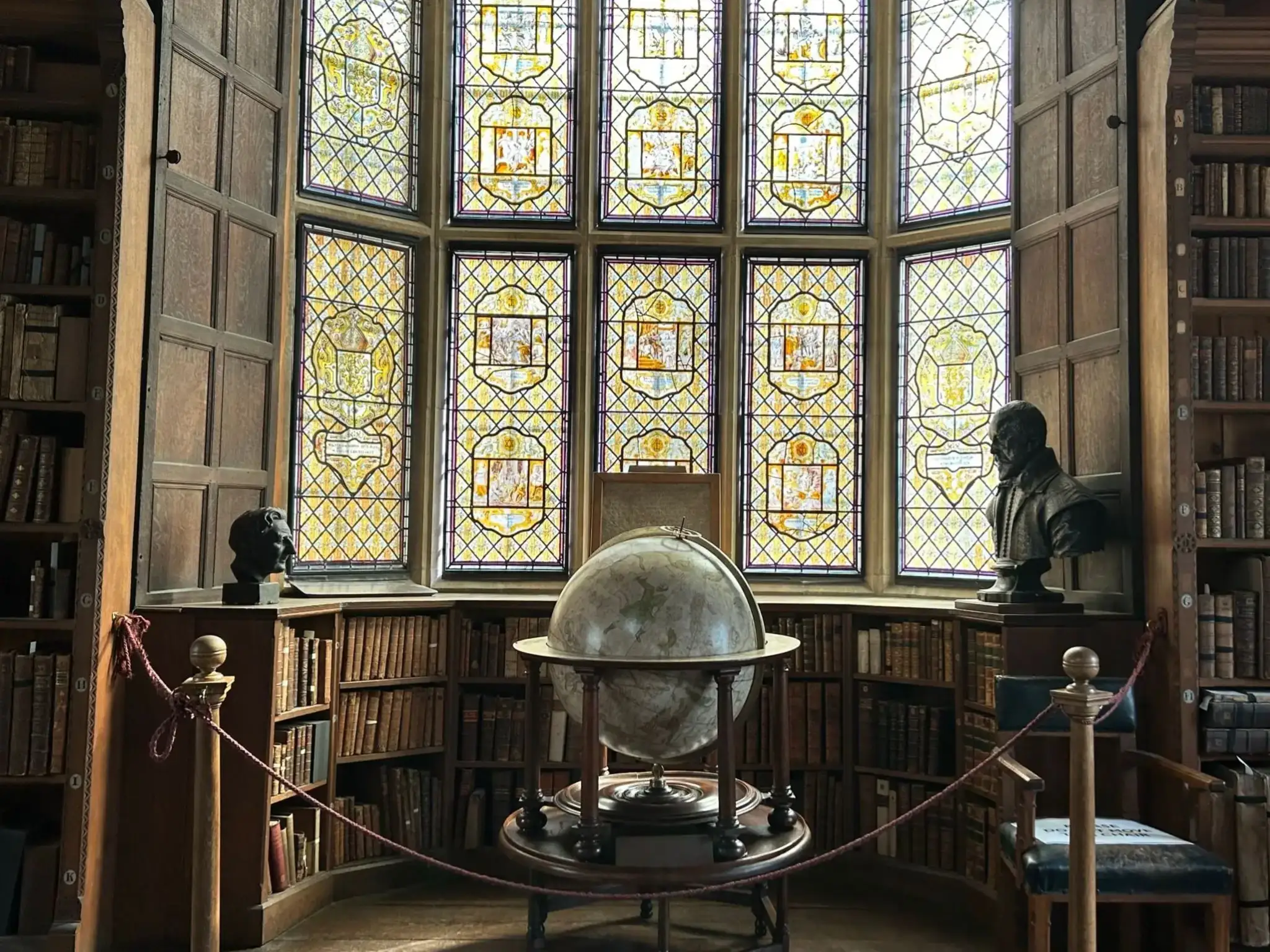
During the 19th century, the library gained widespread attention as a historical landmark. Visitors were drawn to its unique features, including its stained-glass windows and rare manuscripts. One of its most notable treasures is a 15th-century edition of The Canterbury Tales, which includes detailed hand-decorated borders. Such items highlighted the richness of the collection and its importance in preserving literary history. Travelers and writers began to describe the library in glowing terms, often emphasizing its age and beauty. These accounts helped spread its reputation beyond academic circles, turning it into a popular destination for those interested in history and culture. As more people learned about it, the library became known as one of the oldest in England, a title that added to its appeal.Via Merton College
These claims grew even more ambitious. Some descriptions labeled it as the oldest library in the world, a statement that captured attention but lacked precise accuracy. These exaggerated claims show how strongly the library captured the imagination of those who encountered it. Its long history and well-preserved features made it easy to see why such legends developed.
Debates About the Oldest Library in the World
The question of which library is the oldest in the world remains complex and often debated. Different institutions across the globe have claims based on various definitions of what a library is. Some focus on continuous operation, while others consider the age of the building or the origin of the collection. These differences make it difficult to identify a single clear answer.Via Medium
Examples from other regions highlight this complexity. Libraries such as those in Morocco and Egypt have been recognized for their long histories, with some dating back over a thousand years. However, each has its own unique background, and the way it functions may differ from modern expectations. These variations show that the concept of a library has evolved.
Merton College Library is often described as one of the oldest continuously functioning academic libraries in Europe. This careful wording reflects a more accurate understanding of its place in history. It acknowledges the library’s impressive age while recognizing the broader global context. Such an approach helps maintain historical accuracy while still celebrating its remarkable legacy.
Via BBC
Rare Manuscripts and Treasured Collections
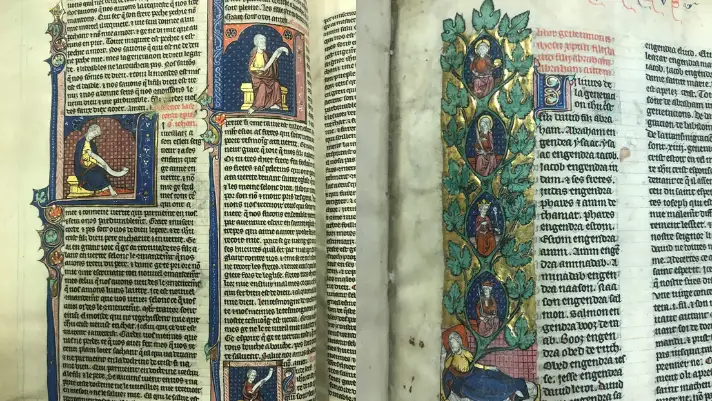
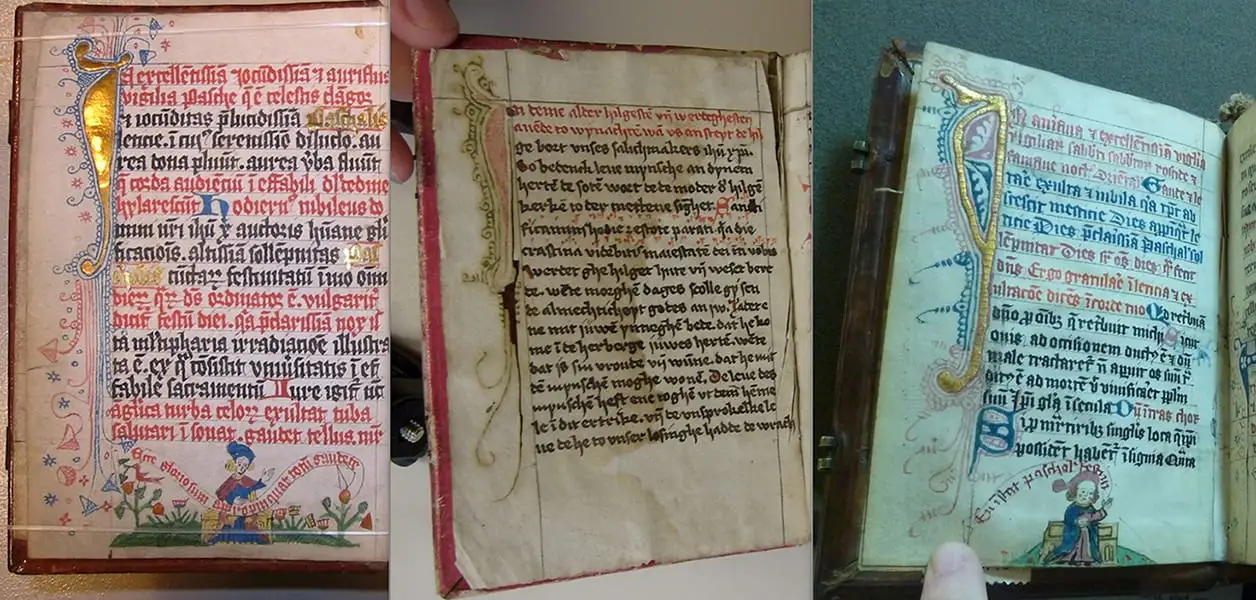
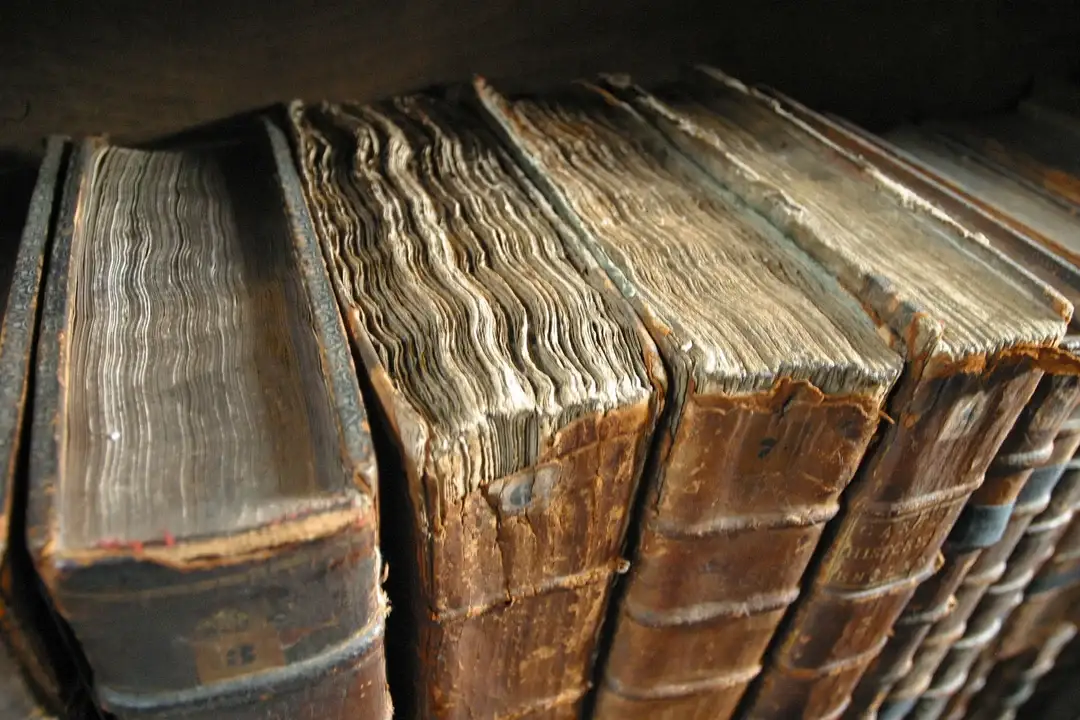
Merton College Library is home to a remarkable collection of rare manuscripts that reflect centuries of intellectual history. These texts include handwritten works from the medieval period, many of which were created long before the invention of the printing press. Each manuscript represents countless hours of effort, with scribes carefully copying text and adding decorative elements by hand. Among the most notable items in the collection are early printed books that mark the transition from manuscripts to printed texts. These volumes highlight a turning point in history when knowledge became more accessible to a wider audience. Some books also feature hand-painted illustrations and intricate borders, adding to their uniqueness.Via Reddit
The preservation of these rare materials requires careful handling and strict environmental controls. Temperature, humidity, and light levels are closely monitored to prevent damage over time. This level of care ensures that future generations will continue to benefit from these historic resources.
Architectural Beauty and Timeless Design
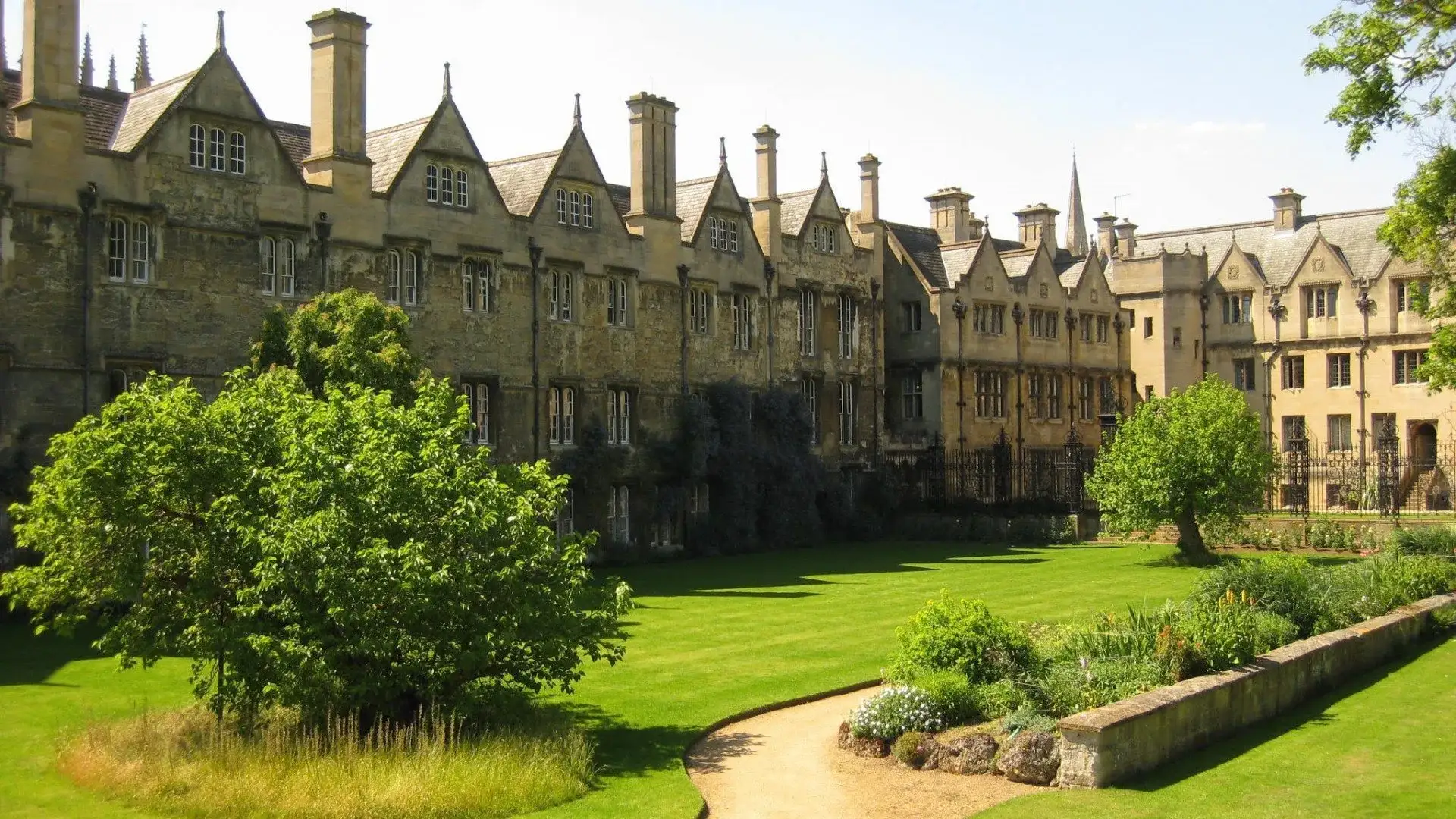
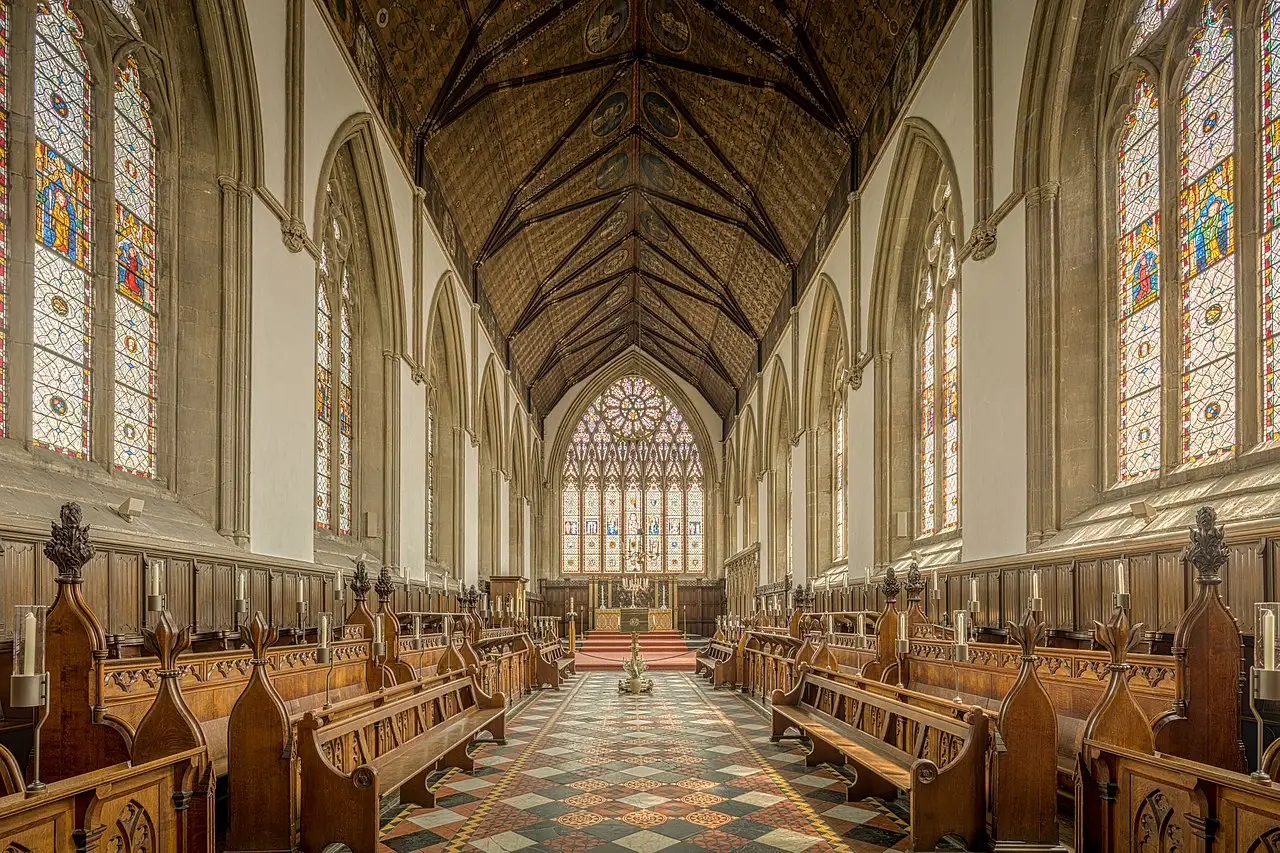
The architecture of Merton College Library is a key part of its charm and historical importance. The building reflects the design style of the medieval period, with features such as high wooden ceilings, long, narrow windows, and carefully crafted stone walls.Via The Oxford Magazine
The interior of the library is equally impressive, with rows of wooden desks and shelves that have been in use for centuries. The layout was carefully planned to maximize space and accommodate the growing collection of books.
Restoration efforts over the years have focused on preserving the original features while ensuring the building remains safe and usable. Skilled craftsmen have worked to maintain the authenticity of the structure, repairing damage without altering its historic character.
Via Art & Architecture
A Living Time Capsule of Knowledge
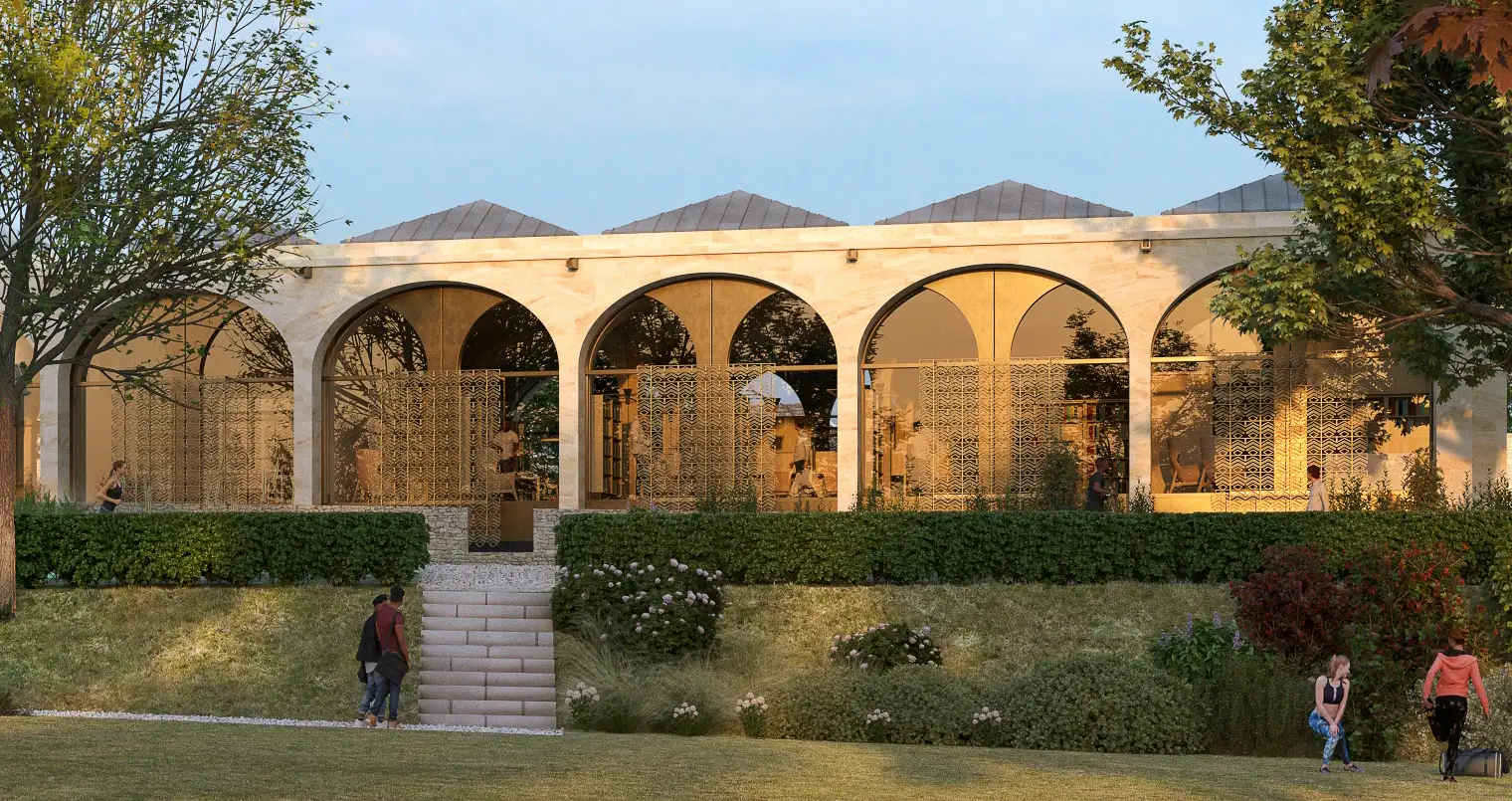
The library today serves as both a working academic space and a preserved historical site. Its long history allows visitors and students to experience a direct connection to the past. The original chest, believed to date back to the 13th century, still stands as a symbol of its beginnings. Modern updates have been introduced to ensure the library meets current academic needs. Technology and improved storage methods help protect its collection while making it accessible to researchers. Despite these changes, the core identity of the library remains intact. Its ability to adapt while preserving its history is a key part of its enduring significance.
Via Gilbert Scott
People continue to visit and study within its walls, contributing to an ongoing story that spans generations. The library’s long life reflects the value placed on education and the preservation of knowledge. It stands as a reminder that ideas and learning can endure far beyond the time in which they were created.