Science
New Study Finds Birds and Humans Share Song and Speech Rules
People in every part of the world talk and sing to one another every single day. Across thousands of cultures, humans have built a huge variety of languages, accents, and musical styles. Some groups chant, some hum, and others write complex songs with many layers.
Even with all of this variety, a few basic sound patterns keep showing up again and again, no matter where people live or what language they speak. Scientists often call these repeated features “universal” patterns in human vocal sounds.
Via The Conversation
They appear in the way people speak sentences and the way they sing songs. For a long time, these patterns were seen as something special about humans and the way the human brain handles language and music. A new study now suggests that this idea may be far too narrow.
The research, published in the journal Science in November 2026, shows that many of these same sound patterns also appear in birdsong. The team compared the songs of 367 bird species with recordings of speech and song from 52 human languages. The results point to a surprising link between two very different kinds of animals, and they raise big questions about where music and language really come from.
Via The Brighter Side Of News
How Researchers Built a Giant Birdsong Library
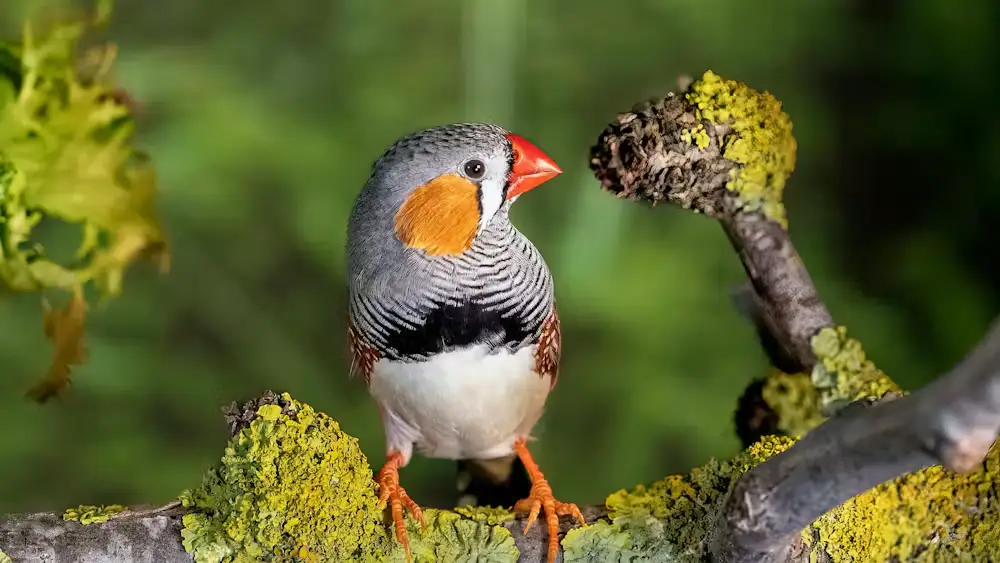
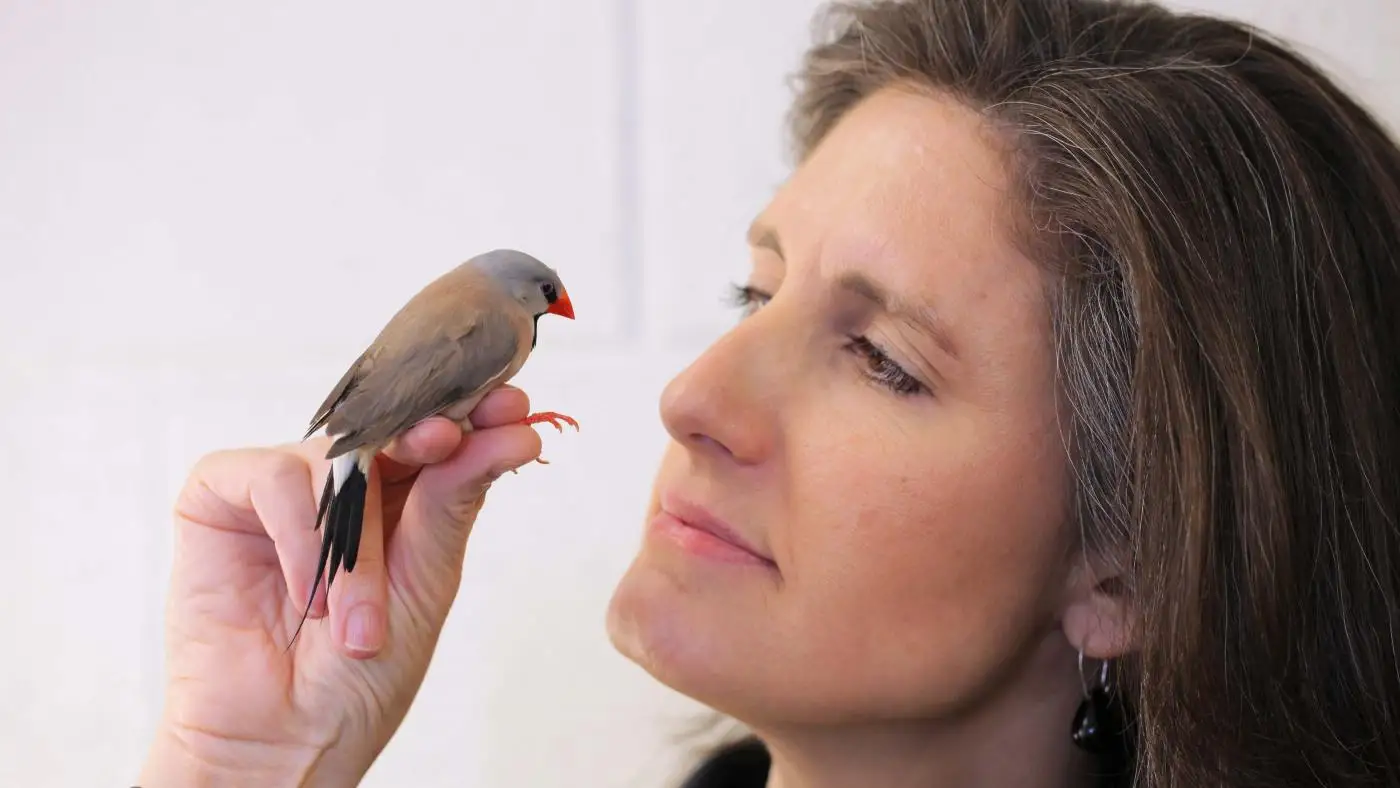
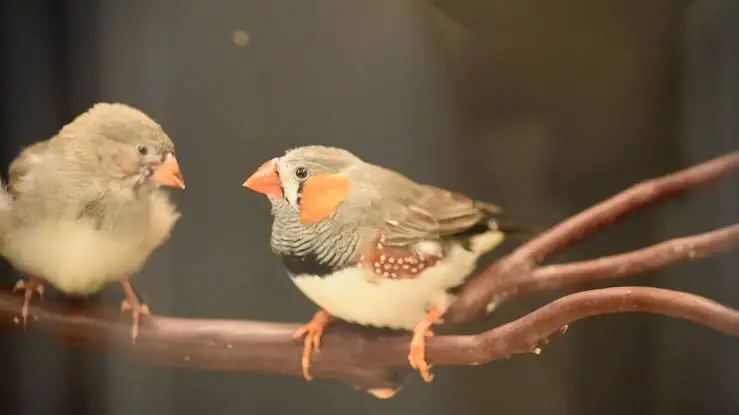
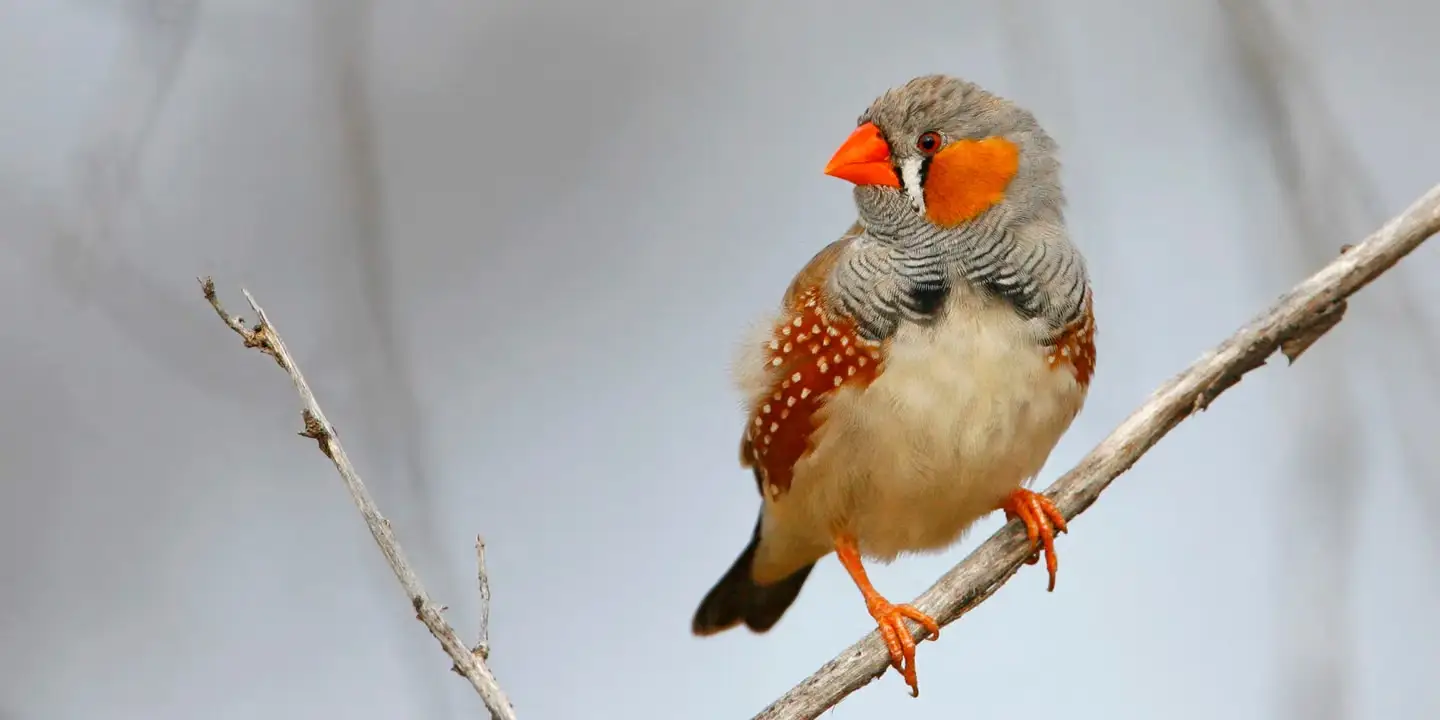
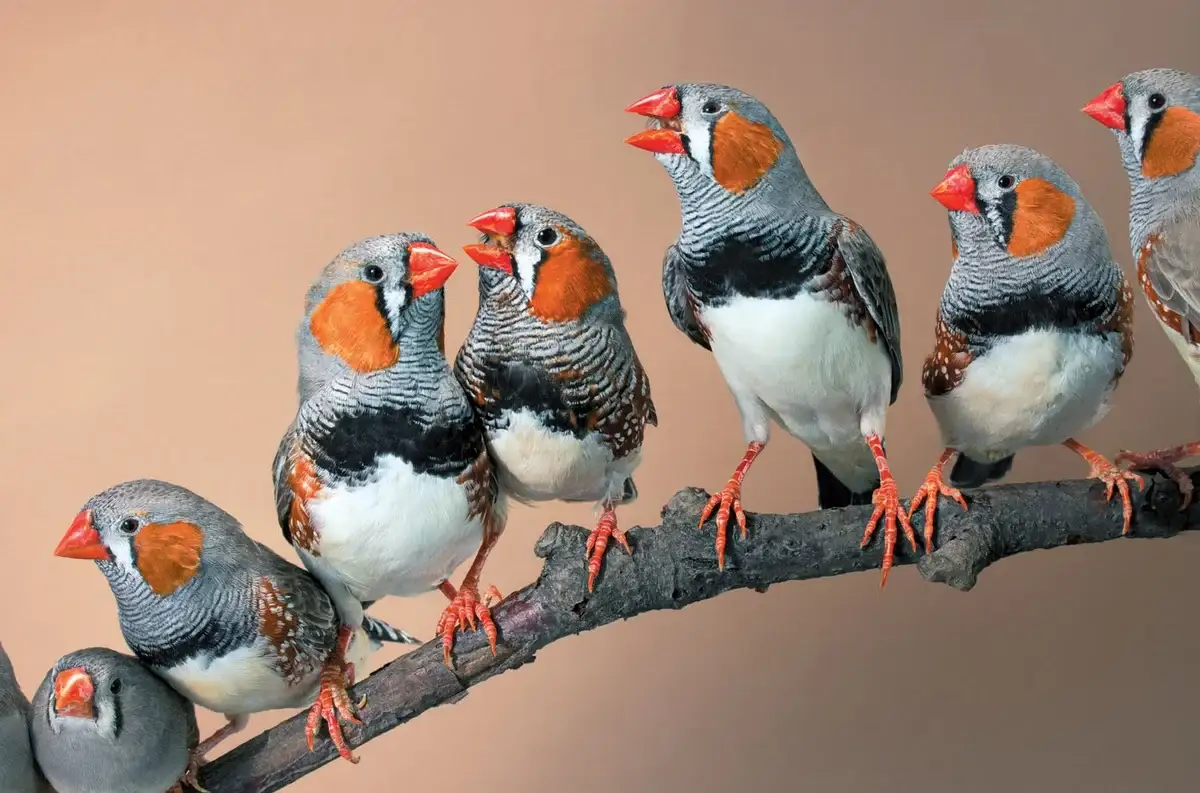
The project grew out of years of careful work on one small bird. Researchers Logan and Jon, who study animal behavior, neuroscience, and music, spent a full decade tracking universal human sound patterns in the songs of zebra finches. These tiny birds, known for their red beaks and striped heads, became a useful model for learning how songs are built.
Their long study laid the groundwork for something much bigger. The next step came when Kendra joined the lab while working on her PhD. She suggested checking whether the same patterns could be found in many other bird species, not just zebra finches. That idea required a huge amount of data. Luckily, bird lovers around the globe record birdsong and share their clips on public online collections.
Via The Print
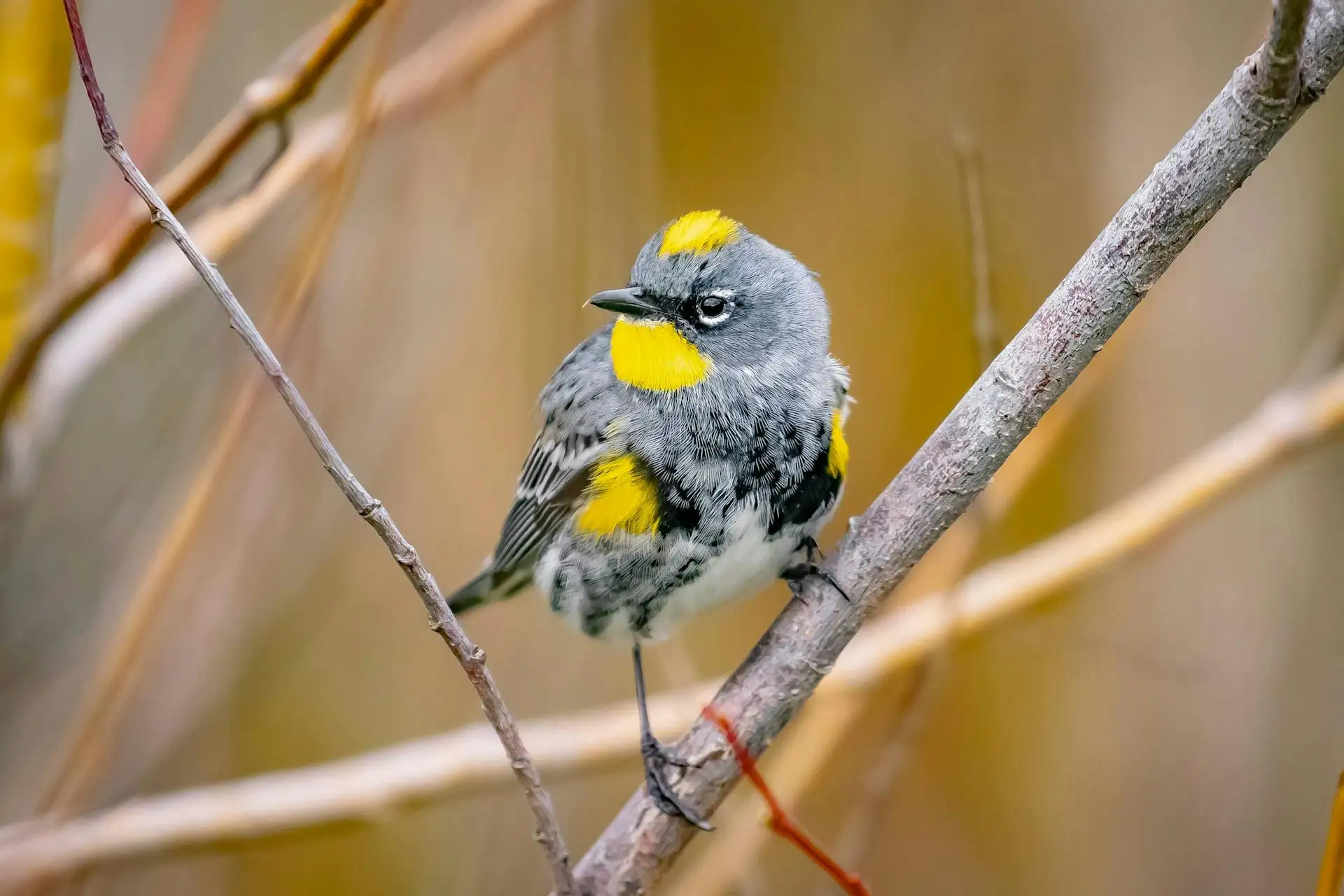
The team used these recordings to collect songs from more than 360 species. Each song was then broken down by hand into single syllables, which took a great deal of time and patience. In total, the researchers marked more than 70,000 birdsong syllables for study.
They compared this material with collections of human speech and song from many languages and cultures. Some of these human recordings featured the same person both talking and singing, which made them ideal for side-by-side comparisons with birds.
Via Yahoo News Canada
Longer Endings, Smooth Pitch, and Steady Rhythm
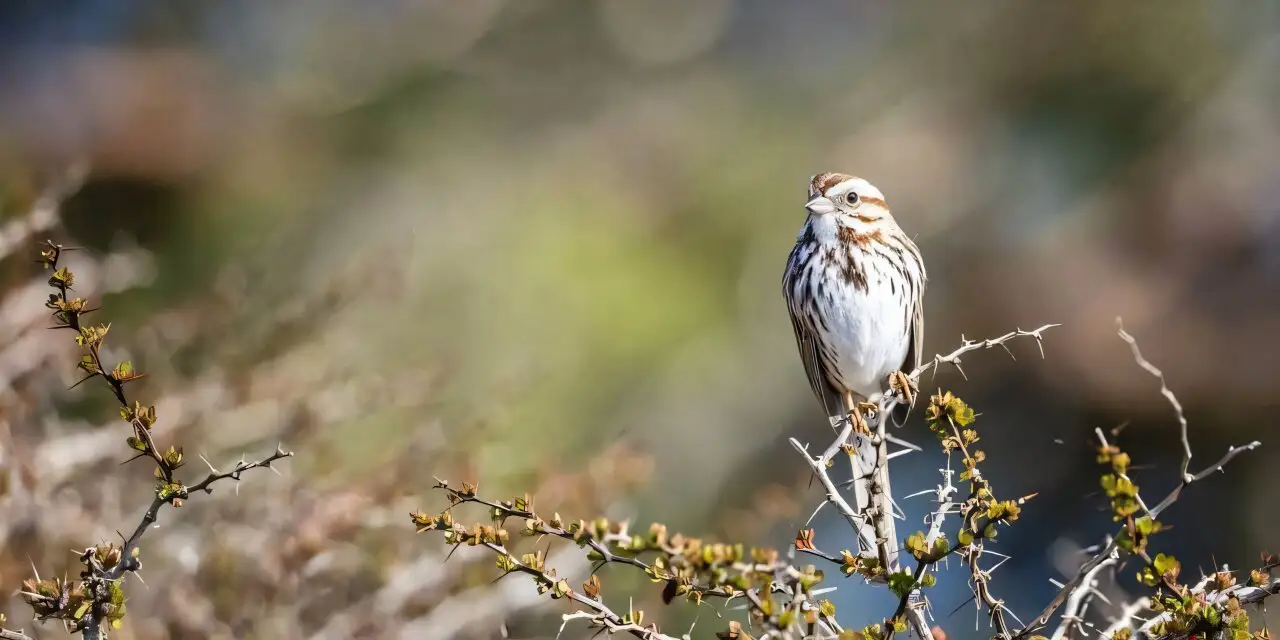
The study found many clear matches between birdsong and human vocal sounds. One of the most striking was the way phrases end. Both humans and birds tend to stretch out the final syllable of a phrase, making it longer than the ones before it.
People do this naturally when they finish a sentence or the last line of a song, and birds appear to follow the very same habit. Another shared pattern involves pitch, which is how high or low a sound is. Humans and birds both arrange their syllables so that the pitch does not jump wildly from one sound to the next.
Via Phys Org
Instead, nearby syllables usually stay fairly close in pitch, creating a smooth flow. Both groups also tend to sing with regular and predictable rhythms, which makes their sounds easier to follow and remember. The comparisons did not always point in one direction. In some cases, birdsong looked more like human singing than human talking.
In other cases, birds produced songs that were closer to human speech than to human song. This mix suggests that the line between speaking and singing may be less sharp than many people think, and that birds sit somewhere across that whole range.

Via The Conversation
Vocal Learning Was Not the Answer
A key goal of the study was to test whether vocal learning shapes the order of sounds. Vocal learning means picking up the structure of sounds by hearing and copying others. Humans do this from a very young age, as babies listen to the adults around them and slowly learn to speak.
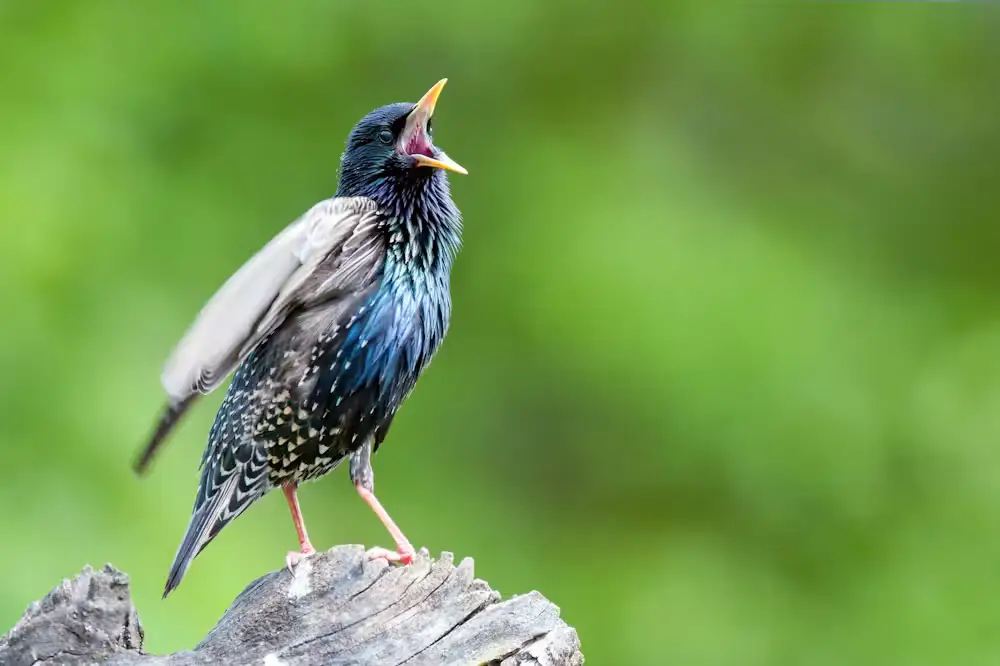
Many birds go through a similar process while they grow, learning their songs from older birds nearby. To test the idea, the researchers looked at two groups of birds that learn their songs: songbirds, also called oscines, and hummingbirds.
Via The Conversation
They then compared these with two closely related groups that do not learn their songs, known as suboscines and nightjars. Since humans, songbirds, and hummingbirds are all vocal learners, the team expected these three to share certain patterns that the non-learning birds would lack.
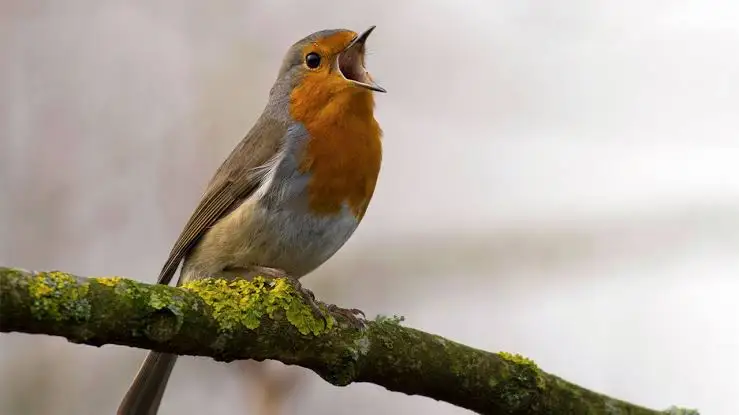
The results told a different story. The researchers found very little evidence that vocal learning made any real difference. The amount of variation across bird species did not seem to depend on whether a bird learned its song or was born knowing it. This surprising result means something else must be behind the shared patterns, and it pushed the team to look at the physical side of making sound.
Via Science
Breathing and Muscles May Explain the Match
The big question now is what causes these shared patterns across so many species. The researchers say more studies are needed before anyone can give a firm answer. Still, they have a strong idea worth testing. They believe the way humans and birds physically produce sound may shape the patterns in their vocal sequences, regardless of how the sounds are learned.
Both humans and birds have to match their breathing with the muscles that control their voice. Every syllable depends on air moving out of the lungs at just the right moment. The muscles that shape the vocal tract must move with precise timing to line up with that airflow.
Via Ask Nature
This shared physical challenge could naturally lead to similar habits, such as longer final syllables and steady rhythms. If this idea turns out to be correct, the same patterns may be found far beyond birds and humans. Many other animals also make sounds by pushing air through their bodies and controlling it with muscles. Future research could look at frogs, whales, bats, or other creatures to see whether they follow the same basic sound rules. Such work could reveal a much wider sound code shared across the animal world.
Did Birds Help Teach Humans to Sing?
Songbirds have been around for a very long time. They first appeared about 50 million years ago, long before early human ancestors split away from the other great apes. That means birds were already singing in forests and fields during every stage of human history.
Via Colombia
Their calls and melodies formed part of the natural soundtrack that surrounded the earliest people as they hunted, gathered, and built communities. Over thousands of years, birdsong has inspired music in many cultures around the world. Composers, folk singers, and poets have long borrowed ideas from the sounds of birds.
Some musical pieces copy bird calls directly, while others simply capture the cheerful mood of a morning chorus. This long history shows how deeply birds have shaped the way people think about sound, beauty, and rhythm. The study raises a fascinating possibility about the distant past.
Via Science
Early humans may have listened closely to birds while they first experimented with their own voices. Those natural songs could have helped guide them toward the joy of making music. The researchers say this is one of the big ideas they hope to explore in future work, though the answer remains open for now.
A Shared Sound Code
This research shows that humans are not alone in the way they shape their sounds. Birds across hundreds of species stretch their final syllables, keep their pitch smooth, and sing in steady rhythms, just like people do when they talk or sing. These shared habits connect two groups that are separated by millions of years of evolution and very different bodies, which makes the findings all the more remarkable.
Via Lemonde
The study also challenges the idea that learning sounds from others is what creates these patterns. Birds that learn their songs and birds that do not showed similar results. That points toward the physical act of breathing and controlling vocal muscles as a likely cause. If that is true, people may one day find the same sound rules in many other animals, from the ocean to the treetops.
Via Scientific American
For now, the next time people hear a bird singing outside their window, they may want to listen a little more closely. The rhythm and flow of that song may feel familiar for a reason. Birds and humans seem to share a deep and ancient sound code, and scientists are only beginning to uncover how it formed and what it can teach them about music and language.