Entertainment / Sports

The Real Story Behind the Word “Soccer” and Where It Began
Most of the world calls it football, or “fútbol” in Spanish-speaking countries. In the United States, the same sport goes by a different name: soccer. Fans from Europe, Africa, and South America often tease Americans about this choice. They point out that the game is played mostly with the feet, so “football” seems like the obvious name.
To many people, the American word sounds odd or even wrong. What surprises a lot of people is where the word soccer actually came from. It was not invented in America at all. The name was born in England, the same country that gave the modern game its first official rules.

Via History
British players and students used the word long before it became common in the United States. So the name that many fans laugh at today has deeply British roots. To understand why the sport has two names, it helps to look back at how the game grew.
The story involves English schools, a famous meeting in a London tavern, and a habit of turning words into playful nicknames. It also involves other sports that already used the word football. Together, these pieces explain why one game ended up with two very different names around the world.

Via Wikipedia
Ancient Roots of Ball Games
Games played by kicking, throwing, hitting, or carrying a ball have existed for thousands of years. In ancient China, people played a game called cuju, which involved kicking a ball through an opening in a net. The ancient Greeks and Romans also had ball games that mixed kicking and handling.
These early games were often rough and loosely organized. In medieval England, a wild version of football was played between whole towns and villages. Large crowds would chase a ball through streets and fields, sometimes for hours.
Via Britannica
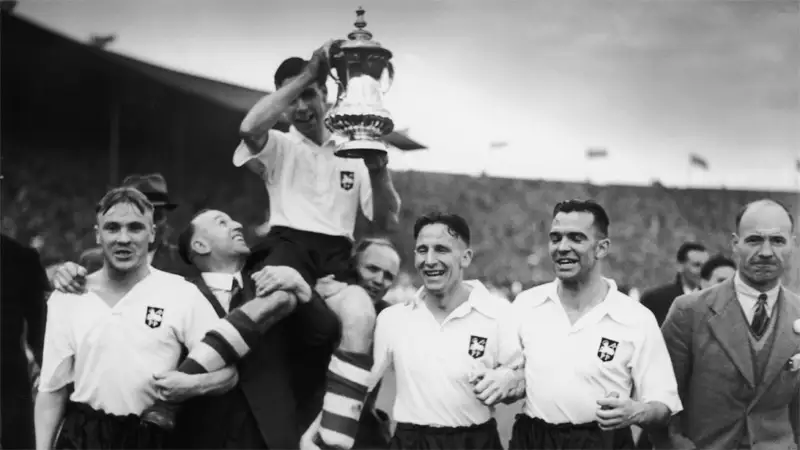
There were very few rules, and injuries were common. These matches became so rowdy that several English kings tried to ban them. Even so, the love for the game never went away, and it kept growing among ordinary people. By the 1800s, many English schools had their own versions of football.
Some schools allowed players to carry the ball with their hands, while others mostly banned it. Each school followed its own set of rules, which made it hard to play matches between teams. This confusion created a real need for one shared rulebook. That need would soon lead to the birth of the modern game.

Via Irish Examiner
1863 and the Birth of the Football Association
In the middle to late 19th century, many sports were organized with official rules. Baseball, soccer, and American football all took shape in forms that fans still recognize today. Clear rules made it easier for teams to compete fairly. They also helped sports spread to new places, since everyone could follow the same guidelines.
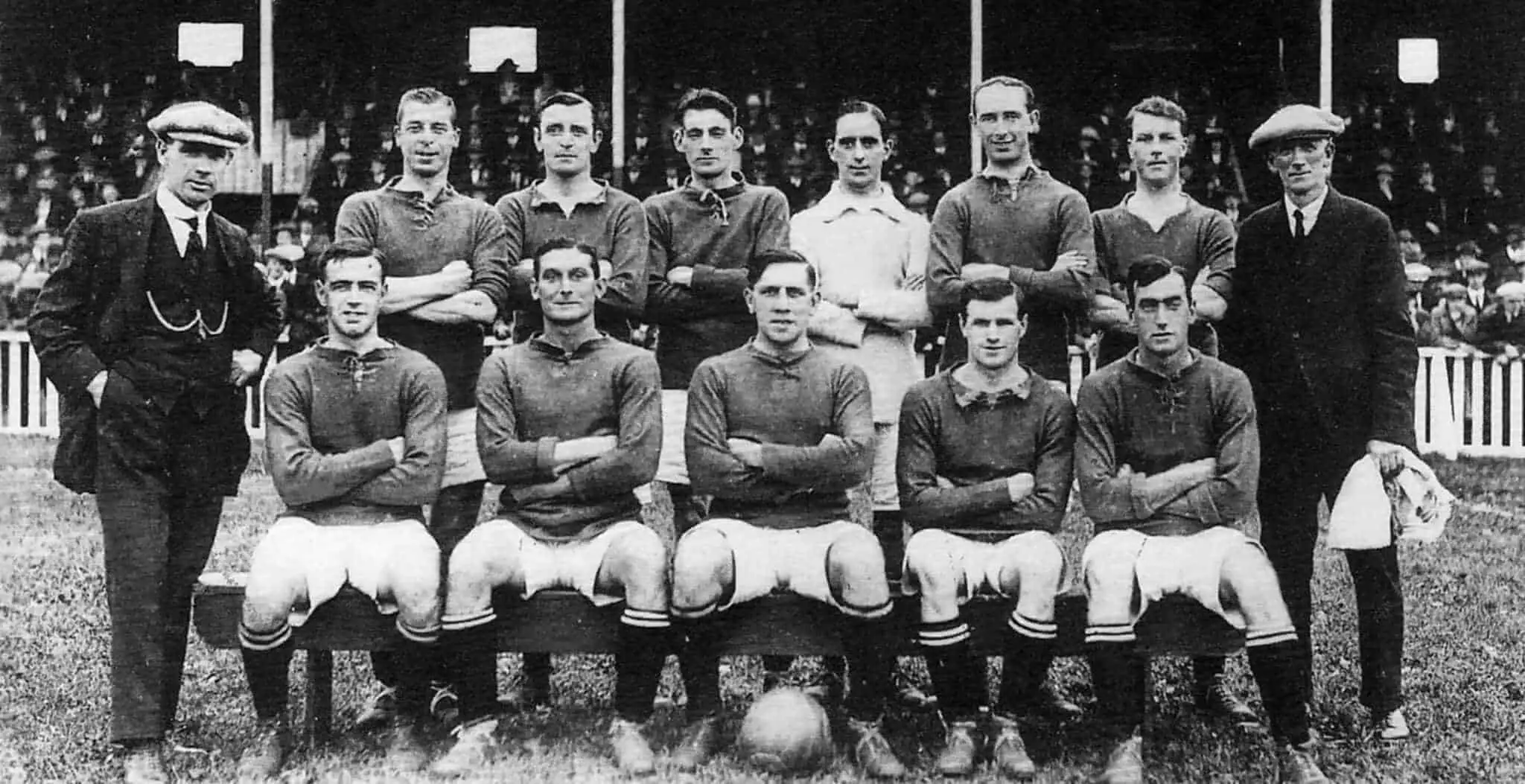
This period changed sports from local pastimes into organized games. Modern soccer was born in 1863. That year, people representing several English schools and clubs met in London to agree on one set of rules. They formed a group called the Football Association.
Via The FA
Their version of the game became known as “association football.” This new set of rules focused on kicking the ball and limited the use of hands, which set it apart from other styles of play. The word “association” had an important job.
It helped people tell this sport apart from other popular games of the time, such as “rugby football.” Rugby allowed players to pick up the ball and run with it. Because both games used the word football, people needed a simple way to tell them apart. Adding “association” solved that problem, at least for a while.
Via ITVX
How “Association” Turned Into “Soccer”
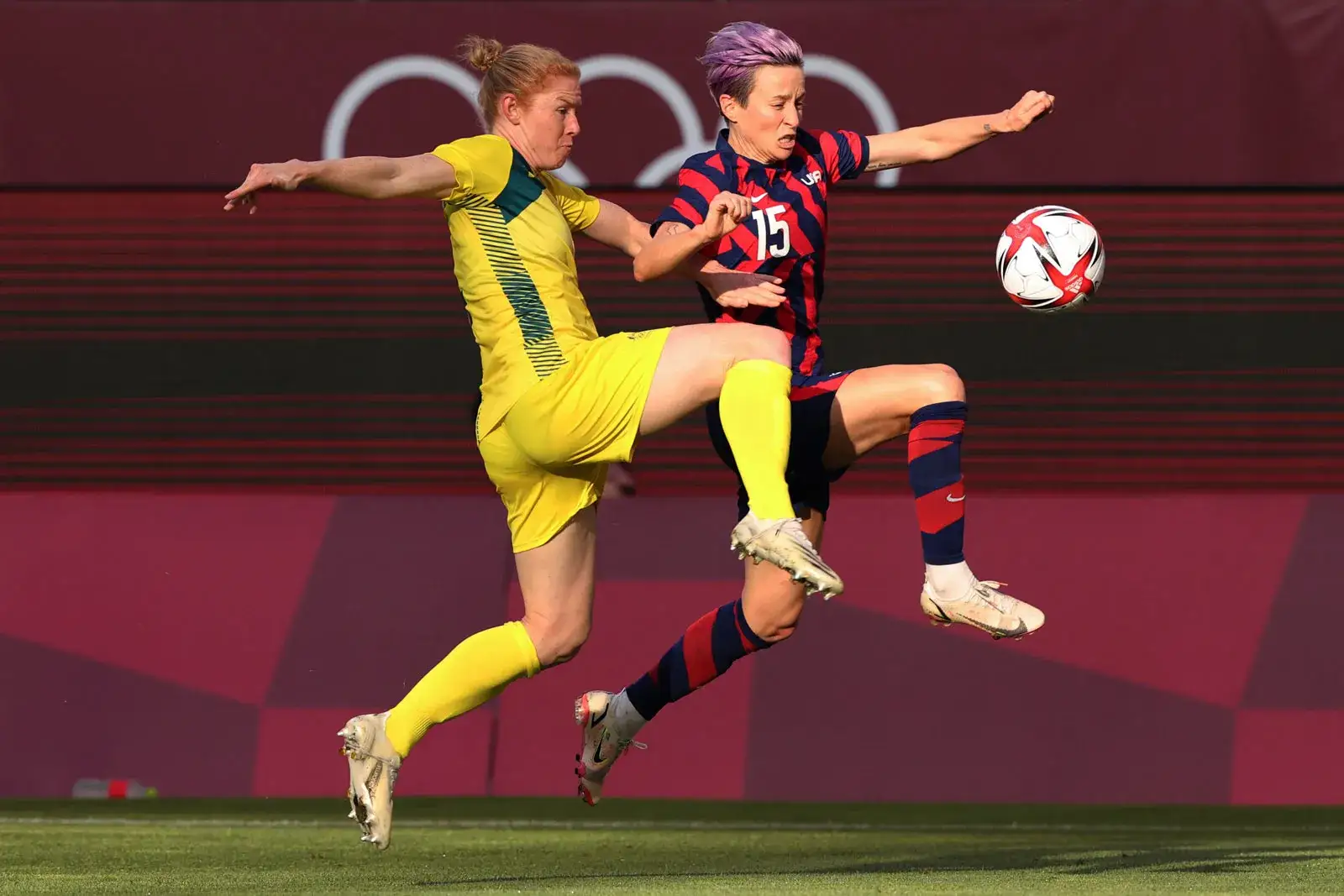
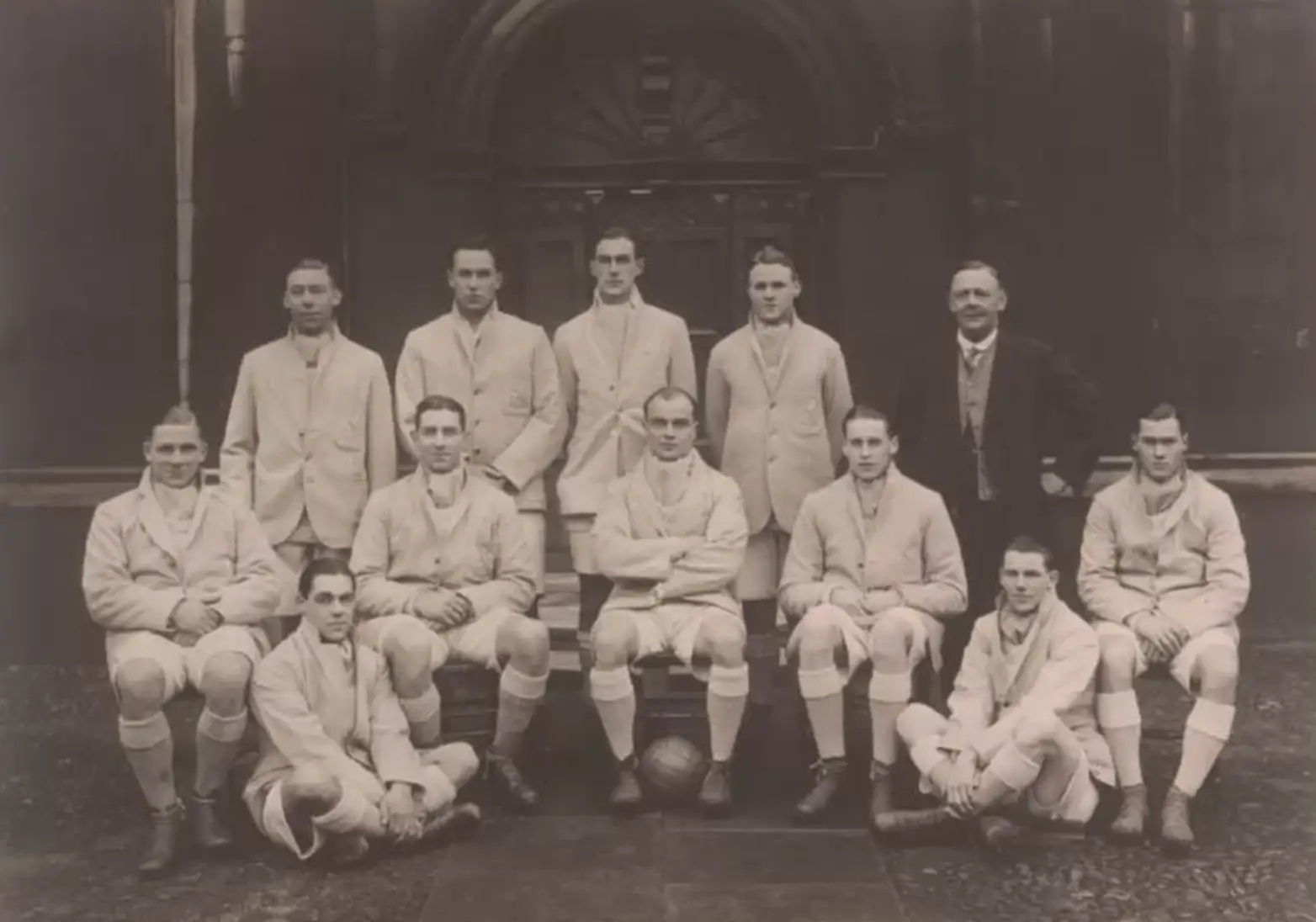
The word soccer comes from a slang version of the word “association.” British players started shortening the long word into nicknames. Early versions included “assoc” and “assoccer.” Over time, these nicknames were trimmed down into “soccer.”
Some people also used the longer phrase “soccer football.” The short, catchy name made the sport easier to talk about in everyday conversation. Adding “-er” to the end of words was a popular habit in Britain at that time. Students at Oxford University are often credited with spreading this style of slang.
Via Historic UK
They turned many common words into playful nicknames. The same habit gave rugby the nickname “rugger.” In this way, rugby football became “rugger” and association football became “soccer.” Both names came from the same kind of student humor. This shows that soccer was never meant to replace football as a formal name.
It was simply a casual, friendly nickname. British people used it the same way someone might shorten a long name for a friend. Nobody at the time could have guessed that this small piece of student slang would one day spark debates between fans across the world.
Via Breakthrough by Nikel
Why Soccer Stuck in America
In the United States, a different sport had already claimed the name football. American football grew out of rugby in the late 1800s. College teams shaped the game with new rules, such as the line of scrimmage and the forward pass. Over time, it became one of the most popular sports in the country.
When Americans said football, they meant this game. Because of this, Americans needed another name for association football. The British nickname soccer was a perfect fit. It was already in use, easy to say, and clearly different from American football.

Via Redbull
Using soccer helped avoid confusion when people talked about sports. This choice was not a mistake or a rejection of the rest of the world. It was simply practical. Even the national governing body reflected this change over time.
The organization was first known as the United States Football Association when it was founded in 1913. It later added the word soccer to its name and eventually became the United States Soccer Federation. Today, American leagues like Major League Soccer use the word proudly, and millions of fans follow the sport under that name.

Via Arts & Science
Other Countries That Still Say Soccer
The United States is not the only country that uses the word soccer. In places where another type of football was already popular, the name soccer often stuck. Canada is a good example. Canadians have their own version of football, known as Canadian football.
To avoid confusion, most Canadians call the round-ball game soccer, just like their neighbors to the south. Australia has a similar story. Australian rules football and rugby league are both hugely popular there, and both are often called “footy.”

For many years, soccer was the common name for association football. In recent decades, Australian officials have pushed to use the name football instead, hoping to match the rest of the world. Even so, many Australians still say soccer in daily life.
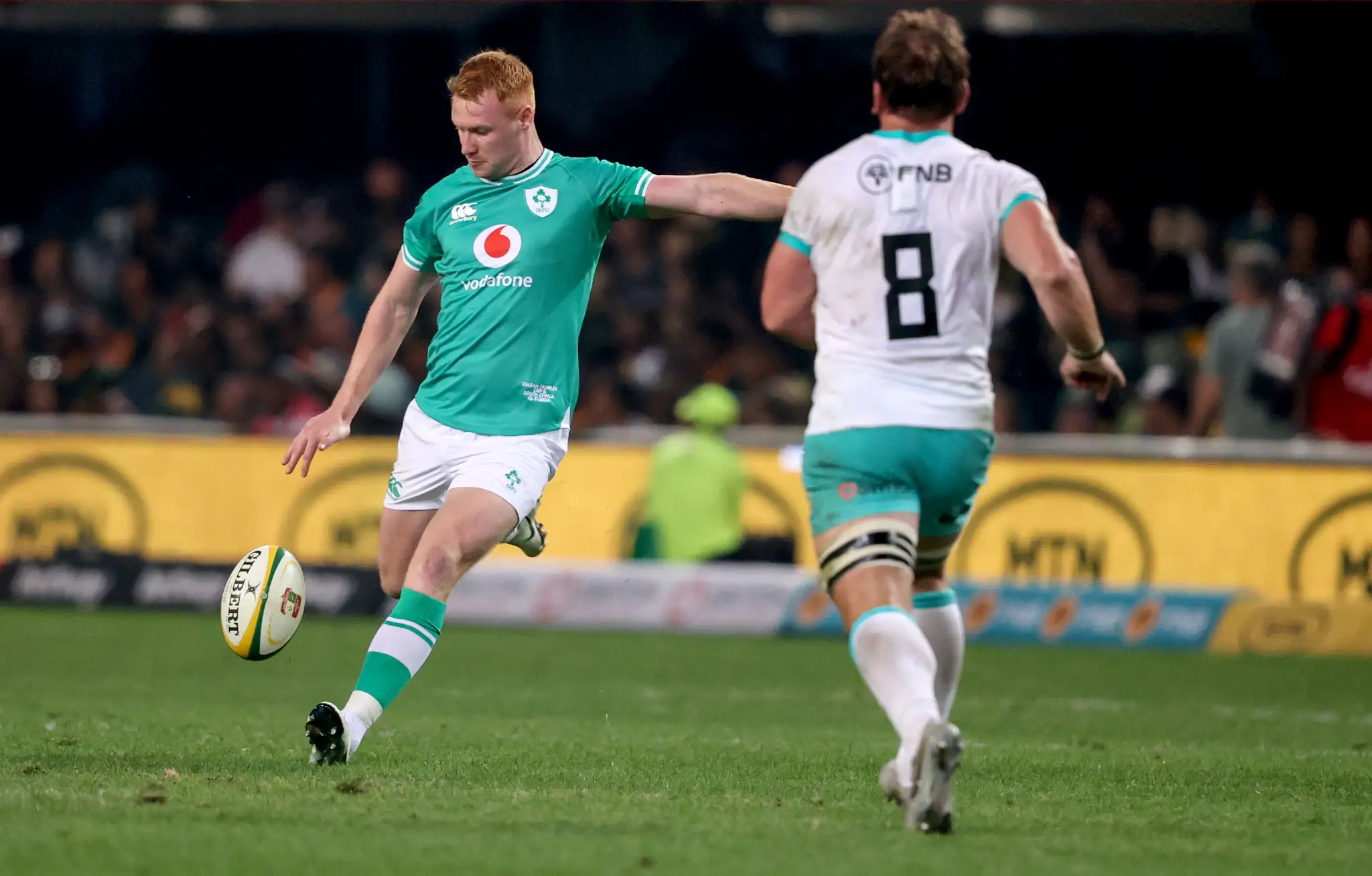
Ireland and South Africa also use the word soccer in many settings. In Ireland, Gaelic football is a major national sport, so soccer helps keep things clear. In South Africa, rugby has a strong following, and soccer is widely used to describe the round-ball game. These examples show that the name soccer was mostly about avoiding mix-ups with other popular sports.
Via The Irish Times
Why Britain Moved Away From the Word
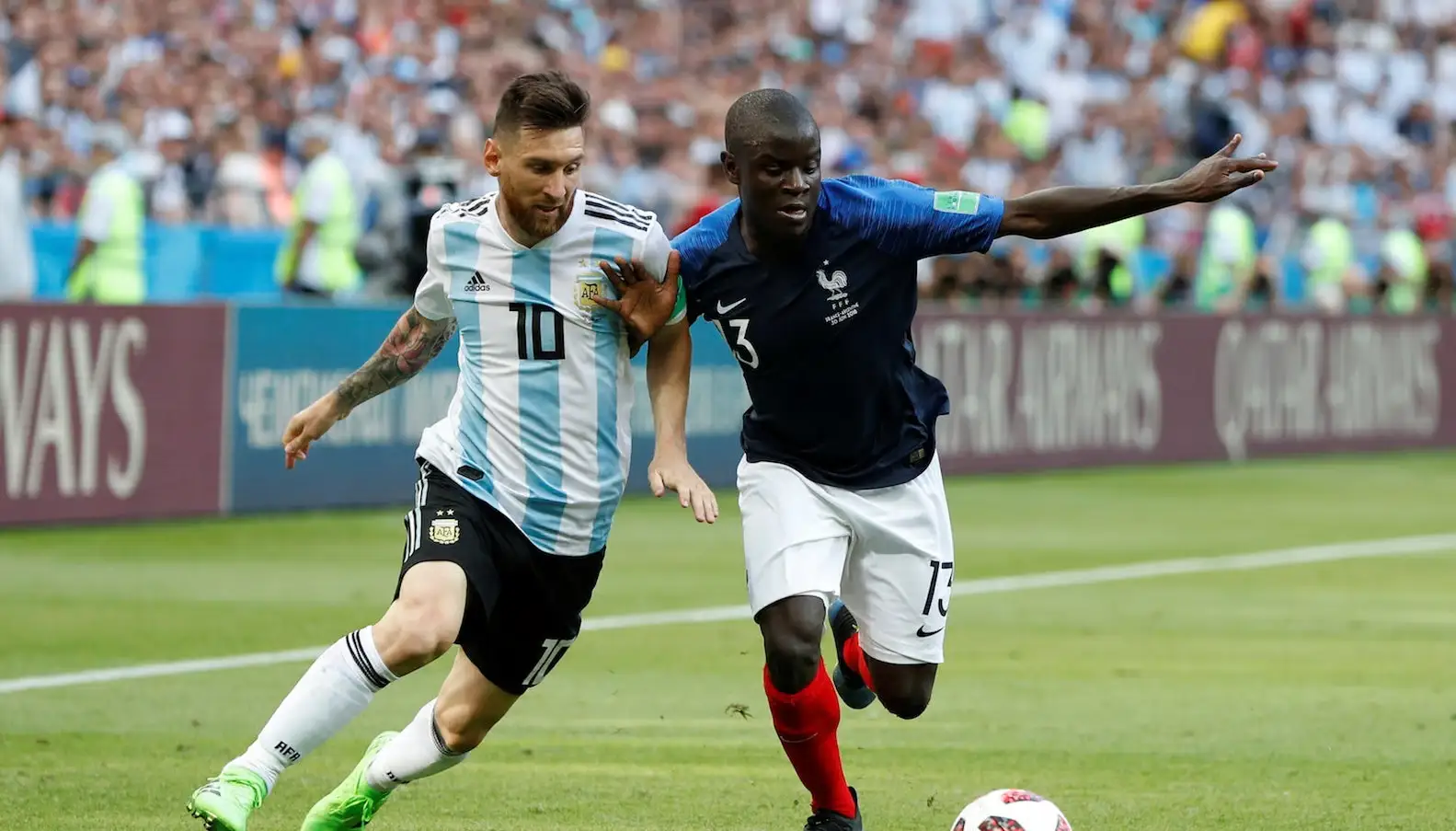
As the sport became more popular in the United States, the word soccer became closely tied to American culture. British fans began to see it as an American term. This made many of them less willing to use it. Over time, saying football instead of soccer became a way for British fans to show pride in the sport’s English roots.
Big events also helped push the name soccer into the spotlight in America. In the 1970s, the North American Soccer League brought famous players such as Pelé to the United States. Later, the country hosted the 1994 World Cup, which drew huge crowds. These moments made soccer the standard American word for the game, which strengthened the link between the name and the United States.
Via Quartz
Today, many British people are surprised to learn that soccer is actually a British word. The nickname that once came from English students is now seen as an American habit. This shift shows how language can travel and change meaning over time. A word can leave its birthplace, take root somewhere else, and end up being seen as foreign in its original home.
Two Names and a Shared British Story
The name soccer may sound American, but its roots are firmly British. It started as a playful nickname for “association football,” the game that took shape in England in 1863. Students and players shortened the word “association” and added the popular “-er” ending. The result was soccer, a name that people in Britain used for many years alongside the word football.

Via Vermont Public
Over time, most of the world settled on football as the main name. In countries where another sport already used that word, people kept saying soccer. The United States, Canada, Australia, Ireland, and South Africa all had good reasons to hold on to it. For them, the name was simply a clear and useful way to avoid confusion between different games.

Via Flecktech
In the end, both names describe the same beautiful game loved by billions of people. Whether fans call it soccer or football, they share the same passion for goals, skill, and teamwork. The debate over the name may never fully end. Still, knowing the true history can help people see that both words come from the same rich and colorful story.