Unassigned
Mabel Stark's Story - From Nurse to Fearless Tiger Queen
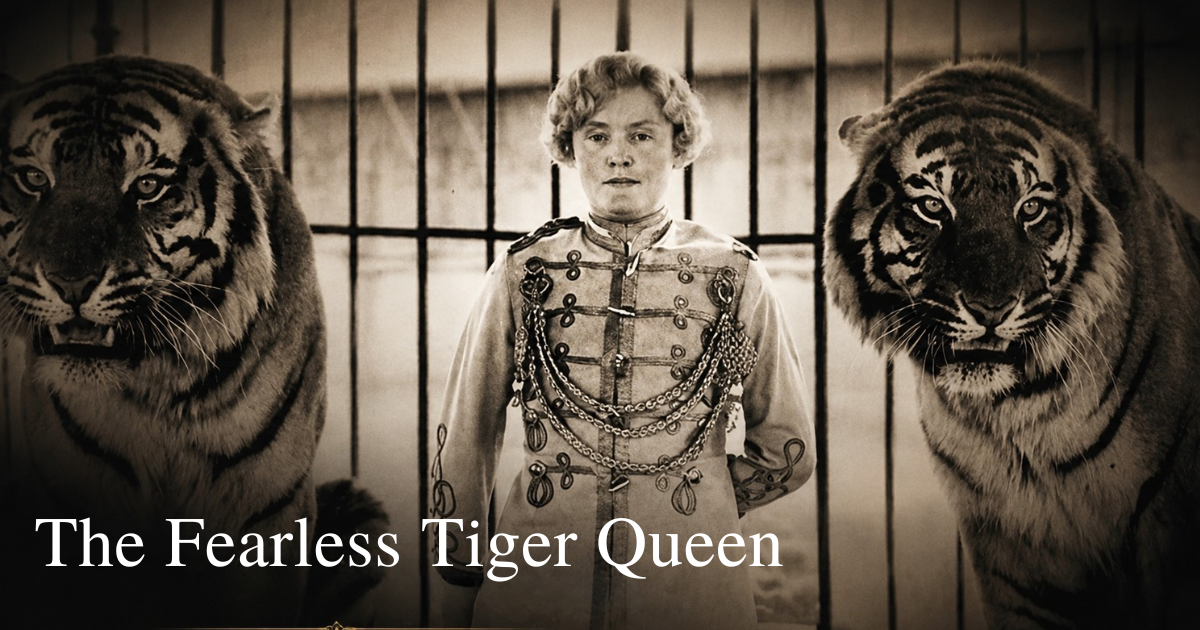
Mary Ann Haynie was born in Princeton, Kentucky, sometime around 1888 or 1889 - the exact year has always been debated. At just 8 years old, she attended her first circus and walked away completely changed. The sight of trained animals performing alongside their handlers lit a spark that would take two decades to fully ignite.
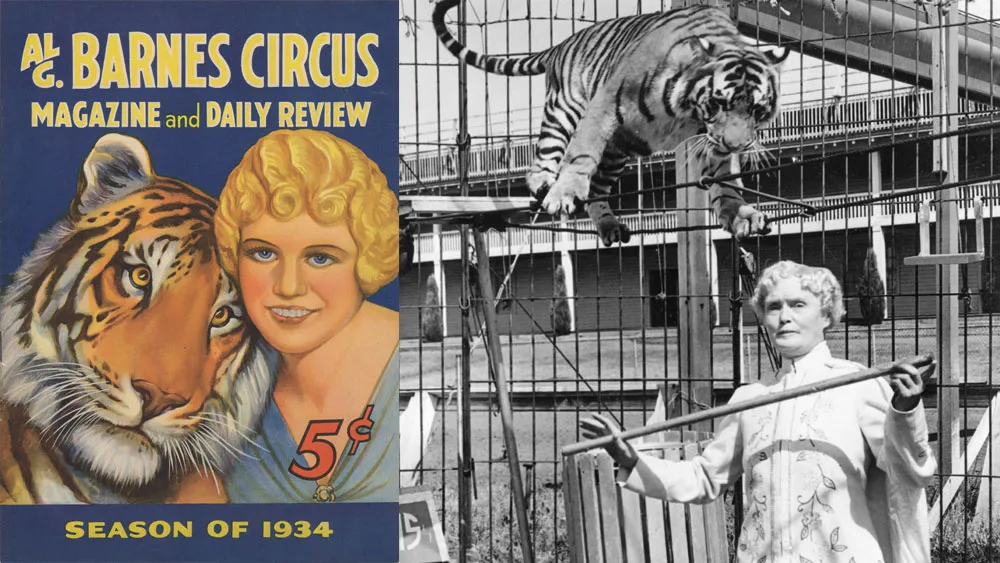
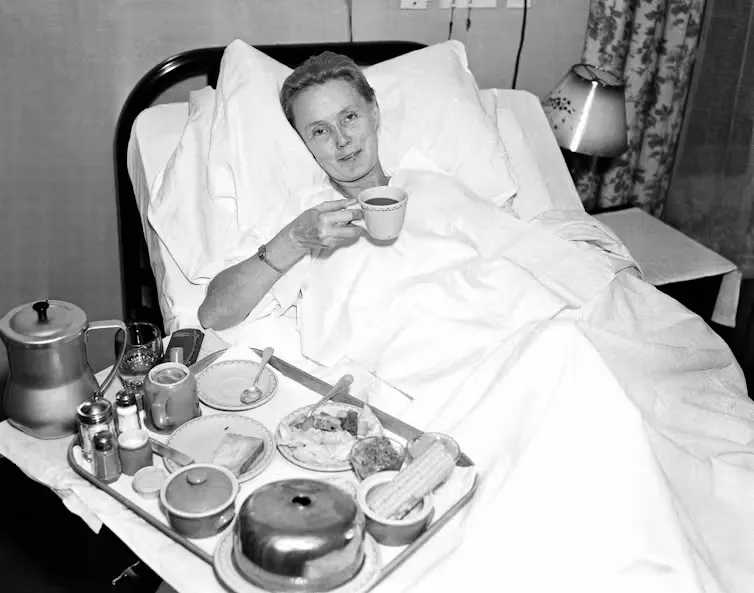
For years, Stark worked as a nurse, a profession as far from circus life as one could imagine. A vacation to California changed everything when she crossed paths with Al Sands, manager of the Al G. Barnes Circus. Recognizing something special in her, Sands hired her on the spot after learning of her passion for animals.
 Via The Conversation
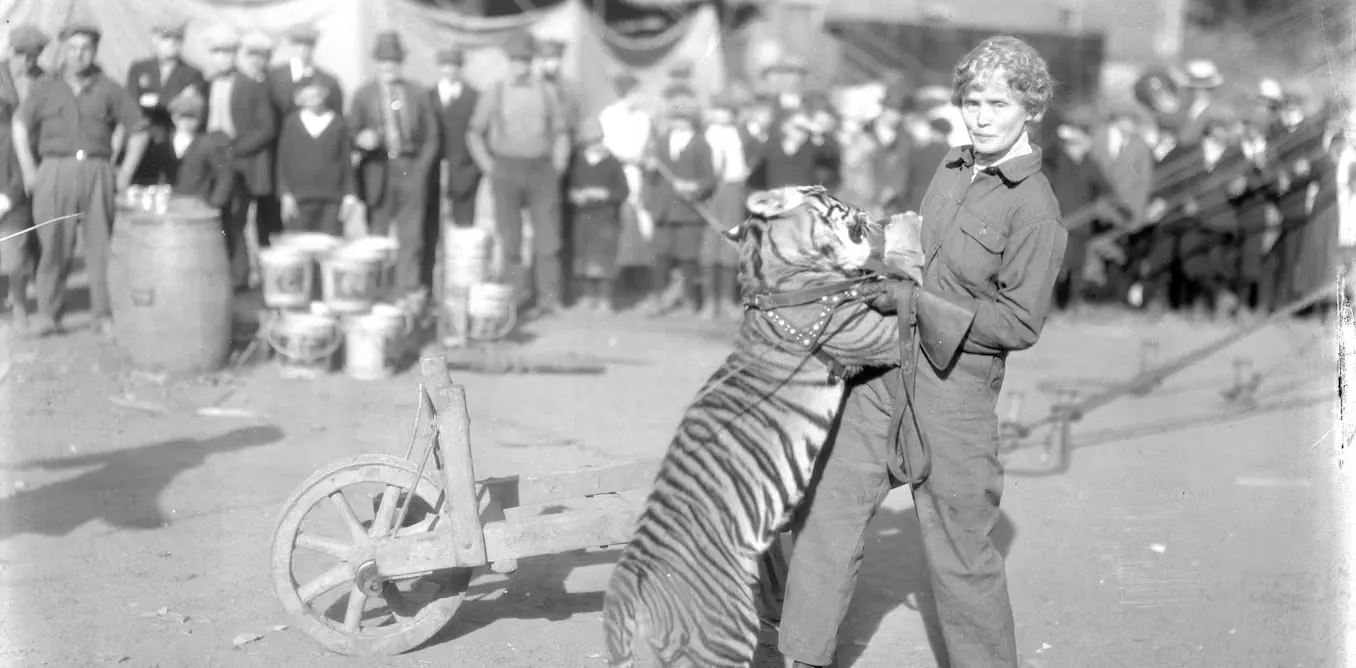
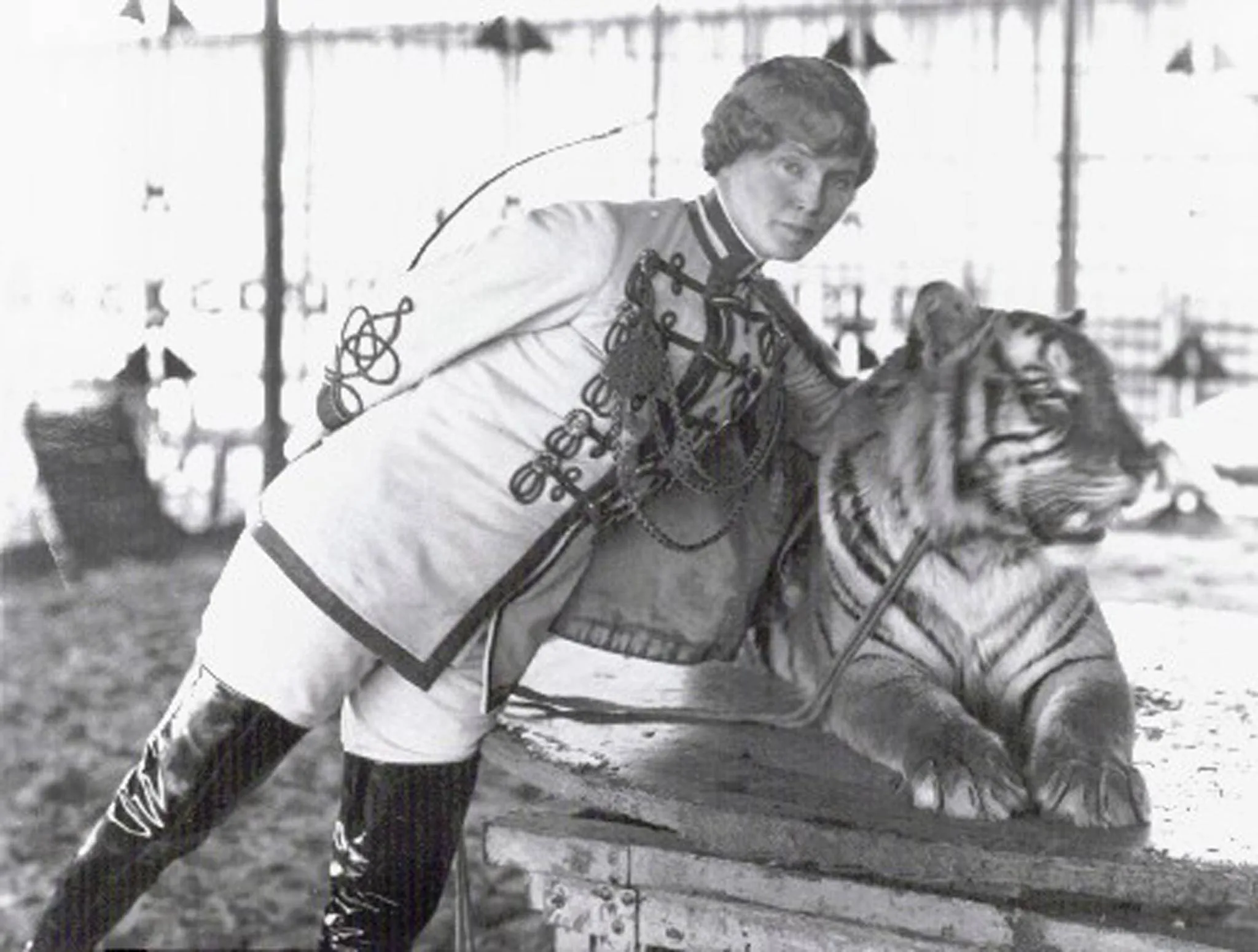
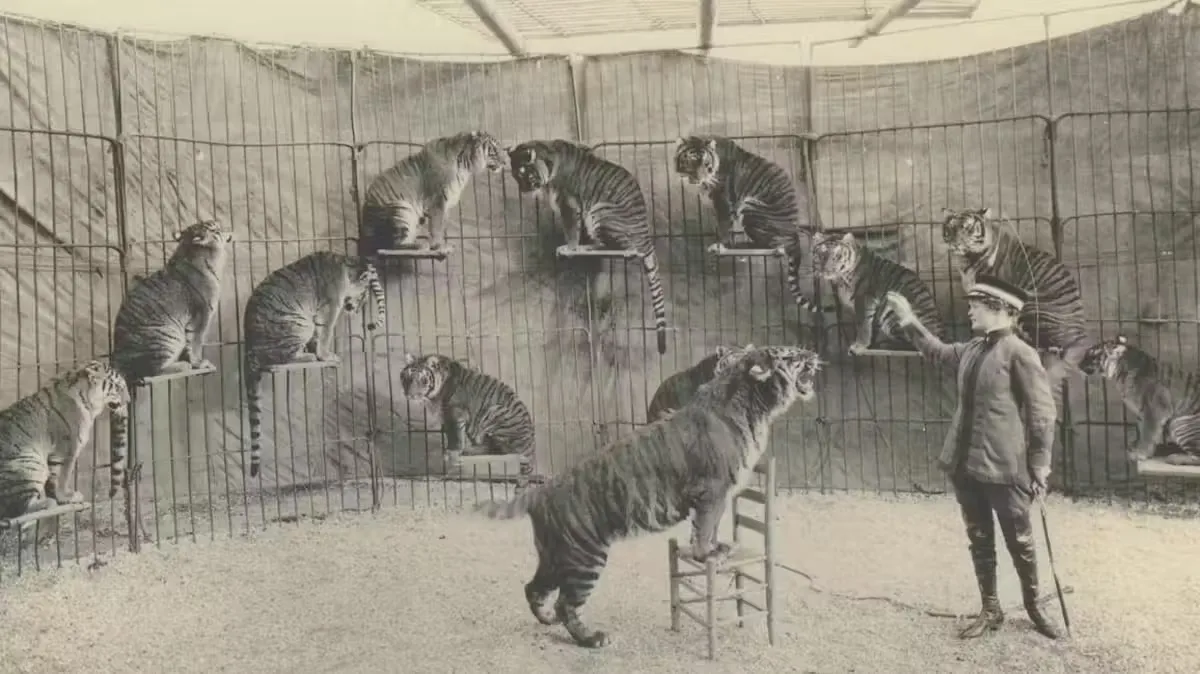
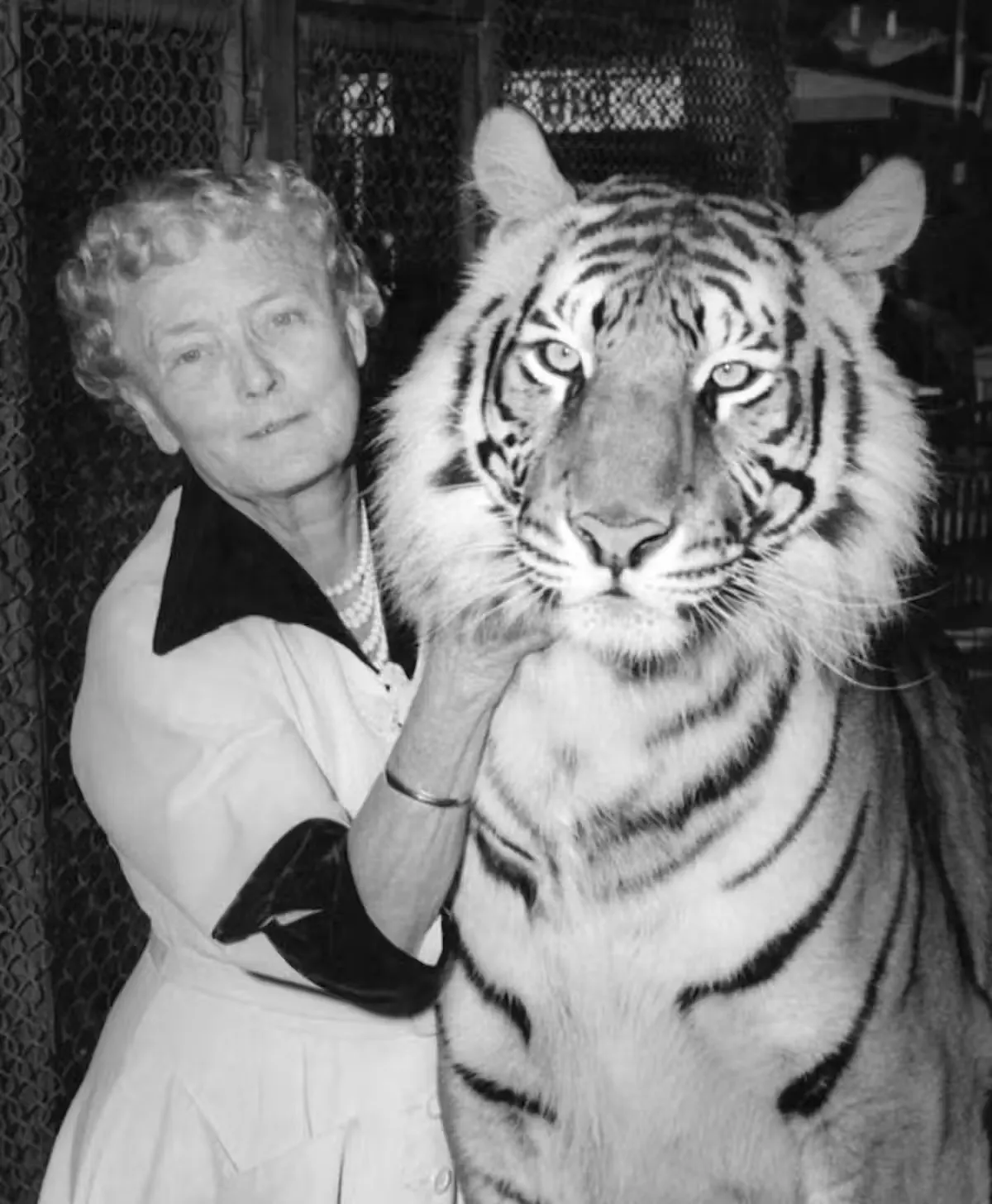
Stark began humbly, riding horses and training goats before the big cats eventually arrived. Audiences were mesmerized watching "Tiger Girl" wrestle full-grown tigers and guide a dozen of them through coordinated routines. Her signature act with a tiger named Rajah - the two rolling together on the ground in a daring display of trust.
 Via KCLU
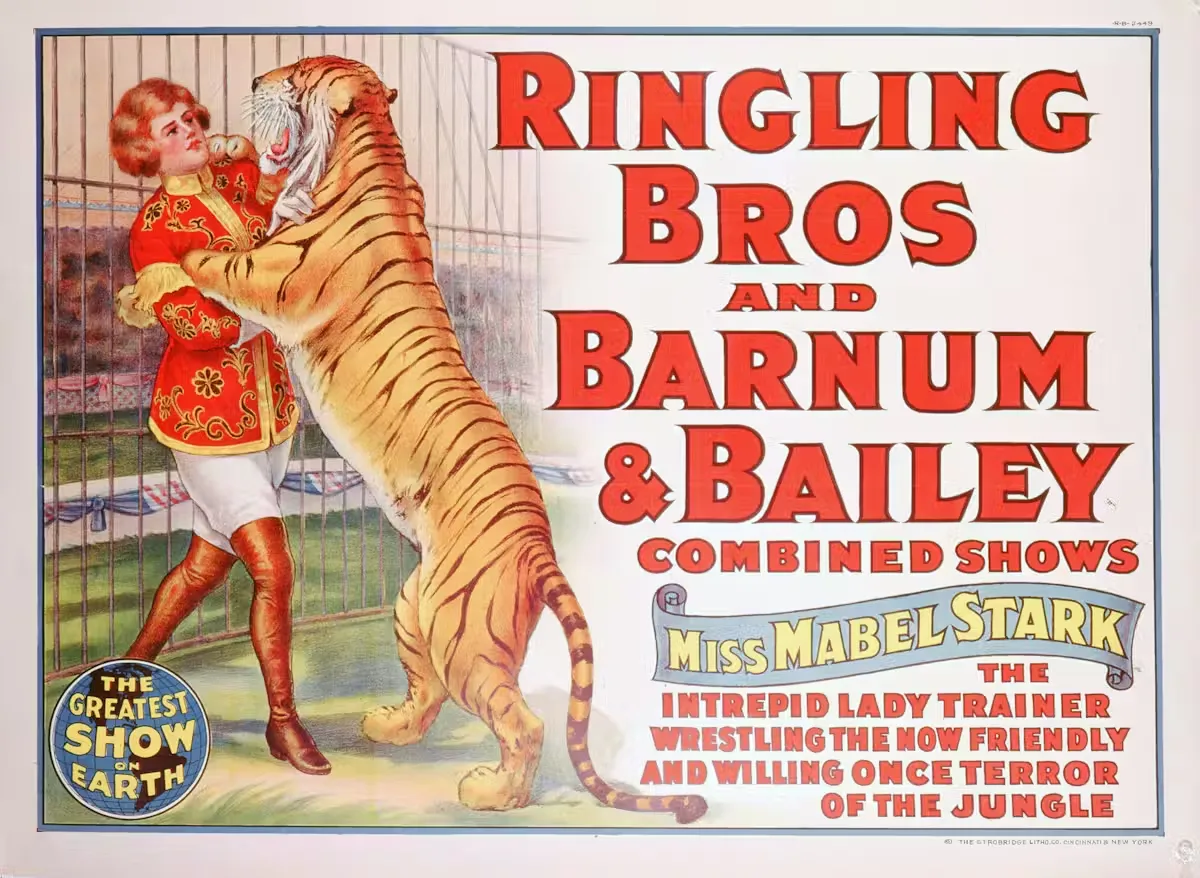
The leap to Ringling Brothers and Barnum & Bailey Circus represented validation of everything she had worked toward. Poster advertisements featuring her act appeared across the country, drawing massive crowds eager to witness the Tiger Girl in action. The success she achieved came from years of dedication, risk-taking, and an unwavering belief in her own abilities.
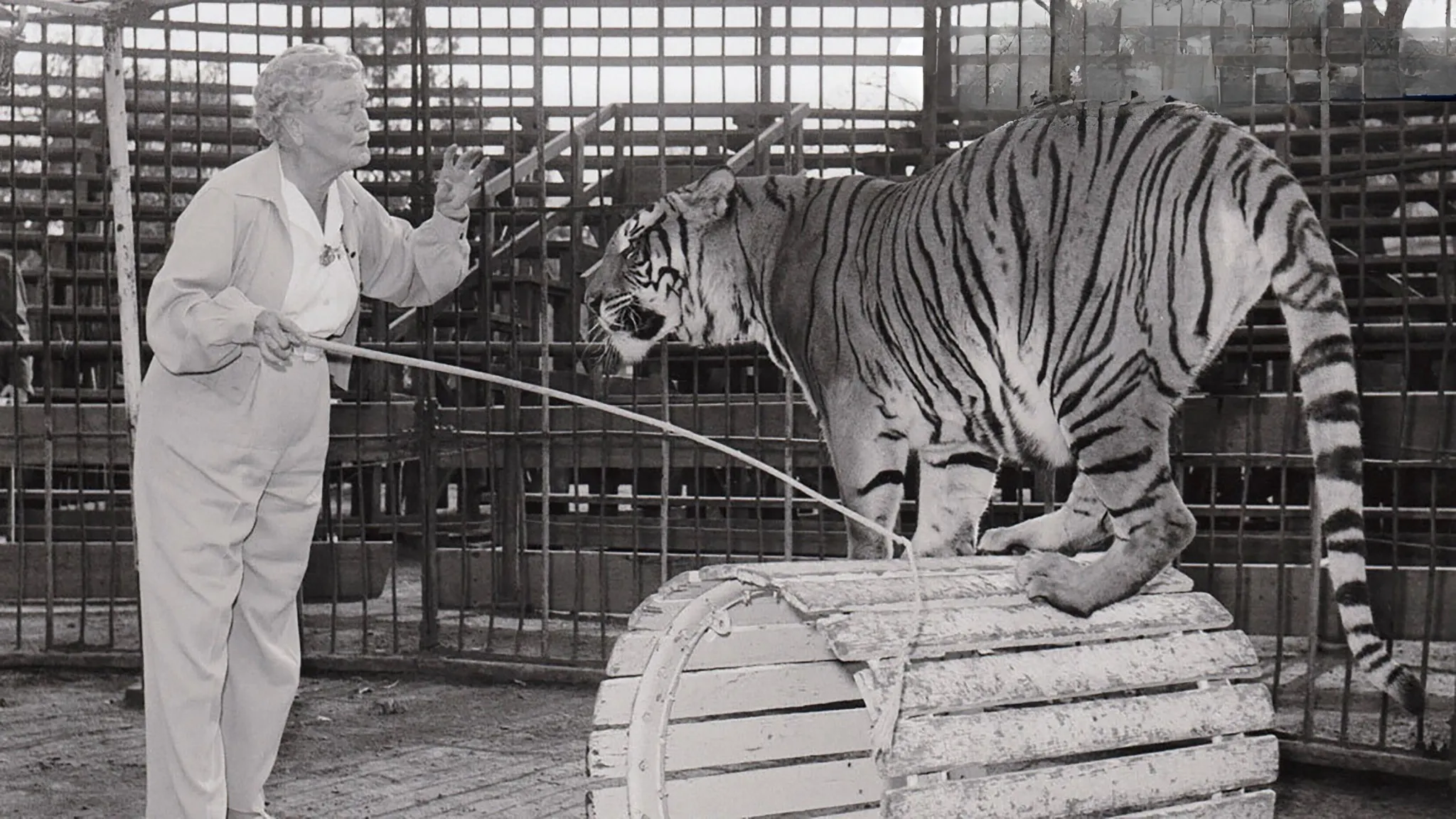
Each performance demanded absolute focus and physical stamina. Stark maintained a relentless schedule, performing nearly every day while traveling from city to city with the circus. She continuously refined her act, pushing the boundaries of what audiences expected and what fellow trainers believed was possible.
 Via The New York Times
 Via The Globe and Mail
The book also served as a cultural artifact, capturing a moment when the circus was still a dominant form of American entertainment. A woman commanding dangerous wild animals was something that stopped audiences cold. Stark's words, preserved in print, ensured her story would outlast the tents she performed under.
 Via La Soga
Circus historian Janet M. Davis has noted that circus women's performances "celebrated female power" and offered a striking alternative to rigid social norms. At a time when women could not vote in most states and were excluded from jury service almost everywhere.
Stark kept raising the bar throughout her career. In 1938, she became the first female trainer to work simultaneously with both tigers and lions. She also made history by managing 12 tigers inside a single cage at one time, a feat that left even seasoned circus veterans speechless.
 Via Thousand Oaks
 Via Cinema Libre Studio
Her relentless schedule demonstrated remarkable physical endurance. Traveling circuses operated nearly every day, moving from town to town with little rest between performances. Stark maintained this grueling pace for decades, all while continuing to innovate and expand her repertoire.
 Via Cinema Libre Studio
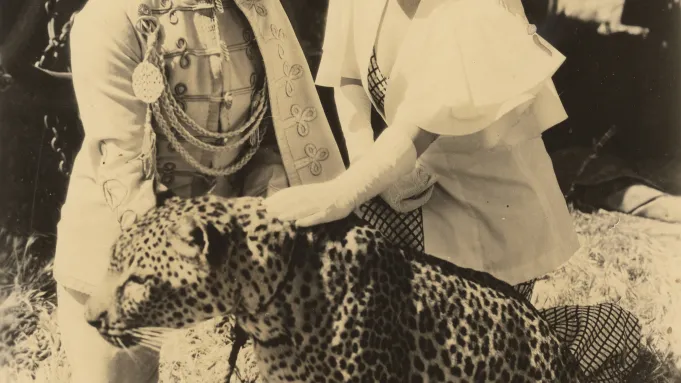
She once confided to a friend that she loved her big cats "as a mother loves her children," but had never found happiness with a husband. The statement was not a lament - it was an honest accounting of where her loyalties truly lay. For Stark, the bond between trainer and tiger was a genuine emotional connection that shaped her entire identity.
Husbands came and went, but the cats remained constant. That consistency, rare in her human relationships, was something Stark built her life around without apology or regret. The tigers were not tools of her trade - they were her companions, her purpose, and her truest family.
 Via Deadline
 Via Find A Grave
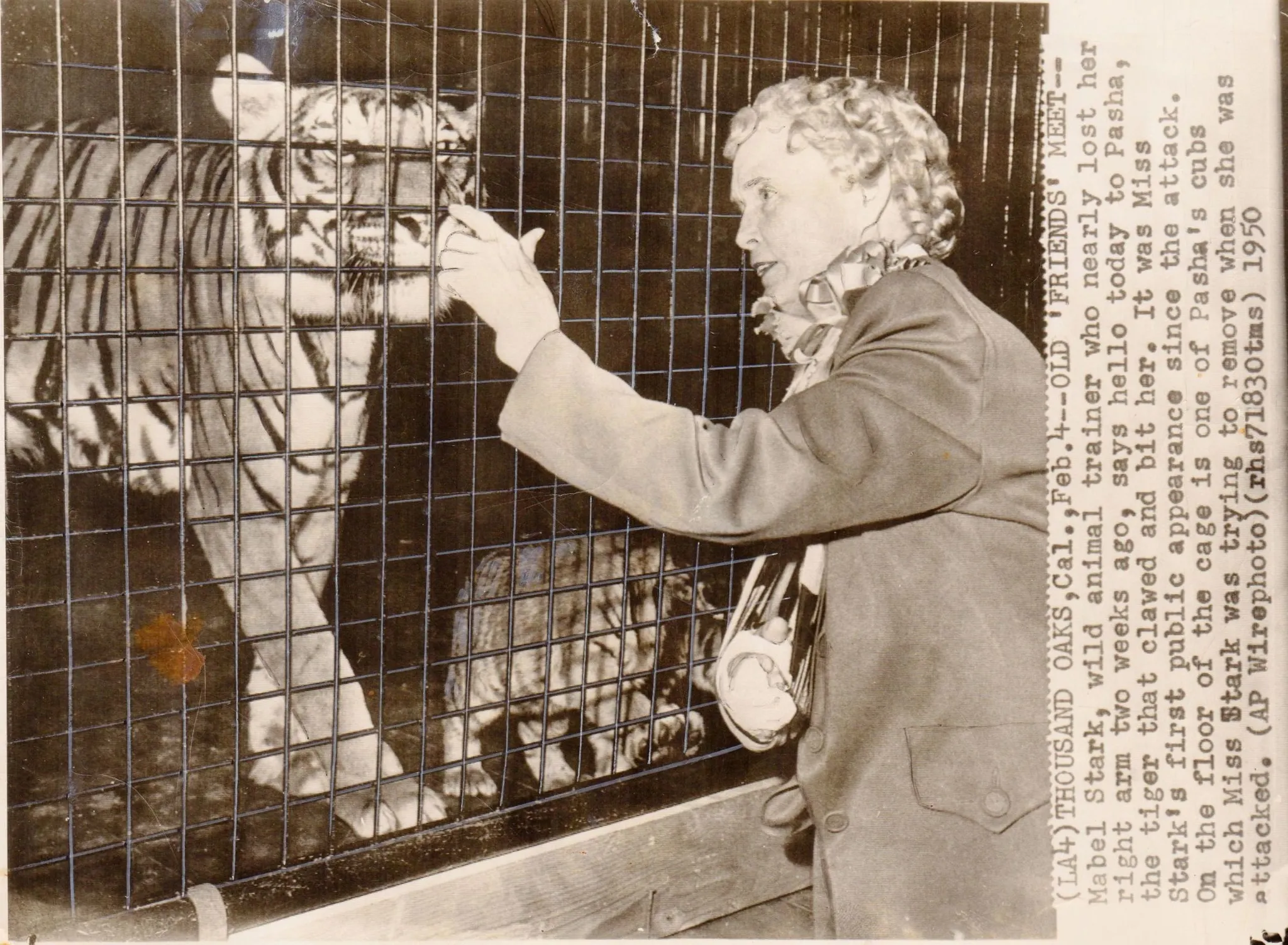
Another serious mauling occurred in 1950, when a tiger attacked her as she reached toward its cub. Doctors initially believed her arm would need to be amputated, but they ultimately managed to save it. Through every injury, Stark maintained that she was not afraid - only deeply committed to the work.
 Via Hachette Australia
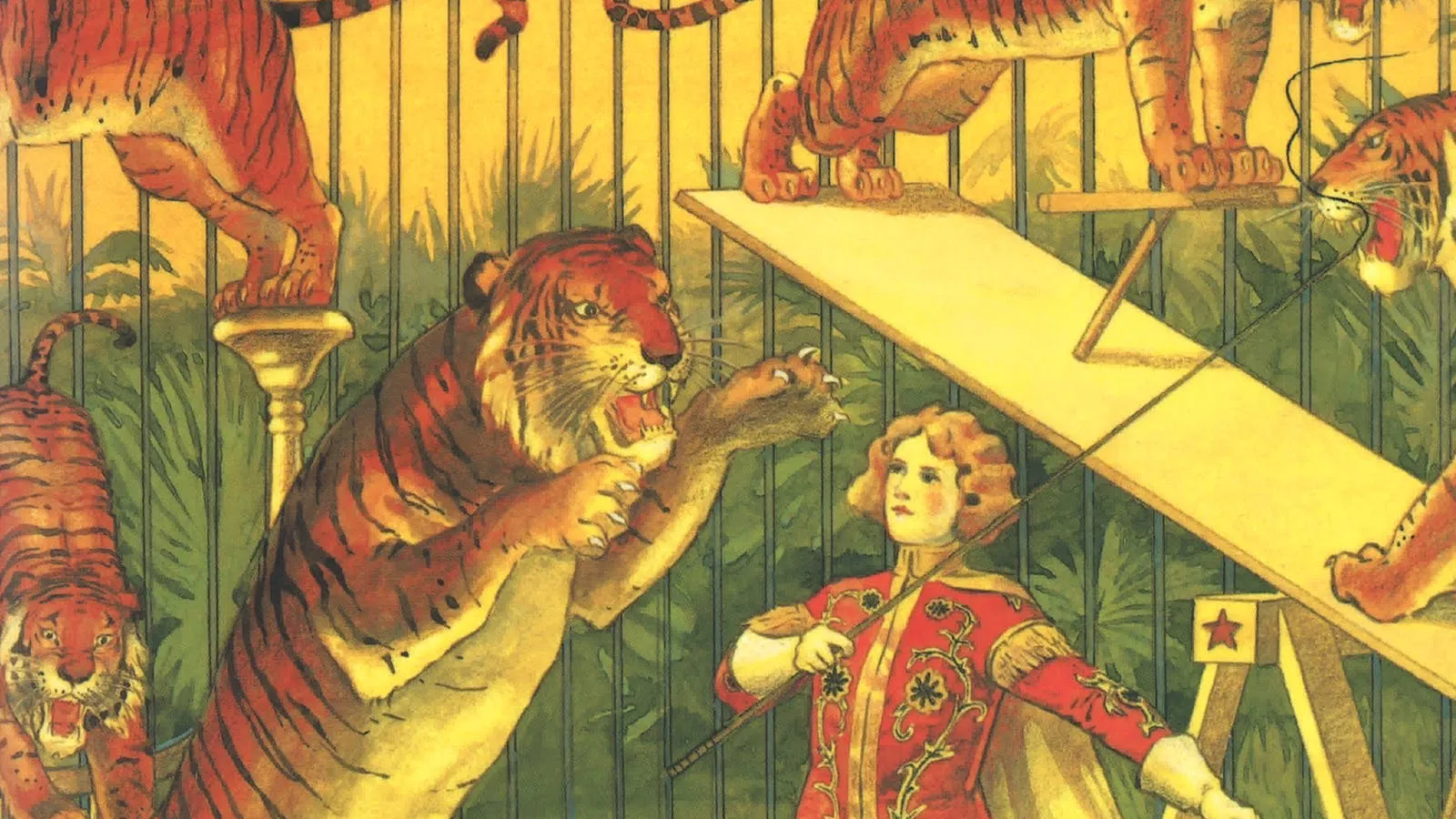
Stark witnessed abusive training methods used by other handlers and deliberately chose a different path. She believed that beating animals into submission was not only cruel but also ineffective and dangerous. Building trust and mutual respect with her tigers became the foundation of her entire training philosophy.
This compassionate approach did not eliminate danger, but it created a working relationship based on understanding rather than domination. The tigers responded to her voice, her movements, and her presence because she had earned their cooperation.
 Via The Conversation
 Via The Independent
Each year, she reflected, had left scars on her body but also brought a full measure of happiness. That balance between physical cost and personal fulfillment defined her entire life in the ring. When Jungleland's insurance company refused to cover her in 1967, the park let her go without ceremony.
 Via The Conversation
The isolation and loss proved unbearable. Without her tigers, without the daily routine that had structured her existence for decades, Stark struggled to find purpose. The animals she had raised, trained, and loved were no longer accessible to her.
Months after being fired, on April 20, 1968, Stark died by suicide at her home in Thousand Oaks. The woman who had faced down dozens of wild tigers could not survive being taken away from them. Her death marked the tragic end of a life defined by extraordinary courage and unshakable devotion.
 Via The Conversation
 Via The Conversation
Yet the core of what made Stark extraordinary - courage, discipline, a refusal to accept limitations placed on her by others, and a deep love for the animals in her care - remains as compelling as ever. People who encounter her story for the first time find it difficult to let go.
More in UnassignedVia The Conversation
Stark began humbly, riding horses and training goats before the big cats eventually arrived. Audiences were mesmerized watching "Tiger Girl" wrestle full-grown tigers and guide a dozen of them through coordinated routines. Her signature act with a tiger named Rajah - the two rolling together on the ground in a daring display of trust.
Rising to National Fame
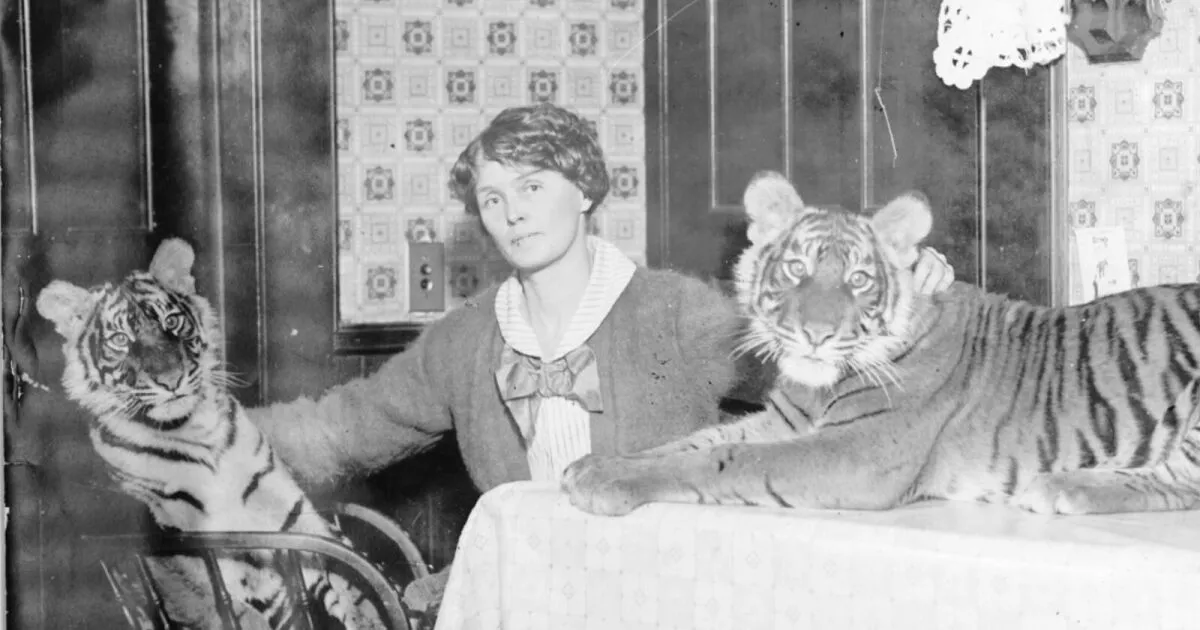
That reputation earned her a coveted spot with the Ringling Circus, the largest in the United States, at double her previous pay. The move marked a turning point, pushing her from regional fame into national stardom. Stark had gone from nursing wards to the center ring of America's biggest show.Via KCLU
The leap to Ringling Brothers and Barnum & Bailey Circus represented validation of everything she had worked toward. Poster advertisements featuring her act appeared across the country, drawing massive crowds eager to witness the Tiger Girl in action. The success she achieved came from years of dedication, risk-taking, and an unwavering belief in her own abilities.
Each performance demanded absolute focus and physical stamina. Stark maintained a relentless schedule, performing nearly every day while traveling from city to city with the circus. She continuously refined her act, pushing the boundaries of what audiences expected and what fellow trainers believed was possible.
Via The New York Times
A Career Built on Paper and Sawdust
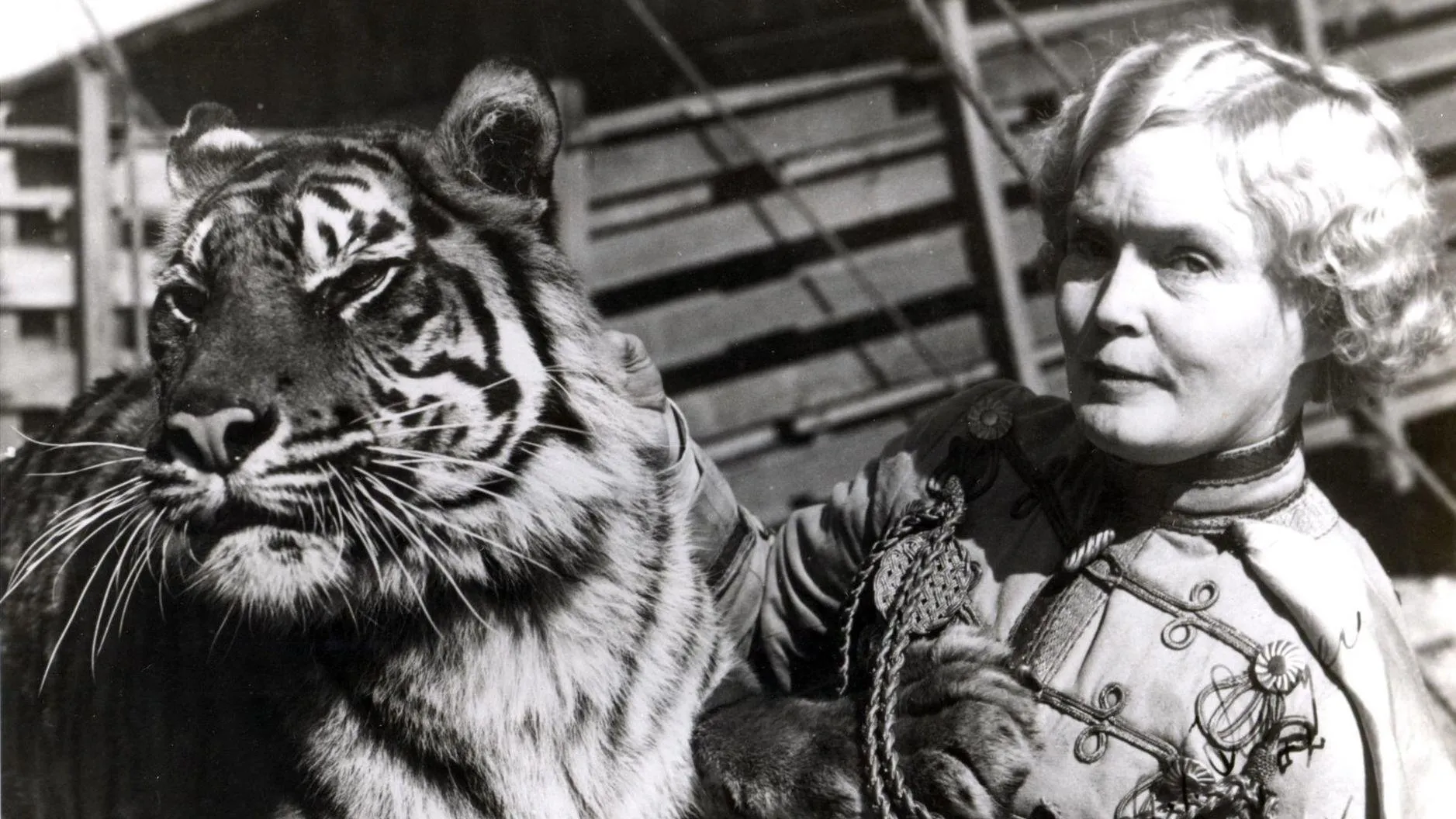
Stark's growing fame extended beyond the circus ring and into print. Collaborating with screenwriter Gertrude Orr, she told her life story in "Hold That Tiger," published in 1938 by Caxton Printers, a small Idaho publishing house. The book sold well enough to be reprinted multiple times, reaching a young readership hungry for tales of adventure. Caxton Printers had carved out a niche in circus-related publishing, releasing books about the Al G. Barnes Circus, the Ringling Brothers, and renowned lion trainer Louis Roth - also one of Stark's ex-husbands. The overlap between her personal and professional worlds was never far from view.Via The Globe and Mail
The book also served as a cultural artifact, capturing a moment when the circus was still a dominant form of American entertainment. A woman commanding dangerous wild animals was something that stopped audiences cold. Stark's words, preserved in print, ensured her story would outlast the tents she performed under.
Breaking Ground in a Male-Dominated World
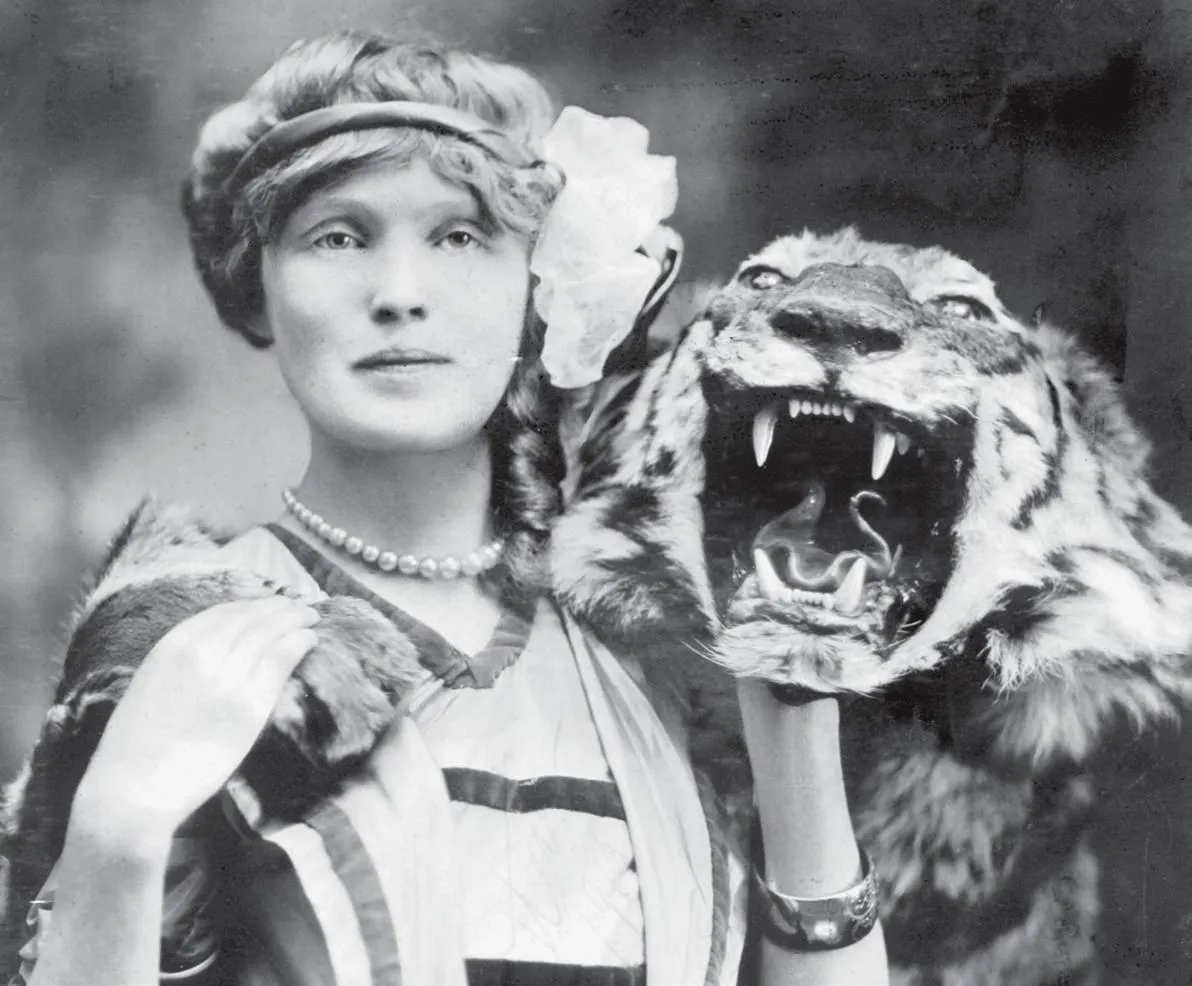
Stark was deeply aware of the trail she was blazing. In her autobiography, she wrote plainly that she had "deliberately chosen a field in which no other woman had specialized." The prevailing belief at the time was that tigers were simply too dangerous for a woman to handle.Via La Soga
Circus historian Janet M. Davis has noted that circus women's performances "celebrated female power" and offered a striking alternative to rigid social norms. At a time when women could not vote in most states and were excluded from jury service almost everywhere.
Stark kept raising the bar throughout her career. In 1938, she became the first female trainer to work simultaneously with both tigers and lions. She also made history by managing 12 tigers inside a single cage at one time, a feat that left even seasoned circus veterans speechless.
Via Thousand Oaks
Pushing Physical and Professional Boundaries
The challenges Stark faced went beyond gender discrimination. Working with wild animals meant constantly proving herself to skeptical audiences, fellow performers, and circus management. Every performance carried the weight of representation. Despite the pressure, Stark never scaled back her ambitions or compromised her vision. She refused to perform safer, more conventional acts simply because they would have been easier to execute or market. The wrestling act with Rajah, which involved rolling on the ground with a full-grown tiger, epitomized her fearless approach.Via Cinema Libre Studio
Her relentless schedule demonstrated remarkable physical endurance. Traveling circuses operated nearly every day, moving from town to town with little rest between performances. Stark maintained this grueling pace for decades, all while continuing to innovate and expand her repertoire.
Love, Marriage, and the Big Cats
Stark's relationships with the men in her life rarely matched the depth of her bond with her animals. Over the course of her life, she married four times, with three of those marriages ending in divorce. The demands of her schedule, combined with her emotional devotion to her cats, left little room for lasting domestic life.Via Cinema Libre Studio
She once confided to a friend that she loved her big cats "as a mother loves her children," but had never found happiness with a husband. The statement was not a lament - it was an honest accounting of where her loyalties truly lay. For Stark, the bond between trainer and tiger was a genuine emotional connection that shaped her entire identity.
Husbands came and went, but the cats remained constant. That consistency, rare in her human relationships, was something Stark built her life around without apology or regret. The tigers were not tools of her trade - they were her companions, her purpose, and her truest family.
Via Deadline
Danger Was Always Nearby
Stark acknowledged the risks of her profession without flinching. In a 1922 New York Times interview, she stated that an animal trainer cannot afford to have nerves, adding she would rather care for ten tigers than a single sick patient. For Stark, danger was simply the price of doing work she loved. The accidents she suffered were serious and numerous. The worst came in 1928, when a circus train arrived late, and she entered the ring not knowing her tigers had gone 24 hours without food. Two starving tigers attacked her after she slipped in the mud, leaving her with multiple broken bones and around 300 stitches.Via Find A Grave
Another serious mauling occurred in 1950, when a tiger attacked her as she reached toward its cub. Doctors initially believed her arm would need to be amputated, but they ultimately managed to save it. Through every injury, Stark maintained that she was not afraid - only deeply committed to the work.
A Different Philosophy of Training
Kindness and patience, she always insisted, were the most powerful tools any trainer could possess. Trainers who relied on force or fear, she warned, always found themselves in trouble eventually. Her approach stood apart from many of her contemporaries and placed her far ahead of the era she worked in.Via Hachette Australia
Stark witnessed abusive training methods used by other handlers and deliberately chose a different path. She believed that beating animals into submission was not only cruel but also ineffective and dangerous. Building trust and mutual respect with her tigers became the foundation of her entire training philosophy.
This compassionate approach did not eliminate danger, but it created a working relationship based on understanding rather than domination. The tigers responded to her voice, her movements, and her presence because she had earned their cooperation.
Via The Conversation
The Final Years at Jungleland
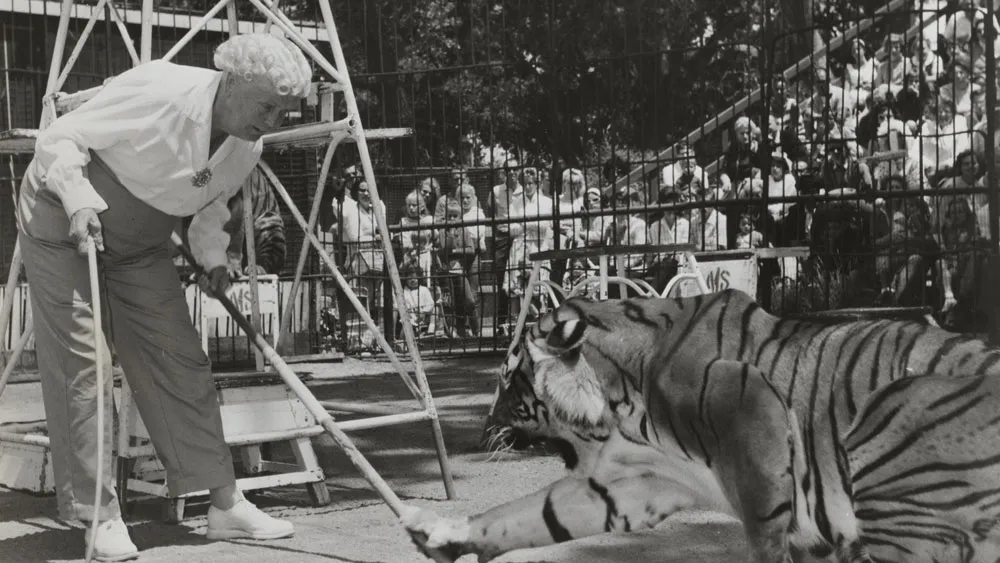
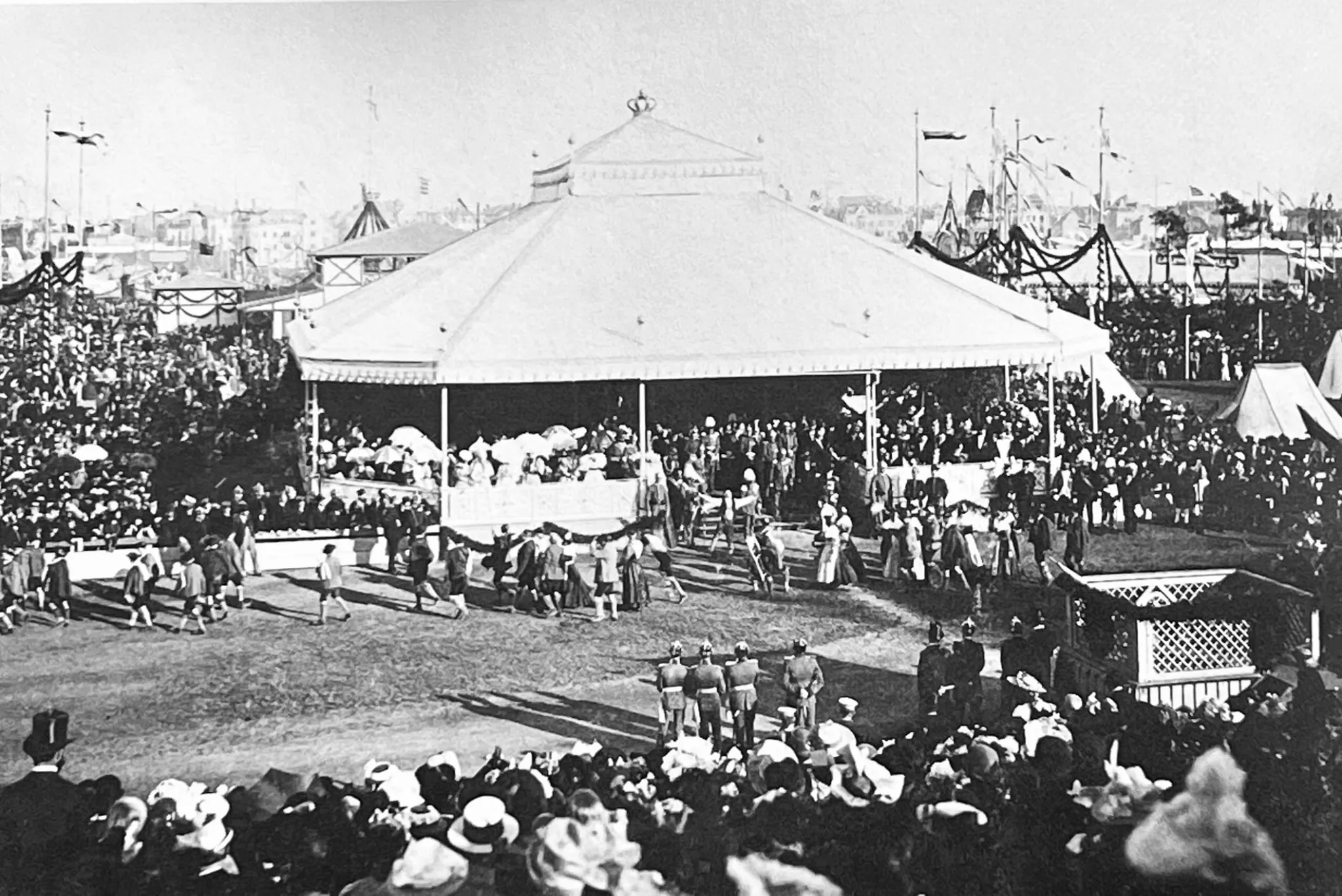
By the late 1940s, Stark had transitioned from touring circuses to a settled position at Jungleland, a zoo outside Los Angeles in Thousand Oaks, California. Apart from a three-and-a-half-year stint touring Japan with her wildcat act, Jungleland became her professional home for the final two decades of her career. Even in her later years, Stark continued to draw crowds and command attention. In 1961, she appeared as a contestant on the television game show "What's My Line?," charming the panel as they tried to guess her unusual profession. The appearance was a reminder that her appeal had long since extended beyond the circus world.Via The Independent
Each year, she reflected, had left scars on her body but also brought a full measure of happiness. That balance between physical cost and personal fulfillment defined her entire life in the ring. When Jungleland's insurance company refused to cover her in 1967, the park let her go without ceremony.
A Heartbreaking End
Being separated from her tigers was not merely a professional setback - it was a severance from everything that had given her life meaning. The decision by the insurance company was purely financial, with no consideration for what the work meant to Stark.Via The Conversation
The isolation and loss proved unbearable. Without her tigers, without the daily routine that had structured her existence for decades, Stark struggled to find purpose. The animals she had raised, trained, and loved were no longer accessible to her.
Months after being fired, on April 20, 1968, Stark died by suicide at her home in Thousand Oaks. The woman who had faced down dozens of wild tigers could not survive being taken away from them. Her death marked the tragic end of a life defined by extraordinary courage and unshakable devotion.
Via The Conversation
A Legacy That Still Roars
Mabel Stark's story sits at the intersection of entertainment history, gender history, and the complex ethics of animal performance. Those who studied her work understood she operated from compassion rather than domination - a stance that put her at odds with many contemporaries. Her autobiography, her records in the ring, and the memories of those who witnessed her perform all stand as testimony to a life lived entirely on her own terms. The world of big cat performance has changed enormously since her era.Via The Conversation
Yet the core of what made Stark extraordinary - courage, discipline, a refusal to accept limitations placed on her by others, and a deep love for the animals in her care - remains as compelling as ever. People who encounter her story for the first time find it difficult to let go.