Unassigned
Juliane Koepcke - The Girl Who Fell from the Sky

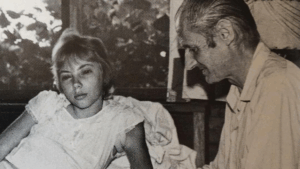
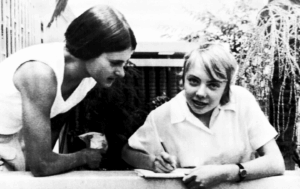
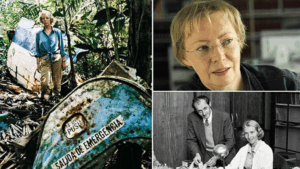
Juliane Koepcke grew up in two completely different worlds. Lima offered schools, friends, dances, and graduation ceremonies. The Amazon rainforest offered endless green, strange animal calls, and lessons that no textbook could teach. Parents Maria and Hans-Wilhelm Koepcke worked as biologists. In 1968, they founded Panguana Research Station deep in the Peruvian jungle.
 Via ABC News
From age 14, Juliane spent every school holiday there. Years among giant trees taught practical skills. Identification of safe water sources became routine. Recognition of poisonous plants and dangerous animals happened quickly. Knowledge of how rivers flow toward people stays in memory. These lessons later saved a life.
 Via Goodreads
Father Hans-Wilhelm waited at Panguana for the holiday reunion. Crowds filled Lima’s airport on December 24. Storms had canceled flights the previous day. Hundreds pushed toward counters, hoping for seats. Mother and daughter finally boarded LANSA Flight 508 headed to Pucallpa.
 Via The Washington Post
Flight attendants served small sandwiches and soft drinks. The coastal landscape slowly changed to mountain views. Dark clouds appeared ahead. Turbulence started gently, then grew stronger. Passengers gripped armrests as the aircraft shook. Lightning flashed outside the windows.
 Via Rare Historical Photos
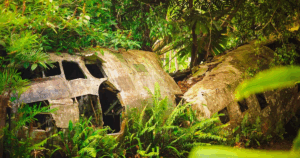
Wrapped Christmas gifts, coats, and food trays flew through the air. Screams and prayers filled every corner. A bright explosion of light flashed over the right wing. Metal tore apart with terrible noise. The aircraft broke into pieces at approximately 10,000 feet. Everything vanished into storm clouds.
 Via Dusty Old Thing
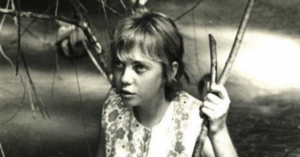
Unconsciousness arrived quickly from lack of oxygen at altitude. Brief moments of awareness showed the green canopy below. Trees looked like cauliflower heads through the fog. Final impact came in thick jungle vegetation far from any clearing.
 Via All That’s Interesting
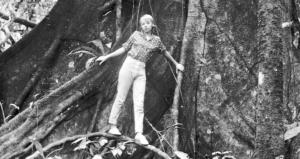
Blood had already dried around the wound edges. The seat row lay upside down in wet mud. Crawling out required hours of effort. Jungle sounds surrounded the crash site. No human voices answered desperate calls.
 Via Timetodepart
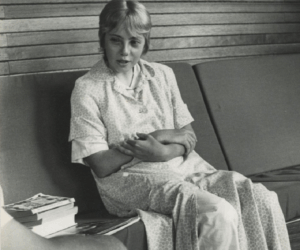
Mud and rain had washed away most dirt from open cuts. A small bag of Christmas candy lay nearby. Ten pieces total offered the only food supply. A tiny stream gurgled just meters away, providing the first drinking water.
 Via Business Insider
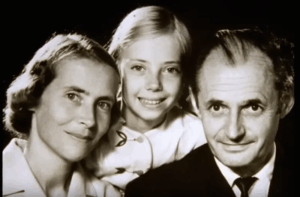
Other bodies or survivors remained completely hidden. Planes flew overhead several times that first day. The dense canopy prevented any chance of being seen. Decision formed: waiting brought no rescue. Movement became necessary.
 Via Afterburner Australia
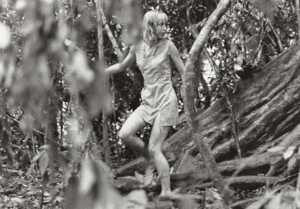
The direction is headed downhill following the current. Memory marked specific trees for orientation to avoid circles. The first steps hurt terribly. Progress was measured only in meters at a time. Determination pushed forward despite pain and dizziness from a concussion.
 Via Tumblr
Fallen trees blocked the direct path repeatedly. Detours through thick bushes, scratched arms and legs, constantly. The watch stopped working permanently on day three. Counting sunrises became the new clock. The stream gradually widened into something more substantial.
 Via NZ Herald
Many plants carried a poison risk if identification failed. River water filled the stomach but provided no calories. Dizziness returned often when standing too quickly. Energy dropped lower with each passing hour.
 Via Historic Mysteries
Rain brought no relief from biting insects. Knowledge prevented panic around most creatures. Bright frogs stayed untouched. Ant columns received wide passage. Experience separated real danger from simple annoyance.
 Via Medium
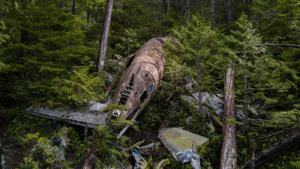
A wide river finally appeared after endless days in the thick forest. The open sky above offered the first real rescue chance. Search planes might spot movement along the banks. Despair hit when no boats or houses appeared immediately.
 Via Ranker
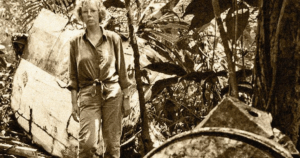
Piranhas rarely attacked moving people in a flowing current. Caimans usually avoided humans unless cornered. Current would carry weakened established bodies many kilometers each day with minimal effort.
 Via High Sierra Planets
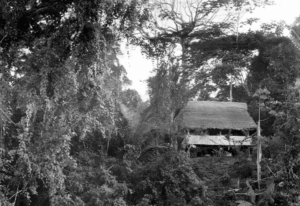
The tenth day brought barely enough strength to float. Logs floating downstream required constant pushing away. Exhaustion made every collision dangerous for broken bones. The gravel bar appeared perfect for sleeping at sunset. Short unconsciousness ended with unbelievable sight. A small wooden boat floated nearby, tied to shore. A final burst of energy carried the swimmer to the vessel. The path led from the water's edge upward to a small hut. The shelter offered the first real roof in ten days.
 Via Business Insider
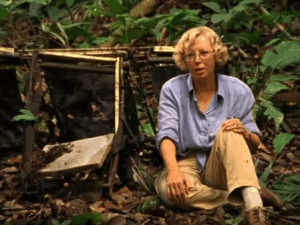
Radio messages announced the impossible discovery to authorities. Eleven full days after the crash, rescue finally arrived. Ninety-one people perished in the disaster. Juliane Koepcke remained the sole survivor.
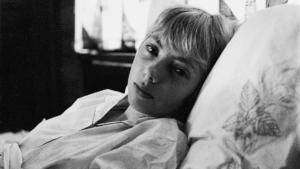 Via BBC
“Miracle Girl” and “Girl Who Fell From the Sky” appeared in headlines everywhere. Interviews came constantly despite grief and exhaustion. Physical recovery progressed faster than expected. Mental healing from losing a mother took much longer. Strength returned gradually with proper food and rest.
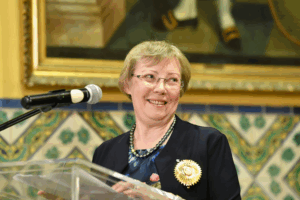 Via ABC News
Knowledge proved more valuable than any equipment. One determined teenager defeated impossible odds. Panguana carries forward its original conservation mission. Protection of Amazon species remains the central goal. Survival helped preserve vital scientific work for future generations.
More in Unassigned
Via ABC News
From age 14, Juliane spent every school holiday there. Years among giant trees taught practical skills. Identification of safe water sources became routine. Recognition of poisonous plants and dangerous animals happened quickly. Knowledge of how rivers flow toward people stays in memory. These lessons later saved a life.
Graduation and Christmas Plans
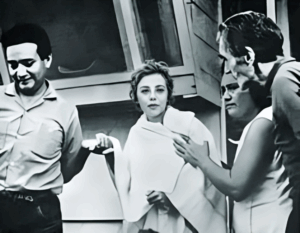
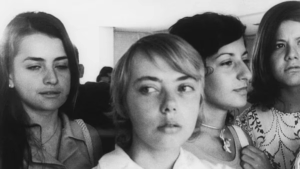
December 1971 brought excitement and celebration. High school graduation took place on December 23. A school dance followed the same evening. Juliane begged to stay in Lima for both events. Mother Maria finally agreed to delay travel one day. Flight booking changed to Christmas Eve morning.
Via Goodreads
Father Hans-Wilhelm waited at Panguana for the holiday reunion. Crowds filled Lima’s airport on December 24. Storms had canceled flights the previous day. Hundreds pushed toward counters, hoping for seats. Mother and daughter finally boarded LANSA Flight 508 headed to Pucallpa.
Boarding the Doomed Aircraft
LANSA Flight 508 used a Lockheed Electra turboprop. The plane carried 92 people: 86 passengers and 6 crew members. Seats 19A and 19B placed Juliane by the window and Maria in the middle. Takeoff happened around 11:00 a.m. The first thirty minutes passed calmly.
Via The Washington Post
Flight attendants served small sandwiches and soft drinks. The coastal landscape slowly changed to mountain views. Dark clouds appeared ahead. Turbulence started gently, then grew stronger. Passengers gripped armrests as the aircraft shook. Lightning flashed outside the windows.
Thunderstorm and Terror
Thirty-five minutes after takeoff, the plane entered a violent storm cell. Daylight turned to darkness inside the cabin. Lightning struck repeatedly all around the fuselage. Suddenly, violent drops made everyone's stomach rise. Luggage burst from overhead bins.
Via Rare Historical Photos
Wrapped Christmas gifts, coats, and food trays flew through the air. Screams and prayers filled every corner. A bright explosion of light flashed over the right wing. Metal tore apart with terrible noise. The aircraft broke into pieces at approximately 10,000 feet. Everything vanished into storm clouds.
The Fall from 10,000 Feet
The three-seat bench row remained bolted together. Juliane stayed strapped in the window seat. The entire row tumbled earthward, spinning like a helicopter rotor. Spinning motion dramatically slowed descent speed. Dense rain and wind added further drag.
Via Dusty Old Thing
Unconsciousness arrived quickly from lack of oxygen at altitude. Brief moments of awareness showed the green canopy below. Trees looked like cauliflower heads through the fog. Final impact came in thick jungle vegetation far from any clearing.
Waking in the Rainforest
Morning sunlight filtered through the leaves the next day. One eye stayed completely swollen shut. The other saw only through a tiny slit. Glasses had disappeared during the fall. A broken collarbone sent sharp pain with every movement. A deep gash ran down the left calf.
Via All That’s Interesting
Blood had already dried around the wound edges. The seat row lay upside down in wet mud. Crawling out required hours of effort. Jungle sounds surrounded the crash site. No human voices answered desperate calls.
First Assessment of Injuries
Careful touching revealed multiple serious injuries. Juliane’s right collarbone clearly snapped. Left arm movement caused intense pain. A concussion made standing impossible at first. The leg wound appeared clean despite the depth. No heavy bleeding occurred, which seemed strange.
Via Timetodepart
Mud and rain had washed away most dirt from open cuts. A small bag of Christmas candy lay nearby. Ten pieces total offered the only food supply. A tiny stream gurgled just meters away, providing the first drinking water.
Searching for Mother and Others
Calls for “Mama” echoed through the trees without reply. Crawling expanded search circles around the seats. Hope faded with each passing minute of silence. No plane wreckage appeared anywhere. Thick vegetation blocked sight beyond a few meters.
Via Business Insider
Other bodies or survivors remained completely hidden. Planes flew overhead several times that first day. The dense canopy prevented any chance of being seen. Decision formed: waiting brought no rescue. Movement became necessary.
Decision to Follow Water
Rainforest knowledge supplied the best plan. Small streams always grow larger. Larger streams become rivers. Rivers lead to people. Following the water offered the clearest path. A tiny rivulet flowed near the crash seat.
Via Afterburner Australia
The direction is headed downhill following the current. Memory marked specific trees for orientation to avoid circles. The first steps hurt terribly. Progress was measured only in meters at a time. Determination pushed forward despite pain and dizziness from a concussion.
Early Days of the Trek
Night fell quickly around six o’clock. Search found a sandy spot beside the stream for sleeping. One piece of candy was served as dinner. Darkness brought strange animal noises. The second day brought a larger water flow.
Via Tumblr
Fallen trees blocked the direct path repeatedly. Detours through thick bushes, scratched arms and legs, constantly. The watch stopped working permanently on day three. Counting sunrises became the new clock. The stream gradually widened into something more substantial.
Growing Hunger and Weakness
Candy lasted only until day five or six. The rainy season meant almost no fruit on trees. Weakness increased dramatically without real food. Palm hearts stayed out of reach without cutting tools. Fish swam too quickly for capture by bare hands.
Via NZ Herald
Many plants carried a poison risk if identification failed. River water filled the stomach but provided no calories. Dizziness returned often when standing too quickly. Energy dropped lower with each passing hour.
Insects and New Infections
Flies discovered the calf's wound immediately. Eggs laid in damaged tissue hatched into maggots. Larvae ate dead flesh, but caused constant pain and swelling. Mosquitoes attacked in clouds at dawn and dusk. Tiny flies crawled into the ears, nose, and remaining open eyes.
Via Historic Mysteries
Rain brought no relief from biting insects. Knowledge prevented panic around most creatures. Bright frogs stayed untouched. Ant columns received wide passage. Experience separated real danger from simple annoyance.
Hope from Familiar Bird Calls
A strange groaning noise cut through exhaustion one afternoon. Hoatzin birds called from nearby branches. These birds only lived near open water and human settlements. New energy surged through Juliane’s tired body. Faster walking followed the distinctive sound.
Via Medium
A wide river finally appeared after endless days in the thick forest. The open sky above offered the first real rescue chance. Search planes might spot movement along the banks. Despair hit when no boats or houses appeared immediately.
Difficult Choice at the River
Thick vegetation blocked both banks completely. Walking along the shore became impossible. Swimming in the main current offered the only forward path. Stingrays buried themselves in shallow edges. Deep water kept them away from swimming feet.
Via Ranker
Piranhas rarely attacked moving people in a flowing current. Caimans usually avoided humans unless cornered. Current would carry weakened established bodies many kilometers each day with minimal effort.
Swimming Day After Day
Sunburned, exposed back and shoulders severely. Second-degree burns developed across large areas. Pain added to the existing injury, but swimming continued anyway. Hallucinations began from hunger and exhaustion. Houses appeared on banks that held only trees. Chicken sounds reached ears where no farms existed. Nights required finding gravel or sand banks for rest. Heavy rain soaked the thin summer dress completely. Shivering lasted until dawn on stormy nights.
Via High Sierra Planets
The tenth day brought barely enough strength to float. Logs floating downstream required constant pushing away. Exhaustion made every collision dangerous for broken bones. The gravel bar appeared perfect for sleeping at sunset. Short unconsciousness ended with unbelievable sight. A small wooden boat floated nearby, tied to shore. A final burst of energy carried the swimmer to the vessel. The path led from the water's edge upward to a small hut. The shelter offered the first real roof in ten days.
Rescue by Forestry Workers
Three local men returned to the hut next afternoon. Shock froze them at the sight of the injured girl wrapped in a tarp. Spanish explanation brought immediate action. Workers carried survivors on makeshift stretchers to the main camp. Food and basic medical care began at once.
Via Business Insider
Radio messages announced the impossible discovery to authorities. Eleven full days after the crash, rescue finally arrived. Ninety-one people perished in the disaster. Juliane Koepcke remained the sole survivor.
Hospital Recovery and Worldwide News
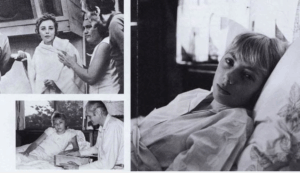
Hospital treatment lasted several weeks. Doctors removed dozens of maggots from the leg wound. A broken collarbone required setting and a sling. Burns received daily dressing changes. Newspapers around the world carried the story.
Via BBC
“Miracle Girl” and “Girl Who Fell From the Sky” appeared in headlines everywhere. Interviews came constantly despite grief and exhaustion. Physical recovery progressed faster than expected. Mental healing from losing a mother took much longer. Strength returned gradually with proper food and rest.
Lasting Legacy Fifty Years Later
The story continues to inspire people worldwide. Documentaries and books retell details regularly. No recorded case exists of surviving a longer fall without a parachute. The message focuses on preparation meeting opportunities.
Via ABC News
Knowledge proved more valuable than any equipment. One determined teenager defeated impossible odds. Panguana carries forward its original conservation mission. Protection of Amazon species remains the central goal. Survival helped preserve vital scientific work for future generations.