Unassigned
10 Smart Ways to Make Your Home Feel Bigger

Every home gradually fills with belongings collected over many years, including furniture, clothing, decorations, gifts, and everyday household items. While many possessions carry memories or practical value, keeping too much can make rooms feel crowded, increase stress, and make daily cleaning and organization more difficult than necessary.
Decluttering is not only about creating extra space but also about making future life easier for family members. Sorting through personal belongings while still healthy allows important decisions to be made carefully instead of leaving loved ones with the emotional and physical burden of managing everything later.
 Via Boomer
Many people delay downsizing because letting go of meaningful items can be emotionally challenging. Memories connected to family members, special occasions, or expensive purchases often make it difficult to part with possessions, even when they no longer serve a useful purpose in everyday life.
 Via La Clean House
Professional organizer Matt Paxton encourages clients to write their goal on a card and place it somewhere visible every day. Whether the aim is preparing for guests, creating safer living spaces, or reducing household stress, seeing the objective regularly helps maintain commitment from beginning to end.
Adding a realistic deadline also increases the chances of success. Scheduling a family gathering or inviting friends to visit creates positive motivation to complete the work, helping prevent delays that often happen when decluttering is left without a definite finishing date.
 Via DAVRON
 Via ny Times
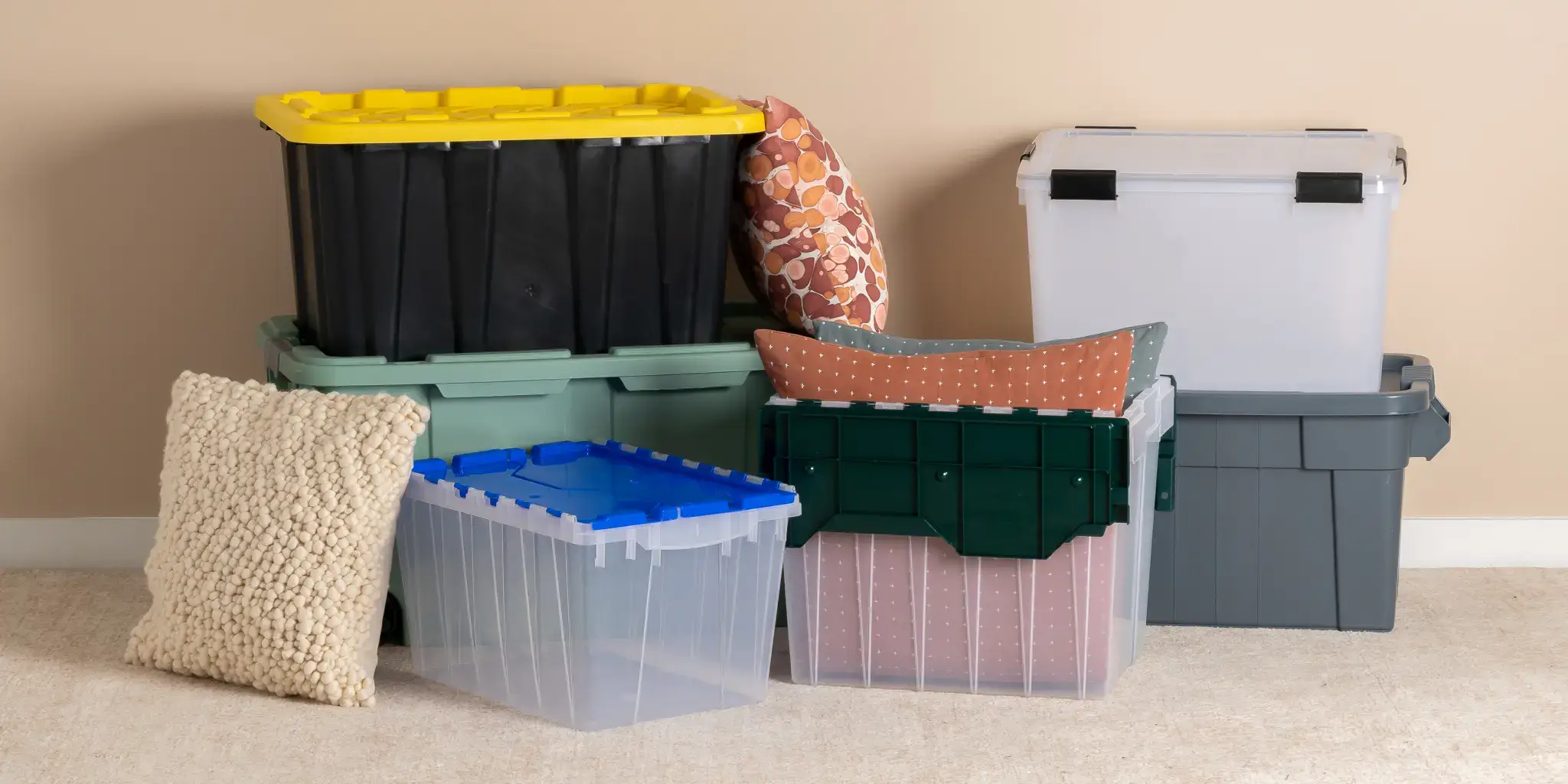
Sorting and reducing belongings should always come before selecting storage solutions. Once only useful and meaningful possessions remain, it becomes much easier to purchase containers that truly fit the available space while keeping everything organized in a practical and efficient manner.
 Via EverWell Counselling
Professional organizers offer additional support by keeping projects on schedule while providing valuable knowledge about selling, donating, recycling, and responsibly disposing of different household items. Their experience often helps homeowners avoid unnecessary delays and remain focused during emotionally challenging decisions.
Finding someone who understands both the organization and the emotional side of downsizing is especially valuable. Letting go of treasured belongings may bring feelings of sadness, guilt, or hesitation, so having patient guidance can make the experience less overwhelming while helping important progress continue steadily.
 Via A Clear Path
 Via NEAT Method
Personal keepsakes may require a different approach because emotional value often outweighs practical usefulness. Organizing sentimental belongings according to the memories they represent helps homeowners identify the most meaningful pieces while reducing the number of items kept solely for emotional reasons.
 Via Bob Vila
Completing a simple project creates a sense of accomplishment that builds confidence for larger tasks. Seeing an organized drawer or neatly arranged closet provides visible proof that progress is possible, encouraging continued effort instead of giving up after feeling overwhelmed by the size of the project.
Working for reasonable periods also helps prevent exhaustion and frustration. Spending several focused hours on decluttering before taking a break allows steady progress without creating physical or emotional burnout, making it easier to maintain motivation throughout the entire downsizing journey.
 Via AAPR
 Via The Guardian
Sensitive paperwork and electronic devices also deserve extra attention before being discarded. Personal records should be shredded securely, while old computers, phones, and digital equipment should be recycled through trusted services that protect private information and reduce environmental waste responsibly.
 Via Design Cafe
Researching recently sold items through online marketplaces provides a more accurate understanding of current market value than relying on original purchase prices. Accepting realistic expectations helps prevent disappointment and allows better decisions about whether selling, donating, or gifting certain belongings is the wiser choice.
Selling possessions independently often requires considerable time, photography, advertising, negotiations, and delivery arrangements. Some people choose professional auction companies or estate sale services because they manage the entire selling process, even though they charge a percentage of the final selling price.
 Via SoFi
 Via SixtyandMe
Gathering family members to explain the history behind treasured possessions can also strengthen personal connections across generations. Sharing why certain objects matter gives sentimental value greater meaning while reducing uncertainty about which belongings deserve to be preserved for future family members.
 Via Real Simple
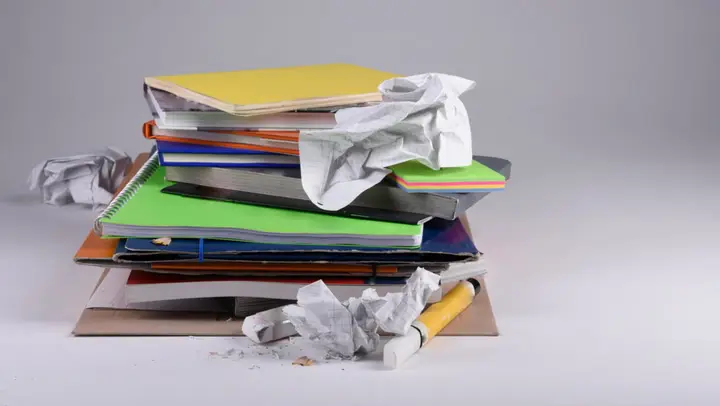
Professional organizers recommend making clear decisions by sorting belongings into categories such as keep, donate, sell, or discard. Eliminating the "maybe" pile encourages faster decision-making and prevents unnecessary hesitation that can make even small decluttering projects feel never-ending and emotionally exhausting.
Renting a storage unit may seem like an easy solution, but it often postpones important decisions instead of solving the problem. Many families spend significant amounts of money storing belongings they rarely use, eventually facing the same decluttering challenge after paying years of storage fees.
 Via HouseKeeping
 Via Becoming Minimalist
Understanding the reasons behind unnecessary shopping habits can also prevent future clutter. Some purchases are driven by boredom, loneliness, stress, or impulse rather than genuine need, so recognizing these patterns helps people make thoughtful choices that support a calmer and more organized living environment.
More in Unassigned
Via Boomer
Many people delay downsizing because letting go of meaningful items can be emotionally challenging. Memories connected to family members, special occasions, or expensive purchases often make it difficult to part with possessions, even when they no longer serve a useful purpose in everyday life.
Set a Clear Goal Before You Begin
Starting with a clear purpose makes the decluttering process far more manageable. Instead of simply deciding to clean the house, choosing a specific goal provides motivation and direction throughout the project, making it easier to stay focused even when difficult decisions must be made.
Via La Clean House
Professional organizer Matt Paxton encourages clients to write their goal on a card and place it somewhere visible every day. Whether the aim is preparing for guests, creating safer living spaces, or reducing household stress, seeing the objective regularly helps maintain commitment from beginning to end.
Adding a realistic deadline also increases the chances of success. Scheduling a family gathering or inviting friends to visit creates positive motivation to complete the work, helping prevent delays that often happen when decluttering is left without a definite finishing date.
Via DAVRON
Avoid Buying Storage Bins Too Early
Many people believe the first step toward an organized home is purchasing attractive baskets, containers, or storage boxes. Social media images often reinforce this idea by showing beautifully arranged spaces filled with matching organizers that appear neat and visually appealing. Professional organizers recommend resisting that temptation until unnecessary belongings have already been removed. Buying storage products before reducing possessions often creates even more clutter because empty containers simply become additional items that require space without solving the original problem.Via ny Times
Sorting and reducing belongings should always come before selecting storage solutions. Once only useful and meaningful possessions remain, it becomes much easier to purchase containers that truly fit the available space while keeping everything organized in a practical and efficient manner.
Decluttering Feels Overwhelming
Decluttering becomes less stressful when another person provides encouragement and practical assistance throughout the process. Friends or family members can help move furniture, sort belongings, and offer objective opinions when deciding which possessions should remain and which can be donated or discarded.Via EverWell Counselling
Professional organizers offer additional support by keeping projects on schedule while providing valuable knowledge about selling, donating, recycling, and responsibly disposing of different household items. Their experience often helps homeowners avoid unnecessary delays and remain focused during emotionally challenging decisions.
Finding someone who understands both the organization and the emotional side of downsizing is especially valuable. Letting go of treasured belongings may bring feelings of sadness, guilt, or hesitation, so having patient guidance can make the experience less overwhelming while helping important progress continue steadily.
Via A Clear Path
Organize Items Into Categories First
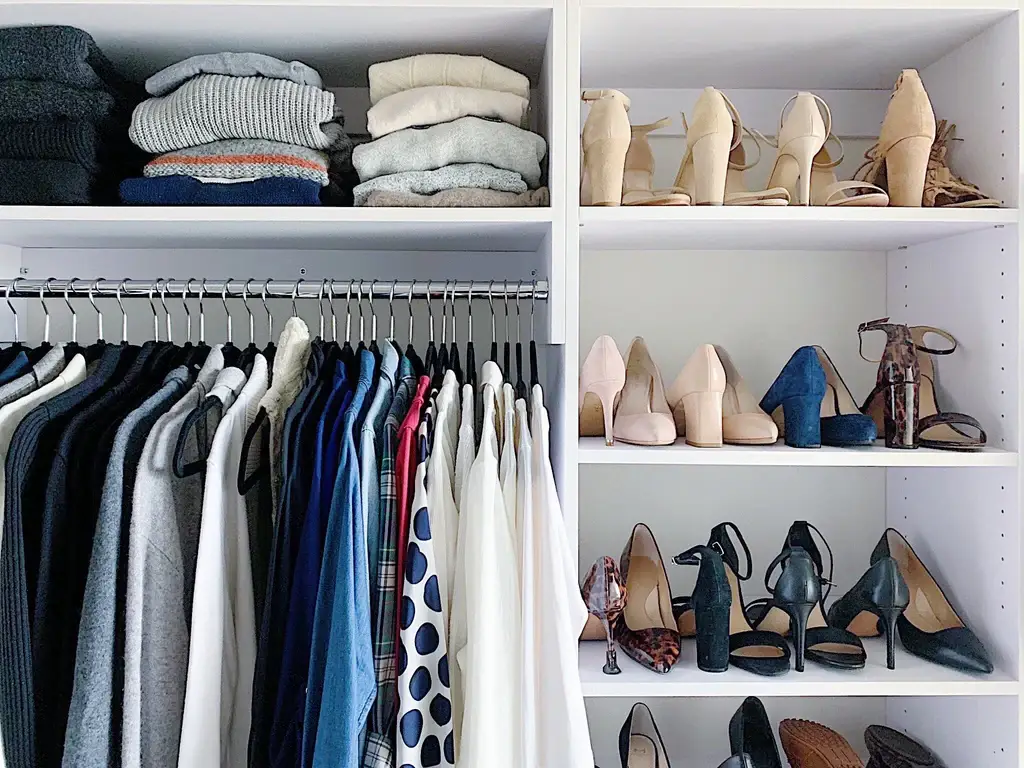
Sorting possessions into categories before making decisions creates a much clearer picture of what is actually owned. Gathering similar items together often reveals surprising duplicates, such as multiple kitchen tools, extra clothing, or several household products that serve exactly the same purpose. Seeing everything in one place makes it easier to recognize unnecessary excess. Many people discover they own far more towels, dishes, books, or decorative pieces than expected, making the decision to donate or sell duplicates much simpler than sorting through scattered belongings one room at a time.Via NEAT Method
Personal keepsakes may require a different approach because emotional value often outweighs practical usefulness. Organizing sentimental belongings according to the memories they represent helps homeowners identify the most meaningful pieces while reducing the number of items kept solely for emotional reasons.
Start With Small and Simple Tasks
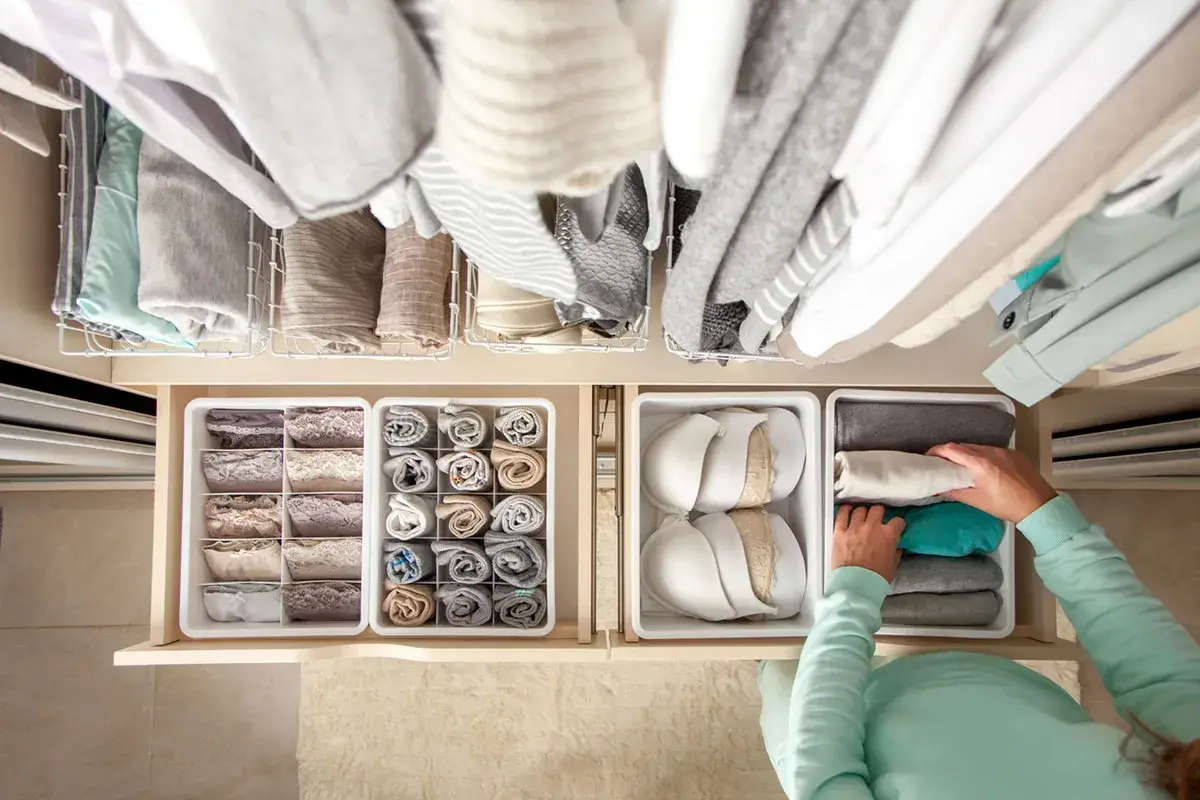
Beginning with a small area makes decluttering feel much less intimidating than trying to organize an entire home at once. Professional organizers often recommend starting with places that have little emotional attachment, such as junk drawers, bathroom cabinets, toolboxes, or kitchen storage spaces filled with miscellaneous household items.Via Bob Vila
Completing a simple project creates a sense of accomplishment that builds confidence for larger tasks. Seeing an organized drawer or neatly arranged closet provides visible proof that progress is possible, encouraging continued effort instead of giving up after feeling overwhelmed by the size of the project.
Working for reasonable periods also helps prevent exhaustion and frustration. Spending several focused hours on decluttering before taking a break allows steady progress without creating physical or emotional burnout, making it easier to maintain motivation throughout the entire downsizing journey.
Via AAPR
Avoid Throwing Away Valuable Items
The excitement of clearing unwanted belongings can sometimes encourage people to make rushed decisions. While reducing clutter is beneficial, acting too quickly may result in accidentally discarding valuable possessions, important documents, family keepsakes, or hidden cash stored in unexpected places. Professional organizers carefully inspect books, clothing pockets, storage boxes, envelopes, and decorative containers before anything leaves the home. Many people have unknowingly hidden money, jewelry, certificates, or other valuable belongings inside ordinary household items that appear ready for disposal at first glance.Via The Guardian
Sensitive paperwork and electronic devices also deserve extra attention before being discarded. Personal records should be shredded securely, while old computers, phones, and digital equipment should be recycled through trusted services that protect private information and reduce environmental waste responsibly.
Be Realistic About the Value of Your Belongings
Many homeowners hope expensive furniture, collectibles, or decorative items will provide significant financial returns when sold. Unfortunately, changing market conditions and increasing numbers of people downsizing have created an oversupply of secondhand household goods, reducing resale prices for many once-valuable possessions.
Via Design Cafe
Researching recently sold items through online marketplaces provides a more accurate understanding of current market value than relying on original purchase prices. Accepting realistic expectations helps prevent disappointment and allows better decisions about whether selling, donating, or gifting certain belongings is the wiser choice.
Selling possessions independently often requires considerable time, photography, advertising, negotiations, and delivery arrangements. Some people choose professional auction companies or estate sale services because they manage the entire selling process, even though they charge a percentage of the final selling price.
Via SoFi
Create a Meaningful Legacy Instead of Leaving Clutter
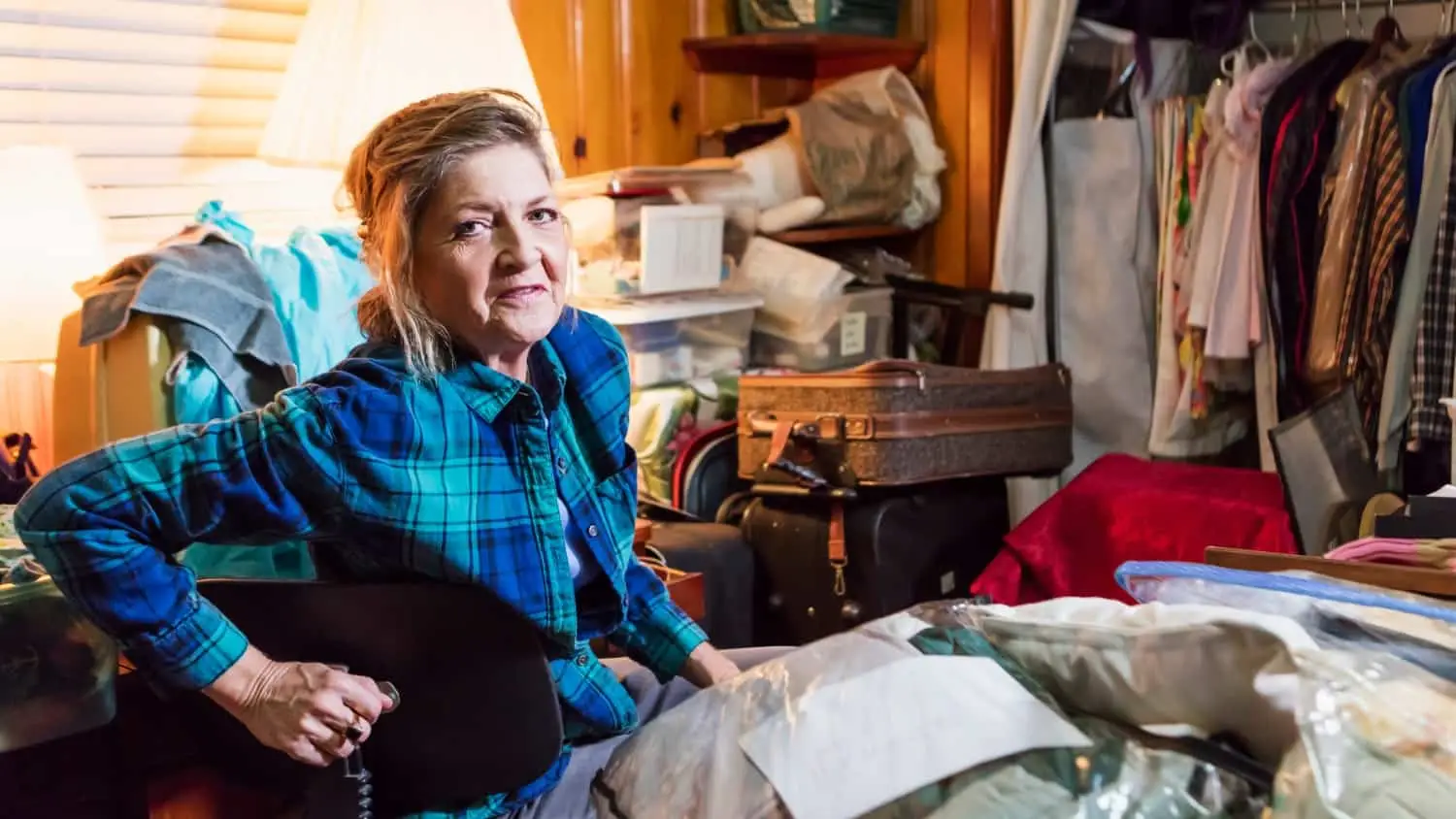
The most valuable inheritance often comes from meaningful memories rather than large collections of possessions. Instead of leaving family members with countless belongings to sort through, choosing a smaller number of treasured items allows loved ones to better appreciate the stories connected to each keepsake. Photographs, handwritten notes, and recorded conversations can preserve memories even after physical objects are donated or discarded. Digital photo albums, electronic picture frames, and memory-sharing applications provide practical ways to save personal stories without requiring additional storage space inside the home.Via SixtyandMe
Gathering family members to explain the history behind treasured possessions can also strengthen personal connections across generations. Sharing why certain objects matter gives sentimental value greater meaning while reducing uncertainty about which belongings deserve to be preserved for future family members.
Skip the “Maybe” Pile and Avoid Extra Storage
Many people create a separate pile for items they cannot decide about, believing they will return to those belongings later. In reality, these undecided possessions often remain untouched for months or even years, delaying progress and allowing clutter to continue taking up valuable space throughout the home.
Via Real Simple
Professional organizers recommend making clear decisions by sorting belongings into categories such as keep, donate, sell, or discard. Eliminating the "maybe" pile encourages faster decision-making and prevents unnecessary hesitation that can make even small decluttering projects feel never-ending and emotionally exhausting.
Renting a storage unit may seem like an easy solution, but it often postpones important decisions instead of solving the problem. Many families spend significant amounts of money storing belongings they rarely use, eventually facing the same decluttering challenge after paying years of storage fees.
Via HouseKeeping
Build Habits That Prevent Clutter From Returning
Decluttering should not end once the house looks organized because maintaining that progress requires consistent daily habits. Creating designated places for shoes, charging cables, household supplies, paperwork, and seasonal items helps every family member know exactly where belongings belong after each use. Many people successfully maintain organized homes by thinking carefully before bringing new possessions inside. Purchasing only necessary items reduces unnecessary accumulation while making existing storage spaces easier to manage, cleaner to maintain, and far less stressful during everyday household routines.Via Becoming Minimalist
Understanding the reasons behind unnecessary shopping habits can also prevent future clutter. Some purchases are driven by boredom, loneliness, stress, or impulse rather than genuine need, so recognizing these patterns helps people make thoughtful choices that support a calmer and more organized living environment.