Unassigned
How Birthright Citizenship Became Part Of U.S. History
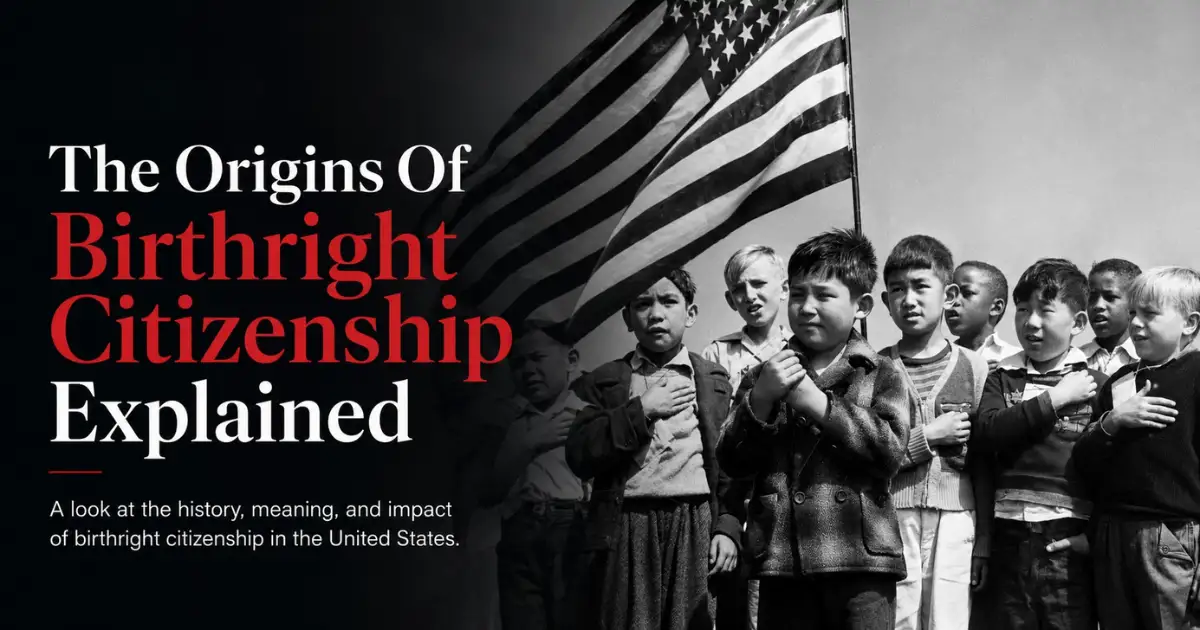
Birthright citizenship is often discussed as if it began with the Fourteenth Amendment after the Civil War. That view leaves out a much longer story. The idea that a person born on American soil could belong to the nation had roots in early American law, English common law, and the political debates of the Founding era.
This history matters because recent arguments over citizenship often focus only on the words added to the Constitution in 1868. The Fourteenth Amendment did make birthright citizenship a clear national rule. Yet the principle itself was not invented from nothing. It grew from earlier ideas about birth, allegiance, freedom, and membership in a political community.
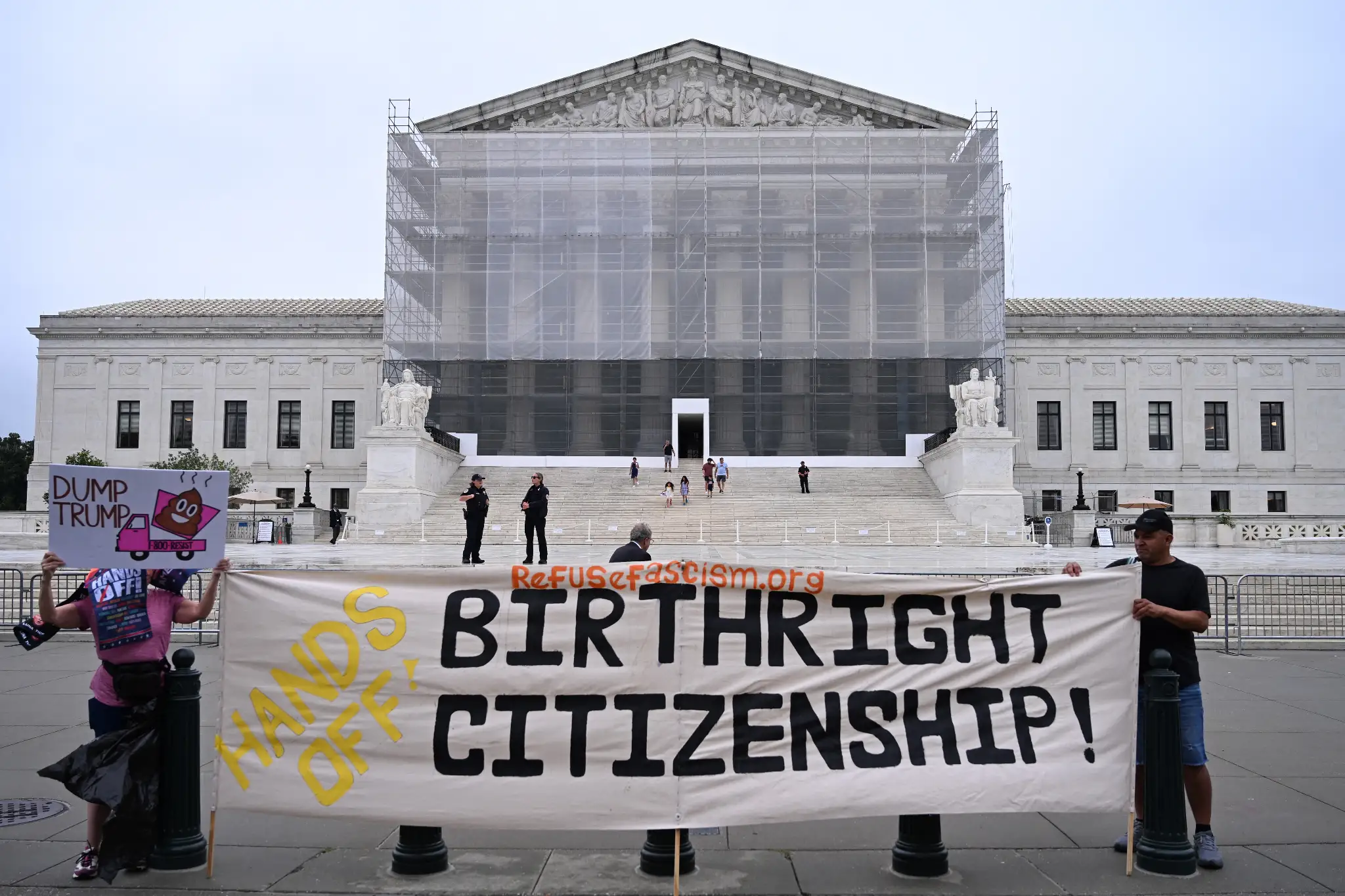 Via NPR
American citizenship developed in a country that was still deciding who counted as part of the nation. State laws, court rulings, political fights, and public petitions all shaped that debate. Free African American communities, antislavery leaders, and some early lawmakers argued that birth on U.S. soil carried legal and moral meaning long before the amendment became law.
 Via Law Tutors
William Blackstone’s legal writings helped explain this view for generations of American lawyers. His work divided people into two broad groups: natural-born subjects and aliens. Natural-born subjects were those born within the territory and under the allegiance of the government. Aliens were those born outside that allegiance.
During the American Revolution, former British subjects who stayed in the new states became Americans through this basic idea. The new country did not create a complete national citizenship system right away. Instead, states handled many questions of membership. That left room for different rules, but it also kept birthright ideas alive from the beginning.
 Via Jagran Josh
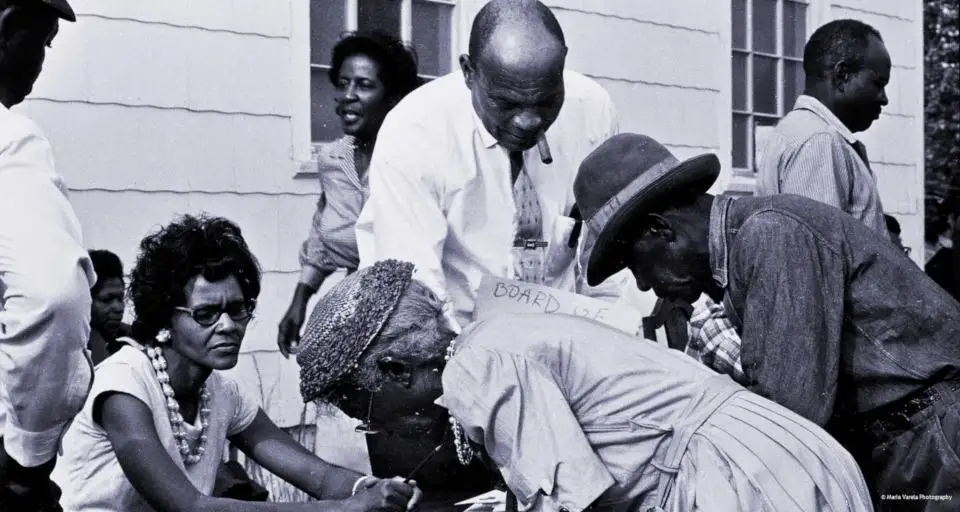 Via Workers World
This uneven treatment shows why the Fourteenth Amendment later became so important. Before 1868, citizenship was often controlled by state law. A person could be treated as a citizen in one state but face rejection in another. The amendment aimed to turn birthright citizenship into a national guarantee rather than a state-by-state question.
 Via The Federalist Society
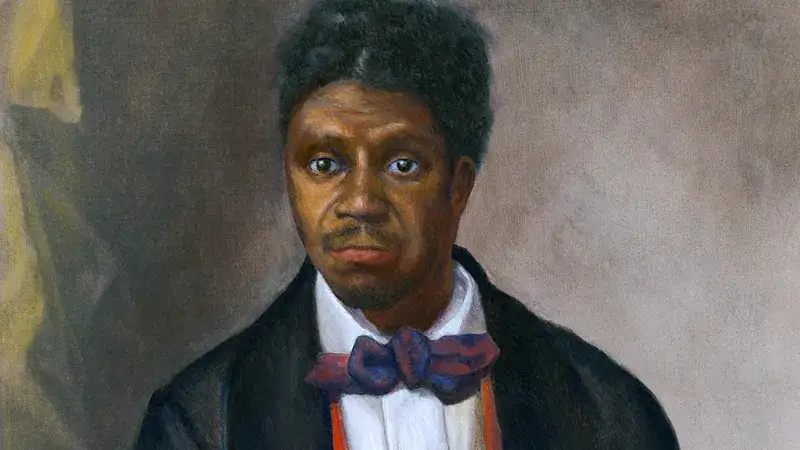
That ruling did not simply repeat settled law. It shocked many Americans because it rejected long-standing examples of African American citizenship in several states. Free African American men had voted in parts of the early republic. Some had taken part in civic life and helped shape the political communities where citizenship was formed.
Many antislavery leaders saw Dred Scott as a radical and dangerous ruling. It tried to erase state practices that had recognized free African Americans as citizens. The backlash helped build support for a constitutional amendment that would make citizenship clear, national, and harder for courts or states to deny.
 Via Britannica
 Via New York Times
Other leaders made similar arguments during major national debates. During the Missouri crisis, some lawmakers warned that Missouri’s attempt to exclude free people of color attacked the citizenship rights already recognized in other states. These debates showed that birthright citizenship was not only a post-Civil War idea. It was part of a much older struggle over equality.
 Via Biography
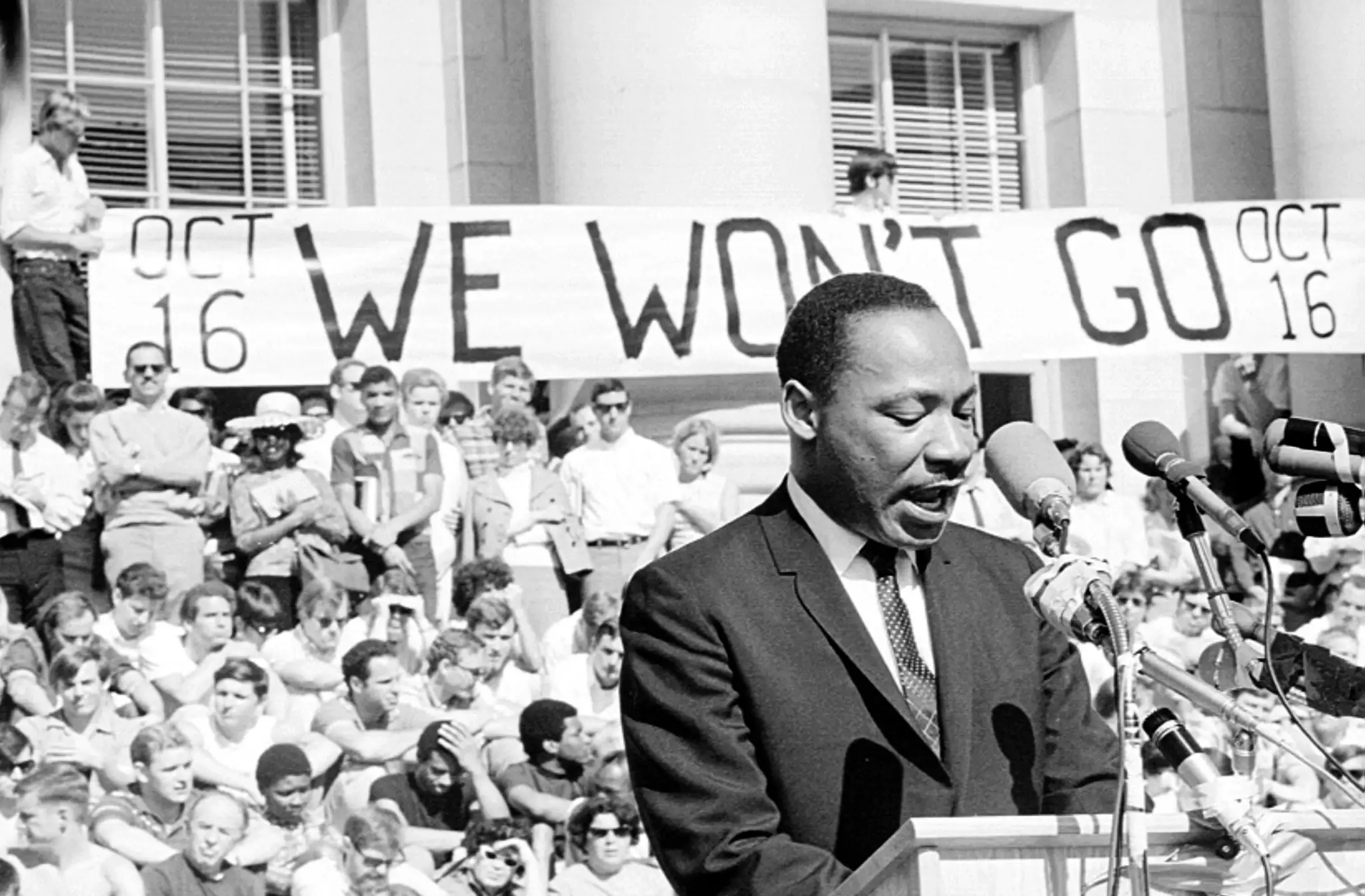
Delegates at African American political gatherings often used the language of birthright. They argued that they were not foreigners and had not come from another political world. They were born in the United States, raised under American institutions, and tied to the country by birth, labor, family, and public life.
These arguments were powerful because they challenged exclusion at its foundation. Citizenship was not presented as a gift from lawmakers. It was described as a natural claim rooted in birth and republican principle. That claim later became central to the meaning of the Fourteenth Amendment.
 Via Freedom Forum
 Via Council On Foreign Relations
By placing citizenship in the Constitution, the amendment limited the power of states to deny membership. A person born in one state could not be treated as a legal outsider in another state because of race, ancestry, or hostile local law. National citizenship became a constitutional rule rather than a political favor.
 Via The Economists
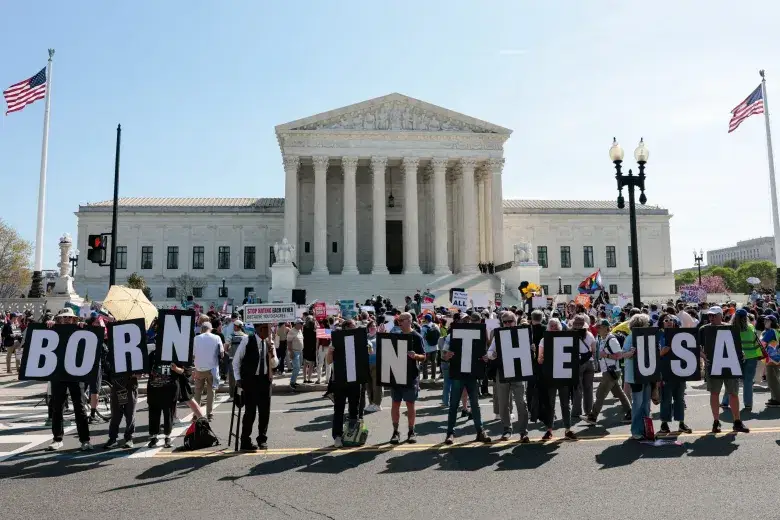
Recent court battles have revived old questions about national belonging, immigration, executive power, and constitutional meaning. The Supreme Court’s 2025 ruling in Trump v. CASA did not settle whether a president can limit birthright citizenship. It focused mainly on how far lower federal courts can go when blocking national policies.
That distinction is important for readers. Birthright citizenship itself remains tied to deep constitutional history, long-standing legal tradition, and the Fourteenth Amendment’s text. The debate is not only about present-day immigration policy. It is also about whether an old American principle can be narrowed by modern political power.
 Via Roll Call
 Via Jessica Yellin
A clear view of this history changes the modern debate. Birthright citizenship did not suddenly appear in 1868 without precedent. It came from older legal ideas, early state practices, political battles, and demands for equal belonging. That long background explains why the principle remains one of the strongest foundations of American citizenship.
 Via Prism
This long background explains why birthright citizenship remains one of the strongest foundations of American citizenship today. It was not only written into the Fourteenth Amendment after the Civil War, but also shaped by decades of debate about freedom, equality, and national identity. The history behind it makes clear that citizenship should not depend on race, ancestry, political pressure, or changing public opinion.
More in UnassignedVia NPR
American citizenship developed in a country that was still deciding who counted as part of the nation. State laws, court rulings, political fights, and public petitions all shaped that debate. Free African American communities, antislavery leaders, and some early lawmakers argued that birth on U.S. soil carried legal and moral meaning long before the amendment became law.
English Common Law Shaped Early Citizenship
Early American lawyers and judges relied heavily on English common law. One major idea from that tradition was known as jus soli, meaning the right of the soil. Under this principle, a person born within a country’s territory was usually considered a natural member of that country, unless a narrow exception applied.Via Law Tutors
William Blackstone’s legal writings helped explain this view for generations of American lawyers. His work divided people into two broad groups: natural-born subjects and aliens. Natural-born subjects were those born within the territory and under the allegiance of the government. Aliens were those born outside that allegiance.
During the American Revolution, former British subjects who stayed in the new states became Americans through this basic idea. The new country did not create a complete national citizenship system right away. Instead, states handled many questions of membership. That left room for different rules, but it also kept birthright ideas alive from the beginning.
Via Jagran Josh
Free Black Citizens In Early America
Free African Americans were not always treated the same across the early United States. Some states recognized them as citizens and allowed political participation. New England states such as Massachusetts, New Hampshire, Vermont, and later Maine treated free African Americans as citizens with meaningful rights. Other states began with broader rights but later restricted them. New York and Pennsylvania, for example, once allowed African American men to vote under certain conditions, then later reduced or removed those rights. Some newer states, including Ohio, placed African American residents in a lower legal position, even when those residents were born free.
Via Workers World
This uneven treatment shows why the Fourteenth Amendment later became so important. Before 1868, citizenship was often controlled by state law. A person could be treated as a citizen in one state but face rejection in another. The amendment aimed to turn birthright citizenship into a national guarantee rather than a state-by-state question.
Dred Scott Changed The Citizenship Debate
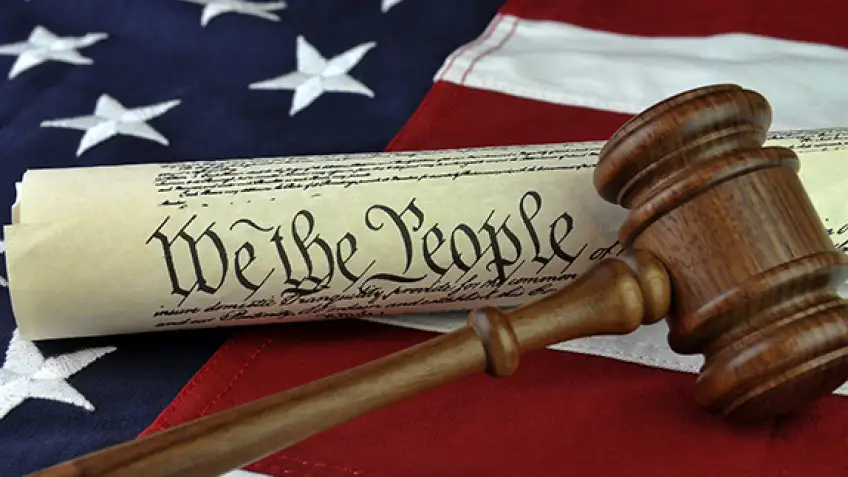
The 1857 Dred Scott decision became one of the most infamous rulings in American history. Chief Justice Roger B. Taney claimed that African Americans could not be citizens under the Constitution. His opinion denied both the legal status and the human dignity of African-descended people in the United States.
Via The Federalist Society
That ruling did not simply repeat settled law. It shocked many Americans because it rejected long-standing examples of African American citizenship in several states. Free African American men had voted in parts of the early republic. Some had taken part in civic life and helped shape the political communities where citizenship was formed.
Many antislavery leaders saw Dred Scott as a radical and dangerous ruling. It tried to erase state practices that had recognized free African Americans as citizens. The backlash helped build support for a constitutional amendment that would make citizenship clear, national, and harder for courts or states to deny.
Via Britannica
Political Leaders Defended Nonracial Citizenship
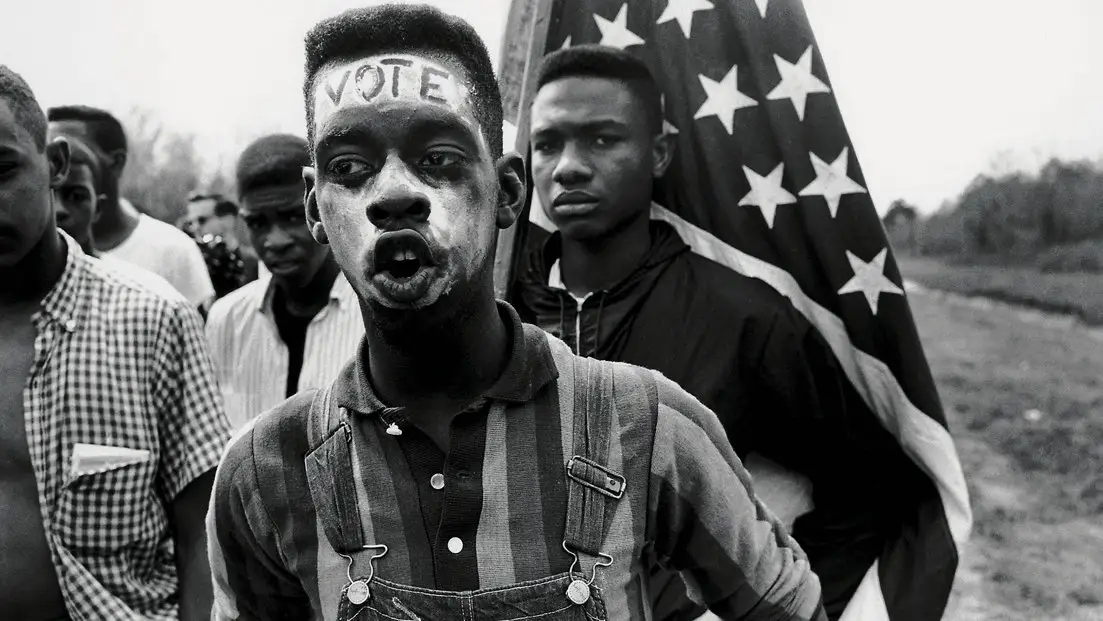
Important political voices defended the idea that citizenship should not be limited by race. John Quincy Adams, after leaving the presidency, became a strong antislavery figure in Congress. He treated African Americans as countrymen and insisted that people born in America had a claim to political recognition. William Jay, the son of Founding-era leader John Jay, also argued strongly for African American citizenship. He believed that free people born in the United States could not be fairly excluded from citizenship. His legal arguments helped shape a broader antislavery view that connected birth, liberty, and political belonging.Via New York Times
Other leaders made similar arguments during major national debates. During the Missouri crisis, some lawmakers warned that Missouri’s attempt to exclude free people of color attacked the citizenship rights already recognized in other states. These debates showed that birthright citizenship was not only a post-Civil War idea. It was part of a much older struggle over equality.
Black Activists Claimed Birthright Rights
African American leaders did not wait for white politicians to define citizenship for them. Free African American communities held conventions, wrote petitions, published arguments, and demanded recognition. Their message was direct: people born in America belonged to America.Via Biography
Delegates at African American political gatherings often used the language of birthright. They argued that they were not foreigners and had not come from another political world. They were born in the United States, raised under American institutions, and tied to the country by birth, labor, family, and public life.
These arguments were powerful because they challenged exclusion at its foundation. Citizenship was not presented as a gift from lawmakers. It was described as a natural claim rooted in birth and republican principle. That claim later became central to the meaning of the Fourteenth Amendment.
Via Freedom Forum
14th Amendment Made Citizenship National
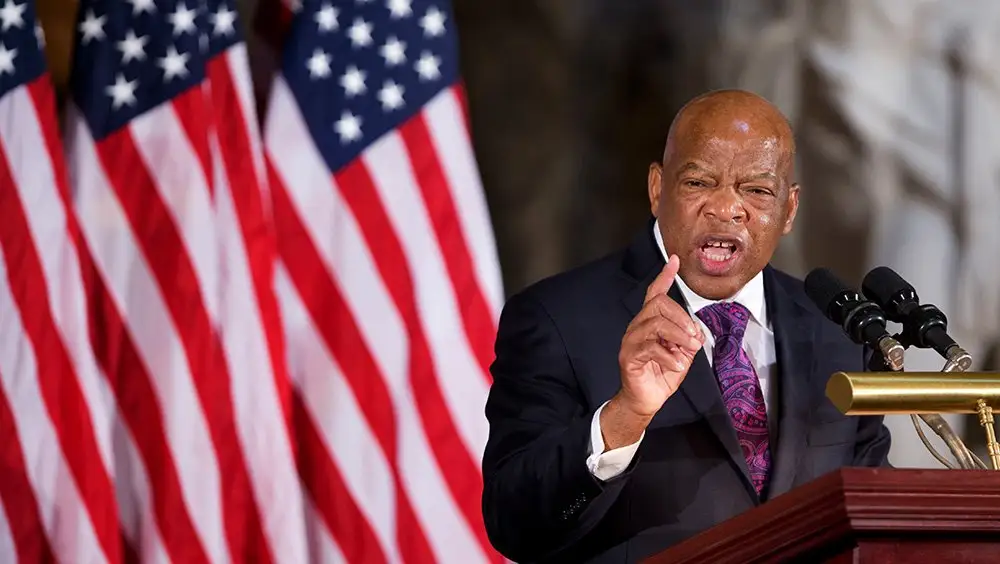
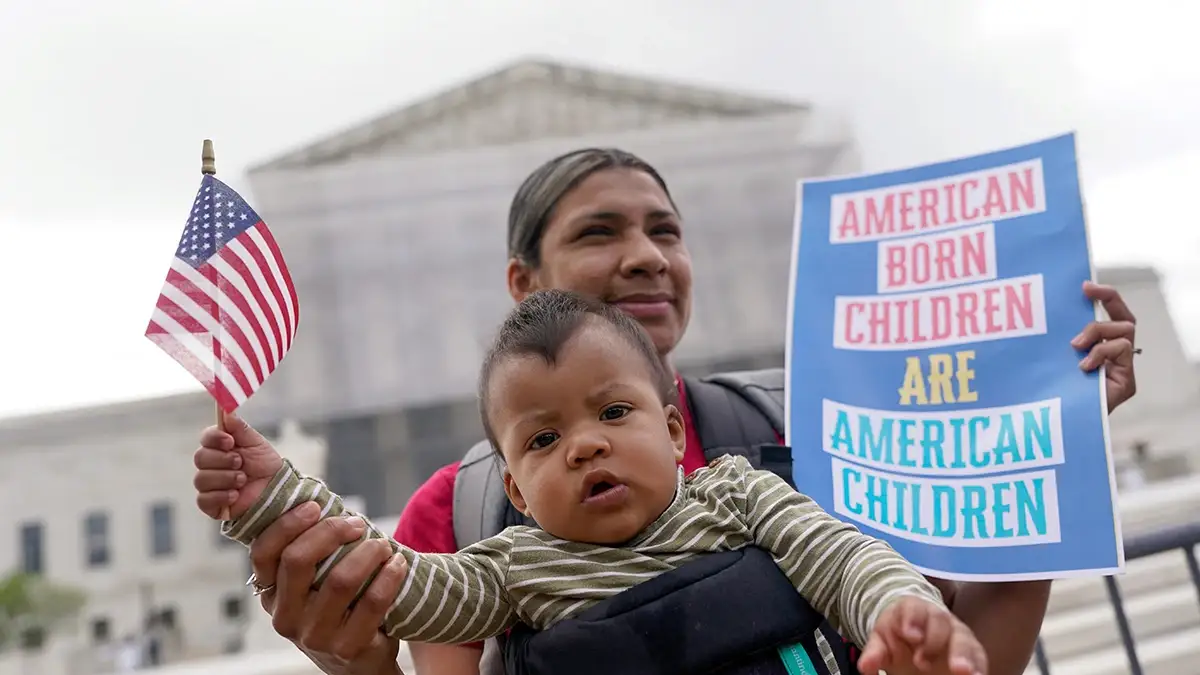
The Fourteenth Amendment was adopted after the Civil War to settle the question of national citizenship. Its opening sentence states that all persons born or naturalized in the United States and subject to its jurisdiction are citizens of the United States and the state where they live. This language was designed to reverse the damage caused by Dred Scott. It also built on earlier traditions that had already recognized birth on American soil as a basis for citizenship. The amendment did not create the idea of birthright citizenship out of nowhere. It made that idea uniform across the nation.Via Council On Foreign Relations
By placing citizenship in the Constitution, the amendment limited the power of states to deny membership. A person born in one state could not be treated as a legal outsider in another state because of race, ancestry, or hostile local law. National citizenship became a constitutional rule rather than a political favor.
Modern Debate Over Birthright Citizenship
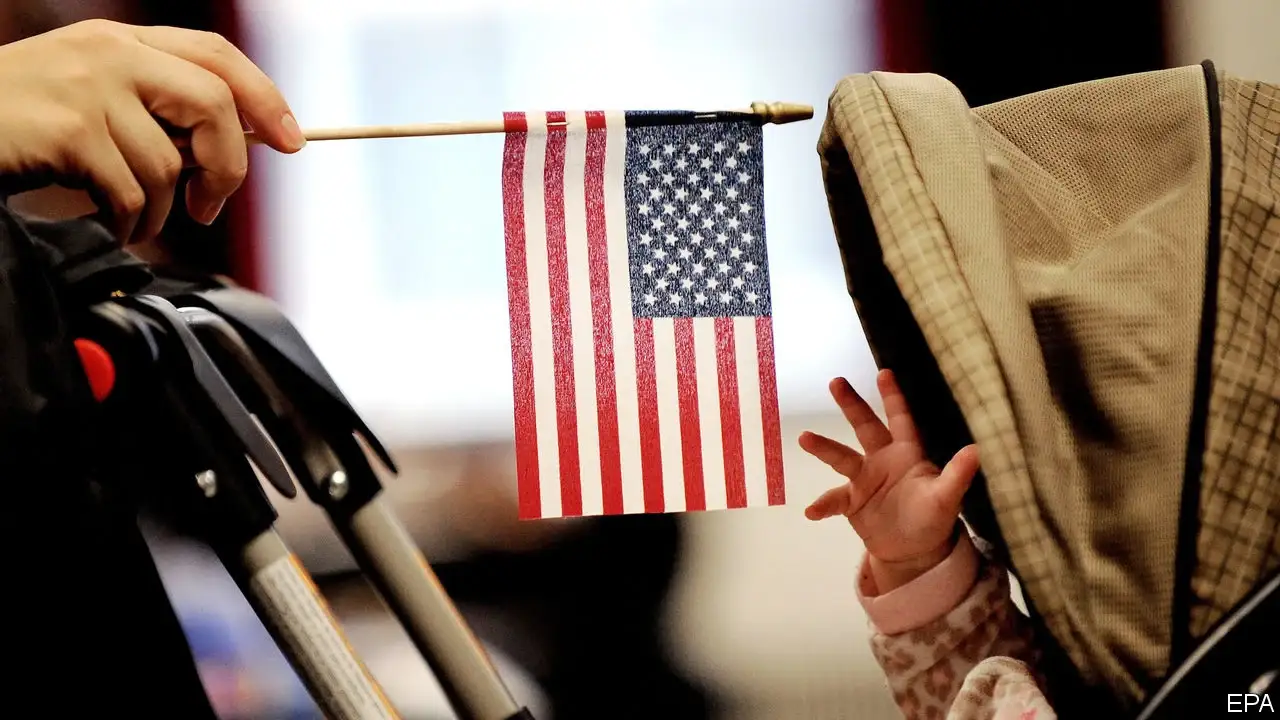
Modern debates over birthright citizenship often center on the phrase “subject to the jurisdiction thereof.” Critics argue that this phrase should exclude some children born in the United States to noncitizen parents. Supporters argue that nearly everyone born on U.S. soil falls under U.S. jurisdiction and therefore qualifies for citizenship.Via The Economists
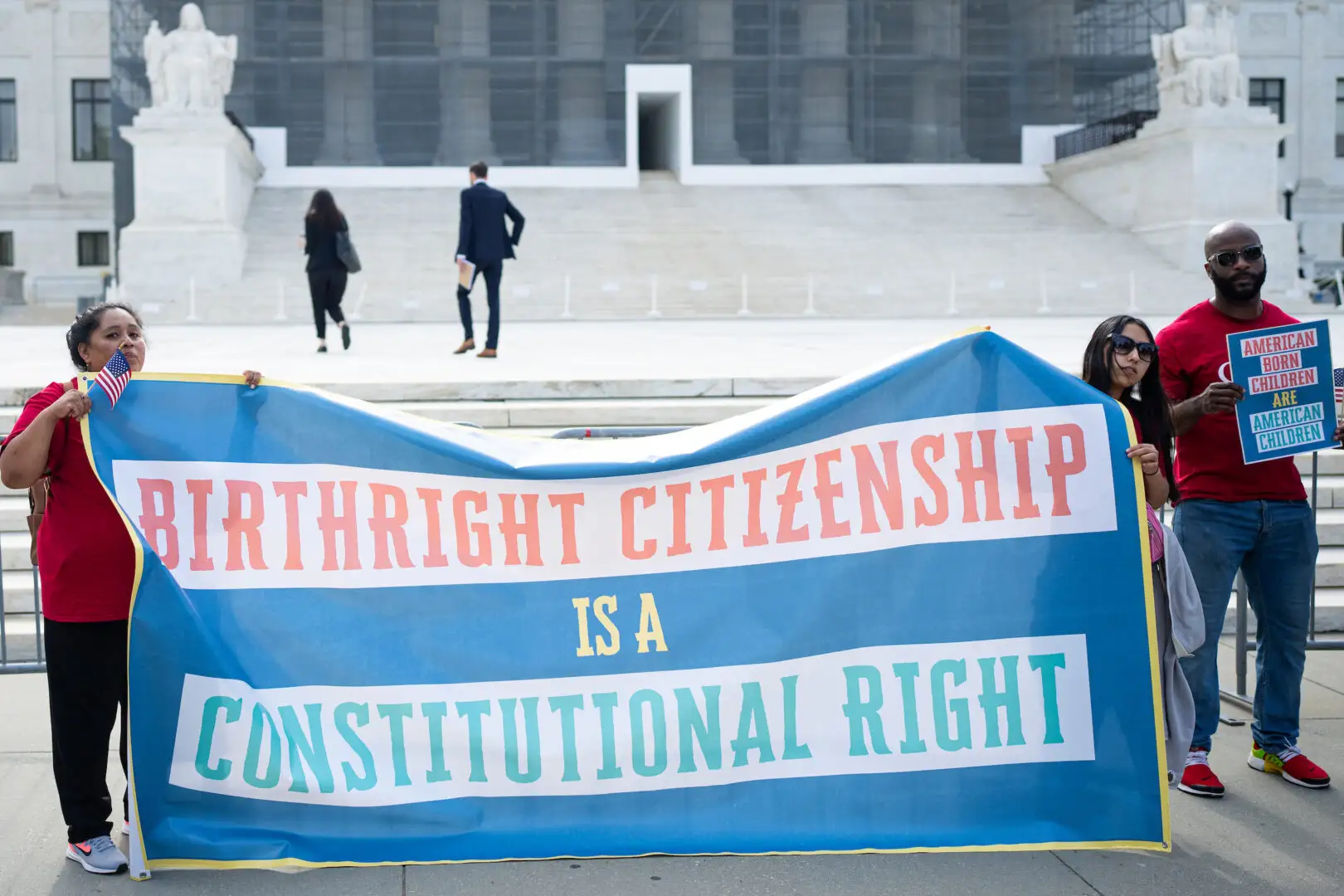
Recent court battles have revived old questions about national belonging, immigration, executive power, and constitutional meaning. The Supreme Court’s 2025 ruling in Trump v. CASA did not settle whether a president can limit birthright citizenship. It focused mainly on how far lower federal courts can go when blocking national policies.
That distinction is important for readers. Birthright citizenship itself remains tied to deep constitutional history, long-standing legal tradition, and the Fourteenth Amendment’s text. The debate is not only about present-day immigration policy. It is also about whether an old American principle can be narrowed by modern political power.
Via Roll Call
Why This History Still Matters
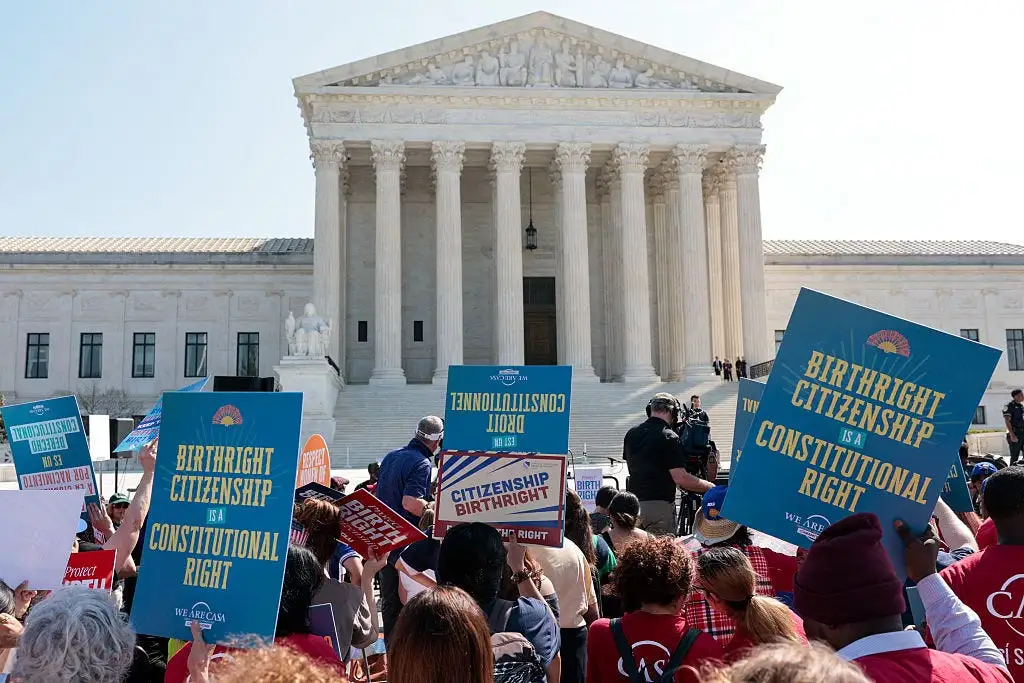
Birthright citizenship is more than a technical legal rule. It defines who belongs to the nation from the moment of birth. The principle has helped prevent citizenship from being controlled by race, bloodline, parentage, wealth, or shifting political moods. The history behind this rule shows that citizenship has always been contested. Some leaders tried to narrow it. Others fought to expand it. Free African American communities, antislavery lawmakers, and constitutional reformers pushed the country toward a broader and more equal understanding of national membership.Via Jessica Yellin
A clear view of this history changes the modern debate. Birthright citizenship did not suddenly appear in 1868 without precedent. It came from older legal ideas, early state practices, political battles, and demands for equal belonging. That long background explains why the principle remains one of the strongest foundations of American citizenship.
Via Prism
This long background explains why birthright citizenship remains one of the strongest foundations of American citizenship today. It was not only written into the Fourteenth Amendment after the Civil War, but also shaped by decades of debate about freedom, equality, and national identity. The history behind it makes clear that citizenship should not depend on race, ancestry, political pressure, or changing public opinion.