Unassigned
How Barcode Invention Changed Modern Shopping Forever
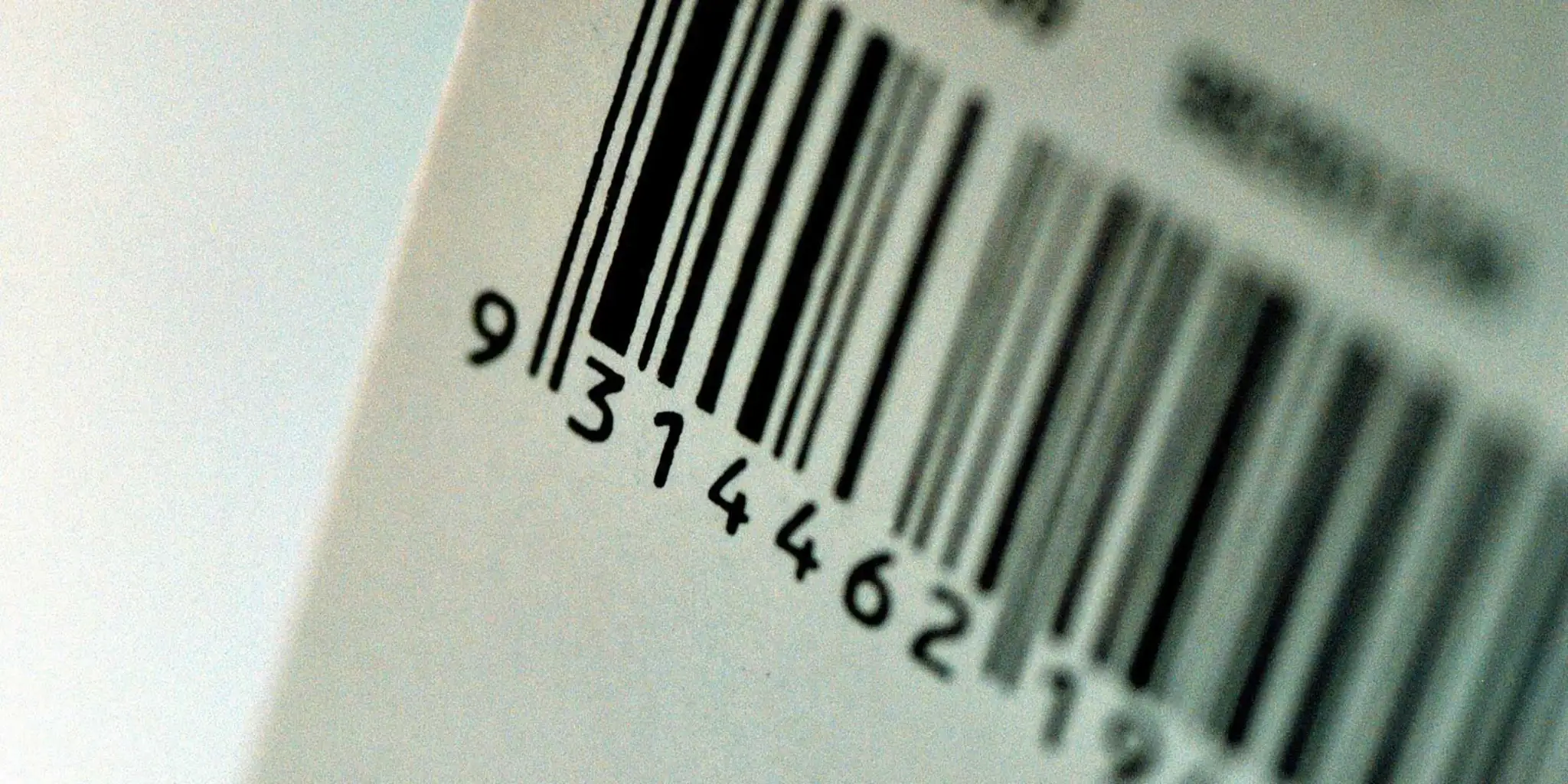
Simple set of black and white lines changed the way people shop, sell, count, ship, and store products. The barcode may look small, but its impact became massive across supermarkets, hospitals, warehouses, factories, libraries, and even space missions. It helped businesses replace slow manual work with faster, cleaner, and more accurate systems.
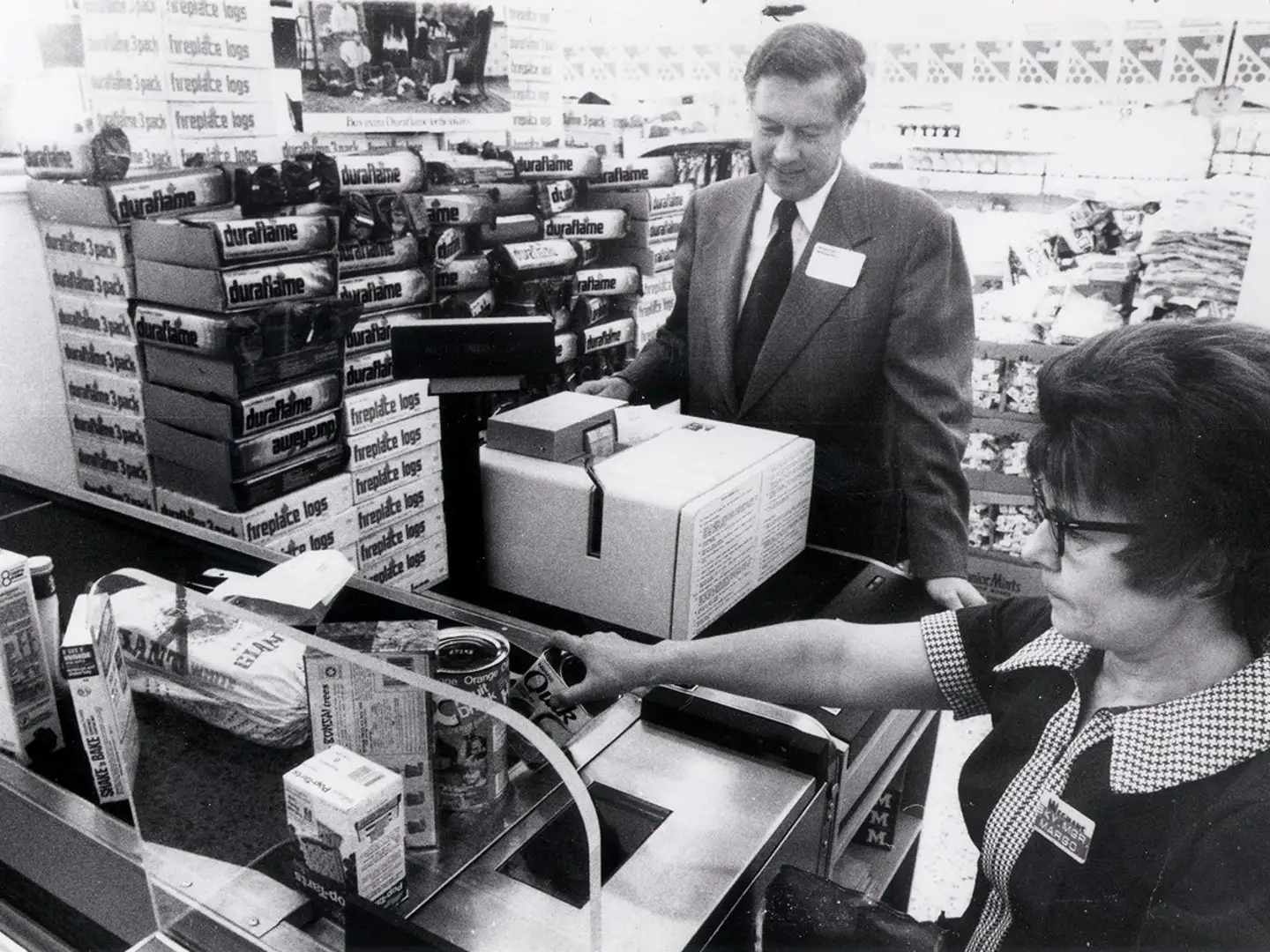
The modern barcode became famous on June 26, 1974, when a pack of Wrigley’s Juicy Fruit gum was scanned at a Marsh supermarket in Troy, Ohio. That moment became one of the most important events in retail history. It showed that a machine could identify a product, read its price, and speed up checkout in seconds.
 Via History
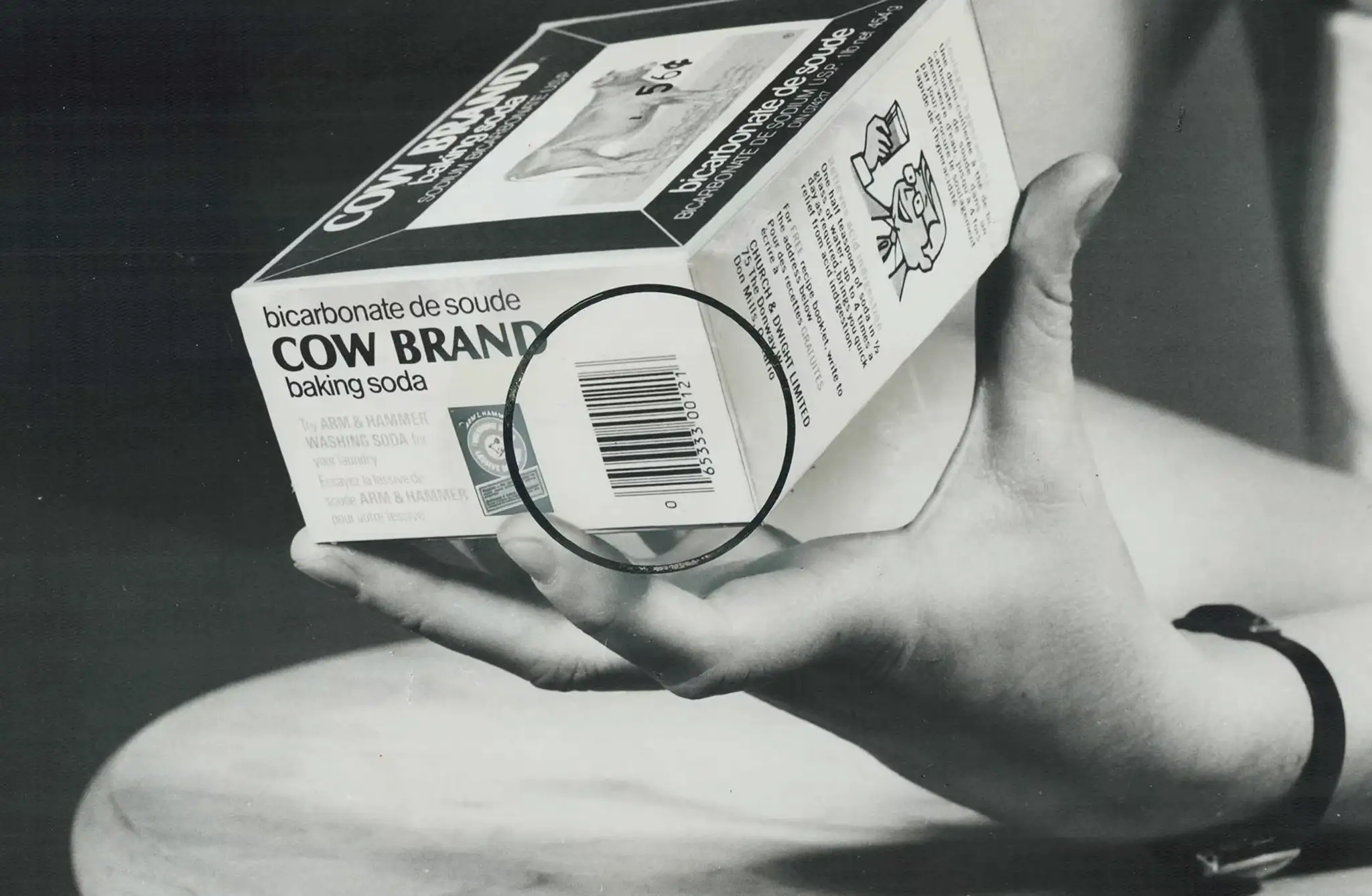
Barcodes were created to solve a common problem in grocery stores. Long checkout lines, hand-entered prices, pricing mistakes, and slow inventory checks made shopping harder for customers and workers. The Universal Product Code, better known as the UPC, gave stores a smarter way to manage products and changed retail forever.
 Via History
Woodland reportedly got part of the idea while sitting on a beach and moving his fingers through the sand. He connected the idea of wide and narrow lines to Morse code, where dots and dashes carry messages. That simple thought helped shape a new way to store information in printed marks.
The early bull’s-eye code was smart, but the world was not ready for it. Computers were expensive, scanners were not advanced enough, and the system needed strong light and special equipment to work. The idea had promise, but stores needed cheaper computers, better scanning tools, and more reliable printing before it could become useful.
 Via CPG Click Oil and Gas
 Via Food Republic
A single product code promised more than faster checkout. It could connect pricing, inventory, sales reports, ordering, and market research in one system. For supermarkets, this meant better control over thousands of products. For shoppers, it meant shorter lines, fewer pricing mistakes, and smoother store visits.
 Via WYSO
McEnroe worked with marketing expert Sarkis Zartarian, engineer Mort Powell, and other skilled team members. The group became known as Consumer Transaction Systems. Many engineers had not worked with checkout machines before, but that also helped them think freely and avoid old limits.
George Laurer became one of the most important figures in the project. He believed the circular bull’s-eye code would not work well enough for long-term supermarket use. A straight-line barcode was easier to print, easier to scan, and better suited for product packaging. His work helped shape the UPC design that stores later adopted.
 Via NBC News
 Via CNN
The grocery industry needed a system that worked in real stores, not just in tests. The code had to survive packaging changes, printing errors, fast scanning, and different store setups. IBM’s straight-line UPC design gave the industry a stronger answer because it was simple, reliable, and ready for large-scale use.
 Via Nerd Wallet
The IBM team finished an early UPC version in 1971 and submitted its design when the committee asked for proposals in 1972. Several groups competed, including supporters of the older bull’s-eye code. The committee needed a system that could be printed easily, scanned quickly, and used across many products.
IBM continued improving the design while the committee reviewed options. The final UPC format became the industry standard because it solved the key problems better than the other choices. Once the design was selected, supermarkets finally had a shared code that manufacturers, stores, and technology companies could all support.
 Via Win Buzzer
 Via Progressive Grocer
That small gum package later became famous because it marked the beginning of everyday barcode use. The moment showed that retail technology could move from theory into real life. After that scan, the barcode slowly spread into more supermarkets, more products, and more industries across the world.
 Via Logimax
Consumer groups also raised concerns about removing individual price stickers from products. Many shoppers were used to seeing prices directly on each item. Some worried that barcode systems would make it harder to compare prices or catch mistakes at checkout.
Several states passed rules that limited how stores could use scanners without keeping price labels on items. These concerns slowed adoption for a time. The technology had to prove that it could help customers, not just businesses. Over time, better receipts, clearer shelf pricing, and faster service helped reduce public resistance.
 Via Medium
 Via KRUZ SCRIBOS
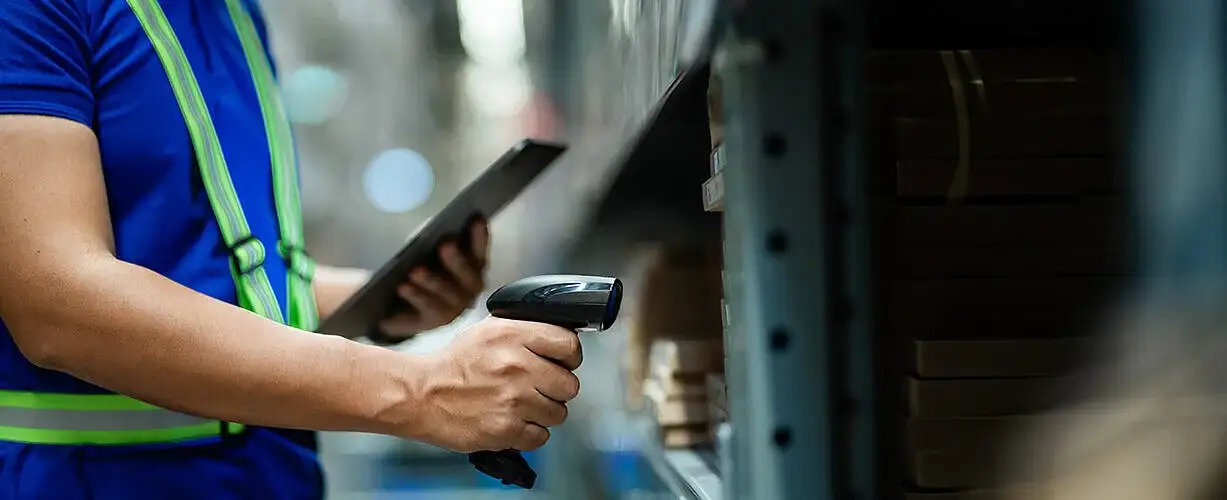
Large superstores became easier to manage because barcodes allowed thousands of items to be tracked in organized systems. Without barcodes, modern retail would be slower and more difficult. The barcode helped connect checkout counters, stockrooms, delivery trucks, warehouses, and sales reports into one smooth chain.
 Via The Takeout
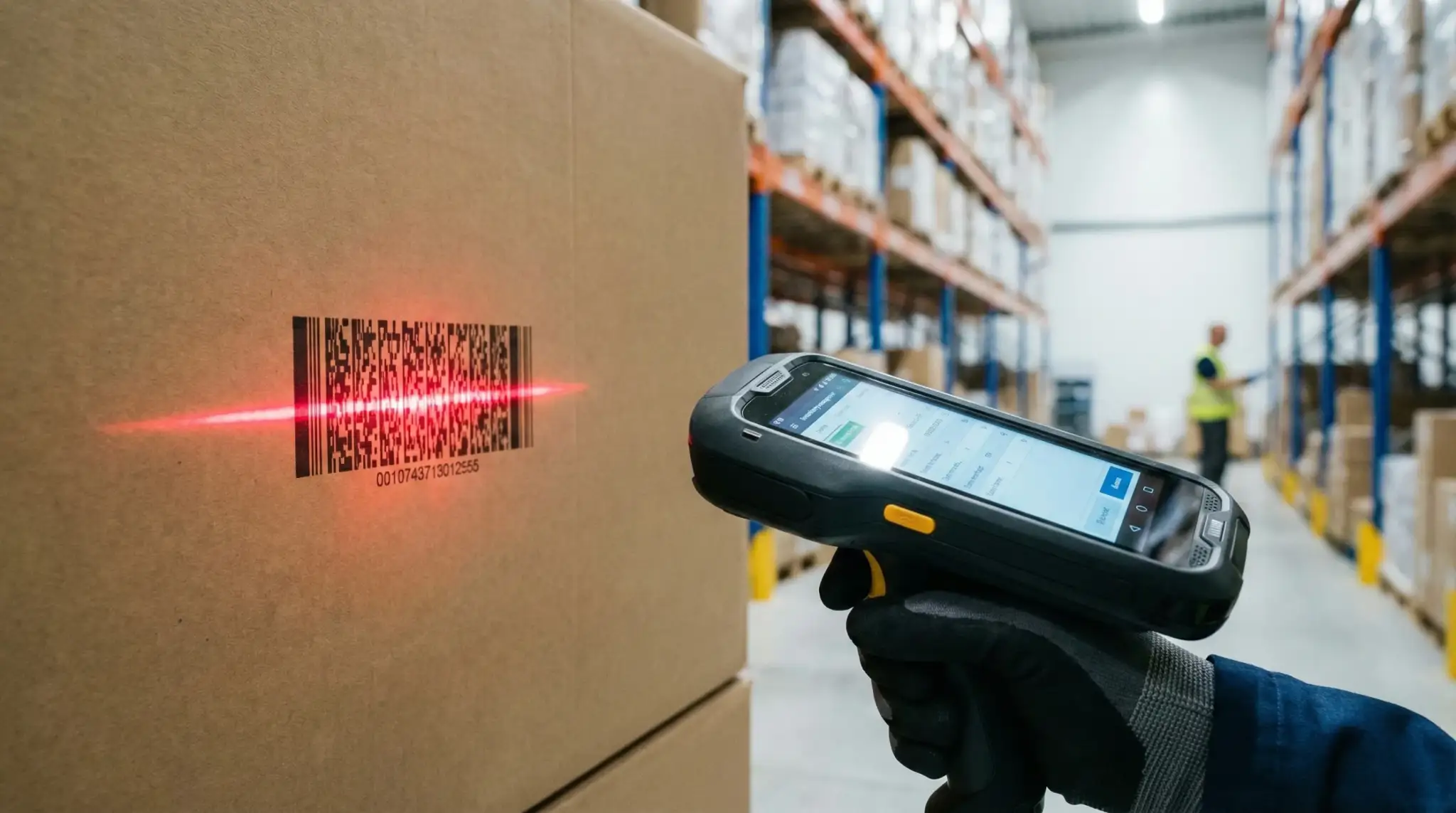
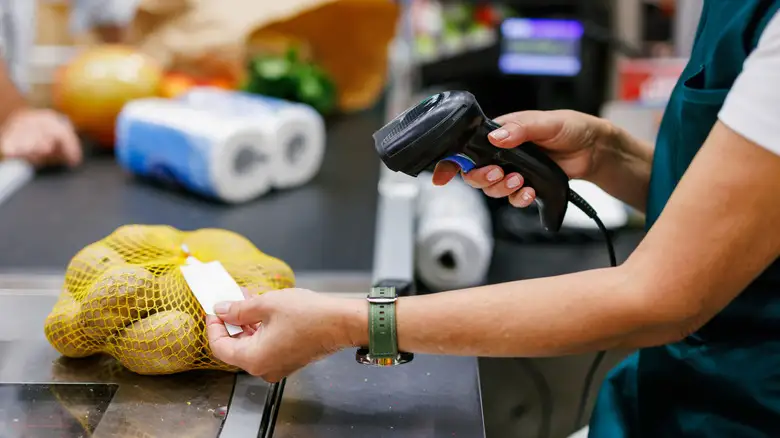
Factories used barcodes to follow parts through production lines. Shipping companies used them to track packages from one location to another. Airlines, warehouses, pharmacies, and government offices also found that barcodes could make daily work faster and more reliable.
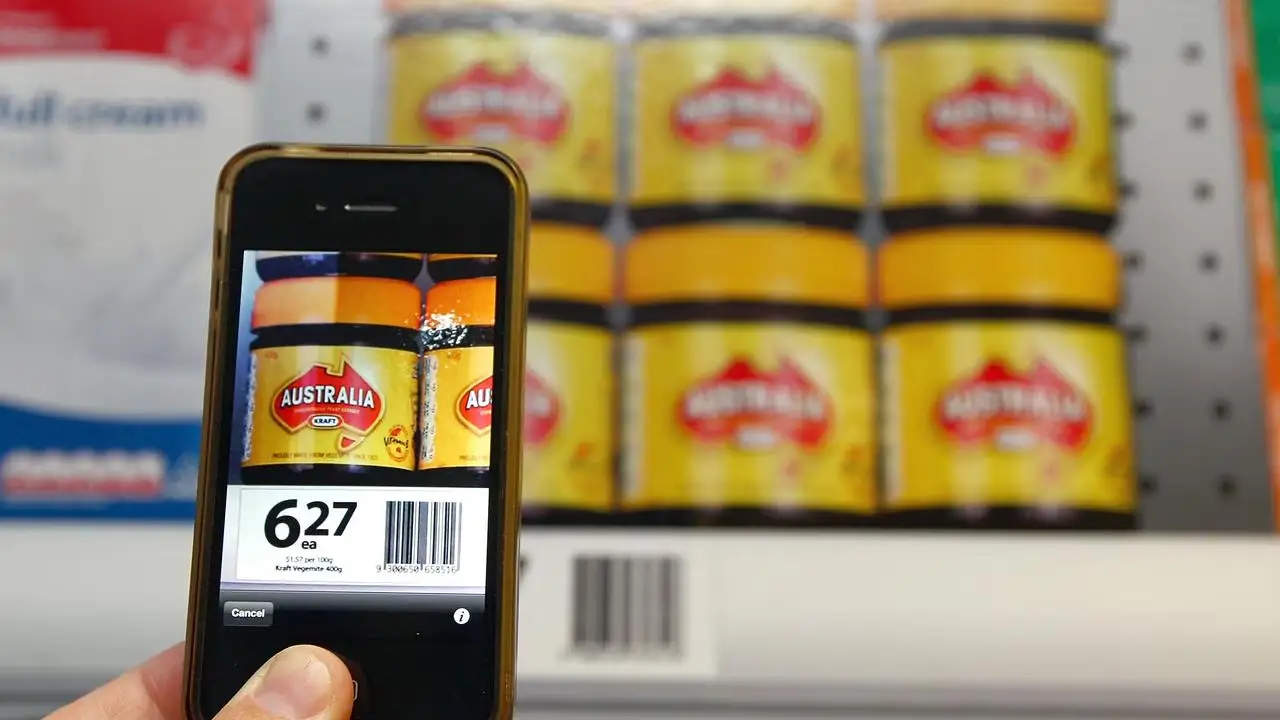
The barcode became powerful because it was simple. It did not need to be fancy to be useful. A small printed code could hold product information, connect to a database, and help people find answers quickly. This made barcodes one of the most common tools in modern life.
 Via Kids News
 Via Global Brands Magazine
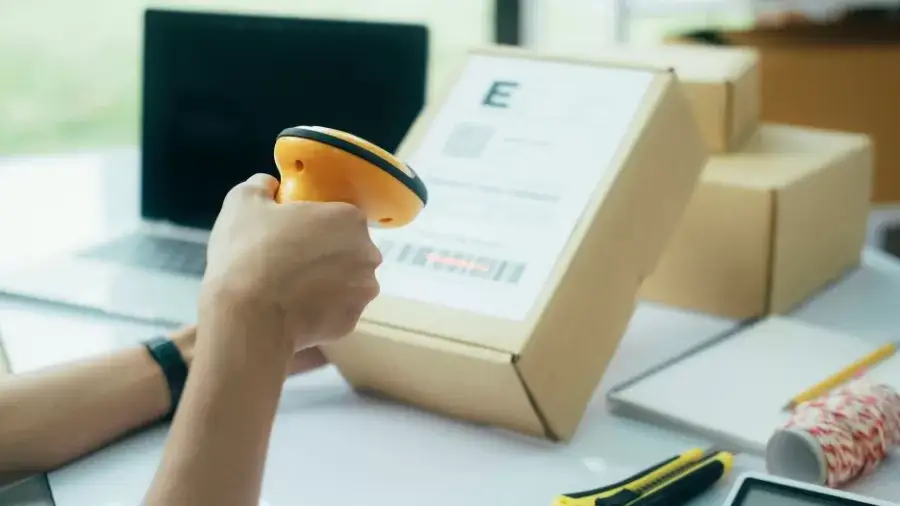
The barcode’s success came from teamwork, timing, and practical design. Early ideas opened the door, IBM’s team improved the technology, and the grocery industry agreed on a shared standard. A simple code made of lines became one of the most useful inventions in modern business, proving that small ideas can create global change.
More in UnassignedVia History
Barcodes were created to solve a common problem in grocery stores. Long checkout lines, hand-entered prices, pricing mistakes, and slow inventory checks made shopping harder for customers and workers. The Universal Product Code, better known as the UPC, gave stores a smarter way to manage products and changed retail forever.
The First Barcode Idea Started Before Its Time
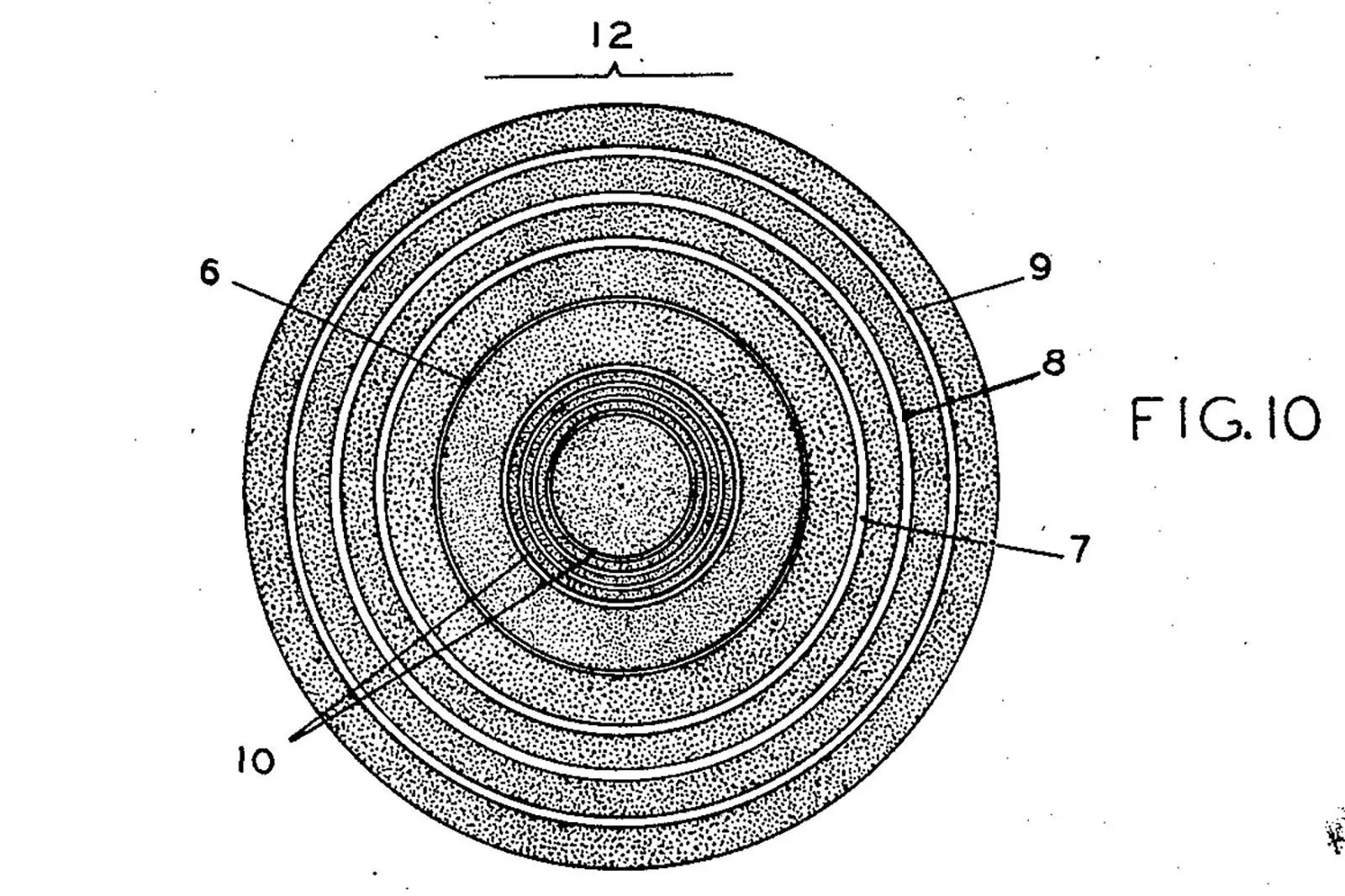
The barcode story began years before the first supermarket scan. In 1949, Norman Joseph Woodland and Bernard Silver filed a patent for a product identification system. Their idea used circular rings that looked like a bull’s-eye. It was designed to hold information that machines could read, which was a bold idea for that time.Via History
Woodland reportedly got part of the idea while sitting on a beach and moving his fingers through the sand. He connected the idea of wide and narrow lines to Morse code, where dots and dashes carry messages. That simple thought helped shape a new way to store information in printed marks.
The early bull’s-eye code was smart, but the world was not ready for it. Computers were expensive, scanners were not advanced enough, and the system needed strong light and special equipment to work. The idea had promise, but stores needed cheaper computers, better scanning tools, and more reliable printing before it could become useful.
Via CPG Click Oil and Gas
Why Grocery Stores Needed A Better System
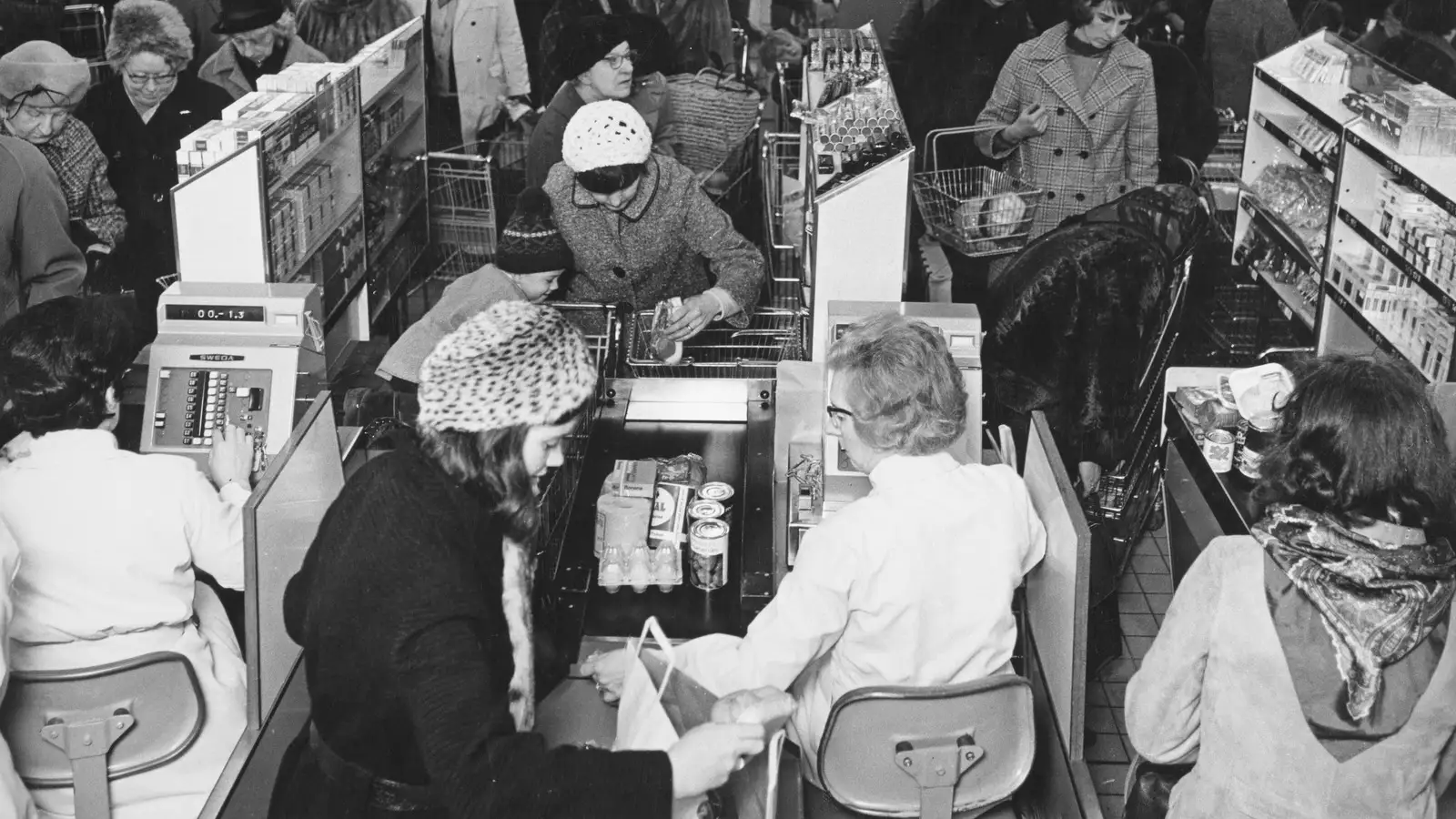
Grocery stores in the mid-1900s faced major problems as product choices grew larger. Workers had to type prices by hand, place price stickers on many items, and track stock through slow manual methods. These tasks took time, raised labor costs, and made mistakes more likely during busy shopping hours. Supermarkets wanted faster checkout lines because long waits could frustrate shoppers. A better product code could help cashiers scan items quickly instead of entering every price by hand. Stores also wanted better sales records so managers could know which items were selling and which products needed restocking.Via Food Republic
A single product code promised more than faster checkout. It could connect pricing, inventory, sales reports, ordering, and market research in one system. For supermarkets, this meant better control over thousands of products. For shoppers, it meant shorter lines, fewer pricing mistakes, and smoother store visits.
IBM Helped Turn The Barcode Into Reality
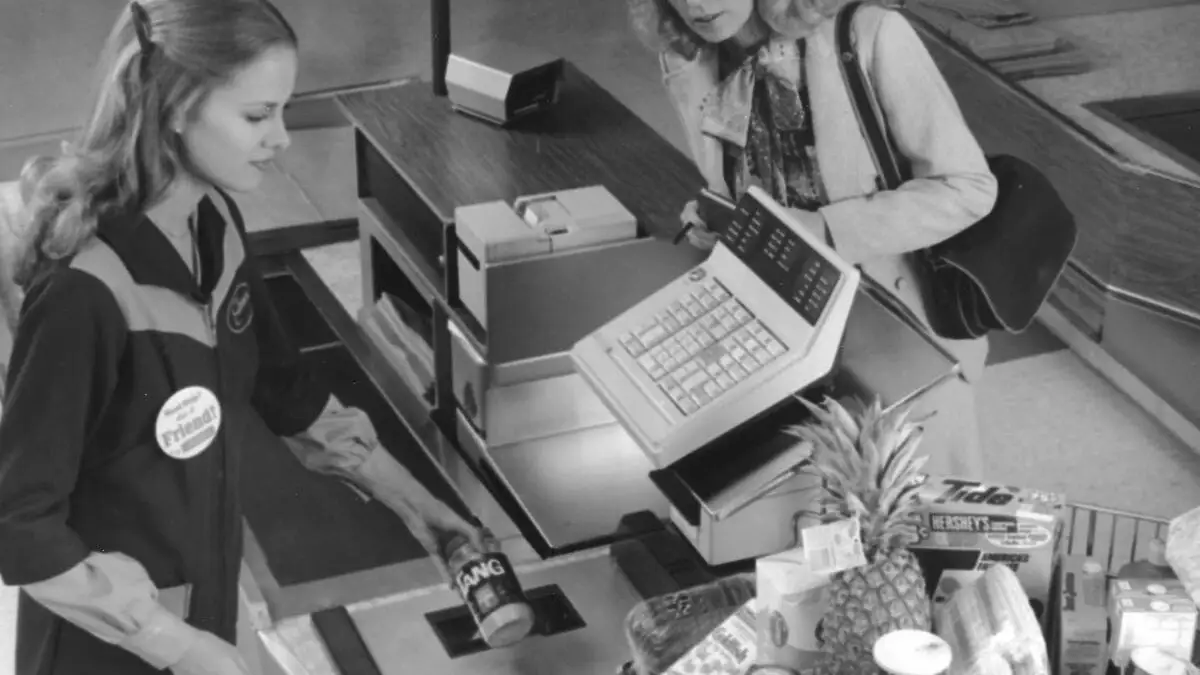
IBM played a major role in turning barcode ideas into a working retail system. In the late 1960s, the company wanted to expand into new computer-related fields. Paul V. McEnroe, an IBM employee with experience in scanning, helped lead a team focused on point-of-sale technology for stores.Via WYSO
McEnroe worked with marketing expert Sarkis Zartarian, engineer Mort Powell, and other skilled team members. The group became known as Consumer Transaction Systems. Many engineers had not worked with checkout machines before, but that also helped them think freely and avoid old limits.
George Laurer became one of the most important figures in the project. He believed the circular bull’s-eye code would not work well enough for long-term supermarket use. A straight-line barcode was easier to print, easier to scan, and better suited for product packaging. His work helped shape the UPC design that stores later adopted.
Via NBC News
Why Straight Lines Won Over The Bull’s-Eye Code?
The bull’s-eye barcode had one clear advantage because it could be scanned from different directions. Yet it also had serious problems. Circular lines took up more space on packages, and printing them clearly was difficult. Smudged edges could make the code harder for machines to read correctly. Straight bars offered a cleaner and more practical solution. They could fit better on product labels and packages. They were also easier for printing companies to reproduce with accuracy. When combined with smart scanner design, straight bars could still be read quickly at checkout counters.Via CNN
The grocery industry needed a system that worked in real stores, not just in tests. The code had to survive packaging changes, printing errors, fast scanning, and different store setups. IBM’s straight-line UPC design gave the industry a stronger answer because it was simple, reliable, and ready for large-scale use.
How The UPC Became The Industry Standard
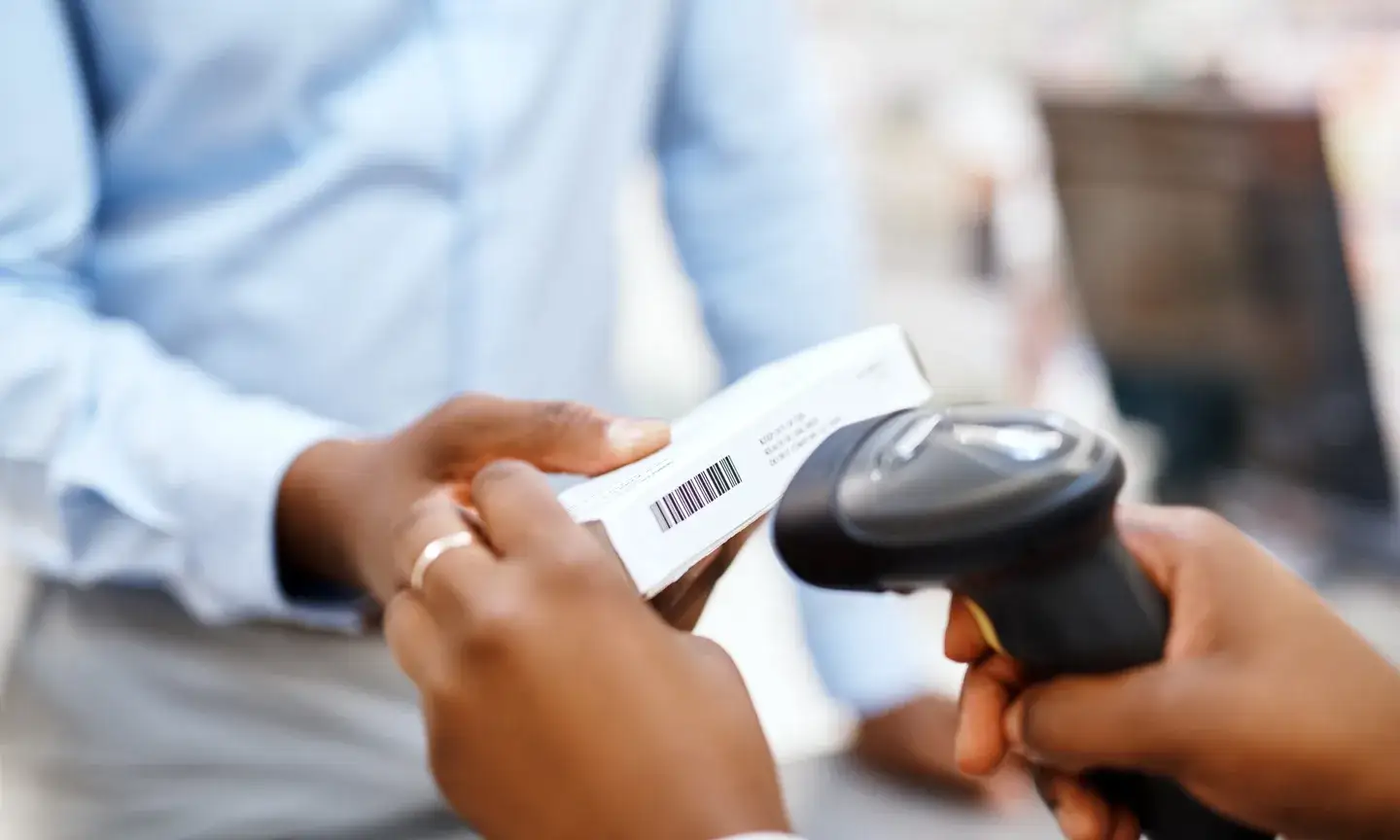
In 1970, the National Association of Food Chains formed a committee to study whether automatic product identification could work in grocery stores. This step was important because a barcode system needed wide support. One store using one system would not be enough to transform retail.
Via Nerd Wallet
The IBM team finished an early UPC version in 1971 and submitted its design when the committee asked for proposals in 1972. Several groups competed, including supporters of the older bull’s-eye code. The committee needed a system that could be printed easily, scanned quickly, and used across many products.
IBM continued improving the design while the committee reviewed options. The final UPC format became the industry standard because it solved the key problems better than the other choices. Once the design was selected, supermarkets finally had a shared code that manufacturers, stores, and technology companies could all support.
Via Win Buzzer
The First Grocery Scan Became A Historic Moment
The first official UPC scan happened at a Marsh supermarket in Troy, Ohio, on June 26, 1974. The item was a pack of Wrigley’s Juicy Fruit chewing gum. It was not an expensive product, but that small sale became a symbol of a new age in shopping and product tracking. The first scan proved that a printed code could connect a product to a computer system at checkout. Instead of typing the price manually, the cashier could scan the item and let the system identify it. This helped reduce errors and made the checkout process faster.Via Progressive Grocer
That small gum package later became famous because it marked the beginning of everyday barcode use. The moment showed that retail technology could move from theory into real life. After that scan, the barcode slowly spread into more supermarkets, more products, and more industries across the world.
Early Barcode Rollout Faced Strong Pushback
The barcode did not become popular overnight. Stores had to buy scanners, computers, software, and support systems. This required money and training. Some workers also feared that faster checkout technology could reduce jobs or change the role of cashiers inside supermarkets.Via Logimax
Consumer groups also raised concerns about removing individual price stickers from products. Many shoppers were used to seeing prices directly on each item. Some worried that barcode systems would make it harder to compare prices or catch mistakes at checkout.
Several states passed rules that limited how stores could use scanners without keeping price labels on items. These concerns slowed adoption for a time. The technology had to prove that it could help customers, not just businesses. Over time, better receipts, clearer shelf pricing, and faster service helped reduce public resistance.
Via Medium
How Barcodes Changed Stores And Supply Chains
Barcodes gave stores a much better way to understand sales. Each scan showed which product was sold, when it was sold, and how often customers bought it. This helped managers restock shelves faster and make better decisions about ordering products. Manufacturers also gained useful information from barcode systems. They could track demand, improve shipping, and understand which products performed well in different locations. Warehouses used barcodes to count products more accurately and move goods with less confusion.Via KRUZ SCRIBOS
Large superstores became easier to manage because barcodes allowed thousands of items to be tracked in organized systems. Without barcodes, modern retail would be slower and more difficult. The barcode helped connect checkout counters, stockrooms, delivery trucks, warehouses, and sales reports into one smooth chain.
Why Barcodes Spread Beyond Supermarkets
Barcodes soon moved far beyond grocery stores because many industries had the same need for accurate tracking. Hospitals used them to manage medicine, patient records, equipment, and lab samples. Libraries used them to check books in and out with fewer errors.
Via The Takeout
Factories used barcodes to follow parts through production lines. Shipping companies used them to track packages from one location to another. Airlines, warehouses, pharmacies, and government offices also found that barcodes could make daily work faster and more reliable.
The barcode became powerful because it was simple. It did not need to be fancy to be useful. A small printed code could hold product information, connect to a database, and help people find answers quickly. This made barcodes one of the most common tools in modern life.
Via Kids News
The Barcode’s Lasting Impact On Everyday Life
The barcode changed shopping by making checkout faster, inventory smarter, and pricing systems easier to manage. It also changed how businesses collect information. Each scan became a tiny data point that helped stores understand buying patterns and product movement. This invention also helped reduce waste and improve planning. Stores could order the right amount of goods more often, which helped prevent empty shelves and overstocked products. Customers benefited from faster service, better product availability, and more organized shopping spaces.
Via Global Brands Magazine
The barcode’s success came from teamwork, timing, and practical design. Early ideas opened the door, IBM’s team improved the technology, and the grocery industry agreed on a shared standard. A simple code made of lines became one of the most useful inventions in modern business, proving that small ideas can create global change.