Unassigned
Hidden Secrets Behind Raphael’s Unicorn Portrait
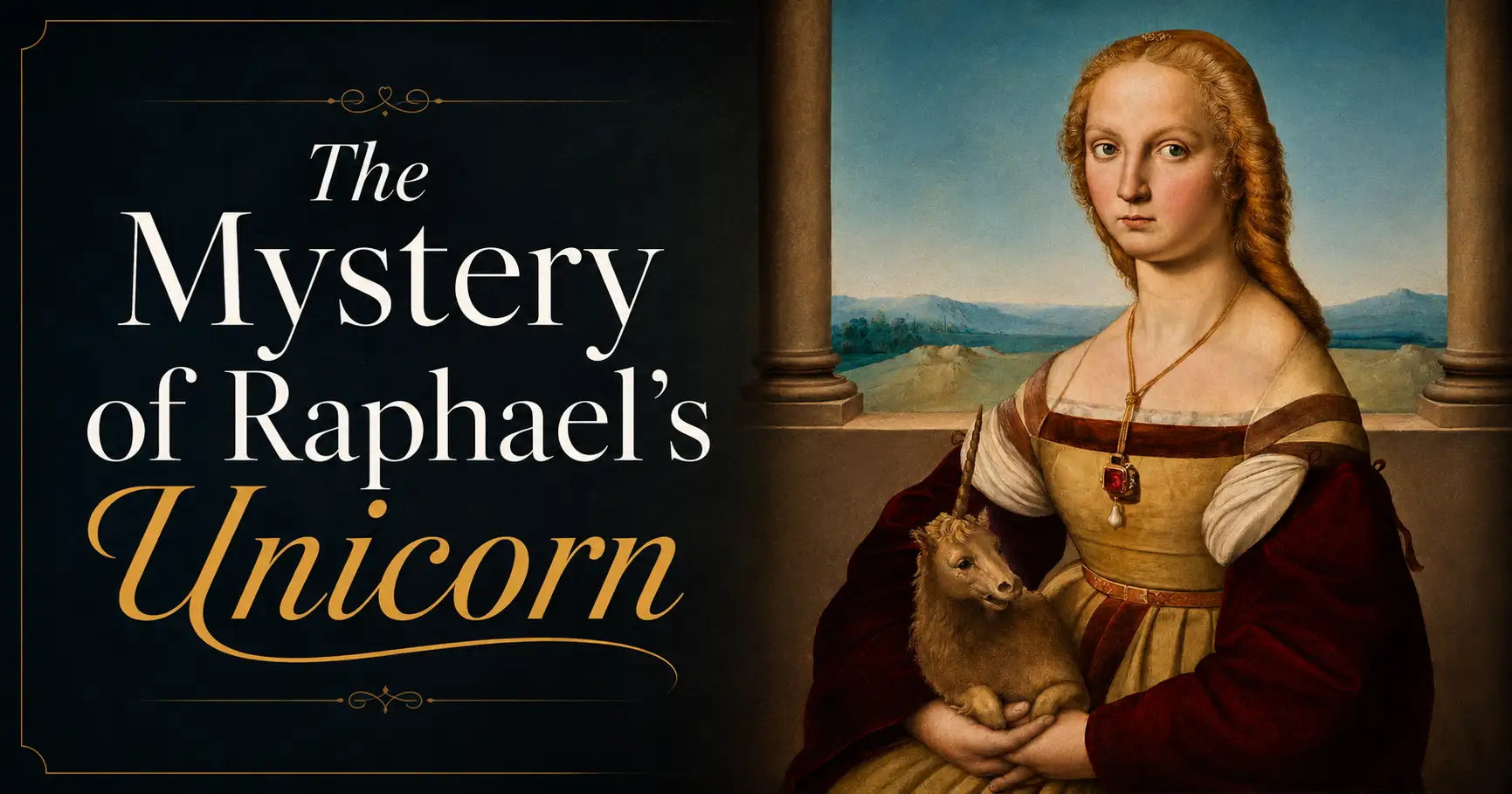
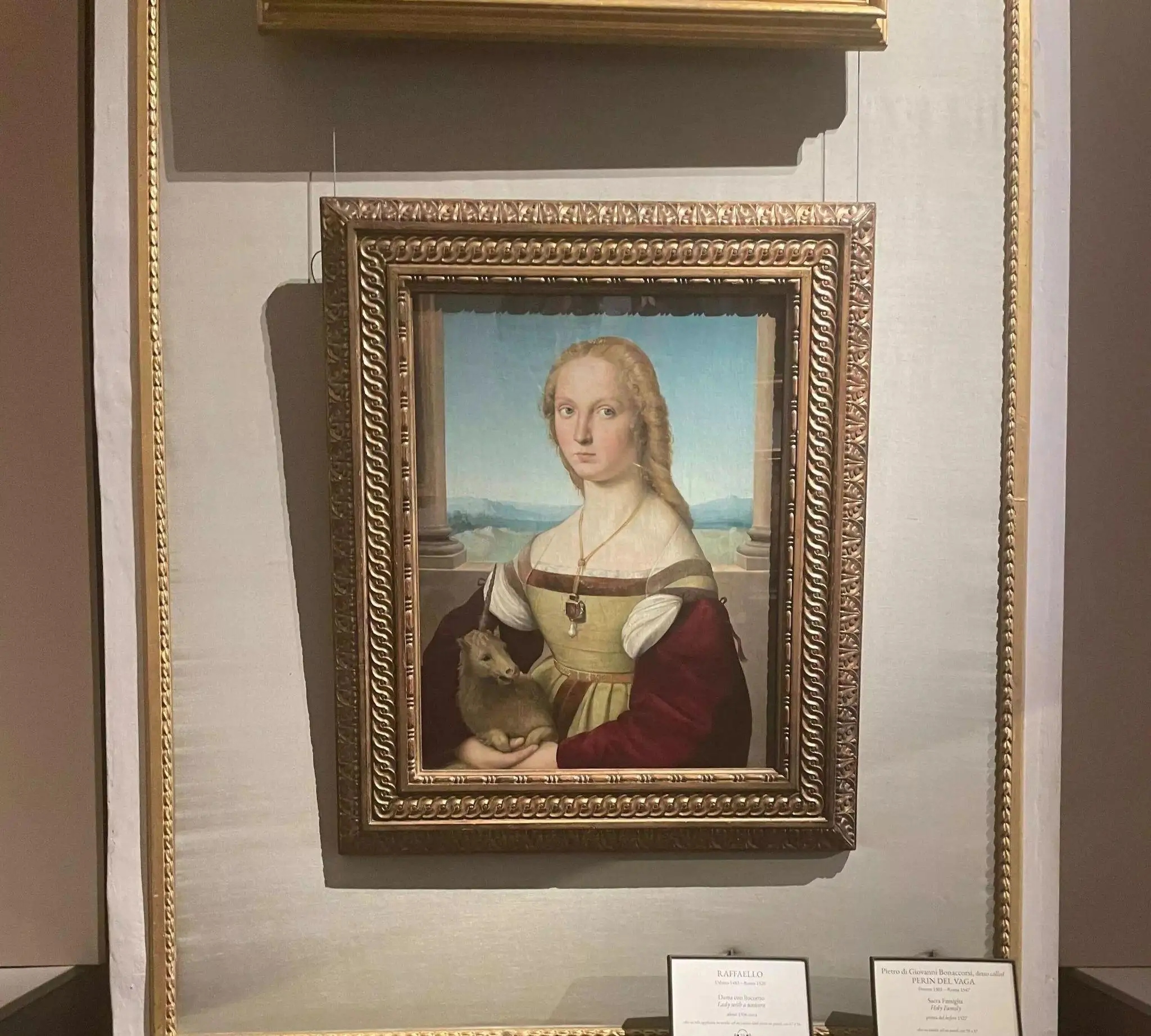
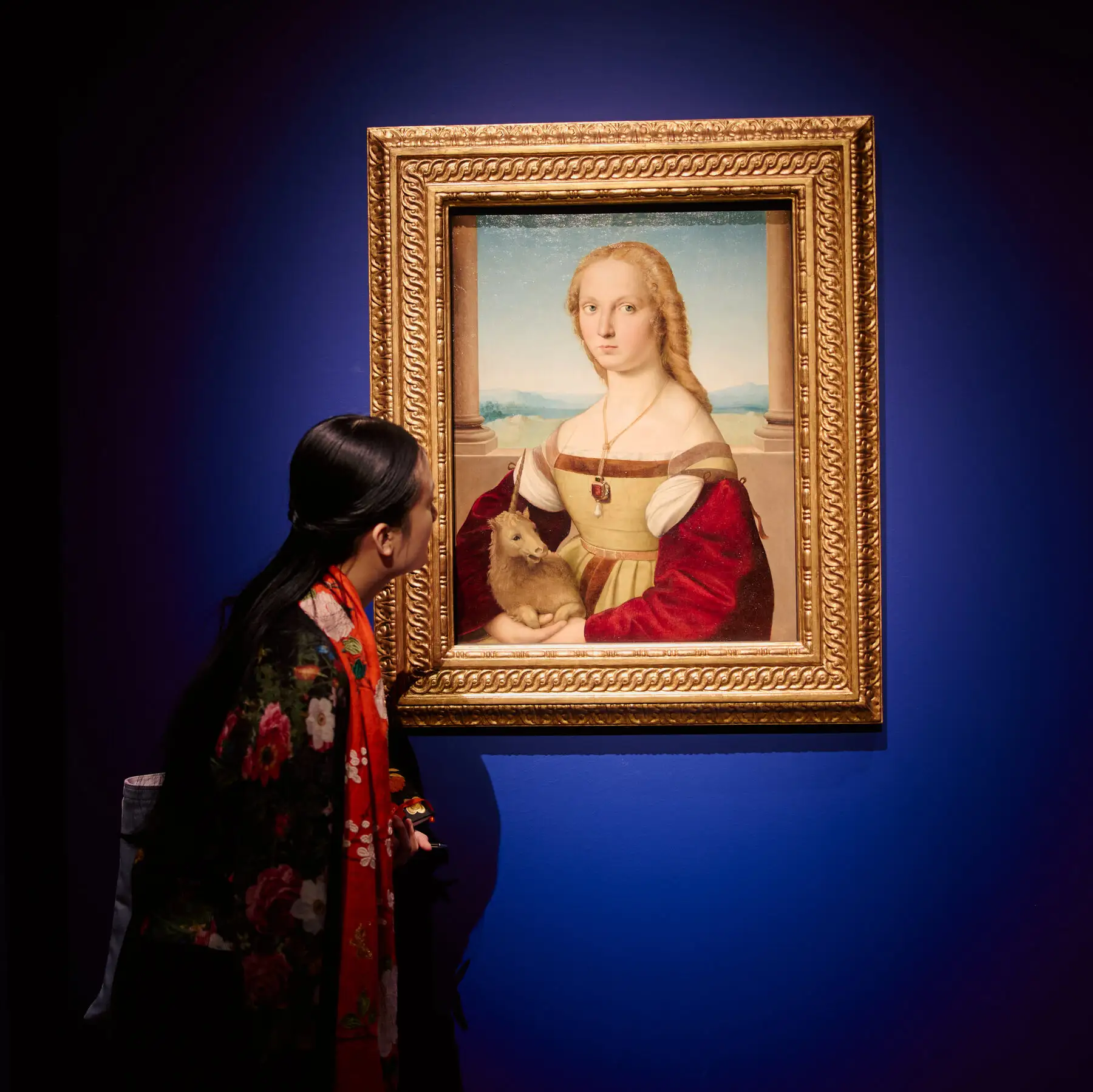
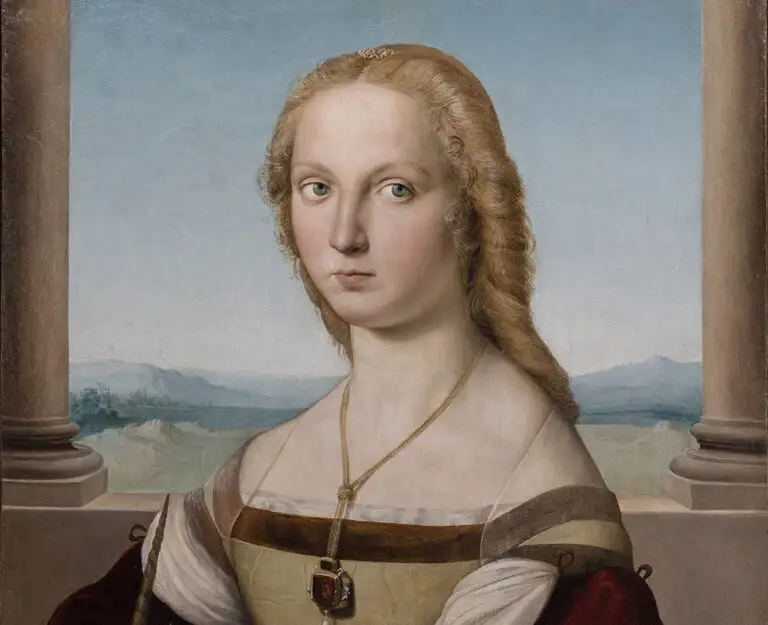
Raphael’s Portrait of a Young Woman with a Unicorn stands as one of the most fascinating works of the Renaissance era, painted between 1505 and 1506. At first glance, the painting appears calm and composed, showing a young woman seated gracefully against a soft landscape.
Her posture, expression, and surroundings reflect the influence of Leonardo da Vinci, especially the famous Mona Lisa. Yet beneath this peaceful surface lies a far more complex story shaped by time, interpretation, and hidden artistic layers. The identity of the young woman remains unknown, which adds to the mystery that surrounds the artwork. Historians have suggested possible names, including members of noble families, but no definitive answer has been proven.
 Via FABecho Studio
Instead of focusing on her true identity, the painting transforms her into a symbol. She represents ideals that were valued during the Renaissance, especially purity, beauty, and virtue, which were often defined and controlled by society’s expectations.
Over the centuries, the painting has undergone several changes, each altering its meaning and message. These transformations were not random but reflected shifting beliefs about women and their roles. What began as a portrait possibly celebrating marriage or purity gradually evolved into something very different, making the painting a powerful example of how art can be reshaped to fit changing cultural values.
 Via Voice Map
 Via Artistic Designers
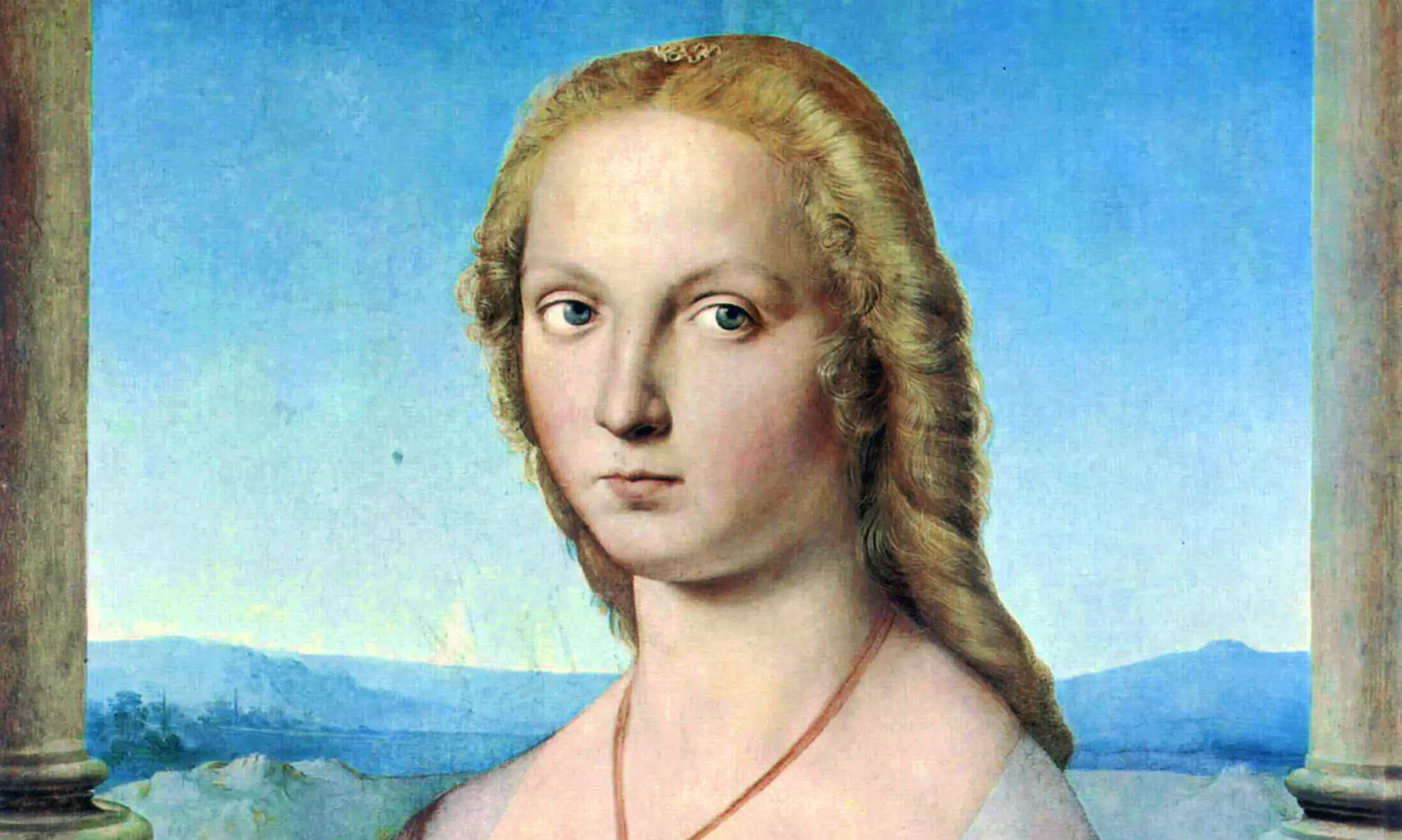
Raphael, on the other hand, chose clarity and sharpness. The lines are cleaner, the colors brighter, and the subject appears more defined. This shift creates a sense of calm certainty rather than mystery, giving the painting a cooler and more controlled appearance.
The expression of the young woman also sets the painting apart. Her gaze feels distant and reserved, lacking the warmth or curiosity seen in Leonardo’s work. This difference may reflect Raphael’s intention to present an idealized figure rather than an emotionally complex individual. The painting becomes less about personality and more about presenting a standard of beauty and virtue admired during the Renaissance.
 Via Russell Collection
 Via Italian Art School
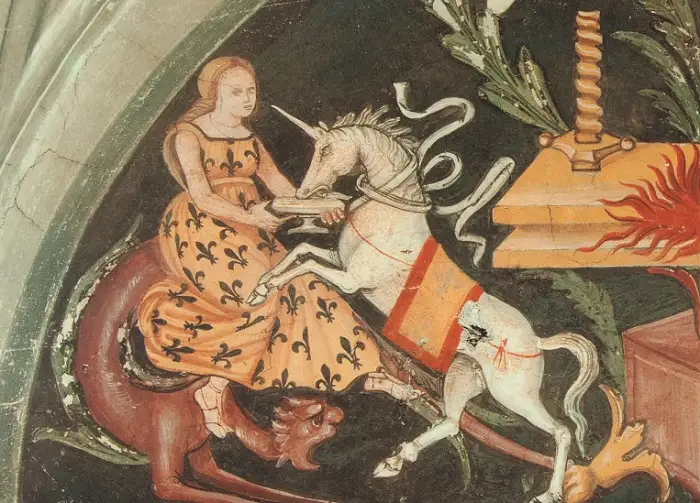
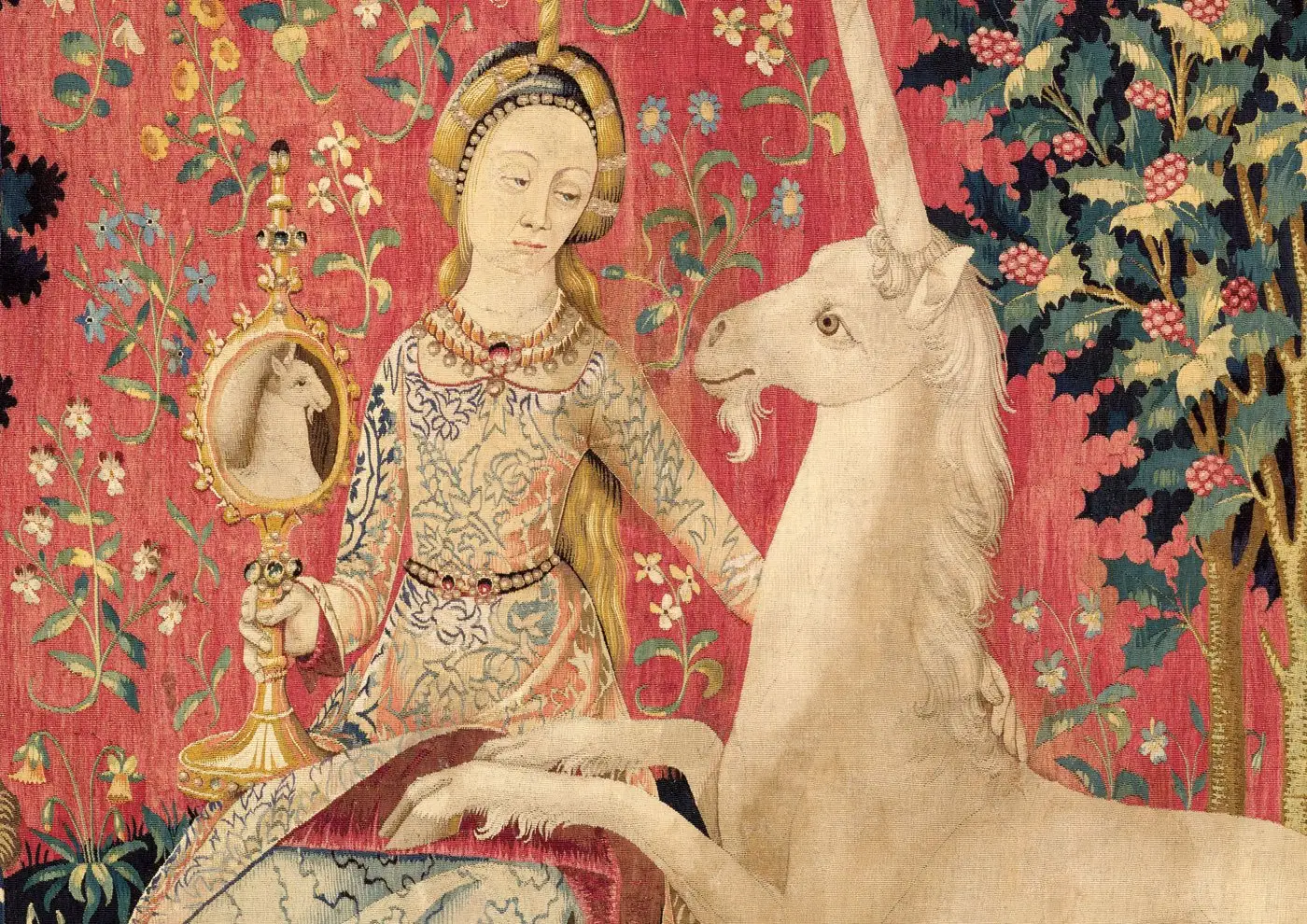
The presence of the unicorn would highlight the bride’s virtue and suitability for marriage, making it both a personal and social statement. It reflects the expectations placed on women to embody purity and moral strength. The unicorn also connects the painting to other artworks of the time. Similar themes appeared in tapestries and drawings, where the unicorn symbolized innocence and spiritual beauty.
Raphael’s use of this motif places his work within a broader artistic tradition while also giving it a unique identity. The delicate way the woman holds the creature adds a sense of harmony, reinforcing the idea of controlled strength and gentle purity.
 Via Art Gallery Of NSW
 Via The New York Times
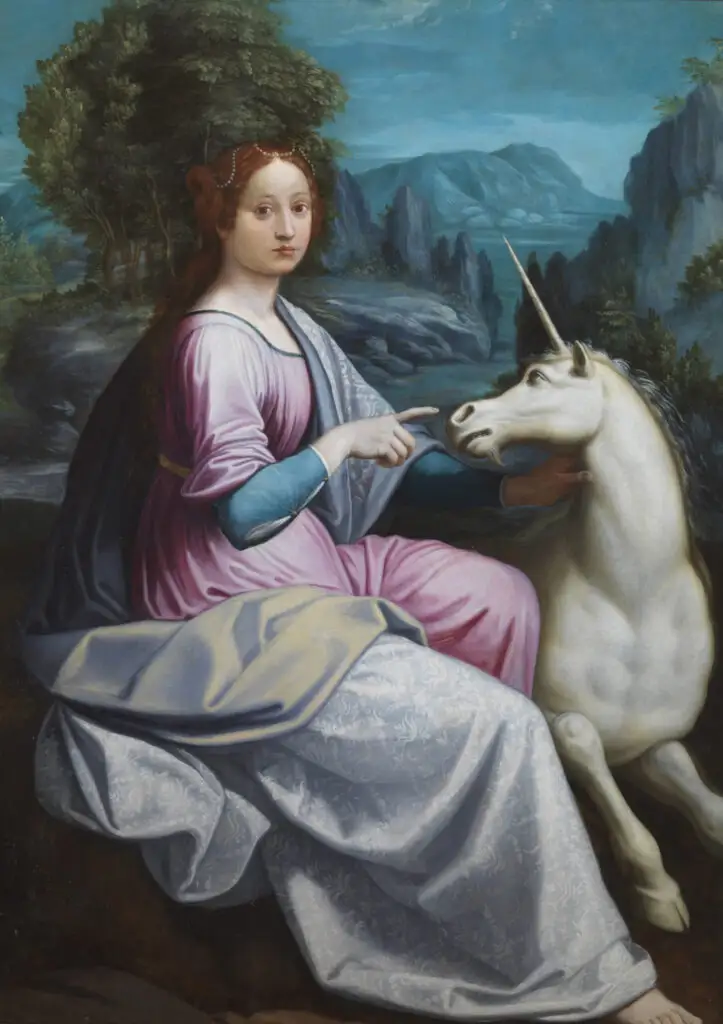
The focus moved away from themes of marriage and purity toward faith and sacrifice. The young woman was no longer presented as a bride but as a symbol of devotion and spiritual strength. This transformation reflects the changing priorities of society at the time, where religious themes often took precedence over personal or worldly subjects.
The modification also included changes to the woman’s appearance. A heavy cloak was added to cover her body, reducing any sense of physical beauty or individuality. This adjustment further emphasized the idea of modesty and religious virtue. For more than two centuries, viewers saw the painting in this altered form, unaware of its original meaning and the hidden layers beneath the surface.
 Via Daily Art Magazine
 Via Daily Art Magazine
These discoveries highlight the complexity of the painting and the many changes it has undergone. Each layer tells a different story, reflecting the evolving ideas of those who altered or interpreted the work. The use of modern technology allowed historians to uncover these hidden elements, transforming the painting into a fascinating puzzle that continues to inspire curiosity and debate.
 Via Smarthistory
These changes were not accidental but influenced by societal values, often defined by male artists and patrons. The painting became a canvas for projecting ideals rather than expressing the individuality of the woman portrayed. Her identity was repeatedly reshaped to fit the beliefs and priorities of different eras, demonstrating how art can be used to control and redefine meaning.
The evolution of the painting also raises questions about authenticity and interpretation. Which version represents the true intention of the artist? Is it the original portrait, the altered religious image, or the restored version seen today? Each stage offers a different perspective, making the painting a layered narrative rather than a single, fixed story.
 Via BBC
 Via BBC
Visitors who view the painting today see more than just a portrait. They encounter a story of transformation, identity, and hidden truth. The young woman, once defined by symbols imposed upon her, now represents a broader exploration of how images are shaped and reshaped across time.
 Via Borghese Gallery
The painting also highlights the importance of questioning what is seen on the surface. Just as technology revealed the hidden elements beneath Raphael’s work, a deeper understanding often requires looking beyond appearances. This lesson applies not only to art but also to everyday life, where perceptions can be shaped by incomplete or altered information.
 Via Daily Art
Raphael’s masterpiece stands as a reminder that art is never static. It evolves, adapts, and reflects the values of those who engage with it. The portrait’s enduring mystery and layered history ensure its place as one of the most captivating works in art history, inviting viewers to explore its secrets and reconsider what they think they know.
More in Unassigned
Via FABecho Studio
Instead of focusing on her true identity, the painting transforms her into a symbol. She represents ideals that were valued during the Renaissance, especially purity, beauty, and virtue, which were often defined and controlled by society’s expectations.
Over the centuries, the painting has undergone several changes, each altering its meaning and message. These transformations were not random but reflected shifting beliefs about women and their roles. What began as a portrait possibly celebrating marriage or purity gradually evolved into something very different, making the painting a powerful example of how art can be reshaped to fit changing cultural values.
Via Voice Map
Influence of the Mona Lisa and Renaissance Style
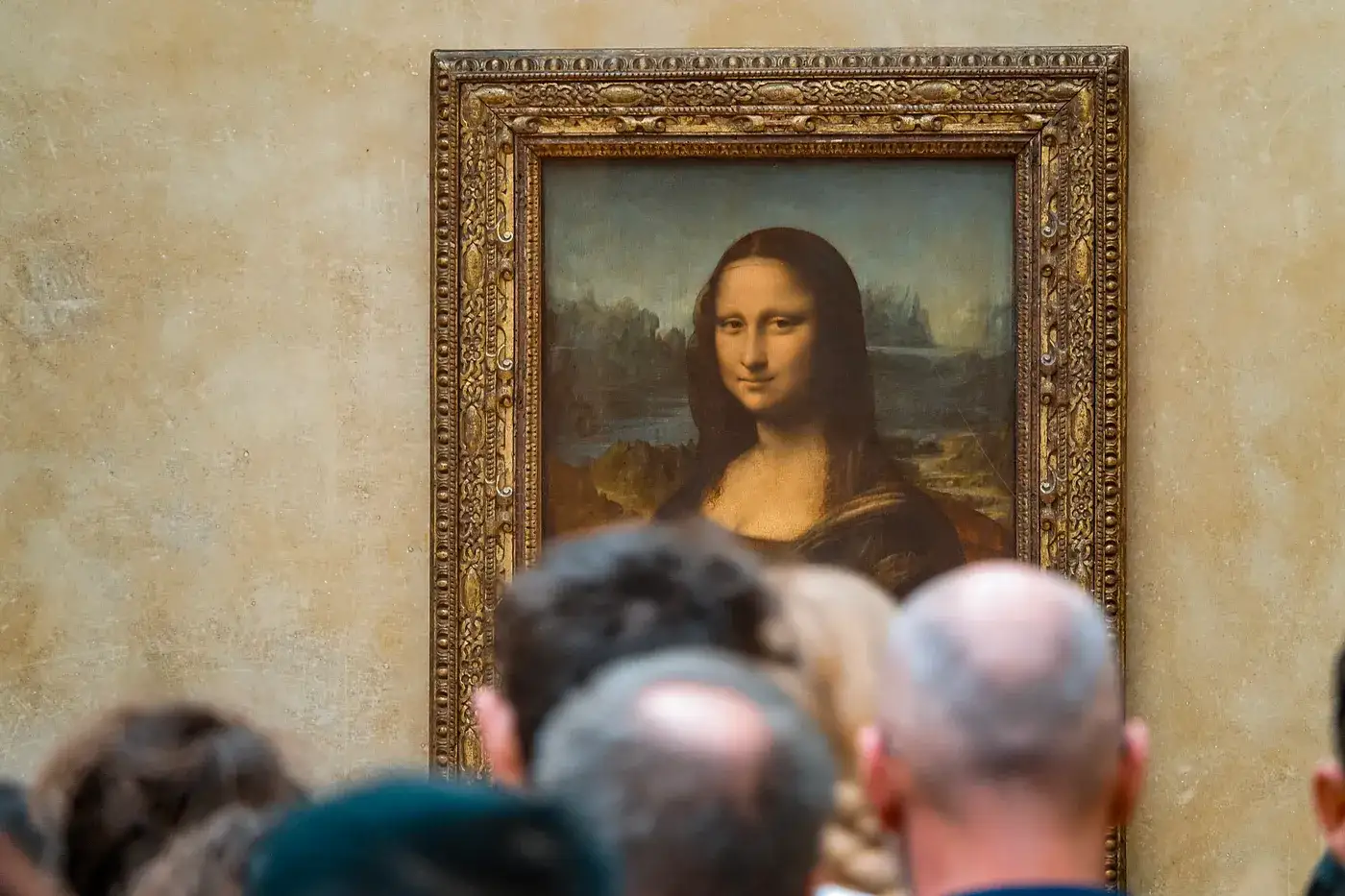
Raphael was deeply inspired by Leonardo da Vinci, and this influence is clear in the composition of the portrait. The young woman is shown in a three-quarter pose, with her hands gently folded, placed in front of a distant landscape. This setup closely mirrors the structure seen in the Mona Lisa, which was already gaining attention during Raphael’s time. Such similarities show how artists learned from one another and adapted ideas to create their own style. Despite the shared composition, Raphael’s approach feels very different. Leonardo’s Mona Lisa is known for its soft transitions, smoky atmosphere, and mysterious expression.Via Artistic Designers
Raphael, on the other hand, chose clarity and sharpness. The lines are cleaner, the colors brighter, and the subject appears more defined. This shift creates a sense of calm certainty rather than mystery, giving the painting a cooler and more controlled appearance.
The expression of the young woman also sets the painting apart. Her gaze feels distant and reserved, lacking the warmth or curiosity seen in Leonardo’s work. This difference may reflect Raphael’s intention to present an idealized figure rather than an emotionally complex individual. The painting becomes less about personality and more about presenting a standard of beauty and virtue admired during the Renaissance.
Via Russell Collection
The Symbolism of the Unicorn in Art
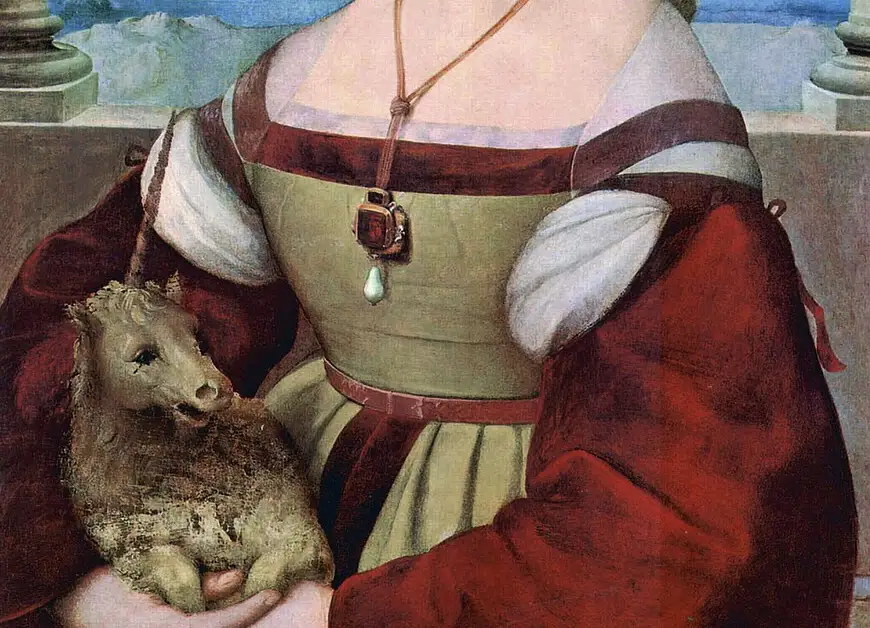
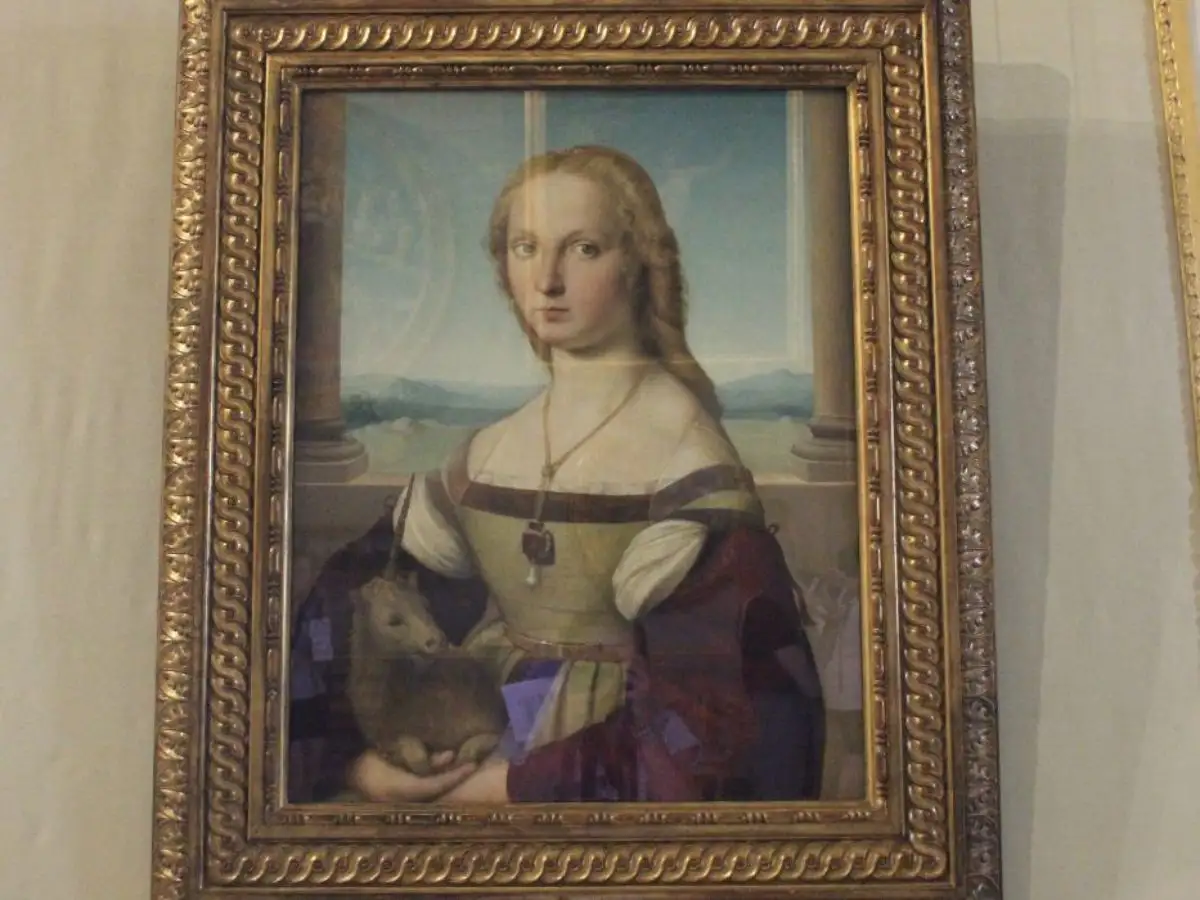
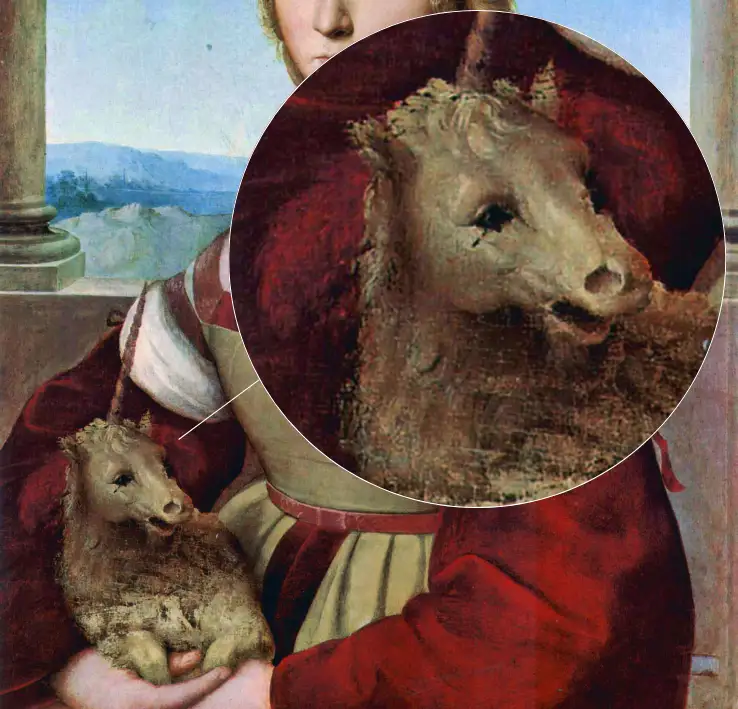
The small unicorn resting in the woman’s arms is one of the most important elements of the painting. In Renaissance art, the unicorn was not just a mythical creature but a powerful symbol. It was closely linked to purity and chastity, based on the belief that only a virgin could tame such a wild animal. By including the unicorn, Raphael added a deeper meaning that viewers of his time would have immediately understood. This symbolism suggests that the painting may have been created as a marriage portrait. During the Renaissance, portraits were often commissioned to celebrate engagements or unions between noble families.
Via Italian Art School
The presence of the unicorn would highlight the bride’s virtue and suitability for marriage, making it both a personal and social statement. It reflects the expectations placed on women to embody purity and moral strength. The unicorn also connects the painting to other artworks of the time. Similar themes appeared in tapestries and drawings, where the unicorn symbolized innocence and spiritual beauty.
Raphael’s use of this motif places his work within a broader artistic tradition while also giving it a unique identity. The delicate way the woman holds the creature adds a sense of harmony, reinforcing the idea of controlled strength and gentle purity.
Via Art Gallery Of NSW
Transformation into a Religious Icon
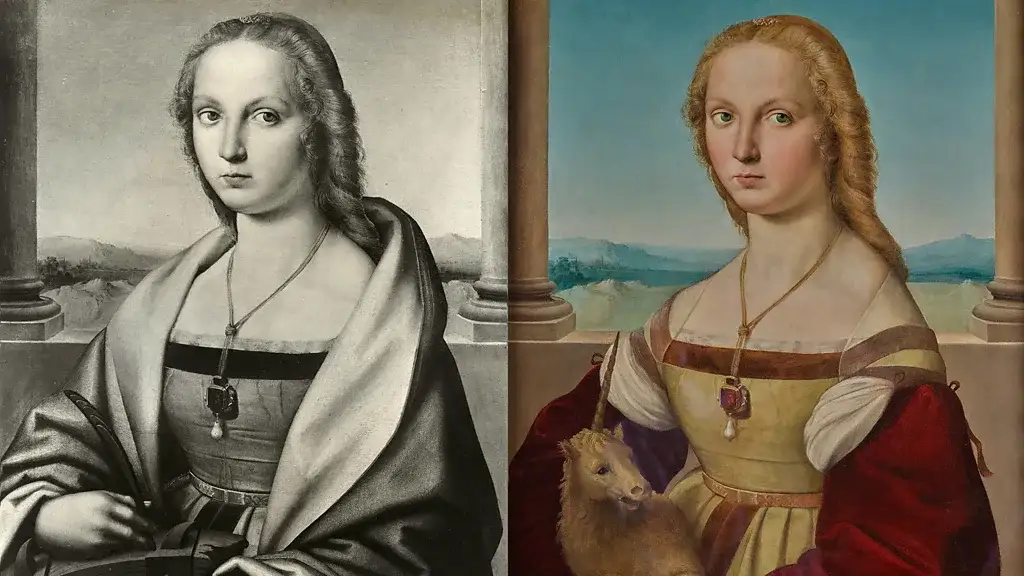
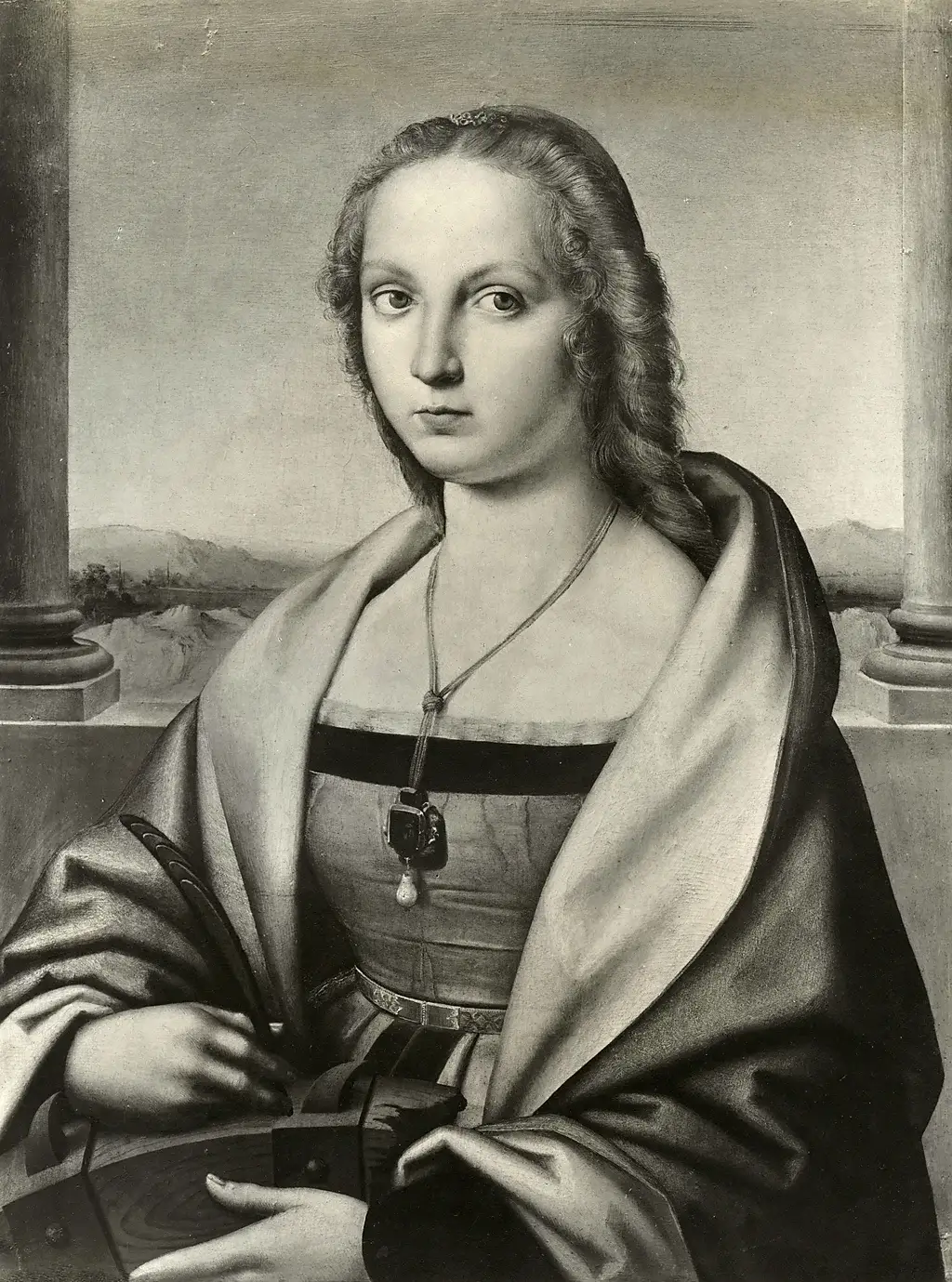
During the late 17th century, the painting underwent a dramatic transformation that changed its entire meaning. An unknown artist altered the original image, turning the young woman into Saint Catherine of Alexandria, a Christian martyr. This change involved covering the unicorn and adding new elements associated with the saint’s story, including a spiked wheel, which symbolized her attempted execution. This alteration shifted the painting from a secular portrait to a religious icon.Via The New York Times
The focus moved away from themes of marriage and purity toward faith and sacrifice. The young woman was no longer presented as a bride but as a symbol of devotion and spiritual strength. This transformation reflects the changing priorities of society at the time, where religious themes often took precedence over personal or worldly subjects.
The modification also included changes to the woman’s appearance. A heavy cloak was added to cover her body, reducing any sense of physical beauty or individuality. This adjustment further emphasized the idea of modesty and religious virtue. For more than two centuries, viewers saw the painting in this altered form, unaware of its original meaning and the hidden layers beneath the surface.
Via Daily Art Magazine
Rediscovery Through Modern Technology
The true nature of the painting began to emerge in the 20th century, thanks to advancements in technology. In the 1930s, X-ray analysis revealed the presence of the hidden unicorn beneath layers of paint. This discovery marked a turning point in understanding the artwork, leading to restoration efforts that aimed to return it to its original state. Further analysis in the 1950s uncovered even more surprising details. Beneath the unicorn, researchers believed they found evidence of an earlier image, possibly a small lapdog. In Renaissance art, lapdogs were commonly used as symbols of loyalty and marital fidelity. This finding suggested that Raphael may have initially intended a different message before replacing the dog with the unicorn.
Via Daily Art Magazine
These discoveries highlight the complexity of the painting and the many changes it has undergone. Each layer tells a different story, reflecting the evolving ideas of those who altered or interpreted the work. The use of modern technology allowed historians to uncover these hidden elements, transforming the painting into a fascinating puzzle that continues to inspire curiosity and debate.
Changing Ideals of Femininity in Art
The painting serves as a powerful reflection of how ideals of femininity have changed over time. Initially, the young woman represented purity and readiness for marriage, as symbolized by the unicorn. Later, she was transformed into a religious figure, embodying devotion and sacrifice. Each version of the painting imposed a different expectation on the subject, shaping how viewers perceived her role and identity.Via Smarthistory
These changes were not accidental but influenced by societal values, often defined by male artists and patrons. The painting became a canvas for projecting ideals rather than expressing the individuality of the woman portrayed. Her identity was repeatedly reshaped to fit the beliefs and priorities of different eras, demonstrating how art can be used to control and redefine meaning.
The evolution of the painting also raises questions about authenticity and interpretation. Which version represents the true intention of the artist? Is it the original portrait, the altered religious image, or the restored version seen today? Each stage offers a different perspective, making the painting a layered narrative rather than a single, fixed story.
Via BBC
A Masterpiece of Hidden Meanings
Today, Portrait of a Young Woman with a Unicorn is celebrated not only for its beauty but also for its complexity. It is a rare example of a painting that has been physically and symbolically transformed over time. The hidden layers, revealed through careful study, add depth and intrigue, making it one of the most discussed works of Renaissance art. The painting’s journey from a marriage portrait to a religious icon and back again reflects the dynamic nature of art. It shows how meaning can shift depending on context, interpretation, and cultural influence. This ability to adapt and evolve is part of what makes the artwork so enduring and relevant even centuries after its creation.Via BBC
Visitors who view the painting today see more than just a portrait. They encounter a story of transformation, identity, and hidden truth. The young woman, once defined by symbols imposed upon her, now represents a broader exploration of how images are shaped and reshaped across time.
Lasting Relevance in the Modern World
The themes explored in the painting continue to resonate in the modern world. Issues of identity, representation, and societal expectations remain relevant, especially in an age where images are constantly edited and shared. The idea of hidden layers and altered appearances mirrors the way people present themselves today, often balancing authenticity with carefully crafted personas.Via Borghese Gallery
The painting also highlights the importance of questioning what is seen on the surface. Just as technology revealed the hidden elements beneath Raphael’s work, a deeper understanding often requires looking beyond appearances. This lesson applies not only to art but also to everyday life, where perceptions can be shaped by incomplete or altered information.
Via Daily Art
Raphael’s masterpiece stands as a reminder that art is never static. It evolves, adapts, and reflects the values of those who engage with it. The portrait’s enduring mystery and layered history ensure its place as one of the most captivating works in art history, inviting viewers to explore its secrets and reconsider what they think they know.