Unassigned
Growing Mars Shadow Leaves Scientists Searching for Answers
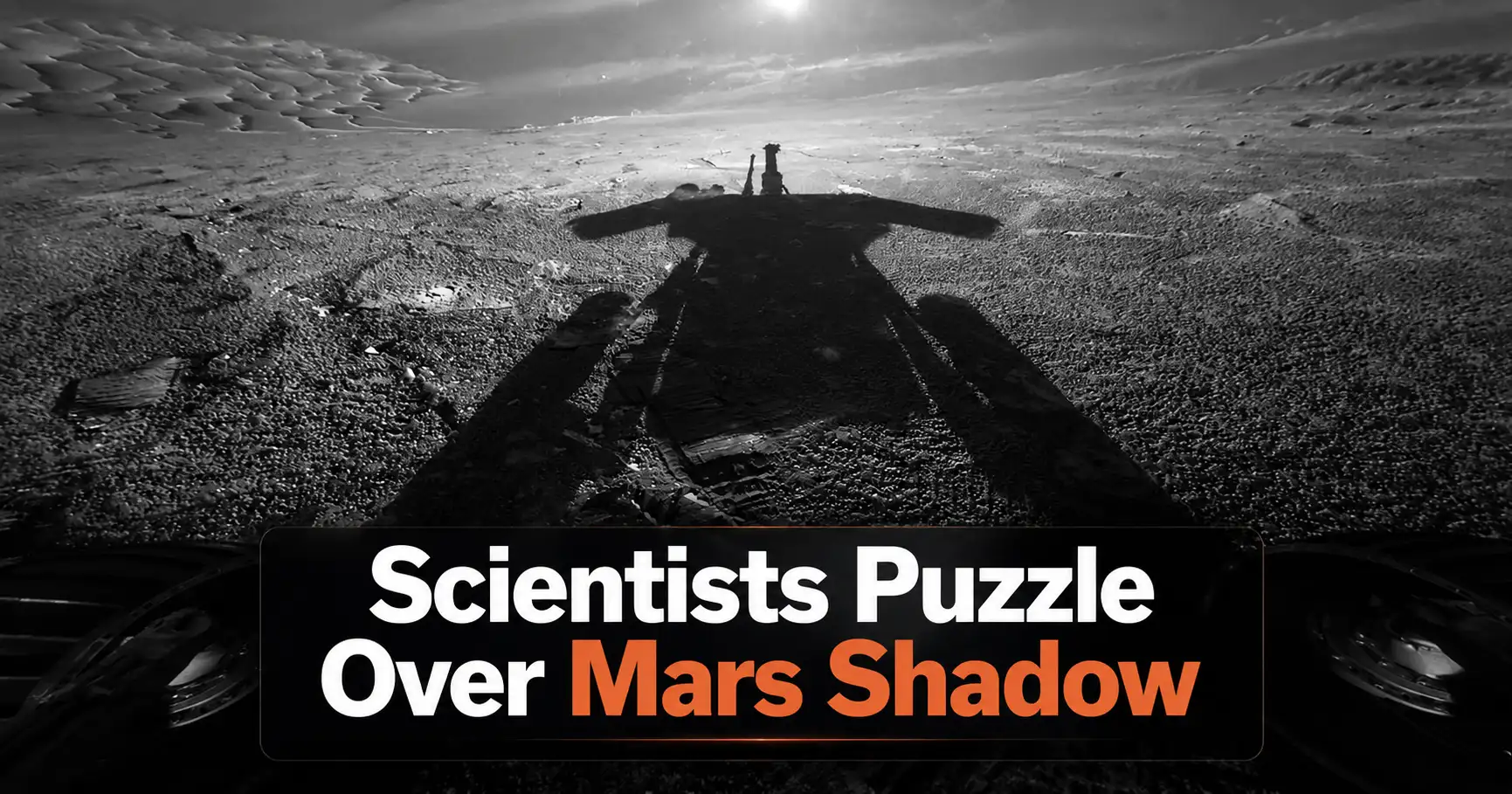
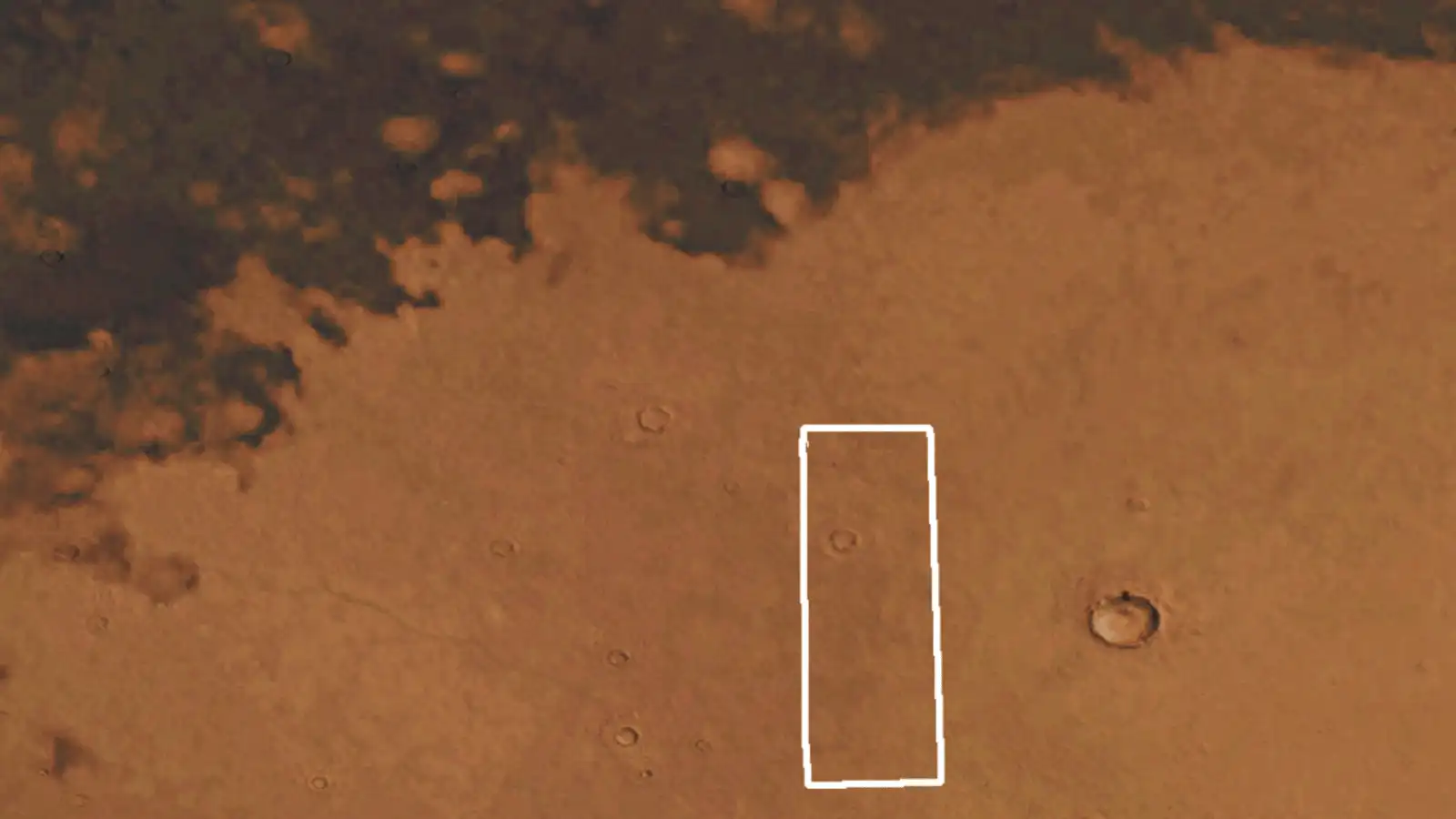
A strange dark feature has been slowly spreading across Mars for nearly 50 years. This unusual patch, often described as a “shadow,” has drawn attention from scientists who continue to study its steady growth. The feature sits within a massive region known as Utopia Planitia, one of the largest plains on the Red Planet. Its movement over time raises important questions about the surface processes shaping Mars today.
The dark patch is not a true shadow but a surface area covered in volcanic materials. These materials include ash and minerals like olivine and pyroxene, formed during ancient eruptions millions of years ago. Mars was once more geologically active, and this feature is a reminder of that dynamic past. Over time, the patch has become more visible as it spreads across lighter-colored terrain.
 Via Live Science
Early images captured in the 1970s revealed the presence of this feature. Since then, newer images show that it has expanded significantly. The steady growth has surprised researchers, as Mars is often considered a mostly inactive planet. This unexpected change suggests that surface activity may still be ongoing in subtle ways.
 Via Space Ref
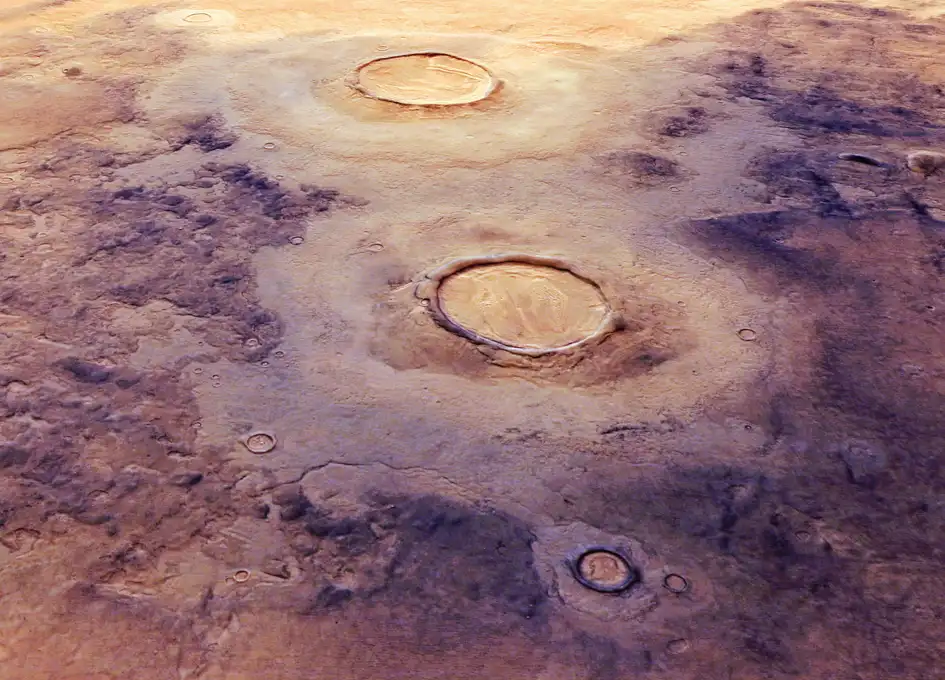
This region gained attention when early space missions landed there. The Viking 2 lander arrived in 1976 and conducted experiments aimed at detecting signs of life. These experiments marked one of the first attempts to understand whether Mars could support living organisms.
While no clear evidence of life was found, the mission provided valuable data about the planet’s surface and environment. Its size and smooth terrain make it ideal for studying large-scale changes like the expanding dark patch.
 Via NASA Jet
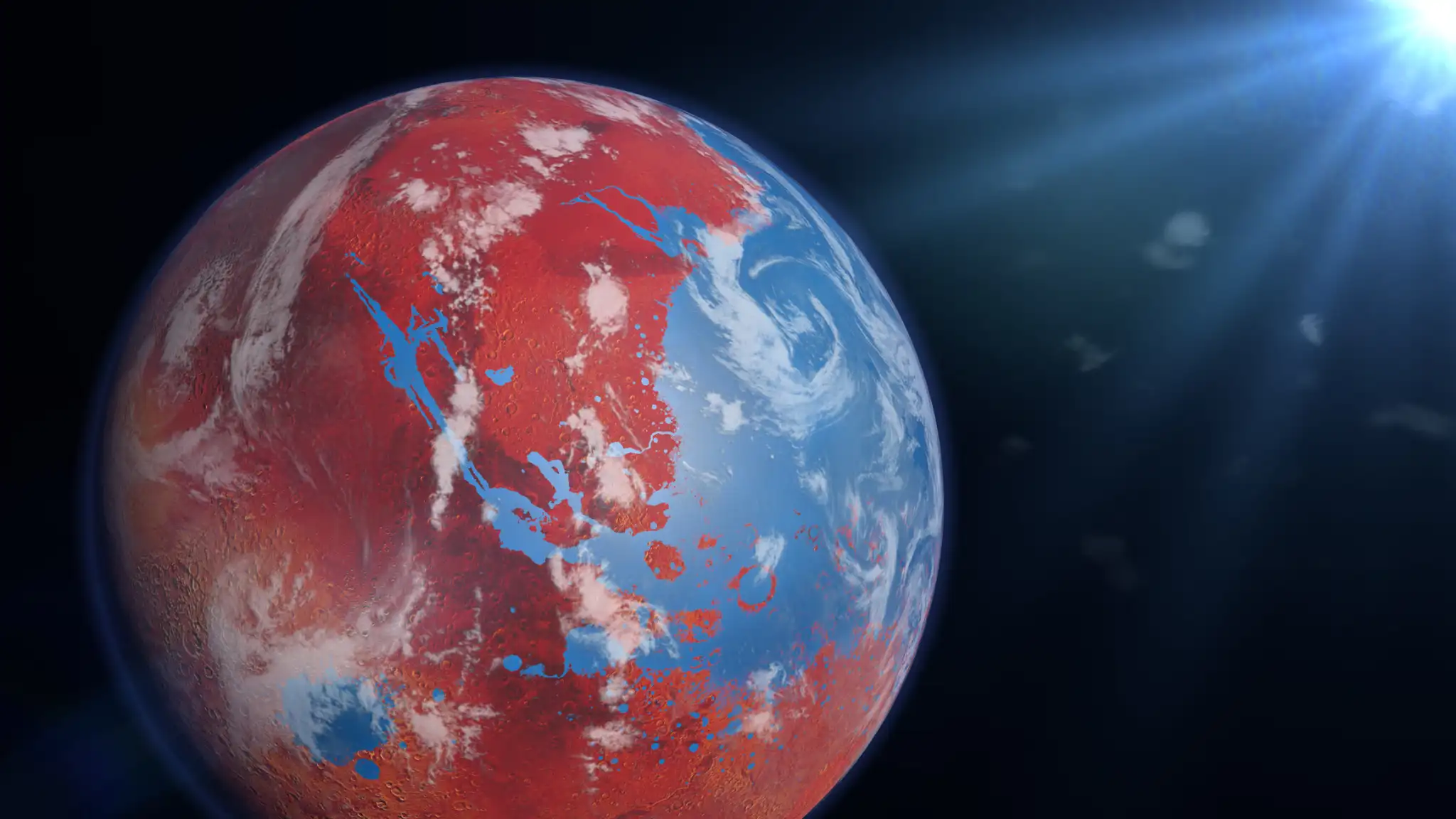
Recent missions have continued to explore Utopia Planitia. Data from newer rovers has revealed signs that the region may once have been covered by a large ocean. Scientists have even identified possible ancient shorelines. These discoveries suggest that Mars once had a much wetter climate, making the region even more important for ongoing research.
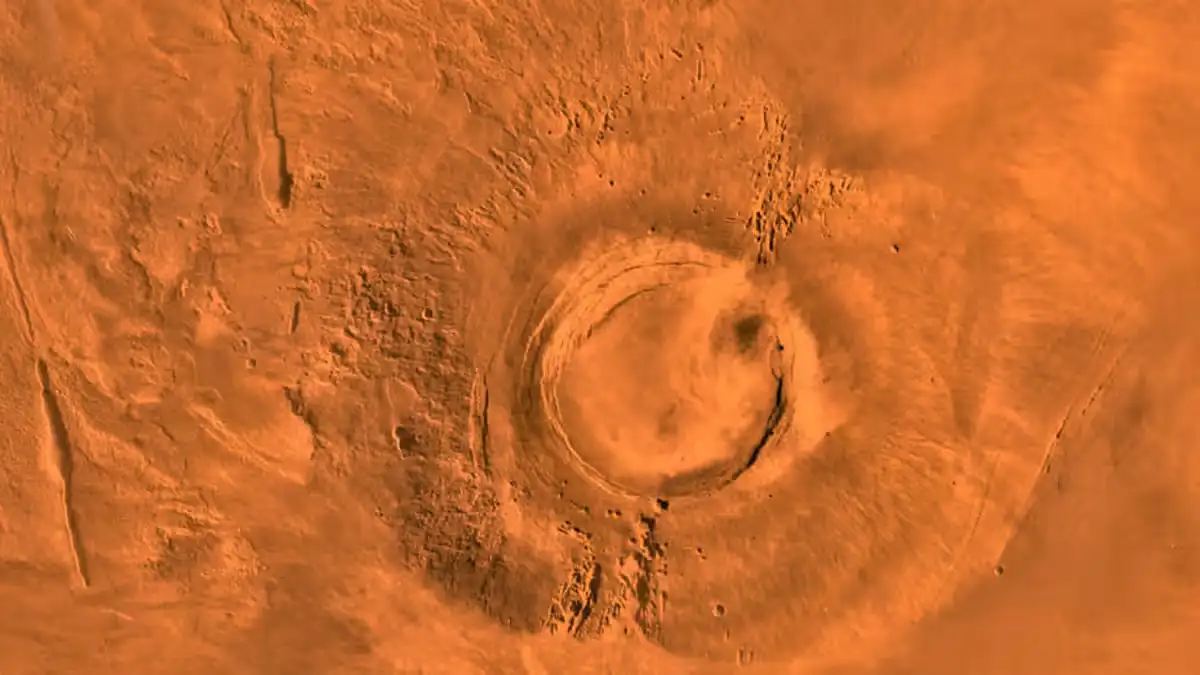 Via the European Space Agency
Scientists estimate that the patch has expanded by several kilometers each year. This gradual movement points to environmental processes rather than sudden events. The change is not random but follows patterns influenced by the Martian landscape. The southern edge of the patch, in particular, shows noticeable movement over time.
Comparisons between older and newer images provide clear evidence of this growth. Spacecraft orbiting Mars have captured high-resolution photos that allow detailed analysis. These images help researchers understand how the patch interacts with its surroundings. The consistent expansion suggests that forces on Mars are actively reshaping the surface.
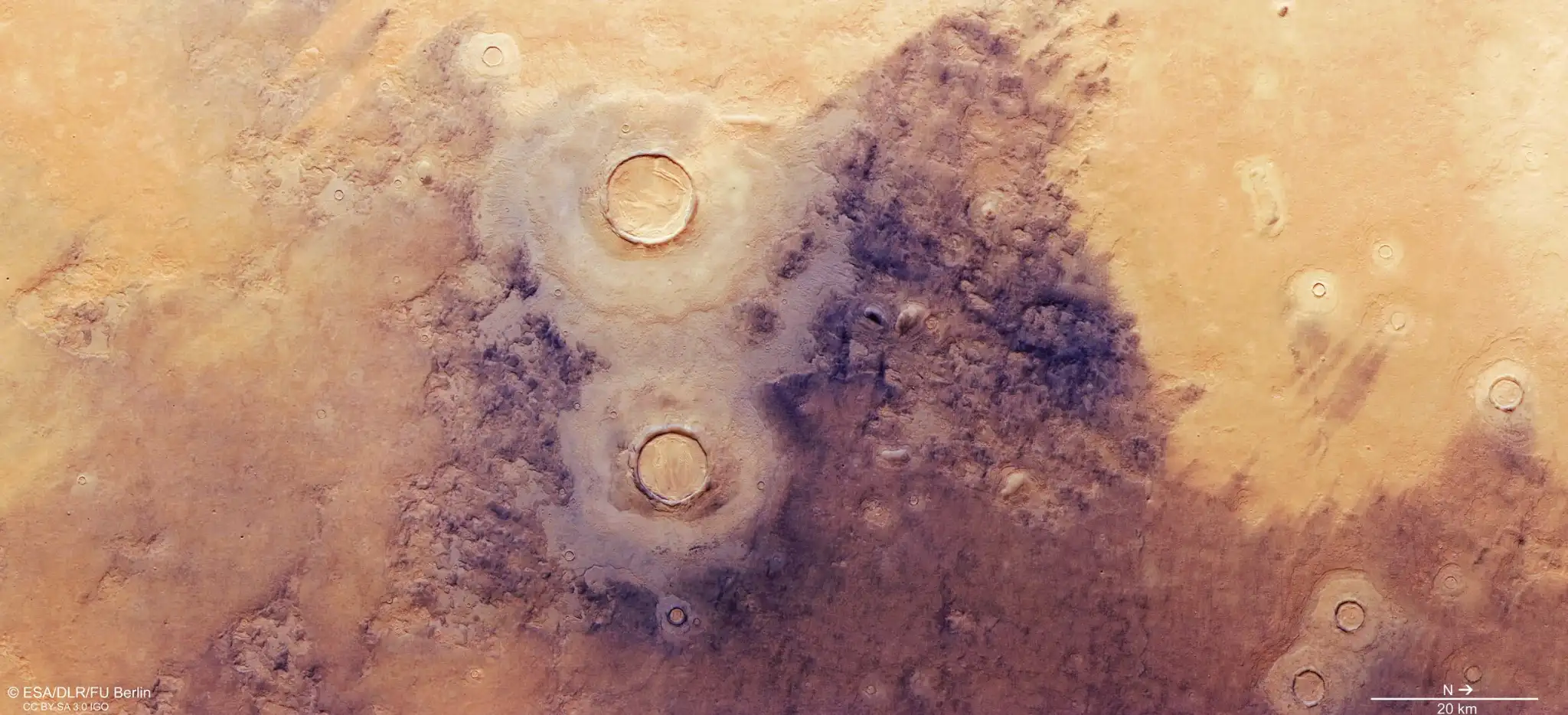 Via White Clouds
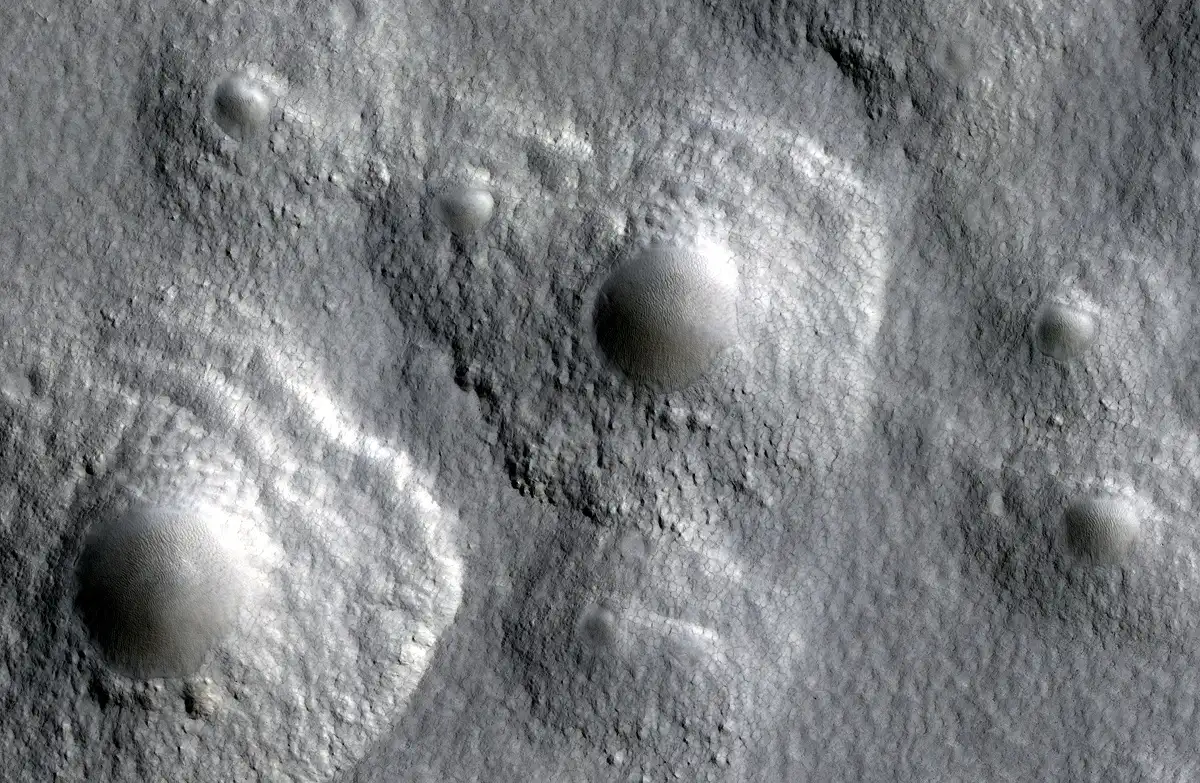 Via Turkiye Today
Mars is known for its dust storms, some of which can cover the entire planet. These storms have the power to reshape landscapes and alter surface features. Even smaller, regular wind activity can have a lasting impact. The steady movement of the dark patch highlights the importance of wind in shaping Mars.
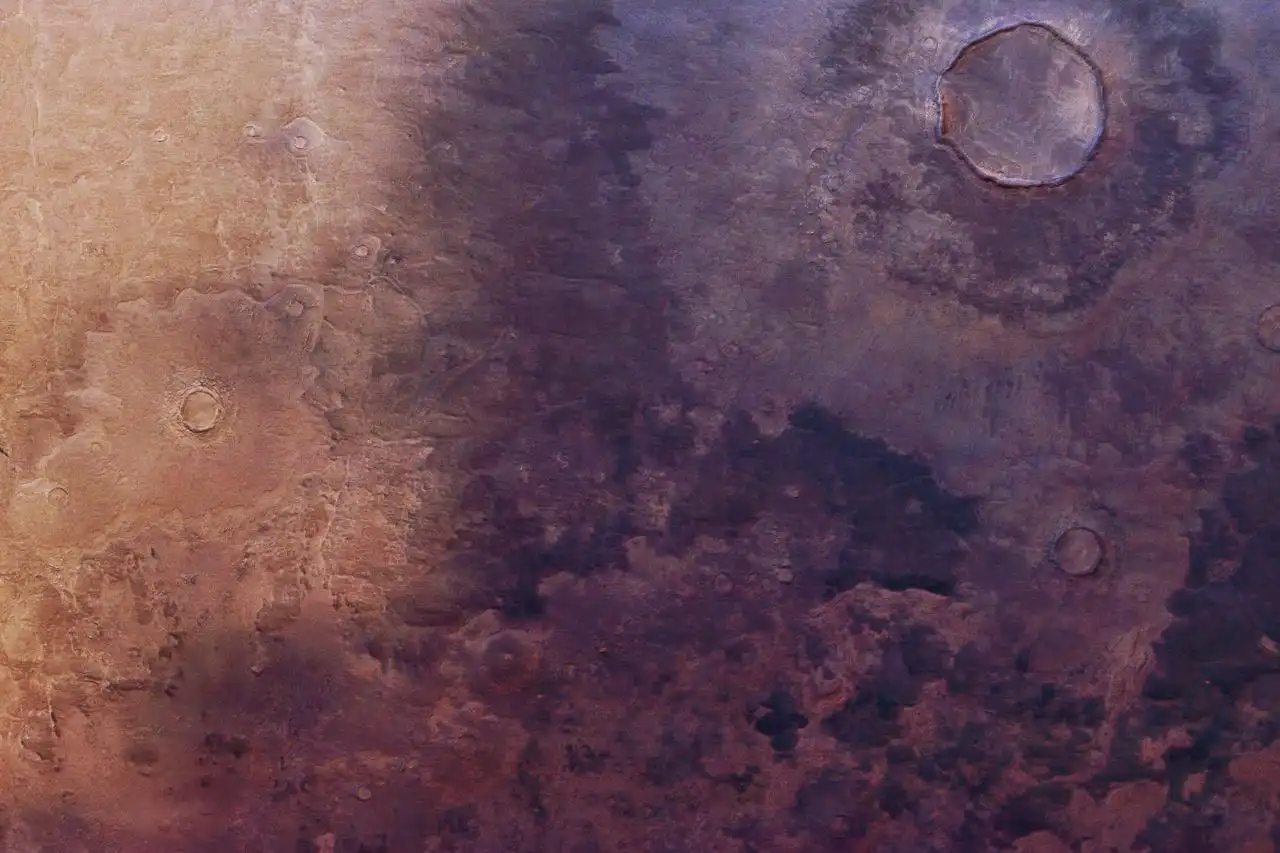 Via Space
One challenge is the limited ability to observe changes in real time. Mars missions rely on periodic images rather than continuous monitoring. This makes it harder to capture the exact processes behind the movement. Researchers must piece together clues from different time periods to build a complete picture.
Another factor is the complexity of Mars’ environment. The planet’s surface conditions vary widely, and many processes interact with each other. Wind, temperature changes, and surface composition all play a role. Understanding how these elements combine requires further study and more detailed data.
 Via Live Science
 Via Science Alert
The connection between the patch and volcanic activity suggests that past events still influence the present landscape. Even though Mars no longer has active volcanoes, the slow spread of volcanic material shows how ancient features can continue to evolve.
 Via Earth
Data from exploration missions has also pointed to possible climate changes in the region. Evidence suggests that the area experienced shifts in temperature and environmental conditions. These changes may have affected how surface materials behave, including the movement of the dark patch.
Water and climate play important roles in shaping planetary surfaces. Even though Mars is now dry, its past may still influence present-day processes. The interaction between ancient water deposits and current environmental forces could be part of the explanation for the patch’s growth.
 Via Quantum
 Via Space
The interaction between ice and surface materials may help explain some of the observed changes. As ice shifts, it could alter the landscape above it. This process might contribute to the gradual spread of the dark region.
 Via NASA Jet Propulsion
Future missions may offer more detailed observations. Advanced instruments could track changes more closely and gather new data. This information would help scientists test existing theories and develop new explanations.
The study of Mars continues to evolve as technology improves. Features like the dark patch serve as reminders that the planet is not as inactive as once believed. Ongoing research will continue to reveal new aspects of its complex environment.
 Via Innovation News
 Via WION
Mars continues to surprise researchers with unexpected changes. The dark patch in Utopia Planitia shows that even slow processes can have significant effects over time. As exploration continues, discoveries will bring scientists closer to understanding this intriguing phenomenon.
More in UnassignedVia Live Science
Early images captured in the 1970s revealed the presence of this feature. Since then, newer images show that it has expanded significantly. The steady growth has surprised researchers, as Mars is often considered a mostly inactive planet. This unexpected change suggests that surface activity may still be ongoing in subtle ways.
Utopia Planitia - A Region of Scientific Interest
Utopia Planitia is a vast and flat region located in the northern hemisphere of Mars. It stretches thousands of kilometers across the planet’s surface. This area has long been a focus of exploration due to its unique geological features and potential clues about Mars’ history.
Via Space Ref
This region gained attention when early space missions landed there. The Viking 2 lander arrived in 1976 and conducted experiments aimed at detecting signs of life. These experiments marked one of the first attempts to understand whether Mars could support living organisms.
While no clear evidence of life was found, the mission provided valuable data about the planet’s surface and environment. Its size and smooth terrain make it ideal for studying large-scale changes like the expanding dark patch.
Via NASA Jet
Recent missions have continued to explore Utopia Planitia. Data from newer rovers has revealed signs that the region may once have been covered by a large ocean. Scientists have even identified possible ancient shorelines. These discoveries suggest that Mars once had a much wetter climate, making the region even more important for ongoing research.
How Has the Dark Patch Changed Over Time?
The dark patch has grown steadily since it was first observed. Early images showed a smaller area of dark material, while modern images reveal a much larger spread. Measurements indicate that parts of the patch have moved hundreds of kilometers over several decades. This rate of expansion is slow but consistent, making it easier to track over long periods.
Via the European Space Agency
Scientists estimate that the patch has expanded by several kilometers each year. This gradual movement points to environmental processes rather than sudden events. The change is not random but follows patterns influenced by the Martian landscape. The southern edge of the patch, in particular, shows noticeable movement over time.
Comparisons between older and newer images provide clear evidence of this growth. Spacecraft orbiting Mars have captured high-resolution photos that allow detailed analysis. These images help researchers understand how the patch interacts with its surroundings. The consistent expansion suggests that forces on Mars are actively reshaping the surface.
Via White Clouds
The Role of Martian Winds
Wind plays a major role in shaping the surface of Mars. The planet experiences strong winds that can move dust and fine particles across vast distances. These winds are likely a key factor in the expansion of the dark patch. They can either spread dark material outward or remove lighter dust that once covered it. One explanation suggests that winds are lifting and redistributing volcanic ash. This process would gradually extend the dark area over time. Another possibility is that winds are clearing away a layer of lighter dust, revealing the darker material beneath. Both scenarios involve the same driving force but produce different visual effects.Via Turkiye Today
Mars is known for its dust storms, some of which can cover the entire planet. These storms have the power to reshape landscapes and alter surface features. Even smaller, regular wind activity can have a lasting impact. The steady movement of the dark patch highlights the importance of wind in shaping Mars.
Why Scientists Are Still Unsure?
Despite strong theories, scientists have not concluded what causes the patch to grow. The available evidence supports multiple explanations, making it difficult to choose one. Each possibility fits some observations but leaves unanswered questions. This uncertainty keeps the mystery alive.Via Space
One challenge is the limited ability to observe changes in real time. Mars missions rely on periodic images rather than continuous monitoring. This makes it harder to capture the exact processes behind the movement. Researchers must piece together clues from different time periods to build a complete picture.
Another factor is the complexity of Mars’ environment. The planet’s surface conditions vary widely, and many processes interact with each other. Wind, temperature changes, and surface composition all play a role. Understanding how these elements combine requires further study and more detailed data.
Via Live Science
Clues from Ancient Volcanic Activity
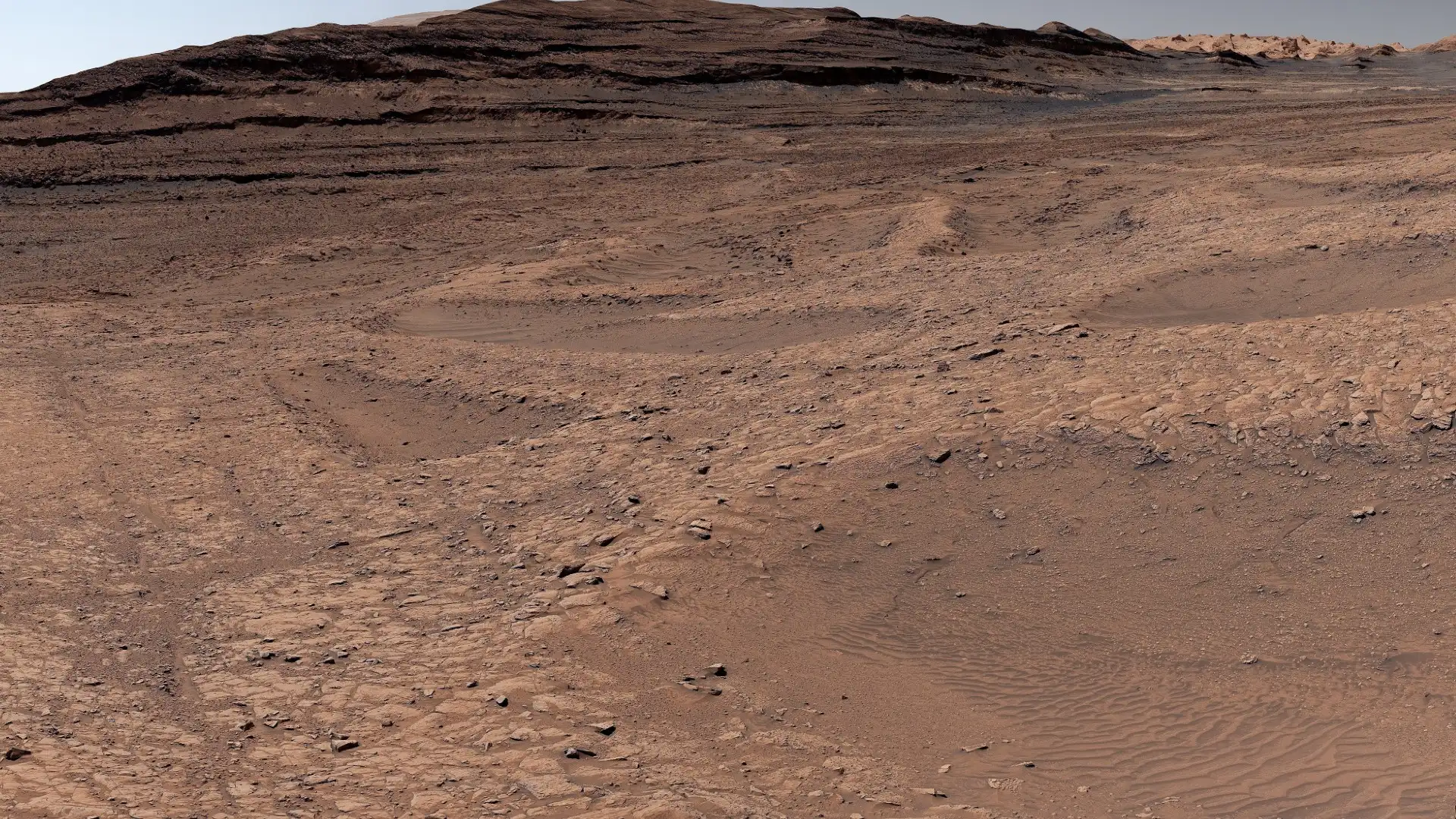
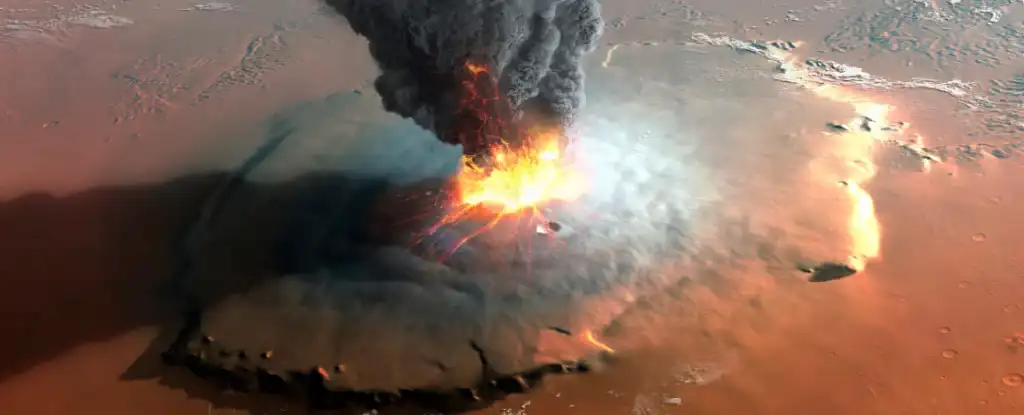
The materials within the dark patch come from ancient volcanic eruptions. These eruptions occurred when Mars was more geologically active. Lava flows and ash deposits created layers of material that remain visible today. Over time, these materials have been exposed and moved by surface processes. Minerals like olivine and pyroxene are common in volcanic regions. Their presence helps scientists identify the origin of the dark patch. These minerals can also provide information about the conditions under which they formed. Studying them offers insights into Mars’ geological history.Via Science Alert
The connection between the patch and volcanic activity suggests that past events still influence the present landscape. Even though Mars no longer has active volcanoes, the slow spread of volcanic material shows how ancient features can continue to evolve.
Evidence of Water and Climate Change
Utopia Planitia may hold clues about water on Mars. Studies suggest that the region was once covered by a large ocean. This idea is supported by geological features that resemble ancient shorelines. If confirmed, this would mean that Mars once had conditions suitable for liquid water.Via Earth
Data from exploration missions has also pointed to possible climate changes in the region. Evidence suggests that the area experienced shifts in temperature and environmental conditions. These changes may have affected how surface materials behave, including the movement of the dark patch.
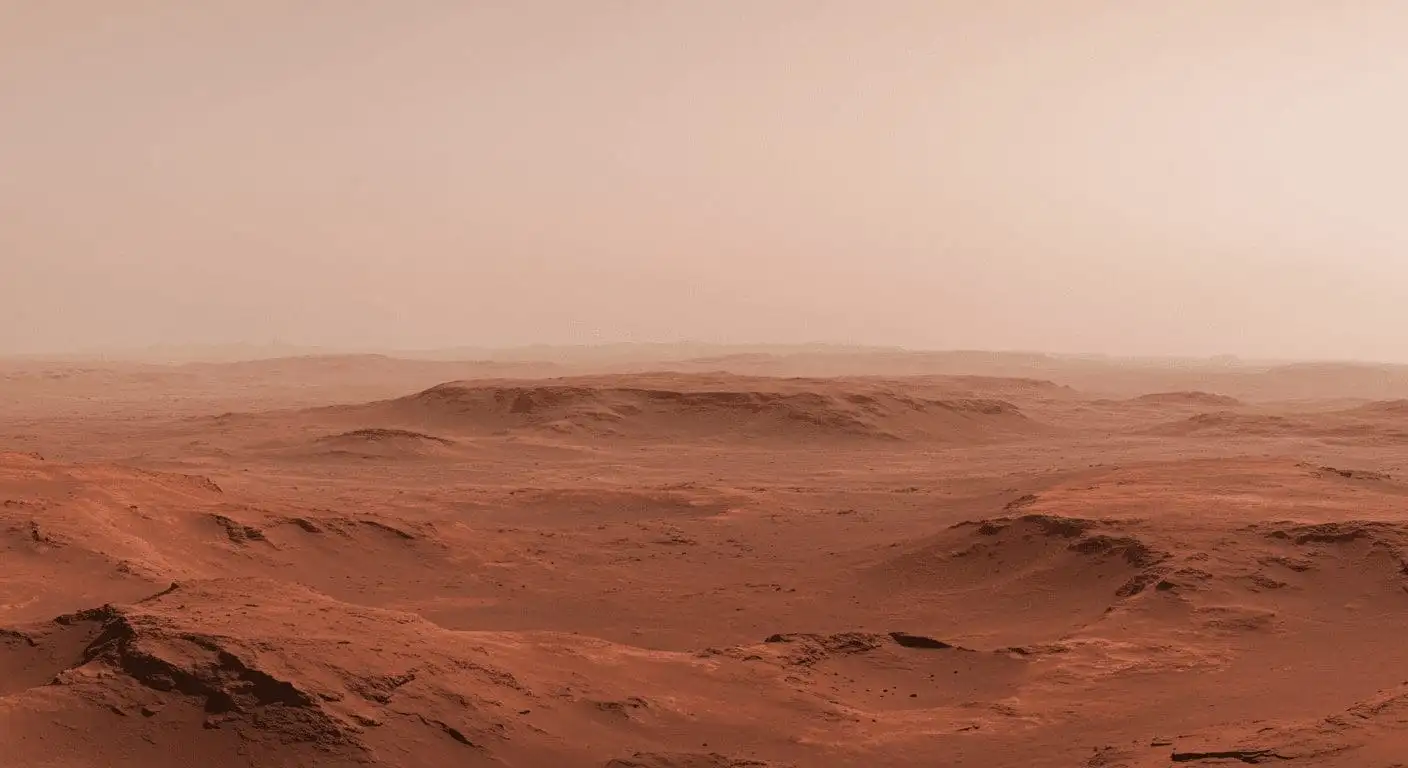
Water and climate play important roles in shaping planetary surfaces. Even though Mars is now dry, its past may still influence present-day processes. The interaction between ancient water deposits and current environmental forces could be part of the explanation for the patch’s growth.
Via Quantum
Hidden Ice Beneath the Surface
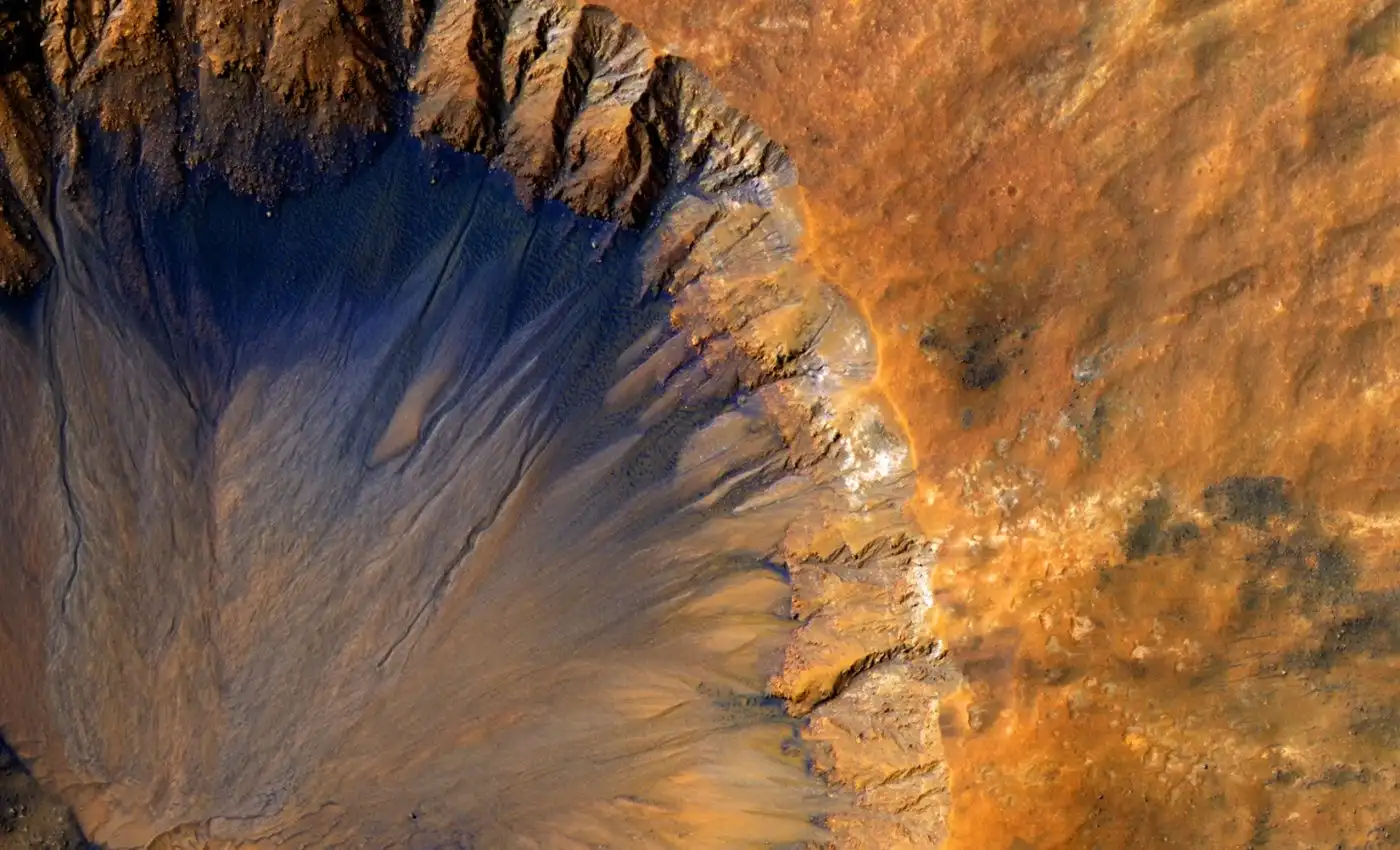
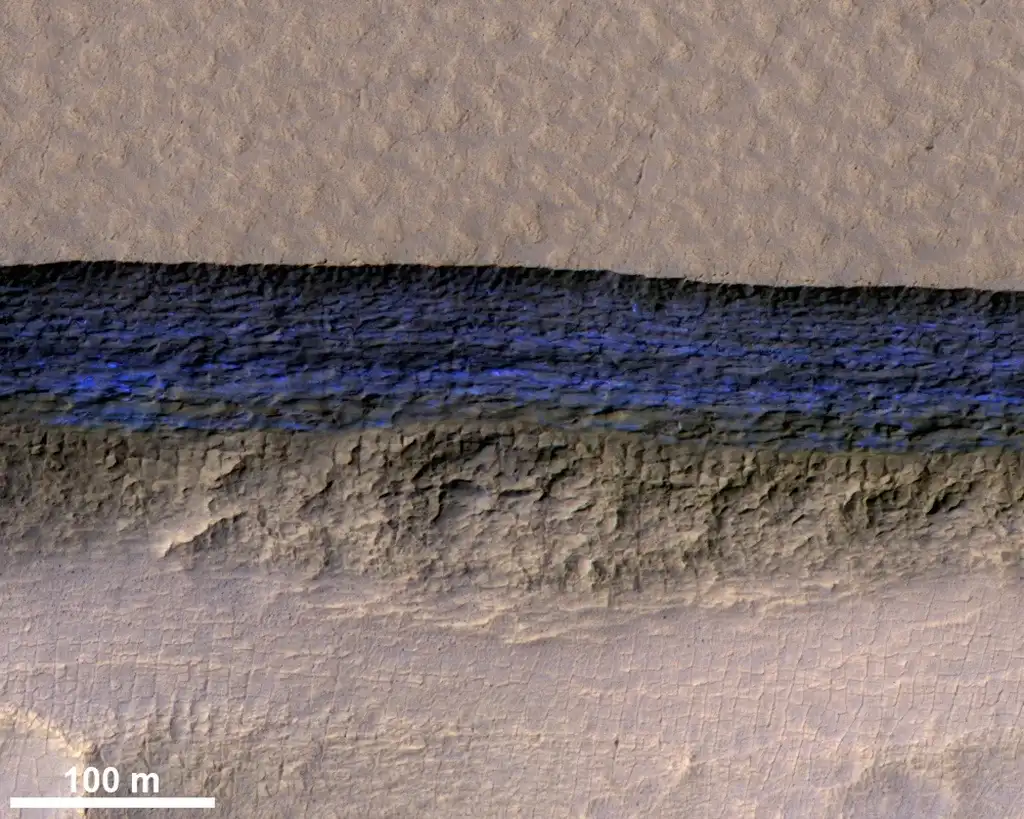
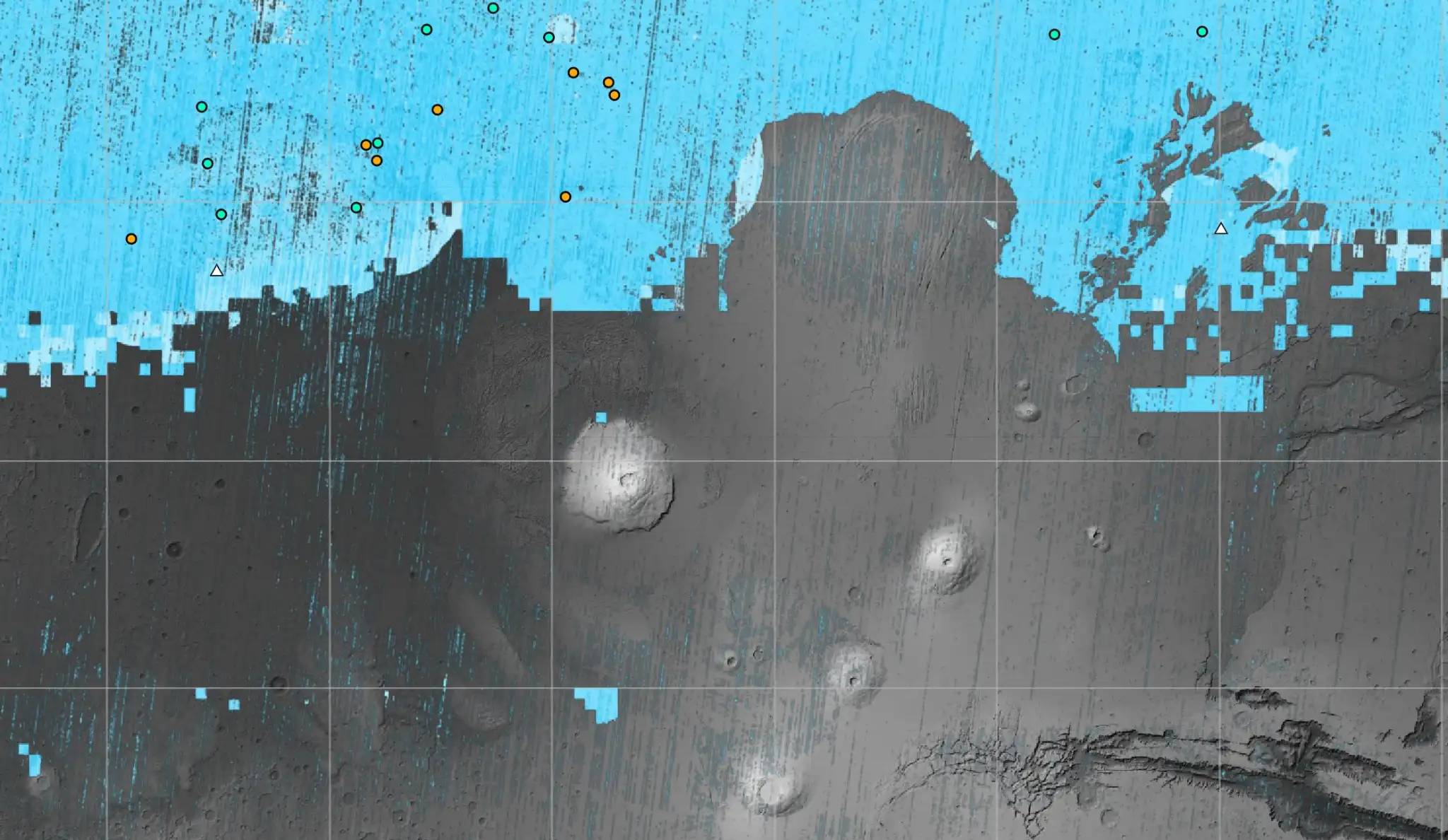
Scientists believe that large amounts of ice may exist beneath Utopia Planitia. This hidden ice could affect how the surface behaves. Temperature changes might cause the ice to expand or contract, influencing the movement of surface materials. Subsurface ice is important for understanding Mars’ potential to support life. It could provide a source of water for future exploration. The presence of ice also adds another layer of complexity to the study of surface features like the dark patch.Via Space
The interaction between ice and surface materials may help explain some of the observed changes. As ice shifts, it could alter the landscape above it. This process might contribute to the gradual spread of the dark region.
What does this mean for Future Research?
The growing dark patch highlights how much remains unknown about Mars. Each discovery raises additional questions. Understanding this feature could provide valuable insights into the planet’s current activity and past conditions.Via NASA Jet Propulsion
Future missions may offer more detailed observations. Advanced instruments could track changes more closely and gather new data. This information would help scientists test existing theories and develop new explanations.
The study of Mars continues to evolve as technology improves. Features like the dark patch serve as reminders that the planet is not as inactive as once believed. Ongoing research will continue to reveal new aspects of its complex environment.
Via Innovation News
A Continuing Mystery on the Red Planet
The expanding dark patch remains one of the many mysteries of Mars. Its steady growth over decades challenges assumptions about the planet’s stability. Scientists continue to investigate the forces behind this unusual phenomenon. The combination of wind, volcanic material, and environmental factors creates a complex puzzle. Each piece of evidence adds to the understanding but does not fully solve the mystery. This ongoing uncertainty keeps the feature at the center of scientific interest.
Via WION
Mars continues to surprise researchers with unexpected changes. The dark patch in Utopia Planitia shows that even slow processes can have significant effects over time. As exploration continues, discoveries will bring scientists closer to understanding this intriguing phenomenon.