Unassigned
Fascinating Historical Photos and the Untold Stories Behind Them

History is often remembered through the lens of photographs—images that freeze moments in time and capture stories that would otherwise be forgotten. Some of these photographs reveal unexpected insights, humorous predictions, and poignant glimpses of the past. In this article, we explore a selection of fascinating historical photos and delve into the untold stories behind them. These photos not only showcase critical moments from the past, but they also shed light on cultural shifts, quirky inventions, and life-changing events that have shaped our world.
 Image credits: Reddit
However, as is often the case with predictions, the accuracy of their forecast was limited by the knowledge and technology available at the time. These images show people in bulky spacesuits and connected via clunky, wire-filled devices—hardly the sleek, wireless video calls we know today. While we can give them points for envisioning video communication, their understanding of what that would look like falls short in several ways:
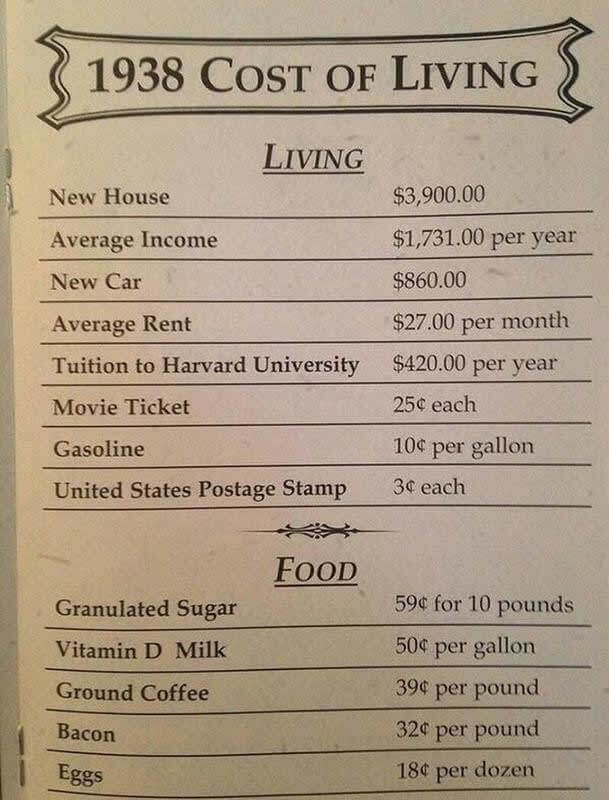 Image credits: Reddit
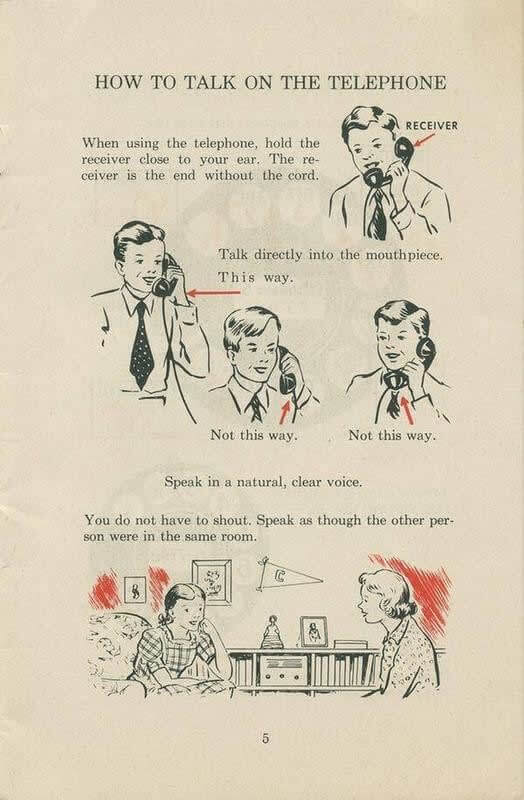 Image credits: Pinterest
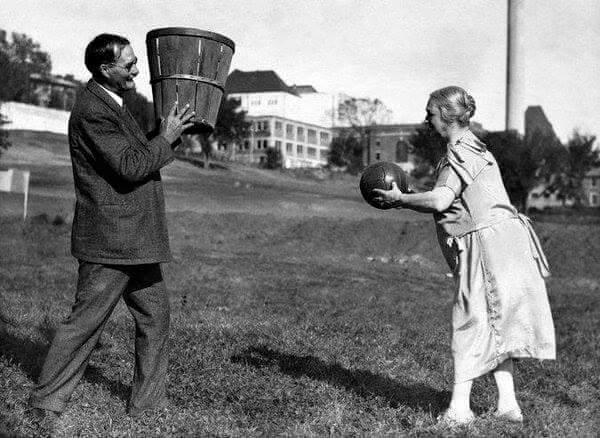 Image credits: Reddit
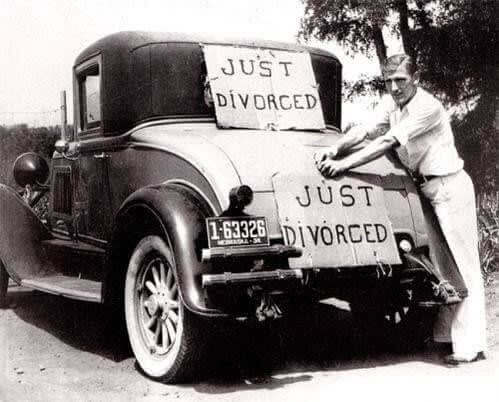 Image credits: Pinterest
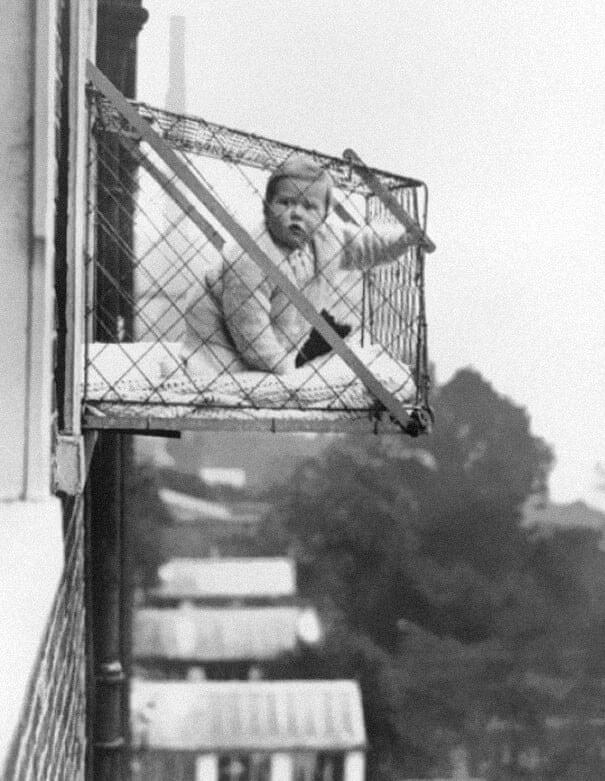 Image credits: Pinterest
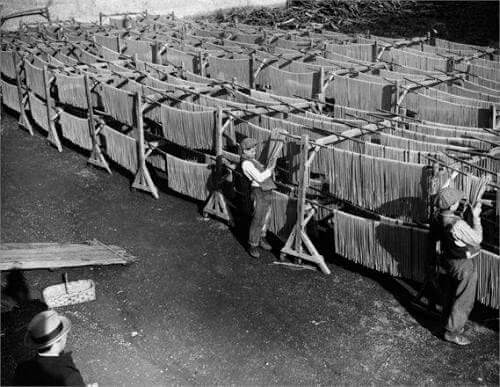 Image credits: Pinterest
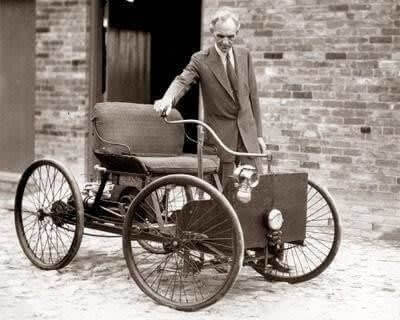 Image credits: Pinterest
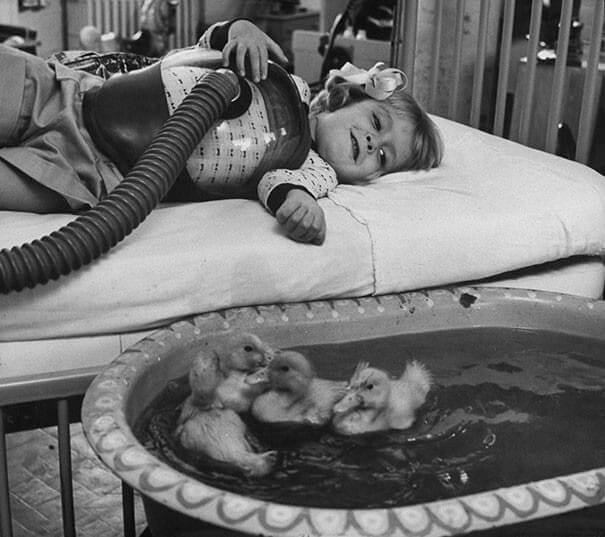 Image credits: Pinterest
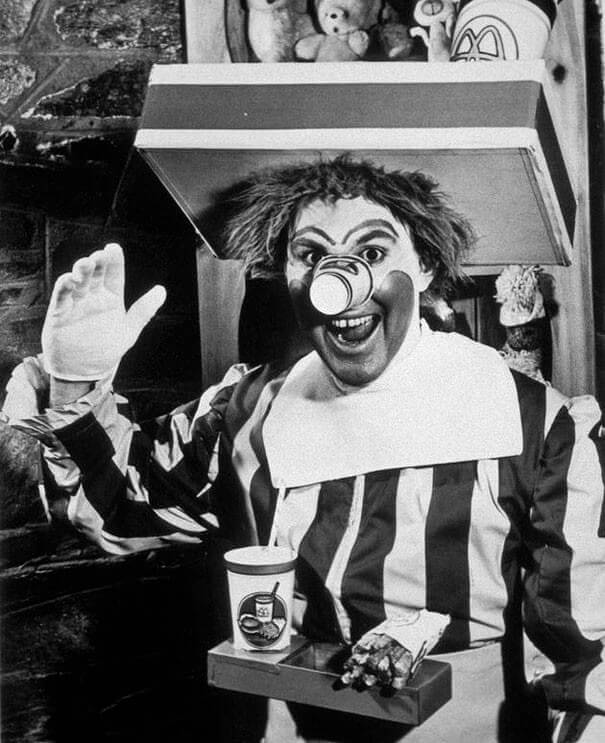 Image credits: Pinterest
More in Unassigned- The Future According to a German Margarine Company (1930)
Image credits: Reddit
However, as is often the case with predictions, the accuracy of their forecast was limited by the knowledge and technology available at the time. These images show people in bulky spacesuits and connected via clunky, wire-filled devices—hardly the sleek, wireless video calls we know today. While we can give them points for envisioning video communication, their understanding of what that would look like falls short in several ways:
- Points for Prediction: The company correctly predicted video calls, something that would revolutionize communication in the decades to come (5 points).
- Points Deducted: The technology was far more cumbersome than necessary (3 points), the futuristic clothing choices were strange, even by 1930s standards (3 points), and the assumption that wires would continue to be part of daily life was pretty off base (5 points). They also seem to have greatly overestimated the popularity of a strange, unidentifiable drink, possibly lemonade, and didn’t quite nail the look with those ugly hats (7 points lost in total).
- Bonus Points Lost: -15 points for the use of plastic straws, which we’re now avoiding for environmental reasons.
- The Cost of Living in the U.S. in 1938
Image credits: Reddit
- Harvard Tuition: In 1938, tuition for an Ivy League education at Harvard University cost a mere $420 per year. This would be unimaginable today, given the rising costs of higher education. And though inflation has caused a dramatic increase in tuition, it’s worth noting that Harvard’s selectivity has only grown over the decades.
- Movie Tickets: For only 25 cents, a person could attend a movie in the 1930s. This is a truly shocking price when you consider that today, the average movie ticket price is much higher. One might even argue that modern moviegoers spend more on popcorn and candy than the cost of a ticket back then. The image also humorously juxtaposes the cost of entertainment with another option of that time—spending the same amount to see "exotic" animals at the California Alligator Farm.
- Instructions on Telephone Use, 1951
Image credits: Pinterest
- Simple Instructions: The instructions served as a guide for families unfamiliar with using a telephone. They explained how to pick up the receiver, how to dial a number, and how to connect with someone on the other end of the line. To us today, these instructions seem rudimentary, yet they were essential for people unfamiliar with this technology.
- The Complicated Modern Day: Compare this to modern-day devices, where instructions are often extensive, covering everything from smartphone apps to voice commands. Even though we have vastly improved technology, one might argue that today’s generation could be equally as confused if handed a rotary phone.
- The Inventor of Basketball About to Get Dunked On (1928)
Image credits: Reddit
- The First Game: Naismith's invention came about as an alternative to football, which was considered too violent for indoor play. The original rules of basketball involved just nine players and a much less complex court. The first game was played with a soccer ball and two peach baskets. The buckets were eventually altered to have bottoms cut out, which allowed the game to evolve into something closer to modern basketball.
- Evolution of the Sport: Naismith likely never anticipated the evolution of basketball into a global sporting phenomenon. Today, basketball is a multi-billion dollar industry with some of the most famous athletes in the world. The sport has expanded far beyond its humble beginnings in a small gymnasium at a college in Springfield, Massachusetts.
- Just Divorced, Reno, 1934
Image credits: Pinterest
- Reno as a Divorce Hub: The city of Reno became famous for being a "divorce capital" of the United States. Many couples seeking to dissolve their marriages would travel to Reno to bypass restrictive divorce laws. The image showing a "just divorced" sign on a car captures this practice, which was viewed as progressive by some and scandalous by others.
- Changing Attitudes Toward Divorce: Over time, divorce laws changed across the country, and attitudes toward divorce also shifted. By the 1970s, divorce became much more accessible in most states. Today, divorce is no longer stigmatized the way it once was, and it has become a common part of many people's lives.
- Baby Cages to Ensure Sunlight and Fresh Air for Children (1937)
Image credits: Pinterest
- The Baby Cage Trend: The idea behind the baby cage was that children, like all living creatures, needed fresh air to thrive. However, in dense urban environments, there was little opportunity for children to play outside. Thus, some parents turned to the "baby cage" to provide their children with the benefits of fresh air and sunlight, even if it meant leaving them hanging outside their windows.
- Ethical Concerns: Today, this idea seems shocking and even horrifying. The safety of babies was put at risk in these precarious cages, and it is disturbing to think of children being left outside in such a vulnerable way. It is a clear example of how standards for childcare and parenting have evolved over the years.
- Pasta "Factory" in Napoli, Italy (1955)
Image credits: Pinterest
- Traditional Pasta Making: Unlike today’s high-tech factories, where machines make pasta in large quantities, the process was slower and more labor-intensive in the 1950s. Dough was made by hand, and pasta shapes were carefully cut and hung out to dry in the natural air.
- Culinary Heritage: The pasta-making process has undergone significant changes over the years, from hand-made methods to industrial production. However, traditional pasta-making is still highly valued in Italy, and many regions continue to use these age-old techniques.
- Henry Ford's First "Automobile" (1896)
Image credits: Pinterest
- Early Automobiles: Ford’s first car, known as the "Quadricycle," was a prototype cobbled together from whatever materials were available. Though it was far from perfect, it represented a significant step toward the mass production of cars. Ford would later go on to make the Model T, a vehicle that transformed the automobile industry.
- The Rise of Ford Motor Company: Ford’s success came not from his first automobile but from his ability to streamline the production process. The assembly line, which Ford perfected, allowed for mass production and made automobiles affordable for the average American.
- Three-Year-Old Peggy Kennedy, Duckling Therapy (1956)
Image credits: Pinterest
- Polio Treatment: Polio was a devastating disease that affected millions of people, and it wasn’t until the development of the polio vaccine in the 1950s that the disease began to decline. Peggy’s treatment reflects the struggles that polio victims faced before the advent of vaccines.
- Therapeutic Use of Animals: The ducklings served as a source of joy for Peggy during her difficult treatment. This image is a poignant reminder of the human capacity for compassion, even in the face of adversity.
- The Original Ronald McDonald, 1963
Image credits: Pinterest
- The Evolution of Ronald McDonald: Over time, Ronald McDonald’s image evolved to be less frightening and more welcoming, especially to children. Today, Ronald McDonald is a beloved character, but his initial appearance was met with mixed reactions.
- Cultural Impact: Ronald McDonald became not just a symbol of McDonald's but of American fast food culture. He has appeared in countless commercials, promotional campaigns, and charitable events, embodying the company’s values and commitment to children.