Unassigned
Why Men’s and Women’s Clothes Button Differently
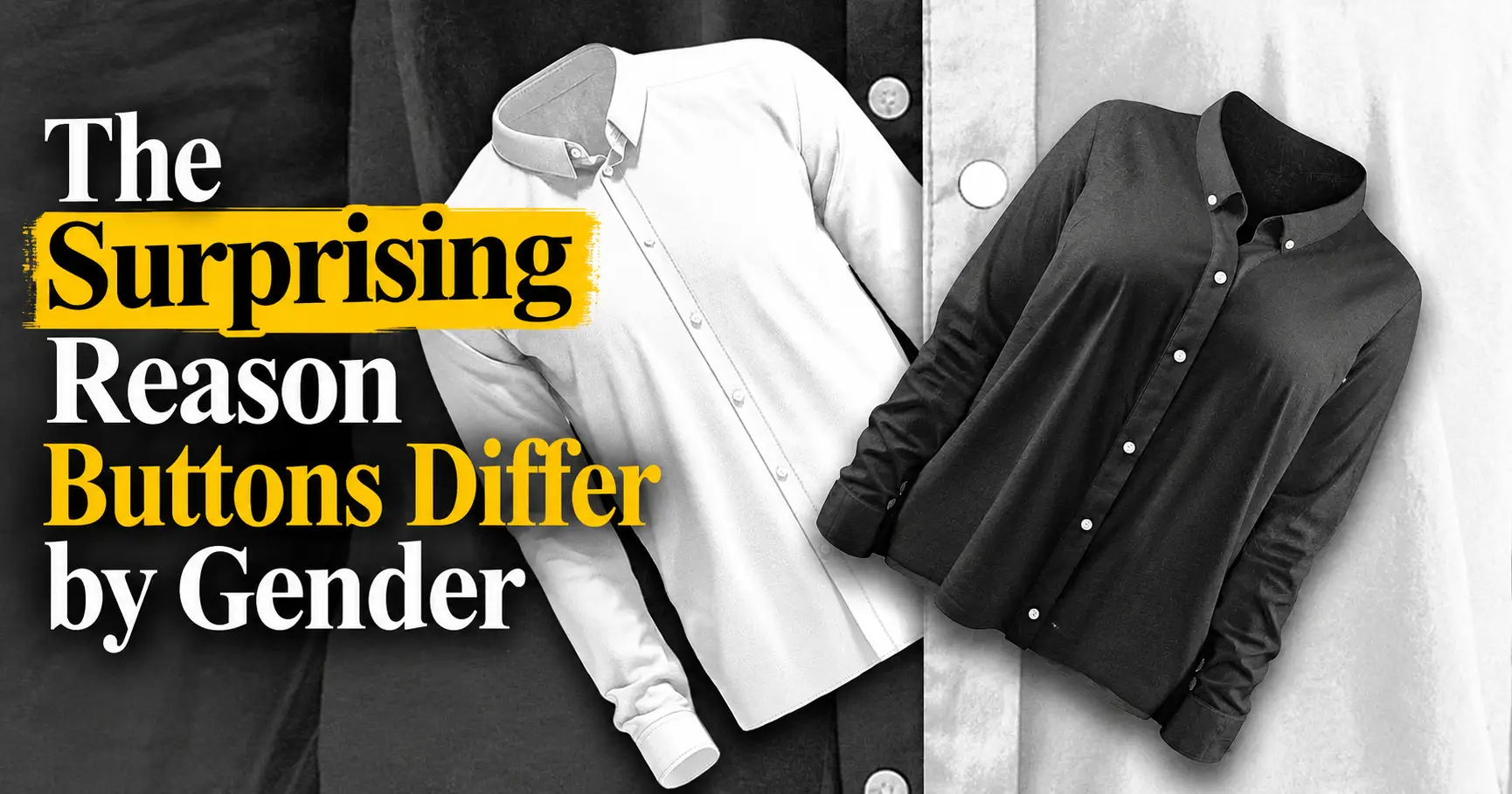
Most people choose clothing based on comfort, appearance, or personal style without paying much attention to where buttons or zippers are placed. Yet a simple shirt or jacket can reveal surprising details about fashion traditions that have been followed for hundreds of years across different cultures.
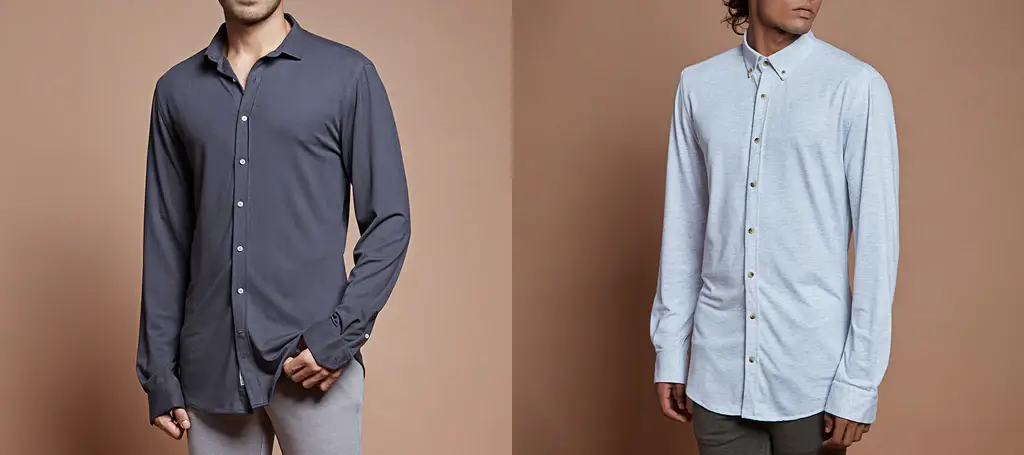
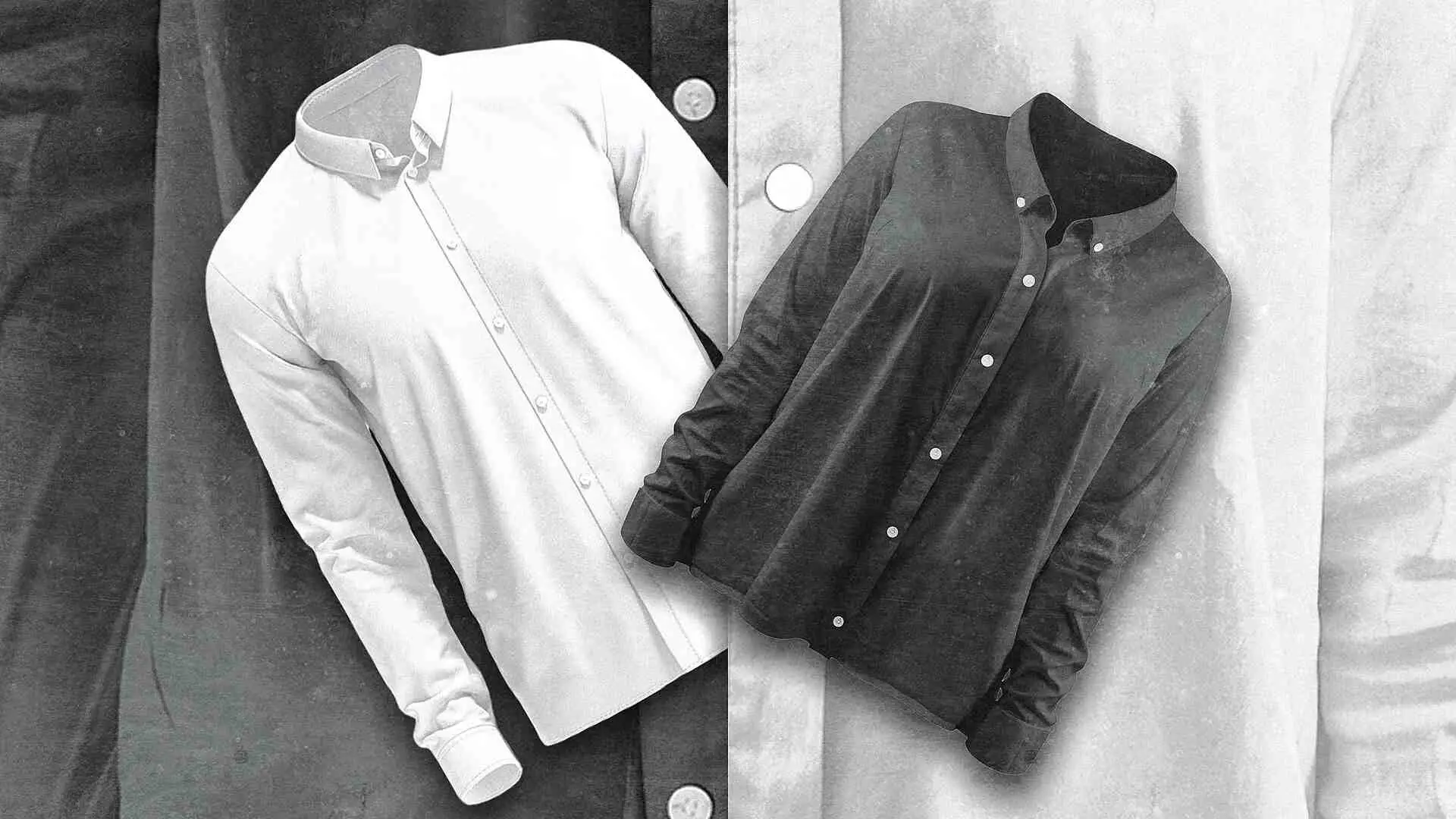
A quick look inside a clothing store often shows that men's shirts usually have buttons on the right side, while women's shirts commonly have them on the left. Jackets, coats, and even some pants frequently follow the same arrangement, making the difference easy to notice.
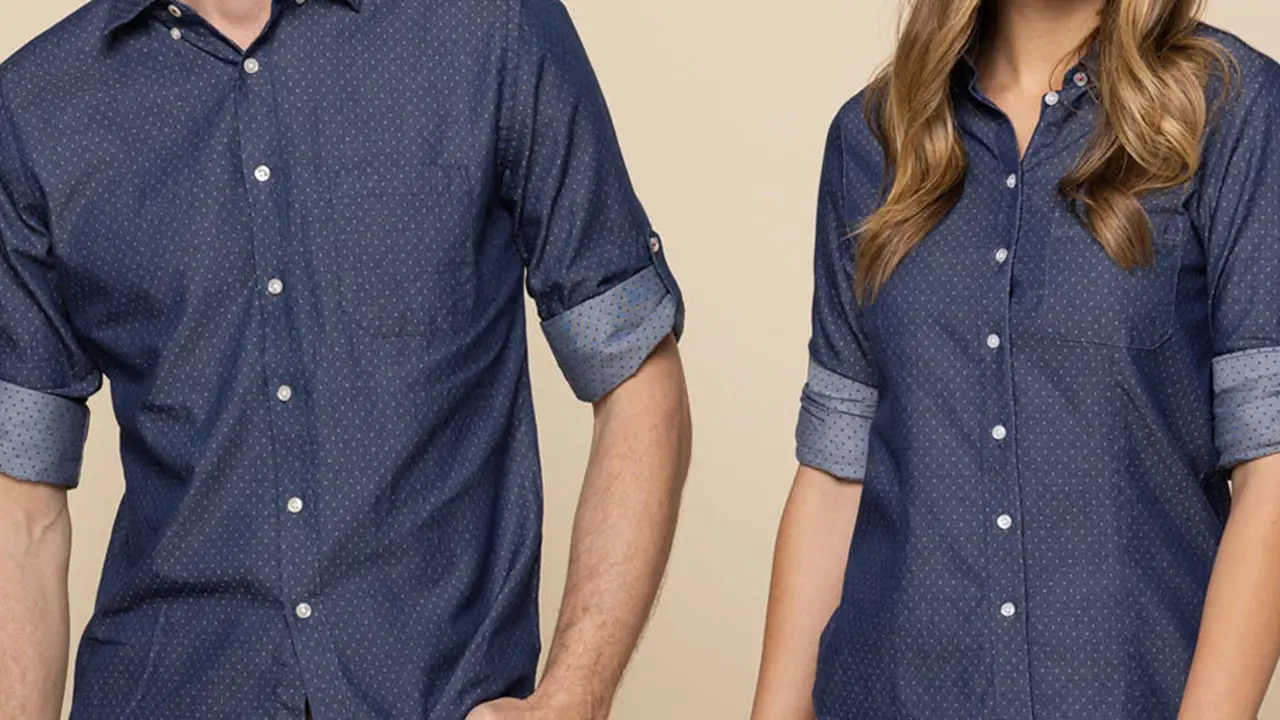 Via Paramatax
Although this design may seem unusual today, it was not created by accident. Historians believe these fastening styles developed because of practical needs, social customs, and manufacturing traditions that gradually became accepted as the normal way to produce clothing for different groups of people.
 Via Vocal Media
Researchers who study fashion history often examine clothing as part of material culture, which includes the everyday objects people use throughout their lives. Shirts, dresses, shoes, hats, and coats all provide valuable clues about society, technology, and customs from earlier generations.
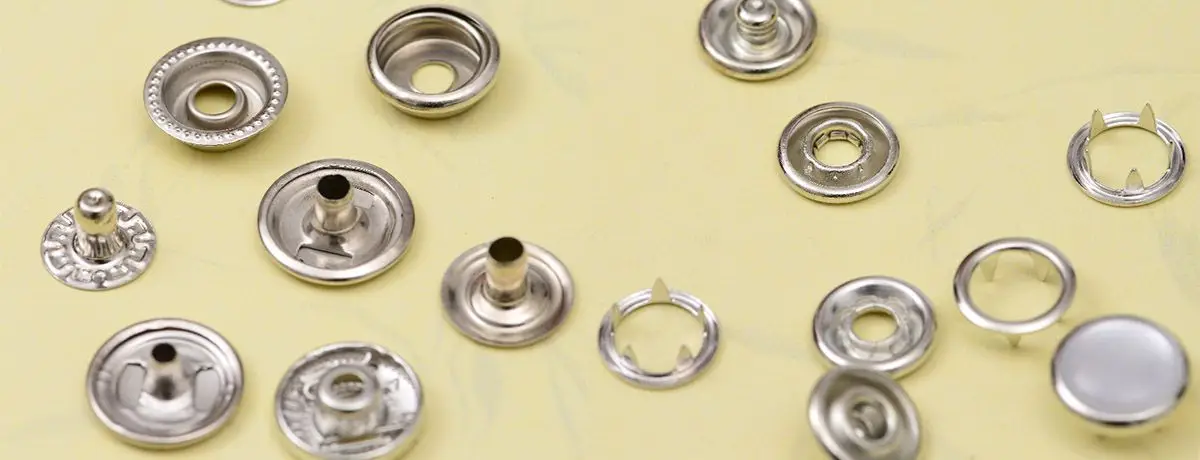
Even small features such as buttons, hooks, snaps, or zippers can tell meaningful stories. Their placement, shape, and design often developed because they solved practical problems, making these ordinary clothing details surprisingly important pieces of historical evidence.
 Via MH Chine
 Via ELEL
While this explanation cannot be proven for every garment ever produced, many fashion historians believe it strongly influenced later clothing traditions. Over time, the practice became so common that manufacturers continued following the same layout even after lifestyles changed significantly.
 Via WestWood
Another historical theory connects button placement to military clothing and the use of swords. Many soldiers carried weapons on the left side of their bodies and drew them with the right hand, so overlapping clothing in a particular direction may have reduced interference while moving quickly.
Although historians continue discussing exactly how much military traditions influenced clothing design, practicality clearly played an important role. Men's garments gradually adopted right-side button placement, and this convention remained unchanged as fashion styles continued developing through later centuries.
 Via Timeless Fashion
Once these patterns became part of factory production, they remained in place for generations. Many people eventually accepted the differences without questioning their origins, allowing historical traditions to survive long after the original practical reasons had become less important in everyday life.
 Via Donia Alexei
This decision made clothing production more consistent and helped customers adjust easily to the newer fastening method. Jackets, trousers, skirts, and coats continued following familiar opening directions, creating a smooth transition from buttons to zippers without confusing buyers or changing long-established fashion expectations.
Although zippers function differently from buttons, their placement became another example of how traditions influence modern design. A practical invention gradually adopted historical clothing customs, proving that even new technology often follows patterns created many generations earlier.
 Via The Independent
 Via Bespoken
Designers also recognize that familiar details can influence purchasing decisions because customers often expect traditional clothing to look a certain way. As a result, many brands continue following historical button and zipper placements while introducing modern fabrics, colors, and updated fashion trends.
 Via Fashion Times
Independent clothing makers also enjoy greater creative freedom because modern consumers are often more interested in comfort, appearance, and practicality than in historical fastening customs. As a result, garments with left-side or right-side closures are increasingly viewed as design choices rather than strict fashion requirements.
People who sew or design their own clothing can decide exactly where to place buttons, zippers, snaps, ties, or other fasteners according to personal preference. This growing freedom reflects how fashion continues to evolve while respecting its long history and adapting to changing lifestyles.
 Via Glam
 Via Glasgow University
These discoveries show that even a simple shirt or jacket carries historical meaning beyond its appearance. Every fastening, seam, and pattern reflects decisions made by earlier designers and manufacturers, making clothing an important record of cultural and technological development across different eras.
 Via Fast Company Middle East
As clothing styles changed over the centuries, many manufacturers continued following the same fastening patterns simply because customers expected them. These familiar designs became part of everyday life, even though most people no longer remembered the historical reasons behind their continued use.
Understanding these small details encourages a greater appreciation for clothing and its history. Everyday garments are more than pieces of fabric because they preserve customs, traditions, and practical solutions that have been passed from one generation to another through thoughtful design.
 Via ScrollIn
 Via The Conversation
The story behind buttons and zippers reminds people that even the smallest clothing details often have fascinating historical roots. Although these traditions began for practical reasons centuries ago, today's designers have the freedom to keep them, modify them, or create entirely new fastening styles for future generations.
More in UnassignedVia Paramatax
Although this design may seem unusual today, it was not created by accident. Historians believe these fastening styles developed because of practical needs, social customs, and manufacturing traditions that gradually became accepted as the normal way to produce clothing for different groups of people.
How Clothing Reflects Everyday Life
Clothing does much more than protect people from changing weather or provide fashionable looks. Every garment represents a small part of history because fabrics, fasteners, and designs often reflect how people lived, worked, and interacted during different periods of time.Via Vocal Media
Researchers who study fashion history often examine clothing as part of material culture, which includes the everyday objects people use throughout their lives. Shirts, dresses, shoes, hats, and coats all provide valuable clues about society, technology, and customs from earlier generations.
Even small features such as buttons, hooks, snaps, or zippers can tell meaningful stories. Their placement, shape, and design often developed because they solved practical problems, making these ordinary clothing details surprisingly important pieces of historical evidence.
Via MH Chine
Why Women's Clothes Traditionally Button on the Left
One of the most widely accepted explanations comes from European history, particularly among wealthy families many centuries ago. Noblewomen often wore elaborate dresses that included numerous buttons, layers, ribbons, and decorative fasteners, making it difficult to get dressed without assistance from household servants. Because most people are naturally right-handed, historians believe buttons were placed on the wearer's left side so a servant standing face-to-face could fasten each button more comfortably using the dominant right hand. This arrangement made dressing faster and required less awkward hand movement.Via ELEL
While this explanation cannot be proven for every garment ever produced, many fashion historians believe it strongly influenced later clothing traditions. Over time, the practice became so common that manufacturers continued following the same layout even after lifestyles changed significantly.
Why Men's Clothing Followed the Opposite Pattern
Men's clothing developed under different everyday circumstances because most men dressed themselves without assistance. Shirts, jackets, trousers, and uniforms were designed to make fastening quick and comfortable, especially for people using their dominant right hand during daily routines.Via WestWood
Another historical theory connects button placement to military clothing and the use of swords. Many soldiers carried weapons on the left side of their bodies and drew them with the right hand, so overlapping clothing in a particular direction may have reduced interference while moving quickly.
Although historians continue discussing exactly how much military traditions influenced clothing design, practicality clearly played an important role. Men's garments gradually adopted right-side button placement, and this convention remained unchanged as fashion styles continued developing through later centuries.
How Factory Production Preserved Old Clothing Traditions
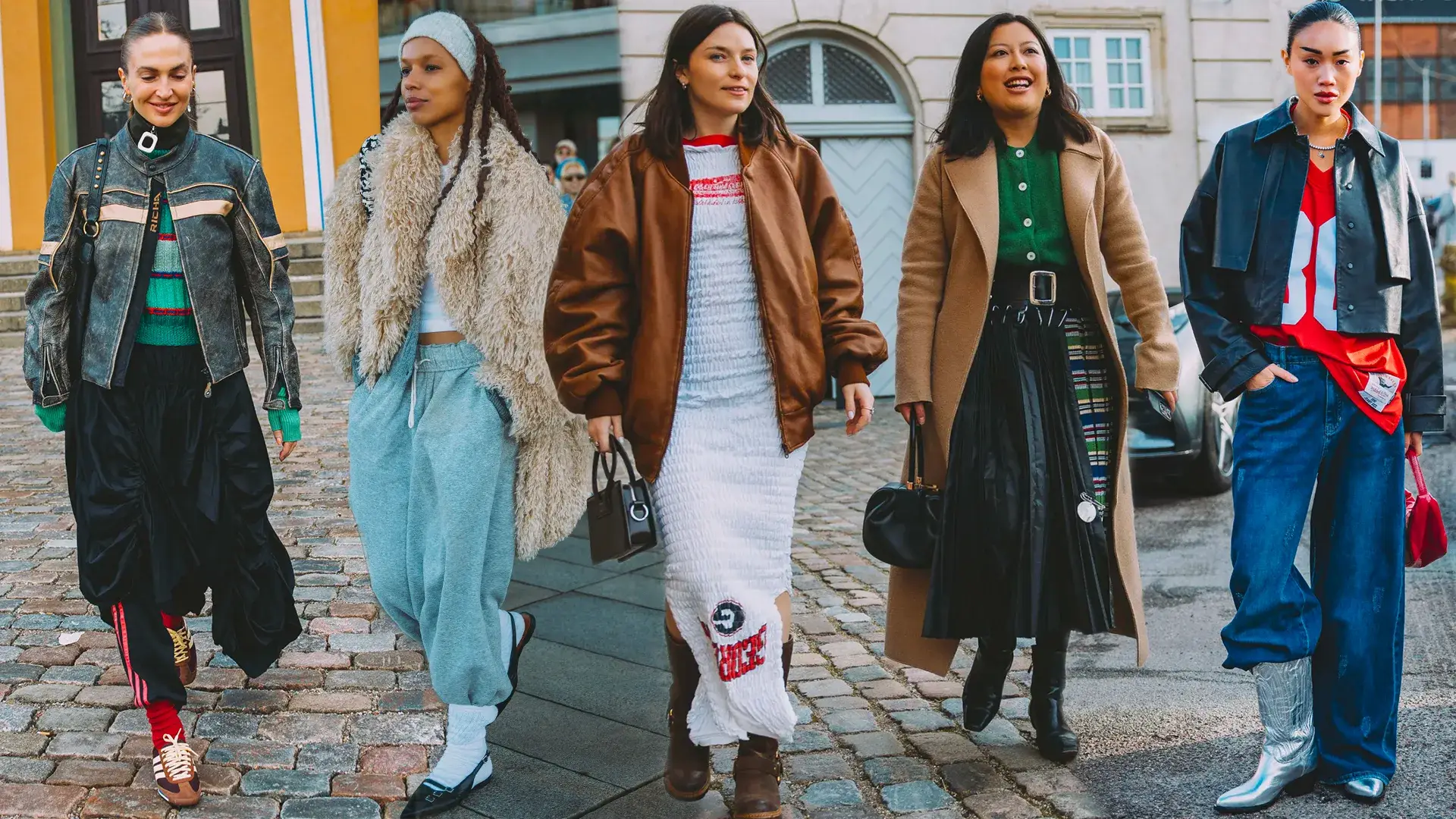
The Industrial Revolution changed the way clothing was produced by replacing much of the slow, handmade process with factory manufacturing. As production increased, clothing companies needed consistent patterns that could be repeated quickly and accurately without changing small design details for every new garment. Standardized designs made production faster, reduced mistakes, and allowed workers to manufacture large numbers of shirts, jackets, dresses, and coats using the same measurements. Since left-side and right-side button placements were already widely accepted, factories continued using those familiar layouts instead of creating new fastening systems.Via Timeless Fashion
Once these patterns became part of factory production, they remained in place for generations. Many people eventually accepted the differences without questioning their origins, allowing historical traditions to survive long after the original practical reasons had become less important in everyday life.
Why Zippers Followed the Same Pattern
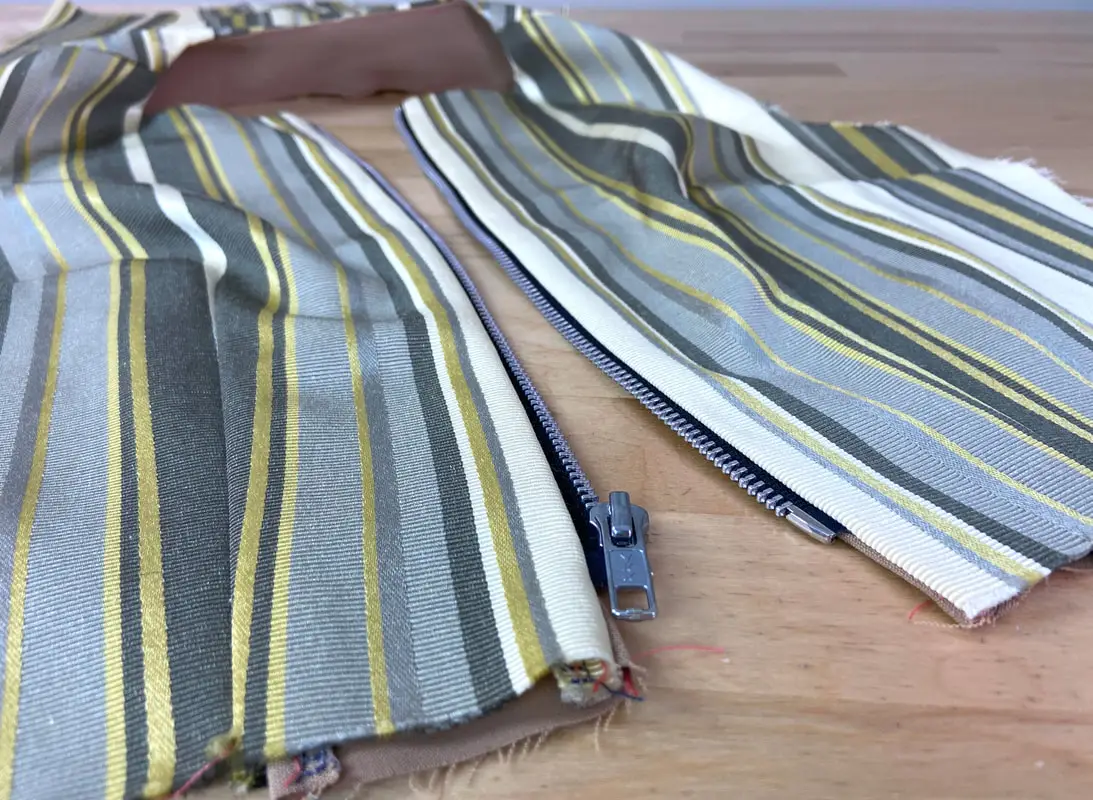
Zippers became increasingly popular during the early twentieth century because they offered a quick and reliable way to fasten clothing. Rather than replacing existing traditions, manufacturers usually positioned zippers in the same direction as the buttons that had already been used on similar garments for many years.Via Donia Alexei
This decision made clothing production more consistent and helped customers adjust easily to the newer fastening method. Jackets, trousers, skirts, and coats continued following familiar opening directions, creating a smooth transition from buttons to zippers without confusing buyers or changing long-established fashion expectations.
Although zippers function differently from buttons, their placement became another example of how traditions influence modern design. A practical invention gradually adopted historical clothing customs, proving that even new technology often follows patterns created many generations earlier.
Via The Independent
Fashion Traditions Continue to Shape Modern Clothing
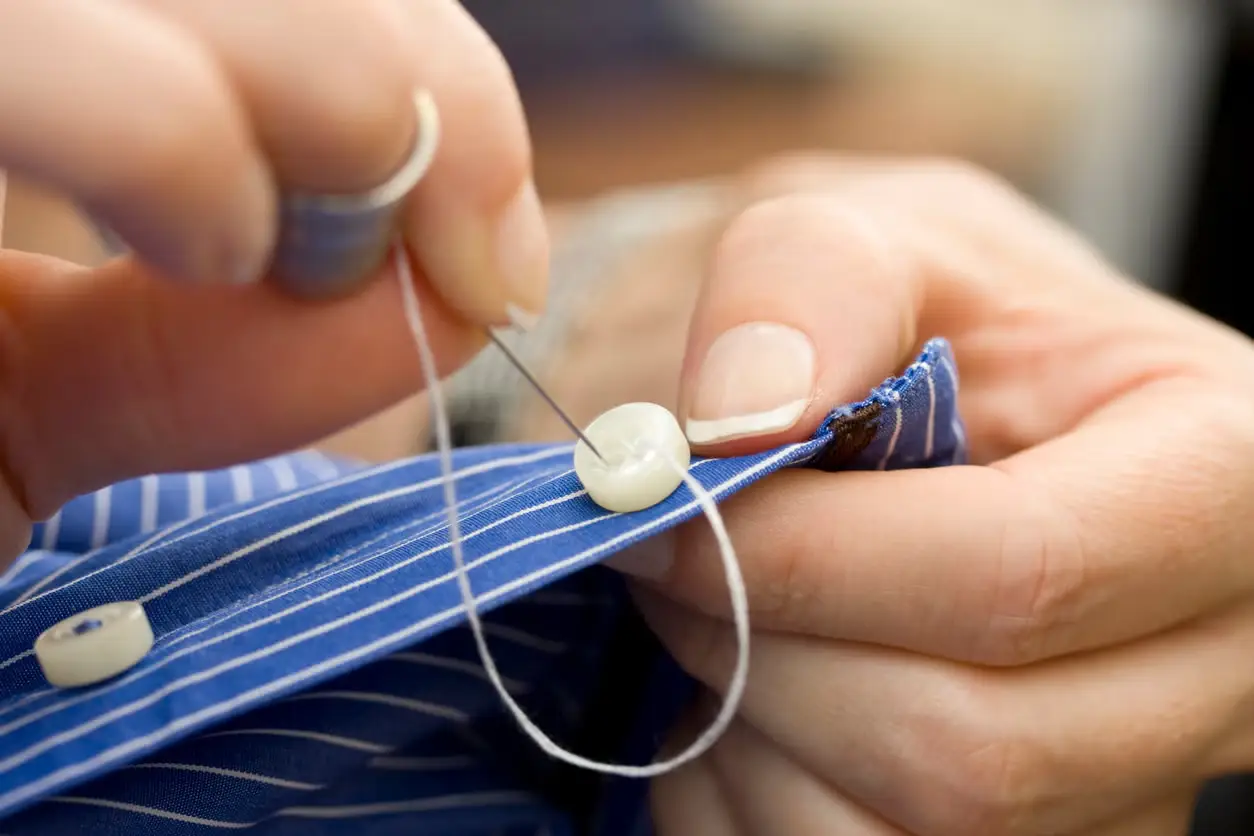
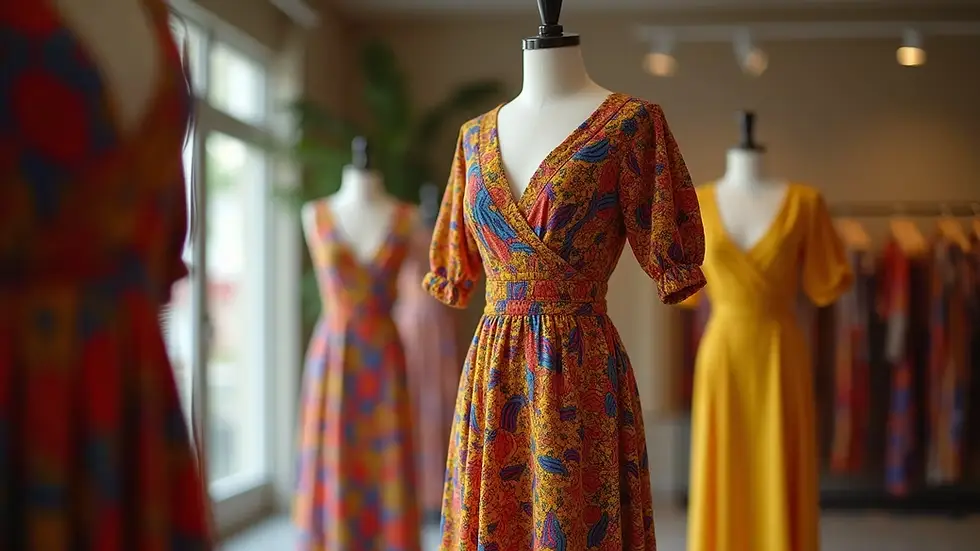
Fashion has always been influenced by customs that are passed from one generation to another. Even when the original purpose disappears, many design choices remain because people become familiar with certain styles and expect clothing to follow patterns they have seen throughout their lives. Many shoppers rarely notice which side of a shirt buttons until someone points out the difference. Since these fastening arrangements have appeared on clothing for centuries, they often feel completely natural despite having little effect on comfort or everyday use for most people today.Via Bespoken
Designers also recognize that familiar details can influence purchasing decisions because customers often expect traditional clothing to look a certain way. As a result, many brands continue following historical button and zipper placements while introducing modern fabrics, colors, and updated fashion trends.
Modern Fashion Is Moving Beyond Old Rules
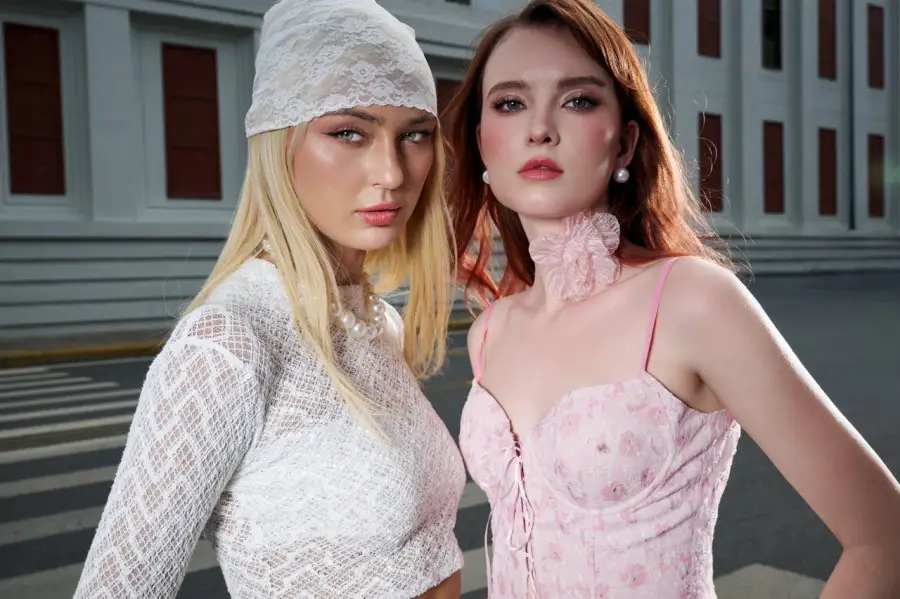
Today's fashion industry has become much more flexible than it was in the past, allowing designers to experiment with clothing that suits a wider range of personal preferences. Many brands now produce unisex and gender-neutral collections that no longer follow traditional button or zipper placement rules.
Via Fashion Times
Independent clothing makers also enjoy greater creative freedom because modern consumers are often more interested in comfort, appearance, and practicality than in historical fastening customs. As a result, garments with left-side or right-side closures are increasingly viewed as design choices rather than strict fashion requirements.
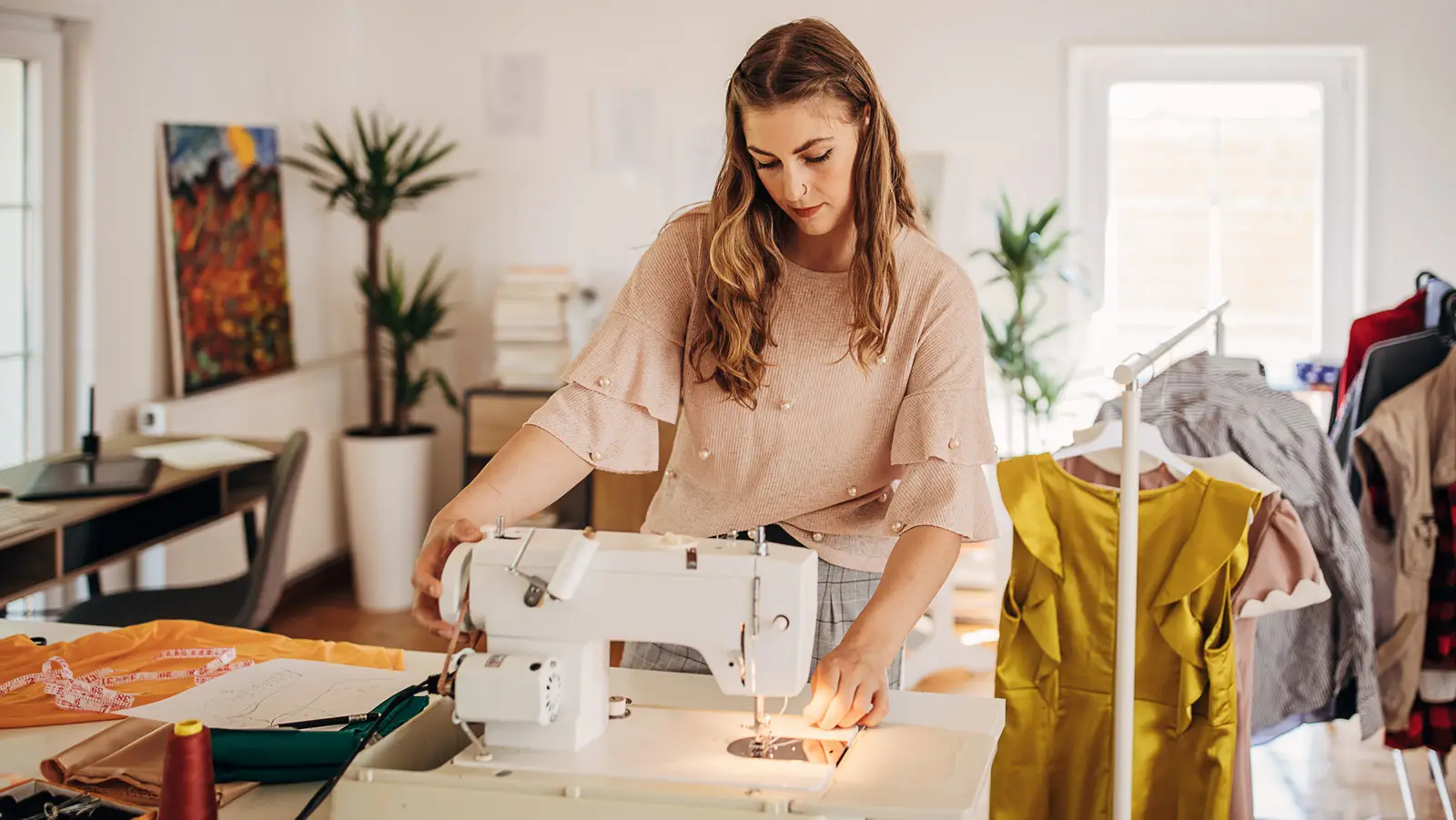
People who sew or design their own clothing can decide exactly where to place buttons, zippers, snaps, ties, or other fasteners according to personal preference. This growing freedom reflects how fashion continues to evolve while respecting its long history and adapting to changing lifestyles.
Via Glam
Why Historians Still Study Everyday Clothing
Fashion historians continue studying ordinary garments because clothing often reveals valuable information about the societies that created and wore them. Small details such as button placement, zipper direction, stitching methods, and fabric choices help researchers understand daily routines, social customs, and manufacturing practices from different periods of history. Many historical traditions survive long after people forget why they began. Clothing provides evidence of those traditions by preserving design features that have remained almost unchanged for generations, allowing experts to connect modern garments with lifestyles that existed hundreds of years ago.
Via Glasgow University
These discoveries show that even a simple shirt or jacket carries historical meaning beyond its appearance. Every fastening, seam, and pattern reflects decisions made by earlier designers and manufacturers, making clothing an important record of cultural and technological development across different eras.
Small Design Choices Can Tell Big Stories
Buttons and zippers may appear to be ordinary clothing features, but their placement demonstrates how practical needs can gradually become long-lasting traditions. What once helped servants dress wealthy women or allowed men to fasten garments more easily eventually became an accepted part of fashion around the world.Via Fast Company Middle East
As clothing styles changed over the centuries, many manufacturers continued following the same fastening patterns simply because customers expected them. These familiar designs became part of everyday life, even though most people no longer remembered the historical reasons behind their continued use.
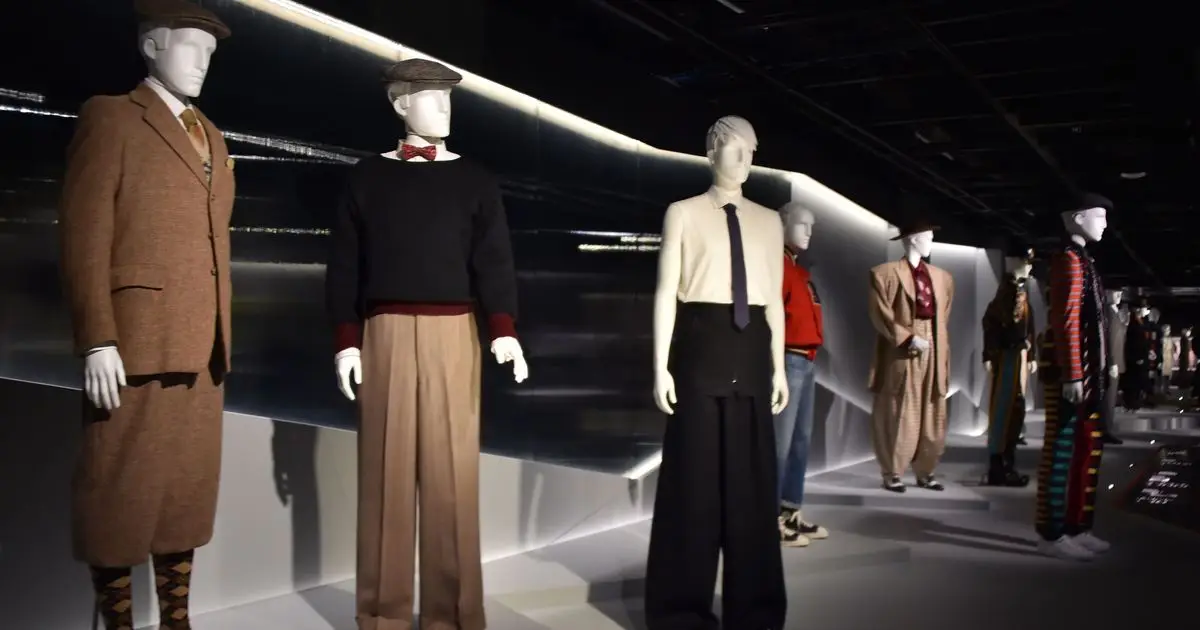
Understanding these small details encourages a greater appreciation for clothing and its history. Everyday garments are more than pieces of fabric because they preserve customs, traditions, and practical solutions that have been passed from one generation to another through thoughtful design.
Via ScrollIn
Why Button and Zipper Placement Matters Less Today
Modern clothing is designed to meet the needs of people with different lifestyles, occupations, and personal preferences. While traditional button and zipper placements still appear on many garments, they are no longer considered essential rules that every designer must follow without exception. Many fashion brands now focus on comfort, function, and individual expression rather than historical conventions. Shirts, jackets, trousers, and coats are increasingly created with flexible designs that suit a wider audience, showing how clothing continues to adapt alongside changing social attitudes.
Via The Conversation
The story behind buttons and zippers reminds people that even the smallest clothing details often have fascinating historical roots. Although these traditions began for practical reasons centuries ago, today's designers have the freedom to keep them, modify them, or create entirely new fastening styles for future generations.