Unassigned
Famous Historical Figures Who Were Secret Friends
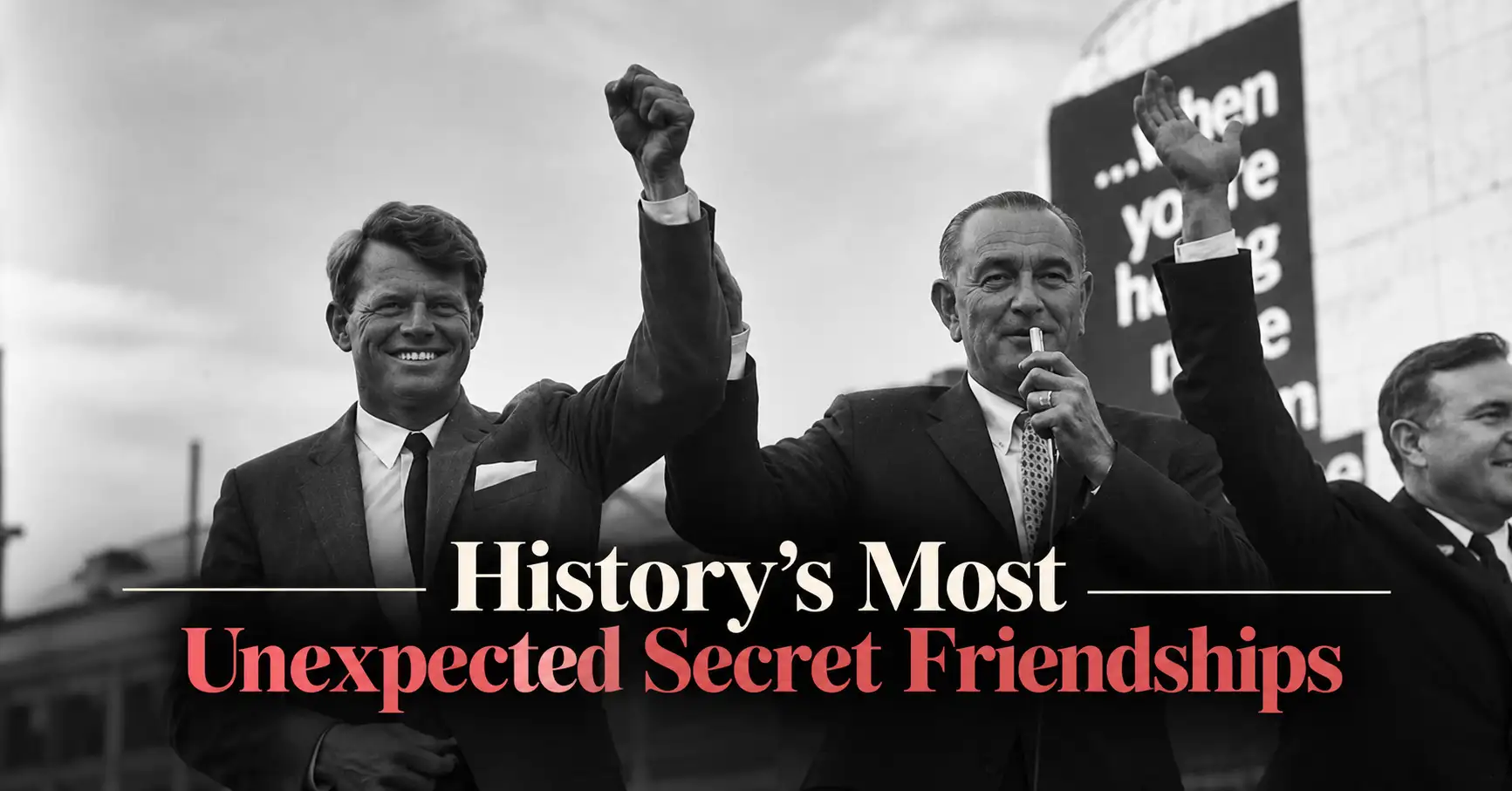
Famous people from the past often appear in textbooks as lone achievers or rivals who stood apart from everyone else. Many of them formed close friendships that crossed fields of work, national borders, and social barriers of their time. These connections offered steady support during periods of hard public criticism and personal struggle while also sparking fresh ideas that helped change the course of science, industry, and social progress.
People who made major discoveries or fought for justice sometimes found real understanding in others who faced similar pressures and isolation. Shared interests in science, invention, equal rights, or simple human curiosity brought them together even when their daily routines and home cities looked very different from one another. Letters exchanged across long distances, occasional visits, joint travels, and collaborative projects reveal a warmer and more human side of well-known historical stories.
 Via History Snob
These friendships demonstrate that genuine collaboration and mutual respect can exist right alongside great personal ambition and public fame. Learning about the private bonds adds valuable depth to familiar accounts and reminds readers that even the most celebrated figures valued steady personal connections that helped them keep going through difficult seasons of life.
 Via History
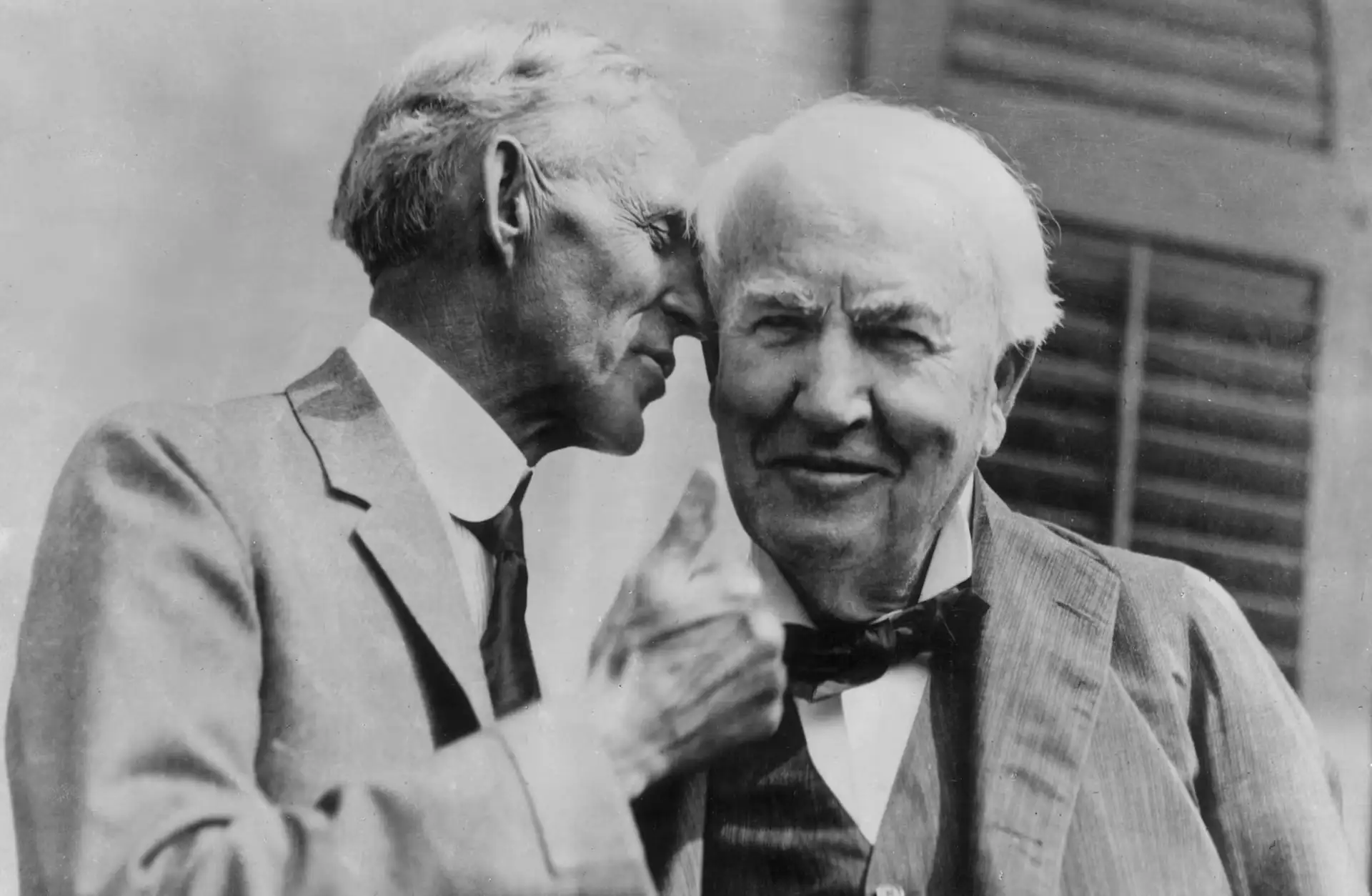
Edison was already forty-nine and known around the world for his many practical creations. The two men stayed in regular contact through friendly letters and birthday greetings over the following years. They traveled together to the Panama-Pacific International Exposition in 1915 and later joined annual camping trips between 1916 and 1924 that also included Harvey Firestone and the naturalist John Burroughs.
In 1916, Henry and Clara Ford purchased the Florida property known as The Mangoes, which sat right next to Edison’s winter home in Fort Myers. Both men shared a strong drive for practical innovation and held firm opinions about business and progress.
 Via Grunge
Their common ground in creating new technologies and solving everyday problems helped the friendship grow steadily over time. Edison’s early encouragement and the later years of companionship played a meaningful role in Ford’s path as an industrial leader who changed transportation for ordinary people.
 Via UNCF
A serious disagreement later arose in the late 1860s when Douglass chose to support the Fifteenth Amendment that granted Black men the right to vote. Anthony preferred to wait for a broader amendment that would grant voting rights to all men and all women at the same time. After the Fifteenth Amendment was ratified in 1870, Douglass returned to the ongoing work for women’s suffrage and the two repaired their professional and personal relationship.
They resumed regular contact, with Douglass visiting Anthony when he was in Rochester and Anthony calling on him whenever she traveled to Washington, D.C. Both remained powerful reformers who stayed committed to their causes. Working separately and sometimes together, they advanced important changes that reshaped legal rights and social expectations for large groups of people.
 Via History
 Via History
One notable moment came in January 1894 when Tesla photographed Twain using a new phosphorescent light. When the two men were not in the same city, they kept the connection alive through ongoing letters that shared news and ideas. Twain later invited Tesla to attend his daughter’s wedding in 1909.
Their mutual admiration, Twain for inventive technology and Tesla for lively literature, created a warm and lasting personal bond. The friendship enriched the daily lives of both men and gave each of them a valued companion who appreciated the other’s distinctive talents.
 Via Factinate
 Via History
Bell also provided financial support that allowed Keller to attend college. She became the first deaf-blind person to earn a bachelor’s degree when she graduated with honors from Radcliffe College. The friendship continued with steady contact until Bell’s death in 1922, showing how one person’s practical guidance and ongoing encouragement can open important doors for another person facing steep barriers.
 Via A Mighty Girl
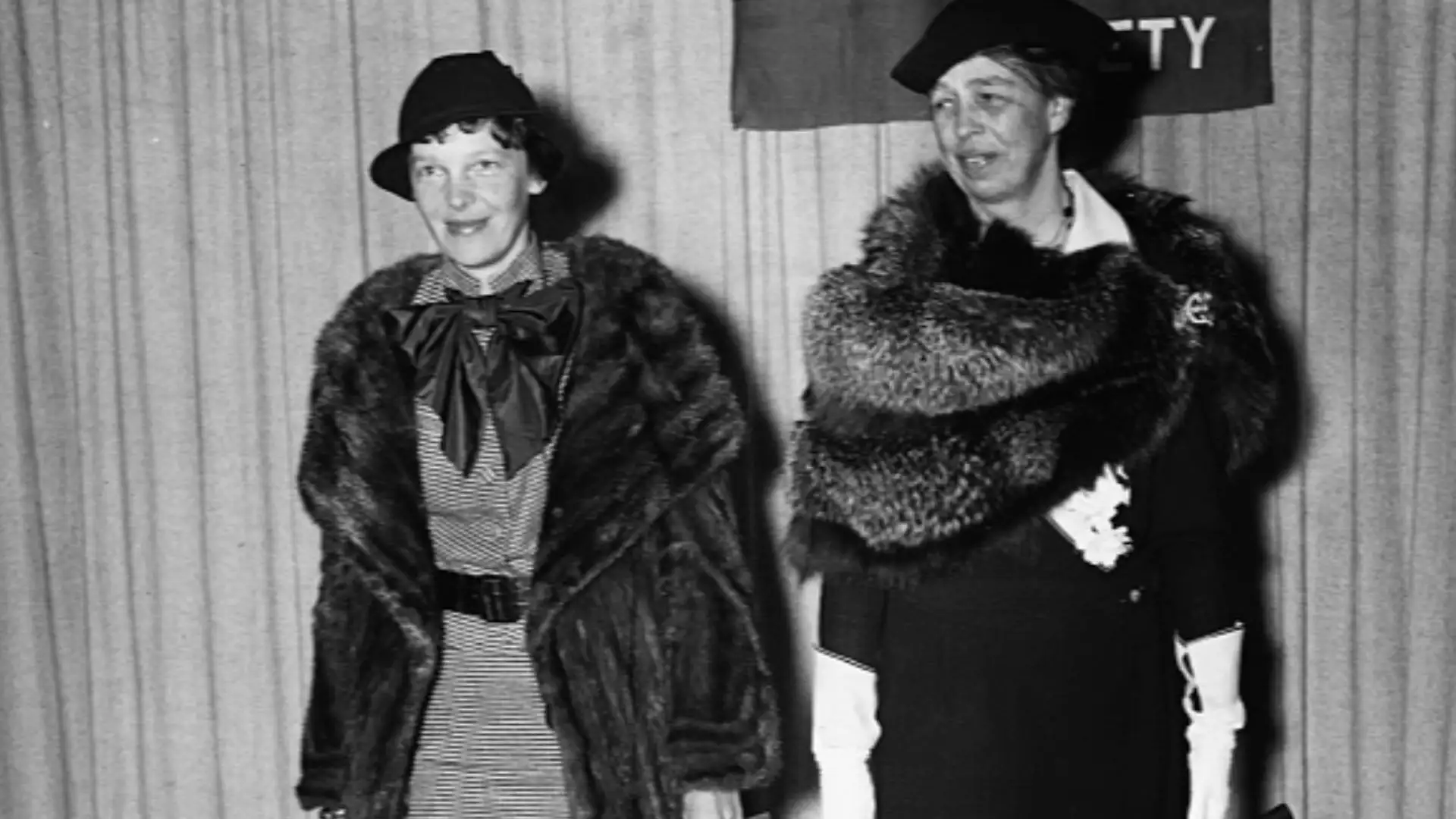
That same evening they managed to slip away so that Earhart could take Roosevelt up in an airplane. The short flight so inspired the First Lady that she expressed a strong desire to earn her own pilot’s license, and Earhart offered to provide flying lessons. The Secret Service and President Franklin D. Roosevelt later put a stop to those plans for reasons of safety and security.
Between 1933 and 1937, the year of Earhart’s final flight, she made regular visits to the White House and became involved in several of the First Lady’s causes. These included efforts to improve daily conditions for working women and to promote greater understanding and peace among nations. Their friendship highlighted the strength that can grow when two determined women support each other’s goals and public efforts.
 Via Vintage Everyday
 Via History Snob
The stories also show that meaningful collaboration often grows from ordinary acts such as a carefully written letter of encouragement, an introduction that changes a young person’s path, or an invitation to join a laboratory experiment or a quiet flight. People who faced isolation, professional barriers, or social opposition discovered understanding and acceptance in unexpected places. Their relationships enriched both their private lives and the larger historical achievements for which they are remembered.
Readers can draw lasting encouragement from these clear examples. Genuine friendships among ambitious and hardworking individuals remain both possible and deeply valuable across any era. The personal bonds formed by these historical figures continue to illustrate the quiet yet powerful impact of loyalty, curiosity, and steady respect that endures long after the public events of their time have passed into memory.
More in UnassignedVia History Snob
These friendships demonstrate that genuine collaboration and mutual respect can exist right alongside great personal ambition and public fame. Learning about the private bonds adds valuable depth to familiar accounts and reminds readers that even the most celebrated figures valued steady personal connections that helped them keep going through difficult seasons of life.
Thomas Edison and Henry Ford
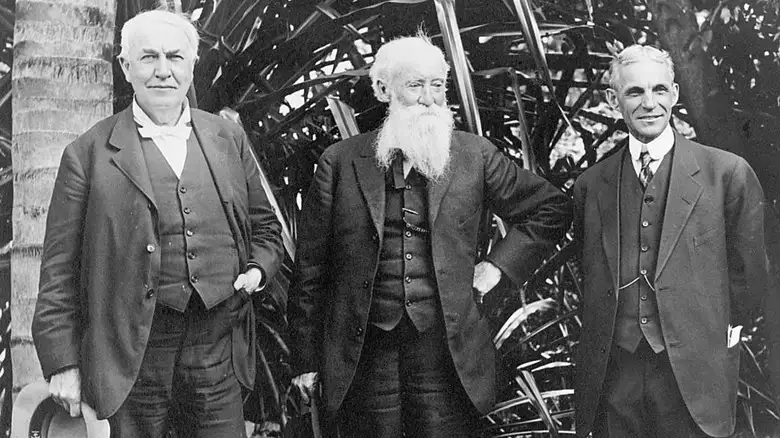
Inventor Thomas Edison first met a young Henry Ford in 1896 during a meeting of the Association of Edison Illuminating Companies held in Brooklyn, New York. Ford was thirty-three years old at the time and had long admired Edison as a boyhood hero, so he brought a camera along to the gathering in order to take a few photographs of the famous inventor.Via History
Edison was already forty-nine and known around the world for his many practical creations. The two men stayed in regular contact through friendly letters and birthday greetings over the following years. They traveled together to the Panama-Pacific International Exposition in 1915 and later joined annual camping trips between 1916 and 1924 that also included Harvey Firestone and the naturalist John Burroughs.
In 1916, Henry and Clara Ford purchased the Florida property known as The Mangoes, which sat right next to Edison’s winter home in Fort Myers. Both men shared a strong drive for practical innovation and held firm opinions about business and progress.
Via Grunge
Their common ground in creating new technologies and solving everyday problems helped the friendship grow steadily over time. Edison’s early encouragement and the later years of companionship played a meaningful role in Ford’s path as an industrial leader who changed transportation for ordinary people.
Frederick Douglass and Susan B. Anthony
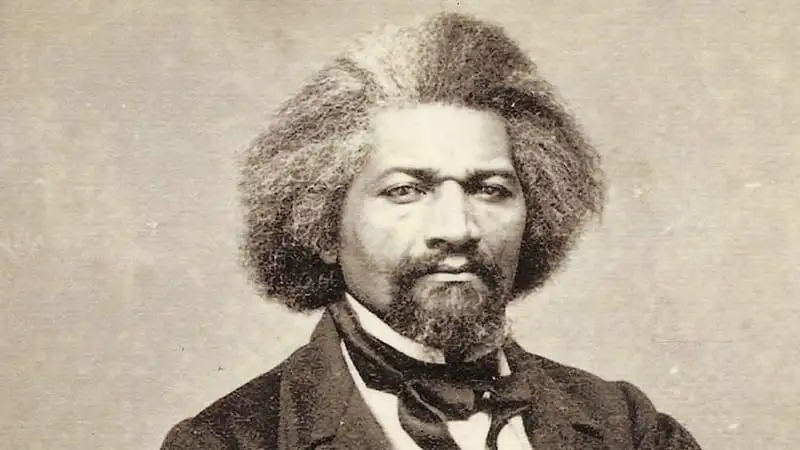
Abolitionist Frederick Douglass and suffragist Susan B. Anthony first connected in Rochester in 1849. Anthony already knew of Douglass through his active participation in women’s rights conventions and through the fact that he was friends with her own father. For years they worked side by side campaigning for the end of slavery and for the expansion of voting rights to more people.
Via UNCF
A serious disagreement later arose in the late 1860s when Douglass chose to support the Fifteenth Amendment that granted Black men the right to vote. Anthony preferred to wait for a broader amendment that would grant voting rights to all men and all women at the same time. After the Fifteenth Amendment was ratified in 1870, Douglass returned to the ongoing work for women’s suffrage and the two repaired their professional and personal relationship.
They resumed regular contact, with Douglass visiting Anthony when he was in Rochester and Anthony calling on him whenever she traveled to Washington, D.C. Both remained powerful reformers who stayed committed to their causes. Working separately and sometimes together, they advanced important changes that reshaped legal rights and social expectations for large groups of people.
Via History
Mark Twain and Nikola Tesla
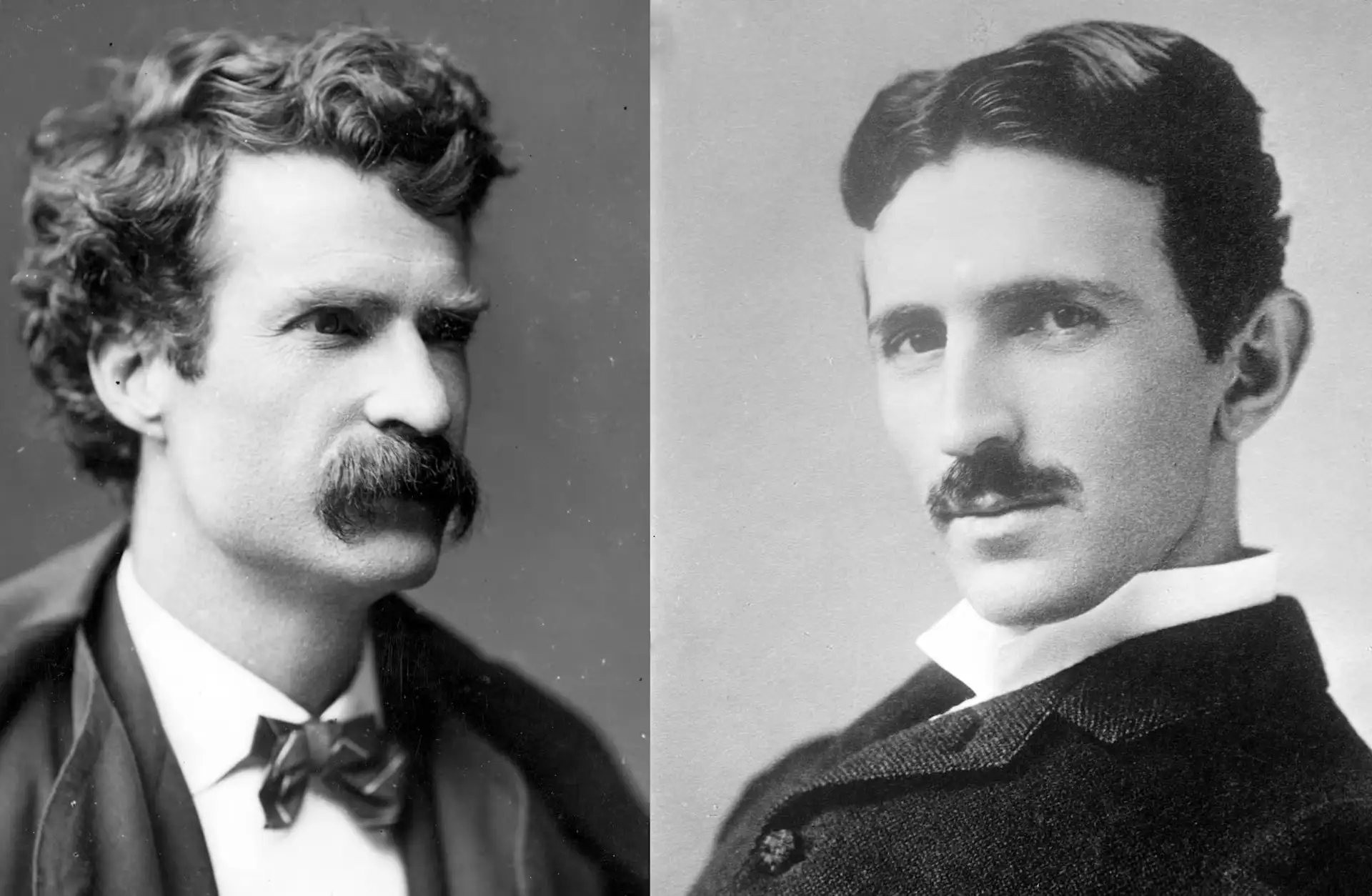
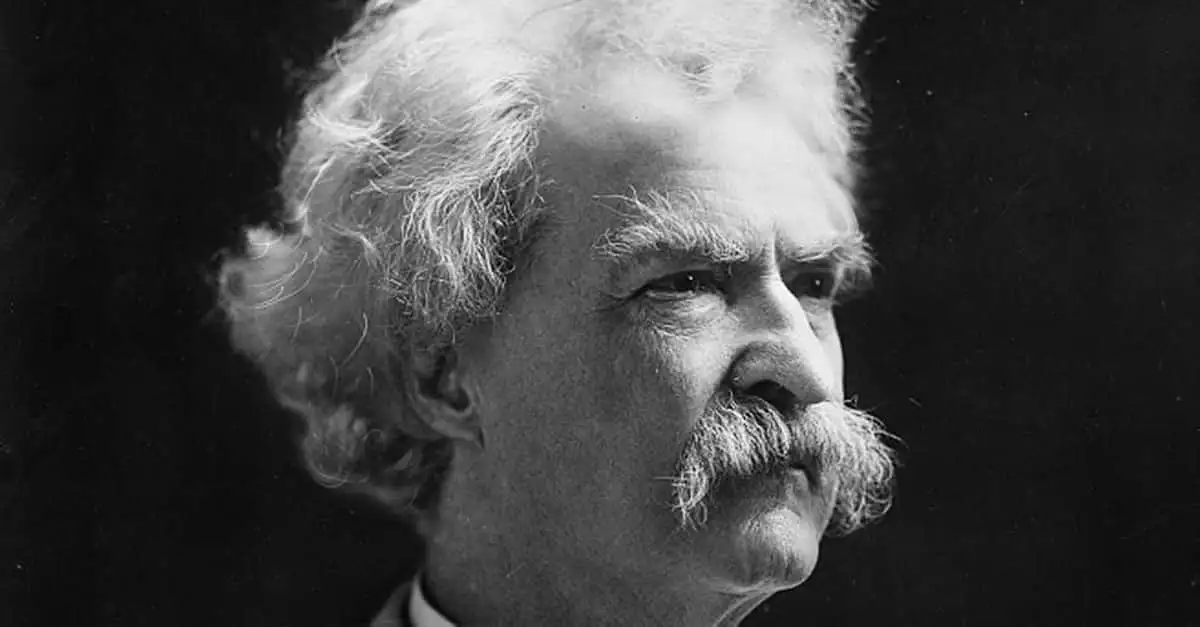
Writer Samuel Clemens, better known by the pen name Mark Twain, held a lifelong fascination with technology and new inventions that eventually drew him toward the Serbian inventor Nikola Tesla. Tesla had moved to New York from Croatia in 1885, and by 1888 Twain had already written that Tesla’s alternating current motor would revolutionize the entire electric business of the world. Tesla, for his part, had been a devoted reader of Twain’s books since childhood and even credited those stories with helping him recover during a long period when he was bedridden. The friendship took shape in the 1890s. Twain visited Tesla at the laboratory on Fifth Avenue and occasionally joined in some of the experiments taking place there.Via History
One notable moment came in January 1894 when Tesla photographed Twain using a new phosphorescent light. When the two men were not in the same city, they kept the connection alive through ongoing letters that shared news and ideas. Twain later invited Tesla to attend his daughter’s wedding in 1909.
Their mutual admiration, Twain for inventive technology and Tesla for lively literature, created a warm and lasting personal bond. The friendship enriched the daily lives of both men and gave each of them a valued companion who appreciated the other’s distinctive talents.
Via Factinate
Helen Keller and Alexander Graham Bell
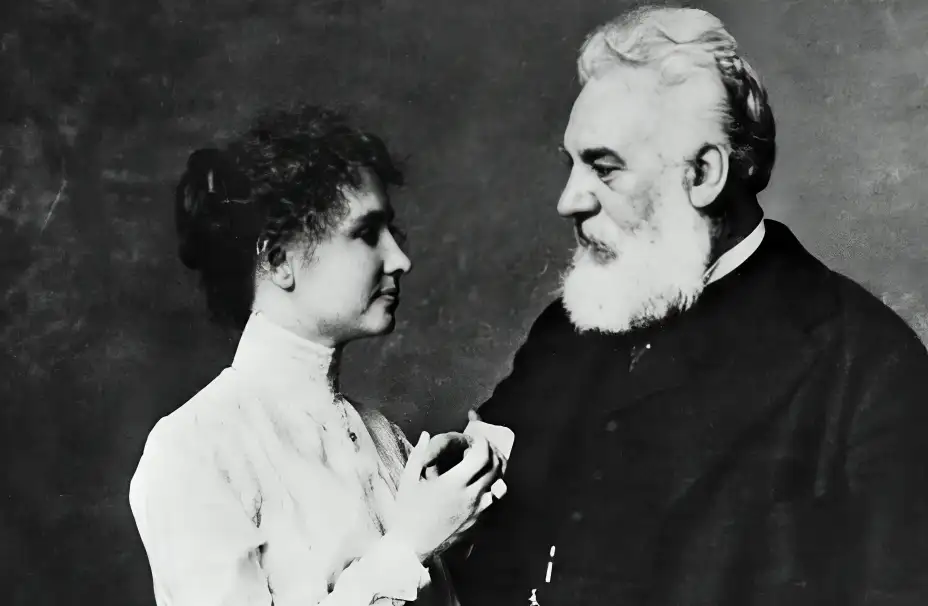
Although best known for inventing the telephone, Scottish-born inventor and scientist Alexander Graham Bell spent a large part of his career working to improve the lives of deaf and hard-of-hearing people, especially through better education for deaf children. Deafness touched his own family directly: his mother was hard of hearing, and his wife, Mabel Hubbard Bell, was deaf and a skilled speech reader. In 1886, Bell met six-year-old Helen Keller, who was both deaf and blind and still struggled to communicate with those around her. Bell referred the Keller family to the Perkins School for the Blind in Boston and made the arrangements that allowed Helen to meet her future teacher and lifelong companion, Anne Sullivan. Keller felt lasting gratitude for this early help. The two adults and the young girl developed a close friendship that included personal visits and shared travel, such as a trip together to the 1893 World’s Columbian Exposition in Chicago.
Via History
Bell also provided financial support that allowed Keller to attend college. She became the first deaf-blind person to earn a bachelor’s degree when she graduated with honors from Radcliffe College. The friendship continued with steady contact until Bell’s death in 1922, showing how one person’s practical guidance and ongoing encouragement can open important doors for another person facing steep barriers.
Amelia Earhart and Eleanor Roosevelt
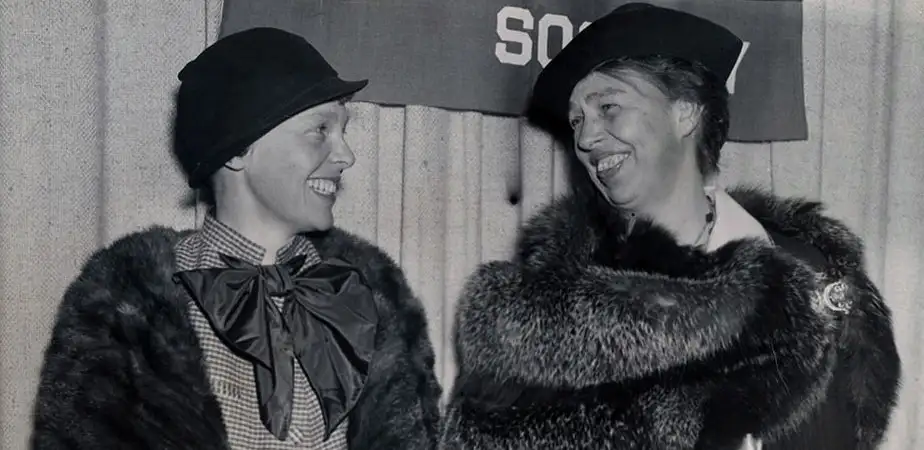
Pilot Amelia Earhart and First Lady Eleanor Roosevelt stood out as two of the most visible and active women of the 1930s. Both were committed to advancing the position of women in society, and each openly admired the public work of the other. They first met at a White House dinner on April 20, 1933, and quickly discovered shared interests that went beyond formal occasions.
Via A Mighty Girl
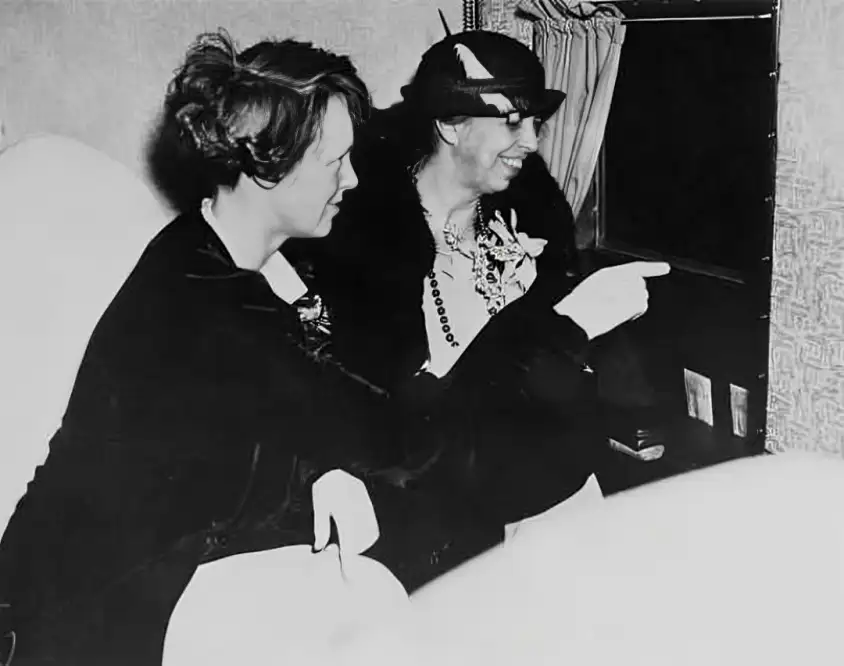
That same evening they managed to slip away so that Earhart could take Roosevelt up in an airplane. The short flight so inspired the First Lady that she expressed a strong desire to earn her own pilot’s license, and Earhart offered to provide flying lessons. The Secret Service and President Franklin D. Roosevelt later put a stop to those plans for reasons of safety and security.
Between 1933 and 1937, the year of Earhart’s final flight, she made regular visits to the White House and became involved in several of the First Lady’s causes. These included efforts to improve daily conditions for working women and to promote greater understanding and peace among nations. Their friendship highlighted the strength that can grow when two determined women support each other’s goals and public efforts.
Via Vintage Everyday
Lessons Carried Forward by These Bonds
These six friendships reveal how shared values, mutual respect, and simple human kindness can bridge very different lives and careers. Steady support during seasons of public criticism, shared adventures in travel or experiments, and common dedication to larger causes created connections that lasted for many years and helped each person face challenges with greater resilience. Every pair found genuine strength and fresh inspiration in the presence of the other.
Via History Snob
The stories also show that meaningful collaboration often grows from ordinary acts such as a carefully written letter of encouragement, an introduction that changes a young person’s path, or an invitation to join a laboratory experiment or a quiet flight. People who faced isolation, professional barriers, or social opposition discovered understanding and acceptance in unexpected places. Their relationships enriched both their private lives and the larger historical achievements for which they are remembered.
Readers can draw lasting encouragement from these clear examples. Genuine friendships among ambitious and hardworking individuals remain both possible and deeply valuable across any era. The personal bonds formed by these historical figures continue to illustrate the quiet yet powerful impact of loyalty, curiosity, and steady respect that endures long after the public events of their time have passed into memory.