Unassigned
Earthquakes in Japan - Causes and Measurement

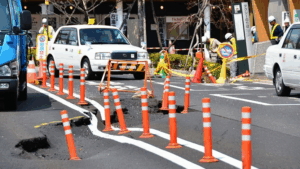
Living in Japan means getting used to the ground shaking now and then. Earthquakes happen often because of where the country is located on the planet. When a quake strikes, you might hear a sudden beep on your TV or see words flash on the screen.
 Via Japan Guide
This is Japan's way of quickly telling everyone about the earthquake, including how strong it is and if there's a risk of a tsunami. These alerts can save lives by giving people time to react. But to make the most of them, it's good to know some basics about earthquakes. Let's start by looking at why Japan has so many of them and how people there handle them.
 Via Turkiye Today
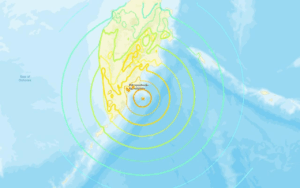
These pieces are called tectonic plates. The main ones affecting Japan are the Pacific Plate, the Philippine Sea Plate, and the Eurasian Plate. When these plates move, they can slide past each other, crash into one another, or pull apart. This movement builds up stress, and when the stress gets too much, it releases as an earthquake.
Most quakes in Japan come from the plates under the ocean, but some happen on land too. That's why cities like Tokyo, which are built on land, still feel the shakes. Over time, this has made Japan one of the most earthquake-prone places in the world. But it's also pushed people to come up with smart ways to stay safe.
 Via Wikipedia
 Via National Geographic Kids
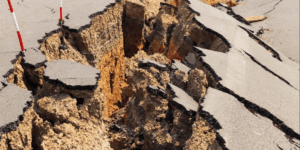
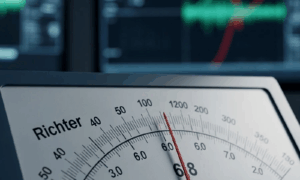
The scale for this is called the Richter scale or moment magnitude scale, and it goes up logarithmically. That means a magnitude 6 quake is 10 times stronger than a 5. Intensity, on the other hand, measures how strong the shaking feels in a certain place. It depends on things like how far you are from the epicenter and what the ground is made of.
 Via NST Online
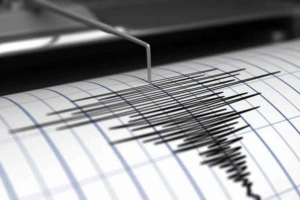
As the levels go up, things get more noticeable. At level 2, many people inside feel it, and the lights might sway a bit. By level 3, most people feel the shake, and wires outside might move. Level 4 is when it starts to feel scary, lamps shake a lot, dishes rattle, and things might fall over. Lower 5 makes people feel danger; books fall from shelves, and furniture shifts if it's not secured.
Upper 5 is tougher; it's hard to walk without grabbing something, heavy furniture like dressers might tip, and weak walls could crack. Lower 6 brings extreme fear; you can't stand up easily, doors jam, and windows start breaking. Upper 6 means you have to crawl to move, most weak walls fall, and furniture flies around.
 Via Prensa Latina
At the top, level 7, people can't control their movements, everything shifts, and objects seem to jump in the air. This scale helps because it tells you right away what to expect based on where you are. Actual effects can change based on the soil type or building quality, but it's a quick guide during alerts.
 Via Pikbest
In Europe, the European Macroseismic Scale (EMS) is used, focusing on building damage and human reactions. These differences make sense because each place has unique buildings and landscapes. But no matter the scale, the goal is the same: to help people understand the quake's impact and stay safe. Japan's scale is especially useful for quick warnings since it's simple and direct.
 Via History of Geology
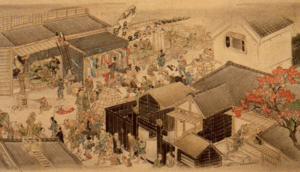
But that's not the only one. In 1995, the Great Hanshin Earthquake hit near Kobe with a magnitude of 7.3. It destroyed buildings and bridges because many weren't built to handle such shakes. Lessons from these events have changed how Japan prepares. Smaller quakes happen all the time, sometimes several a day, but most are too weak to cause harm. Still, they remind everyone that the ground is always active.
 Via Structures Insider
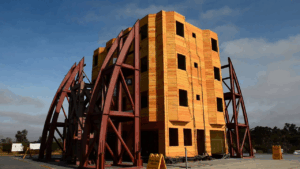
High-rise buildings might sway with the quake to avoid cracking. Engineers test these designs in labs with huge shaking machines. Rental properties in Tokyo often advertise their quake resistance to attract people. If you're moving there, look for places with reinforced concrete or steel frames. These features have saved countless lives by keeping structures standing during strong tremors.
 Via Asian College of Teachers
This helps everyone get used to the feeling so they don't panic. At work, companies hold emergency practices, especially in busy spots like stores. Workers learn to guide crowds to safety. Homes are prepped, too. People secure tall furniture to walls and keep emergency kits with water, food, and flashlights. This culture of readiness comes from past disasters, turning fear into action.
 Via East Asia Forum
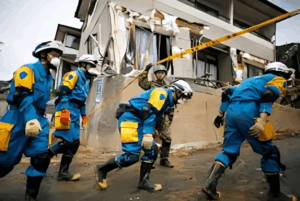
Communities hold events to teach about evacuation routes and first aid. Apps on phones send alerts for quakes, tsunamis, or other dangers. These tools give real-time info, like the quake's magnitude and expected intensity in your area. Being prepared like this turns a scary event into something manageable.
 Via Securiti
For expats or visitors, downloading apps like the JMA one or others is key. They translate info into English and show maps of safe spots. Knowing your evacuation zone, usually marked on signs, helps too. With these, even if you're new to Japan, you can stay safe.
 Via Sky News
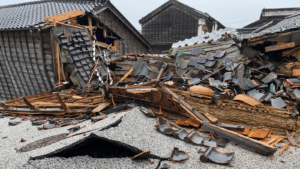
By preparing ahead, people turn risks into routines. Whether you're in Tokyo or elsewhere, embracing this mindset lets you enjoy life without constant worry. Japan shows that with knowledge and planning, people can live alongside nature's power.
More in Unassigned
Via Japan Guide
This is Japan's way of quickly telling everyone about the earthquake, including how strong it is and if there's a risk of a tsunami. These alerts can save lives by giving people time to react. But to make the most of them, it's good to know some basics about earthquakes. Let's start by looking at why Japan has so many of them and how people there handle them.
The Pacific Ring of Fire - Japan's Shaky Location
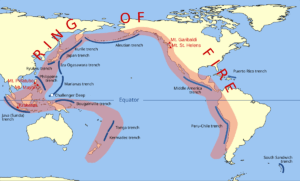
Japan sits right on the edge of something called the Pacific Ring of Fire. This is a huge area around the Pacific Ocean where lots of earthquakes and volcanoes happen. It's like a giant horseshoe shape that goes from New Zealand up through Asia, across to Alaska, and down the west coast of the Americas. Japan is in the middle of this active zone because it's where several big pieces of the Earth's crust meet.
Via Turkiye Today
These pieces are called tectonic plates. The main ones affecting Japan are the Pacific Plate, the Philippine Sea Plate, and the Eurasian Plate. When these plates move, they can slide past each other, crash into one another, or pull apart. This movement builds up stress, and when the stress gets too much, it releases as an earthquake.
Most quakes in Japan come from the plates under the ocean, but some happen on land too. That's why cities like Tokyo, which are built on land, still feel the shakes. Over time, this has made Japan one of the most earthquake-prone places in the world. But it's also pushed people to come up with smart ways to stay safe.
Via Wikipedia
How Earthquakes Work - The Basics
An earthquake is basically a sudden shaking of the ground caused by rocks breaking deep underground. The point where the break starts is called the epicenter. From there, waves of energy spread out, making the ground move. These waves can be side-to-side or up-and-down, and they weaken as they get farther away. In Japan, quakes can range from tiny ones you barely notice to huge ones that cause a lot of damage. Scientists measure earthquakes in two main ways: magnitude and intensity. Magnitude tells you how much energy the quake releases. It's like measuring the size of the explosion at the source.
Via National Geographic Kids
The scale for this is called the Richter scale or moment magnitude scale, and it goes up logarithmically. That means a magnitude 6 quake is 10 times stronger than a 5. Intensity, on the other hand, measures how strong the shaking feels in a certain place. It depends on things like how far you are from the epicenter and what the ground is made of.
Japan's Special Way to Measure Quakes - The JMA Scale
In Japan, they use their own system called the Japan Meteorological Agency (JMA) seismic intensity scale. It goes from 0 to 7, with some levels split into lower and upper parts. This scale focuses on what people feel and what happens around them. It's different from other countries because it's tailored to Japan's needs. For example, at level 0, no one feels anything. At level 1, only a few people indoors might notice a slight tremble.
Via NST Online
As the levels go up, things get more noticeable. At level 2, many people inside feel it, and the lights might sway a bit. By level 3, most people feel the shake, and wires outside might move. Level 4 is when it starts to feel scary, lamps shake a lot, dishes rattle, and things might fall over. Lower 5 makes people feel danger; books fall from shelves, and furniture shifts if it's not secured.
Upper 5 is tougher; it's hard to walk without grabbing something, heavy furniture like dressers might tip, and weak walls could crack. Lower 6 brings extreme fear; you can't stand up easily, doors jam, and windows start breaking. Upper 6 means you have to crawl to move, most weak walls fall, and furniture flies around.
Via Prensa Latina
At the top, level 7, people can't control their movements, everything shifts, and objects seem to jump in the air. This scale helps because it tells you right away what to expect based on where you are. Actual effects can change based on the soil type or building quality, but it's a quick guide during alerts.
Comparing Scales Around the World
Not every country uses the JMA scale. In the United States and South Korea, they often use the Mercalli intensity scale. This one goes from I to XII and describes damage and feelings in more detail. For example, level I is not felt, while level XII means destruction. China has its own China Seismic Intensity Scale (CSIS), which is similar but adjusted for its land.
Via Pikbest
In Europe, the European Macroseismic Scale (EMS) is used, focusing on building damage and human reactions. These differences make sense because each place has unique buildings and landscapes. But no matter the scale, the goal is the same: to help people understand the quake's impact and stay safe. Japan's scale is especially useful for quick warnings since it's simple and direct.
Famous Earthquakes in Japan's History
Japan has faced many big earthquakes over the years. One of the most famous is the Great Tohoku Earthquake in 2011. It had a magnitude of 9.0, making it the strongest ever recorded in Japan and one of the top in the world since 1900. It started under the ocean off the coast, causing huge waves called tsunamis that hit the shore. Thousands of people lost their lives, and it damaged nuclear plants, leading to more problems.
Via History of Geology
But that's not the only one. In 1995, the Great Hanshin Earthquake hit near Kobe with a magnitude of 7.3. It destroyed buildings and bridges because many weren't built to handle such shakes. Lessons from these events have changed how Japan prepares. Smaller quakes happen all the time, sometimes several a day, but most are too weak to cause harm. Still, they remind everyone that the ground is always active.
Building to Withstand the Shakes
Because earthquakes are so common, Japan has become a leader in making buildings that can handle them. In big cities like Tokyo, many apartments and houses are designed to be earthquake-proof. Some use special materials that bend instead of breaking. Others have bases that absorb the shock, like giant springs or rubber pads.
Via Structures Insider
High-rise buildings might sway with the quake to avoid cracking. Engineers test these designs in labs with huge shaking machines. Rental properties in Tokyo often advertise their quake resistance to attract people. If you're moving there, look for places with reinforced concrete or steel frames. These features have saved countless lives by keeping structures standing during strong tremors.
Preparing Kids and Adults - Drills and Education
Japanese society takes earthquake prep seriously, starting with kids. In schools, students do regular drills. When an alarm sounds, they duck under desks, cover their heads, and hold on. This "drop, cover, and hold" method protects from falling objects. Sometimes, these drills happen right when a real quake hits, like in videos from the 2011 event. Fire departments run simulation centers where people feel fake quakes on machines.
Via Asian College of Teachers
This helps everyone get used to the feeling so they don't panic. At work, companies hold emergency practices, especially in busy spots like stores. Workers learn to guide crowds to safety. Homes are prepped, too. People secure tall furniture to walls and keep emergency kits with water, food, and flashlights. This culture of readiness comes from past disasters, turning fear into action.
Disaster Prevention Day and Everyday Readiness
Every year on November 19, Japan marks Disaster Prevention Day. It's a reminder to check supplies and review plans. People stock up on emergency food, which in Japan isn't just basic stuff. You can find canned bread that's soft, curry packs, noodles, and even sweets like red bean treats. This makes tough times a bit more normal.
Via East Asia Forum
Communities hold events to teach about evacuation routes and first aid. Apps on phones send alerts for quakes, tsunamis, or other dangers. These tools give real-time info, like the quake's magnitude and expected intensity in your area. Being prepared like this turns a scary event into something manageable.
Staying Informed - Alerts and Apps
When a quake hits, Japan's warning system kicks in fast. TV and radio interrupt programs with beeps and messages. Phones buzz with alerts from the government. If there's a tsunami risk, sirens wail, and people head to higher ground.
Via Securiti
For expats or visitors, downloading apps like the JMA one or others is key. They translate info into English and show maps of safe spots. Knowing your evacuation zone, usually marked on signs, helps too. With these, even if you're new to Japan, you can stay safe.
Explore Why Earthquakes Shake Japan
Earthquakes are part of Japan's story, but so is resilience. From high-tech buildings to school drills, the country has adapted well. Understanding terms like magnitude and the JMA scale makes alerts more useful.
Via Sky News
By preparing ahead, people turn risks into routines. Whether you're in Tokyo or elsewhere, embracing this mindset lets you enjoy life without constant worry. Japan shows that with knowledge and planning, people can live alongside nature's power.