Lifestyle / Health
Can Psychedelics Help Treat Postpartum Depression?
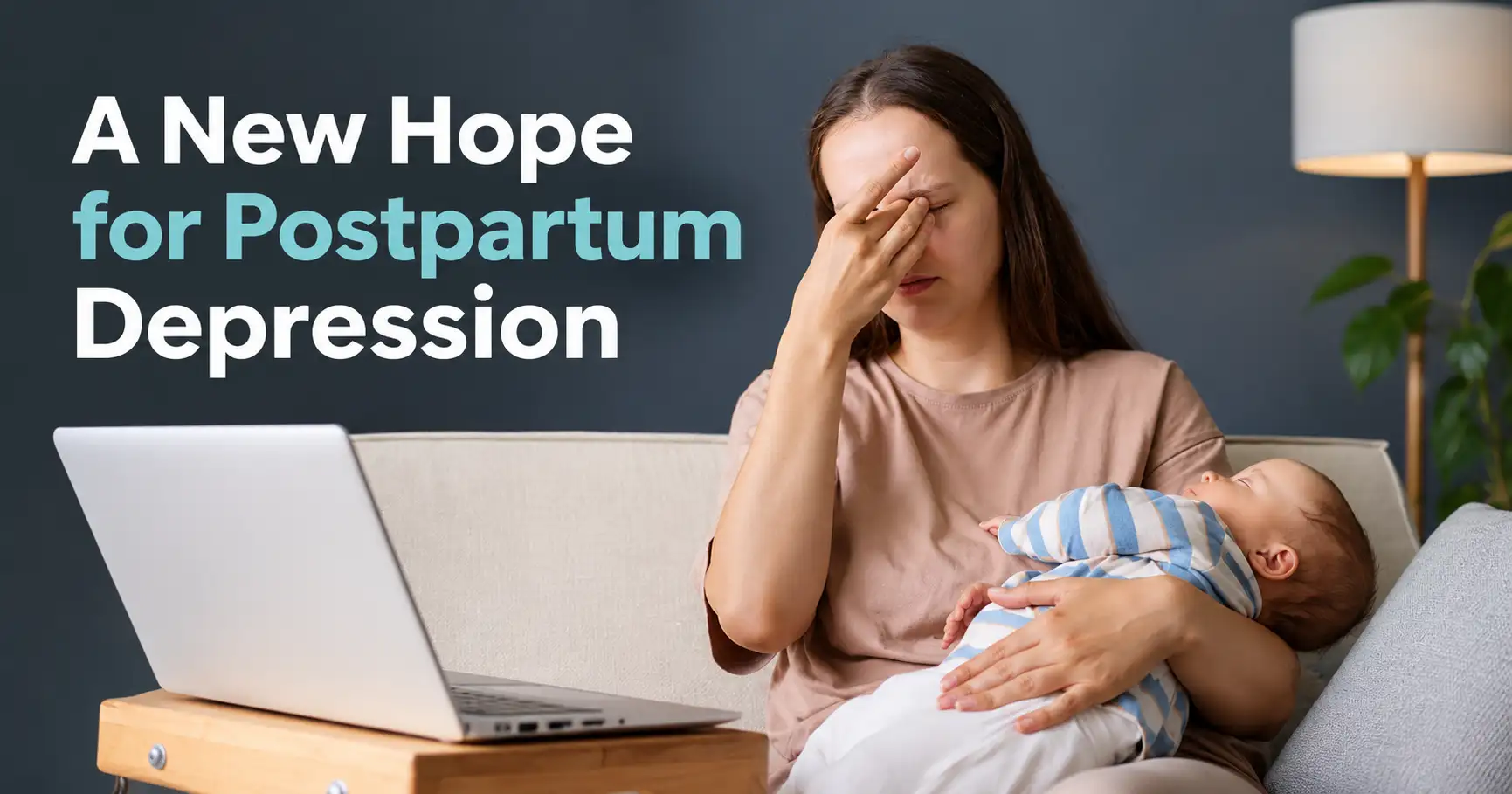
Postpartum depression and anxiety affect many new mothers during pregnancy or after childbirth, creating emotional and physical challenges that can influence daily life. These conditions are more than temporary sadness because they involve serious mental health changes that may require professional care and support.
Many mothers experience feelings of worry, hopelessness, exhaustion, or emotional distance after welcoming a baby. When these symptoms remain untreated, they can affect a mother’s overall health, ability to connect with her child, and confidence during an important stage of family development.

Via Healthcare Associate
Research suggests that postpartum mental health conditions can also influence children’s early experiences. A mother’s emotional well-being plays an important role in bonding, nurturing, and creating a supportive environment that helps infants develop healthy emotional and social skills.
Why Early Treatment Matters for Mothers and Babies
Receiving timely support for postpartum depression and anxiety can improve outcomes for both mothers and children. Effective treatment may reduce emotional struggles, strengthen parent-child relationships, and help mothers regain a sense of stability during the early years of raising a child.

Via Multiple News Today
Untreated depression and anxiety during pregnancy or after birth may increase risks related to maternal health, including severe emotional distress and thoughts of self-harm. These challenges highlight the importance of recognizing symptoms early and providing accessible, evidence-based treatment options.
Children exposed to ongoing maternal mental health difficulties may face increased risks of developmental delays, behavioral concerns, and emotional challenges later in life. Providing appropriate care for mothers can help interrupt these patterns and support healthier outcomes across generations.

Via Occupational Therapy
The Connection Between Mental Health and Mother-Infant Bonding
The relationship between a mother and infant begins developing long before a child can communicate through words. Emotional connection, physical closeness, and responsive care create important foundations for healthy development during the earliest stages of life.
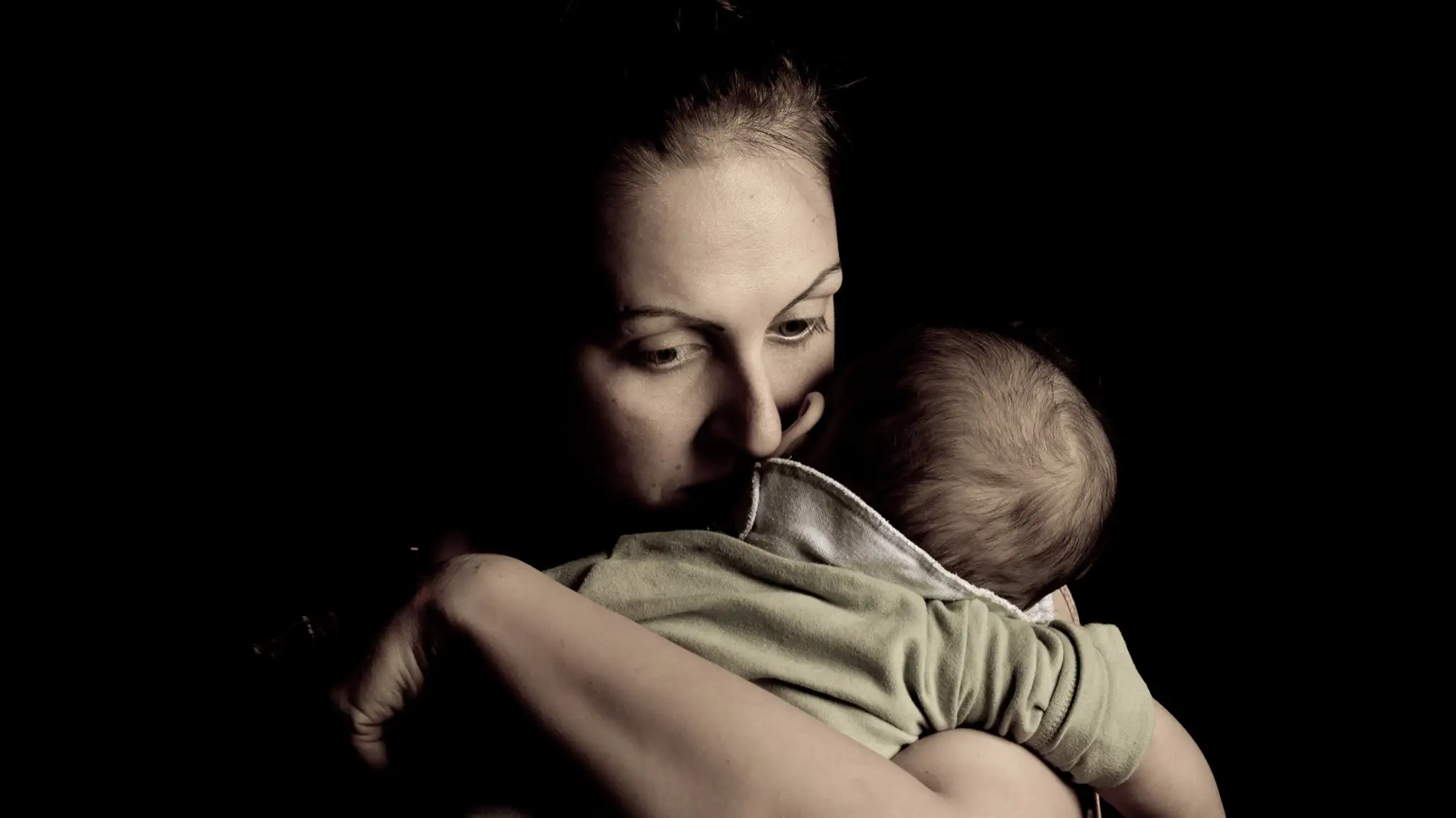
Postpartum depression is often associated with feelings of disconnection, making it difficult for some mothers to experience the closeness they expected after childbirth. These emotional barriers can affect bonding, even when mothers deeply care about their children and want to feel connected.

Via Momstory
Scientists have studied how certain treatments may influence feelings of connection, empathy, and emotional awareness. Understanding these biological and psychological processes may help researchers develop therapies that address not only symptoms but also the deeper emotional experiences linked with postpartum mental health.
How Psychedelic Medicine May Affect Brain Function
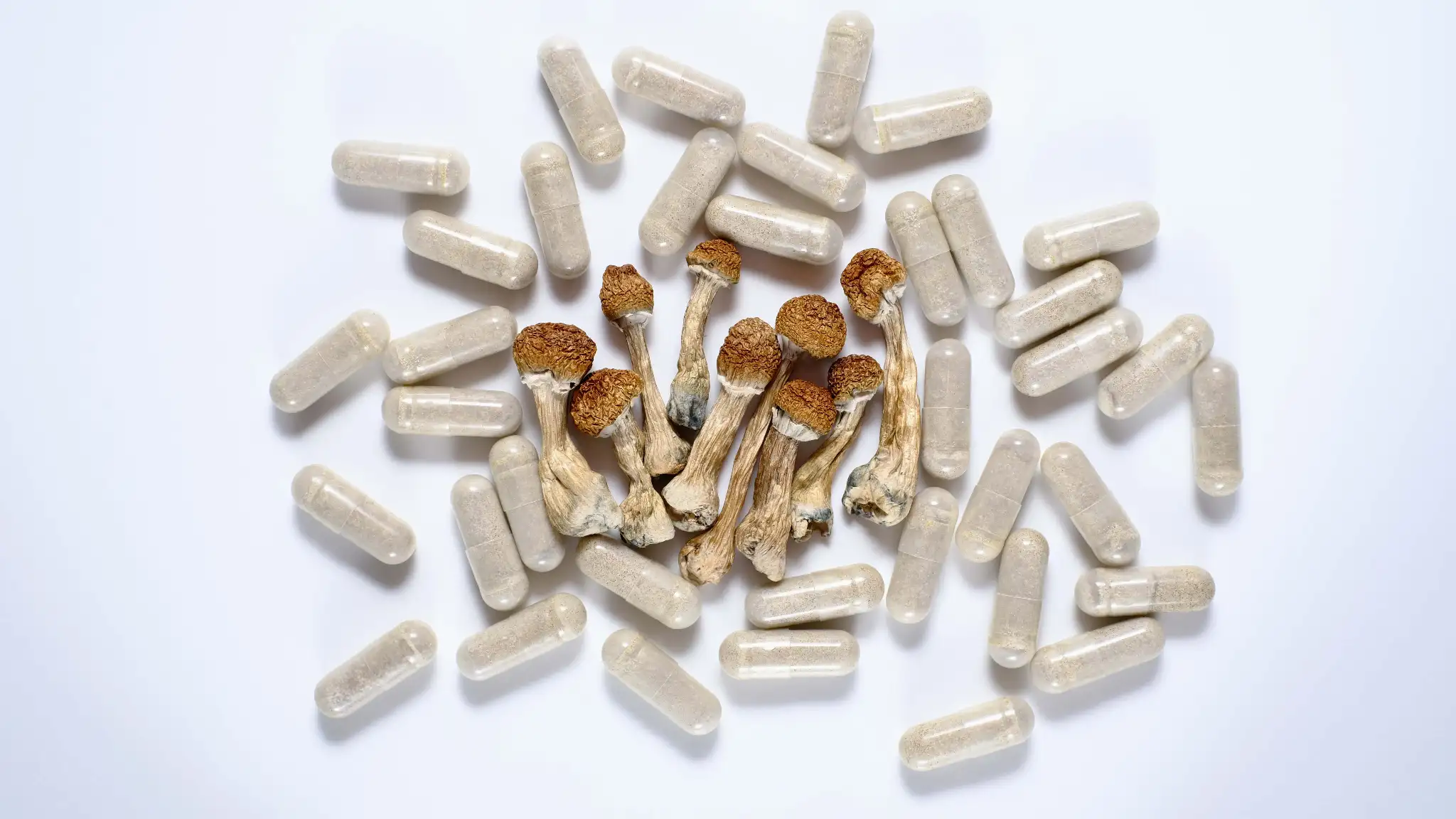
Researchers have become increasingly interested in psychedelic compounds because studies suggest they may create changes in brain activity and emotional processing. These substances appear to influence areas involved in mood regulation, perception, learning, and social connection.
Via WHRO
One important area of research involves how psychedelic treatments may affect the brain’s ability to create new patterns. Scientists believe these changes could help some people move away from negative thought cycles and develop healthier emotional responses.
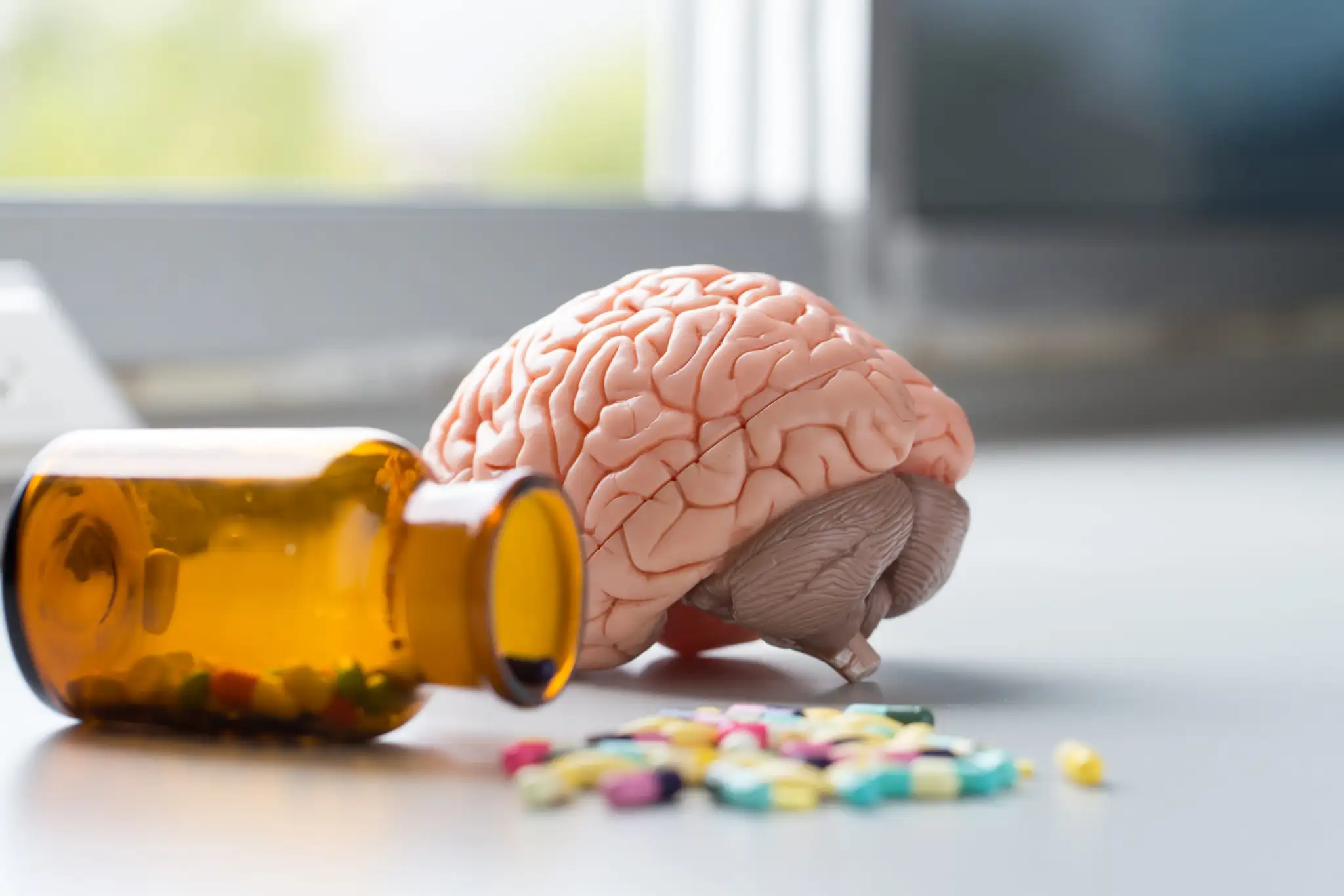
Psychedelic medicines are being investigated carefully through controlled clinical studies rather than informal use. Researchers are examining their safety, effectiveness, and potential role in treating conditions where traditional medications may not provide enough relief for certain patients.

Via Invest India
The Role of Hormones in Postpartum Mental Health
Hormones play a major role in pregnancy, childbirth, and the postpartum period because the body experiences significant biological changes. These shifts can influence mood, emotions, stress responses, and the way mothers connect with their babies after delivery.
Oxytocin is one hormone receiving attention because it supports bonding, trust, and social connection. Produced naturally in the body, oxytocin contributes to childbirth, breastfeeding, and the emotional relationship between mothers and infants during early development.

Via New Creation
Researchers are studying whether psychedelic treatments may influence hormones connected with emotional connection. Although more evidence is needed, scientists believe these biological effects could become an important part of understanding how new therapies might support postpartum mental health.
Exploring Luvesilocin as a Potential New Treatment
Luvesilocin is a newly studied psychedelic-based medication designed to work similarly to psilocin, the active compound associated with psychedelic mushrooms. Researchers are investigating whether this treatment can provide meaningful improvements for people experiencing postpartum depression and related emotional challenges.

Early clinical research has shown encouraging results, with some participants experiencing noticeable reductions in depression symptoms after receiving a controlled dose. Scientists are continuing to study how this medication may influence brain activity, emotional processing, and the unique changes that occur after childbirth.
The development of luvesilocin represents a growing interest in creating treatments that work differently from traditional medications. Instead of only managing symptoms over time, researchers are examining whether psychedelic therapies may help create deeper emotional changes when combined with careful medical supervision.
Via Harvard Health
Findings From Clinical Research on Postpartum Depression
Clinical trials are an important step in determining whether new medications are safe and effective before they become widely available. Studies involving luvesilocin have focused on measuring changes in postpartum depression symptoms and understanding how participants respond after receiving treatment.
Research findings have shown promising improvements among participants who received the psychedelic dose compared with those who received a placebo treatment. Many participants experienced reduced symptoms within a short period, suggesting that this approach may have potential for faster relief.
Via Harvard Health
Although early results are encouraging, scientists emphasize that additional research is necessary before drawing final conclusions. Larger studies with more participants will help determine long-term effectiveness, possible risks, and how this treatment may fit into future postpartum mental health care.
How Psychedelic Treatments Differ From Traditional Options
Traditional treatments for postpartum depression often include antidepressant medications and therapy approaches that help manage emotional symptoms. These methods have supported many people, but researchers continue searching for additional options for individuals who need different forms of support.
Via ABC News
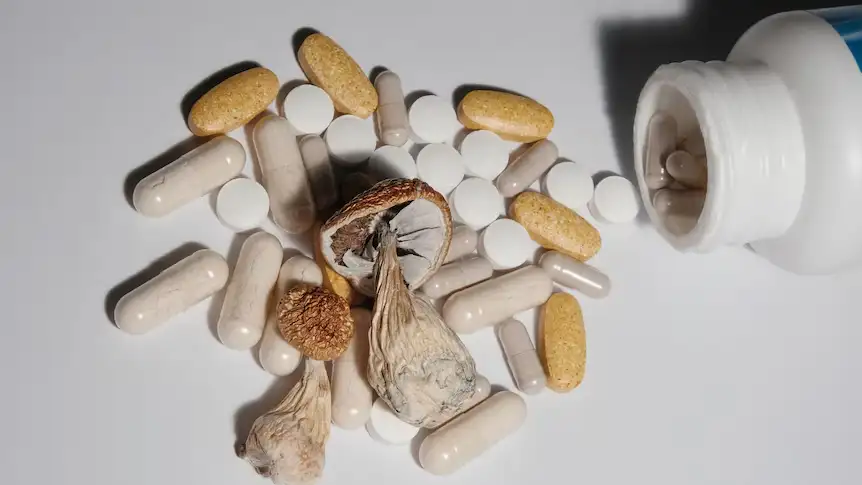
Psychedelic-assisted treatments are being studied because they may create unique effects on emotional awareness and brain flexibility. Some research suggests these therapies may help people process difficult experiences, reduce negative thought patterns, and strengthen feelings of connection.
These treatments are not intended to replace existing medical care without proper evaluation. Instead, researchers view psychedelic medicine as a possible addition to the available choices, offering another potential pathway for patients who may benefit from new therapeutic approaches.

Via Associated Psychologist
Access and Regulation of Psychedelic Therapies
The availability of psychedelic treatments depends on careful regulation, medical research, and legal decisions. Some regions have created controlled programs that allow certain psychedelic therapies to be provided in supervised settings while researchers continue evaluating their benefits and risks.
Regulated access programs aim to ensure that treatments are delivered safely with trained professionals, proper screening, and supportive environments. This approach differs from unsupervised use because medical oversight plays an important role in reducing potential risks and improving patient outcomes.

Via The Economist
As scientific understanding grows, more discussions are taking place about how psychedelic therapies may become part of future healthcare systems. Continued research and responsible regulation will determine how these treatments are developed and made available.
Future Research on Postpartum Psychedelic Medicine
Future clinical trials will provide more information about whether luvesilocin can become a reliable treatment option for postpartum depression. Later-stage studies are designed to confirm earlier findings, examine safety concerns, and evaluate benefits among larger groups of participants.
Via GIGAZINE
Researchers are also studying important questions about how psychedelic medications interact with different stages of motherhood. Additional investigations may focus on factors such as breastfeeding, long-term effects, and how individual differences influence treatment responses.
The future of psychedelic medicine depends on strong scientific evidence rather than early excitement alone. Careful research, transparent results, and medical guidance will determine whether these treatments can become valuable tools for improving postpartum mental health.

Via Quintessinal
The Potential Impact of New Mental Health Treatments
The development of new postpartum depression treatments could transform the way society understands and supports maternal mental health. Effective therapies may help more mothers receive timely care, strengthen family relationships, and reduce the long-term effects of untreated emotional challenges.
Psychedelic medicine represents one possible direction in the search for improved mental health solutions. While research is still developing, scientists believe these treatments may offer new possibilities for addressing depression, anxiety, trauma, and emotional disconnection.

Via EHG
Continued investment in research and awareness can help create better support systems for mothers and families. As medical knowledge expands, innovative treatments like luvesilocin may contribute to a future where postpartum mental health challenges are recognized, treated, and managed with greater understanding.
Building a More Supportive Future for Maternal Mental Health
Improving maternal mental health requires more than developing new medications because emotional support, awareness, and accessible healthcare services remain essential parts of recovery. A strong support system can help mothers recognize challenges early and receive appropriate guidance during difficult periods after childbirth.

Via NatureDoc
Future approaches to postpartum care may combine innovative treatments with therapy, medical supervision, and community support. This balanced approach can help address the complex emotional, biological, and social factors that contribute to depression and anxiety during the postpartum period.
As research continues, a greater understanding of maternal mental health may reduce stigma and encourage more people to seek help without hesitation. New treatment possibilities, including carefully studied psychedelic medicines, could become part of a broader effort to improve the well-being of mothers and families worldwide.