Lifestyle / Food
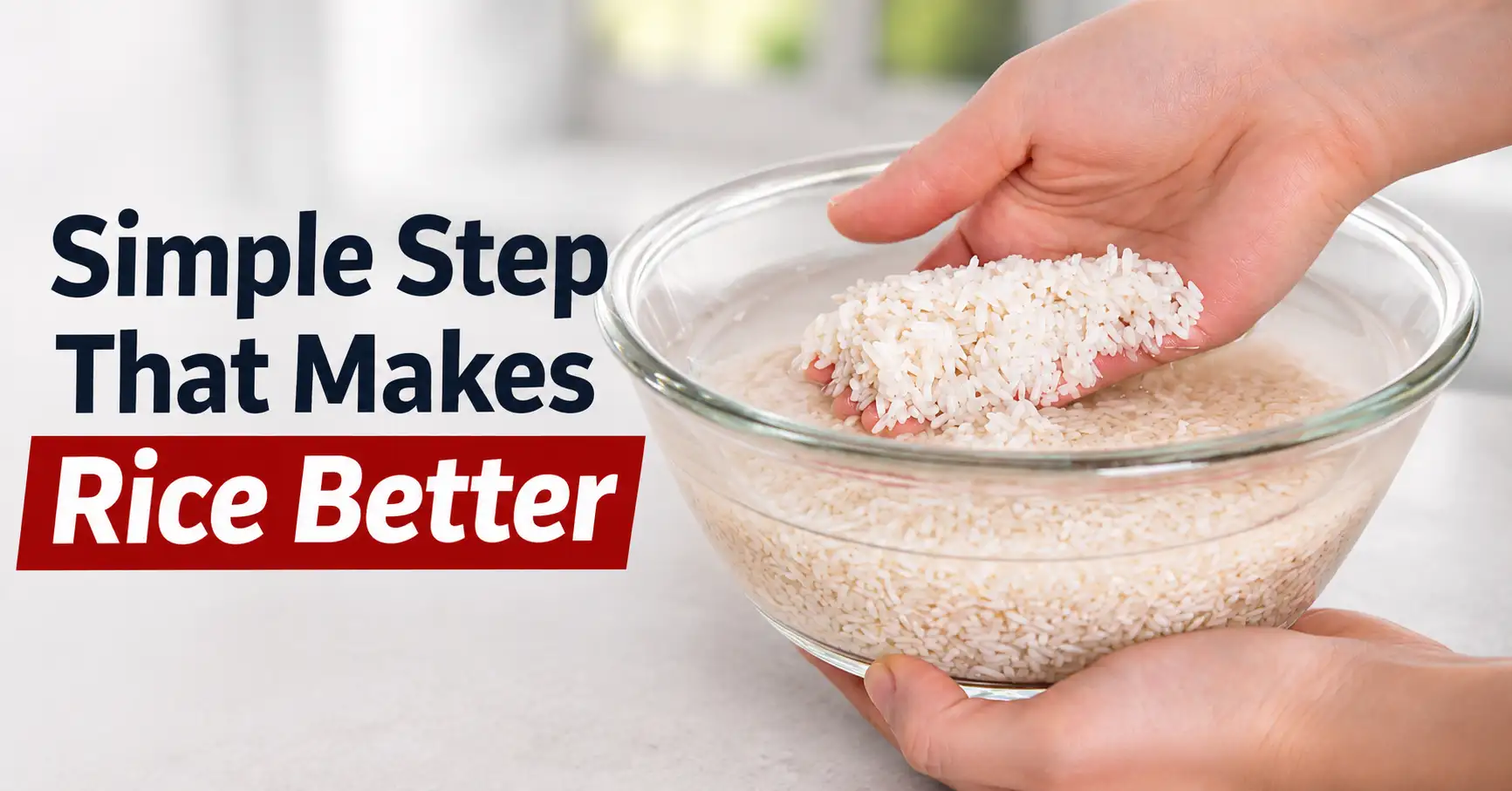
Why Washing Rice Before Cooking Matters?
Rice is one of the world's most widely consumed foods and is a daily staple for billions of people across many cultures. Although cooking methods vary from region to region, one preparation step often raises the question of whether rice should be washed before it goes into the pot.
Many home cooks rinse rice automatically because it has been passed down through family traditions for generations. Others skip the step completely because some modern rice products are packaged as ready to cook, creating confusion about whether washing is actually necessary.
Via Epicurious
The answer depends on several factors, including the type of rice, the desired texture, and personal preference. Understanding what happens during rinsing makes it easier to decide when washing rice is helpful and when it may not make a noticeable difference.
What Happens When Rice Is Rinsed
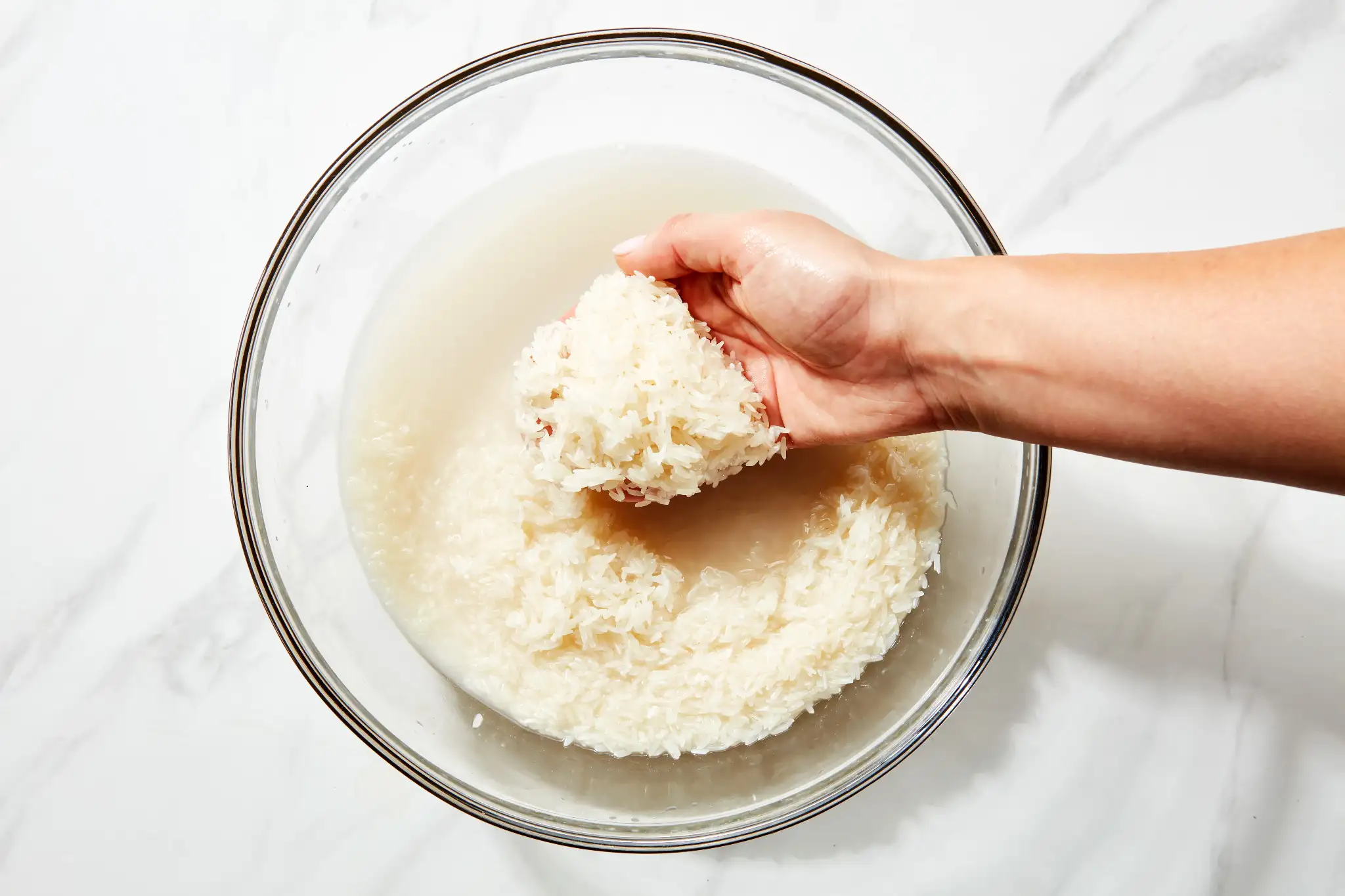
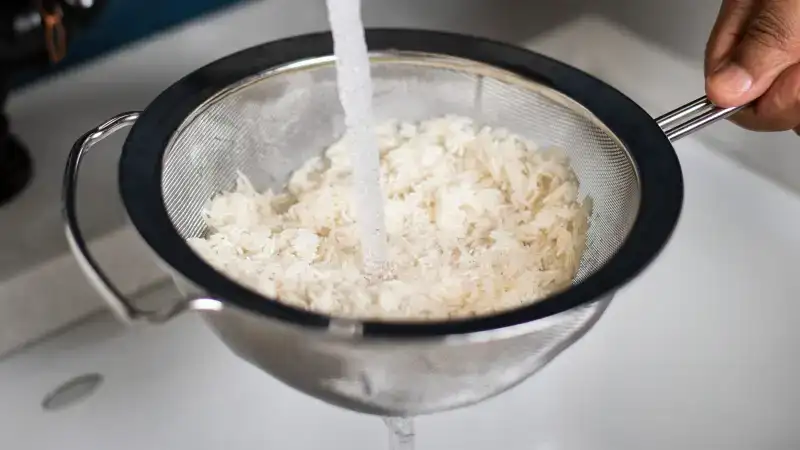
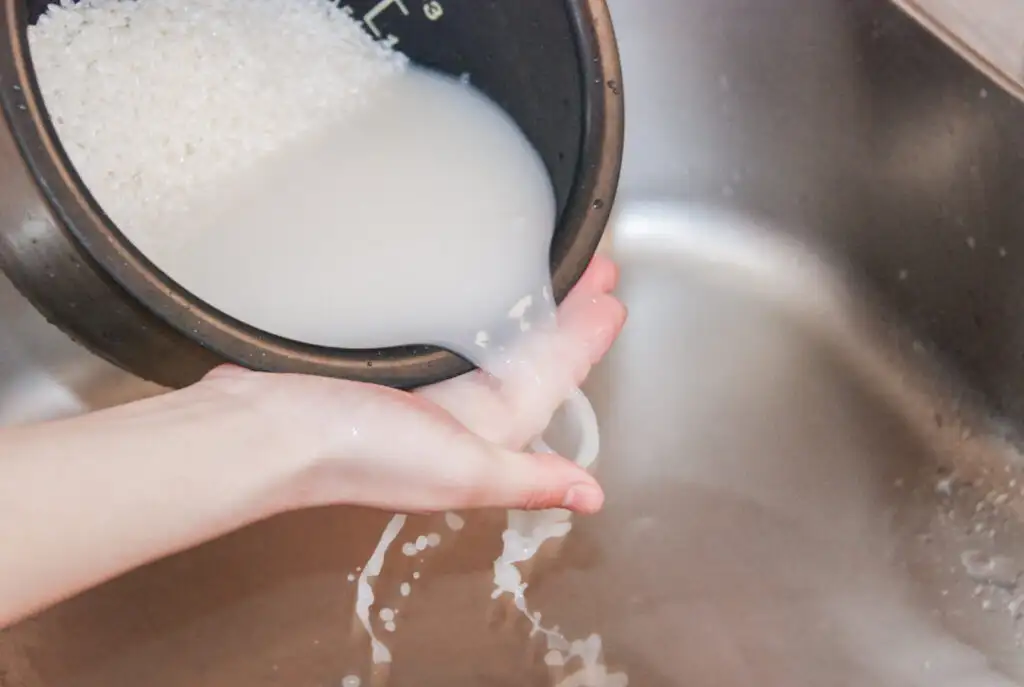
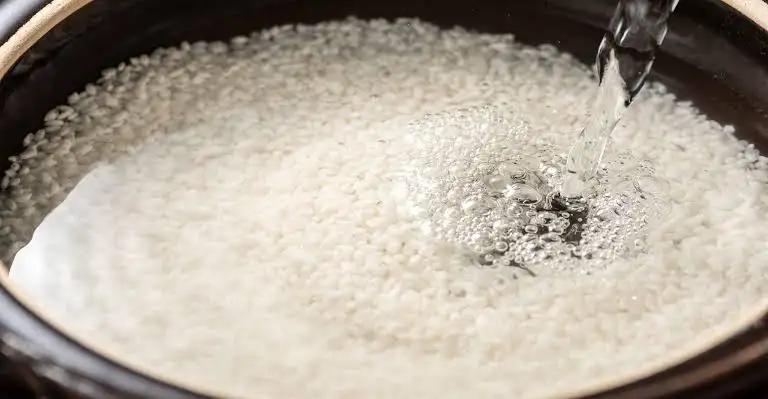
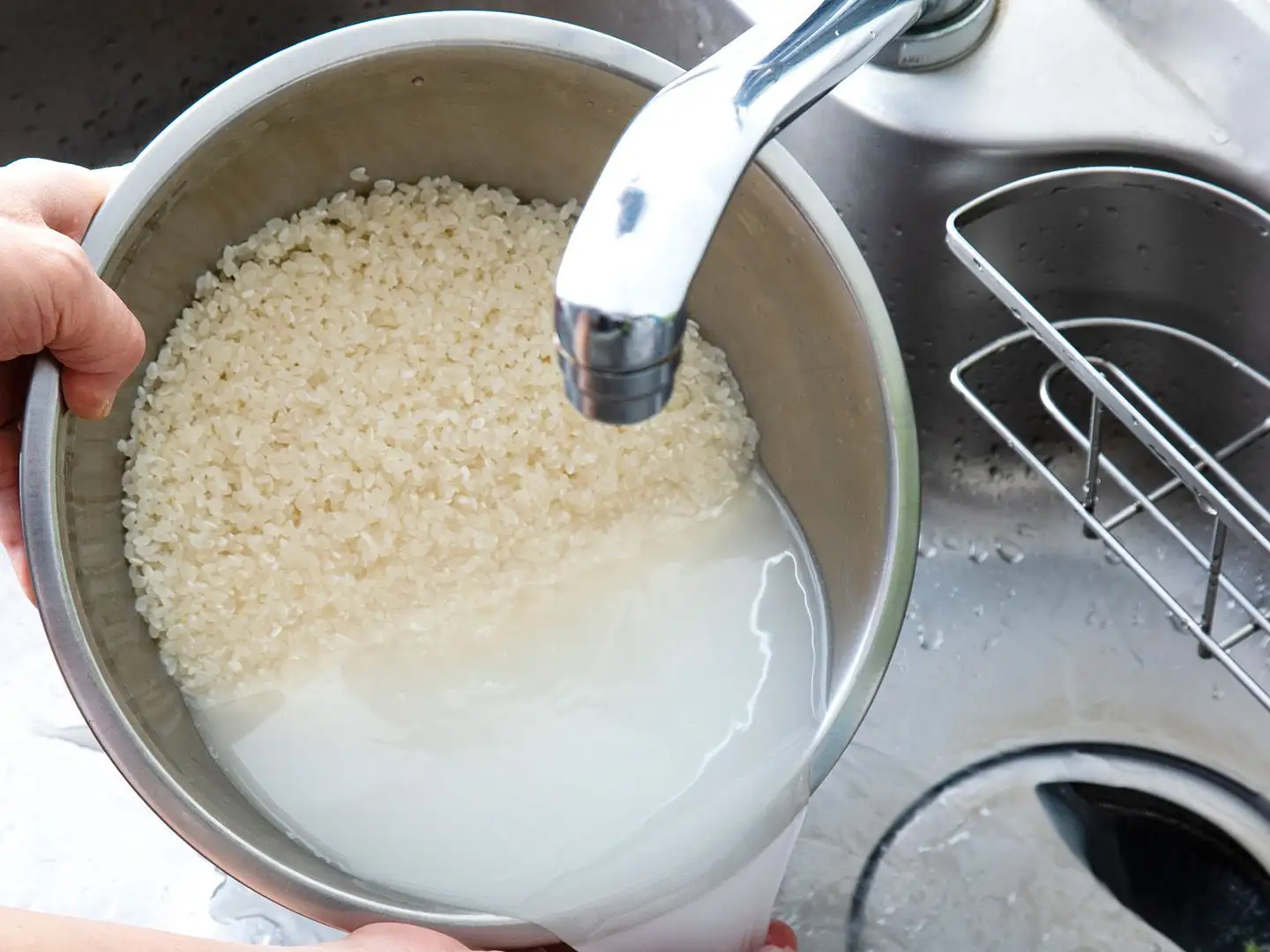
When dry rice is placed under running water, the liquid often turns cloudy or milky within seconds. This cloudy appearance comes mainly from loose starch that remains on the surface of the grains after milling, processing, transportation, and packaging.
Via America's Test Kitchen
As the rice is gently stirred and rinsed several times, much of this surface starch is removed. The water gradually becomes clearer, showing that fewer loose particles remain on the grains before they are cooked, helping produce a cleaner texture and more evenly cooked rice.
Besides reducing excess starch, rinsing may also wash away tiny amounts of dust or small particles that can collect during handling. Although packaged rice is generally safe to eat, many people appreciate the cleaner appearance that comes from rinsing before cooking.
Via Japanese Food Guide
How Washing Rice Changes the Final Texture
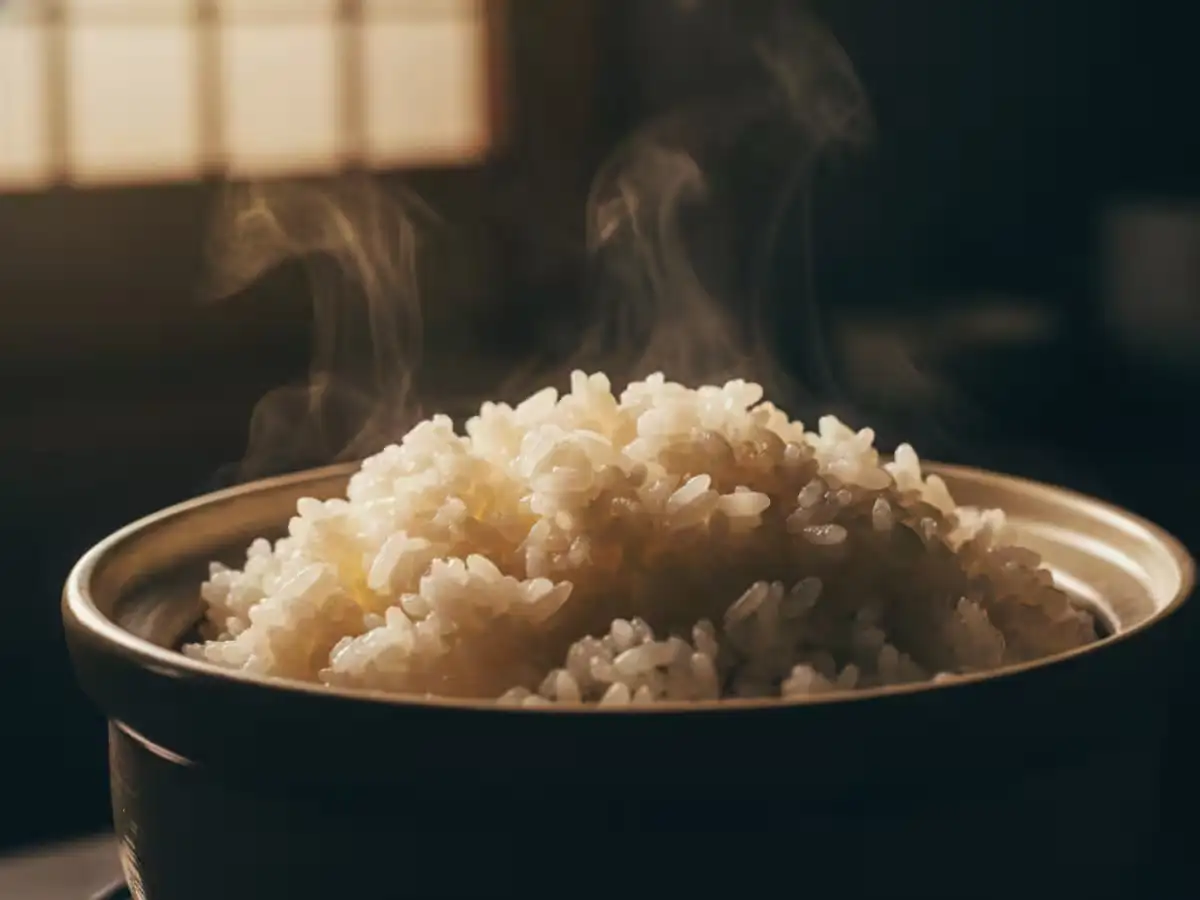
One of the biggest reasons people rinse rice is to improve the texture after cooking. Removing extra surface starch helps wide varieties cook into separate, fluffy grains instead of becoming overly sticky or clumping together in the pot, resulting in a lighter, more appealing texture.
Long-grain rice varieties, such as basmati and jasmine, often benefit from rinsing because the grains are expected to stay light and distinct after cooking. Washing helps reduce the amount of loose starch that can cause the rice to stick together unnecessarily.
Via Economic Times
Not every recipe requires fluffy rice, though. Some dishes are meant to have a creamier or stickier consistency, so the decision to rinse depends on the cooking style and the texture that best matches the finished meal, ensuring the rice complements the recipe as intended.
Different Types of Rice May Need Different Preparation
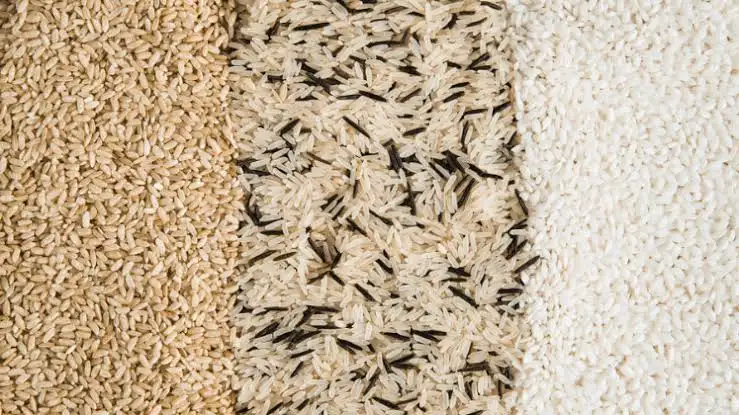
Rice comes in wide varieties, and each type behaves differently during cooking. Long-grain, medium-grain, and short-grain rice contain different amounts of starch, which means they may respond differently when rinsed before cooking.
Via Femtee Trading
Rice used for sushi or certain traditional dishes naturally contains more starch because a slightly sticky texture helps the grains hold together. Even though this rice is often rinsed, the goal is usually to remove only loose surface starch while preserving the grain's natural cooking characteristics.
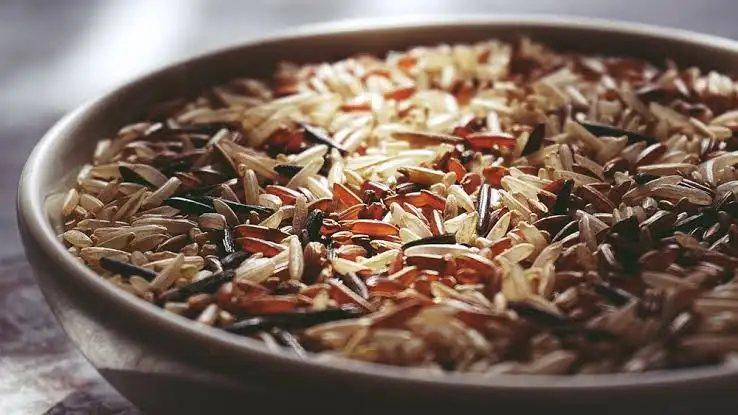
Brown rice, wild rice, and specialty varieties may also have different preparation recommendations depending on their outer layers and processing methods. Reading the package instructions and understanding the intended recipe can help determine whether rinsing is the best choice before cooking.
Via Wellness Blog
Does Washing Rice Improve Cleanliness?
Many people wash rice because they believe it helps remove unwanted particles that may remain after harvesting, processing, packaging, or transportation. While commercially packaged rice is produced under food safety standards, rinsing can still wash away fine dust, loose bran fragments, and tiny surface residues.
Rinsing also provides peace of mind for cooks who prefer to prepare ingredients as cleanly as possible before cooking. A few gentle washes under cool running water can leave the grains looking brighter and remove particles that may have settled during storage or handling.
Via Aroma House
Although washing improves the appearance of the grains, it should not be viewed as a replacement for proper food safety practices. Clean utensils, fresh water, and correct cooking temperatures remain the most important factors for preparing rice that is safe and enjoyable to eat.
When Washing Rice May Not Be Necessary
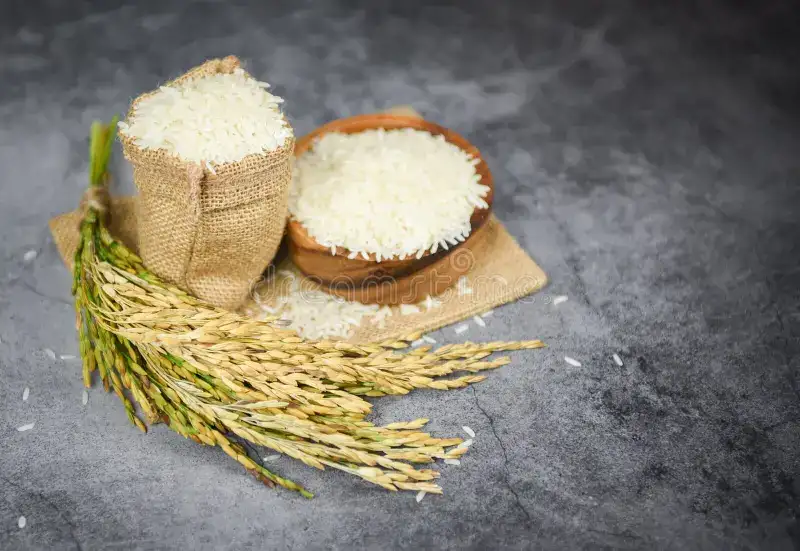
Not every type of rice needs to be rinsed before cooking because some products are processed differently or are intended for specific recipes. Certain packaged rice varieties are labeled as ready to cook, meaning they have already been cleaned and prepared before reaching store shelves.
Via Japanese Food
Some enriched rice products are coated with added vitamins and minerals after processing. Washing these varieties before cooking may remove part of the nutritional coating, reducing some of the nutrients that manufacturers intentionally add to improve the rice's nutritional value.
The package instructions provide useful guidance because preparation methods can vary between brands. Following those directions helps achieve the intended cooking results while preserving any added nutrients that may be present in enriched rice products.
Via Dreamstime
Common Myths About Washing Rice
A common belief is that washing rice removes every impurity and makes it completely pure before cooking. In reality, rinsing mainly removes loose surface starch, small particles, and dust, while proper cooking remains the primary step that prepares rice for safe consumption.
Another misunderstanding is that all rice should always be washed several times regardless of the recipe. Different dishes require different textures, so the decision to rinse depends more on the desired cooking result than on a universal rule that applies to every variety.
Via Live Science
Some people also believe that rinsing dramatically changes the nutritional value of every type of rice. While enriched rice may lose part of its added nutrients during washing, many other rice varieties experience only minor nutritional changes, making texture the main reason for rinsing.
Finding the Best Method for Every Recipe
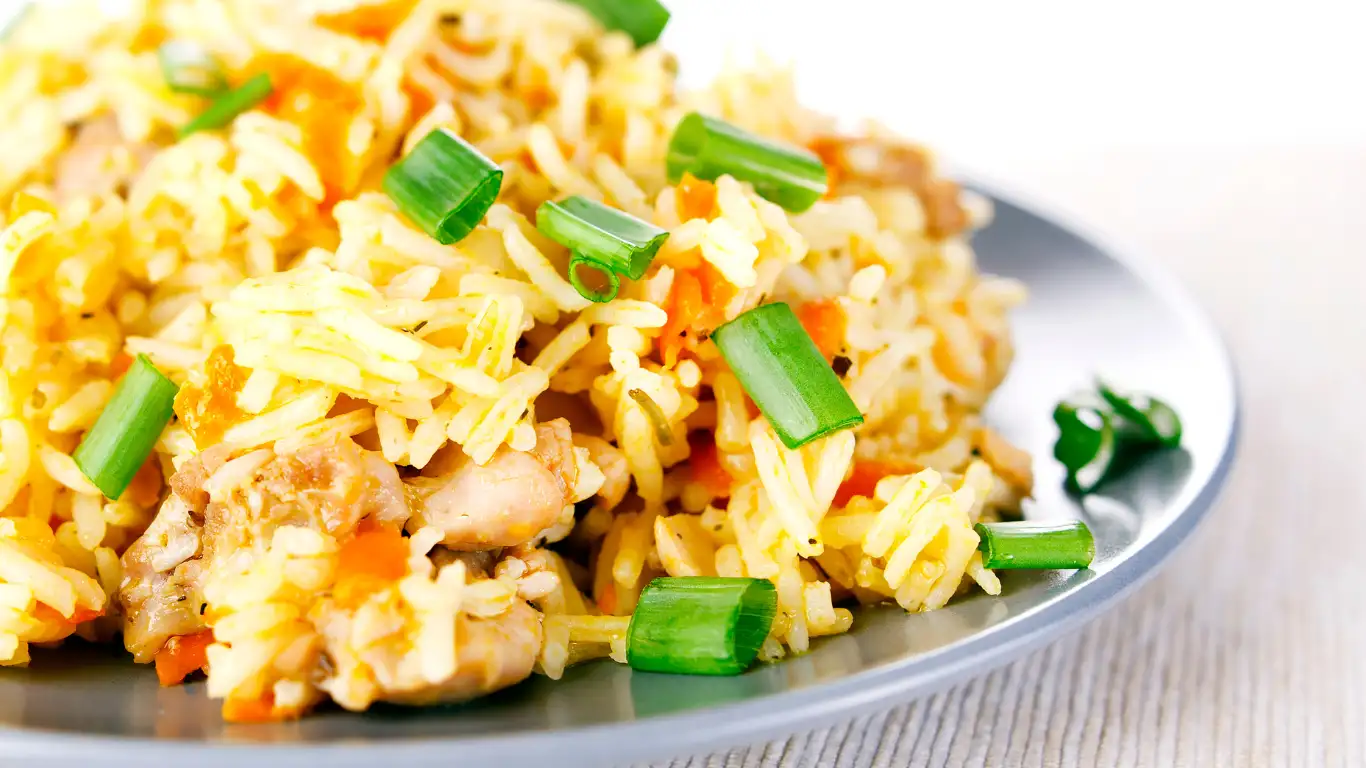
The decision to wash rice should be based on the type of rice being prepared and the desired final texture. Recipes that call for fluffy, separate grains often benefit from rinsing, while dishes that rely on a naturally creamy or sticky consistency may require a different approach.
Via Saigon
Trying both rinsed and unrinsed rice allows cooks to compare texture, appearance, and overall results. Small differences in preparation can noticeably affect the finished dish, helping people discover which method best suits their favorite recipes and personal preferences.
Understanding how rinsing affects starch, texture, and cleanliness makes rice preparation much easier. Instead of following tradition alone, cooks can choose the method that matches the specific rice variety and cooking style, producing consistently satisfying meals with every batch.
Via Epicurious
Tips for Washing Rice the Right Way
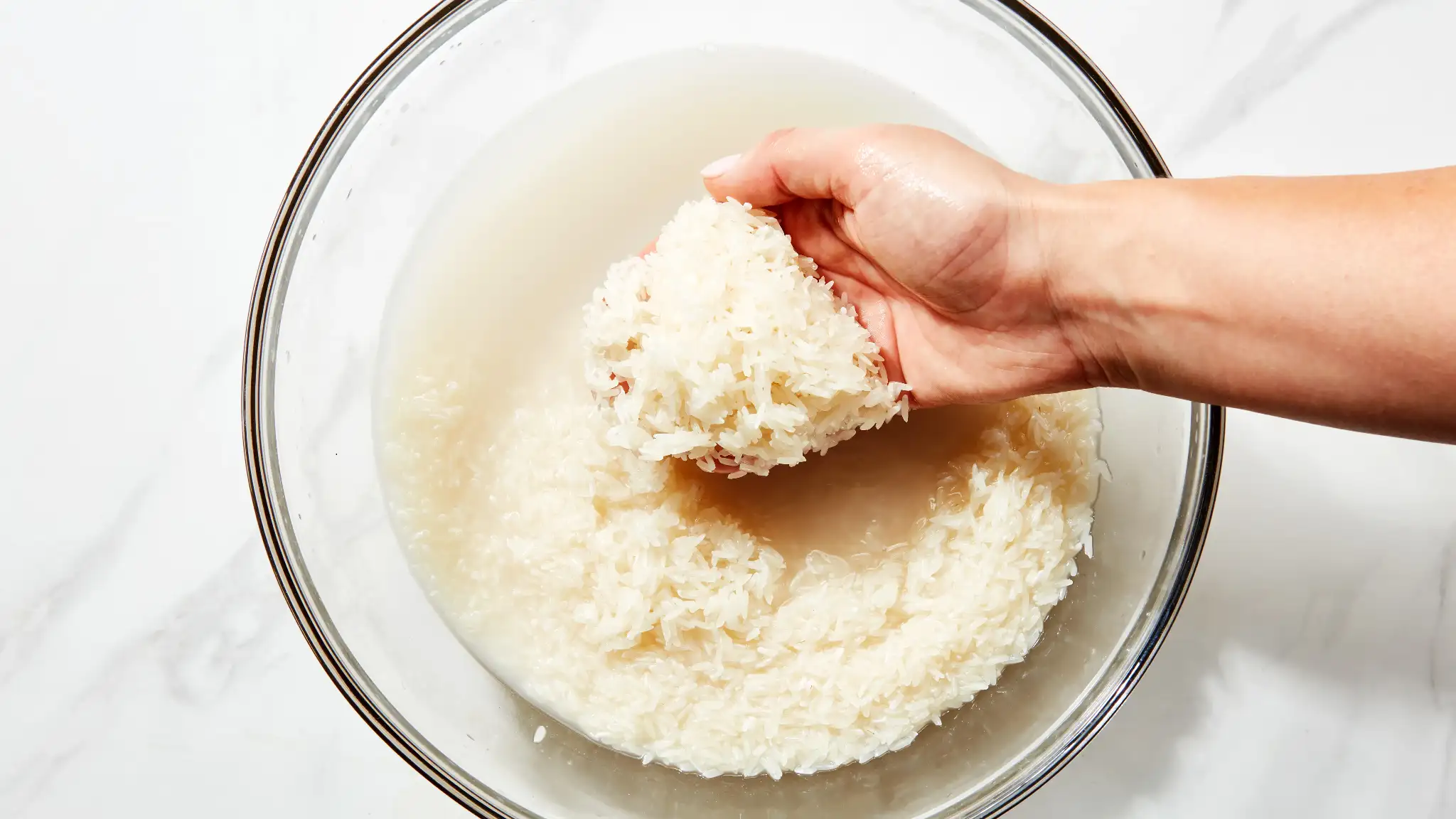
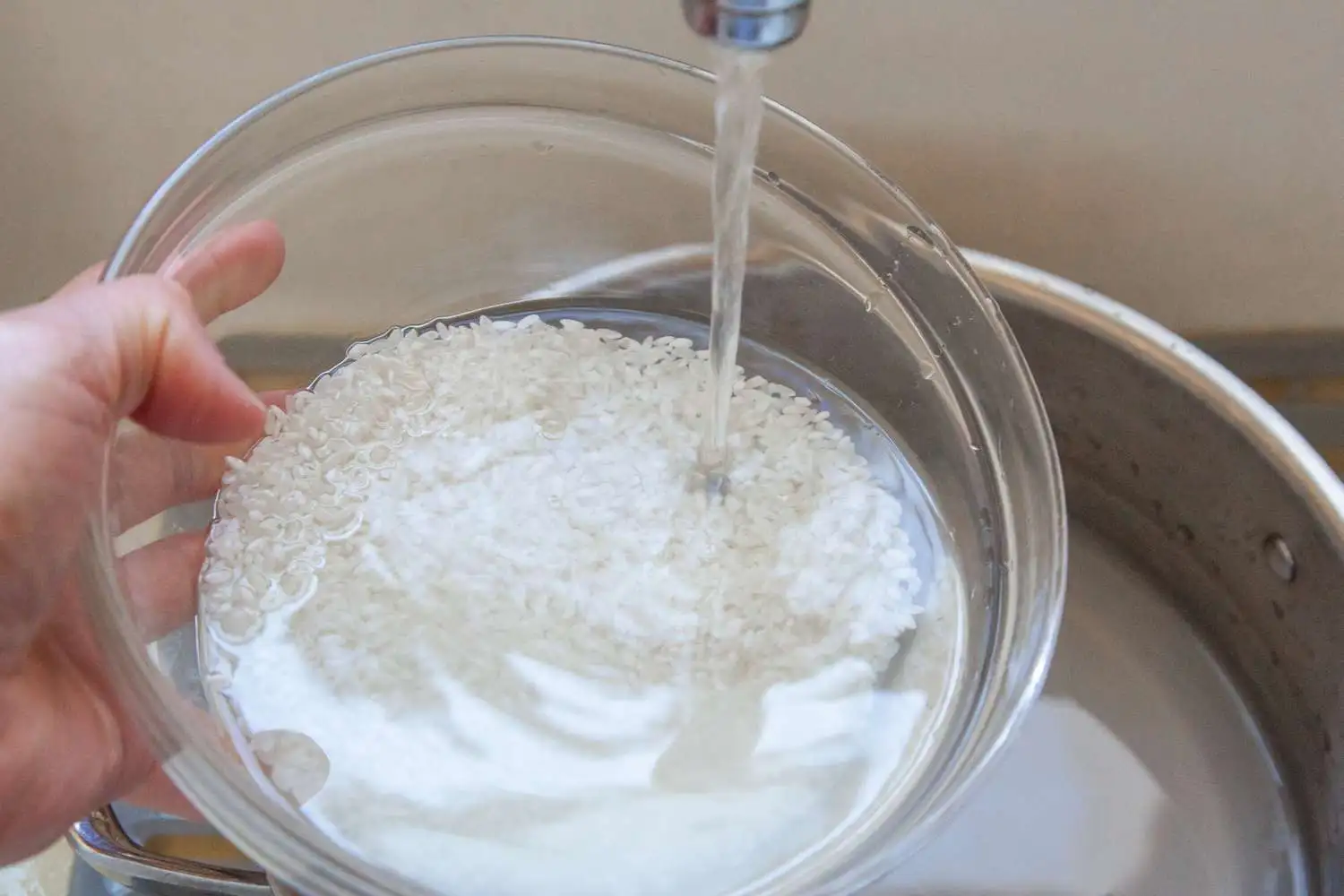
Washing rice is a simple process, but using the correct technique helps produce better cooking results. Place the rice in a bowl, add cool water, and gently swirl the grains with a hand. This movement loosens excess starch without breaking the grains or affecting their natural shape.
After swirling the rice, carefully pour away the cloudy water while keeping the grains inside the bowl. Repeat the process several times until the water becomes much clearer. Perfectly clear water is not always necessary, but reducing the cloudiness usually removes most of the loose surface starch.
Via Simply Recipes
The grains should be handled gently throughout the washing process because vigorous rubbing can damage delicate varieties. A careful rinse keeps the rice intact, allowing it to cook evenly while maintaining its texture, appearance, and overall quality after preparation.
Choosing the Best Approach for Better Rice
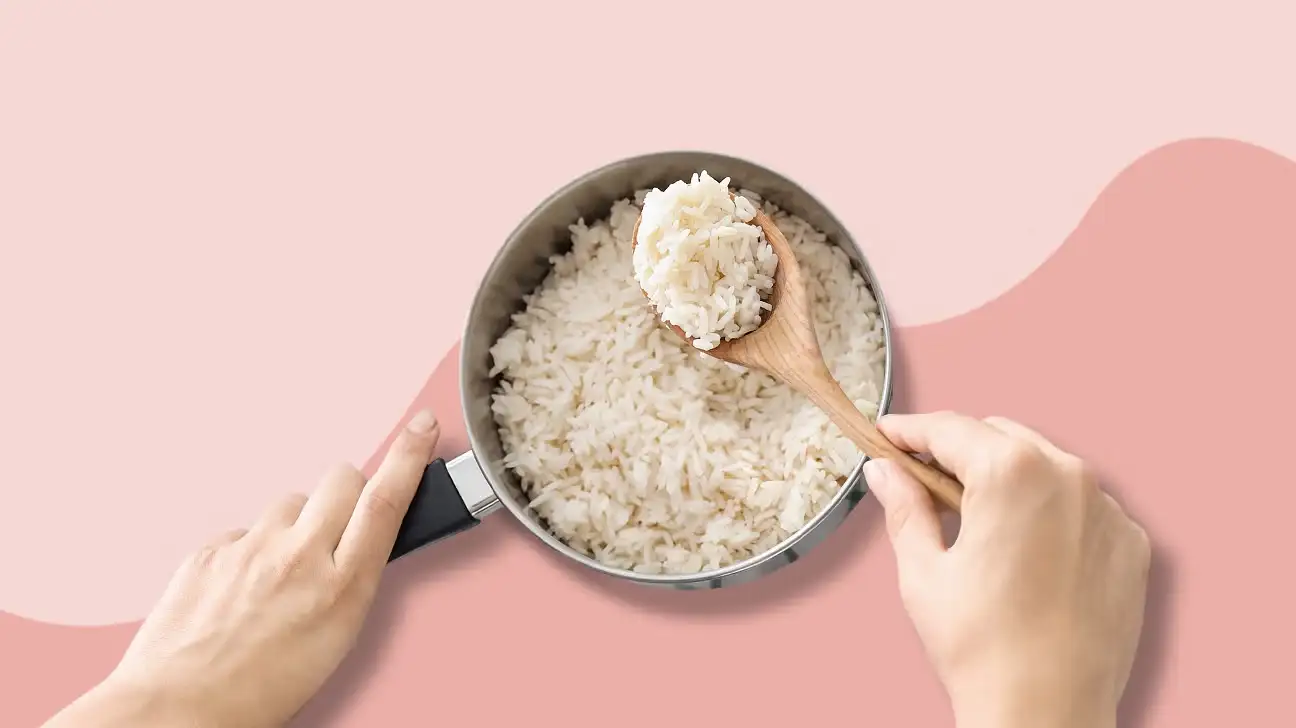
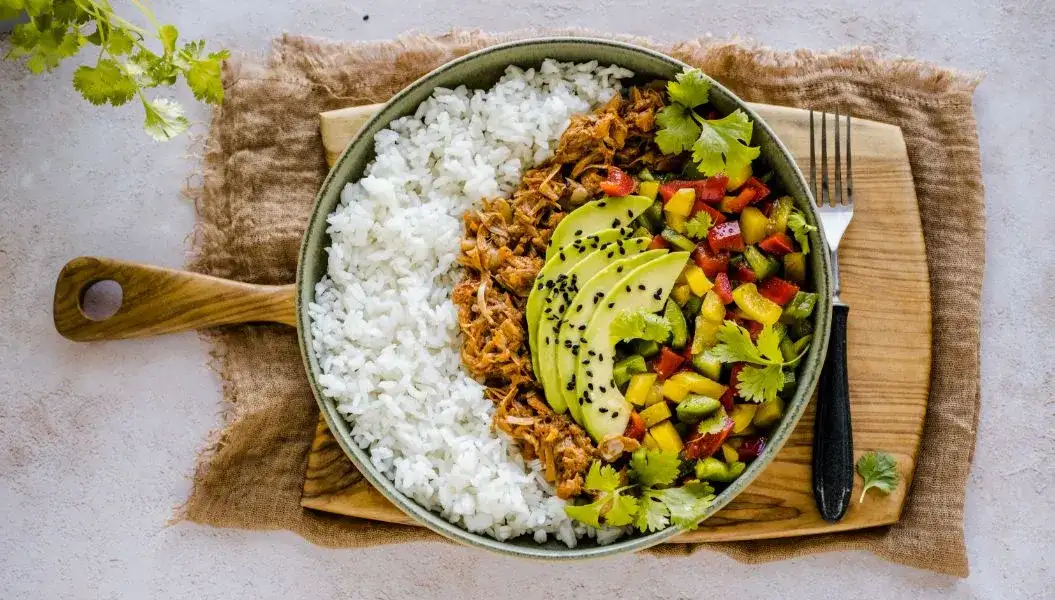
There is no single rule that applies to every type of rice because different varieties and recipes have different cooking requirements. Some dishes benefit from fluffy, separate grains, while others depend on a naturally stickier texture that helps the rice hold together during serving.
Via Healthline
Understanding the purpose of rinsing makes it easier to decide when the extra step is worthwhile. Washing mainly reduces surface starch and removes fine particles, but it is not always essential for every meal or every packaged rice product available in stores.
Preparing rice successfully comes down to selecting the right method for the desired outcome. By considering the rice variety, recipe instructions, and preferred texture, anyone can consistently cook rice that matches the needs of the dish while preserving its natural flavor and quality.
Via Kikoman
Why Washing Rice Remains a Popular Kitchen Habit
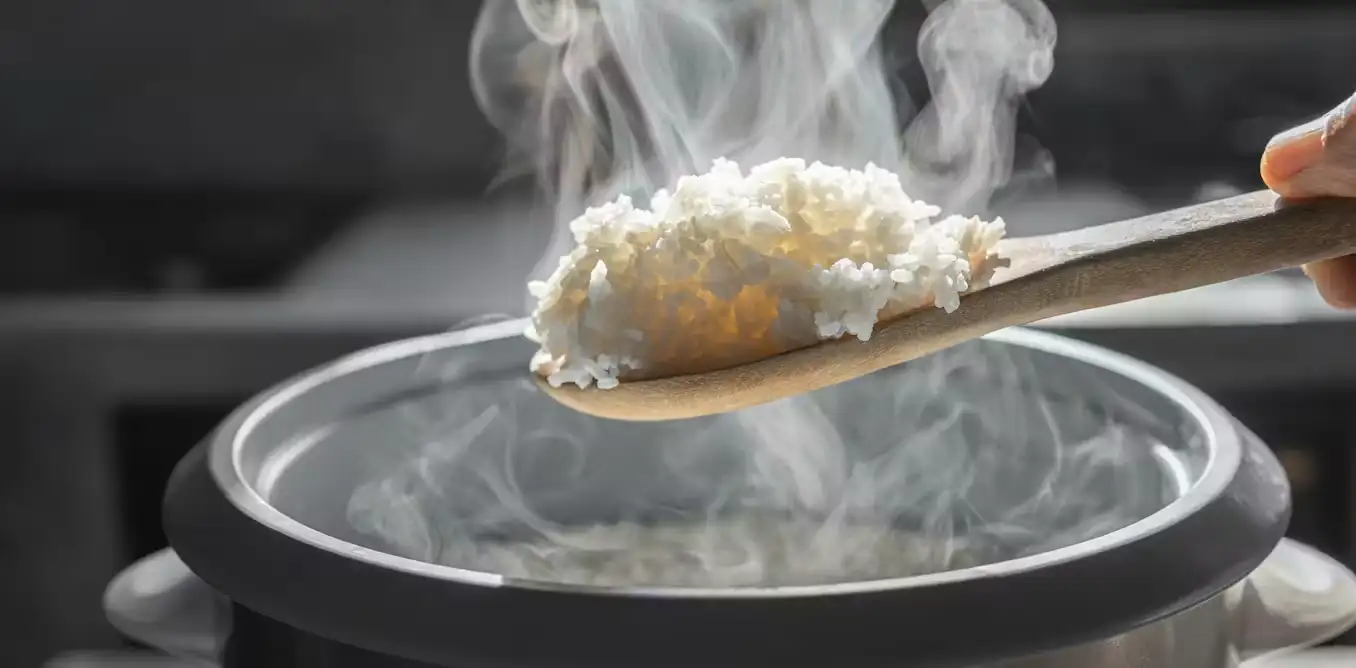
Washing rice has remained a trusted kitchen practice for generations because it offers several practical benefits without requiring much extra time or effort. Many people appreciate the cleaner appearance of the grains and the lighter texture that rinsing can help create during cooking.
Although opinions differ about when rinsing is necessary, understanding the reasons behind the practice allows cooks to make informed decisions instead of simply following habit or tradition. Texture, cleanliness, and recipe requirements all play important roles in determining the best preparation method.
Via The Conversation
Whether rice is rinsed or cooked directly from the package, careful preparation and proper cooking techniques are the keys to excellent results. Knowing how washing affects the grains allows anyone to prepare rice with greater confidence, producing flavorful, well-cooked dishes that can be enjoyed at any time of the year.