Unassigned
Dinosaur Fossil Reveals 120-Million-Year Mystery
A newly described dinosaur fossil from China may help solve a mystery that has puzzled paleontologists for years. For more than two decades, researchers have found many broken bird bones in the Changma Basin of northwestern China. These remains seemed to show that small ancient birds were being hunted, eaten, and later coughed up in pellets by a predator.
The fossil site is about 120 million years old, placing it in the Early Cretaceous period. During this time, birds, feathered dinosaurs, and many other reptiles shared the same landscapes. The bird remains found at the site were often damaged in ways that suggested they had passed through the body of a meat-eating animal.
 Via Popular Mechanics
Scientists suspected that a small carnivorous dinosaur may have been responsible, but direct proof was missing. That changed with the discovery of a new birdlike dinosaur species named Jian changmaensis. Its bones suggest that this feathered predator may have been the missing hunter behind the ancient bird remains.
 Via National Parks Conservation Association
Some of the bird bones were not found as complete skeletons. They were broken, mixed, and packed together in ways that looked like regurgitated pellets. Modern owls and some other birds of prey swallow small animals and later cough up bones, feathers, and other hard parts that cannot be digested.
This clue led researchers to believe that ancient birds in the Changma Basin were being hunted by another animal. The question was simple but hard to answer: what predator was eating them? For years, no clear fossil of the hunter had been found in the same region.
 Via The University Of Chicago
 Via BBC
This possible gliding ability makes the fossil especially important. A predator that could move from branch to branch or glide down toward prey would have had an advantage over small animals on the ground or in low trees. It may have been able to ambush early birds in ways that other dinosaurs could not.
 Via CBC
One key clue came from the humerus, or upper arm bone. Rounded parts of the bone near the elbow were shaped differently from those of other microraptors. These rounded areas, called condyles, help the elbow move and may show how the forelimb worked during gliding or wing-like motion.
The shoulder area also stood out. A bone structure called the coracoid was longer in Jian changmaensis than in some related dinosaurs. This feature looked more birdlike and may have supported stronger or more controlled movement of the feathered arms. These traits suggest that this dinosaur may have been better suited for gliding than some of its relatives.
 Via Artnet News
 Via History
This still would have been a powerful skill in an ancient ecosystem. A gliding predator could move quickly through trees, surprise prey, or escape danger. Even without true bird-style flight, Jian changmaensis may have occupied a hunting role that gave it access to prey other ground hunters could not easily reach.
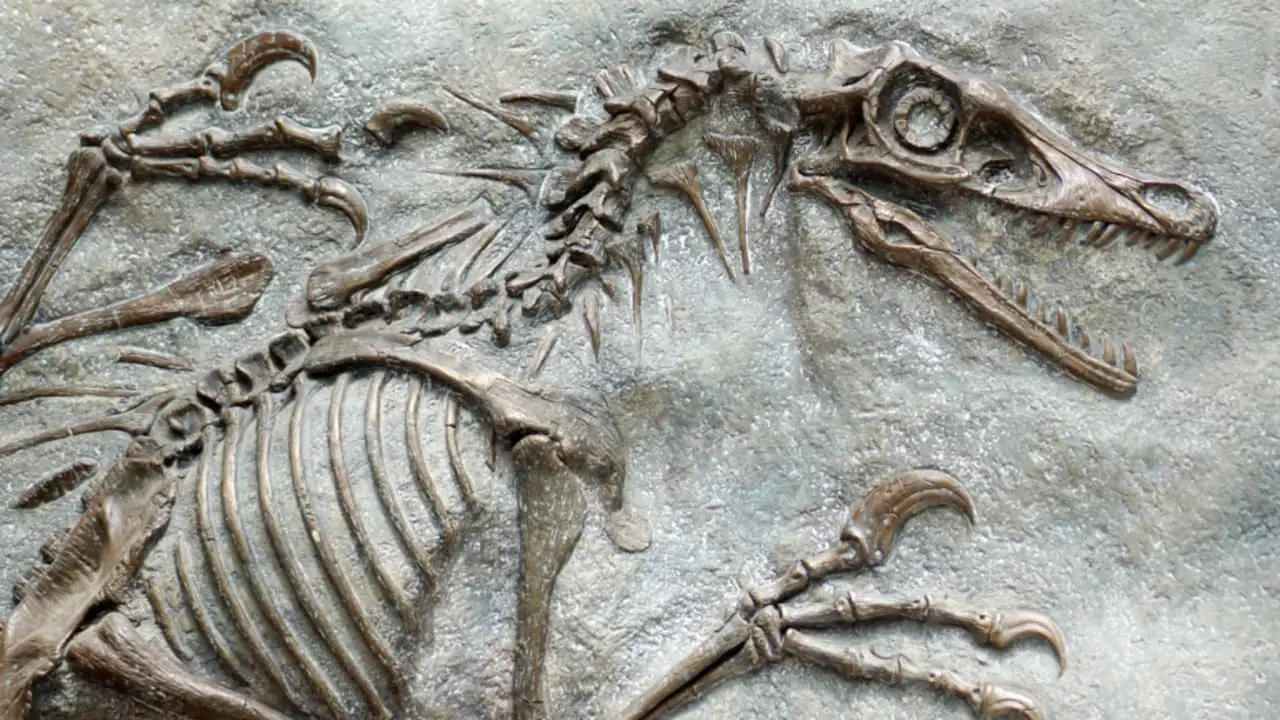 Via The Jerusalem Post
This size difference matters because a larger predator could overpower smaller birds more easily. Early birds of the Cretaceous period were not all strong flyers like many birds today. Some were still developing body features linked to better flight, while others may have been more limited in speed, strength, or control.
The broken bird bones found in the basin may fit this picture. A gliding predator with sharp claws and teeth could have grabbed small birds from branches, the ground, or possibly from short flights. Scientists still cannot say exactly how the attacks happened, but the new fossil makes the predator theory much stronger.
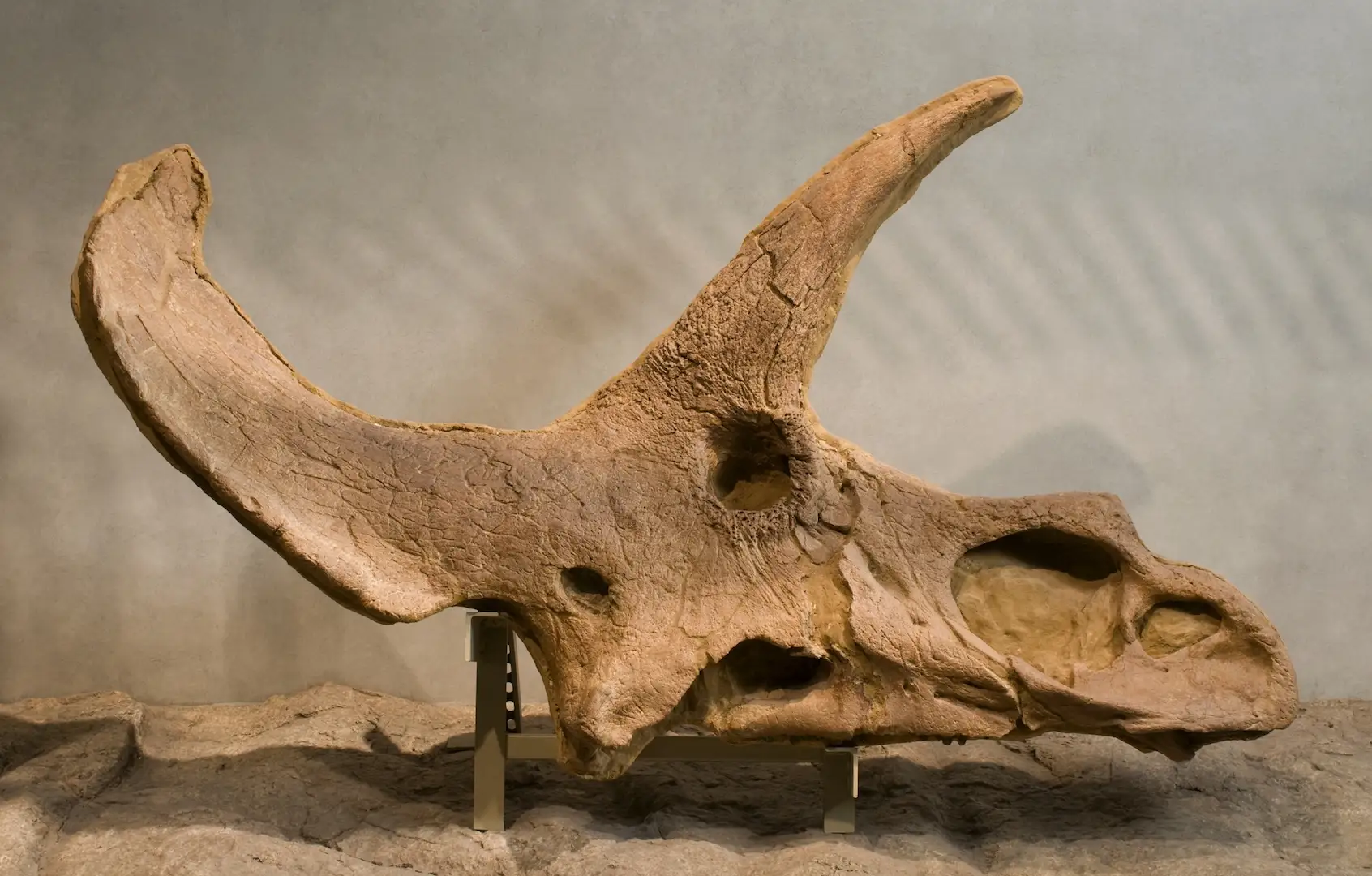 Via 303 Magazine
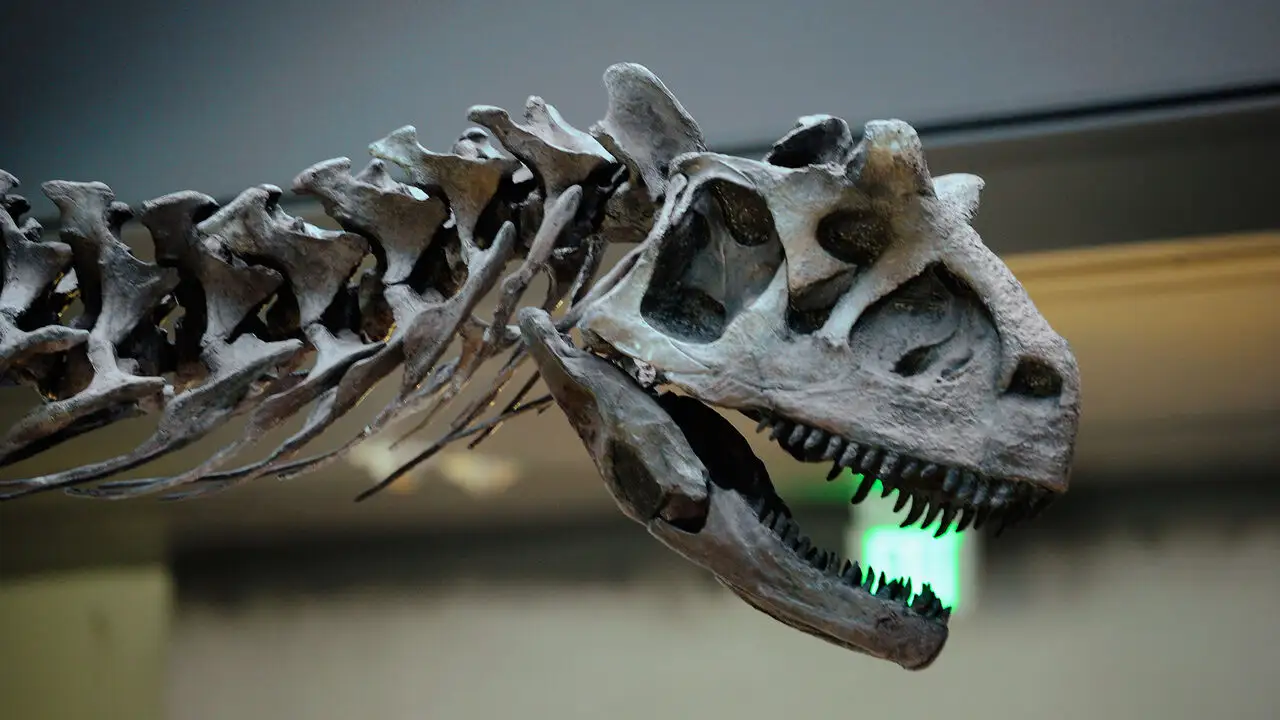 Via AI Monitor
This new record helps scientists better understand life in the Early Cretaceous. The Changma Basin was not only a place where birds lived and died. It was also home to predators, food chains, and complex survival struggles. Each new fossil helps rebuild that lost world with more detail.
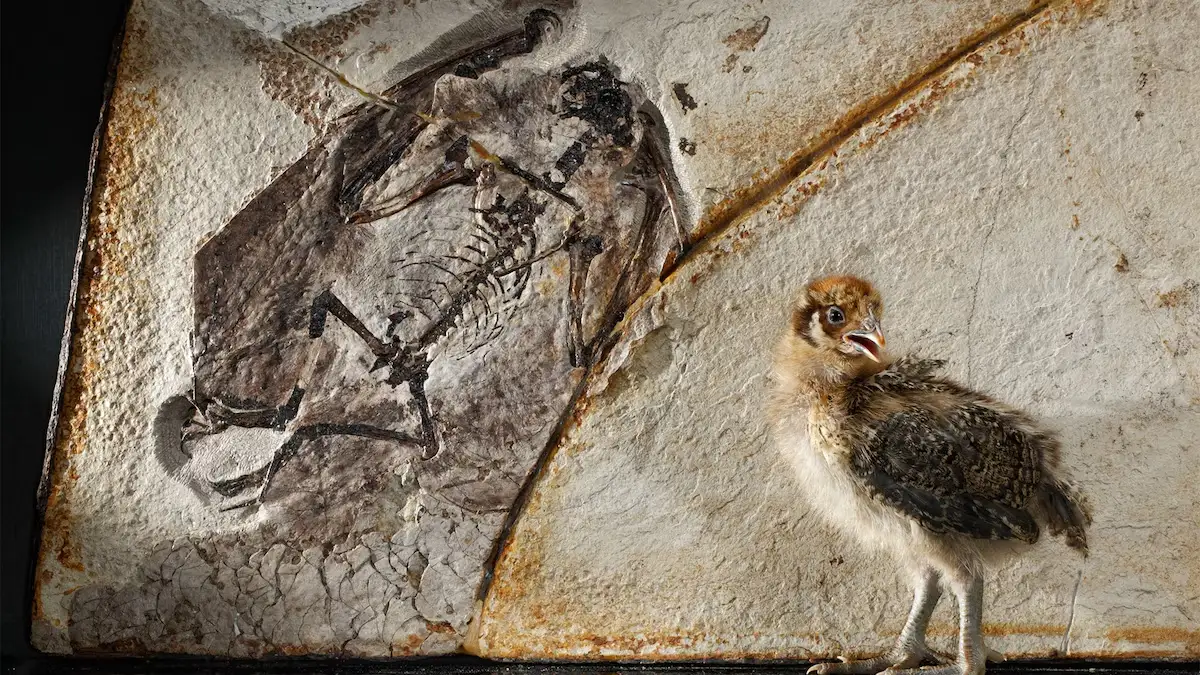 Via National Geographic
Birds were not the only animals experimenting with ways to move through the air. Microraptors show that some nonavian dinosaurs also used feathers for gliding or controlled descent. This makes them valuable for studying how flight may have developed step by step across different species.
The fossil also reminds scientists that flight did not appear fully formed. It likely grew from many small changes in body shape, feathers, muscles, and behavior. Jian changmaensis gives researchers another example of how nature tested different forms of aerial movement long before modern birds filled the skies.
 Via ABC News
 Via Field Museum
The fossil gives researchers a strong new clue, but not a complete answer. More fossils, especially skulls, claws, teeth, stomach contents, or preserved feathers, could help show how this predator lived. Each discovery may bring scientists closer to understanding the full story behind the bird remains.
 Via Nebraska Today
The discovery also adds fresh meaning to the ancient ecosystem of northwestern China. Birds, gliding dinosaurs, and other animals were not living separate stories. They were part of a shared world where some species became prey, some became hunters, and some developed new ways to survive.
This fossil shows that the history of flight is richer than a simple story about birds alone. Feathered dinosaurs like Jian changmaensis reveal a time when many animals were testing the limits of movement through the air. The ancient mystery may not be fully solved, but this discovery brings the answer much closer.
More in UnassignedVia Popular Mechanics
Scientists suspected that a small carnivorous dinosaur may have been responsible, but direct proof was missing. That changed with the discovery of a new birdlike dinosaur species named Jian changmaensis. Its bones suggest that this feathered predator may have been the missing hunter behind the ancient bird remains.
Mystery In The Basin
The Changma Basin has become one of the most important fossil sites for early bird research. Since 2002, researchers have uncovered more than one hundred prehistoric bird remains from this area. Many of these fossils belong to early birds that lived near lakes, wetlands, or open land where flying animals could feed and nest.Via National Parks Conservation Association
Some of the bird bones were not found as complete skeletons. They were broken, mixed, and packed together in ways that looked like regurgitated pellets. Modern owls and some other birds of prey swallow small animals and later cough up bones, feathers, and other hard parts that cannot be digested.
This clue led researchers to believe that ancient birds in the Changma Basin were being hunted by another animal. The question was simple but hard to answer: what predator was eating them? For years, no clear fossil of the hunter had been found in the same region.
Via The University Of Chicago
A New Suspect
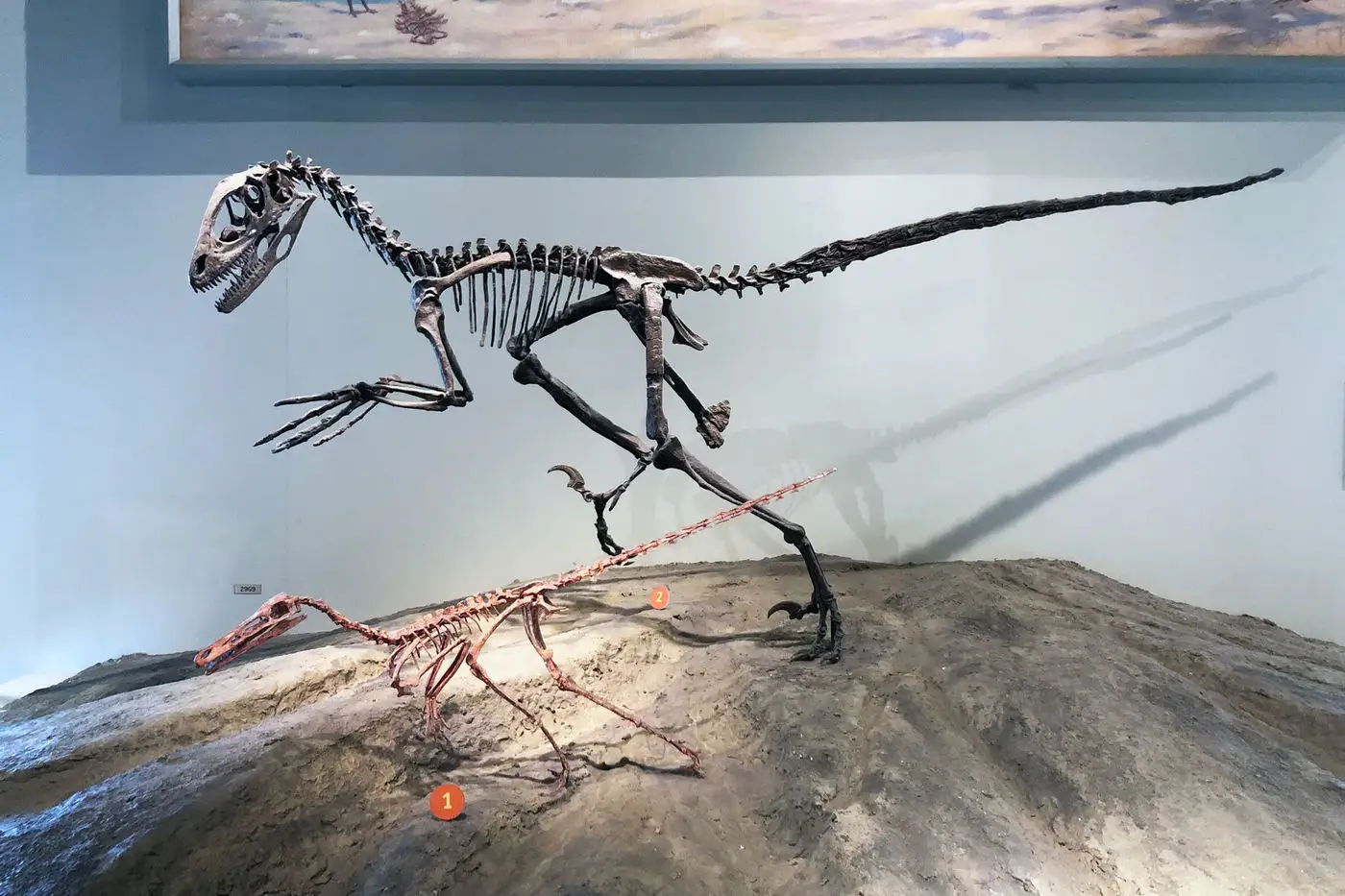
The newly described dinosaur, Jianchangmaensis, may finally give researchers a strong suspect. It belonged to a group called microraptors, which were small feathered dinosaurs related to the famous Velociraptor. Unlike large meat-eating dinosaurs, microraptors were light, quick, and covered with feathers. Jianchangmaensis had feathers on both its arms and legs. This body plan gave it a birdlike shape, even though it was not a true bird. Scientists believe it may have used these feathered limbs to glide through the air, much like a flying squirrel moves between trees.
Via BBC
This possible gliding ability makes the fossil especially important. A predator that could move from branch to branch or glide down toward prey would have had an advantage over small animals on the ground or in low trees. It may have been able to ambush early birds in ways that other dinosaurs could not.
Birdlike Body Clues
Researchers studied the shoulder and upper arm bones of Jianchangmaensis to understand how it moved. These bones are important because they help show how an animal used its front limbs. In flying or gliding animals, the shoulders and arms often carry special features that support air movement.Via CBC
One key clue came from the humerus, or upper arm bone. Rounded parts of the bone near the elbow were shaped differently from those of other microraptors. These rounded areas, called condyles, help the elbow move and may show how the forelimb worked during gliding or wing-like motion.
The shoulder area also stood out. A bone structure called the coracoid was longer in Jian changmaensis than in some related dinosaurs. This feature looked more birdlike and may have supported stronger or more controlled movement of the feathered arms. These traits suggest that this dinosaur may have been better suited for gliding than some of its relatives.
Via Artnet News
Built For Gliding
JiJianchangmaensis is not a bird, but its body shows how close some dinosaurs came to birdlike movement. Its feathered arms and legs may have formed surfaces that helped slow its fall or guide its path through the air. This kind of movement would not be the same as full-powered flight. Powered flight requires strong wing beats that lift the body upward and keep it moving through the air. Modern birds use this ability with great control. Microraptors likely used a different style of movement, gliding from higher points to lower points while using their feathered limbs for balance and steering.Via History
This still would have been a powerful skill in an ancient ecosystem. A gliding predator could move quickly through trees, surprise prey, or escape danger. Even without true bird-style flight, Jian changmaensis may have occupied a hunting role that gave it access to prey other ground hunters could not easily reach.
Larger Than Its Prey
Jian changmaensis was likely much bigger than many of the early birds found at the Changma fossil site. Researchers estimate that it had a wingspan of about 1.22 meters, close to the size of a barn owl. For a small feathered dinosaur, that made it one of the larger known microraptor specimens.Via The Jerusalem Post
This size difference matters because a larger predator could overpower smaller birds more easily. Early birds of the Cretaceous period were not all strong flyers like many birds today. Some were still developing body features linked to better flight, while others may have been more limited in speed, strength, or control.
The broken bird bones found in the basin may fit this picture. A gliding predator with sharp claws and teeth could have grabbed small birds from branches, the ground, or possibly from short flights. Scientists still cannot say exactly how the attacks happened, but the new fossil makes the predator theory much stronger.
Via 303 Magazine
First Regional Find
The discovery also matters because Jian changmaensis is the first nonavian dinosaur specimen reported from this region. Before this fossil, the Changma Basin was mainly known for early bird fossils. Finding a feathered dinosaur there adds a new piece to the story of this ancient habitat. Most microraptor fossils from the same general time period had been found in northeastern China. Jianchangmaensis came from northwestern China, which means these animals may have lived across a wider area than once thought. This expands the known range of microraptors and shows that they may have filled different roles in different ecosystems.Via AI Monitor
This new record helps scientists better understand life in the Early Cretaceous. The Changma Basin was not only a place where birds lived and died. It was also home to predators, food chains, and complex survival struggles. Each new fossil helps rebuild that lost world with more detail.
Flight Evolution Clues
Jianchangmaensis is important because it shows that flight-related body features were not limited to true birds. Several dinosaur groups developed feathers, winglike limbs, and air-based movement. These traits suggest that the flight path was not simple or straight.Via National Geographic
Birds were not the only animals experimenting with ways to move through the air. Microraptors show that some nonavian dinosaurs also used feathers for gliding or controlled descent. This makes them valuable for studying how flight may have developed step by step across different species.
The fossil also reminds scientists that flight did not appear fully formed. It likely grew from many small changes in body shape, feathers, muscles, and behavior. Jian changmaensis gives researchers another example of how nature tested different forms of aerial movement long before modern birds filled the skies.
Via ABC News
Ancient Hunt Questions
Many questions remain about how skilled Jian changmaensis was in the air. It may have been able to glide well, but that does not prove it could catch birds during flight. Early birds may have been more agile because they used powered flight, while the dinosaur likely depended more on gliding. Aerial hunting is difficult, even for modern predators. Catching a flying animal requires speed, timing, sharp vision, and strong control. Jian changmaensis may have attacked birds when they were resting, nesting, feeding, or taking off rather than chasing them through open air.Via Field Museum
The fossil gives researchers a strong new clue, but not a complete answer. More fossils, especially skulls, claws, teeth, stomach contents, or preserved feathers, could help show how this predator lived. Each discovery may bring scientists closer to understanding the full story behind the bird remains.
What This Fossil Reveals
Jian changmaensis may be the best clue yet in a 120-million-year-old mystery. The broken bird bones in the Changma Basin suggested that a predator had been feeding on early birds. This new feathered dinosaur gives researchers a possible culprit with the right size, body shape, and hunting ability.Via Nebraska Today
The discovery also adds fresh meaning to the ancient ecosystem of northwestern China. Birds, gliding dinosaurs, and other animals were not living separate stories. They were part of a shared world where some species became prey, some became hunters, and some developed new ways to survive.
This fossil shows that the history of flight is richer than a simple story about birds alone. Feathered dinosaurs like Jian changmaensis reveal a time when many animals were testing the limits of movement through the air. The ancient mystery may not be fully solved, but this discovery brings the answer much closer.