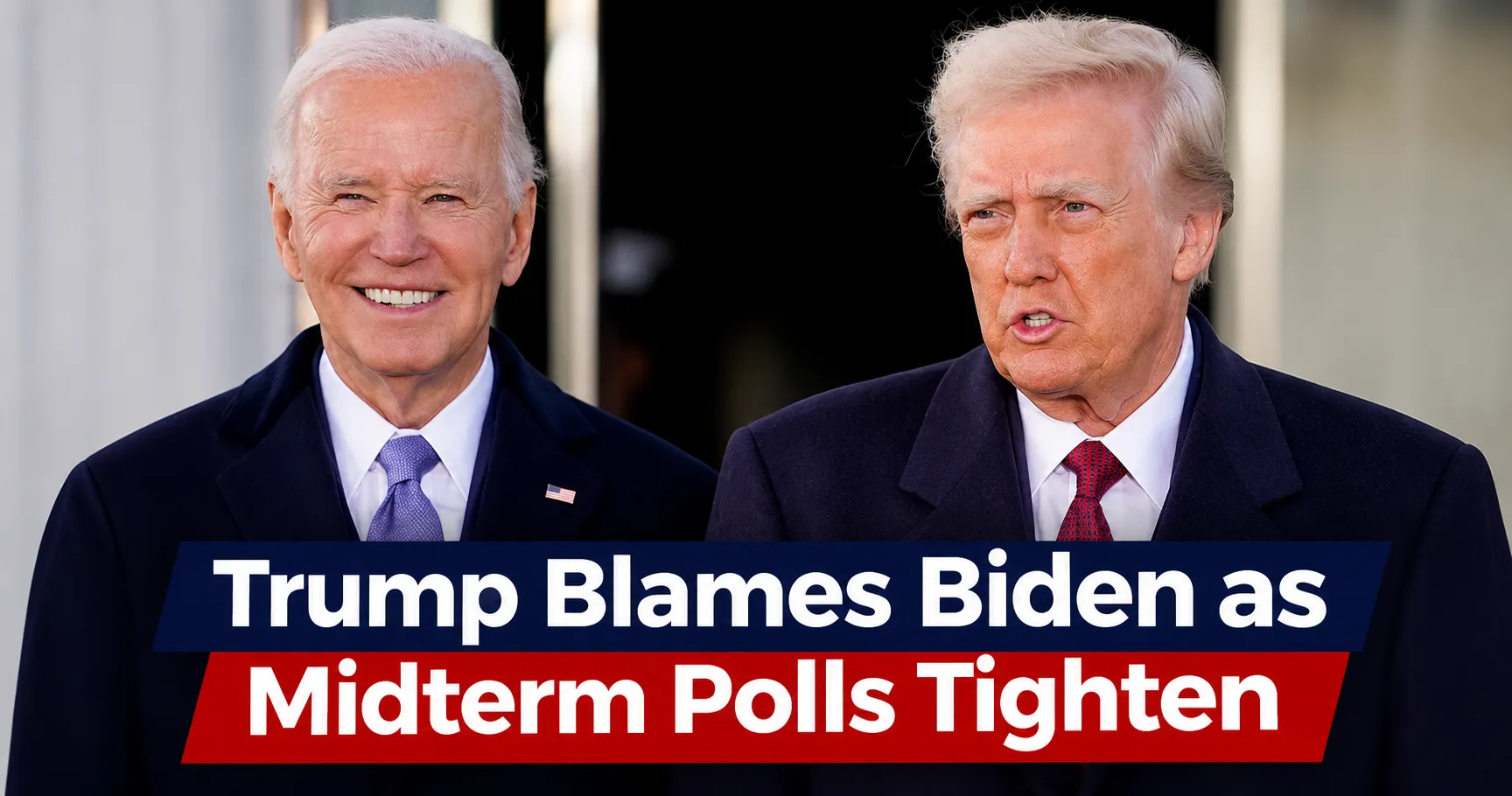
News / Politics
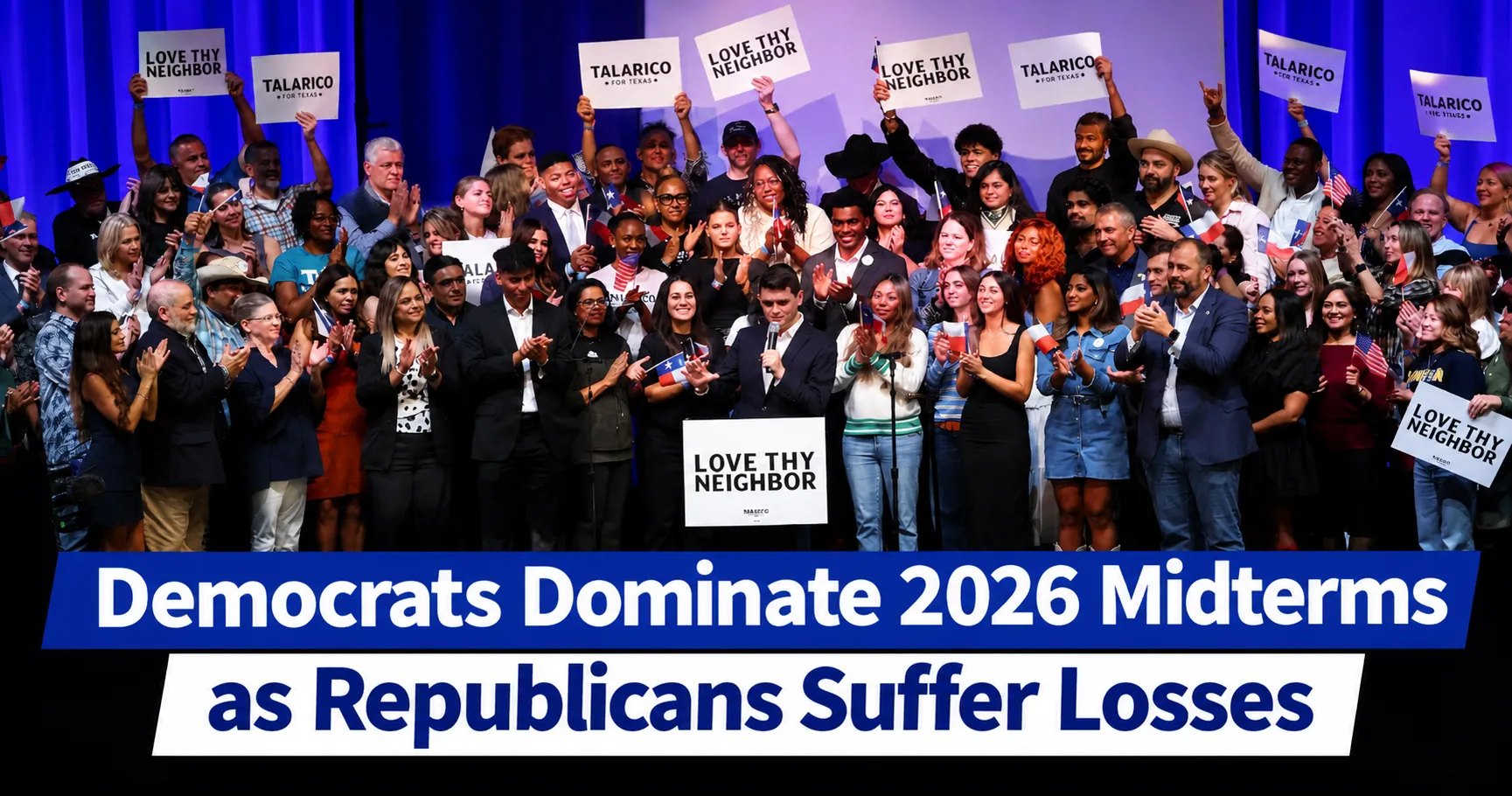
Democrats Sweep 2026 Midterms as Republicans Take Big Losses
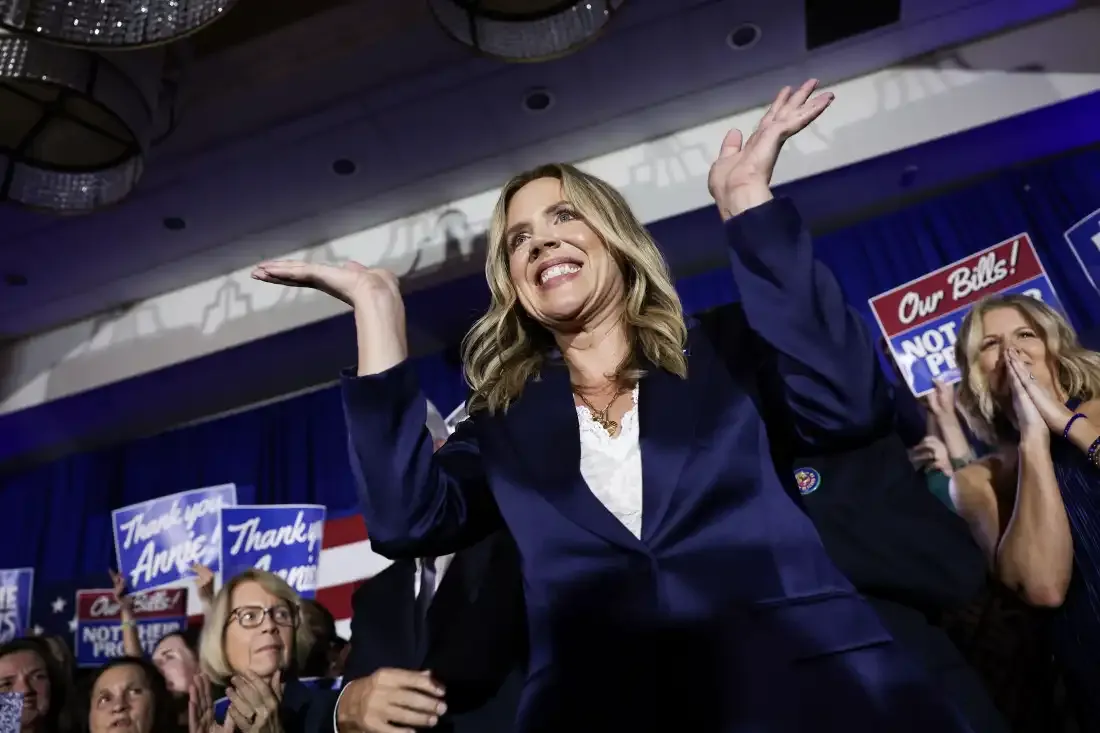
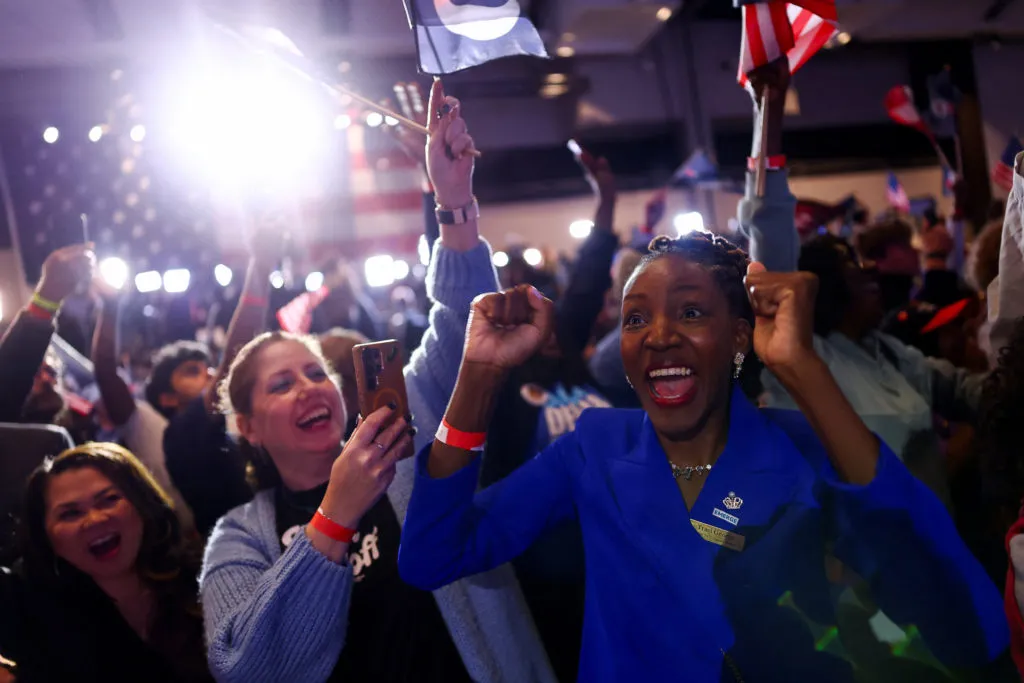
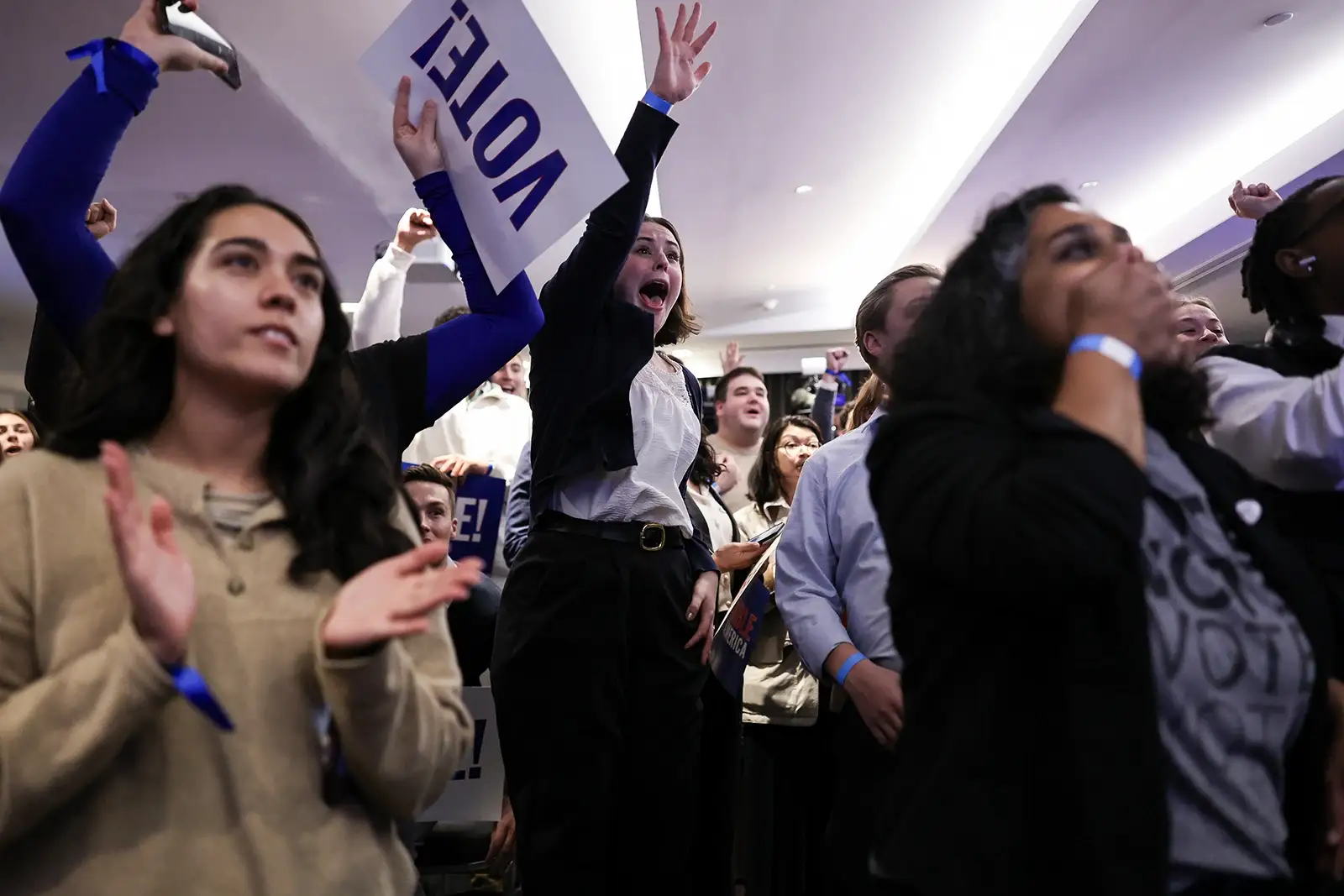
The 2026 US midterm elections delivered a heavy blow to President Donald Trump's Republican Party. Heading into election night, many Republicans hoped the polls had overstated their troubles and that the party could at least hold on to the Senate. Those hopes faded quickly as results came in from across the country.
By midnight in Washington, analysts were describing the outcome as what could be the party's worst midterm defeat in roughly half a century. The losses were not limited to the swing districts that both parties usually watch closely on election night. Republicans lost Senate seats in states long considered safely red, including Texas and South Carolina.
Via NPR
They also fell short in congressional districts that had been drawn to favor them and were expected to stay in Republican hands. Several races that experienced election watchers had rated as safe slipped away as the night went on. For many observers, the size of the defeat was the biggest surprise of the night.
Midterm elections often go against the party that holds the White House, but setbacks of this scale are rare in modern American politics. The results showed that voter frustration had spread well beyond the usual battlegrounds. Leaders in both parties now face the task of figuring out what the numbers mean for the next two years and beyond.
Via PBS
Why Voters Turned Away From the GOP
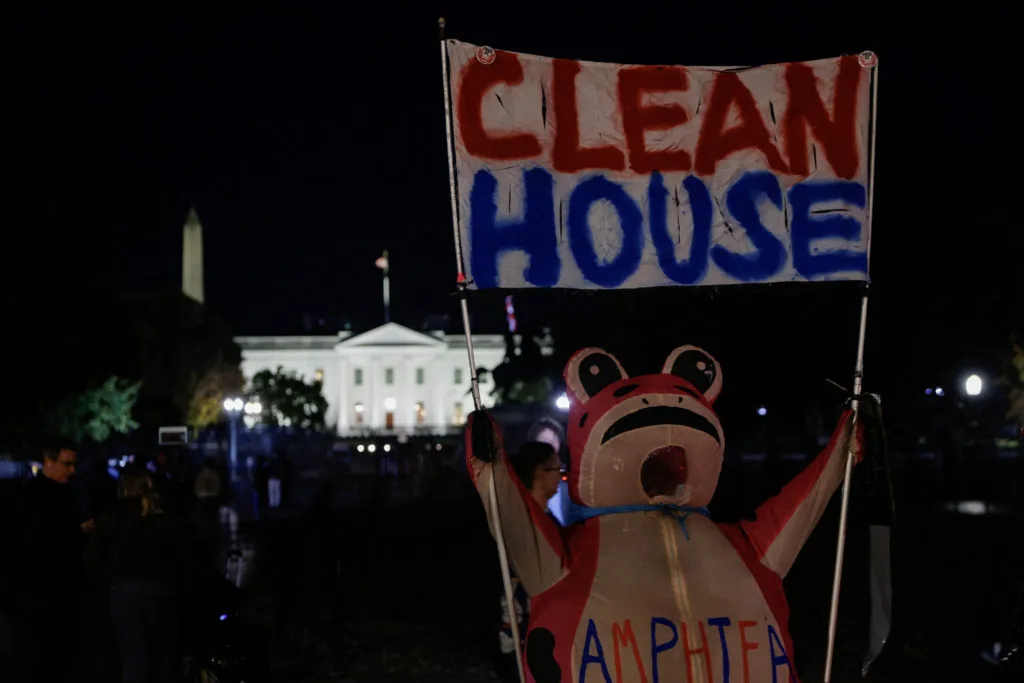
Surveys taken in the months before the election pointed to several sources of public frustration. Voters repeatedly told pollsters they were unhappy with high prices and the rising cost of everyday life. Many also expressed concern about the war in Iran, which has dragged on and raised fears of a wider conflict.
Allegations of corruption in the Trump administration, raised by critics and increasingly discussed in the media, added to the sense that many people wanted a change. Trump won the 2024 presidential election by a narrow margin, campaigning heavily on a promise to steady the economy.
Via PBS
Critics argue that his first two years back in office focused instead on a sweeping ideological agenda that polls suggested only a minority of Americans supported. According to this view, the administration did not respond to the warning signs that showed up in survey after survey. Supporters of the president have pushed back, saying his policies need more time to show results.
Whatever the reasons, the election gave voters a chance to express their views directly, and they did so in large numbers. Many analysts see the results as a verdict on the president's performance rather than on individual candidates. Midterms are often treated as a referendum on the sitting president, and this one appears to fit that pattern strongly. For the Republican Party, the challenge now is to understand which concerns drove the result and how to respond to them.
Via Radio Canada
Texas Shows a Changing Political Map
Beyond the immediate impact on Trump's presidency, the results challenge patterns that have shaped American politics for decades. Democrats won in places where they had been written off for a generation. States that both parties had long treated as reliably Republican suddenly looked competitive.
For political strategists, the election offered a new picture of the national map, one that could reshape campaign plans for years to come. Texas stands out as the clearest example of this shift. No Democrat had won a US Senate race in the state since Lloyd Bentsen in 1988, and Democrats have not carried Texas in a presidential election since Jimmy Carter in 1976.
Via NBC News
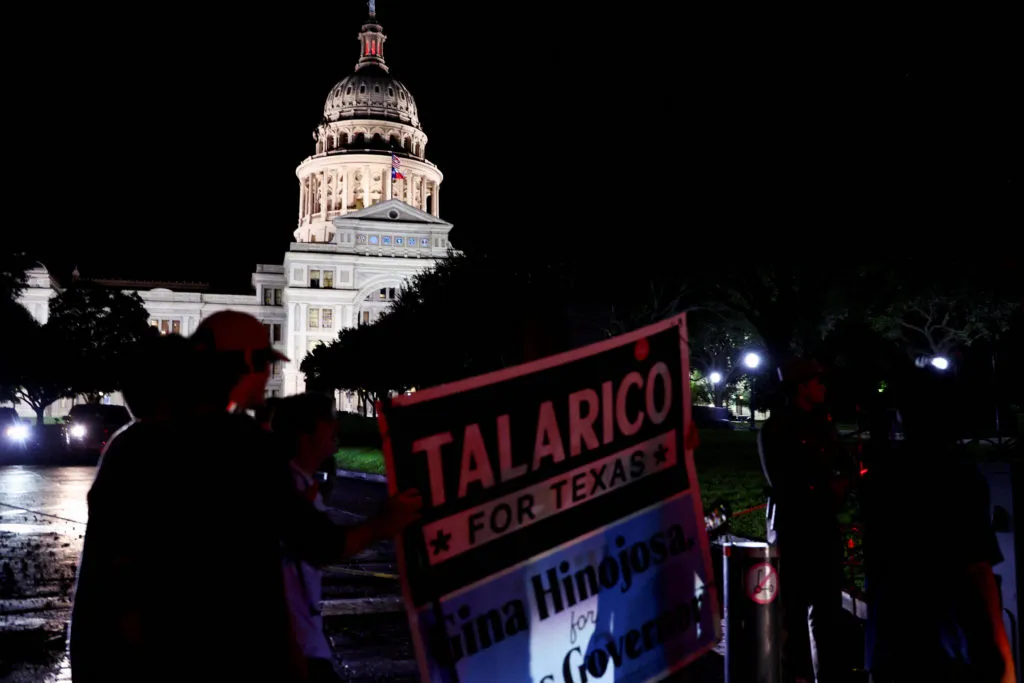
This year, Democrat James Talarico defeated Republican Ken Paxton to win the Senate seat by a convincing margin. His victory ended a long statewide losing streak for Democrats and drew attention across the country. The significance of the Texas result reaches far beyond a single Senate seat. Texas carries a large number of electoral votes, and Republicans have counted on winning it in every recent presidential race.
If the state becomes competitive on a lasting basis, the path to the White House could become much harder for Republican candidates. Analysts will be watching closely to see whether this result marks a lasting change or a one-time reaction to current events.
Via PBS
Both Parties Look Ahead to 2028
The Republican Party now faces difficult questions as it looks toward the 2028 presidential election. For the first time since 2016, a serious internal debate is expected about the future direction of the party. Some members may argue for moving away from the style and priorities of Trump's "Make America Great Again" movement, which critics have described as aggressively nationalist and divisive.
Others are likely to insist that the movement remains the party's strongest source of energy. That debate could shape who runs for president in 2028 and what message the party carries into that race. Republican leaders will need to balance the loyalty of Trump's dedicated base with the need to win back voters who turned away this year.

Via WSJ
Finding that balance will not be easy, especially with Trump still in office and still influential within the party. The coming months may reveal how willing party members are to break from the president. Democrats face their own set of challenges after their strong showing.
Winning in unexpected places is one thing, but holding on to those gains requires a clear plan and steady leadership. The party will need to decide how to use its new influence in Congress and how to turn this momentum into lasting support. Voters who backed Democrats this year will be watching to see whether the party delivers on its promises.

Via Bloomberg
What the Results Mean for US Foreign Policy
For the rest of the world, the election may not bring quick changes. Trump remains president until his term ends in January 2029, and he keeps broad control over foreign affairs. The Constitution gives Congress the power to declare war and the Senate the role of approving treaties, yet lawmakers have traditionally played a smaller part in day-to-day foreign policy.
That leaves the president with a wide range of tools he can still use. History suggests that presidents often become more active abroad after their party performs poorly in a midterm election. With little chance of passing major laws at home, they tend to spend more time on international issues where they can act on their own.

Via Reuters
Many analysts expect the same pattern to hold for Trump over the rest of his term. Trade, security, and relations with major powers could all receive more attention from the White House. The end of the campaign also removes some of the political pressure that shaped the president's recent choices.
As the elections approached, Trump stepped back from a major military confrontation with Iran and looked for a pause in his tariff disputes with trading partners. With the vote now over, some observers worry he may feel freer to take bolder or less predictable steps. How he chooses to use that freedom will be closely watched by governments around the globe.
Via MS Now
Can Congress Rein In the President?
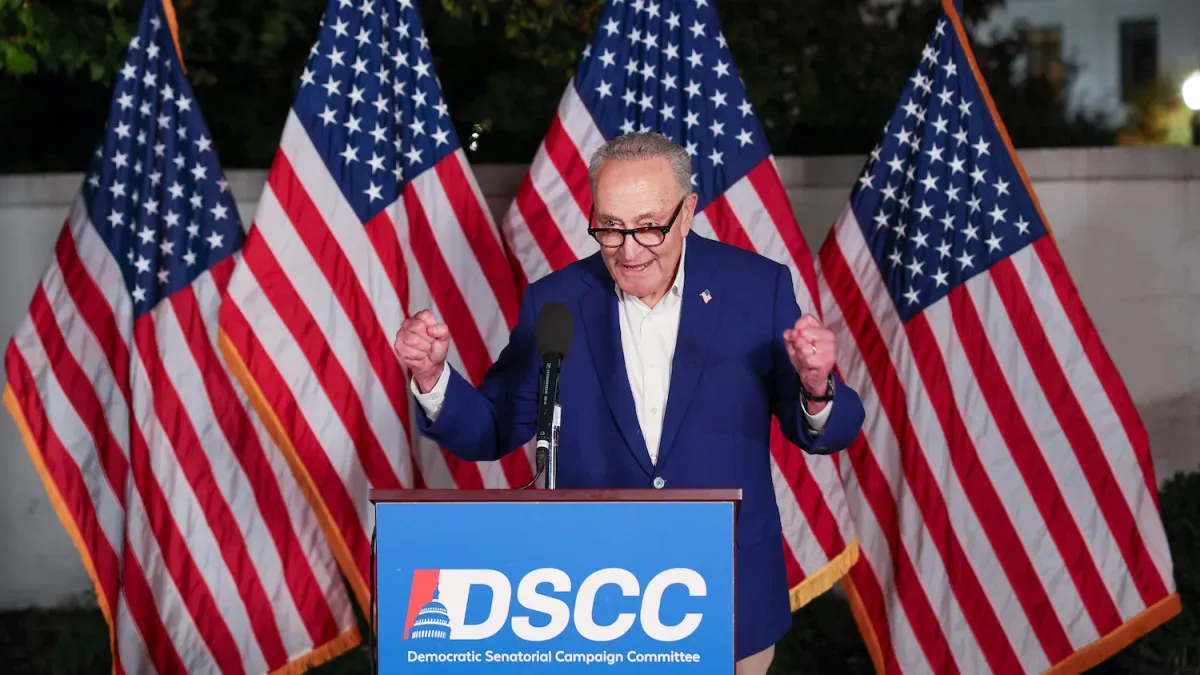
Congress does have ways to limit the president's actions, at least on paper. Lawmakers could try to cut off funding for the war with Iran or pass laws that take back some authority over tariffs. In practice, these moves are difficult because they need strong majorities in both the House and the Senate.
Even after their big gains, Democrats are not expected to hold the level of control needed to push such measures through on their own. Any law aimed at restricting the president would almost certainly face a veto. Overriding a veto requires a two-thirds majority in both chambers, a very high bar in today's divided politics.
Via Foreign Policy
That means much depends on whether some Republican lawmakers decide to join Democrats after this defeat. A key question in Washington is whether the scale of the loss will push enough Republicans to break with the White House on major issues. One area where Democrats will clearly gain power is oversight.
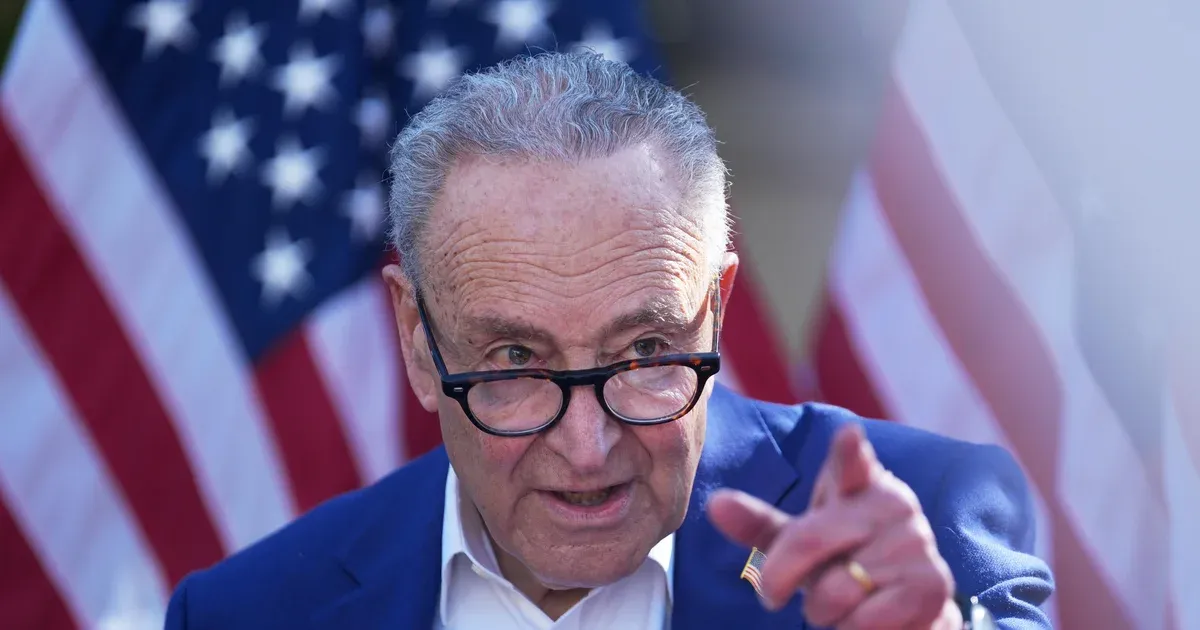
With more control in Congress, they can launch investigations into the administration and some of its top officials. Their focus is expected to include the war with Iran, Trump's personal business dealings with foreign leaders, and the way the Pentagon has been run under Defense Secretary Pete Hegseth. Speculation has grown that Hegseth could resign or be removed rather than face the risk of impeachment.
Via CBS News
What the World Should Prepare For
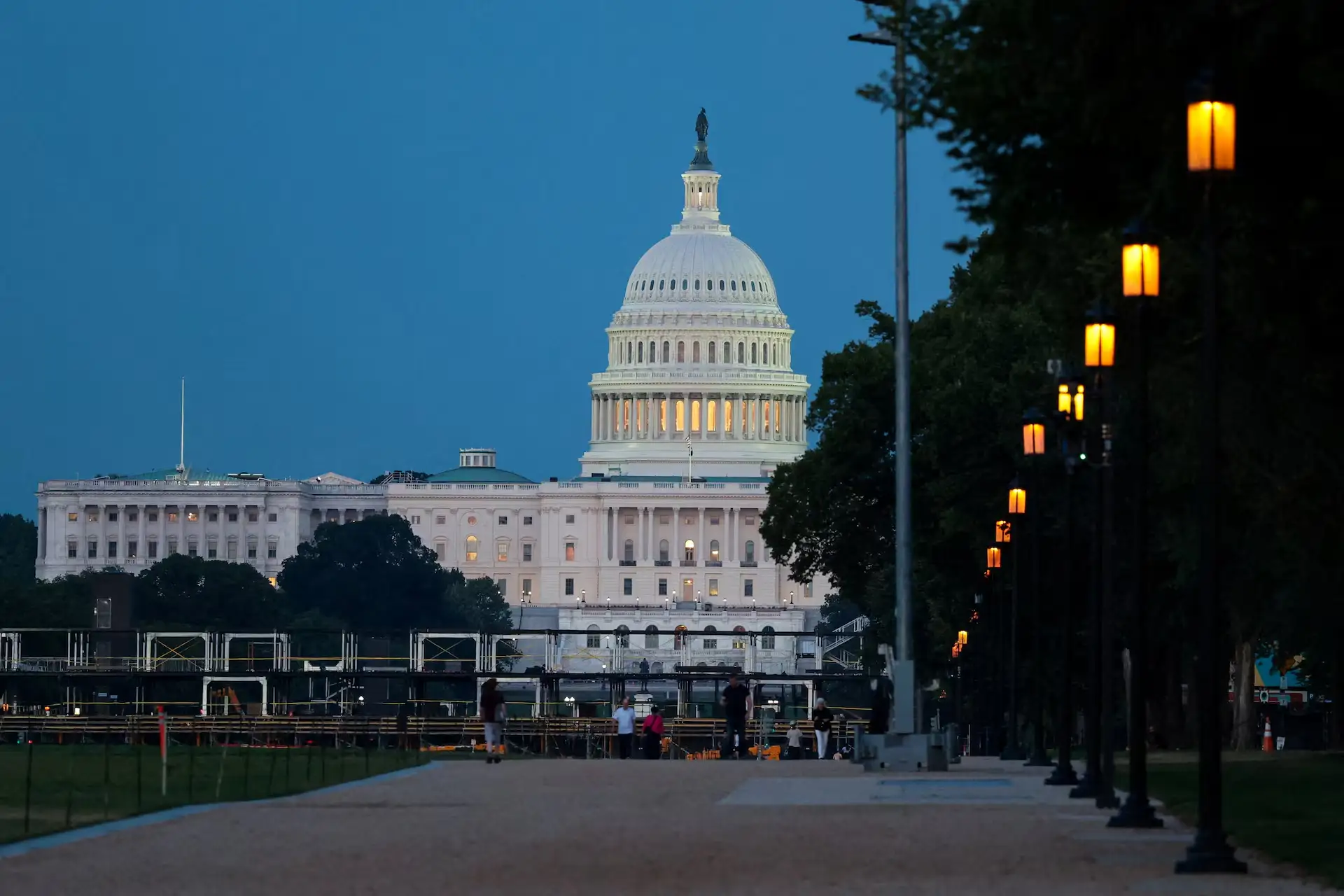
Any major shift in American foreign policy will depend largely on the president himself. New advisers or a different Congress can influence decisions only up to a point. Trump has rarely accepted limits on his authority willingly, and there is little sign that this will change after the election. Foreign governments are likely to study his next moves carefully for clues about his plans.
Via Reuters
Some analysts warn that a politically weakened president could look abroad to show strength. Facing a tougher Congress at home, Trump might turn his attention to trade fights, military matters, or bold diplomatic moves where he has more freedom to act. People in other countries may feel the effects of these choices as much as Americans do. Allies and rivals alike are preparing for a period that could bring sudden changes.
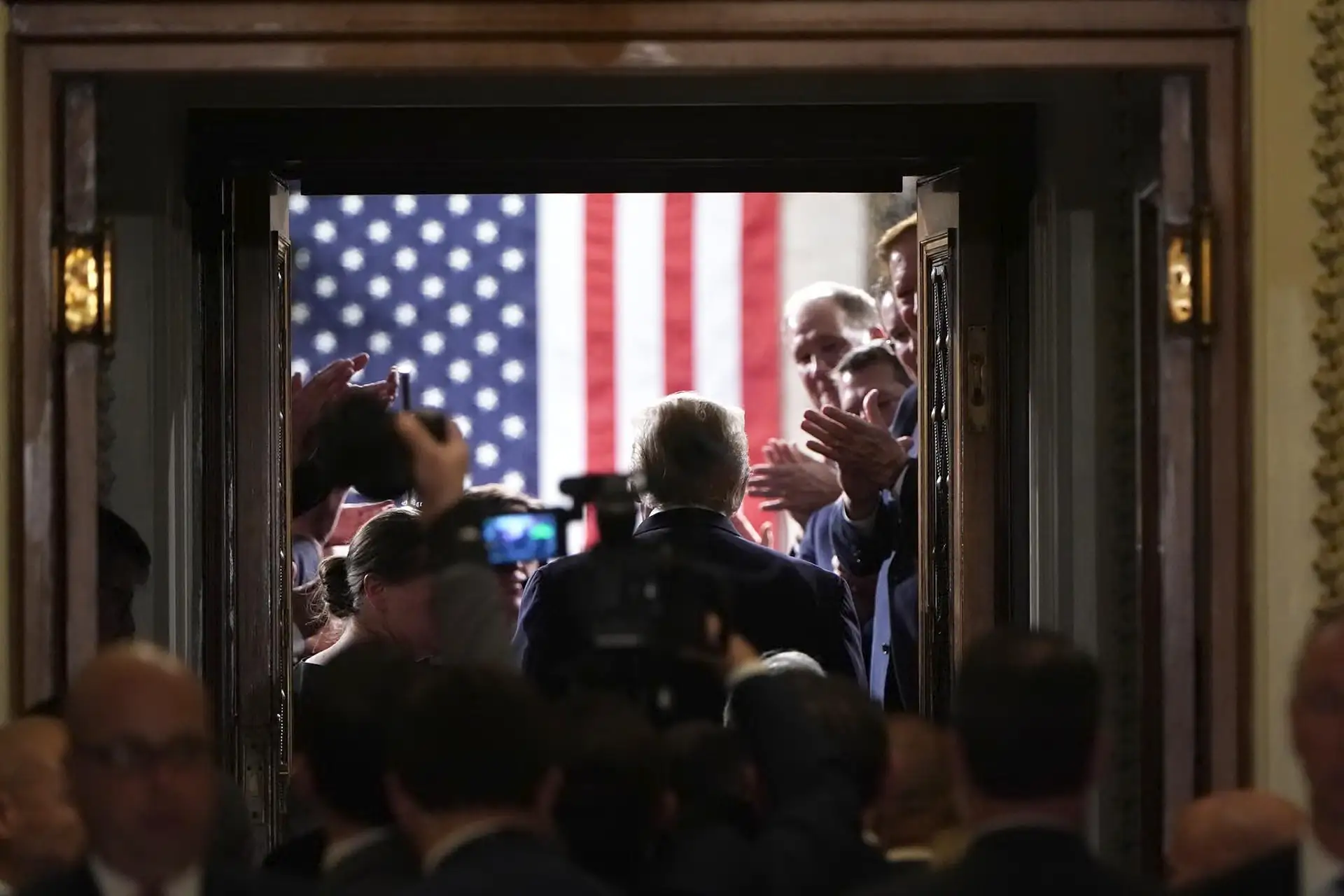
Via Council on Foreign Relations
The 2026 midterms have already reshaped the political landscape in the United States, and their full impact will unfold over the next two years. Voters sent a strong message, and both parties are now working out how to respond to it. For people around the world, the coming months could prove just as important as election night itself. They will be watching closely to see how Washington's new balance of power plays out.