Entertainment
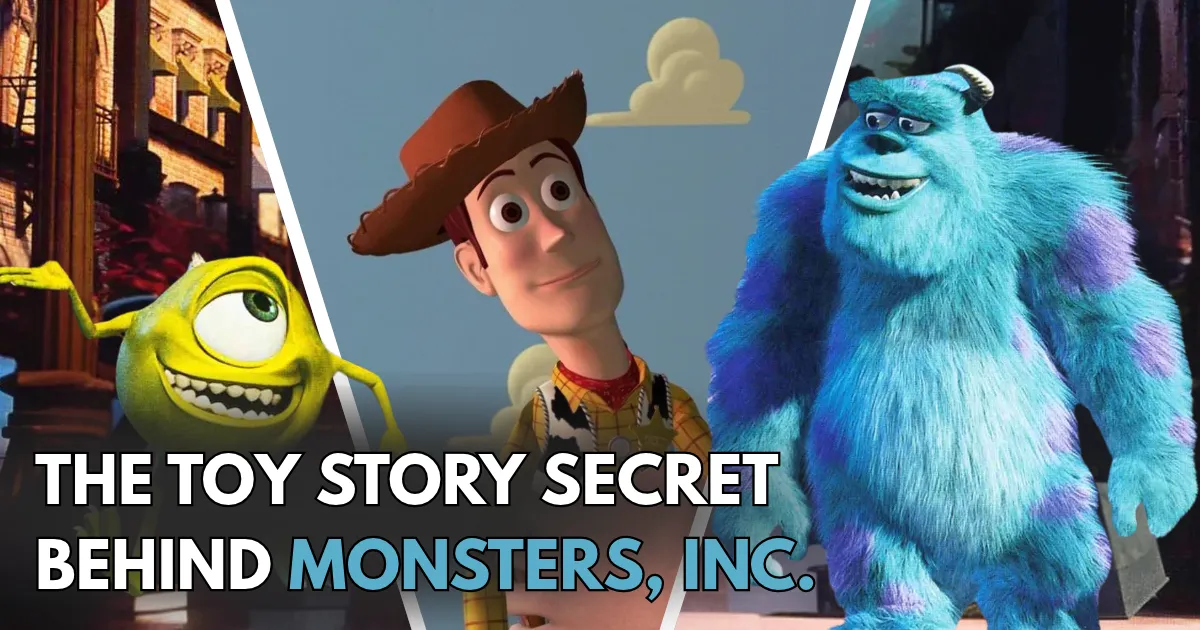
25 Years of “Monsters, Inc.” How Toy Story Inspired the Film
Monsters, Inc. has officially reached its 25th anniversary, and the beloved Disney Pixar film still feels as fresh and fun as it did when it first arrived in theaters. Released in November 2001, the movie quickly became a favorite for kids and adults alike. Its colorful world, lovable characters, and clever story helped it stand out at a time when computer animation was still fairly new.
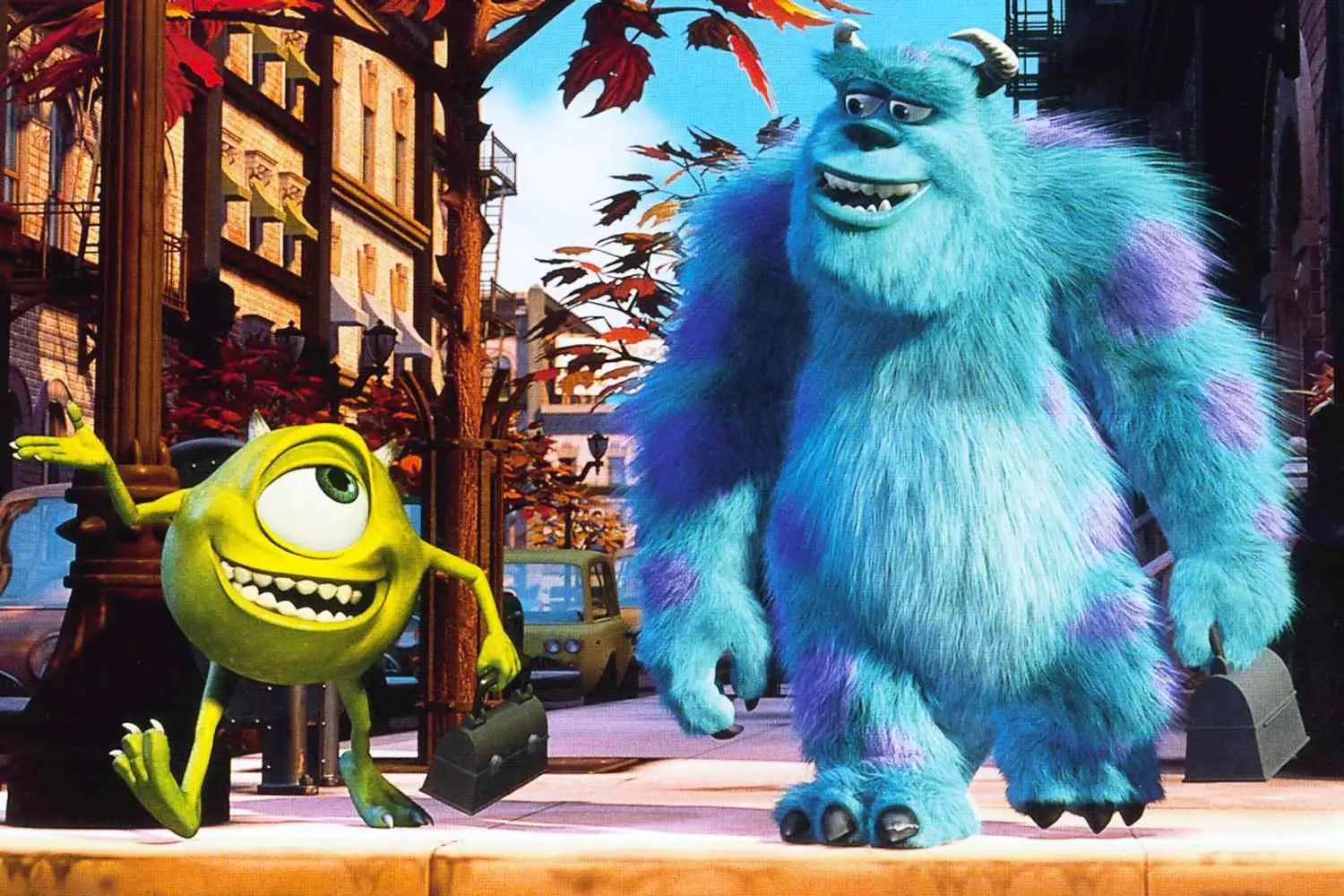
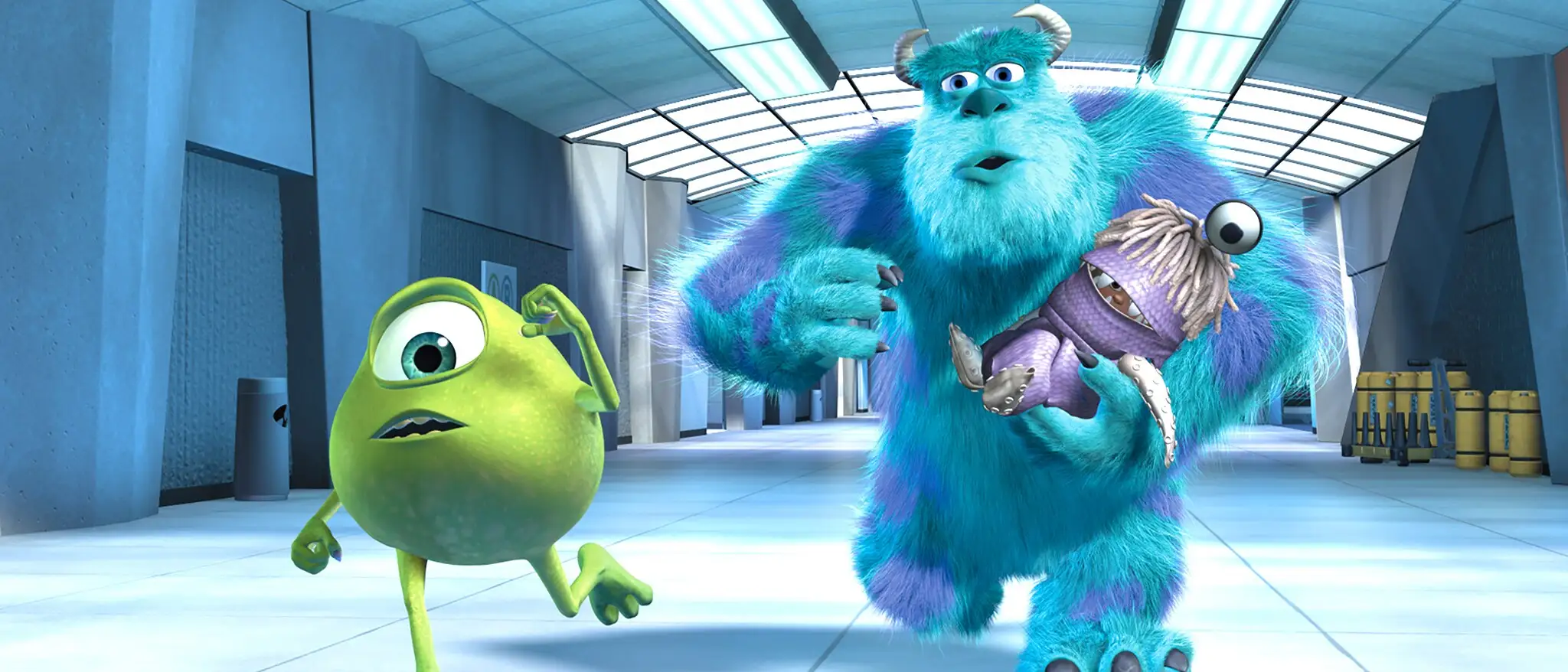
A quarter of a century later, fans continue to quote its lines, collect its toys, and share it with a new generation of young viewers. The film tells the story of two monster best friends, James P. “Sully” Sullivan and Mike Wazowski. Both of them work at Monsters, Inc., a giant factory in the city of Monstropolis that creates energy in a very unusual way.
Via People
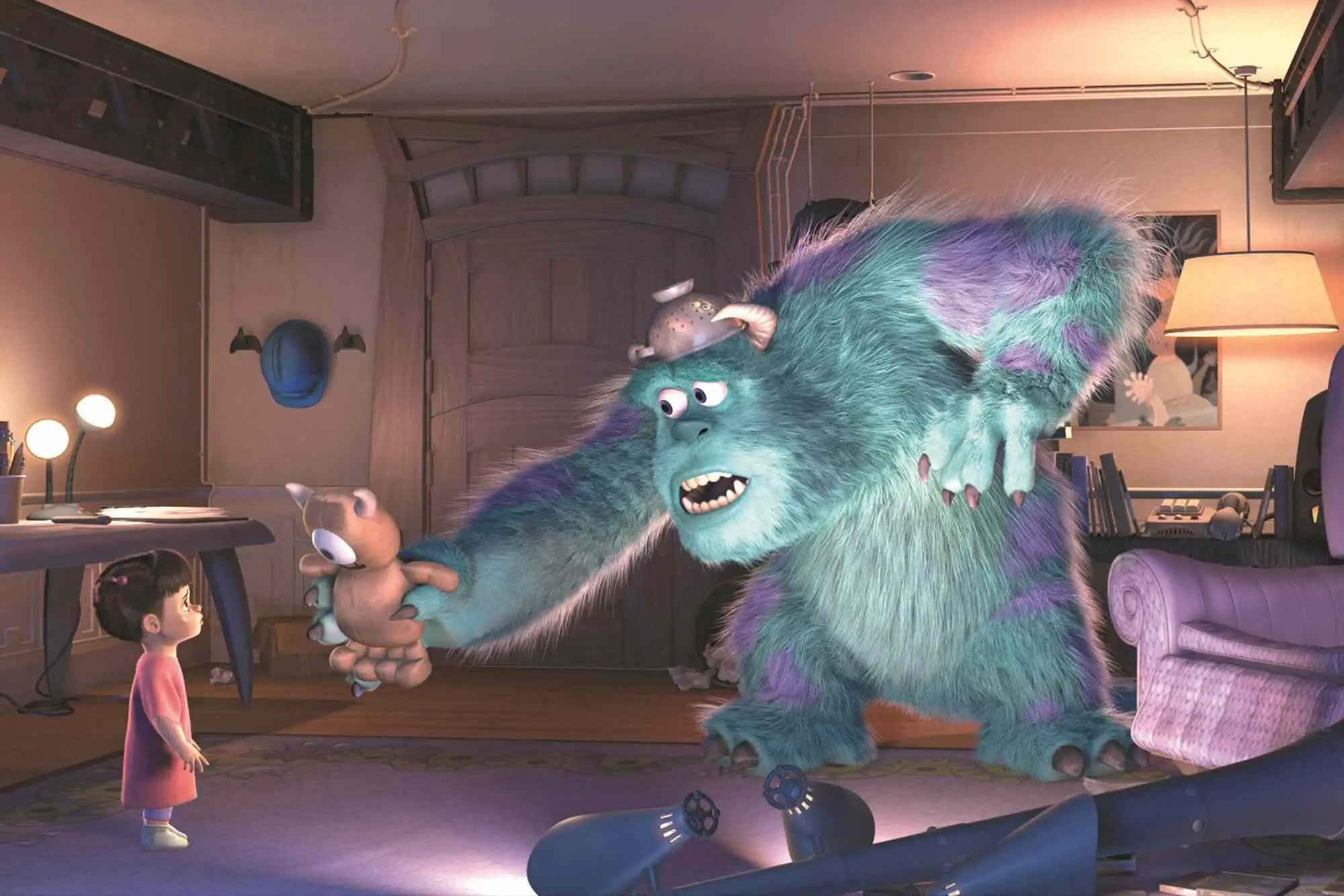
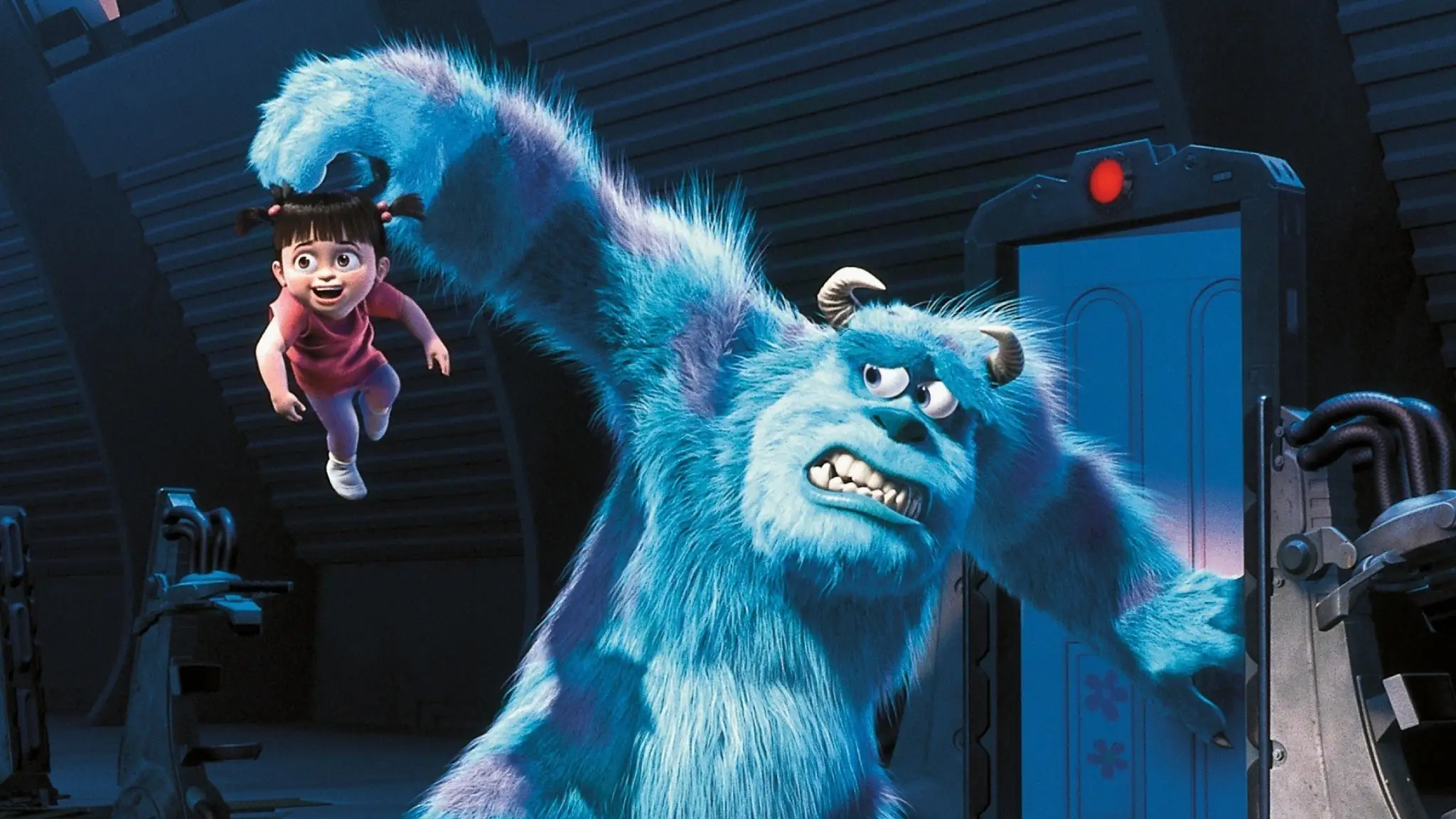
The workers sneak into the bedrooms of human children at night and scare them. The screams they collect are turned into power that keeps the whole monster city running. Sully is the company’s top scarer, while Mike acts as his loyal partner, coach, and biggest cheerleader. Everything changes when a little human girl slips through a closet door and enters the monster world.
The monsters have always been taught that human kids are toxic and dangerous, so her arrival causes panic across the city. Sully and Mike secretly try to send the child, whom Sully names Boo, back home before anyone finds out. Their wild adventure leads them to uncover a dark secret inside the company and teaches them that laughter can be far more powerful than fear.
Via Collider
How Toy Story Planted the Seed for Monsters, Inc.
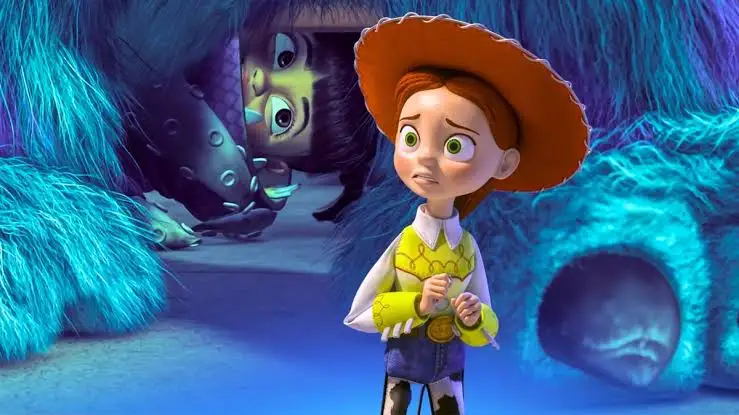
The idea for Monsters, Inc. grew directly out of the success of Toy Story, Pixar’s first feature film. Released in 1995, Toy Story was the first movie made completely with computer animation, and it changed the film industry. It also showed that Pixar had a special talent for tapping into the way children see the world.
The story of toys that come to life when nobody is watching connected with audiences of every age, and it gave the studio a clear direction for future projects. Pete Docter, who worked on Toy Story as a supervising animator, began developing Monsters, Inc. in the mid-1990s, as work on that first film was wrapping up.
Via People
In commentary recorded for the 2002 DVD release, Docter explained that a monster movie was one of the ideas that came out of a brainstorming session held in 1994. Pixar’s team had gathered to dream up possible stories for future films, and the thought of monsters hiding in a child’s room stood out as a strong and playful concept. Docter shared that while Toy Story was being made, many people told him they had truly believed their own toys came alive when they left the room.
That reaction stayed with him. When Disney asked Pixar for more films, he wanted to build on another childhood belief that felt just as real to kids. He remembered being sure, as a young boy, that monsters were coming out of his closet at night. That simple memory became the starting point for one of Pixar’s most creative worlds.
Via Disney
Building the Story and Its Unforgettable Characters
Docter did not write the film alone. He developed the story with Jill Culton, Jeff Pidgeon, and Ralph Eggleston, a group of talented Pixar artists and writers. Andrew Stanton and Dan Gerson later helped shape the screenplay.
Together, the team spent years shaping the plot, testing new ideas and throwing out ones that did not work. Early versions of the story looked very different from the final film, and the team kept reworking it until the heart of the movie felt just right. In some of the earliest drafts, the main character was a grown man who was visited by the monsters he had drawn as a child.
Via Pixar Animation
Over time, the focus moved away from the human world and into the monster world itself. The characters went through many changes during this process. Sully, Mike, and even Boo were redesigned and rewritten several times before the filmmakers settled on the versions audiences know today. Each change helped make the friendship between the two monsters stronger and more believable.
Pete Docter directed the movie, with Lee Unkrich and David Silverman serving as co-directors. The team worked hard to give every monster a unique look and personality. Some monsters had many eyes, some had tentacles, and others looked like giant slugs or furry beasts. This creativity made Monstropolis feel like a real, busy city full of workers, families, and neighbors.
Via Into Film
The Famous Voices Behind the Monsters
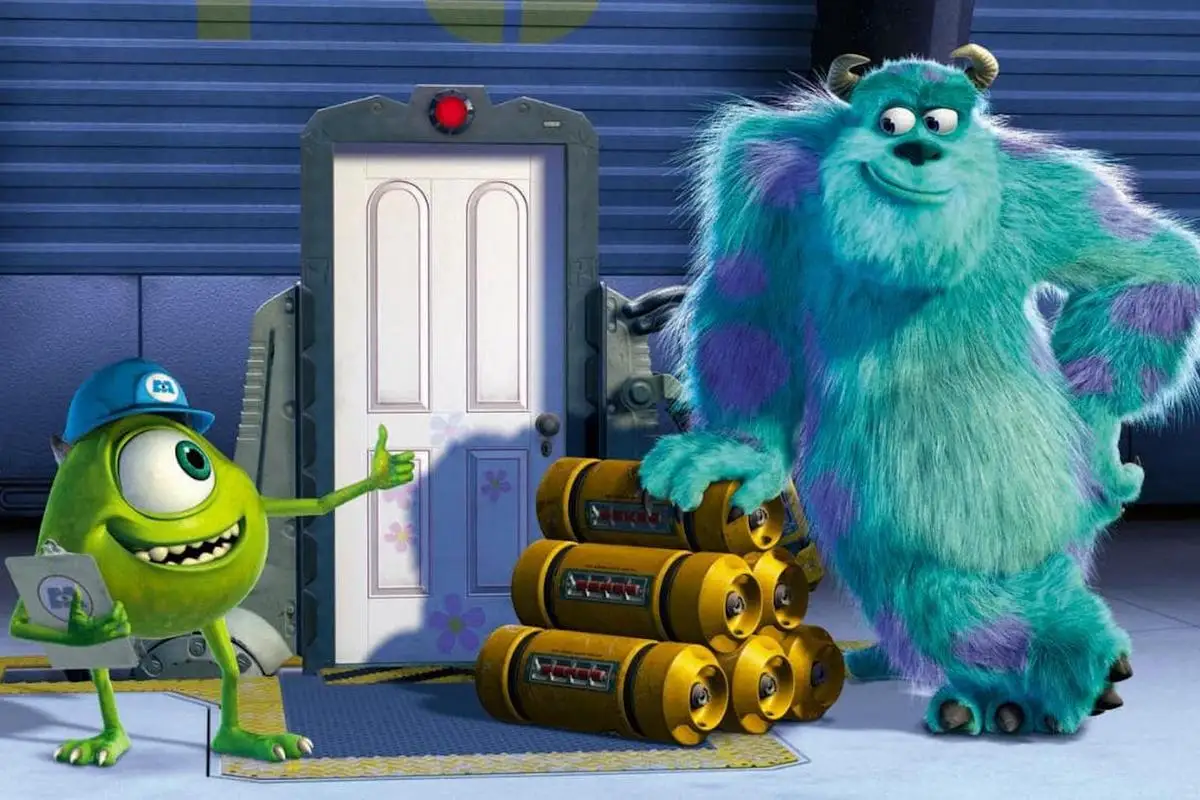
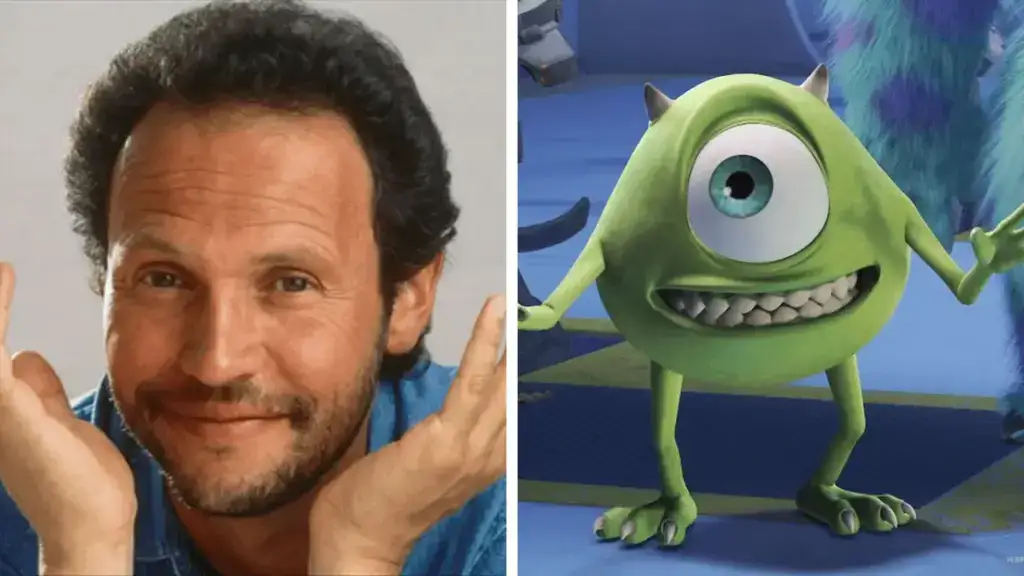
A big part of the film’s charm comes from its voice cast. John Goodman brought warmth and gentleness to Sully, a huge blue monster with purple spots who turns out to have a soft heart. Billy Crystal gave Mike Wazowski his fast talk, quick jokes, and big personality.
The pair had wonderful chemistry, and their back-and-forth conversations made the friendship between the characters feel real. Many fans consider Sully and Mike one of the greatest duos in animated movie history. Billy Crystal’s role in the film has an interesting backstory. Years earlier, he had turned down the chance to voice Buzz Lightyear in Toy Story, a decision he later admitted he regretted.
Via Screen Crush
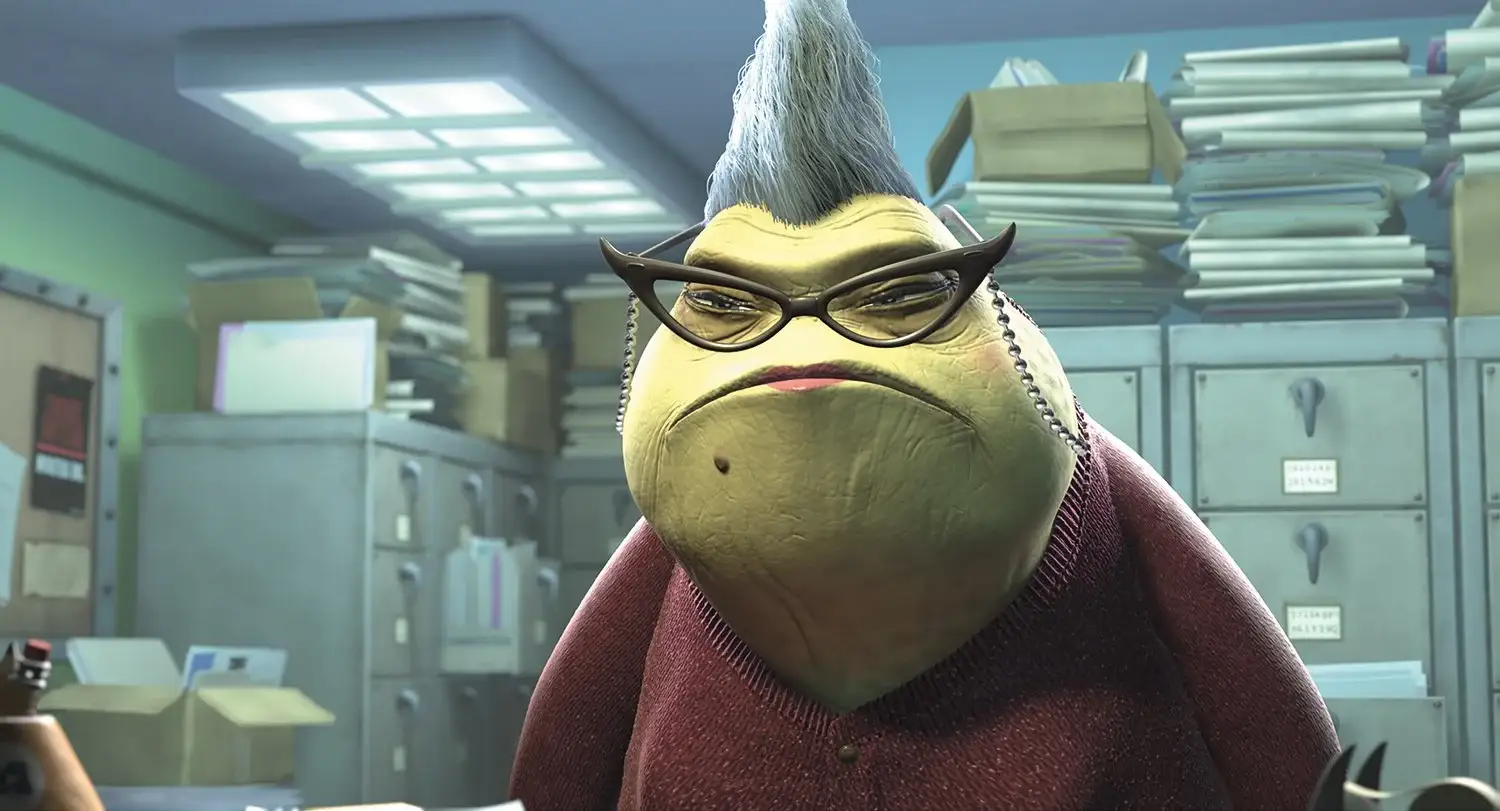
When Pixar offered him the part of Mike, he quickly said yes. The rest of the cast was just as strong. Steve Buscemi voiced the sneaky villain Randall Boggs, James Coburn played company boss Henry J. Waternoose, and Jennifer Tilly voiced Celia, Mike’s snake-haired girlfriend.
The voice of Boo came from a very young girl named Mary Gibbs, the daughter of a Pixar story artist. She was only about two years old during recording, so the filmmakers could not ask her to read lines from a script. They followed her around with a microphone and recorded her natural sounds, giggles, and baby talk. Those real moments were then edited into the film.
Via Looper
Music and Groundbreaking Animation
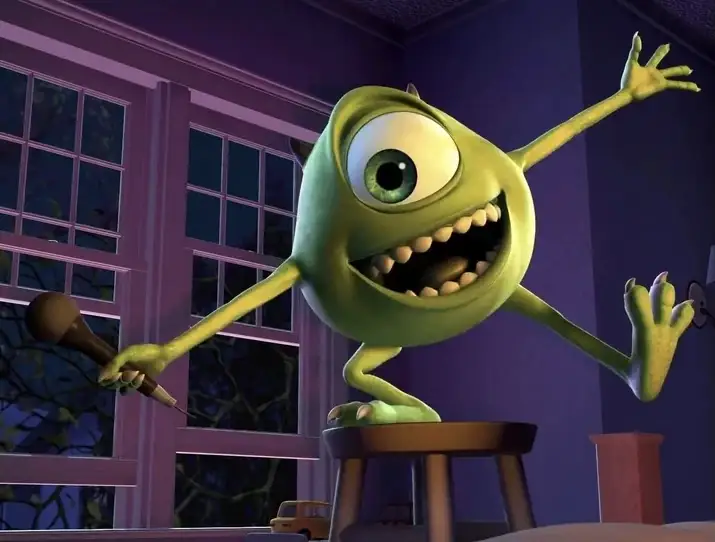
Randy Newman, who wrote the music for Toy Story, returned to compose the score for Monsters, Inc. His playful, jazzy music fits the fun and energy of the monster world perfectly. He also wrote the film’s main song, “If I Didn’t Have You,” which plays during the end credits. Billy Crystal and John Goodman sang the song together, adding even more charm to the friendship between Mike and Sully.
The cheerful tune became one of the most memorable parts of the film. The movie also pushed computer animation forward in exciting ways. One of the biggest challenges was Sully’s thick, shaggy fur. Making millions of individual hairs move naturally was extremely difficult with the technology of the time.
Via Cartoon Vibe
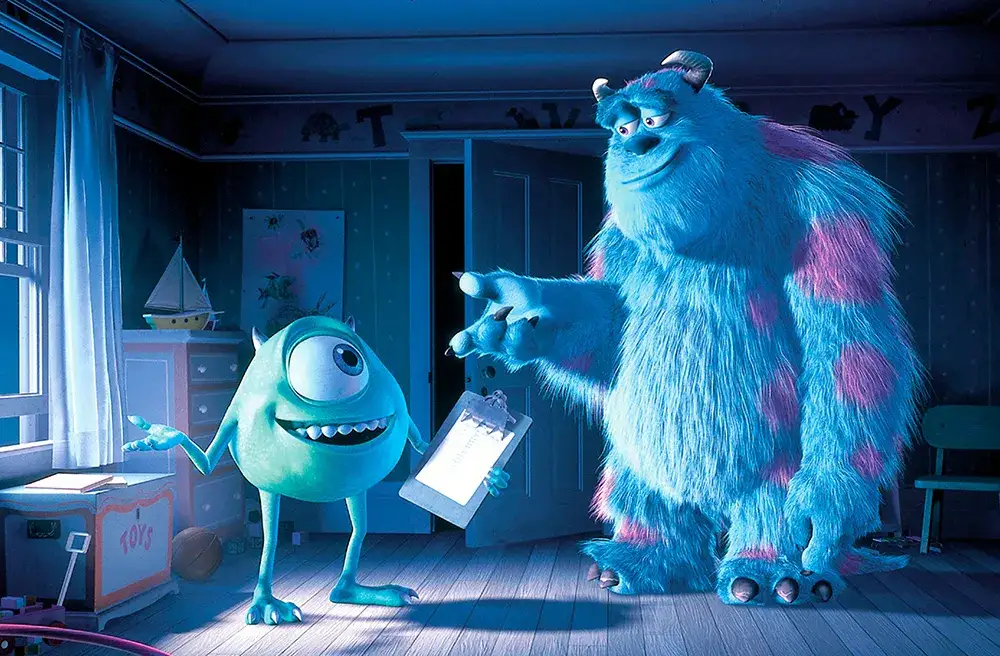
Pixar created special software to handle the job, allowing the fur to bounce, sway, and react to wind and movement. Sully ended up with over two million hairs on his body, a huge achievement for animators in the early 2000s. The animators faced other tough tasks as well.
Boo’s oversized T-shirt had to wrinkle, fold, and move like real cloth, which was another tricky problem for computers to solve. The famous door chase scene near the end of the film was also a major technical feat. Thousands of doors zoom along giant moving tracks in a huge warehouse, creating one of the most thrilling action scenes in Pixar history.
Via Disney Wiki
A Box Office Hit and an Award Winner
When Monsters, Inc. arrived in theaters, it was a huge success with both audiences and critics. The film earned more than $528 million worldwide during its original release. It became the third highest-grossing movie of 2001, behind only Harry Potter and the Sorcerer’s Stone and The Lord of the Rings: The Fellowship of the Ring.
Critics praised the movie for its humor, heart, and clever ideas. Many reviewers pointed out that the film worked on two levels. Kids loved the funny monsters and exciting chases, while adults enjoyed the jokes about office life, company rules and workplace pressure. The emotional bond between Sully and Boo also touched many viewers.
Via Variety
The film also earned major awards attention. “If I Didn’t Have You” won the Academy Award for Best Original Song, giving Randy Newman his first Oscar after many earlier nominations. Monsters, Inc. was also nominated in the very first year of the Best Animated Feature category at the Oscars, though the award went to Shrek. Even so, the recognition confirmed that the film had earned its place among the best animated movies of its time.
A Lasting Legacy 25 Years Later
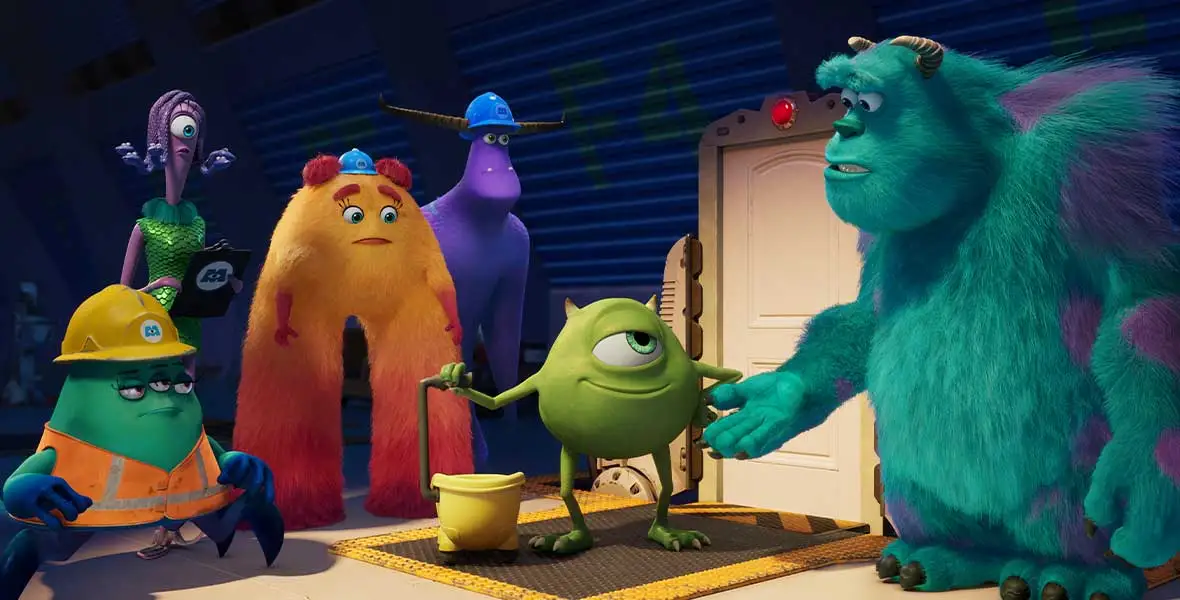
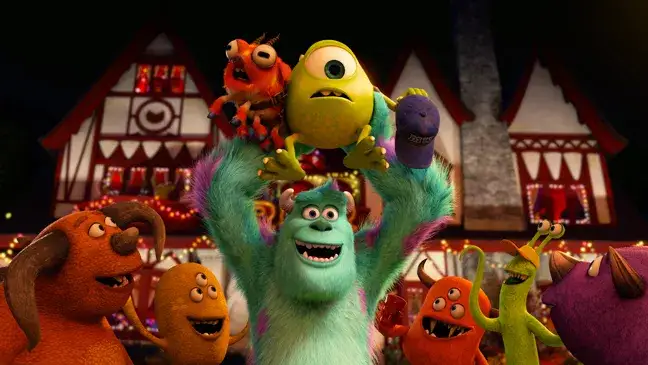
The success of Monsters, Inc. led to more stories set in the same world. In 2013, Pixar released Monsters University, a prequel that showed how Mike and Sully first met as college students. The film explained how the two started as rivals before becoming best friends. It was another big hit at the box office and gave fans a fun look at the early lives of the characters. Later, the Disney+ series Monsters at Work continued the story after the events of the first film.y
Via DB3
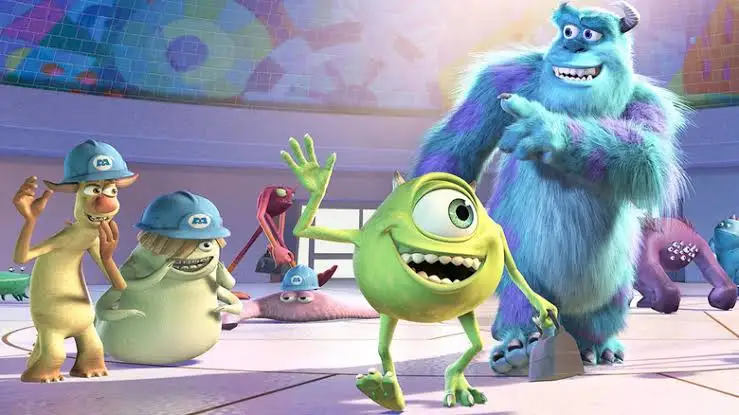
The film’s influence can still be seen in many places today. Mike and Sully appear on toys, clothing, lunch boxes,s and theme park rides around the world. Disney parks feature attractions based on the movie, where guests can join in on the fun of Monstropolis. The film’s big idea, that laughter is stronger than fear, has also become an important message for children. It reminds young viewers that being kind and caring can make a bigger difference than being scary.
Via Hollywood Reporter
Twenty-five years after its release, Monsters, Inc. remains one of the most loved films in Pixar’s library. It took a simple fear that many children share and turned it into a funny, heartwarming adventure. People who watched it as kids now share it with their own children, keeping its magic alive for new audiences. Thanks to its memorable characters, clever story,ry and groundbreaking animation, the film proves that great ideas can come from the smallest childhood memories.