News / History
6 Medieval Finds That Reveal Life in the Middle Ages
The Middle Ages stretched from the fall of the Western Roman Empire in the 5th century A.D. to the start of the Renaissance in the 14th and 15th centuries. For many people, the period brings to mind knights in shining armor, towering stone castles, jousting matches and tales of chivalry. These images come mostly from legends, novels and films, and they paint a colorful but incomplete picture.
Archaeologists and historians have spent decades digging through ruins, graves and buried objects to learn how ordinary people lived during this long era. Every sword, bone and stone wall holds clues about daily routines, religious beliefs, travel and conflict.
Via History
Modern tools such as DNA testing, skeletal analysis and radiocarbon dating now allow experts to read these clues more clearly than ever. The six discoveries below come from very different places, including the seafloor, sandstone caves, an Irish bog, a London burial ground, an English prison yard and an abandoned village.
Each one tells its own story about the people who lived many centuries ago. Together, they reveal a world filled with faith, fear, power, trade and surprising diversity. These finds show that the Middle Ages were not a simple or empty time but a rich and lively chapter of human history.
Via History
1. A Crusader’s Sword Found Under the Sea
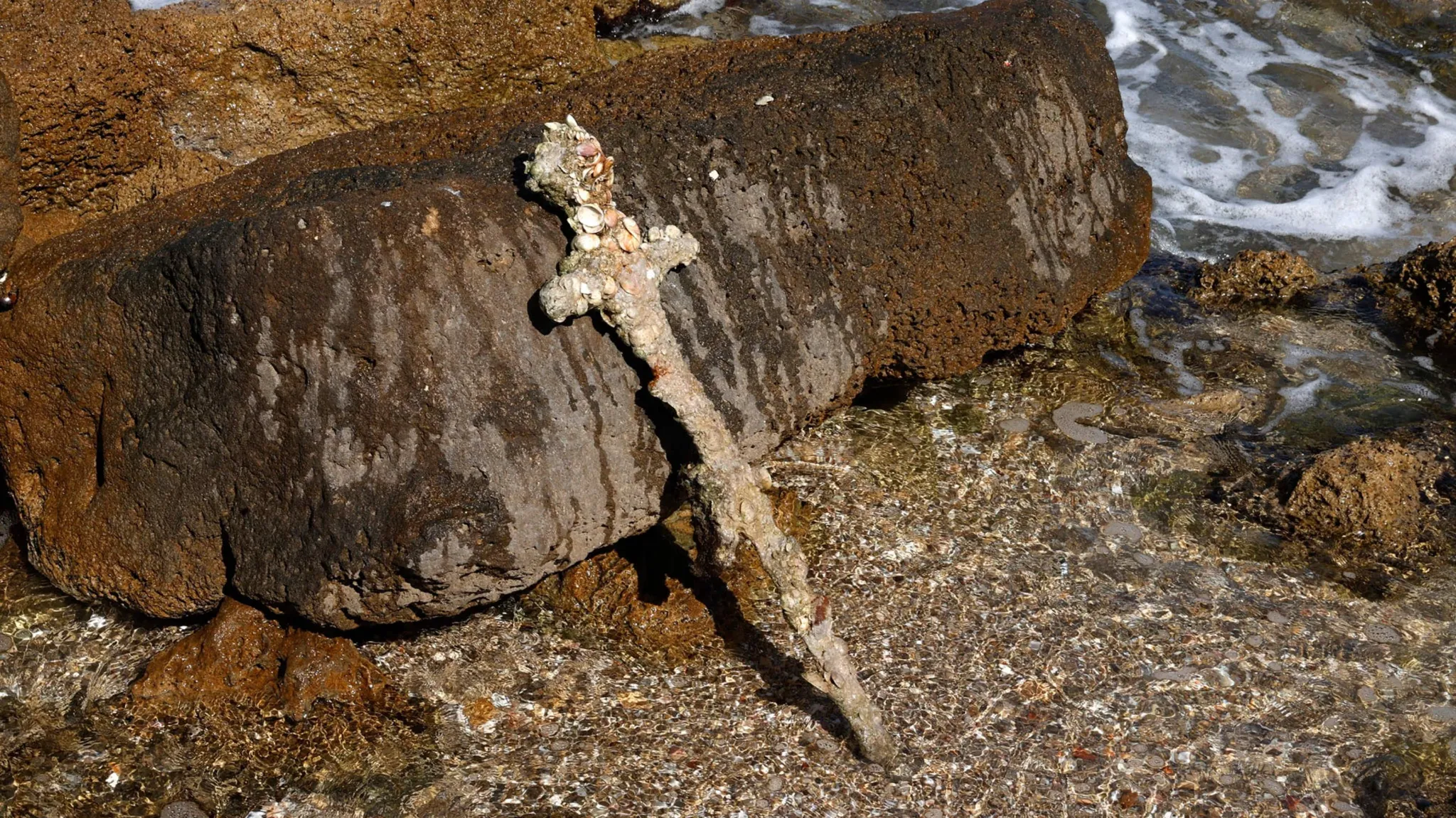
In October 2021, a strong storm shifted the sand on the floor of the Mediterranean Sea off the coast of northern Israel. The moving sand uncovered a hidden collection of stone anchors, broken pottery, and other old objects that had rested out of sight for centuries. A recreational scuba diver exploring the area spotted something unusual among the debris.
It turned out to be a rare iron sword about 39 inches long, covered in shells and sea creatures but still in remarkably good condition. The Israel Antiquities Authority said the weapon was around 900 years old and most likely belonged to a knight who traveled to the Middle East during the Crusades. These were a series of religious wars in which European Christian armies fought Muslim forces for control of Jerusalem and other holy sites.
Via History
A sword like this would have been costly to make and deeply valued by its owner. Historians have offered a few possible explanations. Jonathan Phillips, a history professor at the University of London, suggested it may have been lost during a battle on a beach, where landing Crusader forces were often attacked by Muslim defenders, or during a clash at sea. Similar surprises have happened before in other waters.
2. Hidden Caves Linked to an Exiled King
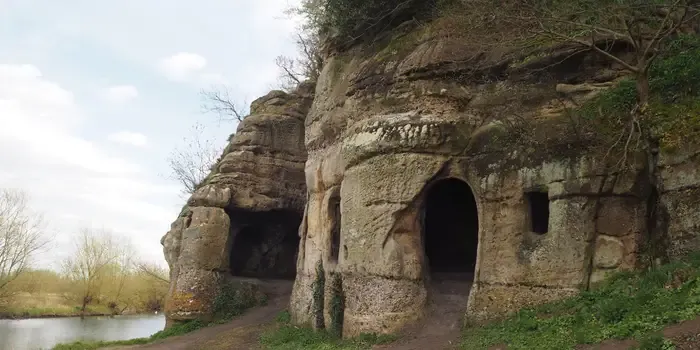
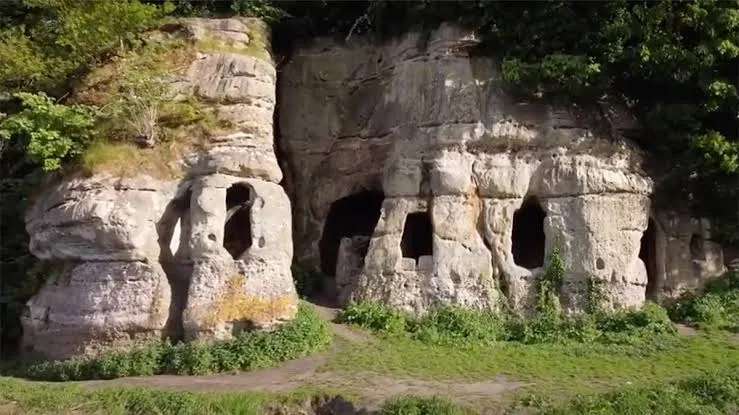
In south Derbyshire, England, a group of man-made caves known as the Anchor Church Caves has drawn curious visitors for generations. The caves were carved out of soft sandstone rock in a quiet stretch of countryside near the River Trent. For many years, people assumed the caves were fairly modern, possibly shaped in the 1700s as a decorative hideaway for wealthy landowners.
Via Business Insider
Researchers believe the caves may once have been the home of King Eardwulf, an Anglo-Saxon ruler of Northumbria who was later honored as Saint Hardulph. He was pushed off his throne in 806 A.D., returned to power briefly in 808 A.D., and was overthrown for good about two years later. After losing his crown, he may have spent the rest of his life living quietly in these caves.
Life as a hermit does not appear to have been especially harsh for the former king. The cave dwelling had three rooms and a small chapel, with doorways and windows that match the style of Saxon buildings from that era. Followers who viewed him as a holy man may have visited him and brought supplies or sought his blessing.
Via Aleteia
3. Towering Pagan Idol Pulled From an Irish Bog
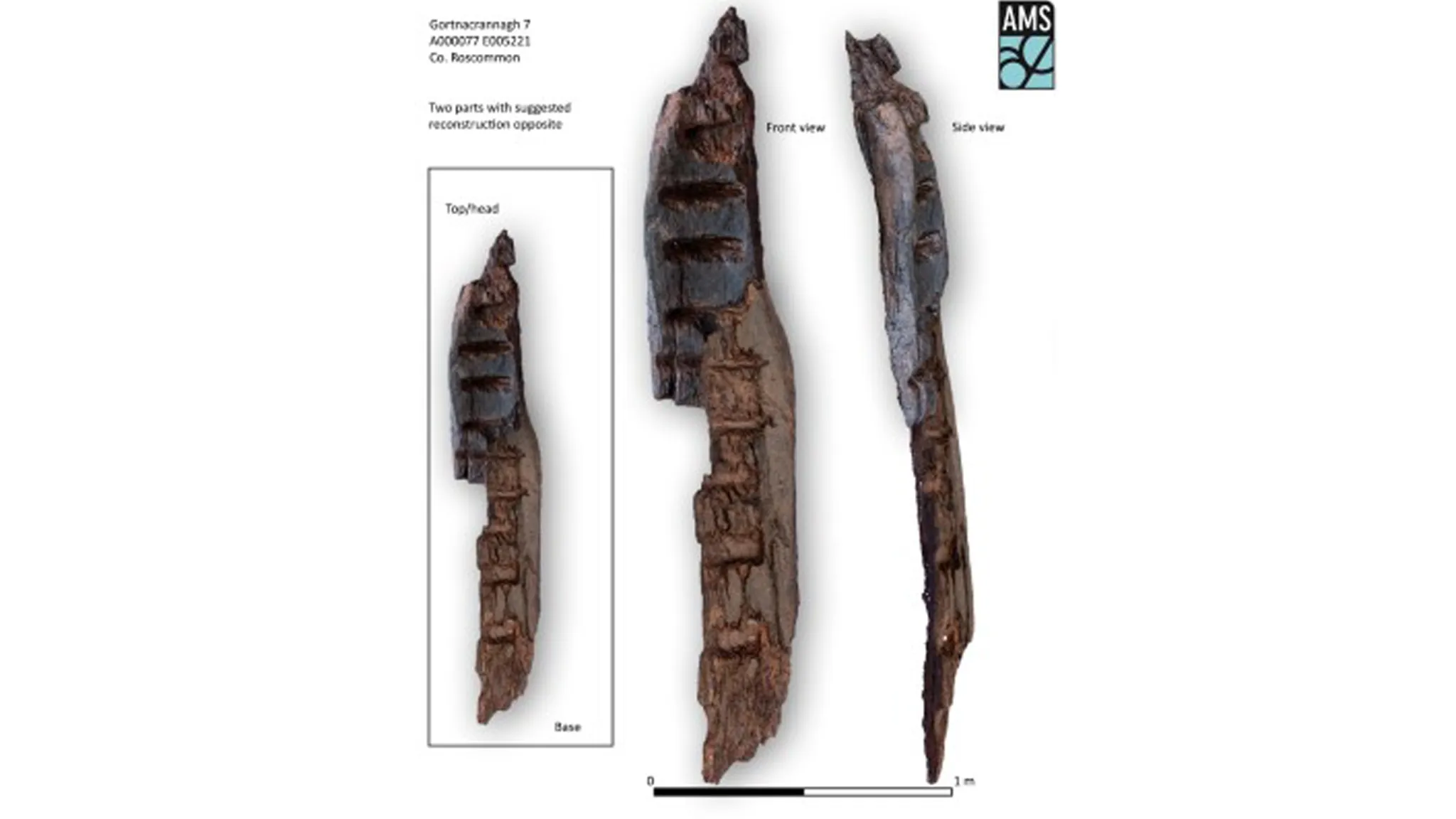
Many people picture the Middle Ages as a time when Christian monks copied holy books by candlelight inside quiet stone monasteries. A discovery in Ireland during the summer of 2021 showed that older beliefs were still very much alive at the start of the era. Archaeologists working alongside a road construction crew in Gortnacrannagh, County Roscommon, found a large wooden figure buried deep in a bog. The idol stood about eight feet tall and was roughly 1,600 years old.
The figure was carved from a split oak trunk and has a human-like head along with a row of notches cut into its body. Experts say it was made just before, or possibly right around, the time Christianity started spreading across Ireland. St. Patrick, writing about a century later in the 5th century, spoke out against pagan figures exactly like this one.
Via Live Science
The place where the idol was found also carries meaning. Bogs were seen as special spaces, neither fully land nor fully water, where ancient people left sacred offerings and sometimes buried executed victims. The idol was discovered with animal bones and a dagger nearby, which strongly suggests it was part of a ritual.
4. Africans Living in Medieval London
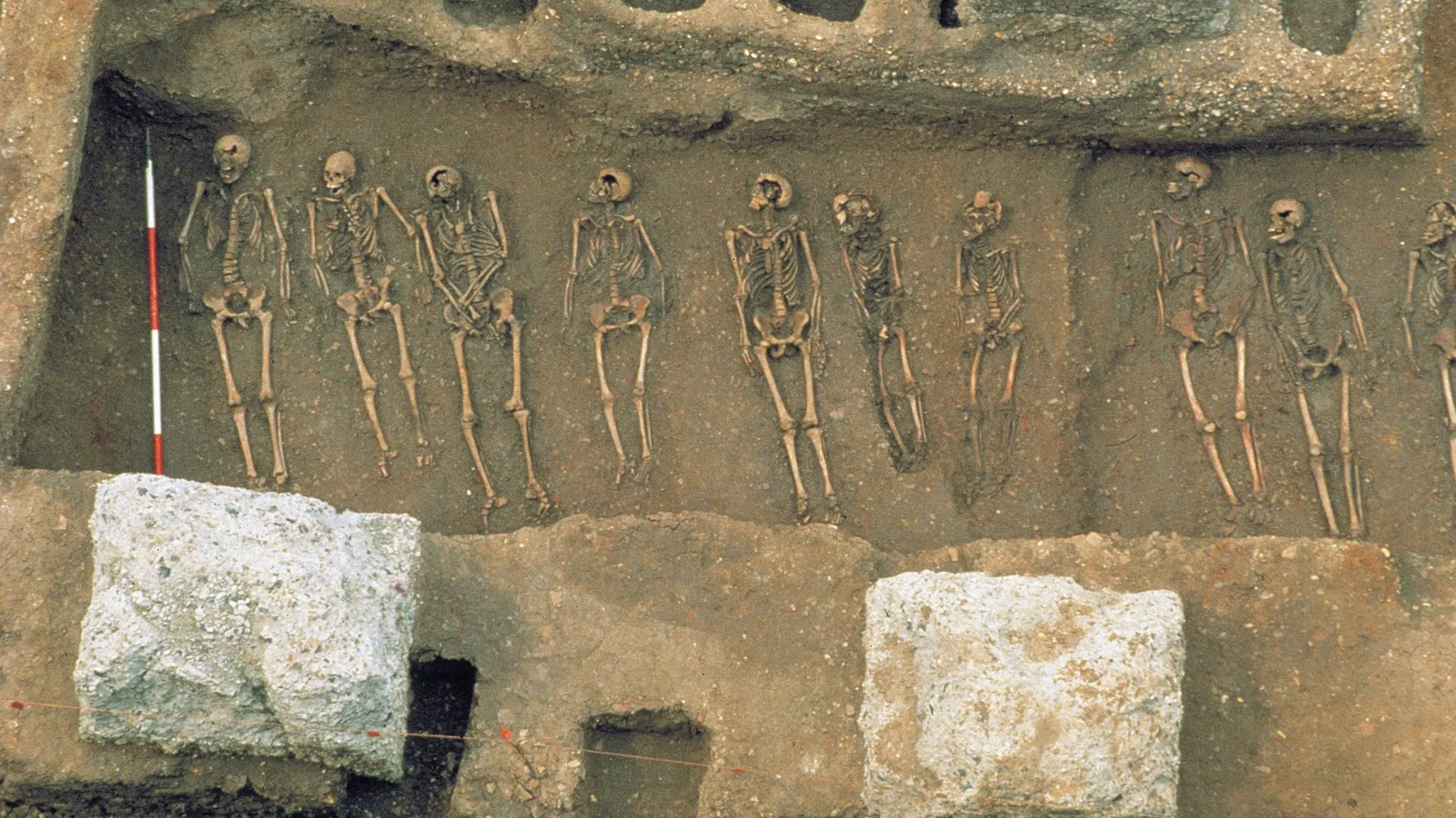
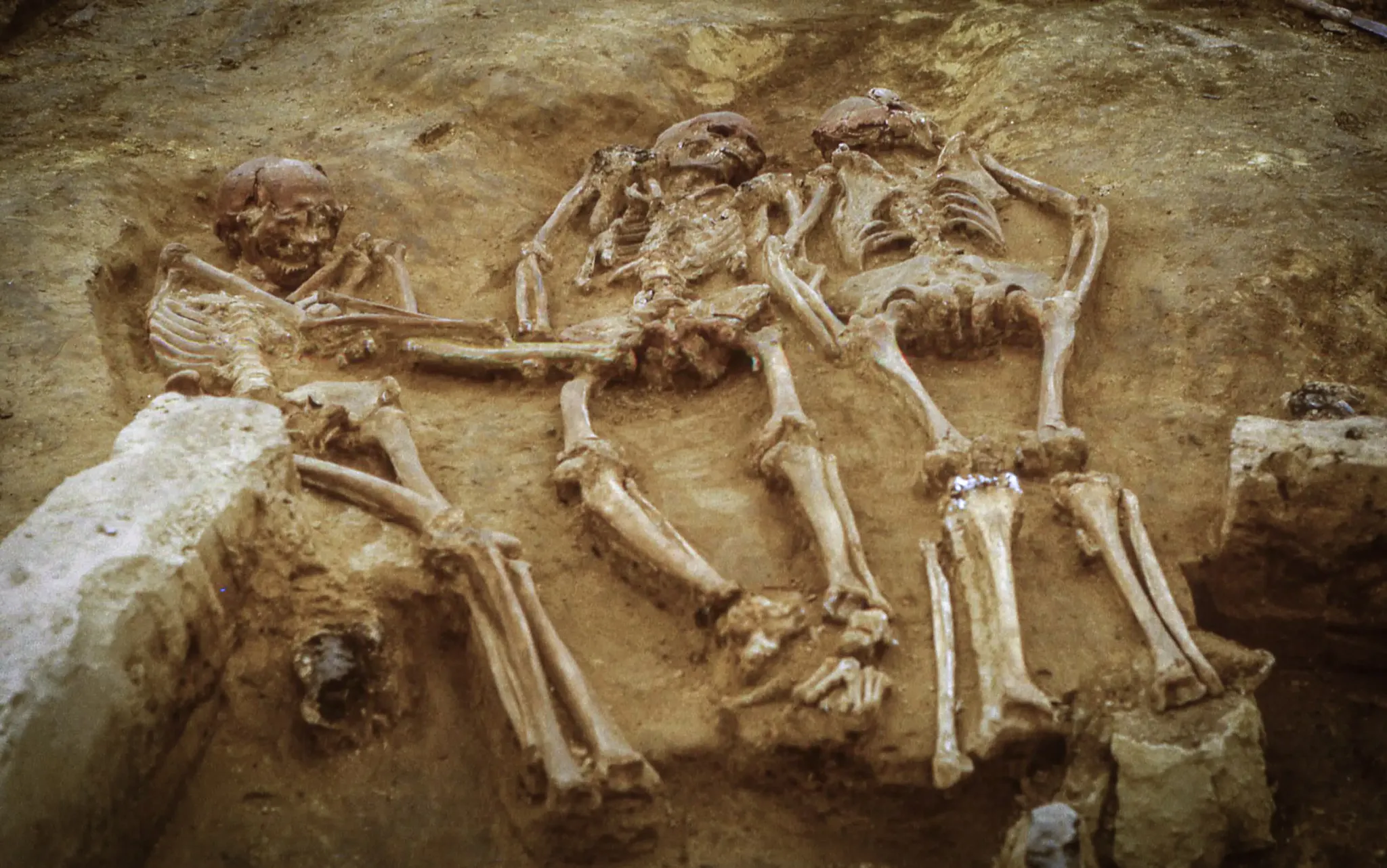
For a long time, many people believed medieval England was home to an almost entirely white population with little outside influence. Scientific research on old human remains has challenged that idea in a major way. Experts studied the bones and teeth of 41 adults who died during the Black Death and were buried in London in the mid-1300s. The results showed that the city was much more diverse than historians had once thought.
Via Aeon
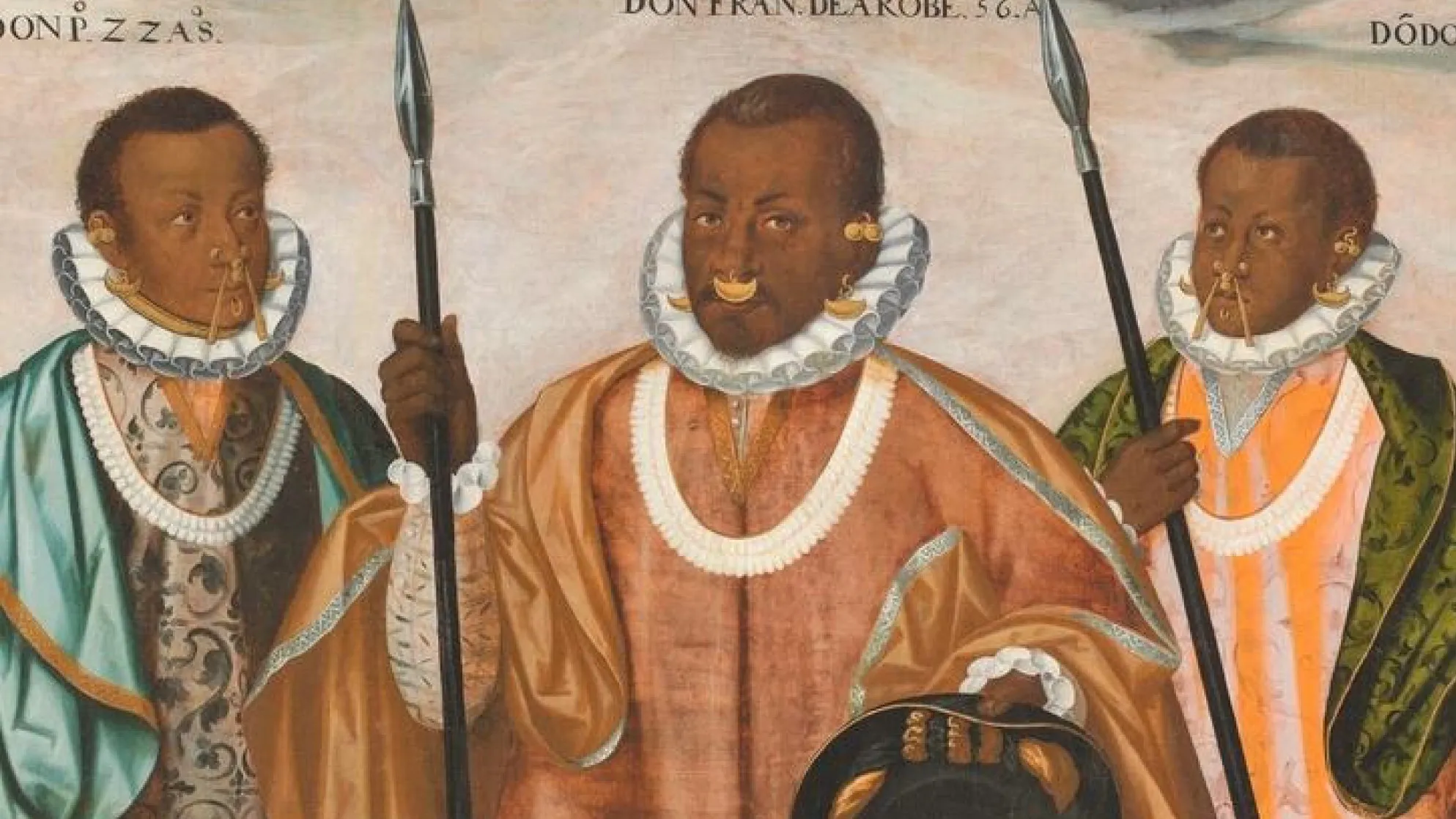
According to research shared in March 2021 by Rebecca Redfern of the Museum of London and Joseph Hefner of Michigan State University, about 30 percent of the people in the sample were not of white European descent. Among the 19 women studied, three had African ancestry and four others had mixed heritage. Some of these individuals appear to have lived in London for a long time rather than simply passing through as travelers.
Cord J. Whitaker, an English professor at Wellesley College and author of the 2019 book Black Metaphors: How Modern Racism Emerged from Medieval Race-Thinking, has explained that such research disproves the old belief that medieval Europe was racially uniform. Much of this diversity was found in large port cities tied to international trade routes. Goods from Asia flowed into Europe by way of Africa, and people from many backgrounds moved along those same paths.
Via Selly Manor
5. Norman Castle Beneath a Prison Basketball Court
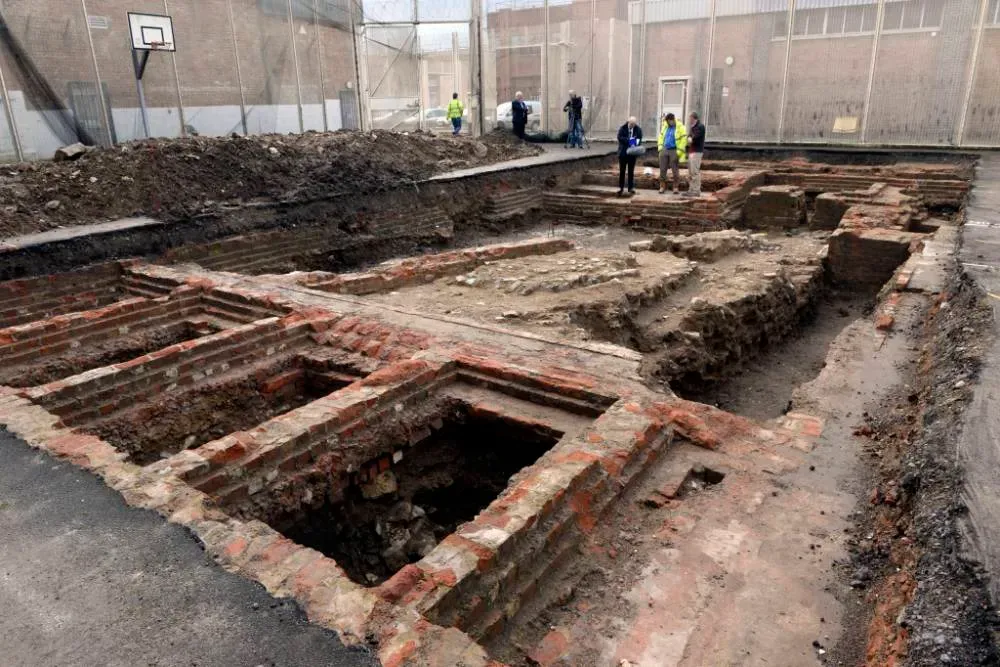
In 2015, archaeologists in Gloucester, a city in southwest England, made a surprising find in a very unusual spot. Beneath a basketball court inside a former prison, they uncovered the stone walls of an old Norman castle. The prison itself was built in the late 1700s, but the ruins hidden below it were far older. Experts traced the fortress back to around 1110, just a few decades after the Norman Conquest of England in 1066.
Reports from Cotswold Archaeology described the castle as a large and impressive structure for its time. It included a keep, which is a strong inner tower built for defense, along with an enclosed courtyard, stables, and a protective ditch. A drawbridge and a gate stood on the northern side of the site.
Via Metro
The castle also played an important role in English history. It was involved in the Anarchy, a long civil war in the mid-1100s between King Stephen and Empress Matilda, who both claimed the right to rule. Later, during the 1200s, the castle served as a royal residence for King Henry III. Neil Holbrook, chief executive of Cotswold Archaeology, explained that anyone arriving in the town back then would have seen the castle as a powerful symbol of Norman architecture and authority.
6. Evidence of a Medieval Fear of the Walking Dead
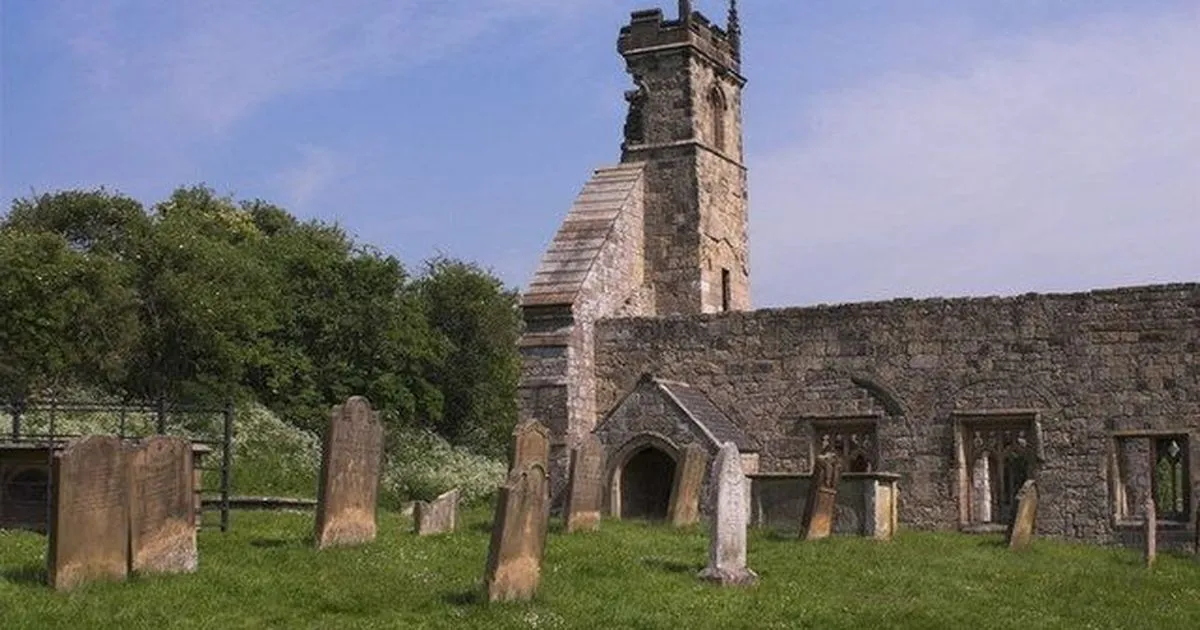
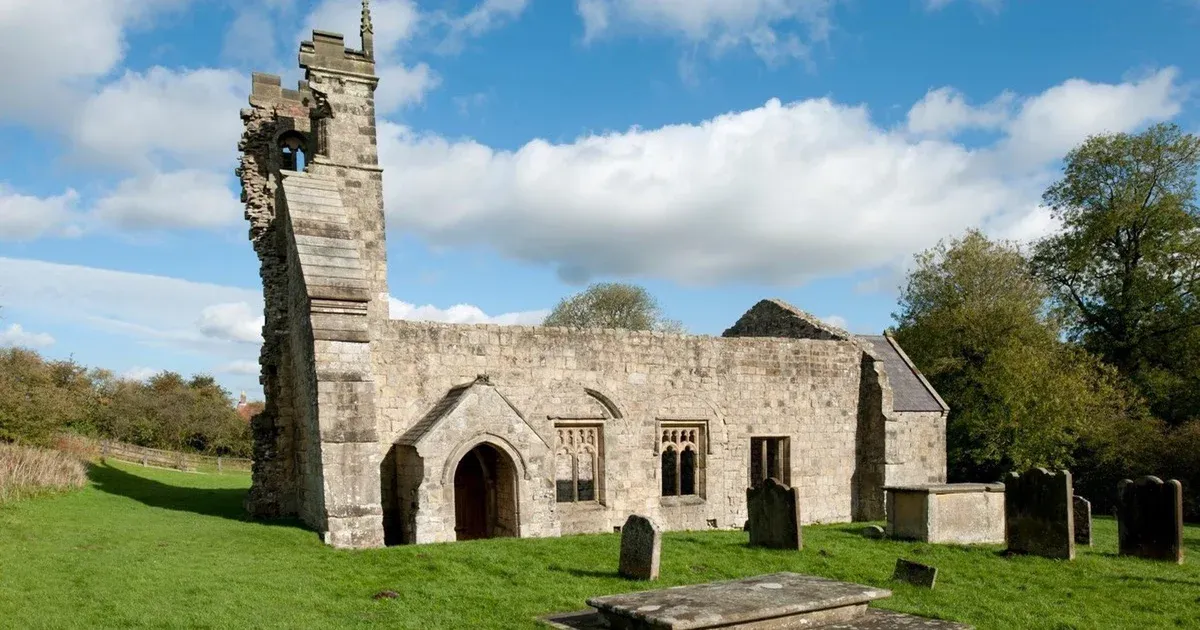
Zombies and the undead are often seen as modern ideas made popular by horror movies and TV shows. Archaeological evidence suggests this fear actually goes back hundreds of years. In the long-abandoned village of Wharram Percy in North Yorkshire, England, researchers studied bones from people who died between about 1000 and 1300 A.D.
Via Scroll In
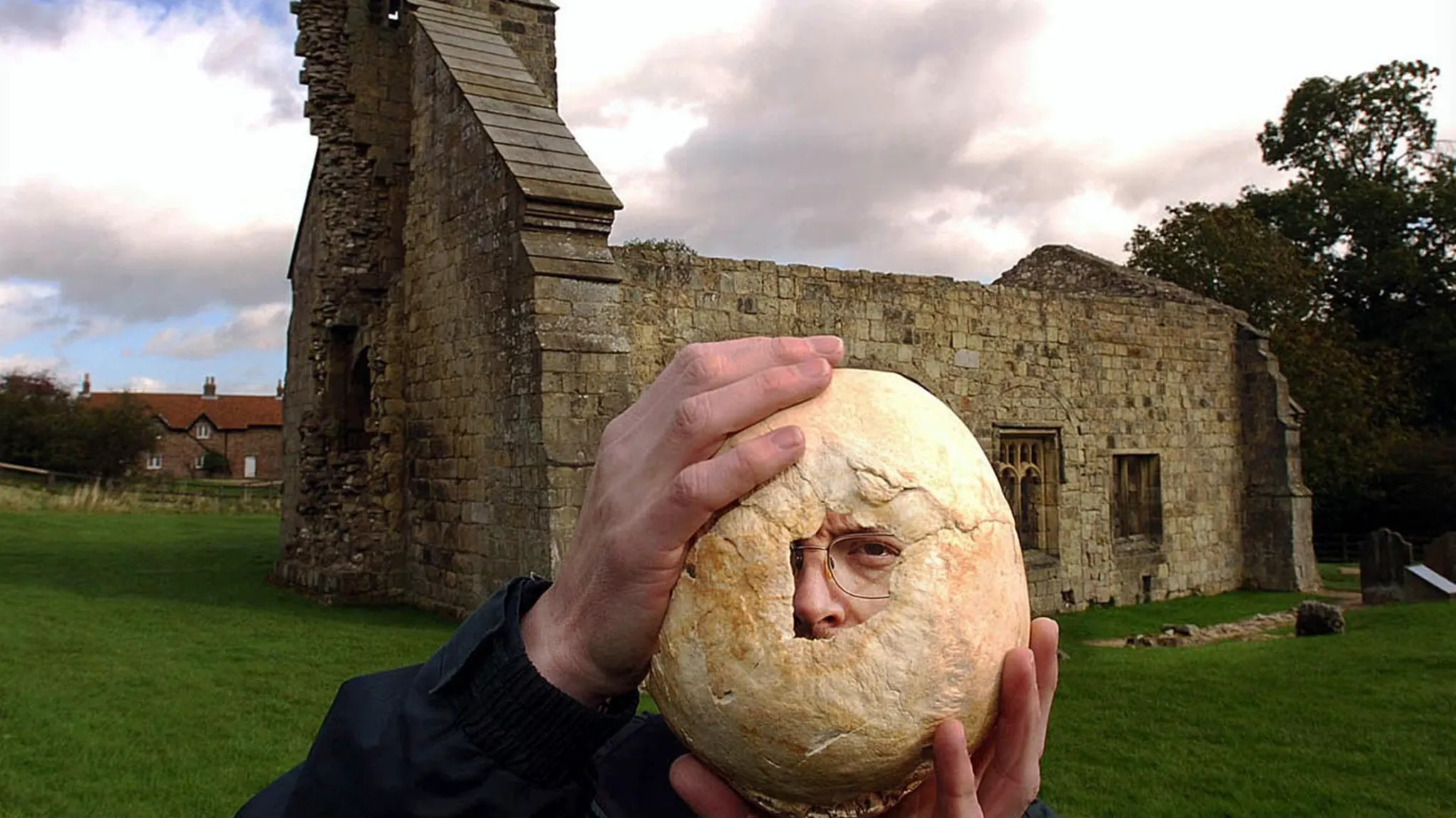
Many of the bones showed burn marks and knife cuts on the skulls and upper bodies. These marks were made after the people had already died, not during their lives. The position of the cuts ruled out cannibalism, and tests on the teeth showed the individuals were residents rather than outsiders or enemies.
Medieval folklore in England included stories about the dead returning to spread disease, cause violence or haunt the living, especially if they had been troublesome in life. Burning, cutting and breaking a body was thought to keep it from walking again. Simon Mays, a human skeletal biologist and visiting lecturer at the University of Southampton, said in 2017 that the find reveals the dark side of medieval beliefs.
Via CBS News
Why the Middle Ages Still Matter Today
The Middle Ages were far more than a backdrop for knights, dragons and fairy tales. Discoveries from seafloors, sandstone caves, bogs, cemeteries, castle ruins and lost villages paint a picture of real people facing real struggles. They prayed, fought, traded, built homes and worried about forces they could not fully understand.
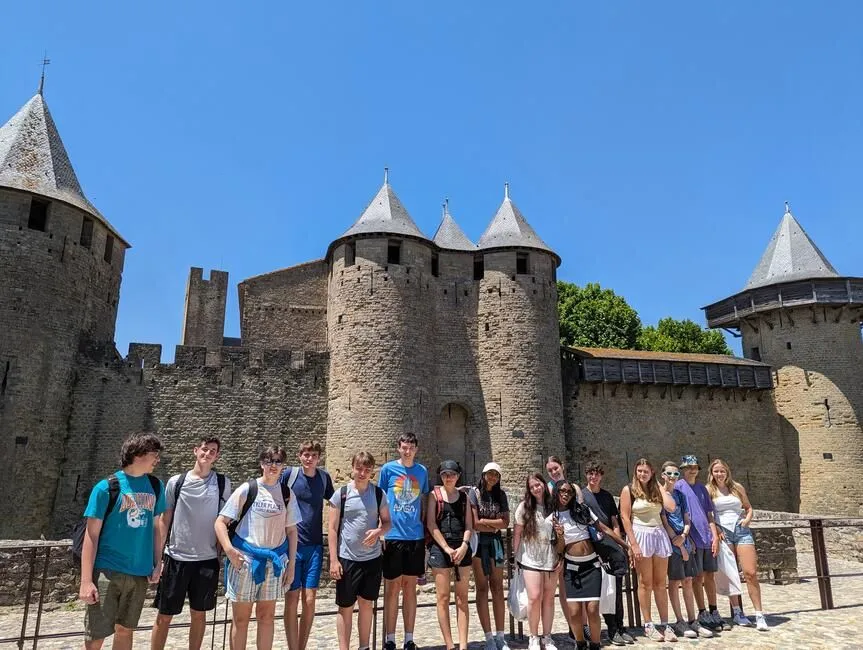
Their lives were shaped by faith, power and fear, the same forces that still influence the world today. These six finds also show how much history still lies hidden beneath the ground and under the water. A single storm, a road project, or a child wading in a lake can bring a lost object back into the light after hundreds of years.
Via CIEE
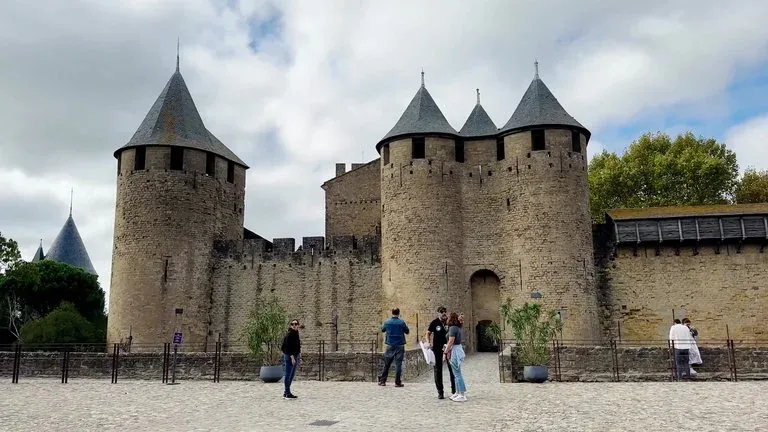
Each recovered item gives researchers a chance to ask new questions and rethink old answers. People who study the past know that the next major discovery could appear at any moment and in the most unexpected place.
Via Reddit
For readers today, these stories offer a fresh way to see the medieval world. Instead of a distant age of myth, it becomes a living period filled with real men, women and children whose choices still echo through time. Their swords, homes, idols and graves connect modern people to a shared human story.