News / Politics
Iran Says US Midterm Results Show Americans Reject the War
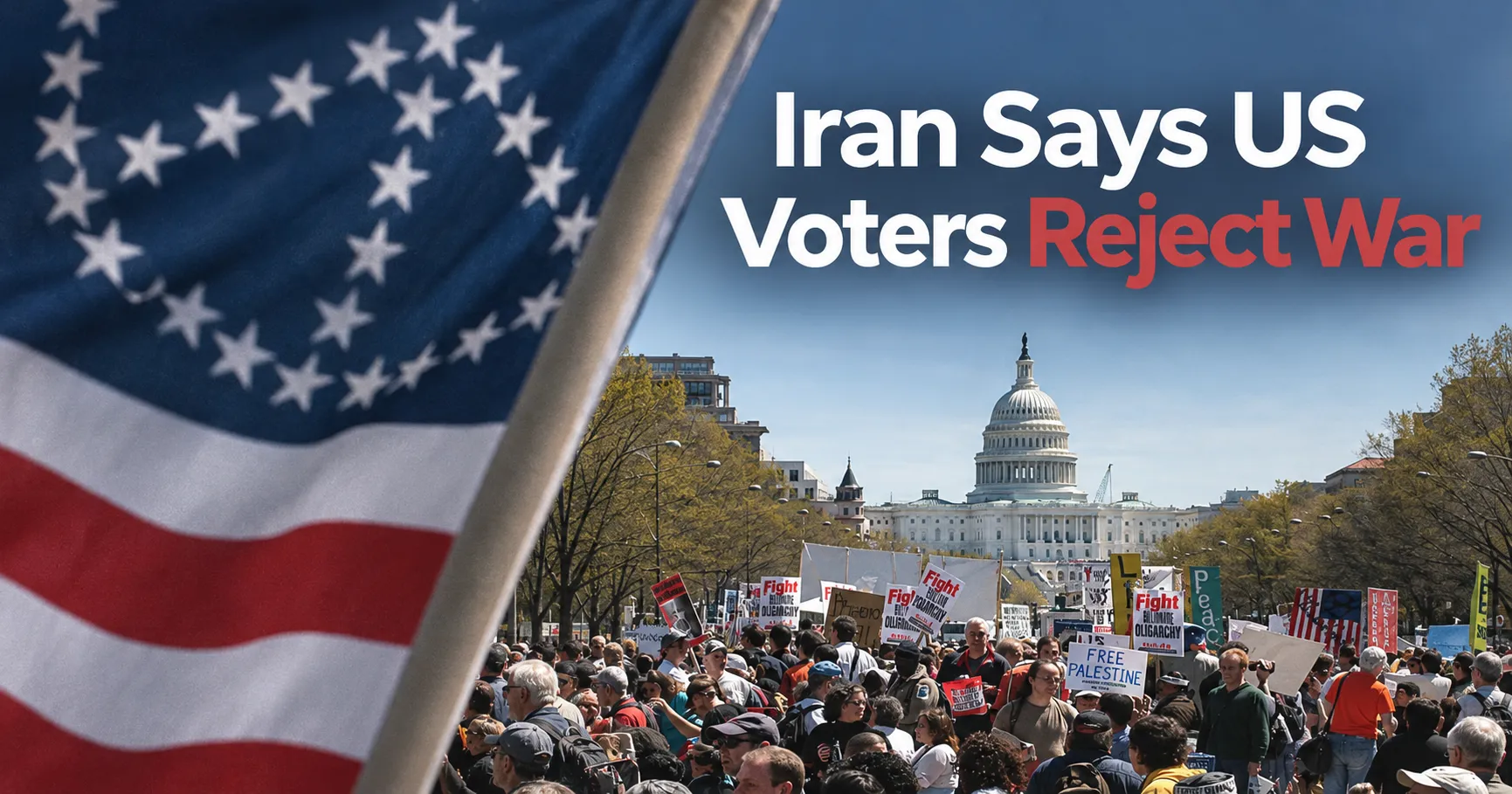
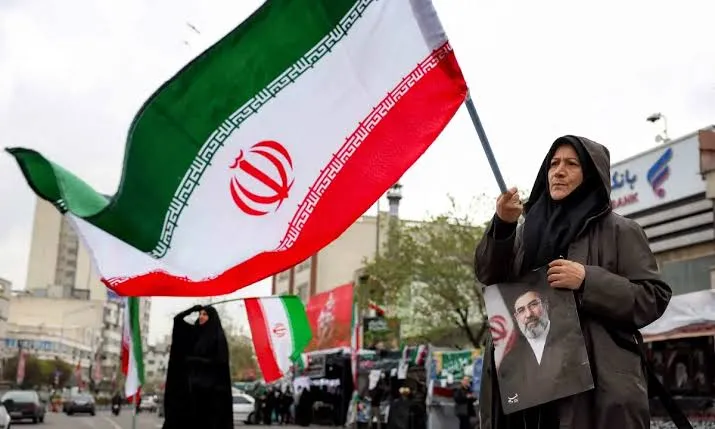
Iran’s chief negotiator, Mohammad Bagher Ghalibaf, said on Wednesday that the results of the U.S. midterm elections showed that Americans have turned against the war President Trump launched against Iran. He presented the outcome as a public verdict on the conflict and argued that voters had used the ballot box to say they do not support the fighting. His remarks came just one day after the election, while vote counts were still being discussed across the United States.
Ghalibaf also added a sharp warning to his comments. He said that if Mr. Trump does not listen to the message sent by American voters, the result will be what he called “a Nightmare.” The statement carried both a political point and a threat, and it showed how closely officials in Tehran had been watching the American election. For Iranian leaders, the vote offered a chance to argue that the war lacks support inside the very country that started it.
Via Dawn
The comments from Ghalibaf carry extra weight because of his role in talks between the two countries. As Iran’s chief negotiator, he is one of the key figures in any effort to reach a peace agreement. His decision to link the election results to the war suggests that Iran may try to use American politics as leverage in future talks. Observers will likely watch whether this message shapes Iran’s position as diplomatic efforts continue in the weeks ahead.
Trump Admits War Played a Role in GOP Losses
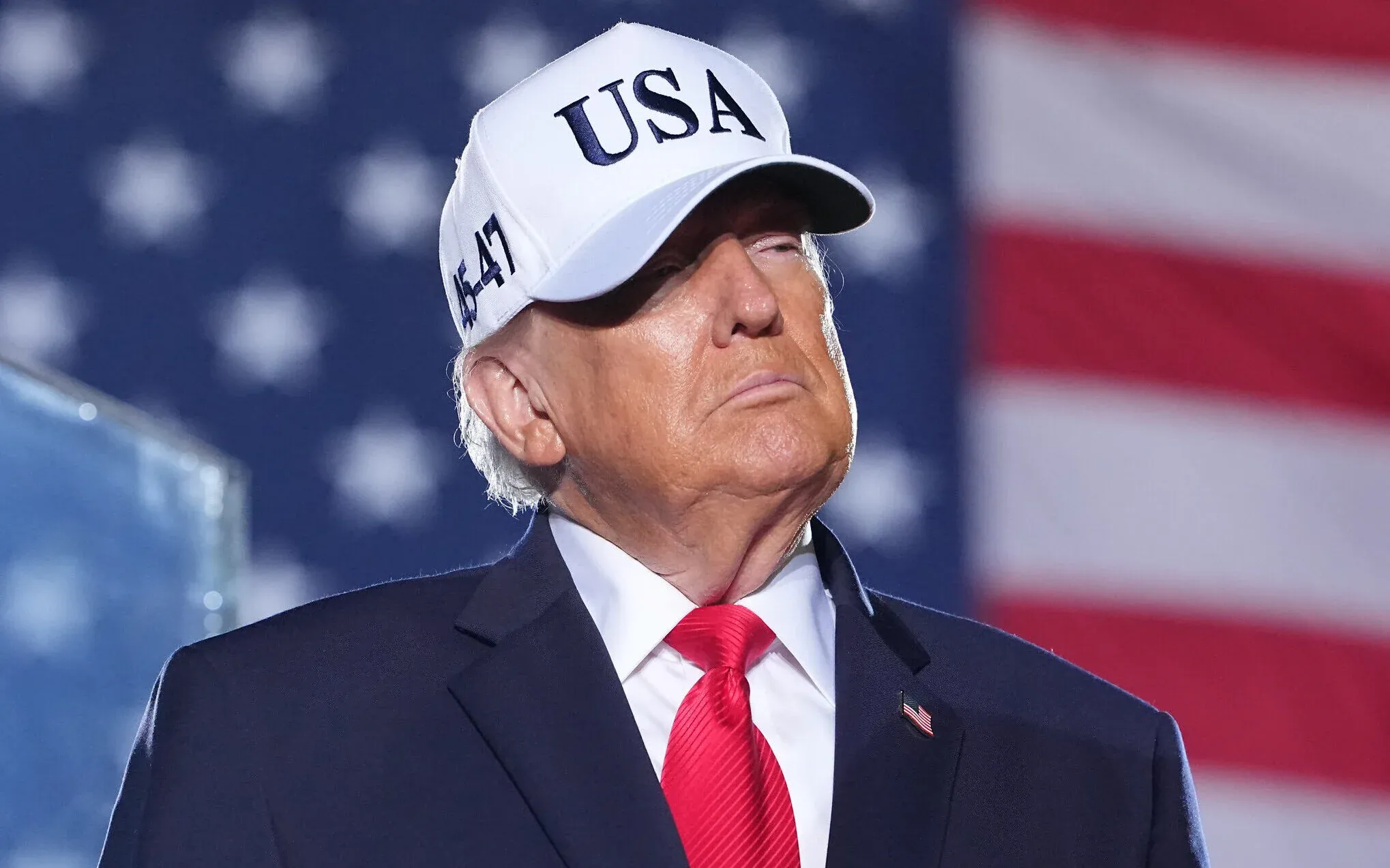
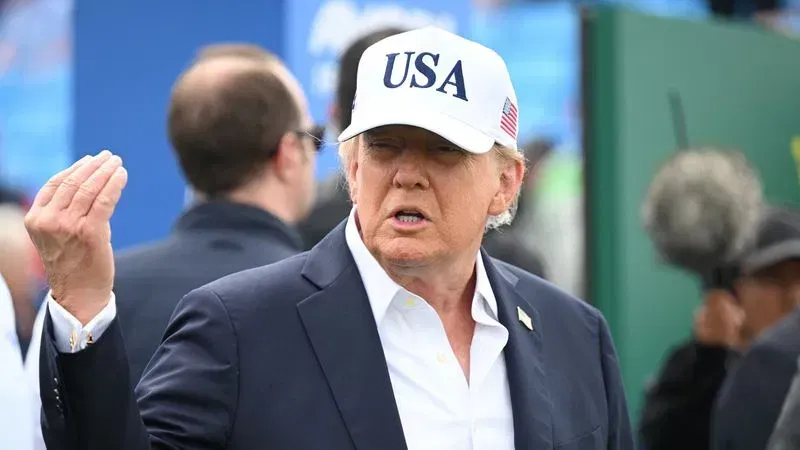
President Trump acknowledged on Tuesday night that the war with Iran was partly to blame for the heavy losses his Republican Party suffered in the midterm elections. The admission was notable because it came on election night itself, as results showed a strong swing against the GOP.
Via The Times Of Israel
By pointing to the conflict as one reason for the defeat, the president recognized that the war had become a major issue for many voters when they made their choices. Even so, Mr. Trump made it clear that he does not regret the decision to go to war. In an interview with The Wall Street Journal, he said he had no regrets about the conflict and added that he “would have done it again.”
The statement drew a direct line between the president’s position and the message that Iranian officials said voters had delivered. It also showed that the election results have not changed his view on the war itself. The two sides of the president’s response capture the political challenge now facing the White House.
Via Fox San Antonio
On one hand, he accepted that the war cost his party support at the polls. On the other hand, he stood firmly behind the choice that led to those losses. This stance sets up a clear clash with the incoming Congress and with Iranian leaders who believe the American public wants the fighting to stop as soon as possible.
Ships Under Attack in the Strait of Hormuz
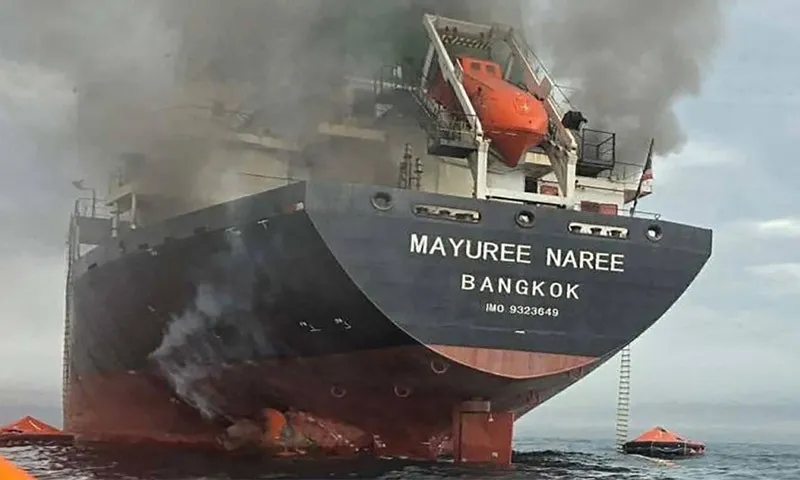
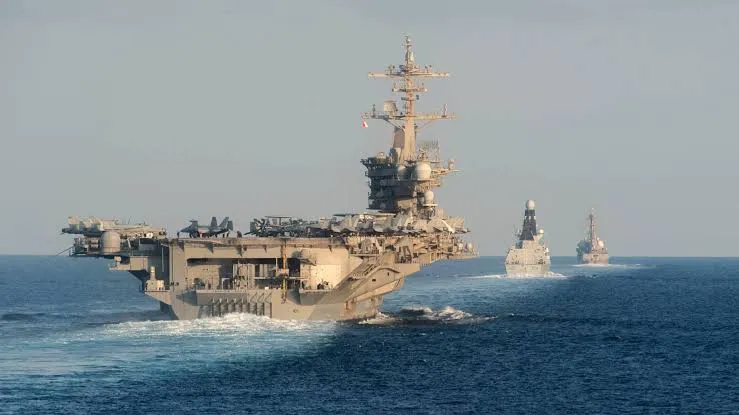
Signs of a diplomatic push toward a peace deal have appeared in recent days, but the fighting at sea has not stopped. Ships are still coming under attack in the Strait of Hormuz, one of the most important shipping routes in the world. On Wednesday, Iran’s Revolutionary Guard said that four oil tankers caught fire after hitting mines while they were moving through the waterway. The incident showed that danger in the region remains high despite talk of negotiations.
Via Dawn
The Strait of Hormuz is a narrow passage that connects the Persian Gulf to the open sea. A large share of the world’s oil supply passes through it, which makes any threat to shipping there a concern for countries far beyond the Middle East. When tankers are damaged or forced to stop, the effects can reach global energy markets and fuel prices.
That is why attacks in this waterway draw so much attention from governments and businesses around the world. The mine strikes also highlight the gap between diplomacy and events on the ground. Talks about a possible peace agreement may be moving forward, yet the waterway remains a dangerous place for commercial vessels.

Via Turkiye Today
Each new attack raises the stakes for negotiators and puts more pressure on both sides to find a way to reduce the risk. Until the fighting stops, crews and shipping companies will continue to face serious danger every time they pass through the strait.
Democrats Prepare to Take Control of Congress
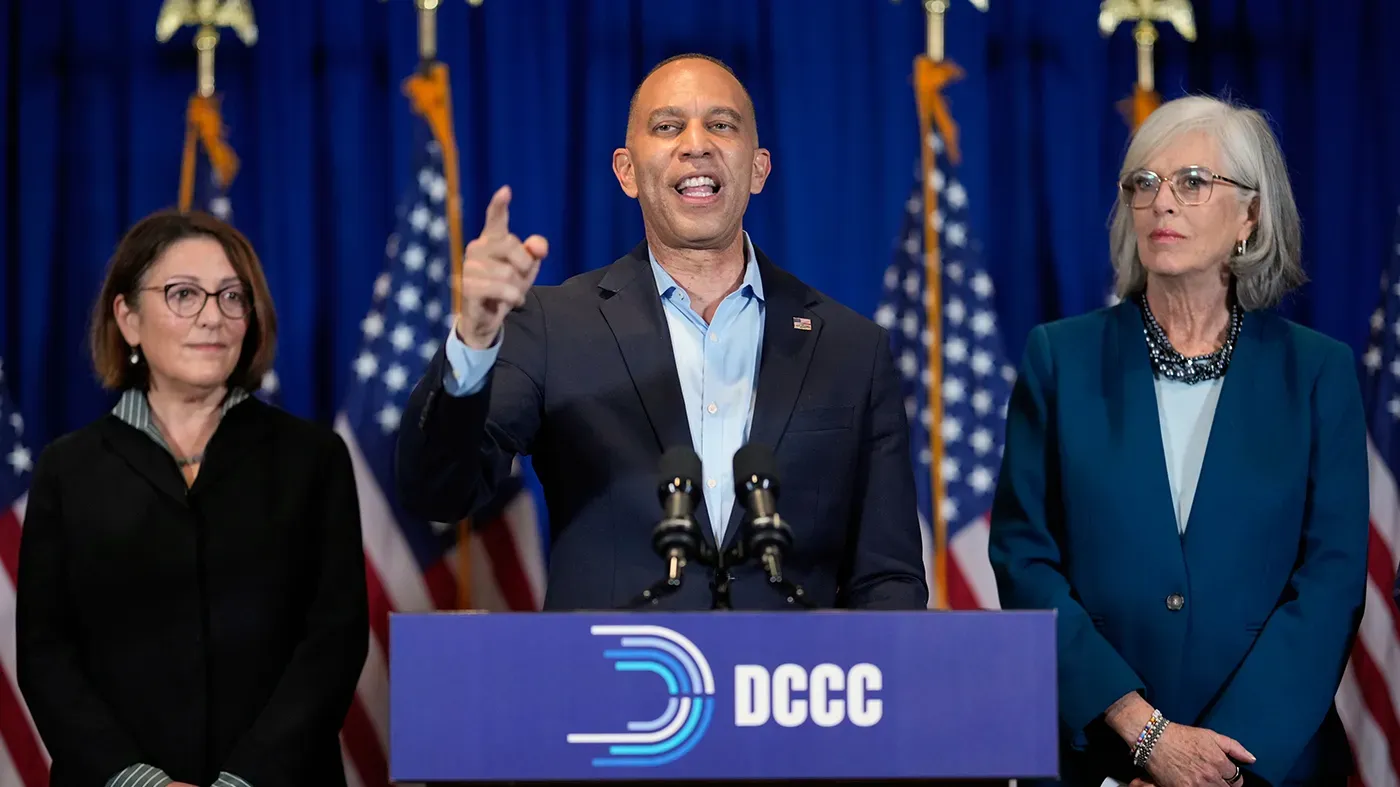
The midterm results mean that Democrats will take control of Congress next year, and the war with Iran is expected to be one of their top concerns. Colorado Democratic Rep. Jason Crow, who won his own reelection bid, spoke on Wednesday night about how his party plans to handle the conflict. His message was simple and direct. “The war has got to end,” he said, setting out a clear goal for the new Democratic majority.

Via Luxembourg Times
Crow argued that the American public never supported the war in the first place. He said Americans “never wanted it to begin with” and that people have wanted for years to end what he described as a constant cycle of conflict in the Middle East. He also pointed out that Mr. Trump himself had campaigned on that same idea of ending long wars. In Crow’s view, the war goes against both public opinion and the president’s own past promises to voters.
As a member of the House Armed Services Committee, Crow holds a position that gives him a close view of military matters. His comments offer an early look at how Democrats may use their new power once the next Congress begins. The party’s control of the legislative branch will give lawmakers more tools to challenge the White House on the war. Many people will be watching to see how quickly Democrats act and how far they are willing to go.
Via The Hill
War Powers and the Power of the Purse
When asked whether Congress plans to address the war through war powers resolutions or by using its control over spending to cut off funding, Crow gave a one-word answer: “Yes.” His reply showed that Democrats are prepared to use both approaches. War powers resolutions allow Congress to vote on whether U.S. forces should remain involved in hostilities.
The power of appropriations gives lawmakers control over how federal money is spent, including money for military operations. Crow said that Congress has already voted on seven resolutions related to the war and has passed two of them so far. He argued that lawmakers should keep holding these votes. “We should continue to take votes. Let people stand up,” he said.
Via Council On Foreign Relations
His point was that each vote forces members of Congress to take a public position on the war, which lets voters see exactly where their representatives stand on the conflict. He also described funding as one of the strongest tools available to lawmakers.
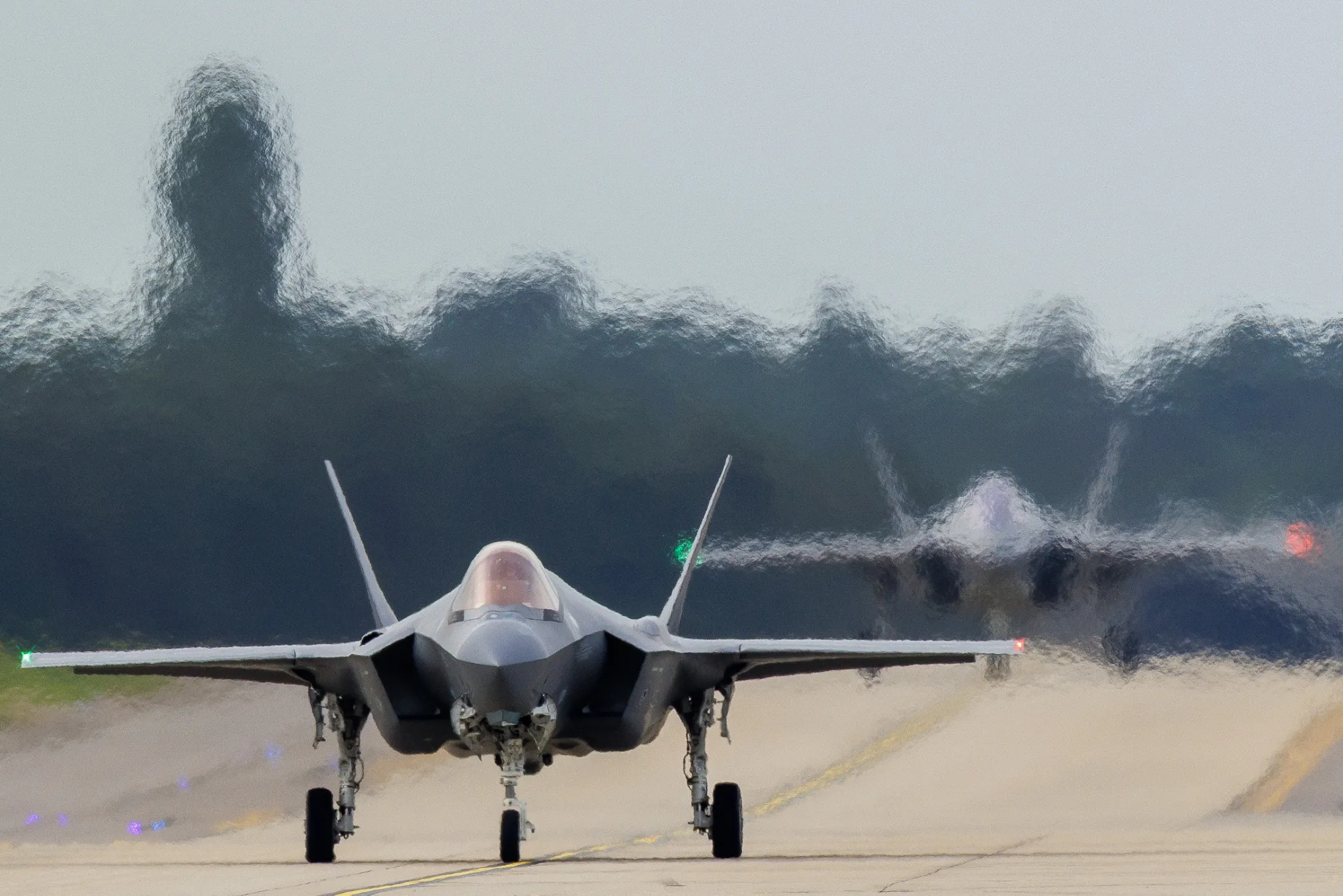
“Appropriations is one of our most powerful tools. We have to be willing to do that too,” Crow said. Under the Constitution, Congress decides how government money is spent, so it can limit or block funding for military actions it does not support. Using that power would be a major step, and it could lead to a serious.
Via RANE Worldview
Pressure Builds on Defense Secretary
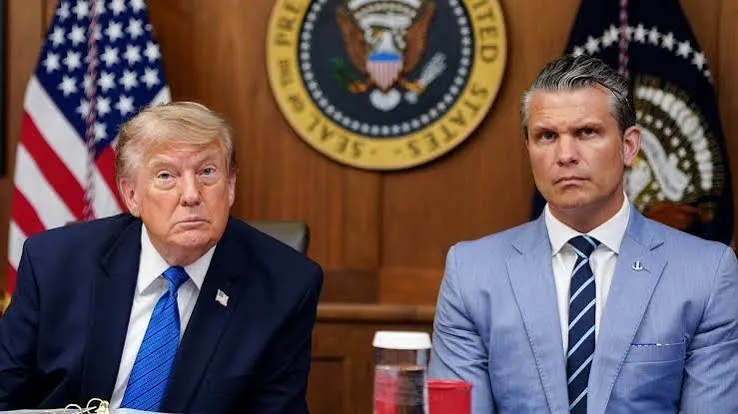
Crow also spoke about Defense Secretary Pete Hegseth, who leads the Pentagon during the war. When asked about Hegseth’s future in the role, Crow said that future “should be short.” The remark made clear that Democrats are unhappy not only with the war itself but also with the people in charge of running it. With his party heading into the majority, Crow’s words suggest that Hegseth could face growing pressure from Congress in the coming months.
Crow did not hold back in his criticism of the defense secretary. “Pete Hegseth is incompetent. He was never qualified to do this, never should have been in the position to begin with. He needs to go,” he said. These are strong words from a member of the committee that oversees the armed forces.

Via ABC7 Chicago
They point to a tense relationship between Democratic lawmakers and the Pentagon’s leadership as the war continues to shape the national debate. A Democratic Congress will have more ways to question and challenge Hegseth than lawmakers in the minority have had.
Committees can hold hearings, request information, and call officials to testify about how the war is being managed. Whether these efforts lead to real changes at the Pentagon remains to be seen. Still, the comments show that the defense secretary is likely to become a central figure in the fight between Congress and the White House over the war.
Via Daily Times
What Comes Next for the Conflict
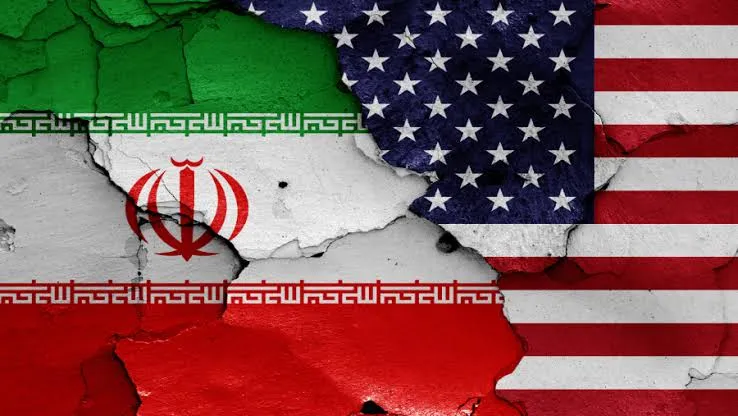
The days after the midterm elections have brought a mix of political pressure, threats, and continued violence. Iran says American voters rejected the war, while Mr. Trump admits the conflict hurt his party but says he would make the same choice again. Democrats are preparing to use their new power in Congress to push for an end to the fighting. Meanwhile, ships in the Strait of Hormuz continue to face attacks that put crews and cargo at risk.
Via CGTN
Each of these developments affects the others. The election results give Democrats more strength to challenge the war, and Iranian leaders are already using those results to make their case. The president’s firm stance sets up a likely conflict with lawmakers over funding and war powers. At the same time, the attacks at sea show that the situation on the water can change quickly, no matter what happens in Washington or at the negotiating table.
Via Al Jazeera
For now, many people are waiting to see whether the diplomatic push leads to a real peace deal. They are also watching how the new Congress will act once it takes control next year and how the White House will respond. The coming months will show whether the message from voters changes the course of the war or whether the fighting continues. Either way, the conflict is set to remain one of the biggest issues in American politics.