News / History
Everyday Objects That Shaped Daily Life in the Middle Ages
The Middle Ages in Europe began after the fall of the Western Roman Empire in 476 and lasted for nearly a thousand years. Many people still call this time the “Dark Ages,” a name that suggests nothing important happened. That label is far from fair.
This long era saw steady progress in medicine, technology, writing, and art, and it laid the groundwork for much of the modern world. Some of the most lasting changes from this period can still be seen today. Towns and cities across Europe were reshaped by huge cathedrals with tall spires that seemed to reach the sky.
Via History
These buildings took decades and sometimes centuries to finish, and they show how skilled medieval builders and craftsmen really were. Many of these churches still stand and attract millions of visitors every year. Life during the Middle Ages looked very different depending on a person’s place in society. Nobles, merchants, and peasants ate different foods, wore different clothes, and spent their days in very different ways.
The objects people owned and used tell a lot about these differences. From religious art to simple underclothes, the following nine everyday objects help show what life was really like during this often misunderstood time.
Via Notre Dame Sites
Exotic Animals as Symbols of Wealth
Wealthy people in the Middle Ages loved to show off their power and status, just like the rich in many other periods of history. Their belongings were a clear way to do this. Items were valued not only for their price but also for how rare they were. Goods that had to be brought in from distant lands were treated as especially precious, because only the richest families could afford them.
Along with imported spices and brightly colored silk, some nobles kept exotic animals as living status symbols. Monkeys, big cats, and colorful tropical birds were among the creatures that ended up in royal courts and noble homes. Owning such an animal sent a strong message to guests and rivals. It showed that the owner had money, connections, and access to trade routes that reached far beyond Europe.
Via History
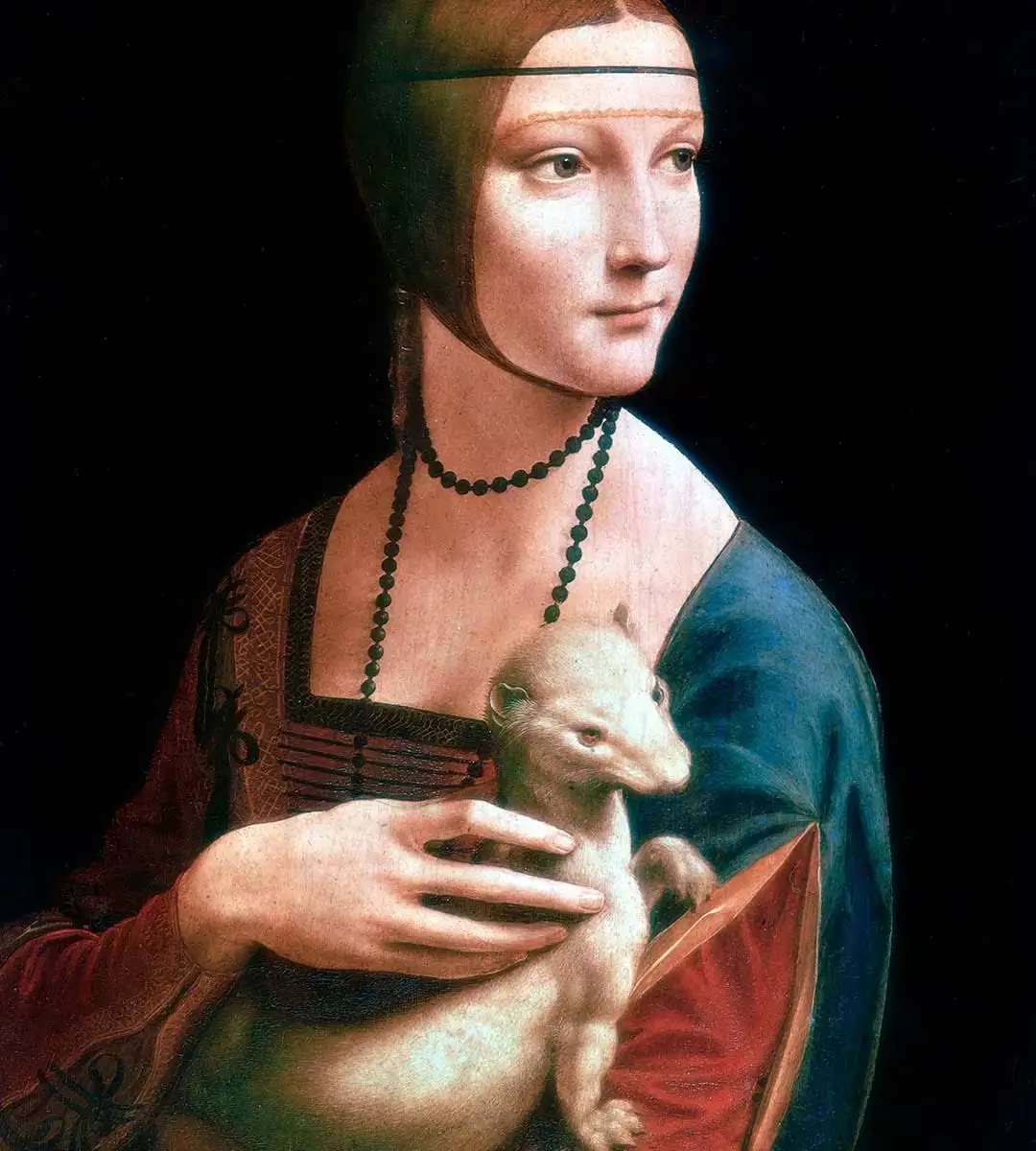
A famous painting by Leonardo da Vinci, “Lady with an Ermine,” captures this idea well. Painted around 1489 to 1490, as the medieval world was giving way to the Renaissance, it shows a young noblewoman holding an ermine, a small animal in the weasel family. Ermine fur was prized for its pure white winter coat and was used to trim the robes of kings and other powerful figures. The painting offers a window into the rich lifestyle of the upper classes.
The Spindle and the Work of Spinning
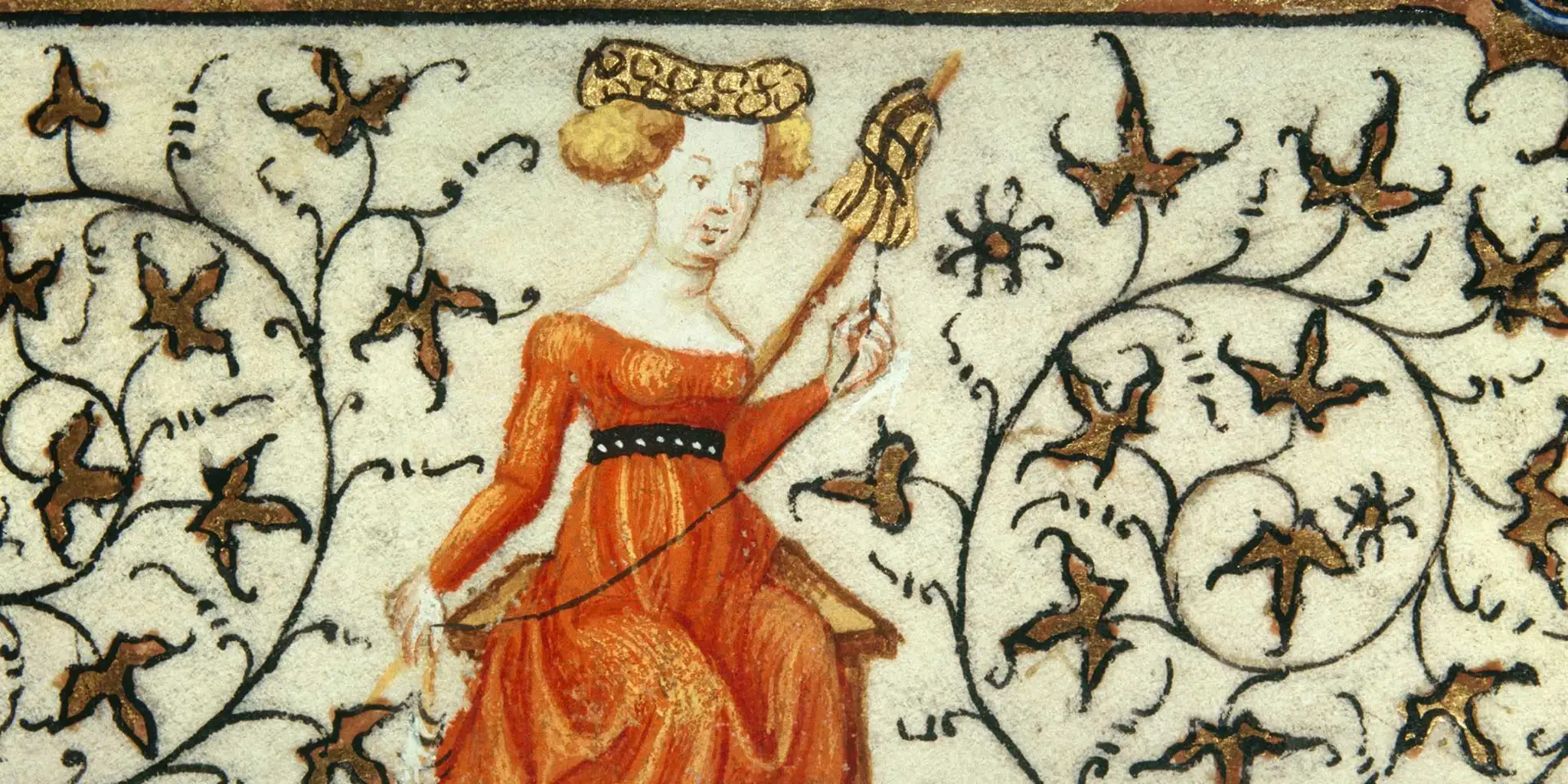
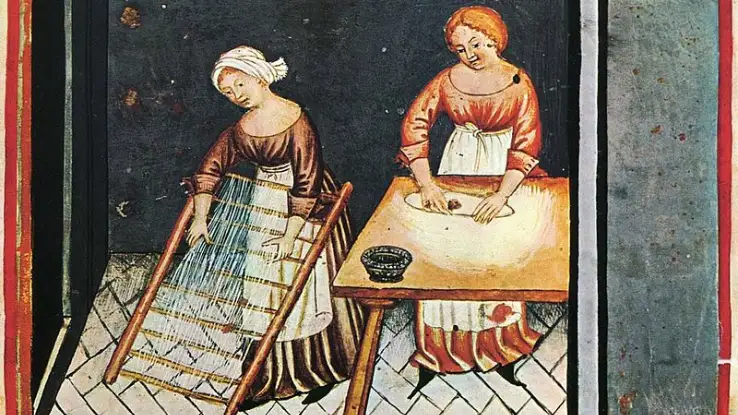
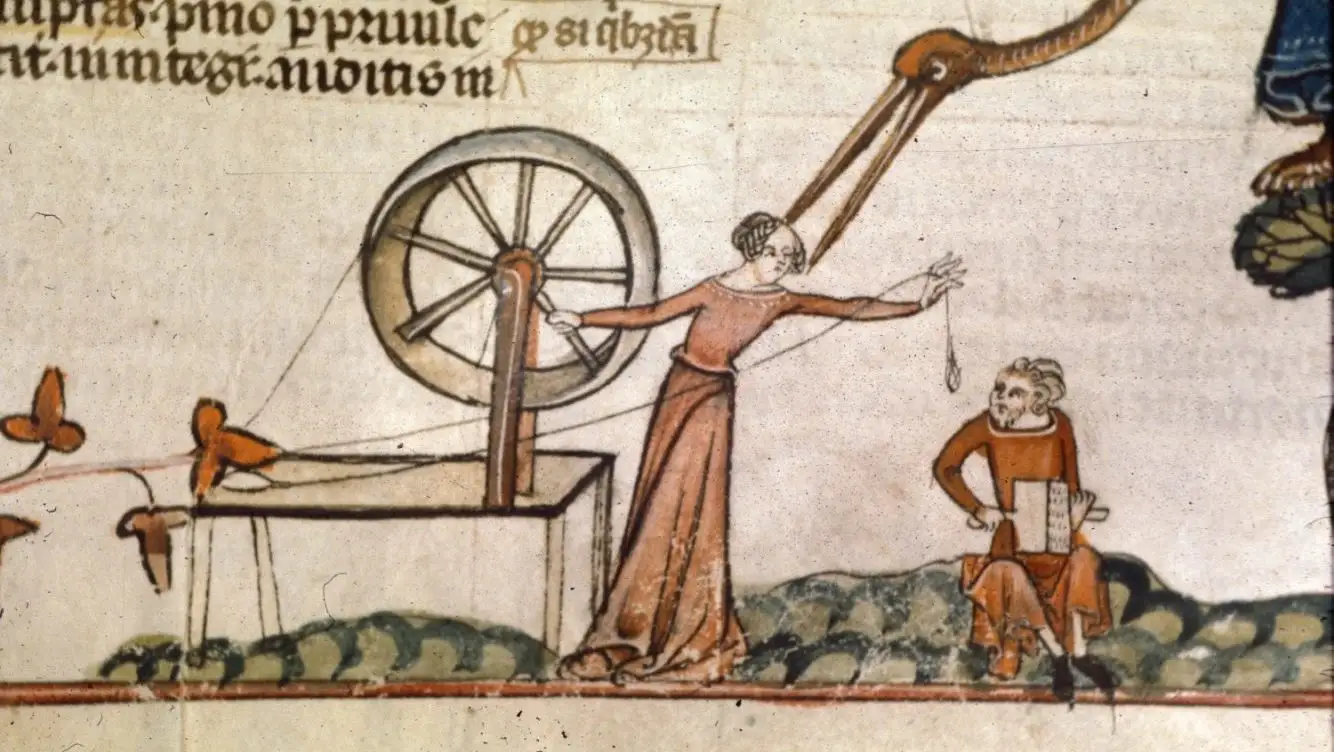
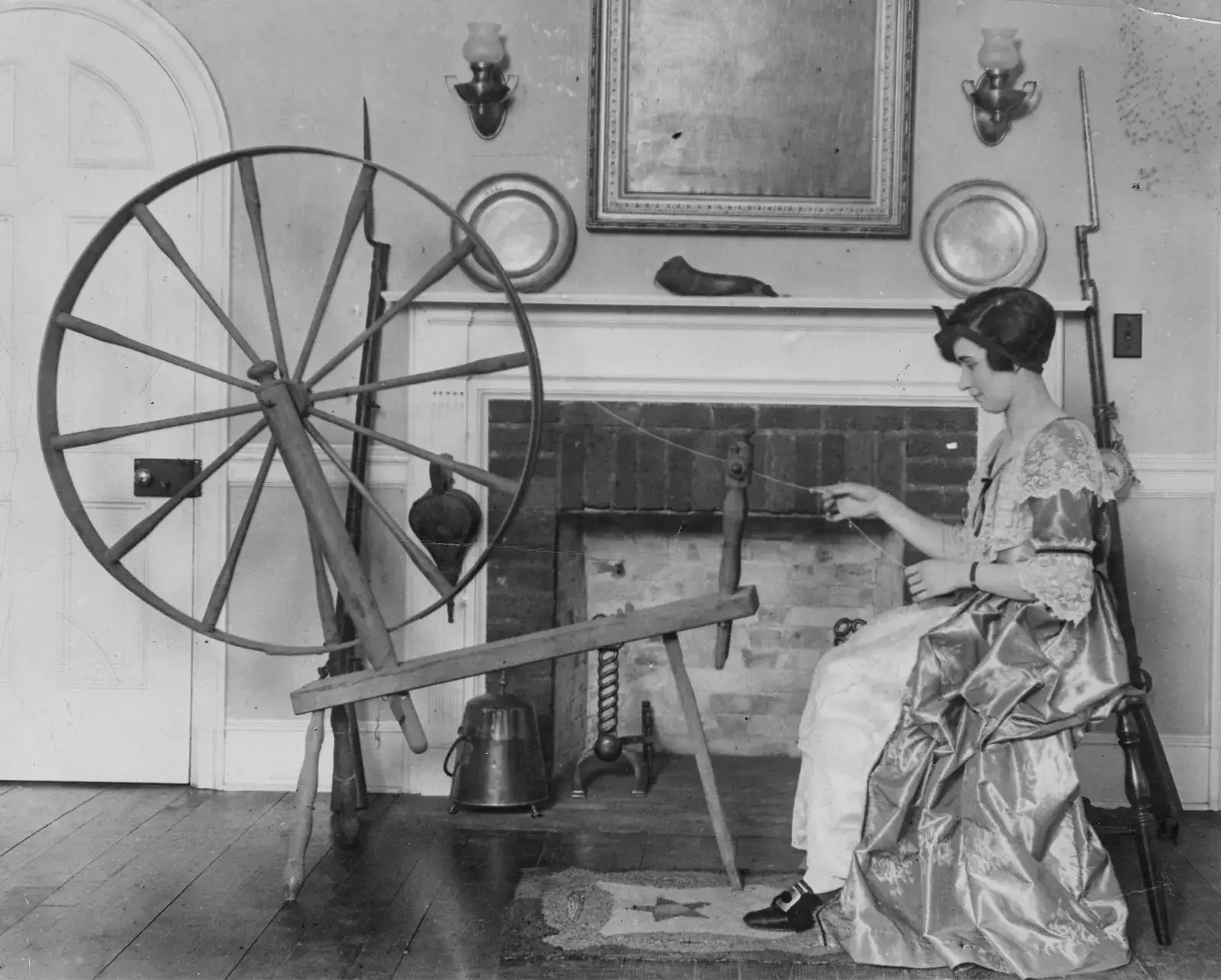
Making cloth was one of the most important jobs in medieval society, and much of that work was done by women from the lower classes. Turning raw wool or flax into thread took a great deal of time and skill. One of the most common tools for this task was the spindle, a simple stick, often weighted at one end, that helped twist fibers into strong, even thread. Spinning was usually done at home, and it fit into the rhythm of daily household life.
Via Daily Art Magazine
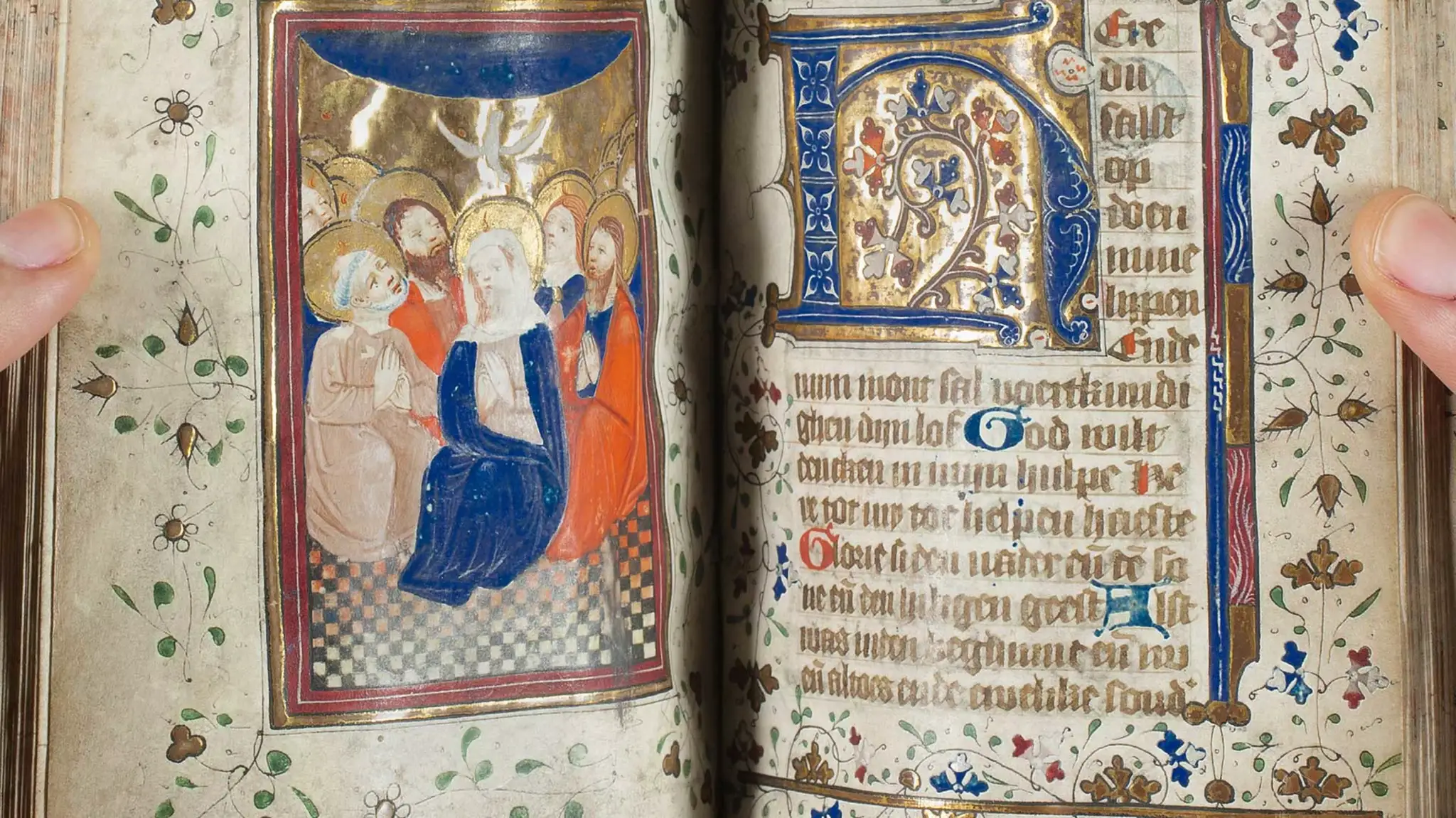
Women could spin while watching children, talking with neighbors, or resting after other chores. Medieval art often shows women with spindles in hand, which highlights how normal and constant this work was. Illustrated prayer books from the period include small painted scenes of women spinning thread as part of everyday life.
The spindle also shows how much lower-class women added to the economy. The thread they made was woven into cloth, and that cloth could be used by the family or sold to bring in extra money. In many homes, spinning was a key source of income that helped families survive. This humble tool reflects the hard work and skill that kept medieval households running.
Via Britannica
Altarpieces at the Heart of the Church
Religion shaped nearly every part of life in the Middle Ages. Rich or poor, most people in Europe followed the Christian church, and its calendar guided holidays, work, and family events. Churches and cathedrals were the center of community life. Their grand outer walls and towers were impressive, but the inside of these buildings held some of the most beautiful treasures of the era.
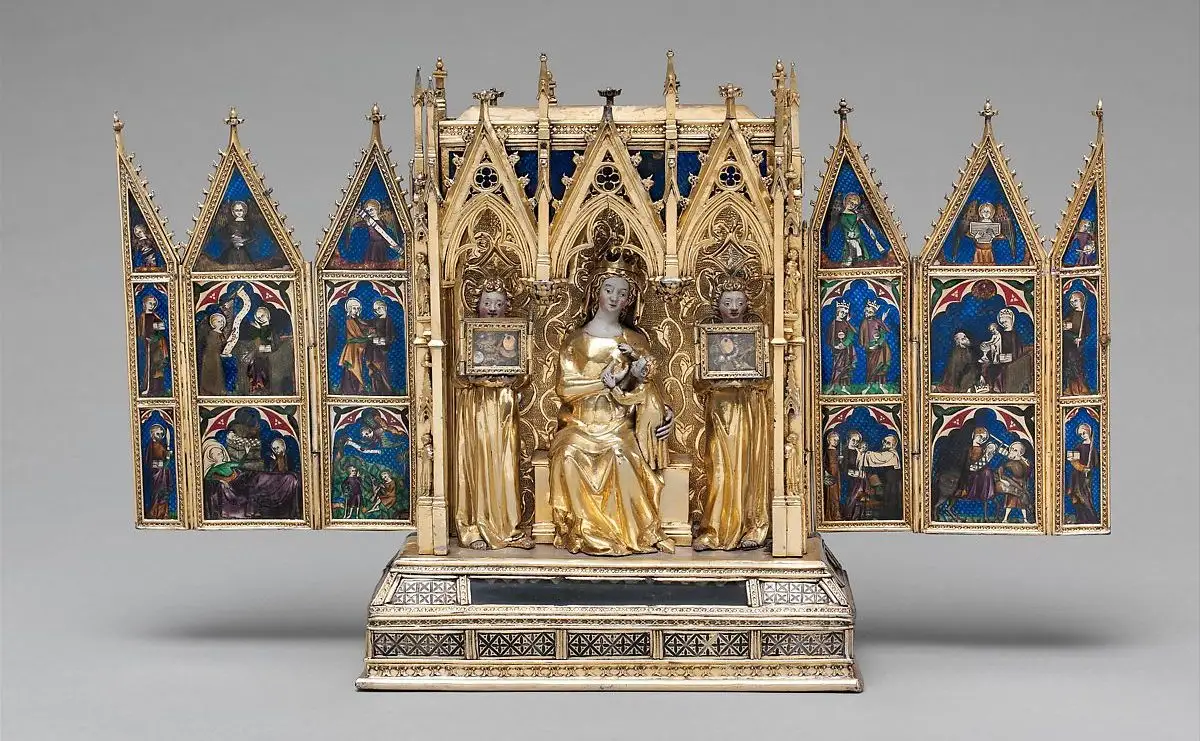
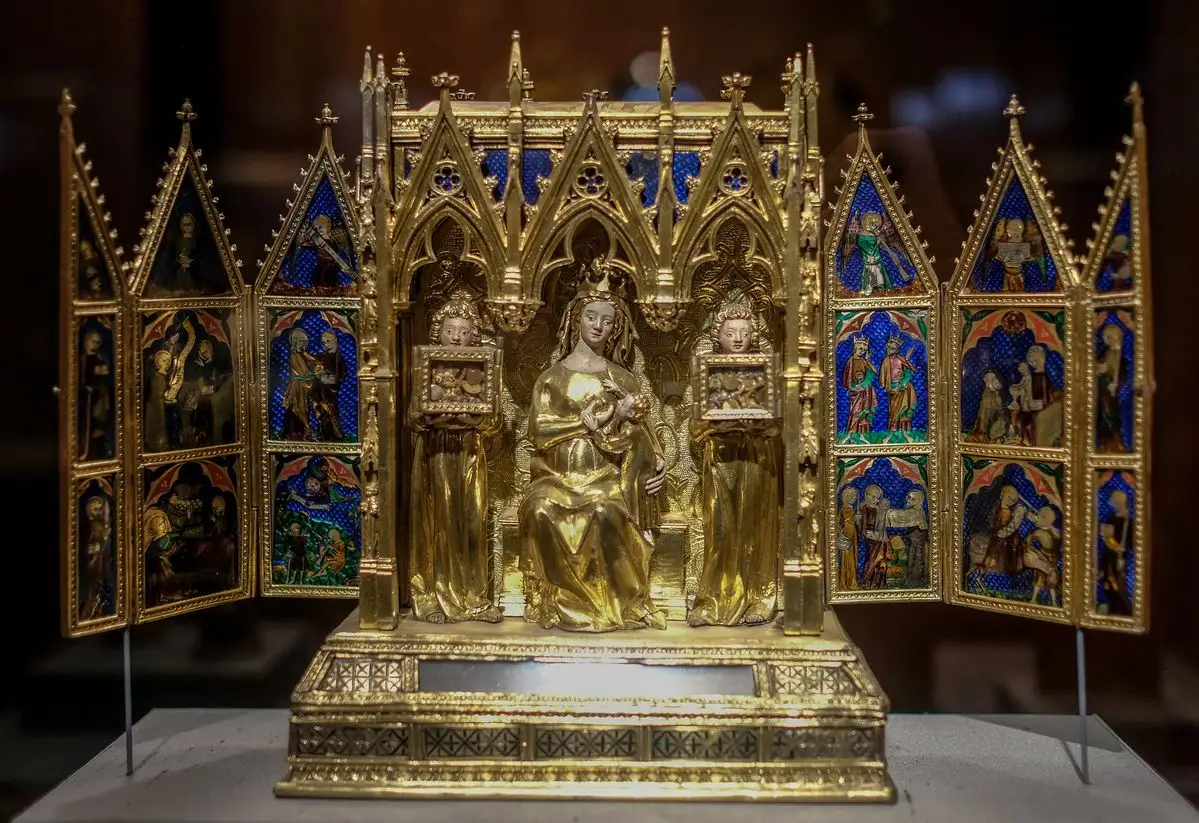
Altarpieces were among the most important of these treasures. An altarpiece is a work of art made to stand behind or above the altar, the holiest part of a church. It served as a backdrop for the Eucharist, the Christian ritual of bread and wine. Altarpieces often showed scenes from the life of Jesus, the Virgin Mary, or the saints, helping worshippers picture the stories they heard in church.
These works were often made from many materials at once. Artists combined painting and sculpture with wood, marble, silver, gold leaf, gems, and semiprecious stones. Such costly materials were chosen because people believed they best reflected the glory of God and heaven. For many churches, the altarpiece was the most valuable and meaningful piece of art they owned, and some still survive in museums and cathedrals today.
Via Pinterest
Herbals and Early Plant Medicine
Medical care in the Middle Ages can seem strange or even frightening to modern readers. Treatments like bloodletting and rough surgery performed by barber surgeons are often remembered with a shudder. Still, not every medieval medical practice was misguided. The use of plants to treat illness is one area where the path toward modern medicine can be clearly seen.
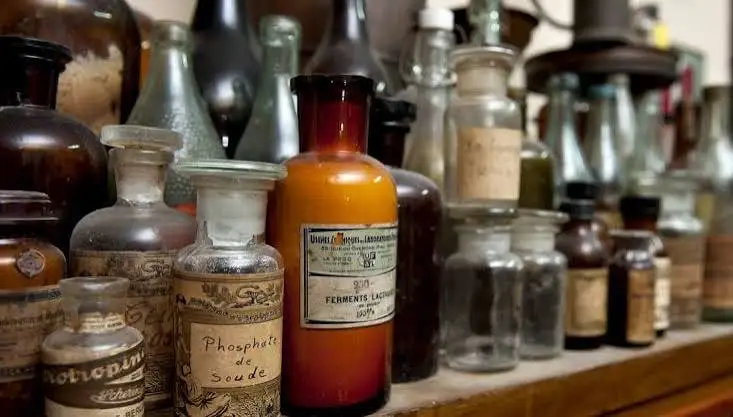
Much of this plant knowledge was recorded in books known as herbals. An herbal listed many different plants, described what they looked like, and often included drawings to help readers identify them. These books explained how each plant could be used for healing or cooking, and they warned which plants were poisonous. In a time without modern drugs, this information could mean the difference between recovery and serious harm.
Via Medical News Today
In medieval Europe, monks and scribes copied herbals by hand, along with their detailed illustrations. These books became trusted sources of health knowledge across many communities. They were used by anyone who cared for the sick, including midwives, barbers, and apothecaries, who prepared and sold remedies. Many early doctors were also skilled botanists, since knowing plants was a key part of practicing medicine.
Pilgrim Badges as Holy Souvenirs
Travel for religious reasons was a major part of medieval life. Pilgrimage, a long journey to a holy place, became hugely popular across Europe during this time. Among the most famous destinations were Jerusalem, Rome, and the shrine of St. James the Great at Santiago de Compostela in Spain.
These trips could take months and were often dangerous, with travelers facing bad weather, illness, and robbers along the way. People went on pilgrimages for many reasons. Some hoped to make up for their sins, while others wanted to ask a saint for help with illness or personal troubles. Reaching a holy site was seen as a great spiritual achievement.
Via History
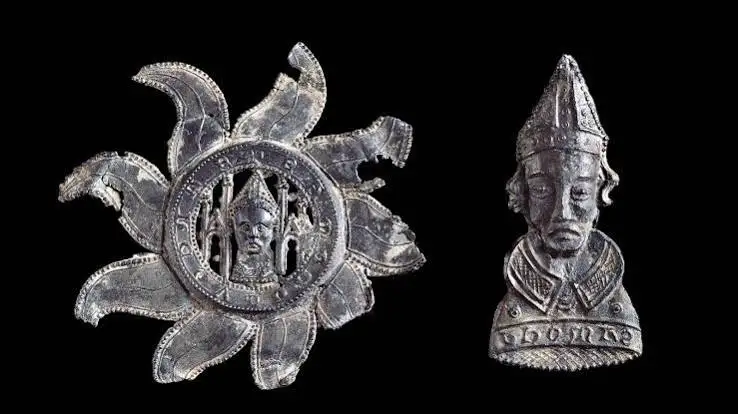
When pilgrims arrived, they often bought a small badge to mark their visit and pinned it to their clothes, wearing it proudly as proof of their long and difficult journey. Pilgrim badges were usually made from a thin, soft copper alloy that was easy to shape, which allowed them to be made quickly and sold cheaply.
Because they were affordable, people from all classes collected them. Each badge often showed a particular saint linked to the shrine. Many were shaped like a scallop shell, the symbol of St. James, making them both a religious token and an early version of a travel souvenir.

Via History
What These Objects Reveal About the Middle Ages
These nine objects show that the Middle Ages were full of creativity, skill, and meaning. Each item, from a carved mirror to a simple spindle, tells a story about the people who made and used it. Together they paint a picture of a society that was more advanced and colorful than the old label of the “Dark Ages” suggests.
The objects also reveal how deeply social class shaped daily life. Nobles showed off exotic pets, metal needles, ivory mirrors, and personal prayer books, while poorer people relied on bone needles, hand spinning, and simple tools.

Via History
Even so, some things, like faith and the hope of a pilgrimage, connected people across every level of society. Rich and poor alike prayed in the same churches and collected the same humble pilgrim badges. Looking at these everyday items helps people today see medieval men and women as real human beings with hopes, routines, and struggles.
Via Canterbury Pilgrimages
They cared about their appearance, their health, their faith, and their families, much like people do now. By studying what they left behind, people can better understand how this long era helped shape the art, medicine, and culture that came after it.