News / Politics
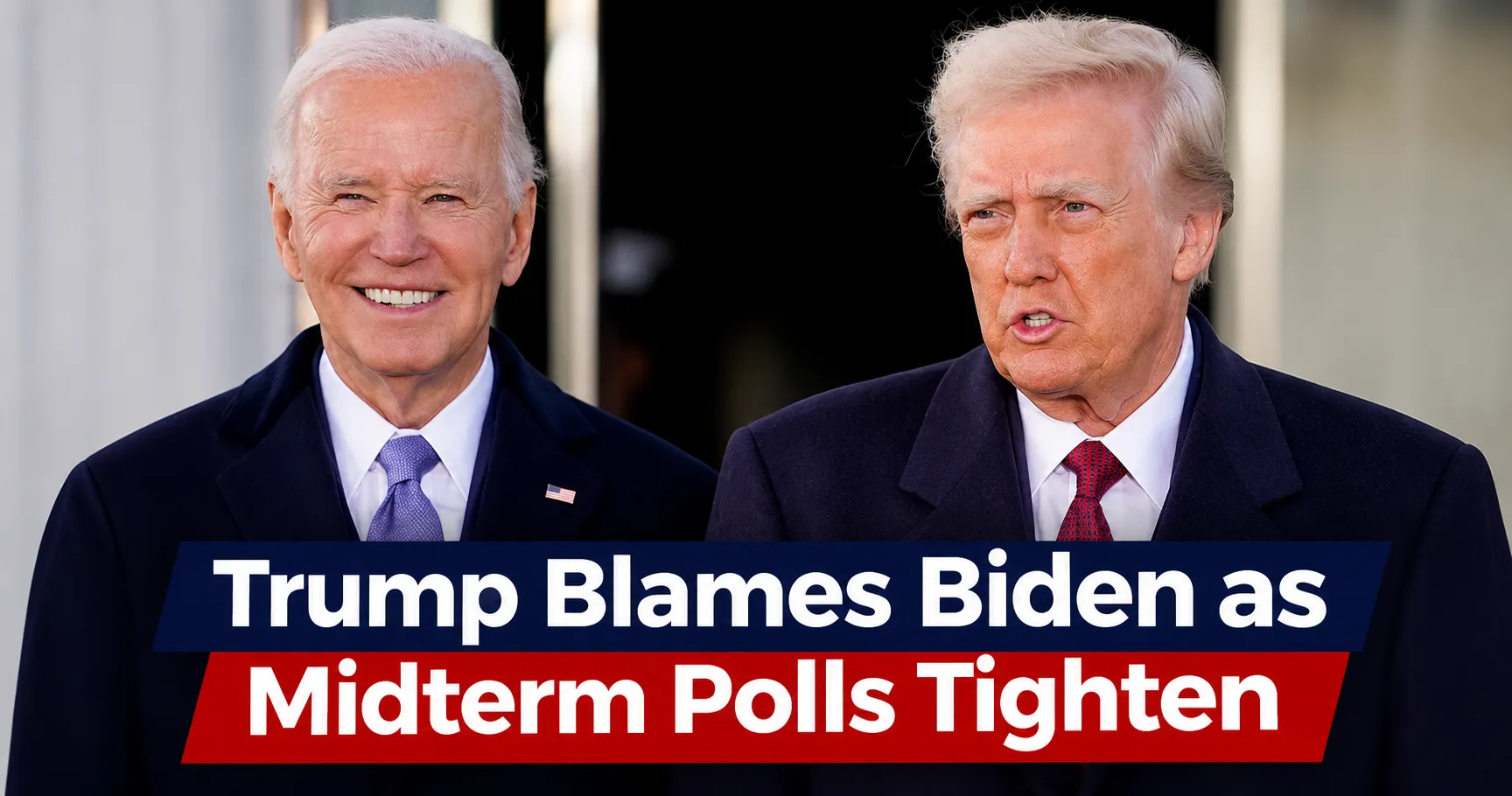
Trump’s Biden Blame Game Meets Tough Midterm Poll Numbers
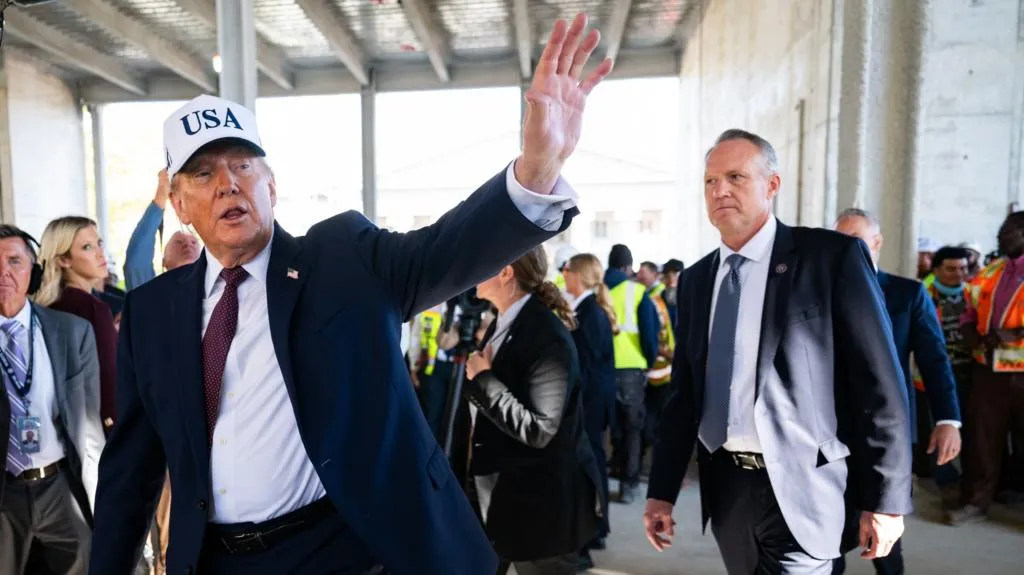
President Donald Trump spent the final stretch of the 2026 midterm campaign traveling across the country, holding rallies in battleground states where Republican candidates appeared to be in trouble. At these events, he gave voters a simple message.
He told them to imagine that he himself was on the ballot. The idea was to turn the election into a show of support for him and his agenda. That approach may sound like a strong rallying cry for his most loyal supporters. Many Republican candidates in close races, though, may not welcome it.
Via BBC
Those candidates need votes from moderates and independents, and tying themselves directly to the president could make that harder. When a president is unpopular, candidates from his party often try to keep some distance, not move closer.
The president’s campaign speeches made the midterms sound like a replay of the 2024 presidential race. Listening to him, people could easily forget that Joe Biden left the White House 21 months earlier. Trump kept the focus on his old rival, as if the contest were still between the two of them rather than a judgment on the party in power today.
Via ABC News
Biden Remains a Constant Target
A Reuters review in late September showed just how often Trump brings up his predecessor. In nine months, the president mentioned Biden almost 900 times. That works out to roughly three mentions a day, spread across nearly 200 events and interviews along with 190 posts on Truth Social.
The topic that came up most often was the economy. The pattern follows a clear strategy. Trump takes credit for anything that goes well and points to Biden for anything that goes badly. This approach showed up early in his second term and has stayed in place since.
Via History
Eighteen months into his new term, Trump still says that worries about affordability are a “con job by the Democrats” or problems left behind by “Sleepy Joe Biden” and his administration. The big question is whether anyone outside the Republican base still accepts this explanation.
Loyal supporters may agree that Biden caused today’s high prices. Swing voters, who often decide close elections, appear far less convinced. Many of them now look at the person currently in charge when they think about who is responsible for the cost of living.
Via The Christian Science Monitor
Why the Strategy Once Worked
It is easy to understand why Trump keeps using this script. In 2024, voters trusted him more than Biden on economic issues. An ABC News/Ipsos poll from May of that year found that 46% of people trusted Trump to handle the economy, compared with 32% who picked Biden.
On inflation, Trump led 44% to 30%. These numbers gave him a major advantage heading into the election. Other surveys showed the same trend. YouGov polling from mid-2024 asked people about 25 national problems.
Via ABC News
On 23 of them, more people approved of Trump’s past record in office than of Biden’s record. Voters at the time felt that prices had climbed while Biden was in charge, and they held him responsible for that rise. That frustration helped carry Trump back to the White House. The lesson from that election seemed clear to the Trump team.
Blaming the person in the Oval Office for rising costs is a powerful political tool. The problem is that this tool works against whoever holds power. Now that Trump is the one in charge, the same frustration that once helped him is starting to point in his direction.
Via NBC News
Voters Now Place the Blame on Trump
Two years later, the blame for economic pain has moved to the current president. This shift is not surprising, and political experts say the Trump team should have seen it coming. During the 2022 midterms, Biden faced the same problem.
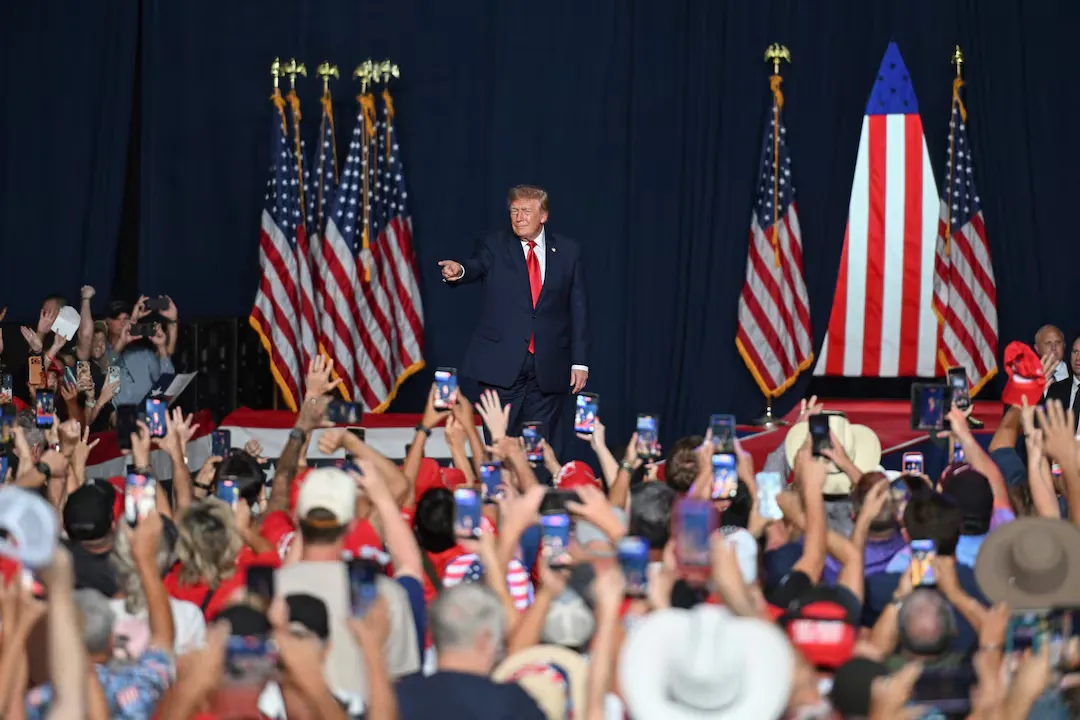
His approval rating on the economy had dropped to just 28% at that time. Today, a majority of Americans hold Trump responsible for economic troubles. This change matters a great deal. A Reuters/Ipsos poll at the end of August found that 47% of registered voters called the economy the single most important issue in their midterm vote.
Via Reuters
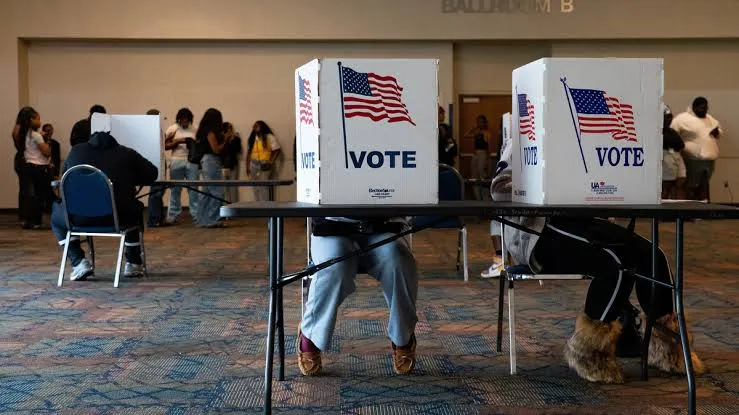
In the same poll, 71% of Americans said they disapproved of how Trump was handling it. By late September, another Reuters/Ipsos poll showed his approval on the economy at just 17%. For the first time, more Republicans disapproved than approved.
That 17% figure was something of an outlier compared with other surveys. Even so, other polls have regularly shown Trump’s economic approval sitting in the low 30s. Those numbers are weak for any president heading into a midterm election. They suggest that many voters no longer accept the idea that someone else is to blame for the prices they pay every day.
Via Fresno Bee
Tariffs and Immigration Weigh on the Numbers
Many members of the public feel they do not need deep knowledge of economics to connect today’s inflation to Trump’s second-term policies. His administration has doubled down on major themes from his first term. Two of the biggest are tighter limits on immigration and new tariffs on imported goods.
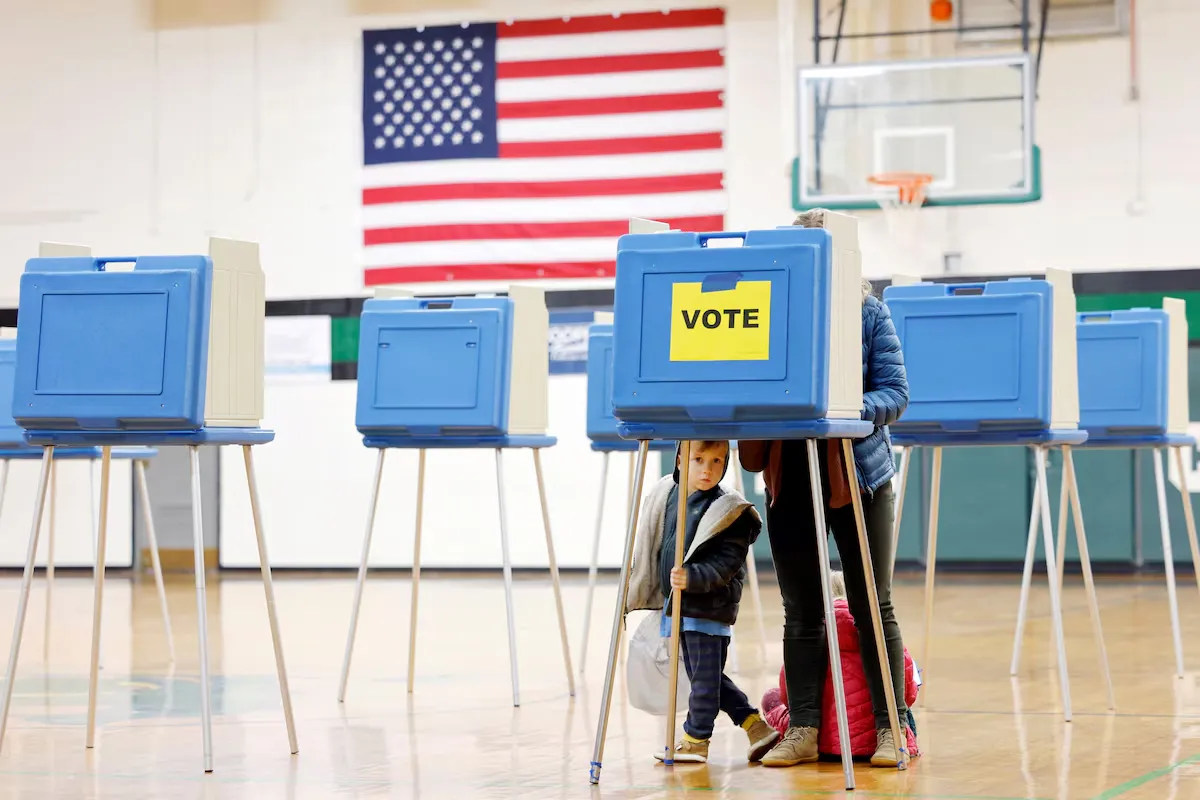
Both policies have drawn heavy attention from voters. Immigration has long been one of Trump’s strongest issues. According to Silver Bulletin, though, he now has a net approval rating of minus 12 points on it. On trade, which is more closely tied to the prices people pay, his net approval rating stands at minus 29 points.
Via Reuters
These figures show that even areas once seen as his strengths are now hurting him with voters. Trump’s first term brought a range of new tariffs, especially on China, and Biden kept many of them. In his second term, Trump has greatly expanded these trade barriers, though in an uneven way.
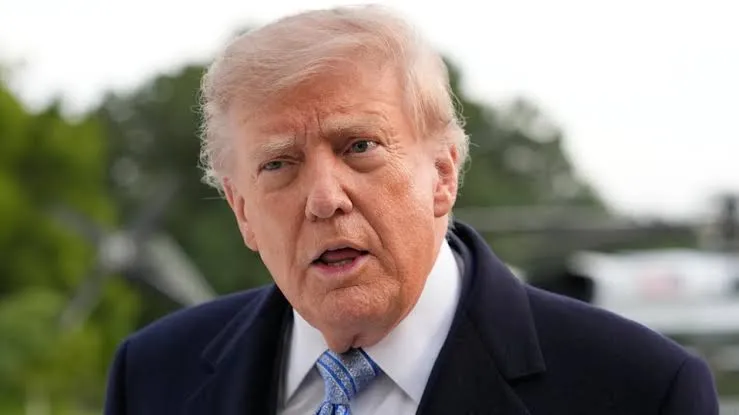
In April 2025, an executive order announced a new tariff system on a day Trump called “Liberation Day.” Tariff levels have changed often since then, with some imposed and later lifted, which makes their full impact hard to measure.
Via CTV News
The Iran War Adds Pressure at the Pump
Republican candidates have mostly avoided talking about tariffs on the campaign trail. Polls throughout the year have found that most Americans believe tariffs have hurt the economy rather than helped it. Still, tariffs were at least something Trump promised during his campaign. Supporters who backed him on trade could say he kept his word on that issue.
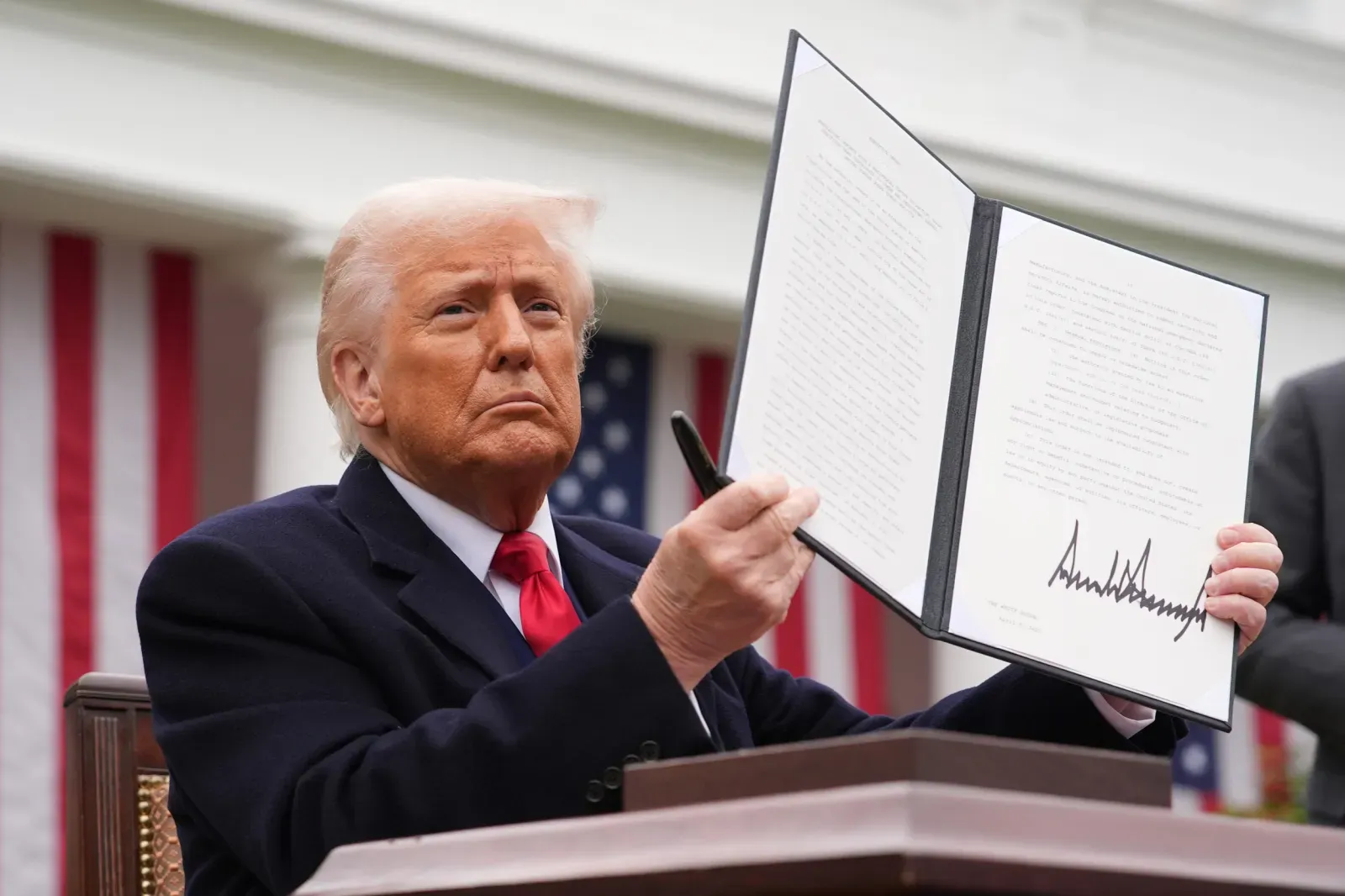
The war with Iran has been much harder for many of his supporters to accept. During the campaign, Trump made a famous promise. He said critics claimed he would start a war, but he insisted he would not start wars and would instead stop them. That pledge was a key part of his appeal to voters who were tired of conflicts overseas.
Via Newsweek
Seven months of fighting with Iran sit uneasily next to that promise. For Republicans, the bigger concern is that many voters link the conflict to rising gasoline and diesel prices at home. In early October, the Pew Research Center found that only 33% approved of Trump’s handling of the conflict. Around 77% expected it to last at least six more months, and 73% said they were extremely or very concerned about higher fuel prices.
A Midterm Vote on Trump
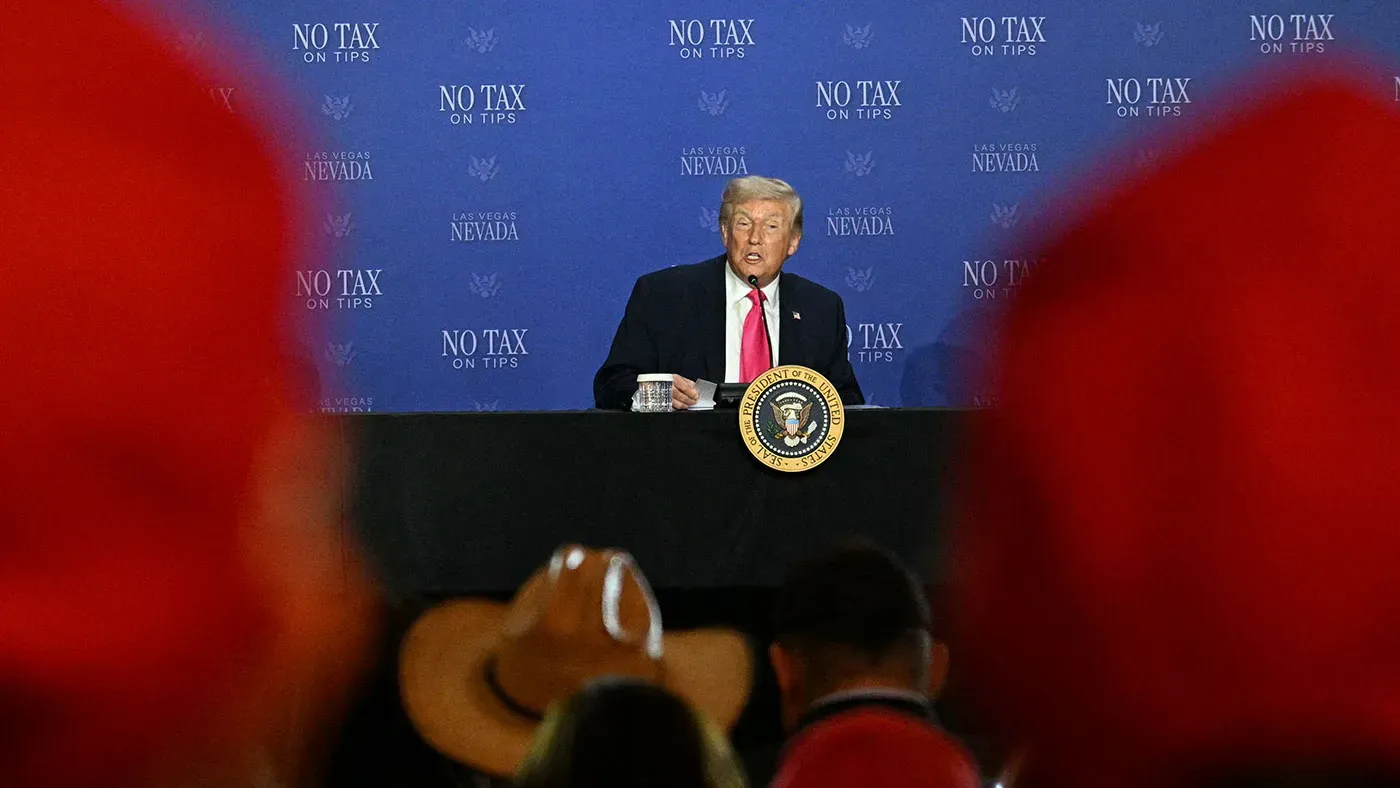
The Trump era has broken many political traditions. Some basic rules of politics, though, still hold true. Midterm elections are usually seen as a verdict on the president in office, and this one looks no different. Pew puts Trump’s approval rating at 30%, the lowest point of his second term.
Via Pew Research Center
That is eight points below Biden’s 38% rating at the same stage in 2022. Other numbers point in the same direction. Nearly two-thirds of voters, or 63%, say Trump is a factor in how they plan to vote. About 44% say their vote is a vote against him.
That is well above the 36% who said the same about Biden four years earlier. The latest Reuters/Ipsos poll also gave Democrats a 47% to 35% lead on the generic congressional ballot. The situation carries a clear irony.
Via The Hill
Trump won back the presidency by convincing voters that Biden was out of touch with their daily money struggles. Twenty-one months into his new term, critics now level the same charge against him. Blaming a past leader only works for so long, and for most voters, that window appears to have closed. Whatever the final outcome, people are reading the result as a judgment on Trump’s presidency.