Unassigned
Can the 25th Amendment Be Used to Remove Trump from Office?
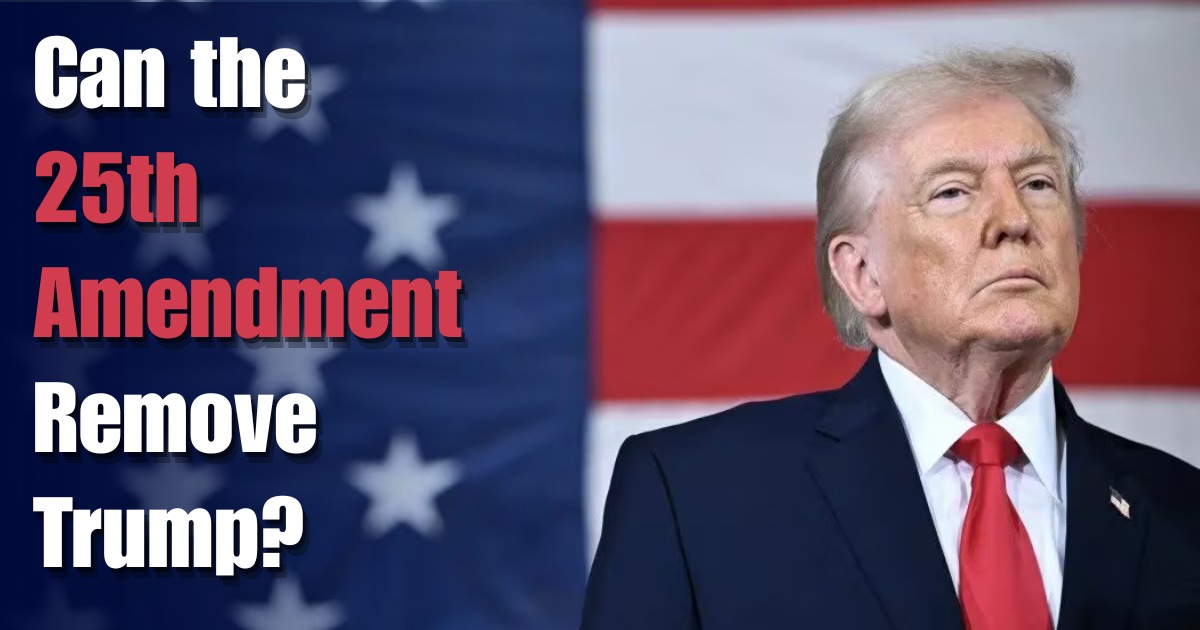
Recent exchanges between President Donald Trump and the Pope have drawn attention. Trump depicted himself in a Christ-like image on social media. He also made serious threats about Iran. These actions have led some people to question his ability to lead.
The 25th Amendment offers clear rules for presidential succession and temporary power transfers. Leaders created it after the assassination of President John F. Kennedy. At that time, questions arose about what happens when a president cannot serve. The amendment aims to prevent confusion during serious health issues or other problems.
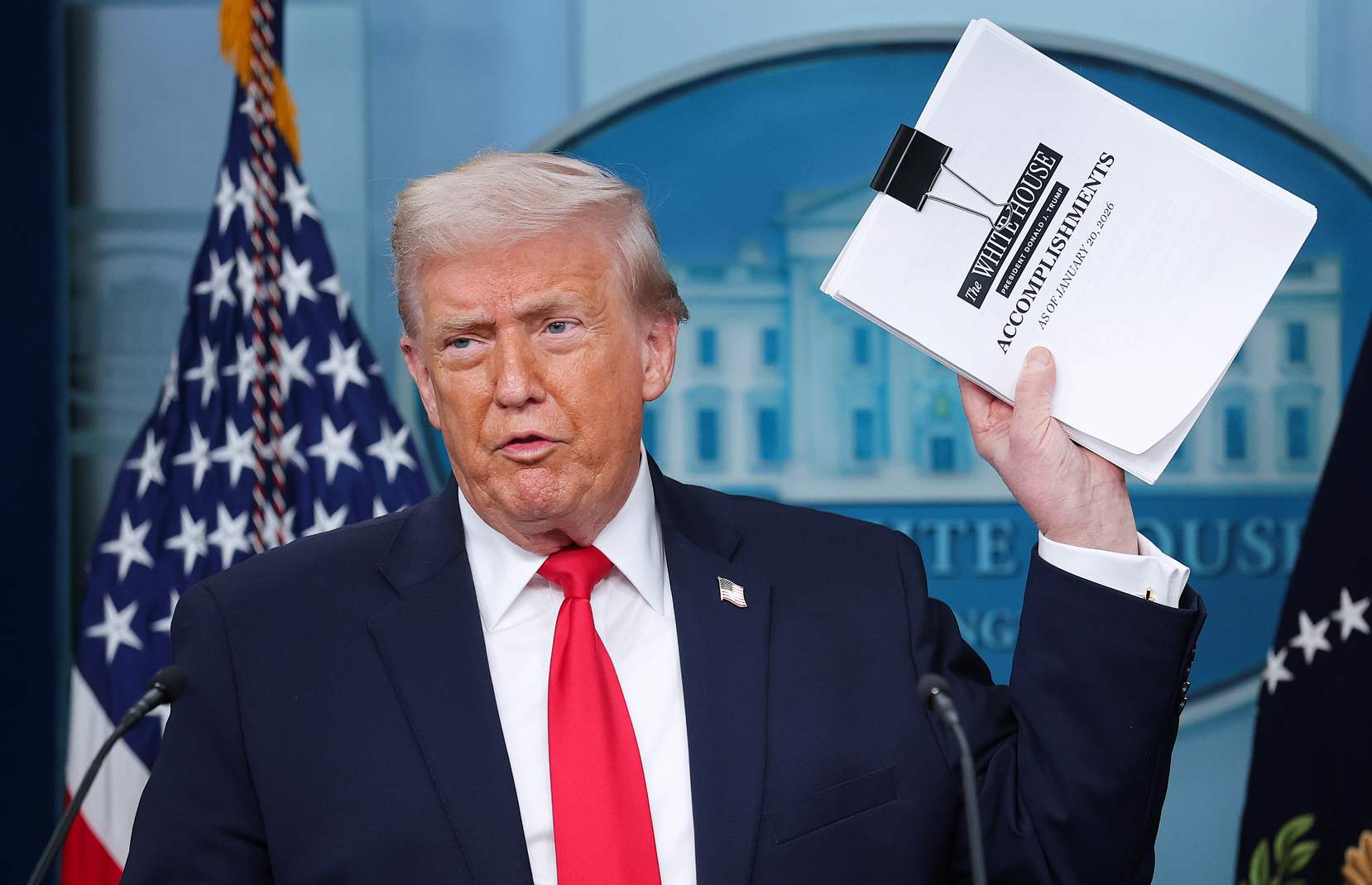 Via Time Magazine
People now discuss whether this tool fits current events. Trump’s statements about foreign policy and personal portrayals have sparked debate. Experts note that the amendment targets real inability rather than policy disagreements. The process requires broad agreement among top leaders.
 Via ABC 33/40
Section 2 allows the president to nominate a new vice president when that office becomes vacant. Both houses of Congress must approve the choice by majority vote. This process filled vacancies in the 1970s after resignations. It ensures the line of succession stays complete at all times.
Section 3 lets the president voluntarily transfer powers to the vice president during short periods of incapacity. Examples include medical procedures under anesthesia. The president simply sends a written notice to Congress. Powers return when the president sends another letter stating readiness.
 Via Sky News
 Via BBC
The president can respond with a written statement claiming no inability exists. If the vice president and department heads disagree within four days, the matter goes to Congress. Both the House and Senate must debate and vote. A two-thirds majority in each chamber is required to keep the vice president as acting president.
This process is complex and has never been fully used. It relies heavily on the vice president taking the first step. The amendment refers to principal officers of executive departments rather than the full Cabinet. In practice, this means a specific number of key officials must agree.
 Via WSHU
 Via Cooley Law School
This clause aims to handle situations like severe illness where the president does not step aside voluntarily. Historical examples include presidents who faced physical challenges but stayed in their roles. The process builds in checks to avoid abuse while allowing quick action when necessary.
Congress can create another body to join the vice president in this decision if needed. However, the main path involves the vice president and department heads. Once invoked, the acting president handles all powers and duties. The original president remains in office but without authority during the period.
 Via Fox News
 Via The Independent
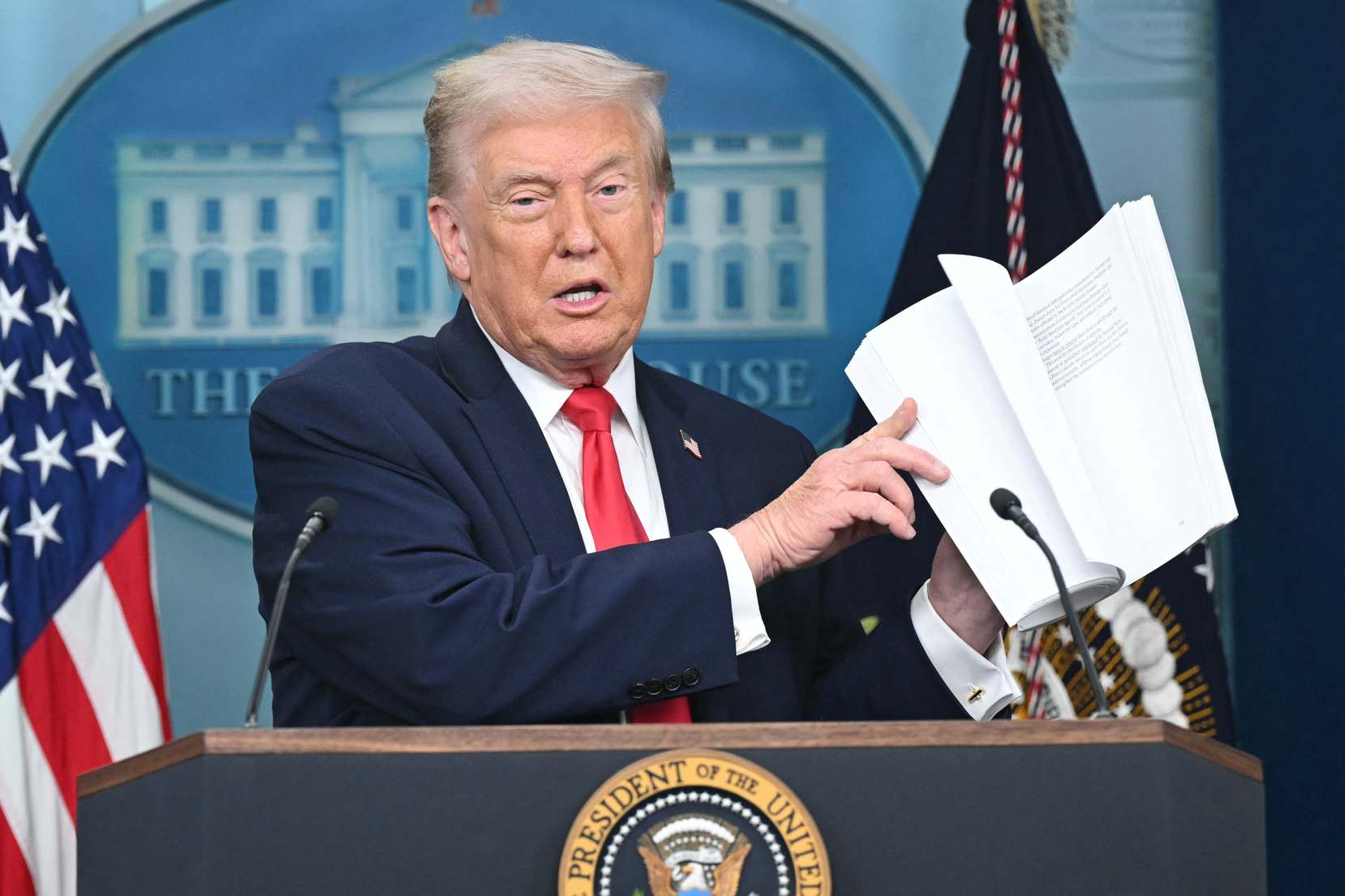
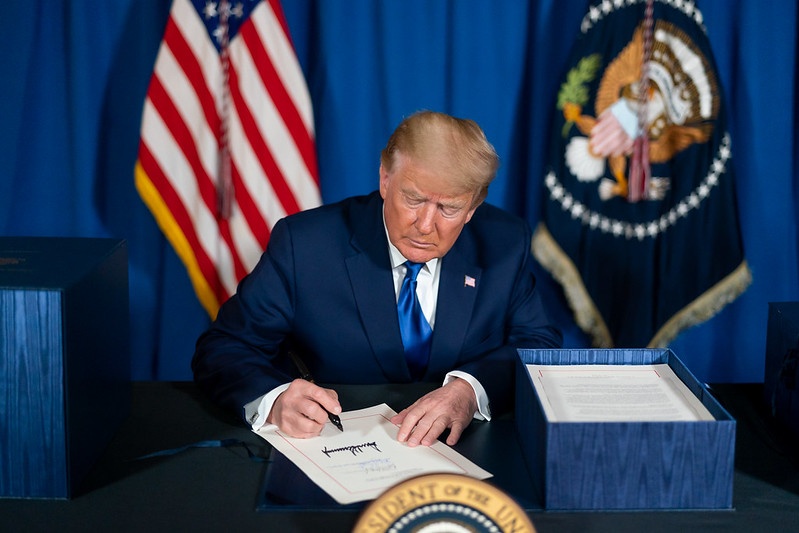
Many observers view the amendment as better suited for clear physical disabilities. Mental fitness questions create more uncertainty because no medical standard is specified. Trump remains physically able to sign documents and communicate. The process does not permanently remove a president from office.
The counter would restore Trump’s powers unless the group challenges it within four days. Congress would then have 21 days to decide by a two-thirds vote in both houses. This high threshold makes success difficult. Political divisions could turn the process into a major constitutional dispute.
 Via Louisiana Illuminator
 Via Vox
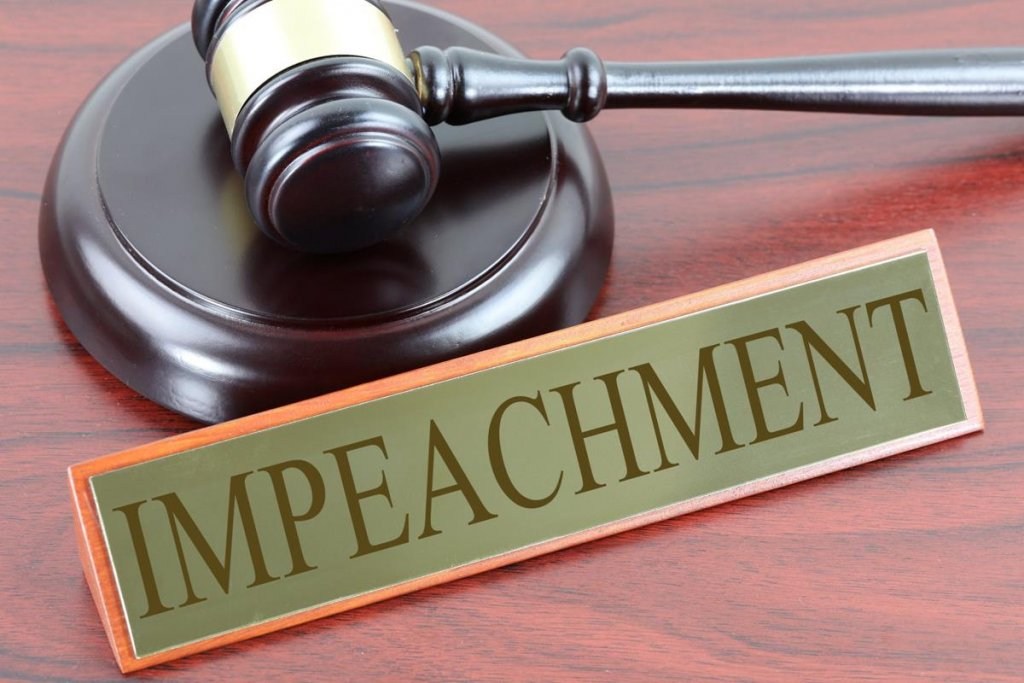
The amendment does not serve as an alternative to impeachment. It targets inability rather than misconduct or policy failures. Impeachment remains the constitutional method for holding presidents accountable for high crimes or misdemeanors. Leaders designed the 25th Amendment for different situations.
Even if invoked, Trump could quickly reclaim powers with a simple declaration. A second challenge from the vice president and officials would trigger congressional involvement. Achieving two-thirds majorities in both chambers would demand broad bipartisan agreement. Current political realities make this outcome unlikely.
 Via Wisconsin Examiner
 Via History
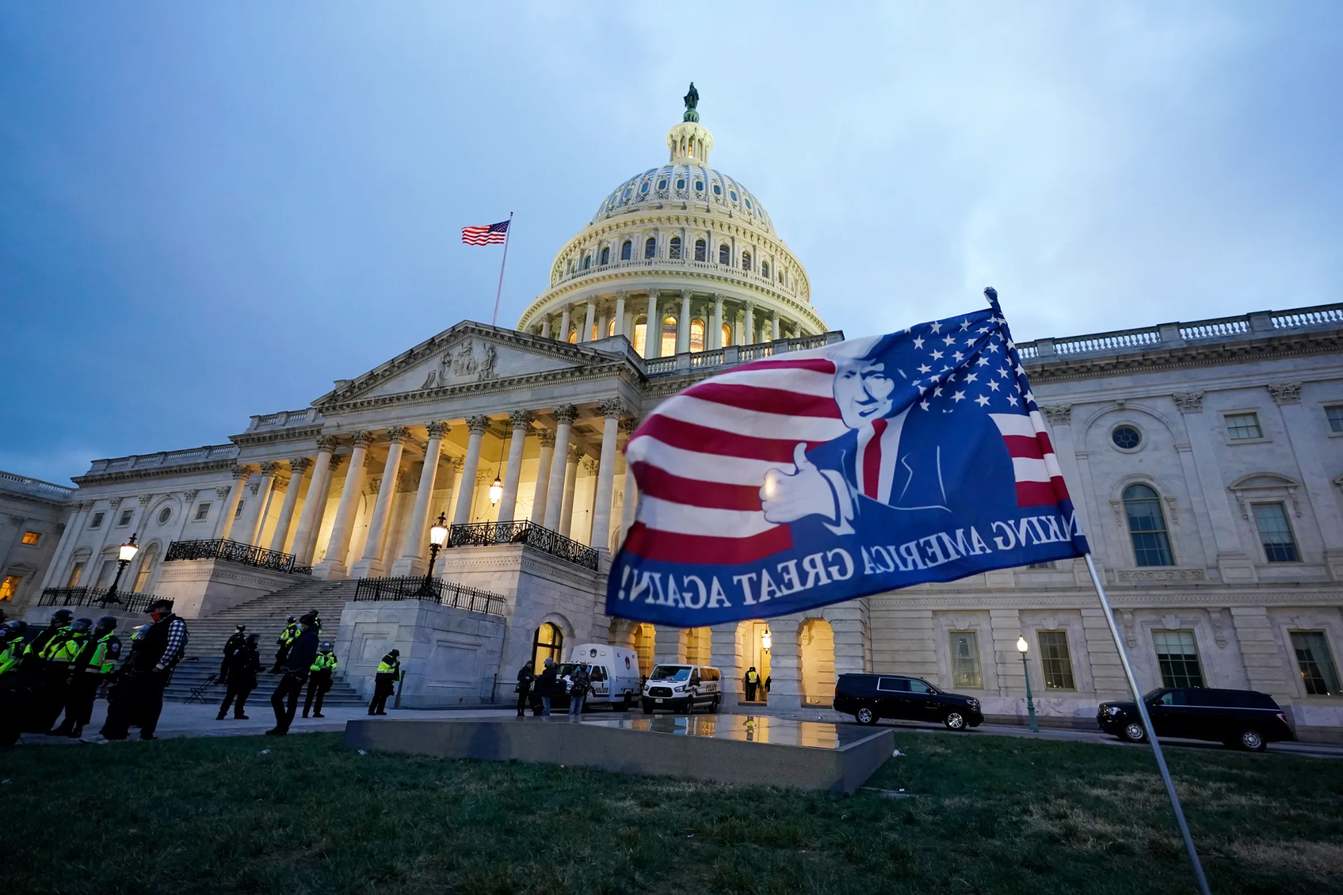
Section 4 has never been invoked. Discussions occurred after events like the January 6 Capitol events, but no action followed. The amendment reflects efforts to modernize constitutional procedures for modern challenges. It balances continuity of government with safeguards against misuse.
Sections 1 and 2 clarified permanent succession and vice presidential vacancies. These parts saw use in the 1970s during Watergate-related resignations. Section 3 has been invoked for medical procedures by several presidents. Examples include Ronald Reagan and George W. Bush during colonoscopies.
 Via The Conversation
 Via Pop Sugar
These examples show the amendment’s practical side for temporary issues. They also highlight reluctance to use the more confrontational Section 4. Leaders prefer voluntary transfers or other accountability measures when possible.
Section 4 discussions have surfaced during times of controversy. After the 2021 Capitol events, some Cabinet members reportedly considered it privately. No formal declaration occurred. Earlier, questions arose about Woodrow Wilson’s fitness after his 1919 stroke.
 Via Axios
 Via Yahoo
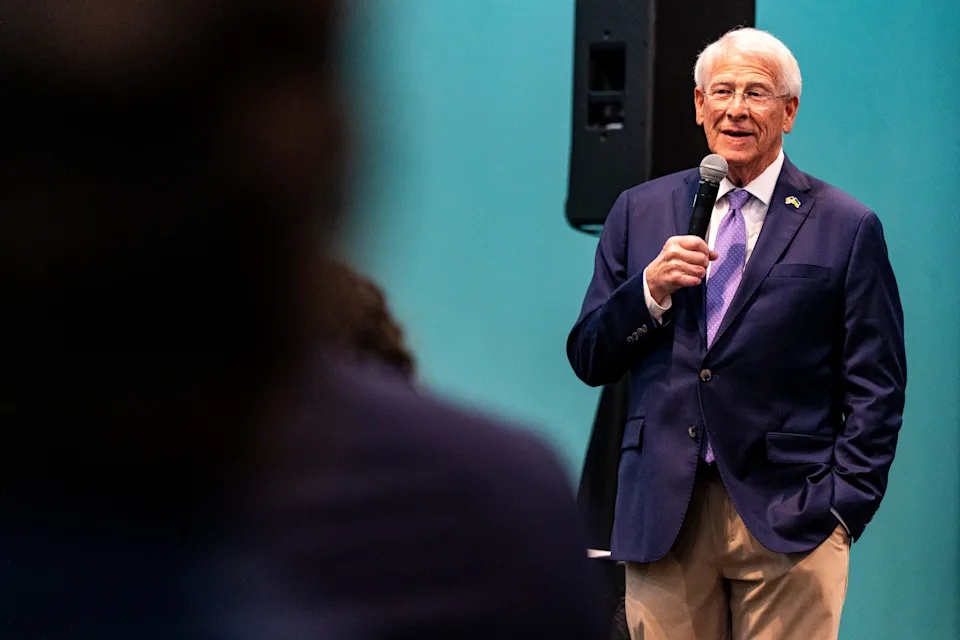
Debates also highlight the limits of the amendment. It works best for a clear, temporary inability rather than deep political divisions. Understanding its exact rules helps separate facts from speculation in heated moments. This clarity helps ground debates in reality, reducing confusion and preventing the misuse of constitutional mechanisms in situations they were not designed to address.
Public discussion of the 25th Amendment reflects ongoing interest in checks and balances. People want assurance that the country remains stable during uncertain times. The tool emphasizes collective responsibility among top officials. It reminds everyone that no single person holds unchecked power indefinitely.
 Via Yahoo
 Via Fair Observer
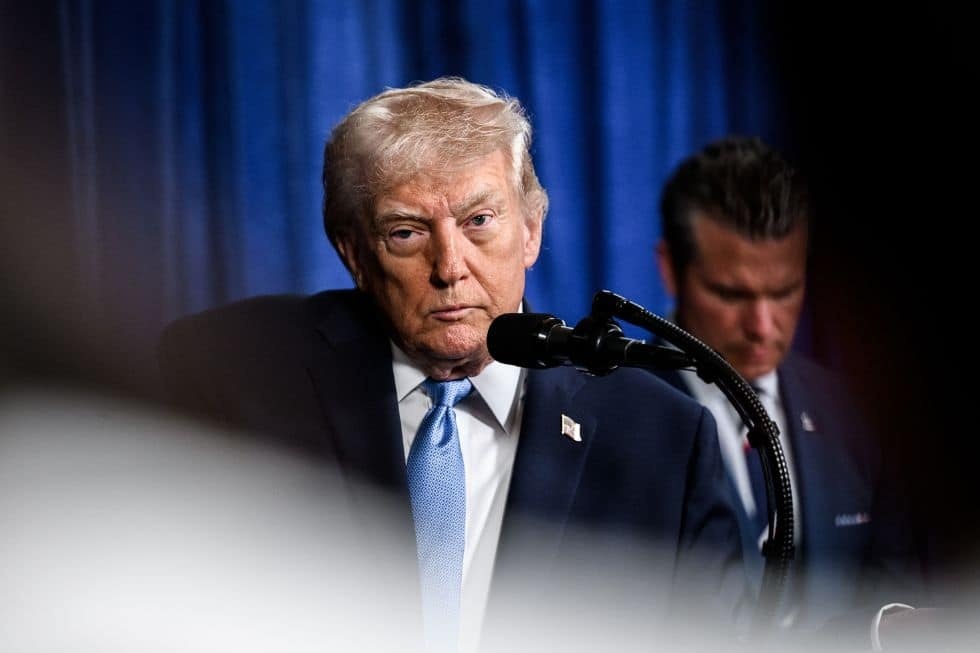
Long-term solutions still require elections or the impeachment process outlined elsewhere in the Constitution. The amendment provides only temporary relief. It does not remove the president from office permanently. The individual retains the title while powers shift. These pathways involve broader legal and political procedures, reflecting the seriousness of permanently removing a sitting president.
More in UnassignedVia Time Magazine
People now discuss whether this tool fits current events. Trump’s statements about foreign policy and personal portrayals have sparked debate. Experts note that the amendment targets real inability rather than policy disagreements. The process requires broad agreement among top leaders.
What Does the 25th Amendment Say?
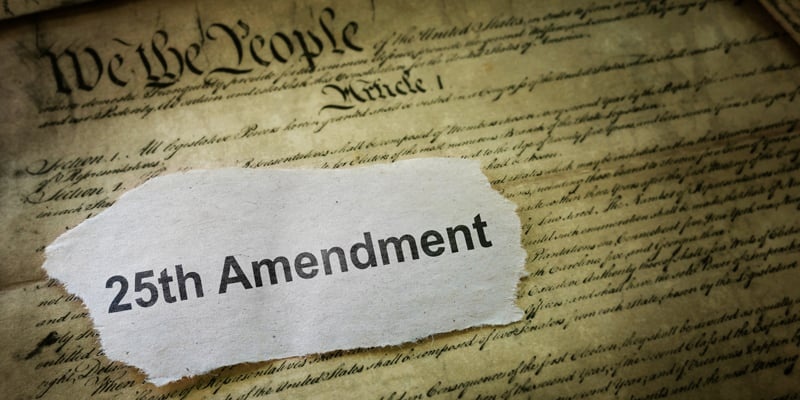
The 25th Amendment contains four main sections. Each one handles different situations involving the president and vice president. Section 1 makes clear that the vice president fully becomes president if the president dies, resigns, or is removed. This rule prevents any acting role in permanent cases. It provides a smooth transition to full power.
Via ABC 33/40
Section 2 allows the president to nominate a new vice president when that office becomes vacant. Both houses of Congress must approve the choice by majority vote. This process filled vacancies in the 1970s after resignations. It ensures the line of succession stays complete at all times.
Section 3 lets the president voluntarily transfer powers to the vice president during short periods of incapacity. Examples include medical procedures under anesthesia. The president simply sends a written notice to Congress. Powers return when the president sends another letter stating readiness.
Via Sky News
How Does Section 4 of the 25th Amendment Work?
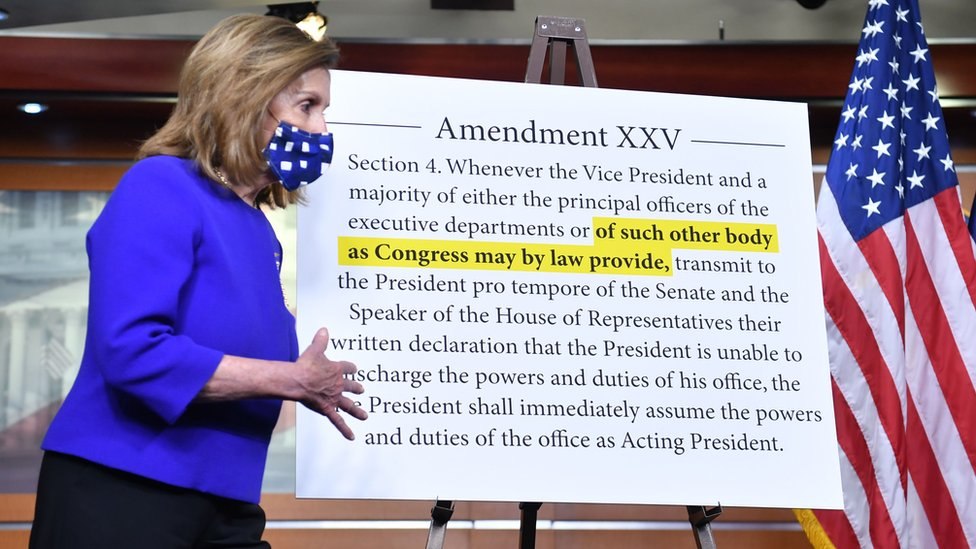
Section 4 addresses cases where the president cannot recognize personal inability. The vice president and a majority of principal executive department heads can act together. They send a written declaration to congressional leaders that the president is unable to perform duties.
Via BBC
The president can respond with a written statement claiming no inability exists. If the vice president and department heads disagree within four days, the matter goes to Congress. Both the House and Senate must debate and vote. A two-thirds majority in each chamber is required to keep the vice president as acting president.
This process is complex and has never been fully used. It relies heavily on the vice president taking the first step. The amendment refers to principal officers of executive departments rather than the full Cabinet. In practice, this means a specific number of key officials must agree.
Via WSHU
The Disability Clause in Detail
The disability clause focuses on a temporary or ongoing inability to discharge presidential duties. It does not require medical proof or a strict definition of inability. Leaders must judge based on observed behavior and capacity. The goal is to protect national interests without unnecessary removal.Via Cooley Law School
This clause aims to handle situations like severe illness where the president does not step aside voluntarily. Historical examples include presidents who faced physical challenges but stayed in their roles. The process builds in checks to avoid abuse while allowing quick action when necessary.
Congress can create another body to join the vice president in this decision if needed. However, the main path involves the vice president and department heads. Once invoked, the acting president handles all powers and duties. The original president remains in office but without authority during the period.
Via Fox News
How Would the 25th Amendment Apply to Trump?
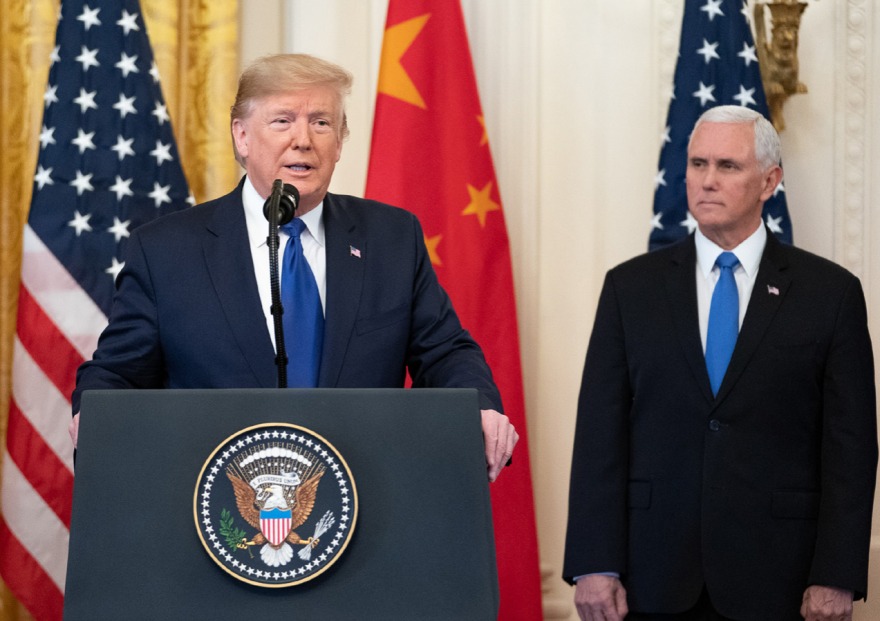
Applying Section 4 to President Trump would require Vice President JD Vance and at least eight of the fifteen principal department heads to agree. They would need to declare Trump unable to perform his duties. Vance would then assume acting powers right away. Trump could immediately counter by declaring that no inability exists.Via The Independent
Many observers view the amendment as better suited for clear physical disabilities. Mental fitness questions create more uncertainty because no medical standard is specified. Trump remains physically able to sign documents and communicate. The process does not permanently remove a president from office.
The counter would restore Trump’s powers unless the group challenges it within four days. Congress would then have 21 days to decide by a two-thirds vote in both houses. This high threshold makes success difficult. Political divisions could turn the process into a major constitutional dispute.
Via Louisiana Illuminator
Challenges in Using the 25th Amendment Against Trump
The main challenge lies in gaining support from Trump’s own team. The vice president holds the key role in starting the process. Without that person’s willingness, the mechanism cannot move forward. Department heads appointed by the president may also hesitate to act against their leader.Via Vox
The amendment does not serve as an alternative to impeachment. It targets inability rather than misconduct or policy failures. Impeachment remains the constitutional method for holding presidents accountable for high crimes or misdemeanors. Leaders designed the 25th Amendment for different situations.
Even if invoked, Trump could quickly reclaim powers with a simple declaration. A second challenge from the vice president and officials would trigger congressional involvement. Achieving two-thirds majorities in both chambers would demand broad bipartisan agreement. Current political realities make this outcome unlikely.
Via Wisconsin Examiner
Historical Context of the 25th Amendment
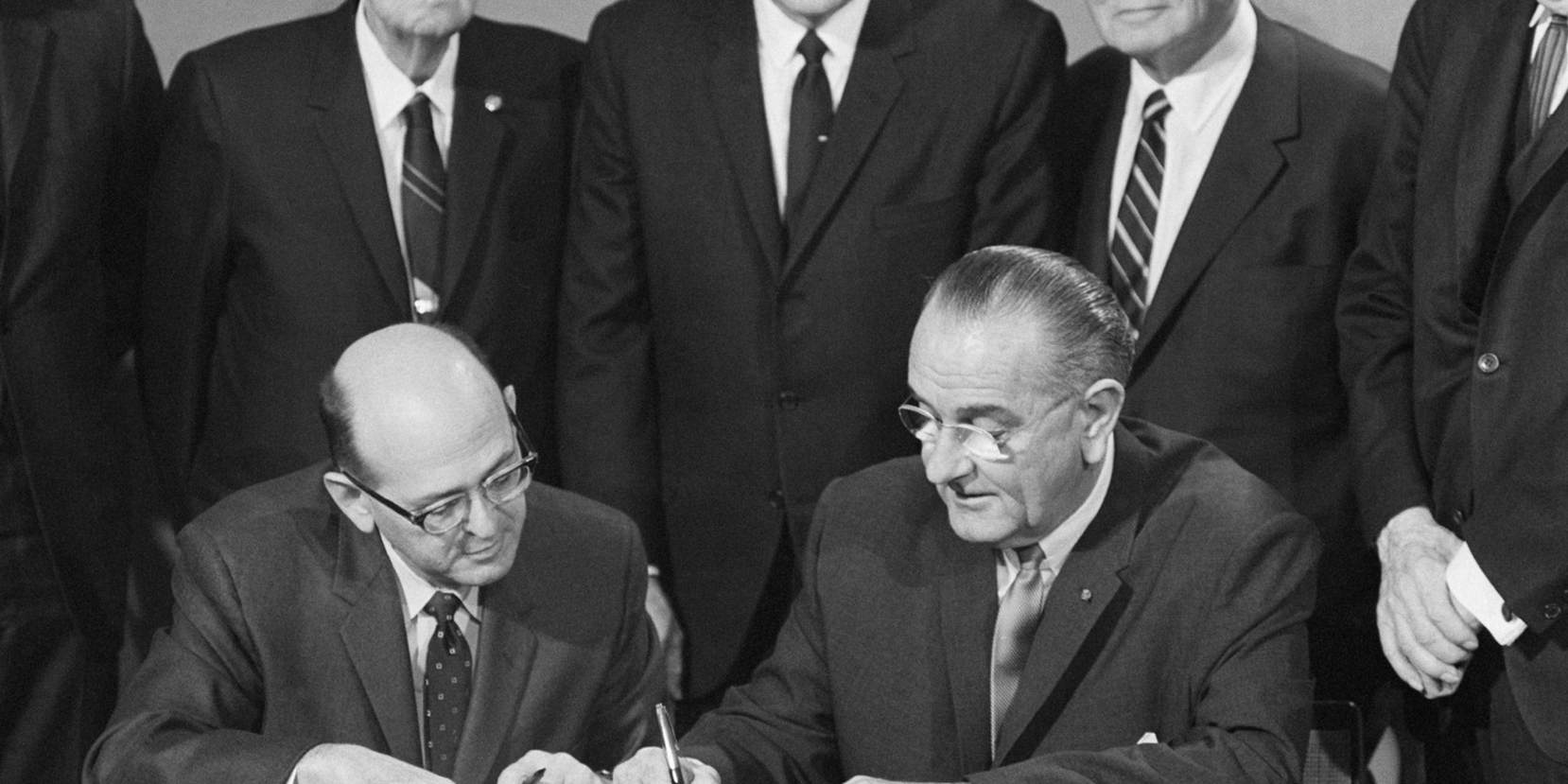
Leaders ratified the 25th Amendment in 1967. The assassination of President Kennedy in 1963 highlighted gaps in succession rules. Vice President Lyndon Johnson took office, but the vice presidency stayed vacant for over a year. Questions also arose about presidential disability from earlier events like Woodrow Wilson’s stroke.Via History
Section 4 has never been invoked. Discussions occurred after events like the January 6 Capitol events, but no action followed. The amendment reflects efforts to modernize constitutional procedures for modern challenges. It balances continuity of government with safeguards against misuse.
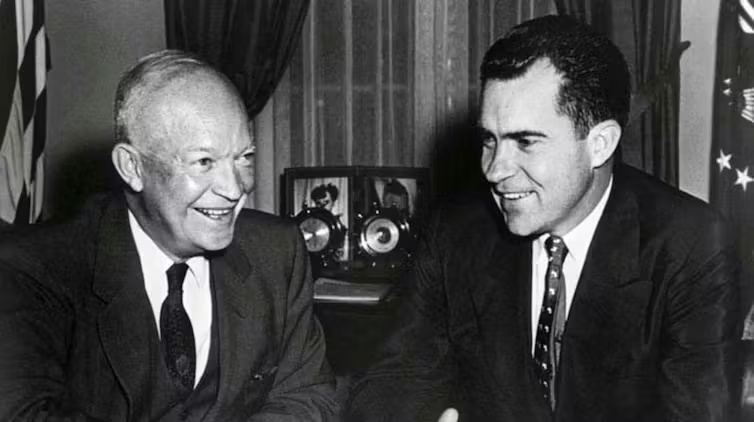
Sections 1 and 2 clarified permanent succession and vice presidential vacancies. These parts saw use in the 1970s during Watergate-related resignations. Section 3 has been invoked for medical procedures by several presidents. Examples include Ronald Reagan and George W. Bush during colonoscopies.
Via The Conversation
Past Uses and Near-Invocations
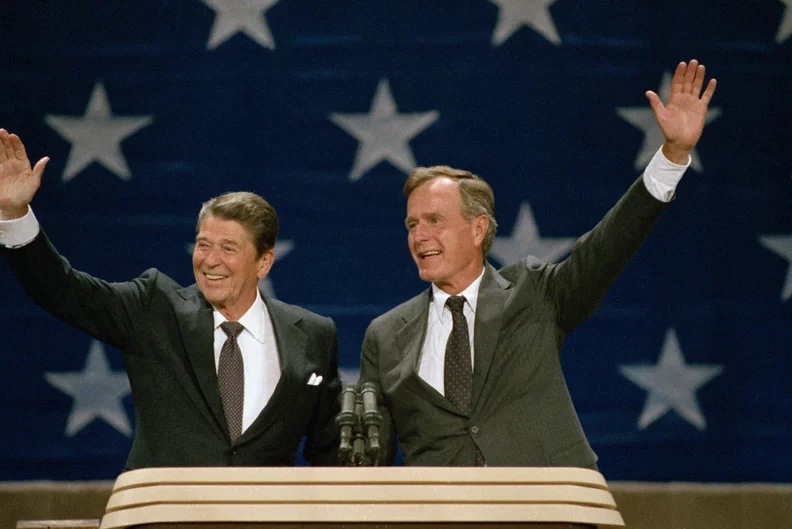
Presidents have used Section 3 for planned medical absences. In 1985, Reagan transferred power before surgery. Vice President George H.W. Bush acted for several hours. Similar short transfers happened under George W. Bush in 2002 and 2007. Joe Biden also used it briefly in 2021.Via Pop Sugar
These examples show the amendment’s practical side for temporary issues. They also highlight reluctance to use the more confrontational Section 4. Leaders prefer voluntary transfers or other accountability measures when possible.
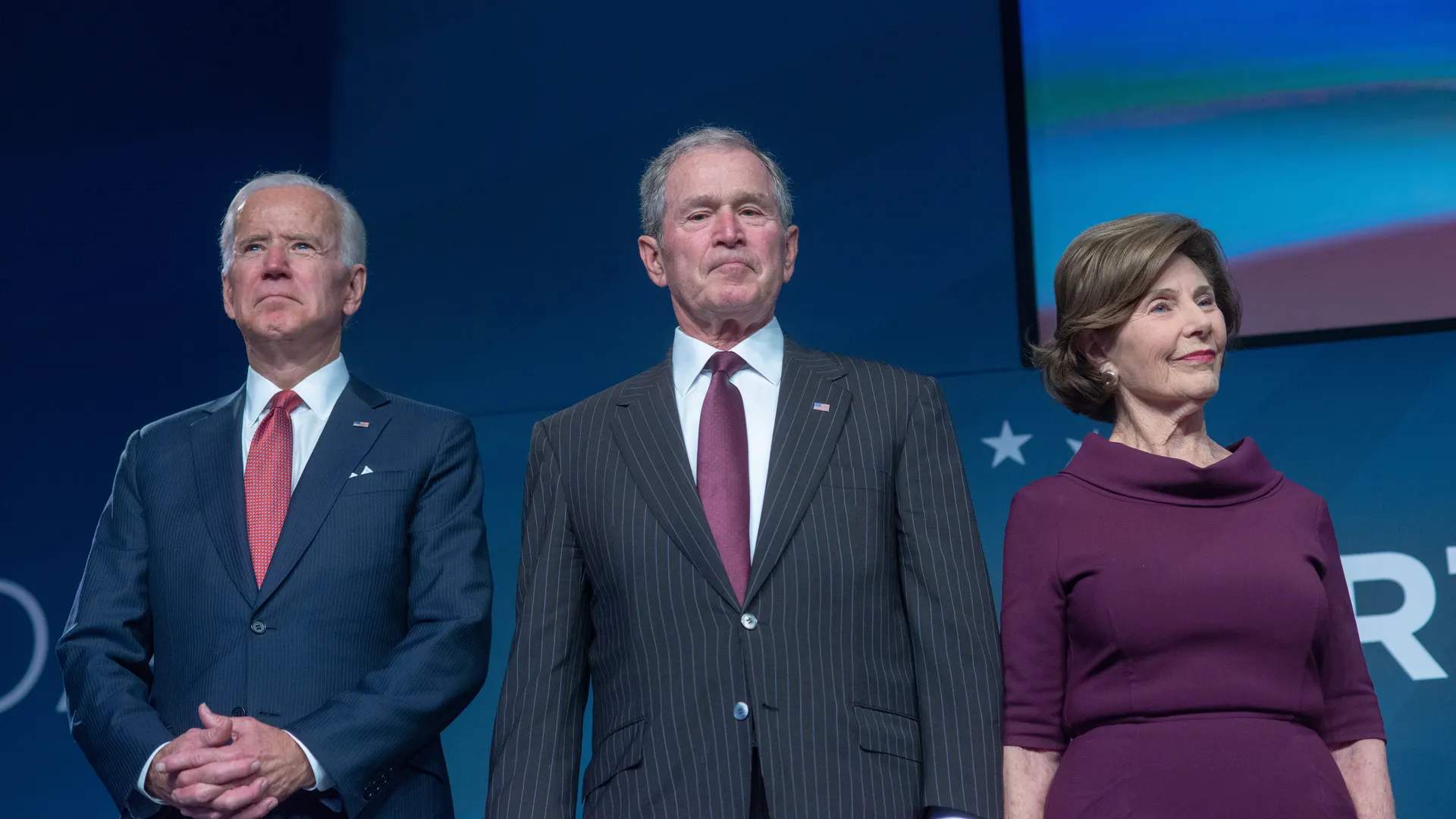
Section 4 discussions have surfaced during times of controversy. After the 2021 Capitol events, some Cabinet members reportedly considered it privately. No formal declaration occurred. Earlier, questions arose about Woodrow Wilson’s fitness after his 1919 stroke.
Via Axios
Why the 25th Amendment Matters Today?
Modern challenges test presidential capacity in new ways. Rapid communication through social media amplifies statements instantly. Global tensions require steady leadership under pressure. The amendment provides a framework for addressing serious concerns without waiting for elections or impeachment.Via Yahoo
Debates also highlight the limits of the amendment. It works best for a clear, temporary inability rather than deep political divisions. Understanding its exact rules helps separate facts from speculation in heated moments. This clarity helps ground debates in reality, reducing confusion and preventing the misuse of constitutional mechanisms in situations they were not designed to address.
Public discussion of the 25th Amendment reflects ongoing interest in checks and balances. People want assurance that the country remains stable during uncertain times. The tool emphasizes collective responsibility among top officials. It reminds everyone that no single person holds unchecked power indefinitely.
Via Yahoo
Limitations of the 25th Amendment
The amendment does not define inability in precise terms. This vagueness allows flexibility but also creates room for disagreement. No requirement exists for medical evaluation or expert input. Decisions rest with political officials rather than doctors or judges.Via Fair Observer
Long-term solutions still require elections or the impeachment process outlined elsewhere in the Constitution. The amendment provides only temporary relief. It does not remove the president from office permanently. The individual retains the title while powers shift. These pathways involve broader legal and political procedures, reflecting the seriousness of permanently removing a sitting president.