Unassigned
America’s Oldest Time Capsule Reveals 1795 Secrets
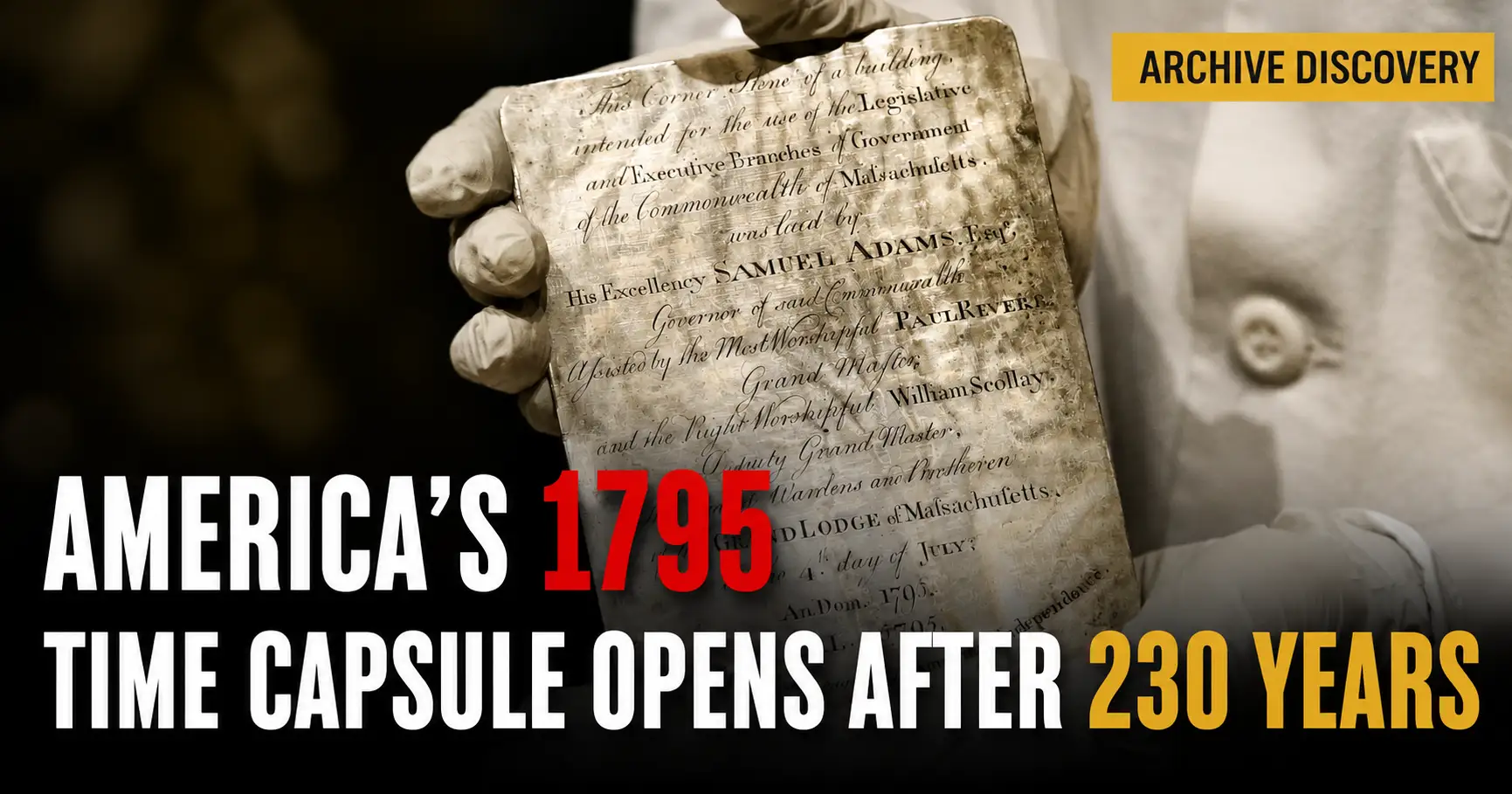
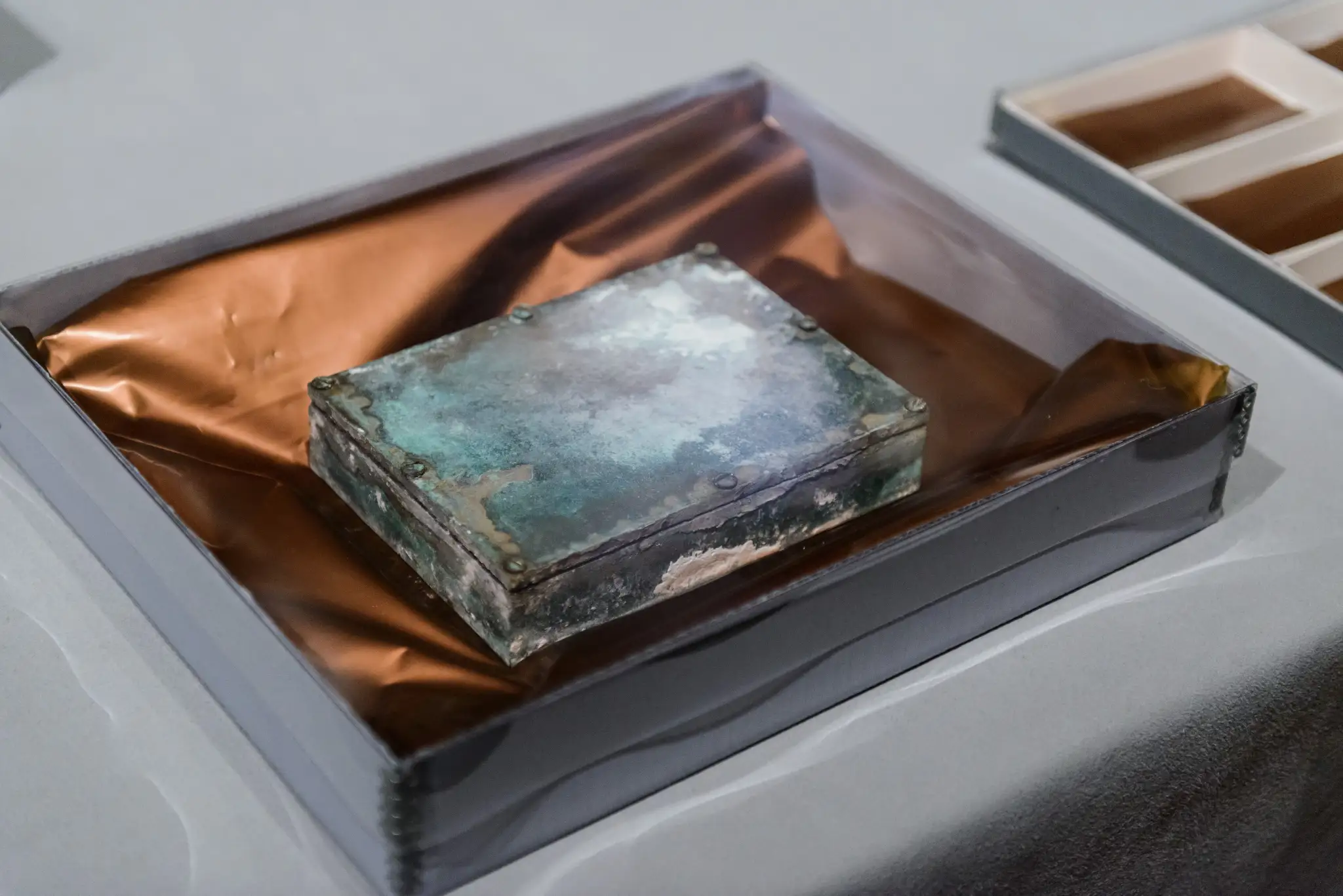
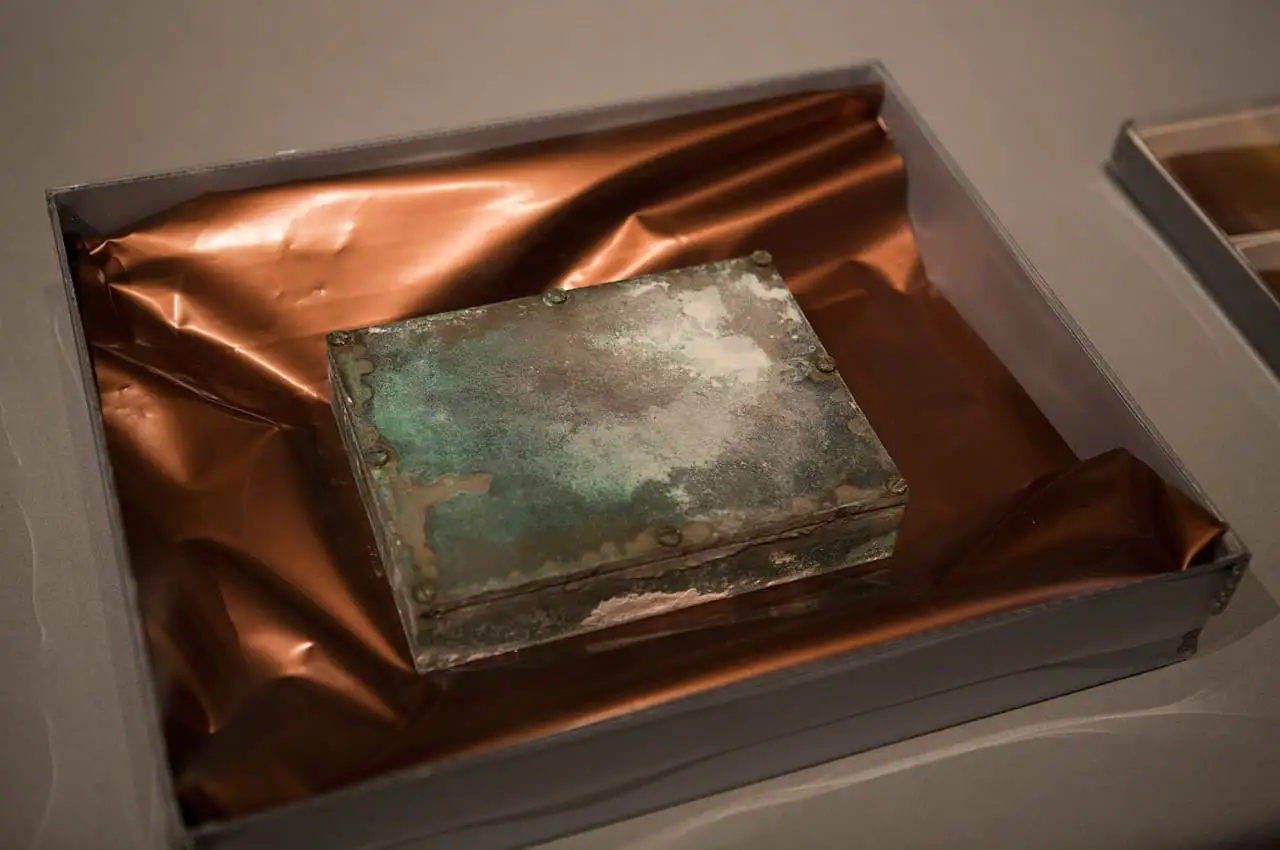
America’s oldest known time capsule is more than a small copper box filled with old objects. It is a direct link to the early years of the United States, when the country was still young, and leaders were shaping its future. Buried in Boston in 1795, the capsule carried items that showed pride, hope, and memory.
The time capsule was placed beneath the cornerstone of the Massachusetts State House. That building became one of the most important political landmarks in the state. The box was not buried by unknown workers or ordinary officials. It was connected to two major names from the American Revolution, Samuel Adams and Paul Revere.
 Via History
This simple copper box survived for more than two centuries. It was opened more than once, studied by experts, and then returned to its place. Each discovery added another layer to its story. The capsule now stands as a rare treasure from the early republic and a reminder of how history can be preserved in small, powerful ways.
 Via Britannica
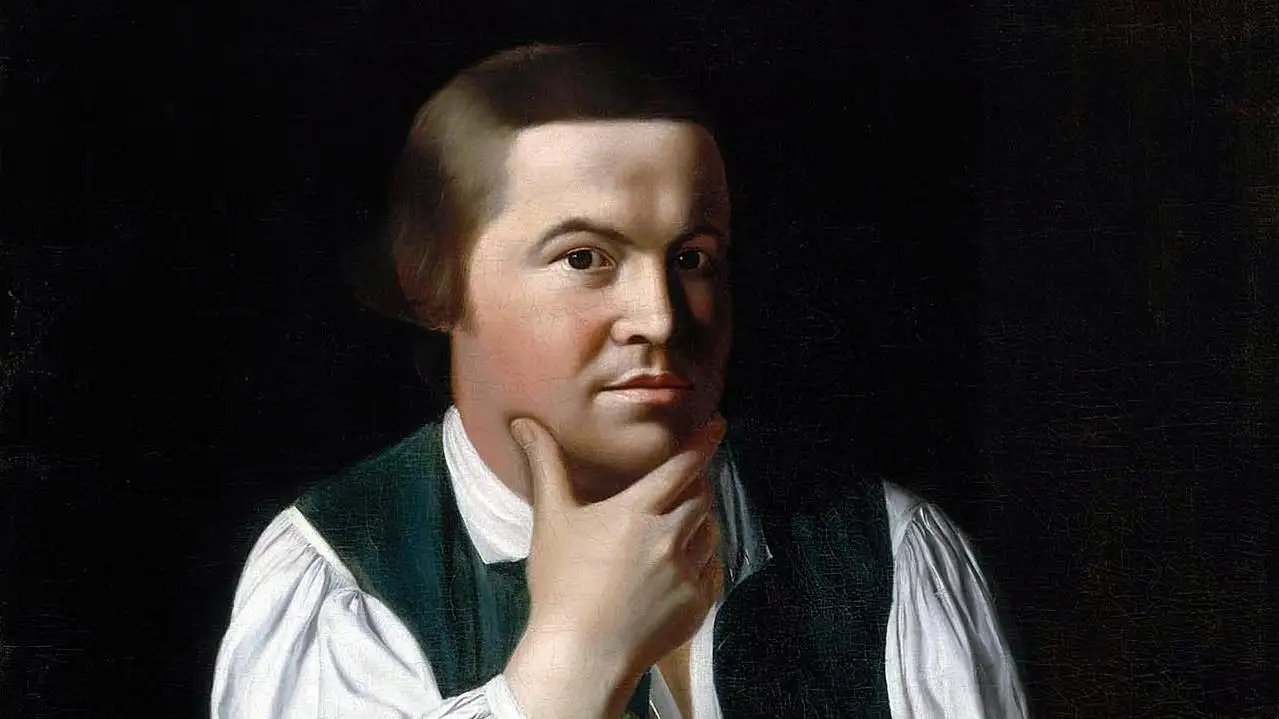
Paul Revere was also part of the event. Many people remember him for his famous midnight ride before the Revolutionary War. Revere was also a skilled silversmith, engraver, and businessman. His craftsmanship helped give the time capsule one of its most special objects, a silver plaque made to mark the laying of the cornerstone.
The ceremony took place on July 4, 1795, exactly 20 years after the Declaration of Independence was adopted. That date gave the event deep meaning. The leaders were not only building a new State House. They were also honoring the birth of the nation and leaving a message for future generations.
 Via The Liberty Tail
 Via Coin ID
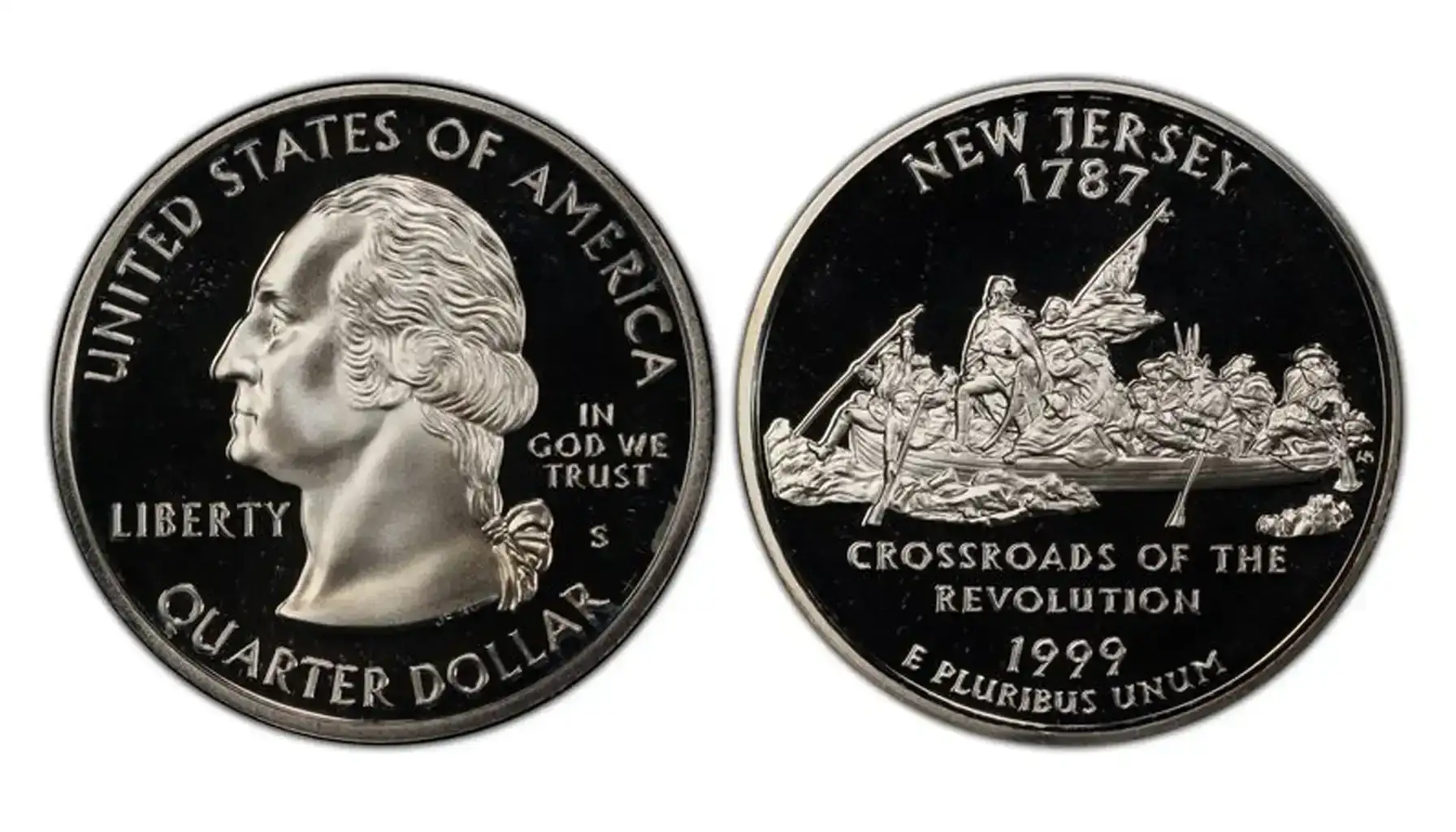
Another key coin was a 1787 New Jersey cent. This coin is remembered for carrying the motto “E Pluribus Unum,” which means “Out of many, one.” The phrase became closely linked with the American identity. Placing that coin in the capsule showed the hope that separate states could become one strong nation.
 Via Coin Week
The Washington medal was a sign of respect for leadership and national unity. At that time, the United States was still finding its place in the world. Washington represented stability, courage, and public duty. His image inside the box showed how deeply people admired his role in the country’s birth.
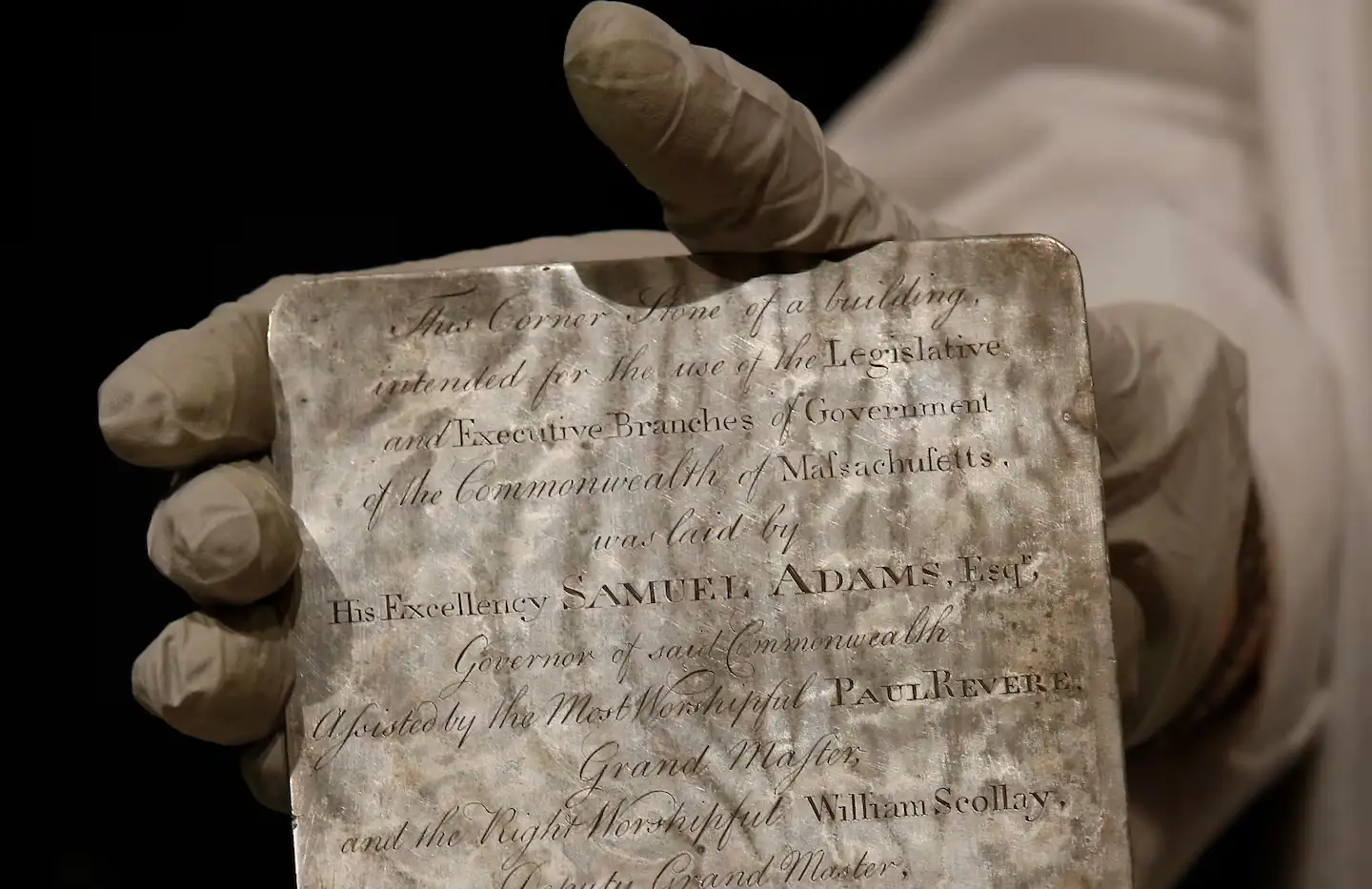
The silver plaque engraved by Paul Revere was another priceless item. It marked the laying of the State House cornerstone and included the names of Samuel Adams, Paul Revere, and William Scollay. Scollay had served as a Revolutionary War colonel. Together, their names tied the building, the capsule, and the Revolution into one lasting record.
 Via The Bouston Guide
 Via WBUR
The added items included 12 more coins, pages from five leading Boston newspapers, and official state documents. These objects showed what life and government looked like in the mid-1800s. After the new items were placed inside, the box was sealed again in plaster and returned beneath the cornerstone.
 Via The History Blog
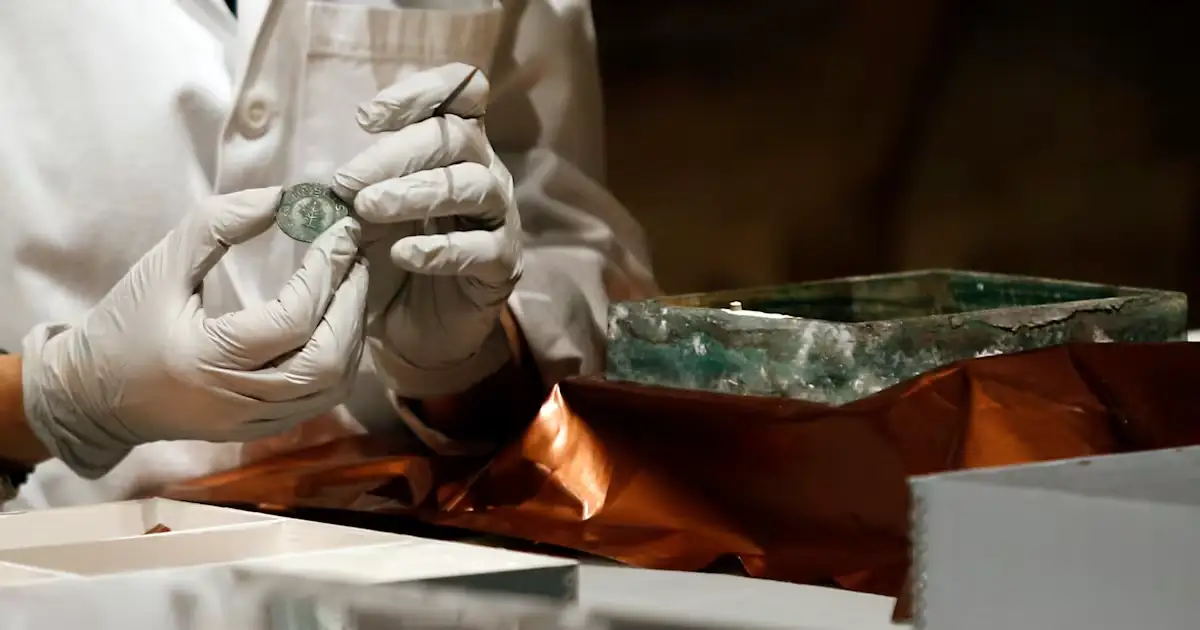
Removing the capsule was not easy. The copper box was very old and fragile, so conservators worked slowly and carefully. It took about seven hours to extract it safely. Every move mattered because rough handling could have damaged the box or the objects inside.
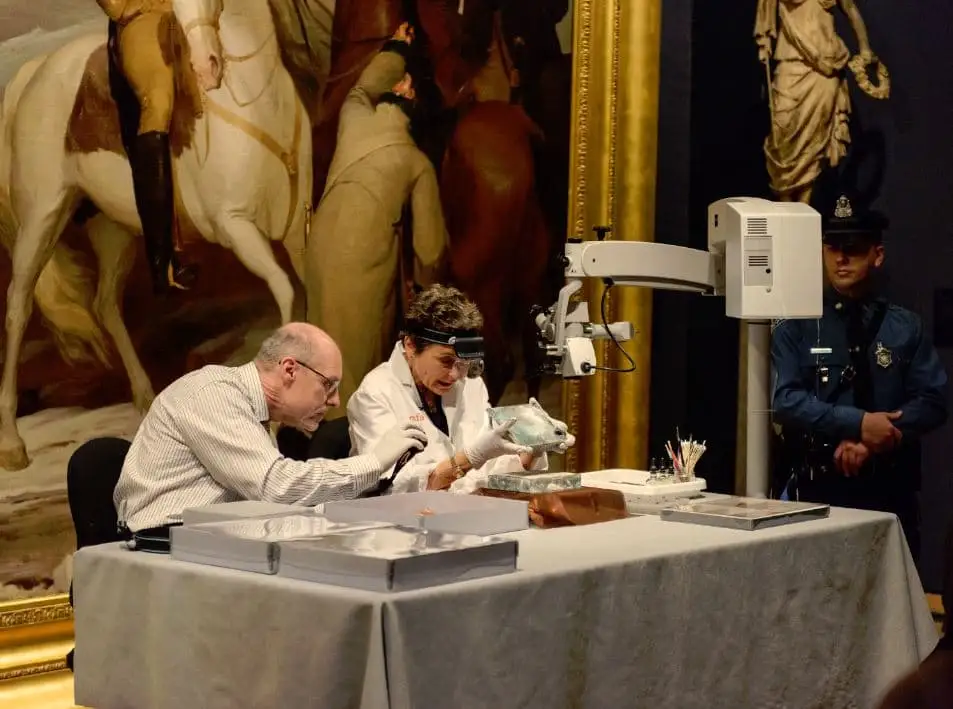
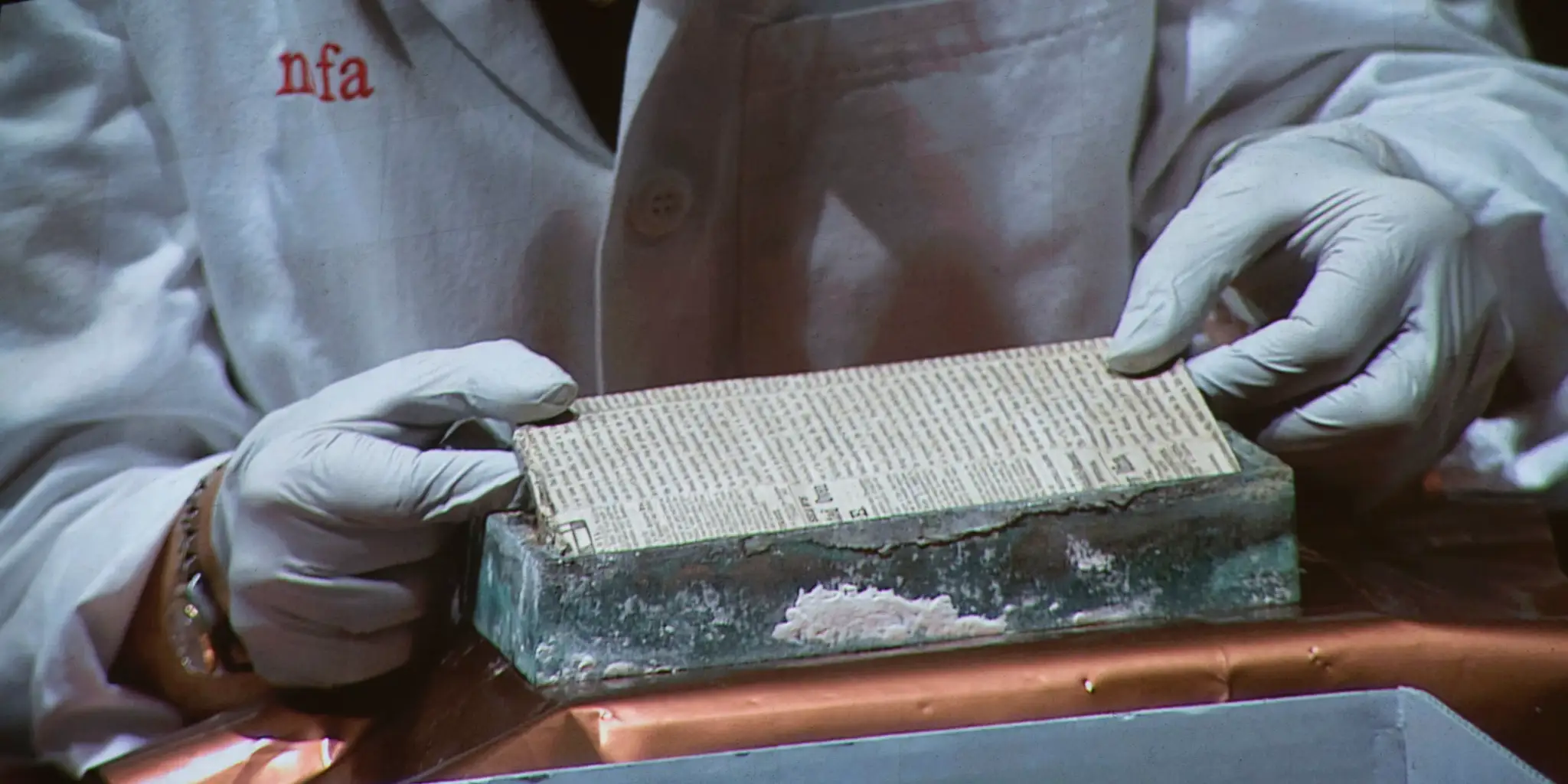
After removal, the capsule was taken to the Museum of Fine Arts, Boston. Conservators opened it in a controlled setting and found that the contents were well preserved. The discovery gave historians and the public a rare chance to see objects connected to Adams, Revere, Washington, and the early years of the United States.
 Via WBUR
 Via Bouston Magazine
Seeing the objects in person also made history feel more real. A coin from the 1600s, a plaque from 1795, and newspapers from 1855 created a bridge across centuries. These items showed that history is not only found in books. It can also survive inside a small sealed box under a public building.
 Via ABC News
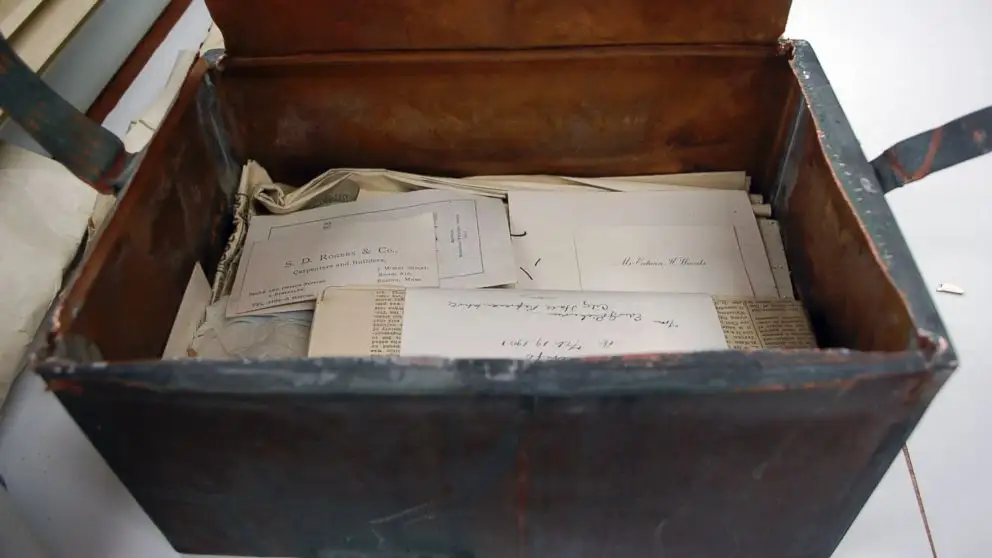
Two modern additions were placed inside before the reburial. One was an engraved silver plate, which marked the new opening and return of the capsule. The other was a full set of 2015 coins from the U.S. Mint. These items gave the capsule a clear link to the 21st century.
This act followed the pattern started in 1855. Each generation that opened the capsule added something from its own time. The box became a shared record across 1795, 1855, and 2015. It now holds memories from different eras of Massachusetts and American life.
 Via WBUR
 Via History
This copper box reminds people that history is built through choices. Leaders, workers, conservators, and citizens all played a role in keeping it safe. Its survival proves that even small objects can carry a nation’s story when they are protected with care and passed forward with purpose.
More in UnassignedVia History
This simple copper box survived for more than two centuries. It was opened more than once, studied by experts, and then returned to its place. Each discovery added another layer to its story. The capsule now stands as a rare treasure from the early republic and a reminder of how history can be preserved in small, powerful ways.
Samuel Adams And Paul Revere Helped Create It
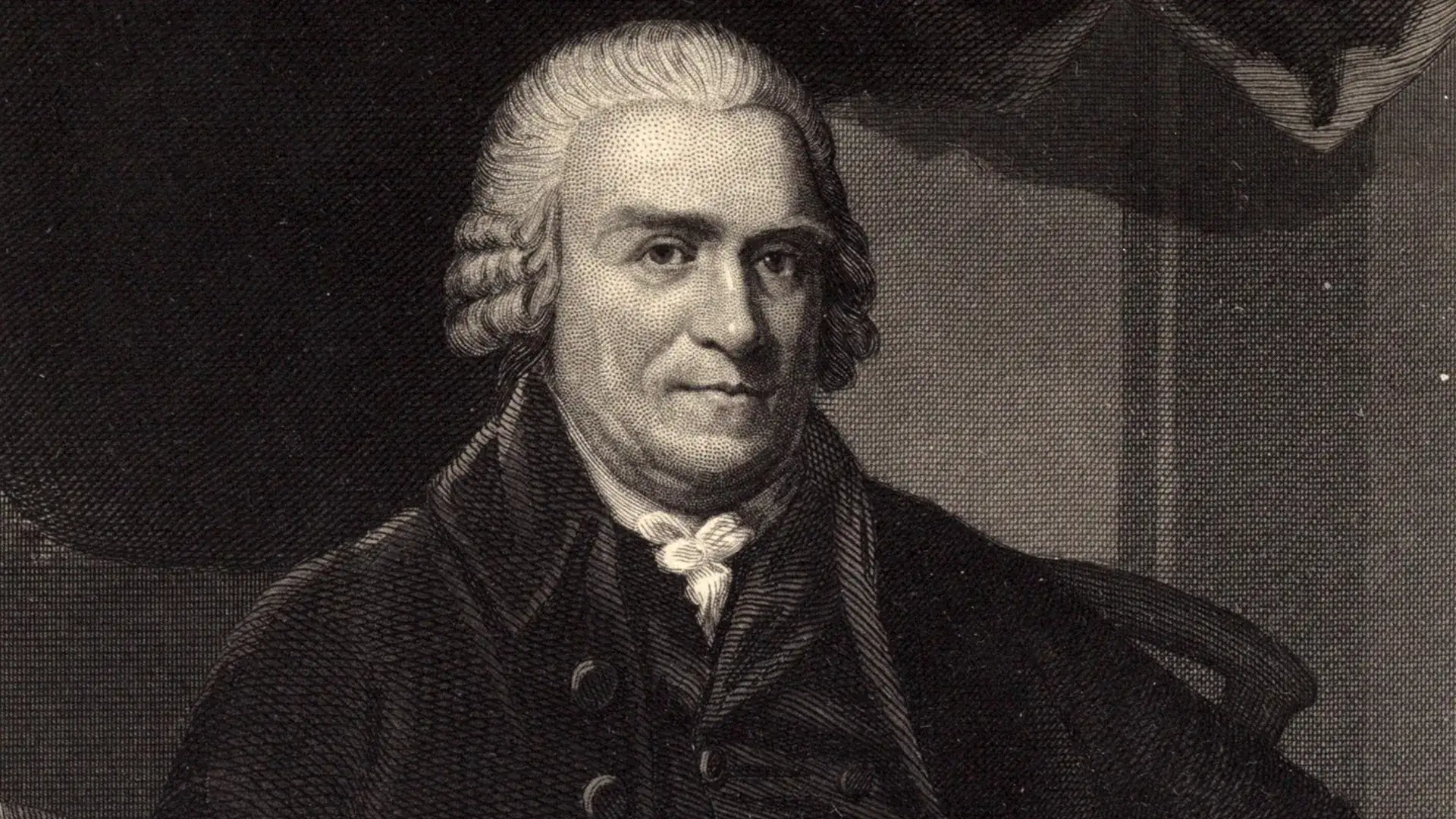
Samuel Adams was one of the most important leaders of the American Revolution. After the war, he became governor of Massachusetts and helped guide the state during a time of growth. In 1795, Adams took part in the ceremony for the new Massachusetts State House in Boston.Via Britannica
Paul Revere was also part of the event. Many people remember him for his famous midnight ride before the Revolutionary War. Revere was also a skilled silversmith, engraver, and businessman. His craftsmanship helped give the time capsule one of its most special objects, a silver plaque made to mark the laying of the cornerstone.
The ceremony took place on July 4, 1795, exactly 20 years after the Declaration of Independence was adopted. That date gave the event deep meaning. The leaders were not only building a new State House. They were also honoring the birth of the nation and leaving a message for future generations.
Via The Liberty Tail
Rare Coins Showed The Nation’s Early Identity
The original time capsule held 11 coins, and each one carried historical value. These coins were not just old money. They showed the journey from colonial life to independence. At the time, the United States was still building its financial system, so coins from different places helped tell a larger story. One of the most important coins was a 1665 Pine Tree Shilling. This coin was made in colonial Massachusetts during a period when local leaders challenged English control. It became a symbol of early self-rule and local pride. Its presence in the box showed respect for Massachusetts history before the Revolution.Via Coin ID
Another key coin was a 1787 New Jersey cent. This coin is remembered for carrying the motto “E Pluribus Unum,” which means “Out of many, one.” The phrase became closely linked with the American identity. Placing that coin in the capsule showed the hope that separate states could become one strong nation.
Washington Medal and a Revere Plaque Added Meaning
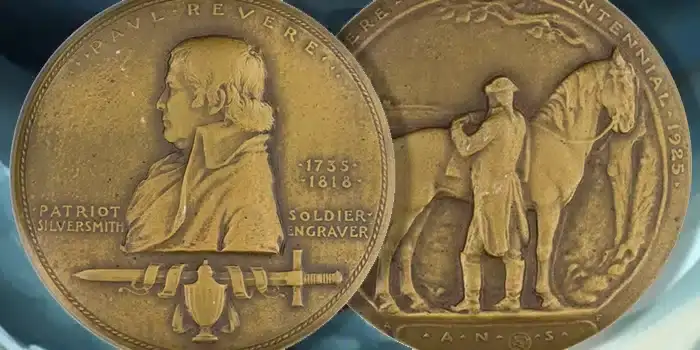
The capsule also included a small medal showing George Washington. In 1795, Washington was serving as president of the United States. His image carried great weight because he had led the Continental Army during the Revolution and then helped guide the new country as its first president.
Via Coin Week
The Washington medal was a sign of respect for leadership and national unity. At that time, the United States was still finding its place in the world. Washington represented stability, courage, and public duty. His image inside the box showed how deeply people admired his role in the country’s birth.
The silver plaque engraved by Paul Revere was another priceless item. It marked the laying of the State House cornerstone and included the names of Samuel Adams, Paul Revere, and William Scollay. Scollay had served as a Revolutionary War colonel. Together, their names tied the building, the capsule, and the Revolution into one lasting record.
Via The Bouston Guide
The Capsule Was First Found In 1855
The copper box did not stay hidden forever. In 1855, workers found it while making emergency repairs to the Massachusetts State House foundation. By that time, 60 years had passed since the original ceremony. The country had changed greatly, and the time capsule had already become a piece of the past. Officials decided not to simply remove the box and keep it away. They opened it, studied it, and then added new items from their own time. This choice turned the capsule into a growing record. It no longer belonged only to 1795. It also began to carry the memory of 1855.Via WBUR
The added items included 12 more coins, pages from five leading Boston newspapers, and official state documents. These objects showed what life and government looked like in the mid-1800s. After the new items were placed inside, the box was sealed again in plaster and returned beneath the cornerstone.
The 2014 Discovery Took Care And Patience
The time capsule was removed again in 2014 during work on the State House foundation. An engineering firm had been hired to repair water damage, and historical records showed that the box was still hidden beneath the building. Before digging, experts used ground-penetrating radar to find its exact location.Via The History Blog
Removing the capsule was not easy. The copper box was very old and fragile, so conservators worked slowly and carefully. It took about seven hours to extract it safely. Every move mattered because rough handling could have damaged the box or the objects inside.
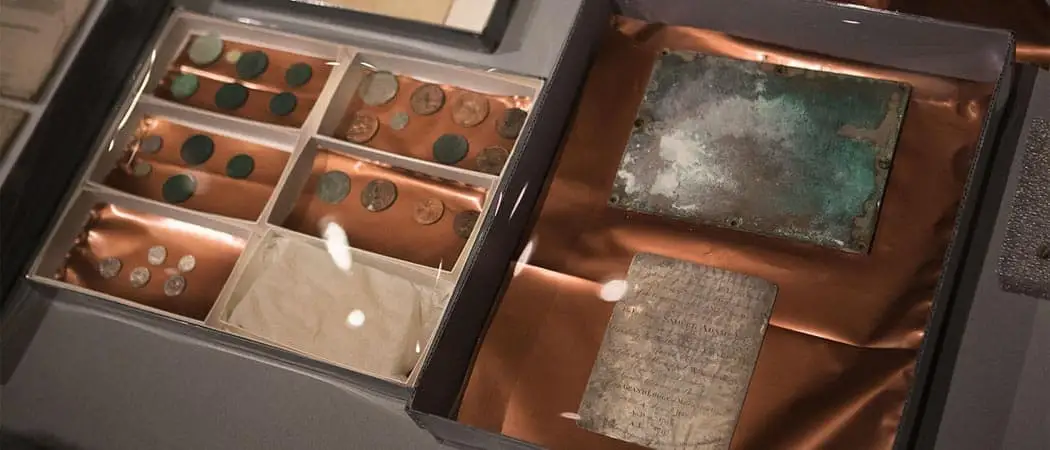
After removal, the capsule was taken to the Museum of Fine Arts, Boston. Conservators opened it in a controlled setting and found that the contents were well preserved. The discovery gave historians and the public a rare chance to see objects connected to Adams, Revere, Washington, and the early years of the United States.
Via WBUR
The Objects Went On Public Display
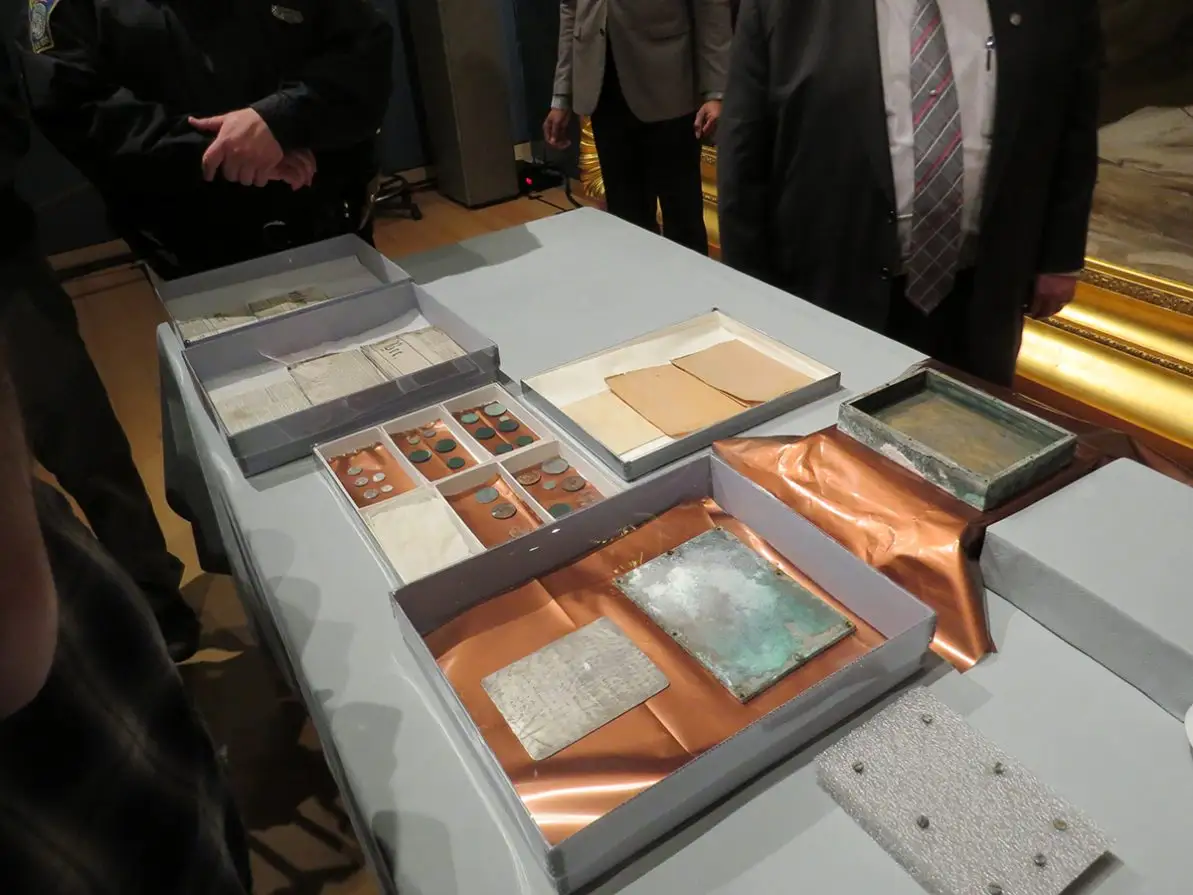
The contents of the time capsule drew great public interest because they were tied to famous names and major moments in American history. Coins, documents, a medal, and Revere’s plaque gave people a close look at what earlier generations chose to protect. Each item had a purpose and a message. The display helped visitors understand how time capsules work. They are not only containers of old things. They are planned records made for people in the future. The Adams and Revere capsule showed what early American leaders valued most: independence, public service, state pride, and national unity.Via Bouston Magazine
Seeing the objects in person also made history feel more real. A coin from the 1600s, a plaque from 1795, and newspapers from 1855 created a bridge across centuries. These items showed that history is not only found in books. It can also survive inside a small sealed box under a public building.
New Items Were Added Before Reburial
After the 2014 opening, officials again chose to continue the tradition. The capsule was not kept permanently in a museum. It was reburied in 2015 beneath the State House cornerstone. That decision honored the original purpose of the box and allowed future generations to discover it again.
Via ABC News
Two modern additions were placed inside before the reburial. One was an engraved silver plate, which marked the new opening and return of the capsule. The other was a full set of 2015 coins from the U.S. Mint. These items gave the capsule a clear link to the 21st century.
This act followed the pattern started in 1855. Each generation that opened the capsule added something from its own time. The box became a shared record across 1795, 1855, and 2015. It now holds memories from different eras of Massachusetts and American life.
Via WBUR
Why This Time Capsule Still Matters Today
The oldest known time capsule in the United States matters because it connects famous history with everyday objects. Coins, newspapers, documents, and plaques may seem simple at first. Their value grows because of who placed them there, when they were buried, and what they represented. The capsule also shows how Americans have long cared about memory and legacy. Samuel Adams and Paul Revere helped create a message for people they would never meet. Later generations respected that message by preserving the box and adding their own part to the story.Via History
This copper box reminds people that history is built through choices. Leaders, workers, conservators, and citizens all played a role in keeping it safe. Its survival proves that even small objects can carry a nation’s story when they are protected with care and passed forward with purpose.