Unassigned
5 Personal Scandals Behind Charlie Chaplin’s Hollywood Exit
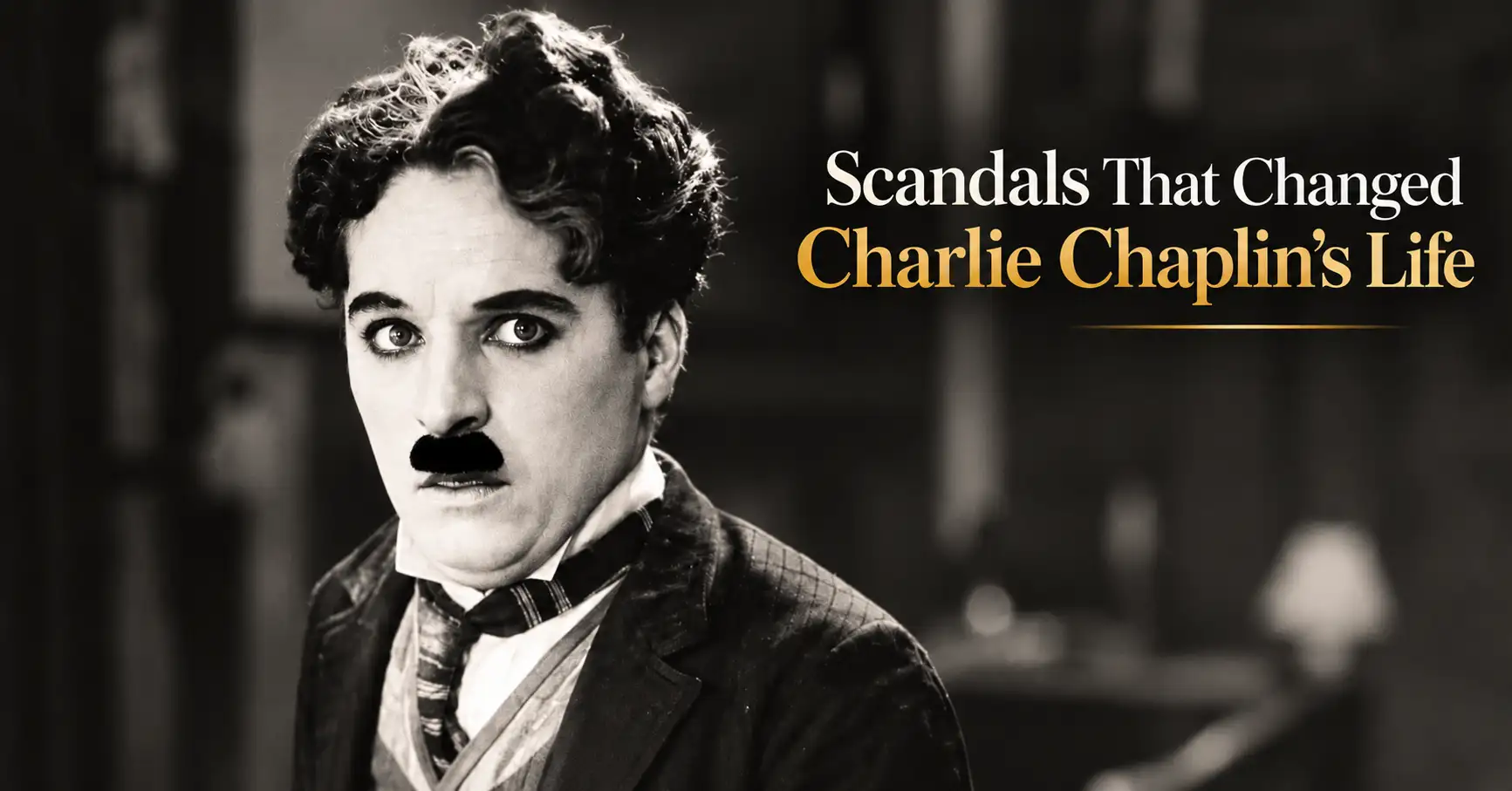
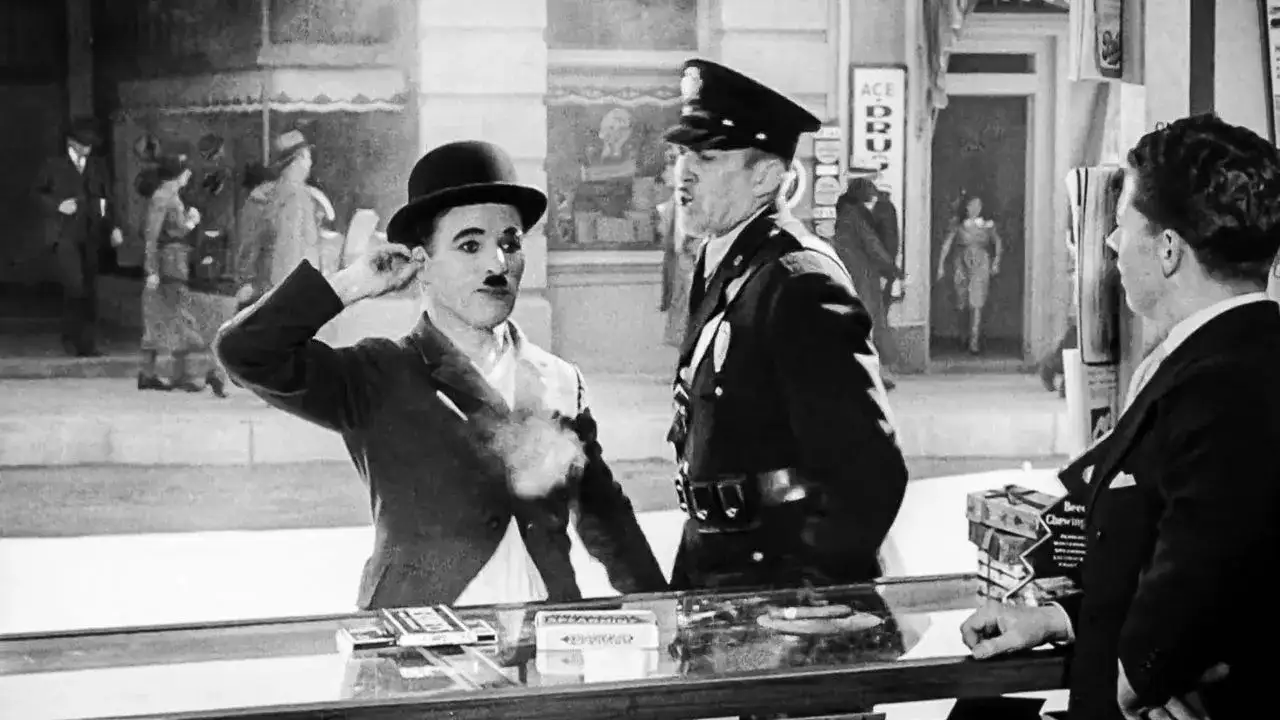
Charlie Chaplin stood as one of the most famous faces in early cinema. Born in London, he grew up in poverty and spent time in charity homes and workhouses. He later became a writer, director, and star of major films such as The Kid, City Lights, Modern Times, and The Great Dictator. People around the world knew him as the first true international movie star. His work brought laughter and emotion to audiences during the silent film era and beyond.
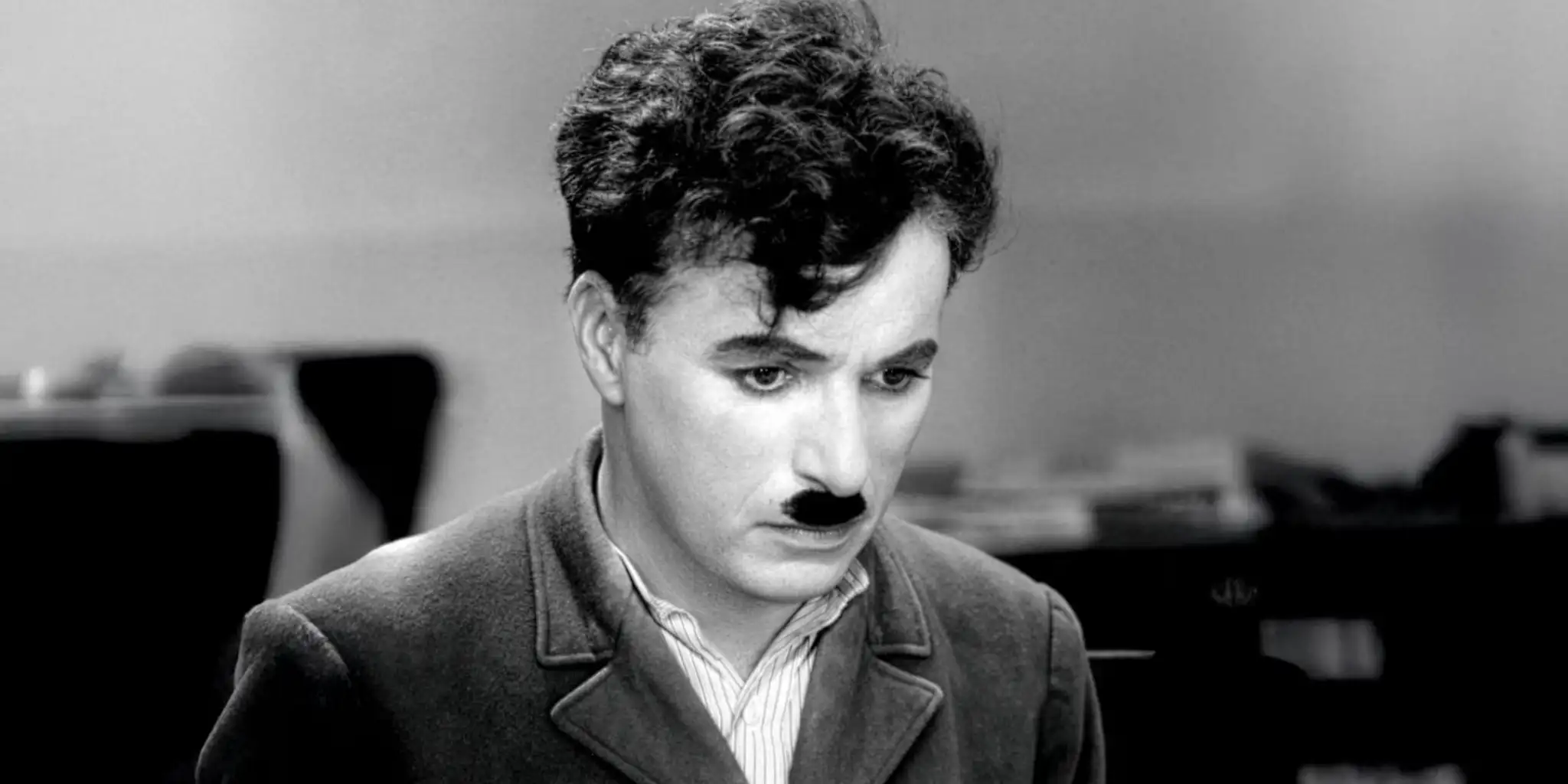 Via History
His talent made him a beloved figure for many years. Yet his personal choices and strong views often created trouble. He carried an independent streak that clashed with common attitudes of the time. This side of his character helped shape both his greatest films and the problems that followed him.
Over time, a series of private scandals, court cases, and political stands turned public opinion against him. These events changed how many Americans saw the man once known as the Tramp. The pressures built until he could no longer stay in the country that had made him rich and famous.
 Via The Economist
 Via History
After their son Charles Chaplin Jr. was born, he paid a doctor to change the birth certificate so the dates looked further apart. Grey later spoke about his pattern. She said he liked to shape young women and enjoyed being the first important man in a girl’s life.
 Via Fox News
When the complaint reached the newspapers, public anger grew quickly. Some people demanded that theaters stop showing his films. Chaplin suffered a nervous breakdown and had to halt work on his movie The Circus. The divorce settlement cost him eight hundred twenty-five thousand dollars, the largest amount paid in California history up to that point.
The damage went beyond money and one broken marriage. The scandal hurt his public image and planted lasting doubts about his character. Although it did not end his career at once, it started a pattern of personal trouble that kept returning in later years and made future problems harder to overcome.
 Via History
 Via History
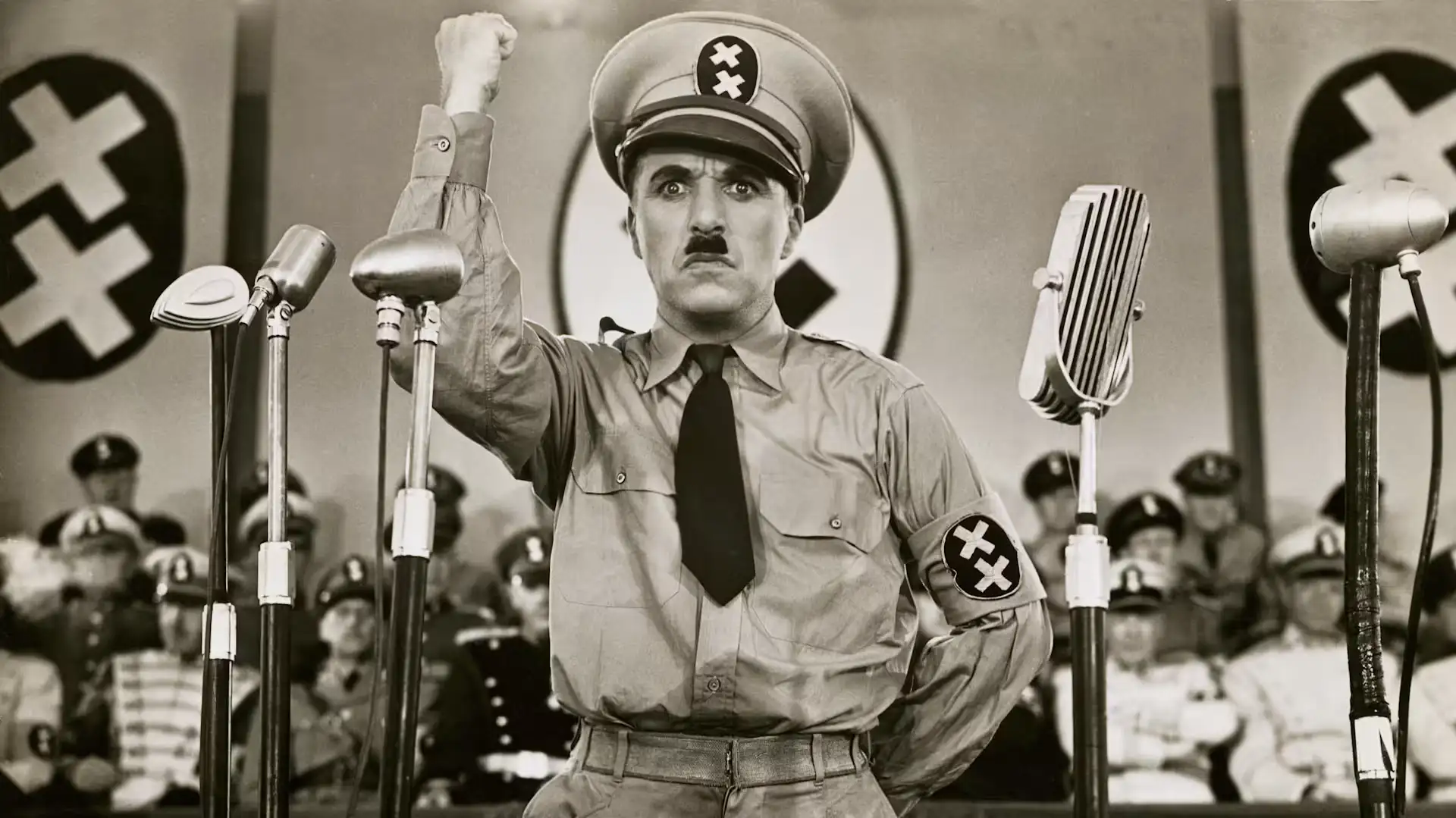
The Great Dictator became his first film with spoken dialogue. It opened in New York City in October nineteen forty and earned both strong ticket sales and critical praise. Yet the clear political message, especially the final speech against fascism, marked him as progressive and un-American in the eyes of critics such as columnist Hedda Hopper and FBI director J. Edgar Hoover.
 Via History
During the trial, Barry’s lawyer attacked Chaplin’s character in harsh terms. He called him a debaucher and a lecherous hound who had never been stopped in his conduct over many years. Chaplin was found not guilty of the Mann Act charge and avoided prison. Blood tests suggested he was not the father, yet the court still declared him the child’s parent.
Press coverage of the case, mixed with memories of the earlier divorce and news of his marriage to eighteen-year-old Oona O’Neill, turned public feeling strongly against him. Many people now viewed him as a moral outsider. The legal battle became a delayed reckoning that damaged his standing more deeply than any single earlier event.
 Via Fox News
 Via History
The FBI had watched him since nineteen twenty-two and gathered a file nearly two thousand pages long, yet it held no solid proof of communist membership. Chaplin never joined any political club. Faced with the long string of troubles, he chose to cut ties with the country and settle in Switzerland. He returned only once, in nineteen seventy-two, to accept an honorary Academy Award.
 Via Magazine Horse
Public memory of Chaplin shifted over the decades that followed. Younger audiences still discovered his films and laughed at the Tramp character. Older viewers recalled both the genius of his art and the scandals that surrounded the man.
The combination of personal choices, legal fights, and political stands had changed his place in American culture forever. The five major controversies formed a clear path from beloved star to exile. Each event added weight until remaining in the country no longer seemed possible. Chaplin’s story remains a striking example of how talent, private life, and public opinion can collide with lasting results.
 Via X-Press Magazine
 Via The Times
By the time he reached America, the foundation built in London had already prepared him for fame. The same independent spirit that helped him rise from difficult beginnings also led him to make bold choices later in life. That early drive for success remained a key part of his character long after he became a major star in Hollywood.
 Via The Hollywood Reporter
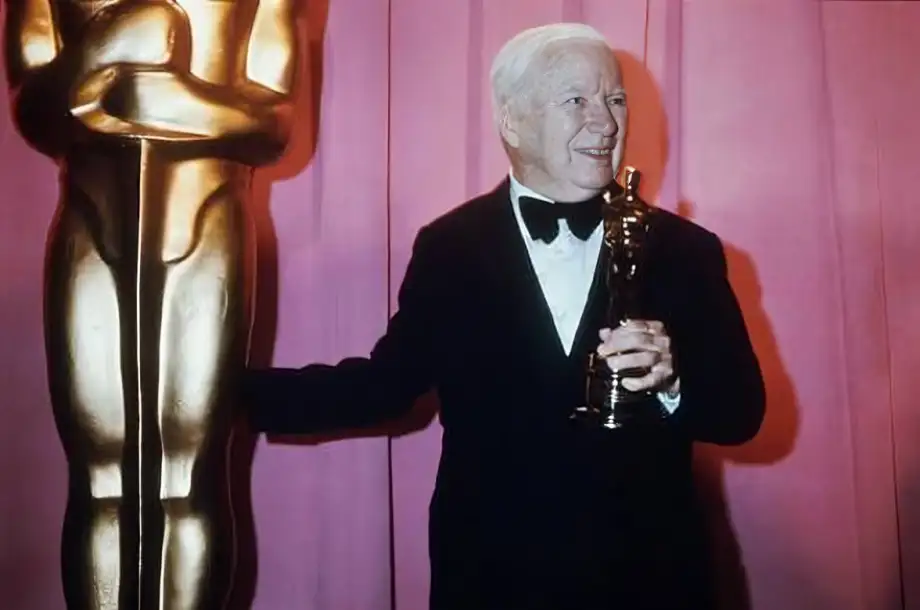
In 1972, he returned to America for a special event that brought him back into the public eye. People gathered to honor his lifetime of work with an honorary Academy Award. The moment allowed audiences to focus once more on the films that had made him famous rather than the controversies of earlier years. Many who attended recognized the lasting value of his contributions to cinema.
 Via Speakola
The award ceremony closed a long chapter of absence and marked a shift in how people remembered him. Chaplin accepted the recognition after years of living abroad and then returned to Switzerland. His later years showed that the art he created continued to matter even after the personal and political storms had passed.
More in UnassignedVia History
His talent made him a beloved figure for many years. Yet his personal choices and strong views often created trouble. He carried an independent streak that clashed with common attitudes of the time. This side of his character helped shape both his greatest films and the problems that followed him.
Over time, a series of private scandals, court cases, and political stands turned public opinion against him. These events changed how many Americans saw the man once known as the Tramp. The pressures built until he could no longer stay in the country that had made him rich and famous.
Via The Economist
Relationships With Much Younger Women
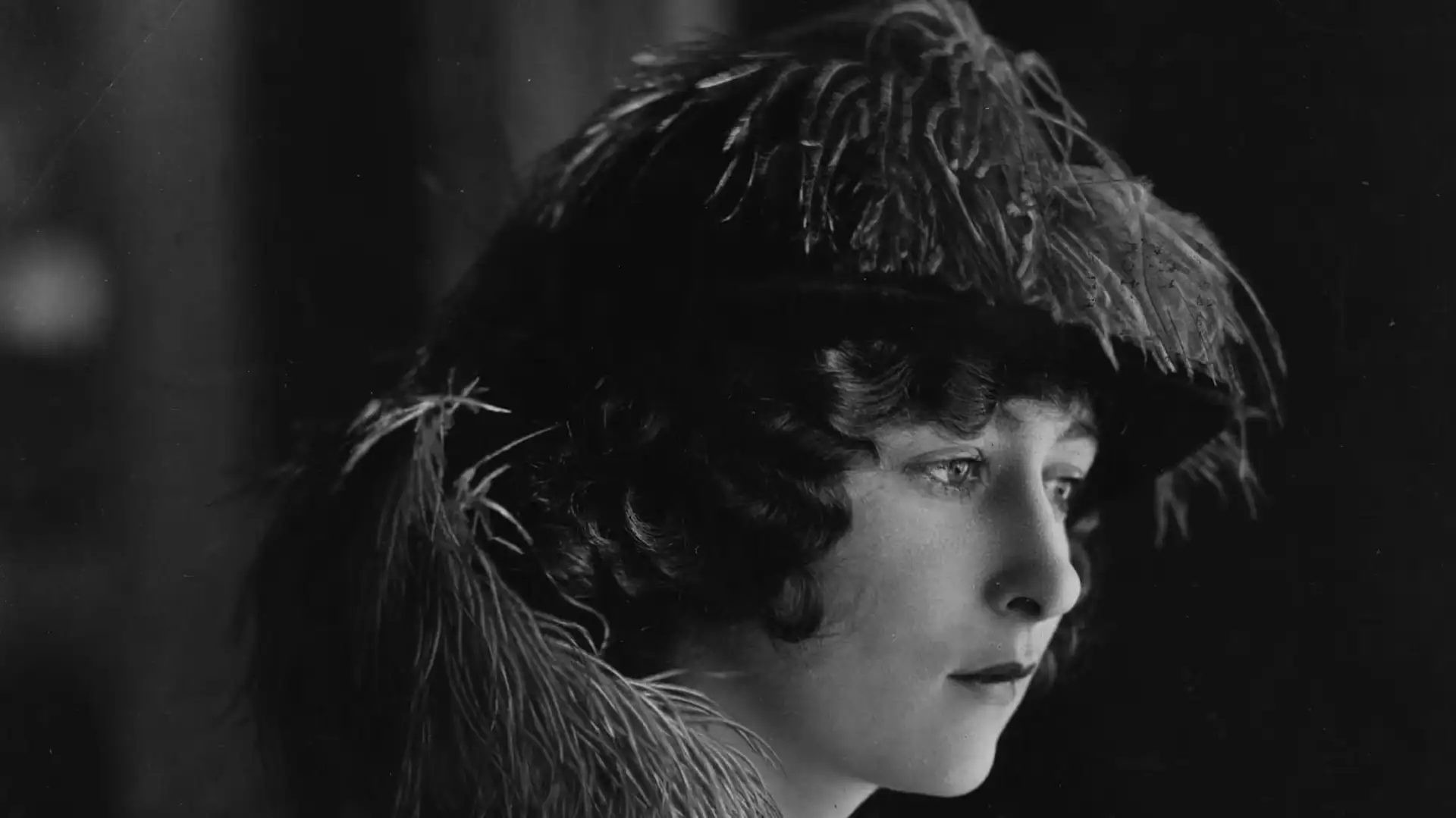
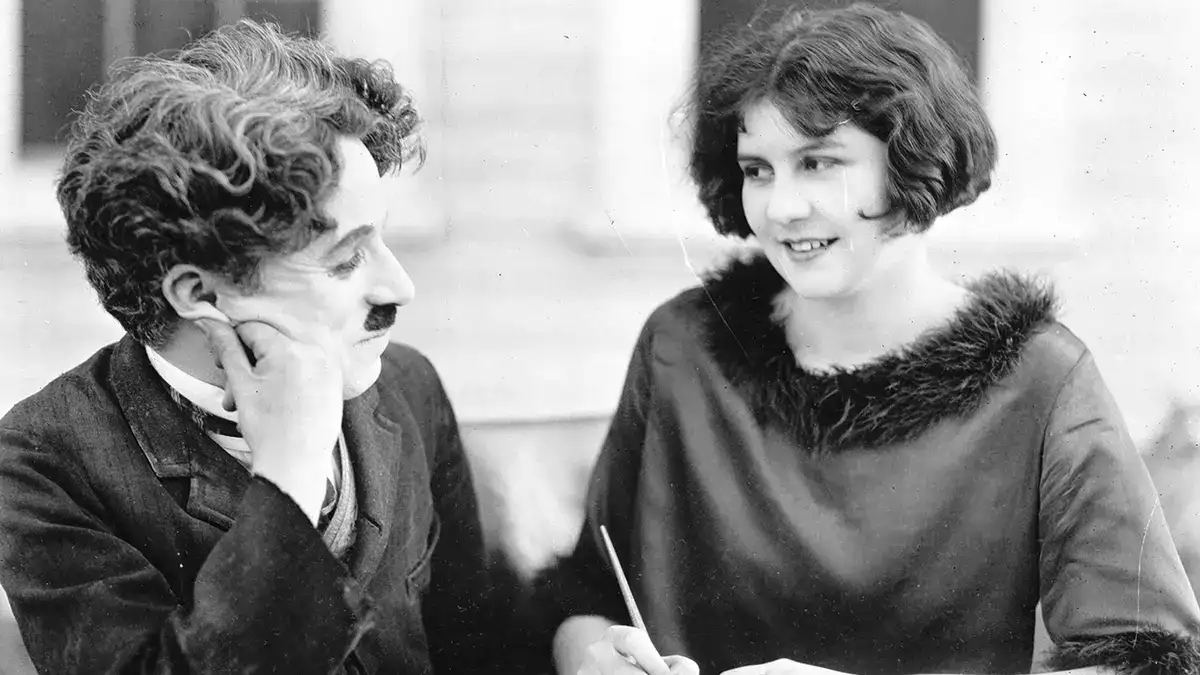
Charlie Chaplin showed a clear preference for women far younger than himself. At age nineteen he fell for fifteen-year-old Hetty Kelly, a dancer at the theater where he worked. He later called her his first love. Of the four women he married, three were still teenagers at the time of the wedding. Mildred Harris was sixteen, Lita Grey was sixteen, and Oona O’Neill was eighteen when they wed him. Lita Grey first met Chaplin while she was still a child. She appeared in his films The Kid and The Idle Class. He cast her as the leading lady in The Gold Rush before she turned sixteen. When she became pregnant at sixteen, and Chaplin was thirty-five, he arranged a quiet marriage in Mexico.Via History
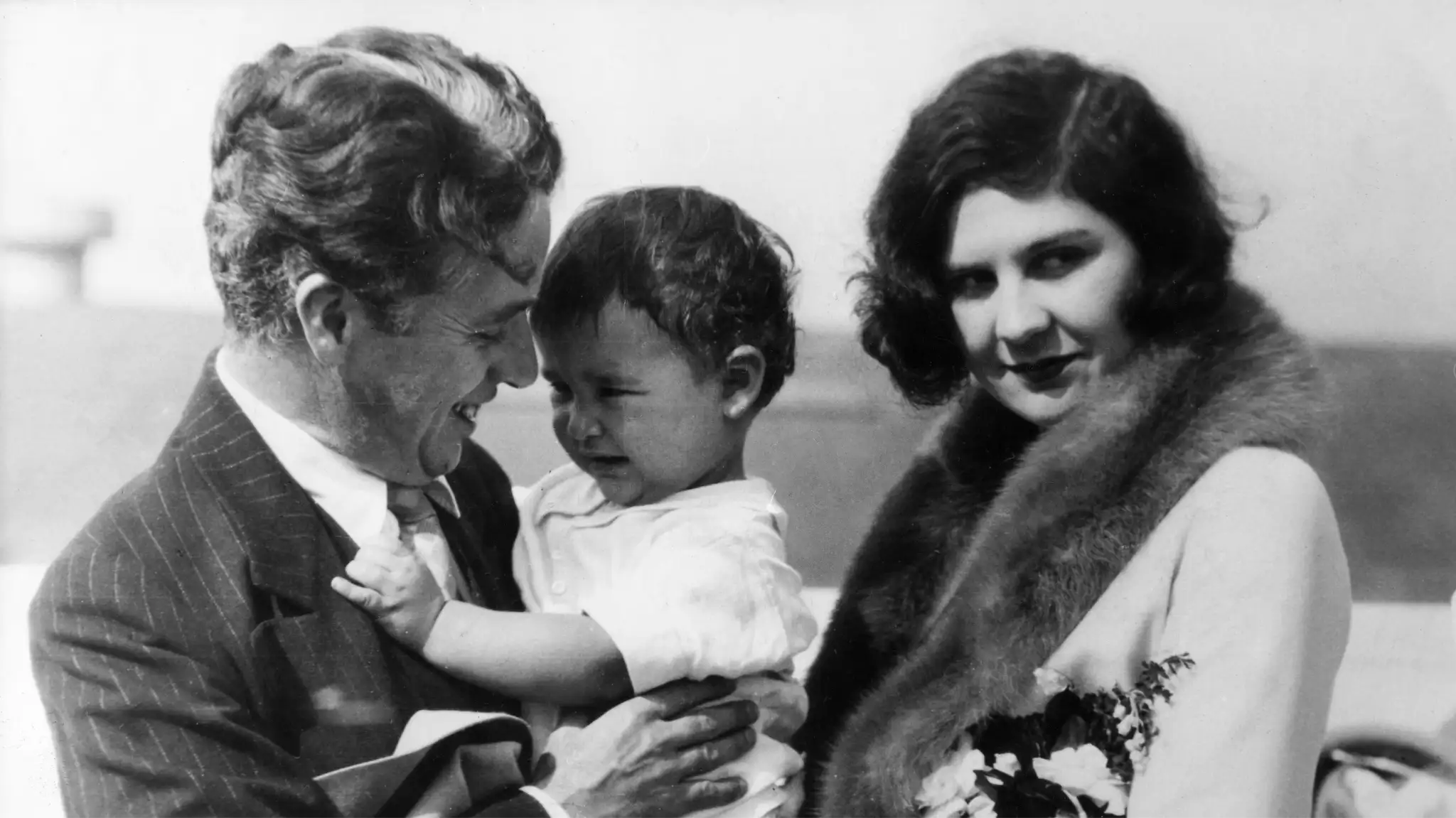
After their son Charles Chaplin Jr. was born, he paid a doctor to change the birth certificate so the dates looked further apart. Grey later spoke about his pattern. She said he liked to shape young women and enjoyed being the first important man in a girl’s life.
The Public Storm of the Lita Grey Divorce
The marriage between Chaplin and Lita Grey lasted only a few years before it ended in bitter conflict. Grey filed a divorce complaint filled with serious claims. She accused him of seducing a minor, statutory rape, adultery, and asking for abortions. She also charged that he had requested sex acts she called revolting, degrading, and offensive.Via Fox News
When the complaint reached the newspapers, public anger grew quickly. Some people demanded that theaters stop showing his films. Chaplin suffered a nervous breakdown and had to halt work on his movie The Circus. The divorce settlement cost him eight hundred twenty-five thousand dollars, the largest amount paid in California history up to that point.
The damage went beyond money and one broken marriage. The scandal hurt his public image and planted lasting doubts about his character. Although it did not end his career at once, it started a pattern of personal trouble that kept returning in later years and made future problems harder to overcome.
Via History
The Risk Taken With The Great Dictator
In the late nineteen thirties, Chaplin chose a bold path for his next film. He created a story that mocked European fascism through a character named Adenoid Hynkel, a comic version of Adolf Hitler. The project went against the strong isolationist feelings common in America at the time. Many people still regretted the country’s role in the First World War. Powerful voices tried to stop such films. Joseph P. Kennedy, then ambassador to England, urged Hollywood to avoid anti-Nazi pictures. The British government said it would ban the movie. A Senate committee even called Chaplin to answer questions about war propaganda. None of these pressures stopped him from finishing the work.Via History
The Great Dictator became his first film with spoken dialogue. It opened in New York City in October nineteen forty and earned both strong ticket sales and critical praise. Yet the clear political message, especially the final speech against fascism, marked him as progressive and un-American in the eyes of critics such as columnist Hedda Hopper and FBI director J. Edgar Hoover.
The Court Fight Involving the Mann Act
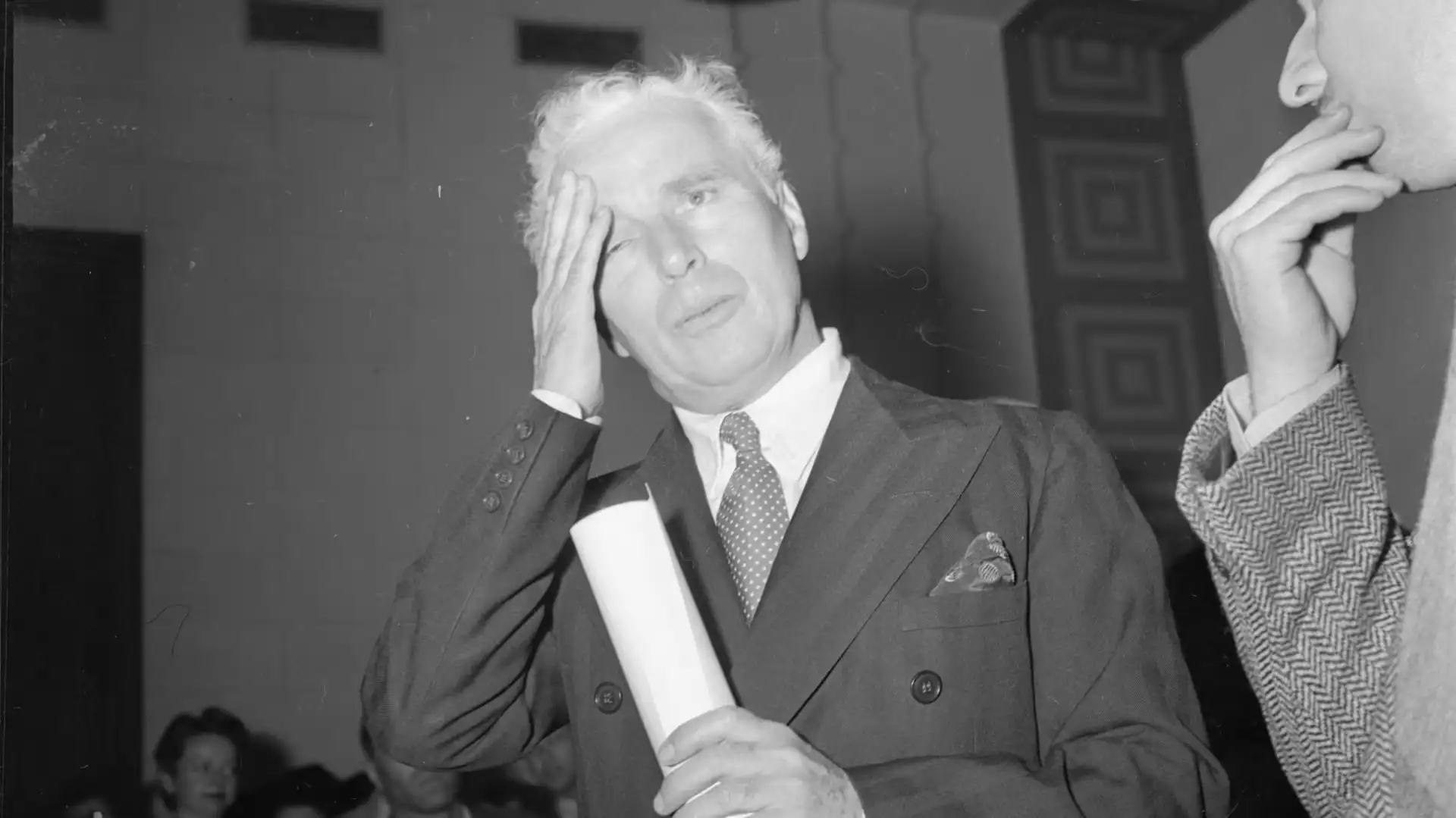
In 1941, when Chaplin was fifty-three, he began a short relationship with twenty-two-year-old actress Joan Barry. The affair ended, but the troubles did not. Barry later appeared at his Beverly Hills home with a gun and claimed he was the father of her unborn child. Chaplin denied the claim. Authorities charged him with breaking the Mann Act, a law that banned moving women across state lines for sexual reasons. A paternity suit followed at the same time.Via History
During the trial, Barry’s lawyer attacked Chaplin’s character in harsh terms. He called him a debaucher and a lecherous hound who had never been stopped in his conduct over many years. Chaplin was found not guilty of the Mann Act charge and avoided prison. Blood tests suggested he was not the father, yet the court still declared him the child’s parent.
Press coverage of the case, mixed with memories of the earlier divorce and news of his marriage to eighteen-year-old Oona O’Neill, turned public feeling strongly against him. Many people now viewed him as a moral outsider. The legal battle became a delayed reckoning that damaged his standing more deeply than any single earlier event.
Via Fox News
Political Targets and Forced Departure
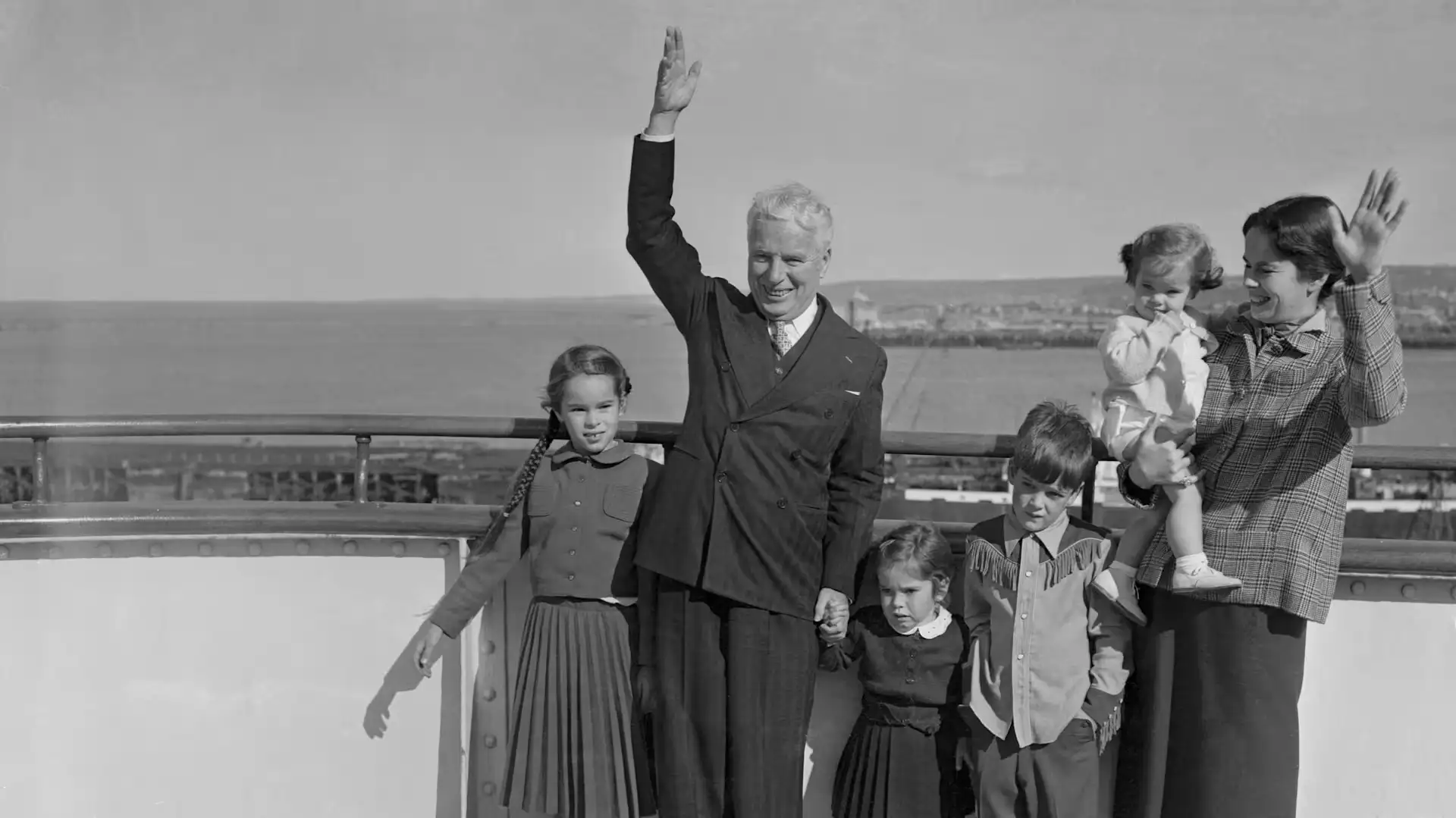
The same sense of social concern that drove Chaplin to make The Great Dictator also made him a target during the Red Scare. He spoke in favor of communist causes at a time when fear of communism ran high. Before the attack on Pearl Harbor, he had urged the United States to send ground troops to help Soviet forces in Europe. Questions grew about why he had never become an American citizen. Calls for his deportation increased. In nineteen fifty-two, while he sailed toward London for the premiere of his film Limelight, word reached him that his re-entry permit to the United States had been taken away. After forty years in America, he had to leave his homes, his film studio lot, and his share of the company he had helped found.Via History
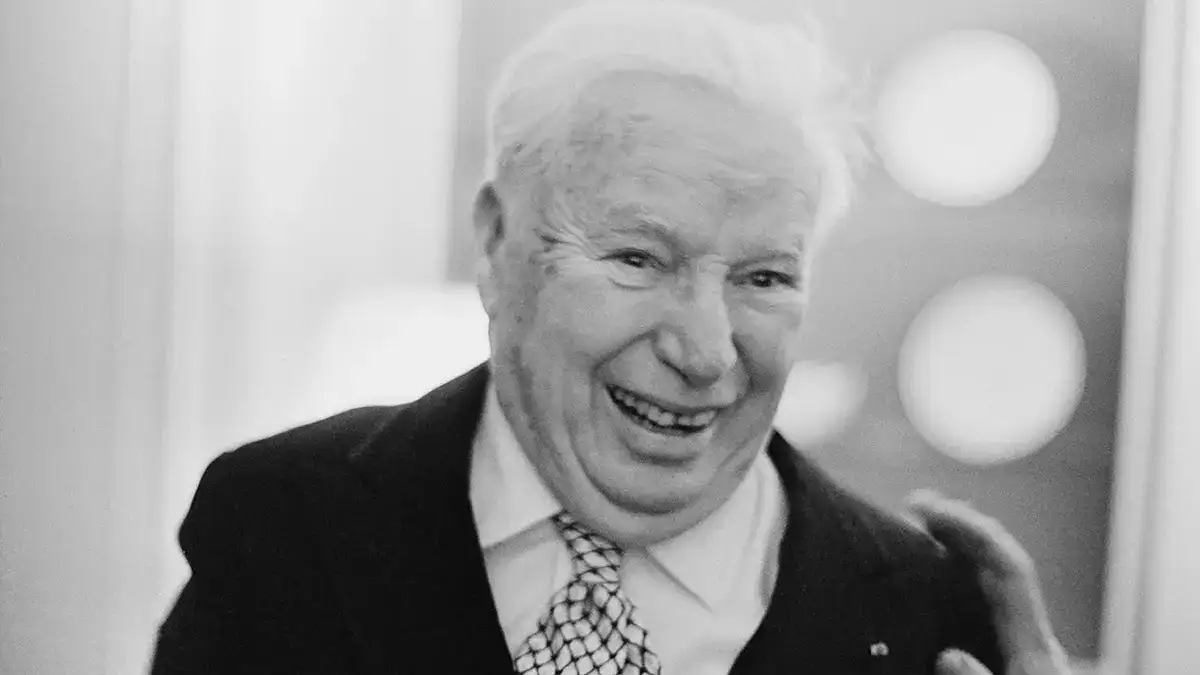
The FBI had watched him since nineteen twenty-two and gathered a file nearly two thousand pages long, yet it held no solid proof of communist membership. Chaplin never joined any political club. Faced with the long string of troubles, he chose to cut ties with the country and settle in Switzerland. He returned only once, in nineteen seventy-two, to accept an honorary Academy Award.
Years Spent Away From Hollywood
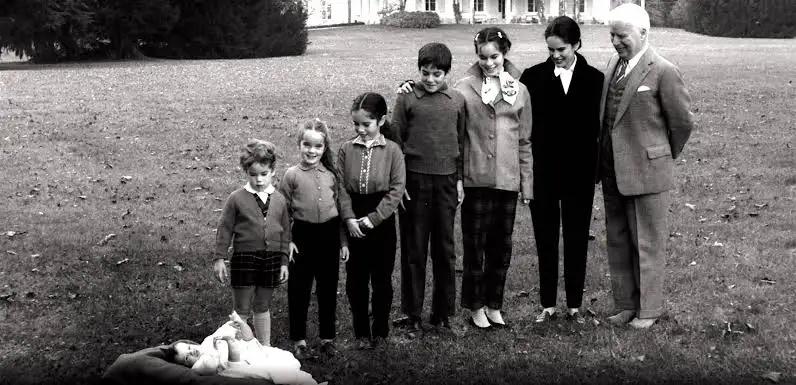
After leaving the United States, Chaplin made a new home in Switzerland with his wife Oona and their children. He sold his California properties and stepped away from the Hollywood system that had once celebrated him. The decision closed a long chapter of fame mixed with conflict. He continued to create work from his new base and lived out the rest of his life far from the pressures that had driven him out.
Via Magazine Horse
Public memory of Chaplin shifted over the decades that followed. Younger audiences still discovered his films and laughed at the Tramp character. Older viewers recalled both the genius of his art and the scandals that surrounded the man.
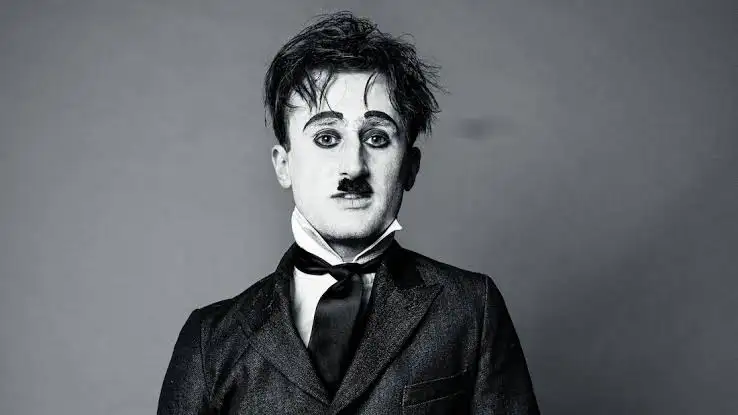
The combination of personal choices, legal fights, and political stands had changed his place in American culture forever. The five major controversies formed a clear path from beloved star to exile. Each event added weight until remaining in the country no longer seemed possible. Chaplin’s story remains a striking example of how talent, private life, and public opinion can collide with lasting results.
Via X-Press Magazine
Charlie’s Childhood Hardship and Success
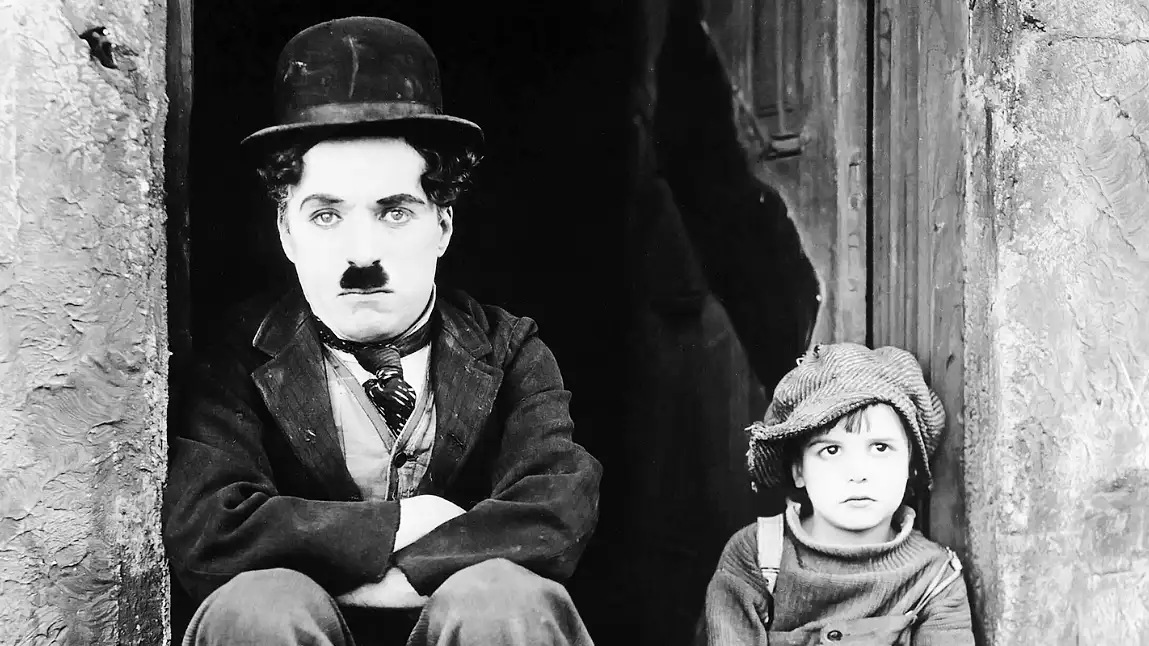
Charlie Chaplin was born in London and faced a difficult childhood marked by poverty. He spent much of his early years in charity homes and workhouses after his family struggled to provide basic needs. These harsh conditions shaped a strong determination to succeed through performance and entertainment. His early experiences in tough surroundings gave him a sharp view of ordinary people and their struggles. This background later appeared in many of his films, where characters faced hard times with humor and heart. The drive that came from those years pushed him to create original stories and take control of his own work as a writer and director.Via The Times
By the time he reached America, the foundation built in London had already prepared him for fame. The same independent spirit that helped him rise from difficult beginnings also led him to make bold choices later in life. That early drive for success remained a key part of his character long after he became a major star in Hollywood.
Final Recognition After Decades Abroad
After leaving the United States, Charlie Chaplin settled in Switzerland with his family and lived there for many years. He sold his California homes and his share of the studio he had helped build, choosing a quieter life far from Hollywood pressures. During this time, he continued to create films and maintain his craft while remaining outside the country that had once welcomed him.Via The Hollywood Reporter
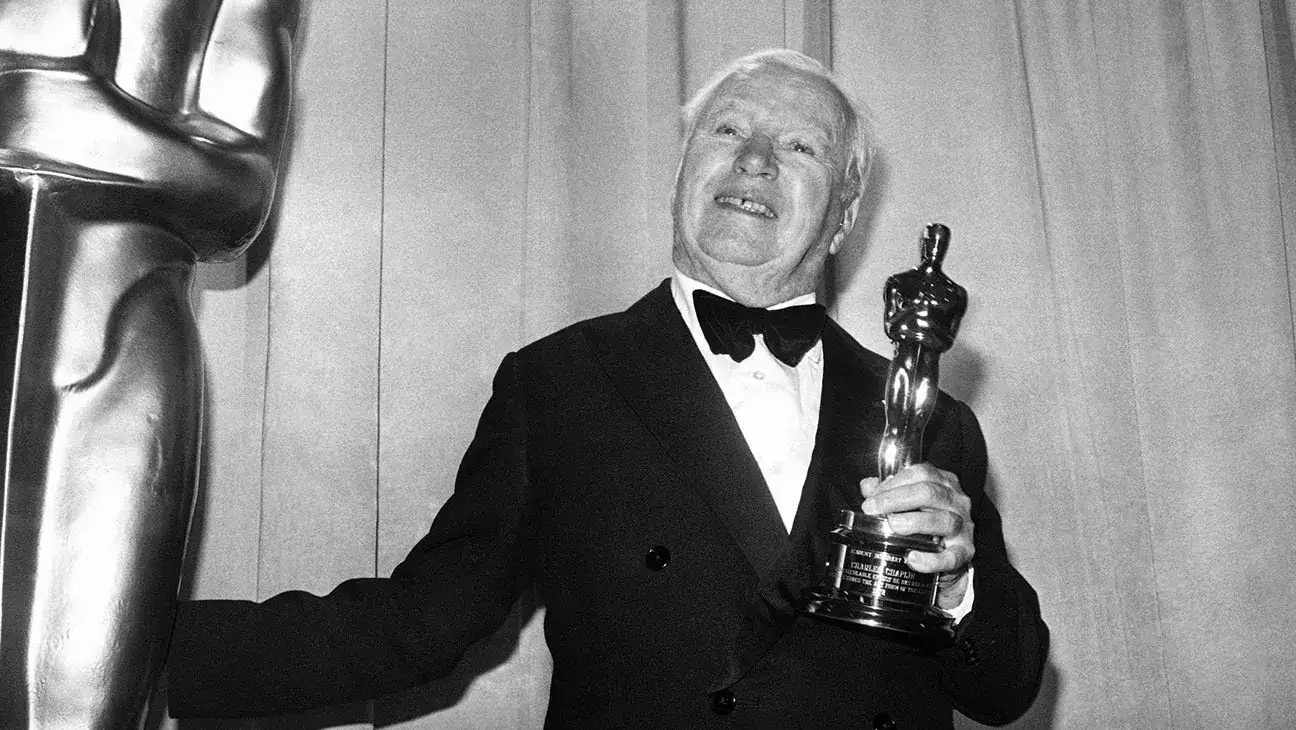
In 1972, he returned to America for a special event that brought him back into the public eye. People gathered to honor his lifetime of work with an honorary Academy Award. The moment allowed audiences to focus once more on the films that had made him famous rather than the controversies of earlier years. Many who attended recognized the lasting value of his contributions to cinema.
Via Speakola
The award ceremony closed a long chapter of absence and marked a shift in how people remembered him. Chaplin accepted the recognition after years of living abroad and then returned to Switzerland. His later years showed that the art he created continued to matter even after the personal and political storms had passed.