Unassigned
20 World’s Greatest Lost Cities and Their Secrets
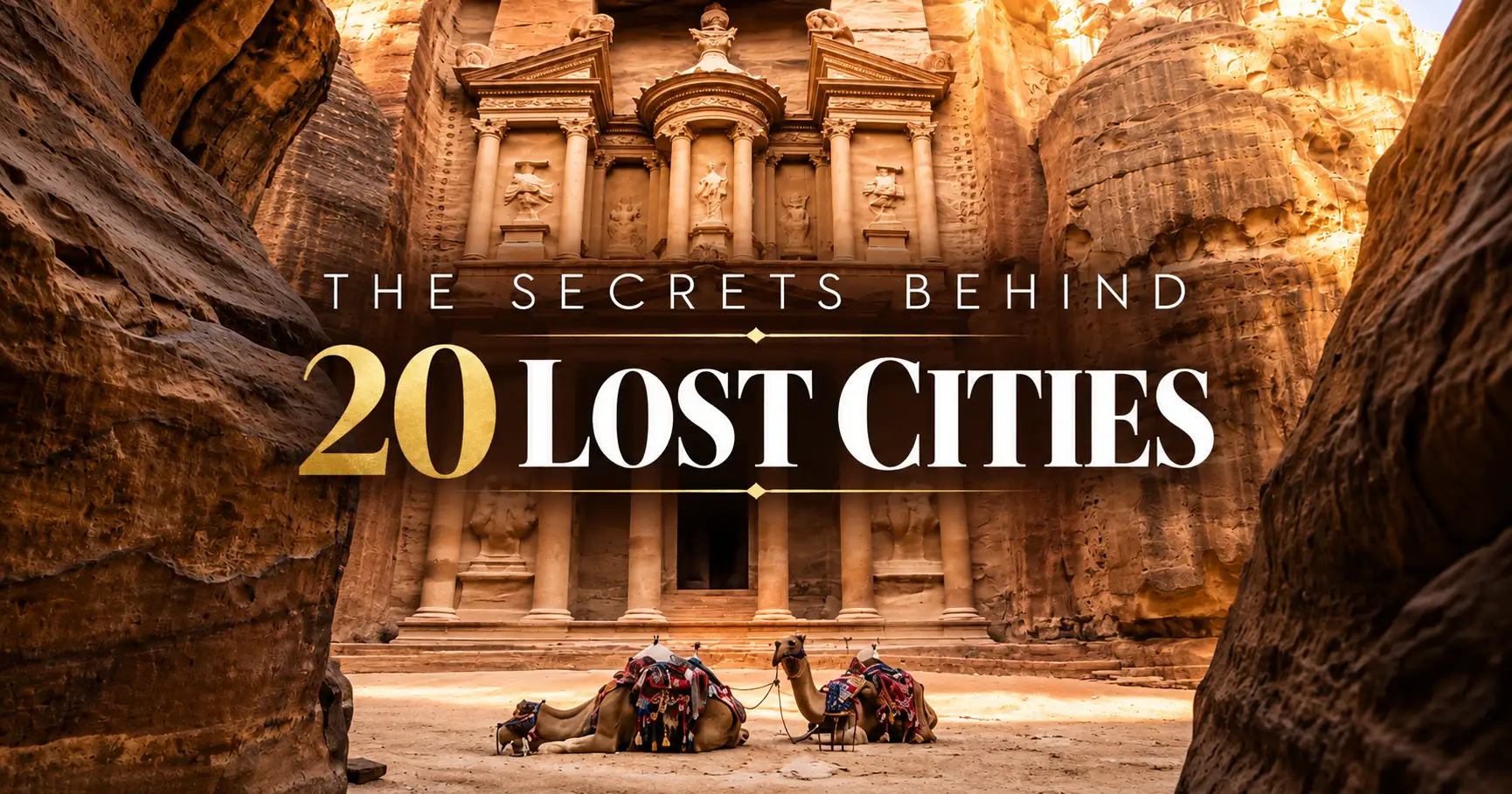
Lost cities have always pulled people into stories of mystery, danger, and discovery. These places were once full of life, trade, worship, rulers, workers, families, and culture. Over time, many were abandoned because of war, conquest, disease, climate change, natural disasters, or shifting trade routes. Some were buried under ash, swallowed by jungles, covered by desert sand, or hidden beneath the sea. Others were never truly “lost” to local people, but they became unknown to the wider world until explorers, archaeologists, or travelers brought attention back to them.
Many famous lost cities show how powerful ancient societies once were. Machu Picchu reveals the skill of the Inca builders. Pompeii shows daily Roman life frozen in time. Babylon tells the story of one of the ancient world’s most famous cities. Petra, carved into red rock, proves how trade and architecture shaped desert kingdoms. These cities are more than ruins. They are records of human planning, belief, beauty, survival, and loss. These ancient sites deserve care because they hold shared human memory. Their stones, paths, walls, and buried objects still tell stories about ambition, survival, faith, beauty, and loss. By studying them, people can better understand how civilizations rise, why they fall, and what lessons still matter in modern life.
 Via History Snob
These cities also show the power and weakness of human civilization. Machu Picchu reveals the skill of Inca stonework. Pompeii preserves Roman life after a sudden disaster. Babylon reflects the fame of ancient Mesopotamia. Petra shows how trade routes helped desert cities grow rich. Angkor proves how water systems could support a huge empire, while Mohenjo-daro shows advanced urban planning from thousands of years ago. Some places, such as Atlantis and Camelot, sit between myth and history, keeping people curious even without solid proof. Together, the world’s greatest lost cities remind people that even powerful places can fade, but their stories can survive for centuries.
 Via Reader’s Digest
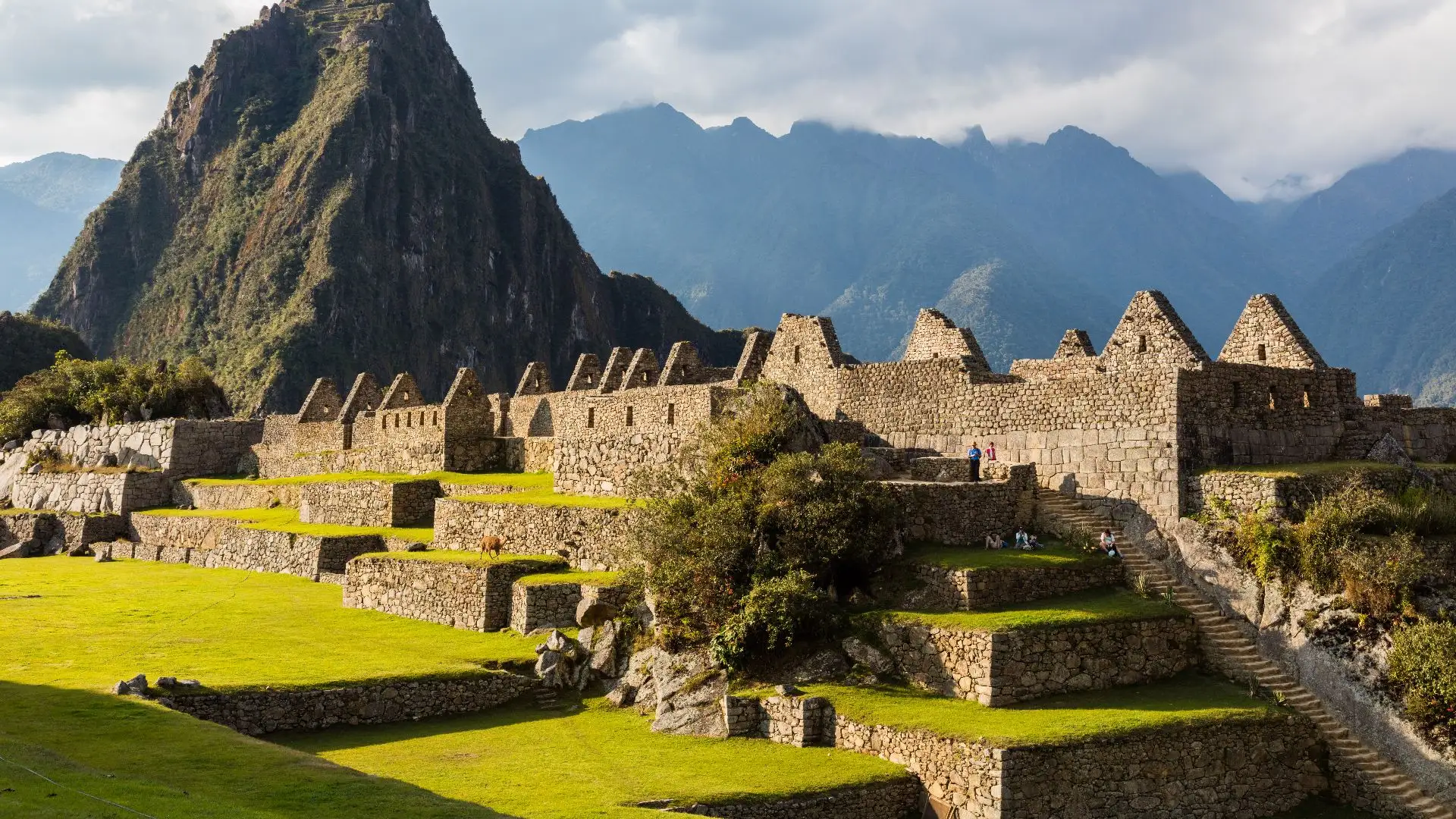
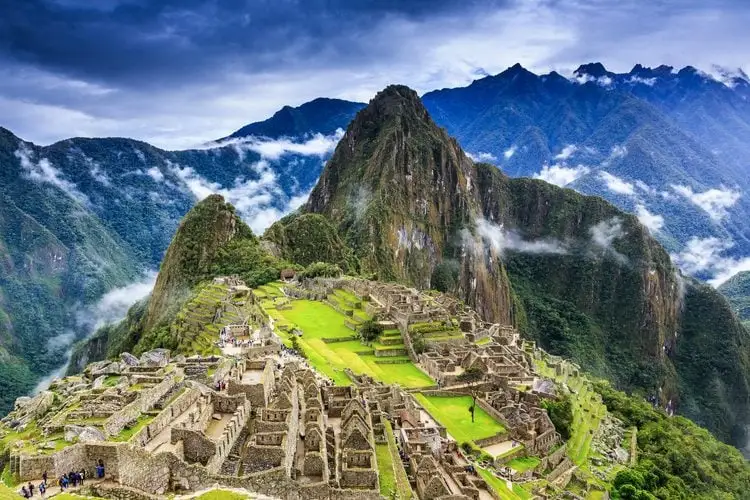
Machu Picchu stands high in the Andes, where Inca stonework, temples, terraces, and mountain views reveal the skill of an elite retreat.
 Via Reader’s Digest
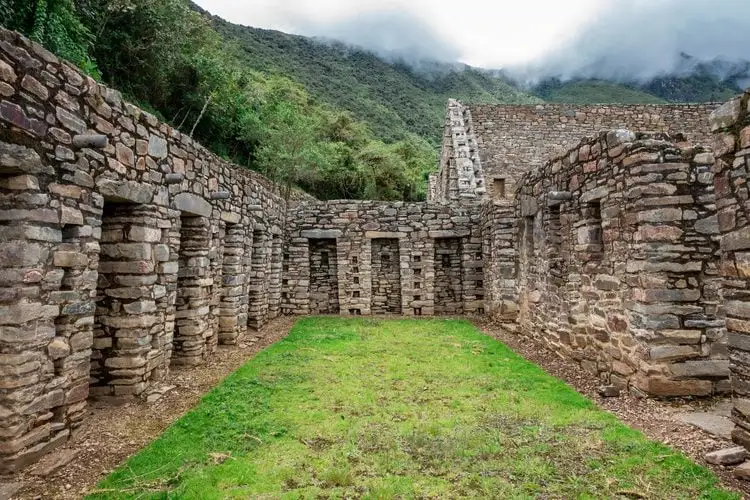
Vilcabamba became the final Inca refuge during the Spanish conquest, while nearby Choquequirao still slowly emerges from the thick jungle and hidden mountain slopes.
 Via Reader’s Digest
Babylon was a grand Mesopotamian city known for power, beauty, religion, and legend before conquest, desert sands, and time damaged its remains.
 Via Reader’s Digest
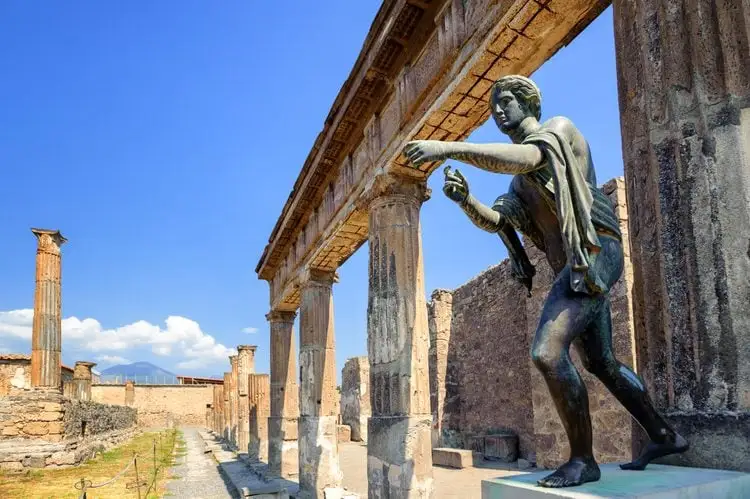
Pompeii was buried by Mount Vesuvius in 79 AD, preserving streets, homes, art, food traces, and daily Roman life in stunning detail.
 Via Reader’s Digest
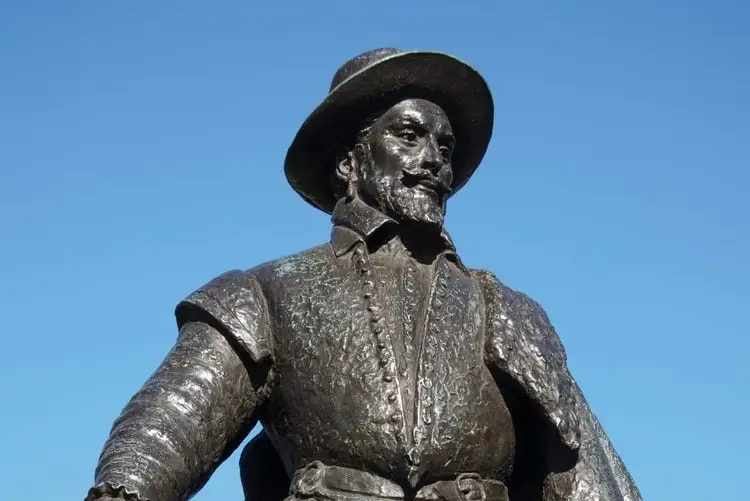
Atlantis comes from Plato’s writings and remains one of history’s most famous legends, though scholars generally view it as a fictional moral story.
 Via Reader’s Digest
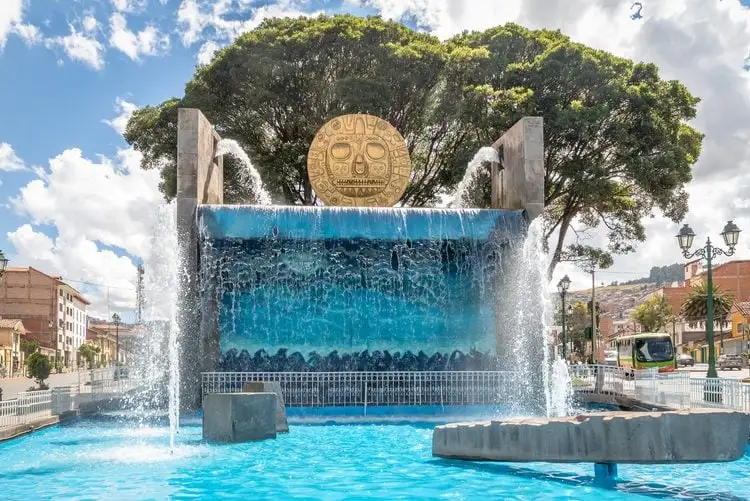
Helike was destroyed by an earthquake and tsunami, then found after researchers studied ancient records, shifting land, and the region’s changed waterways.
 Via Reader’s Digest
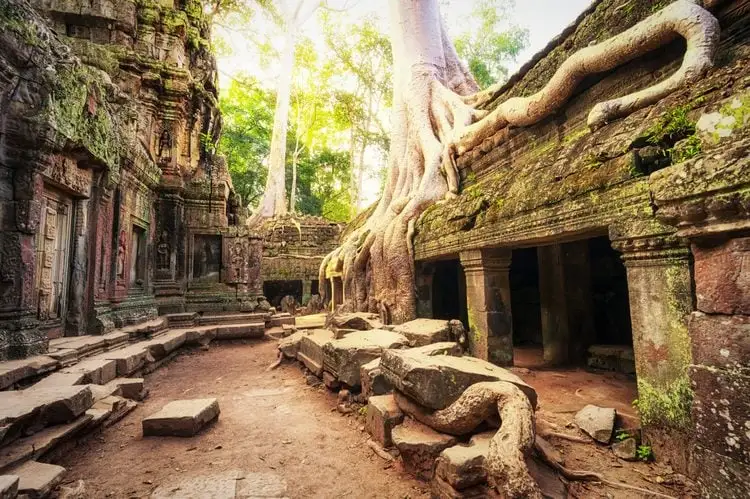
Angkor grew into a huge Khmer city with temples and canals before climate stress, heavy monsoons, and water problems helped weaken it.
 Via Reader’s Digest
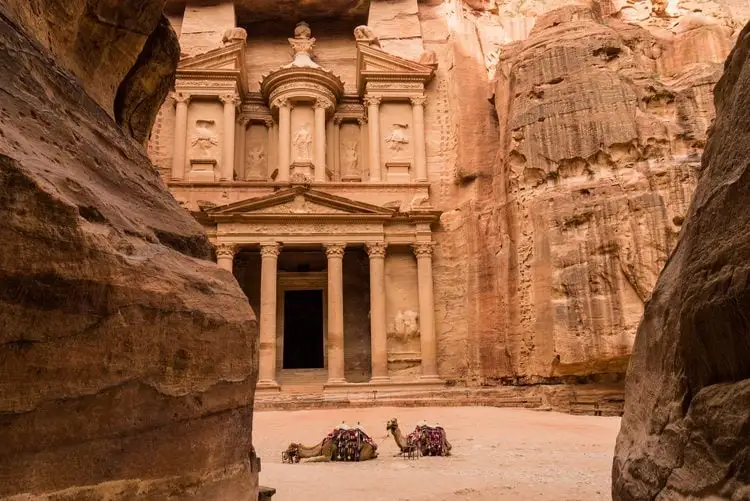
Petra, the Rose City, was carved into red sandstone cliffs and became rich through trade, tomb building, temples, and desert routes.
 Via Reader’s Digest
El Dorado began as a Muisca gold ceremony, then became a European legend about a hidden city filled with endless treasure.
 Via Reader’s Digest
Paititi remains a mysterious Amazon legend tied to missionary reports, satellite clues, dangerous expeditions, and stories of a hidden, wealthy city.
 Via Reader’s Digest
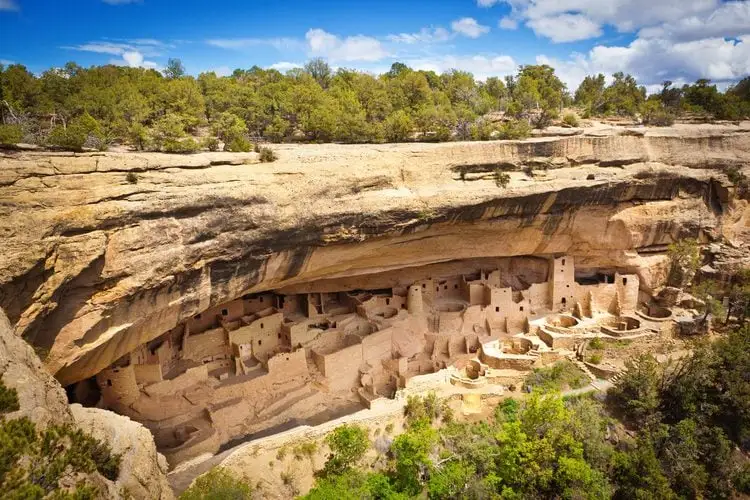
Mesa Verde preserves Ancestral Pueblo cliff dwellings, showing skilled stonework, community life, farming culture, migration, and deep Native American history.
 Via Reader’s Digest
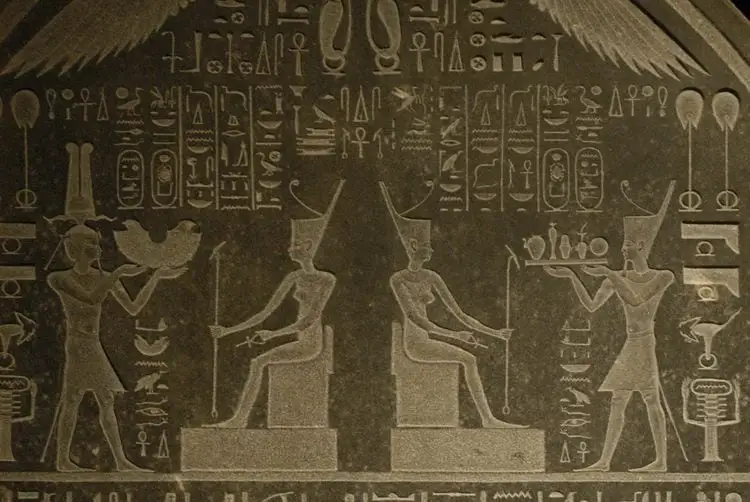
Thonis-Heracleion was an Egyptian port city lost beneath the Mediterranean, later revealing statues, temples, coins, jewelry, and sacred objects underwater.
 Via Reader’s Digest
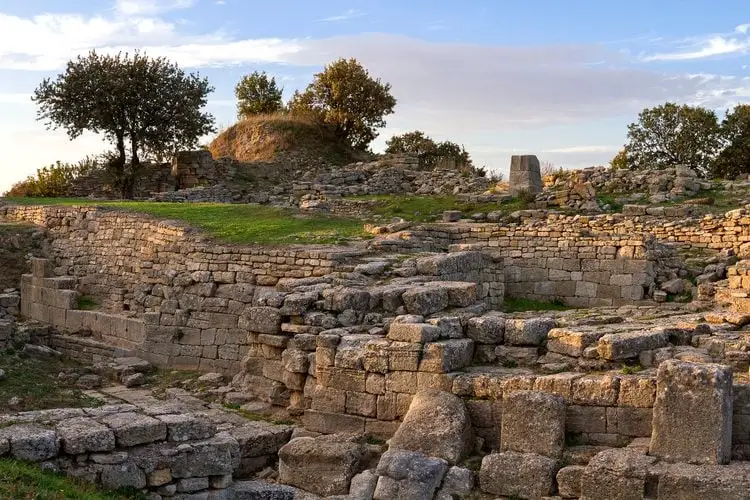
Troy blends myth and archaeology, with layered ruins in Turkey linked to Homer’s Iliad, ancient conflict, and debates about the Trojan War.
 Via Reader’s Digest
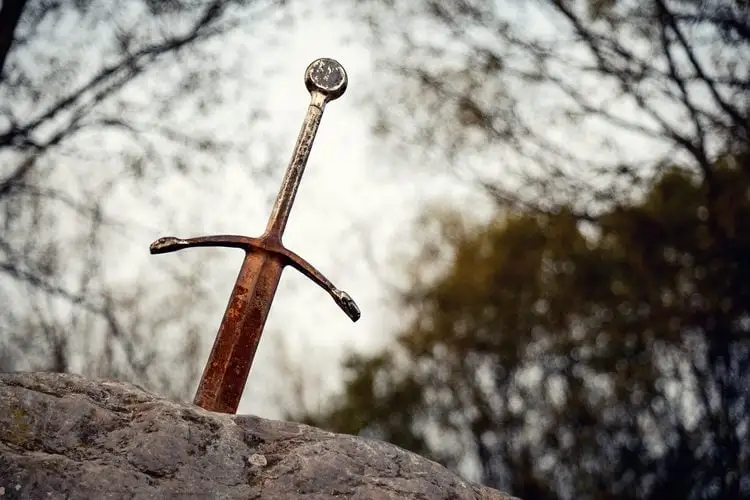
Camelot remains tied to King Arthur stories, but no castle or settlement has proven a direct link to the legendary royal court.
 Via Reader’s Digest
Persepolis was a grand Persian ceremonial capital, partly destroyed by Alexander the Great and later studied through careful modern archaeological work.
Via Reader’s Digest
Xanadu, also called Shangdu, was Kublai Khan’s summer capital and became famous through poetry, travel stories, ruins, and later excavations.
 Via Reader’s Digest
Tanis held royal tombs and treasures, but its discovery received little attention because World War II overshadowed the major archaeological find.
 Via Reader’s Digest
El Mirador is a huge Maya city hidden in the jungle, with massive pyramids and clues about early Maya power and planning.
 Via Reader’s Digest
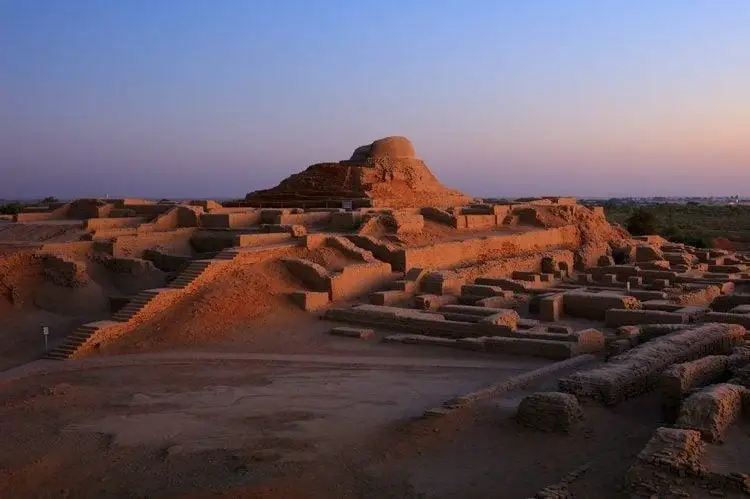
Mohenjo-daro was an advanced Indus Valley city with planned streets, drainage systems, public spaces, and mysteries about its people’s decline.
 Via Reader’s Digest
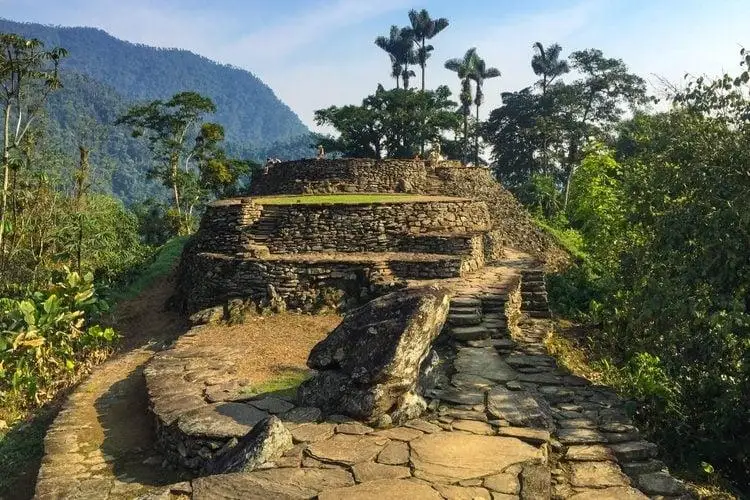
Ciudad Perdida, also called Teyuna, is a mountain settlement older than Machu Picchu and still important to local Indigenous communities.
 Via Travel Guide
The search for lost cities is not only about treasure or adventure. It is about learning from the past with respect. Many so-called lost cities were never lost to local or Indigenous people. Their knowledge helped guide outsiders and still matters in protecting these sites. Today, archaeology works best when science, history, and local voices come together. Tools like satellite scans, underwater mapping, laser technology, ground surveys, and careful excavation help experts study hidden places without causing major damage. These methods also allow researchers to find roads, walls, canals, temples, and settlements that may be invisible from the ground.
More in UnassignedVia History Snob
These cities also show the power and weakness of human civilization. Machu Picchu reveals the skill of Inca stonework. Pompeii preserves Roman life after a sudden disaster. Babylon reflects the fame of ancient Mesopotamia. Petra shows how trade routes helped desert cities grow rich. Angkor proves how water systems could support a huge empire, while Mohenjo-daro shows advanced urban planning from thousands of years ago. Some places, such as Atlantis and Camelot, sit between myth and history, keeping people curious even without solid proof. Together, the world’s greatest lost cities remind people that even powerful places can fade, but their stories can survive for centuries.
Machu Picchu, Peru
Via Reader’s Digest
Machu Picchu stands high in the Andes, where Inca stonework, temples, terraces, and mountain views reveal the skill of an elite retreat.
Vilcabamba, Perú
Via Reader’s Digest
Vilcabamba became the final Inca refuge during the Spanish conquest, while nearby Choquequirao still slowly emerges from the thick jungle and hidden mountain slopes.
Babylon, Iraq
Via Reader’s Digest
Babylon was a grand Mesopotamian city known for power, beauty, religion, and legend before conquest, desert sands, and time damaged its remains.
Pompeii, Italy
Via Reader’s Digest
Pompeii was buried by Mount Vesuvius in 79 AD, preserving streets, homes, art, food traces, and daily Roman life in stunning detail.
Atlantis
Via Reader’s Digest
Atlantis comes from Plato’s writings and remains one of history’s most famous legends, though scholars generally view it as a fictional moral story.
Helike, Greece
Via Reader’s Digest
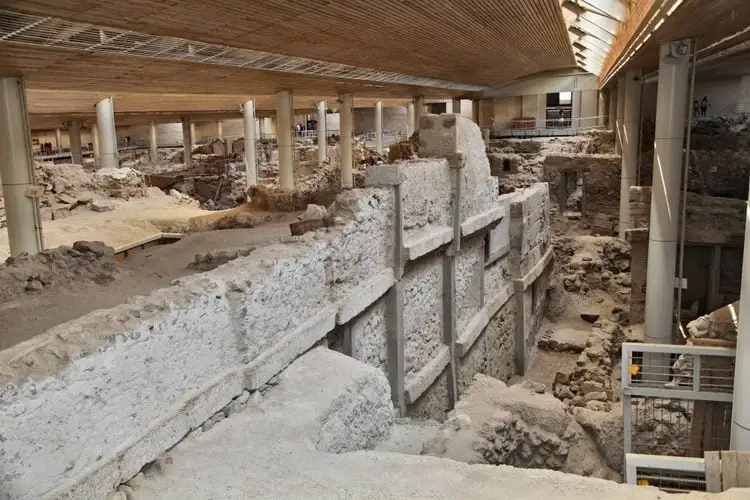
Helike was destroyed by an earthquake and tsunami, then found after researchers studied ancient records, shifting land, and the region’s changed waterways.
Angkor, Cambodia
Via Reader’s Digest
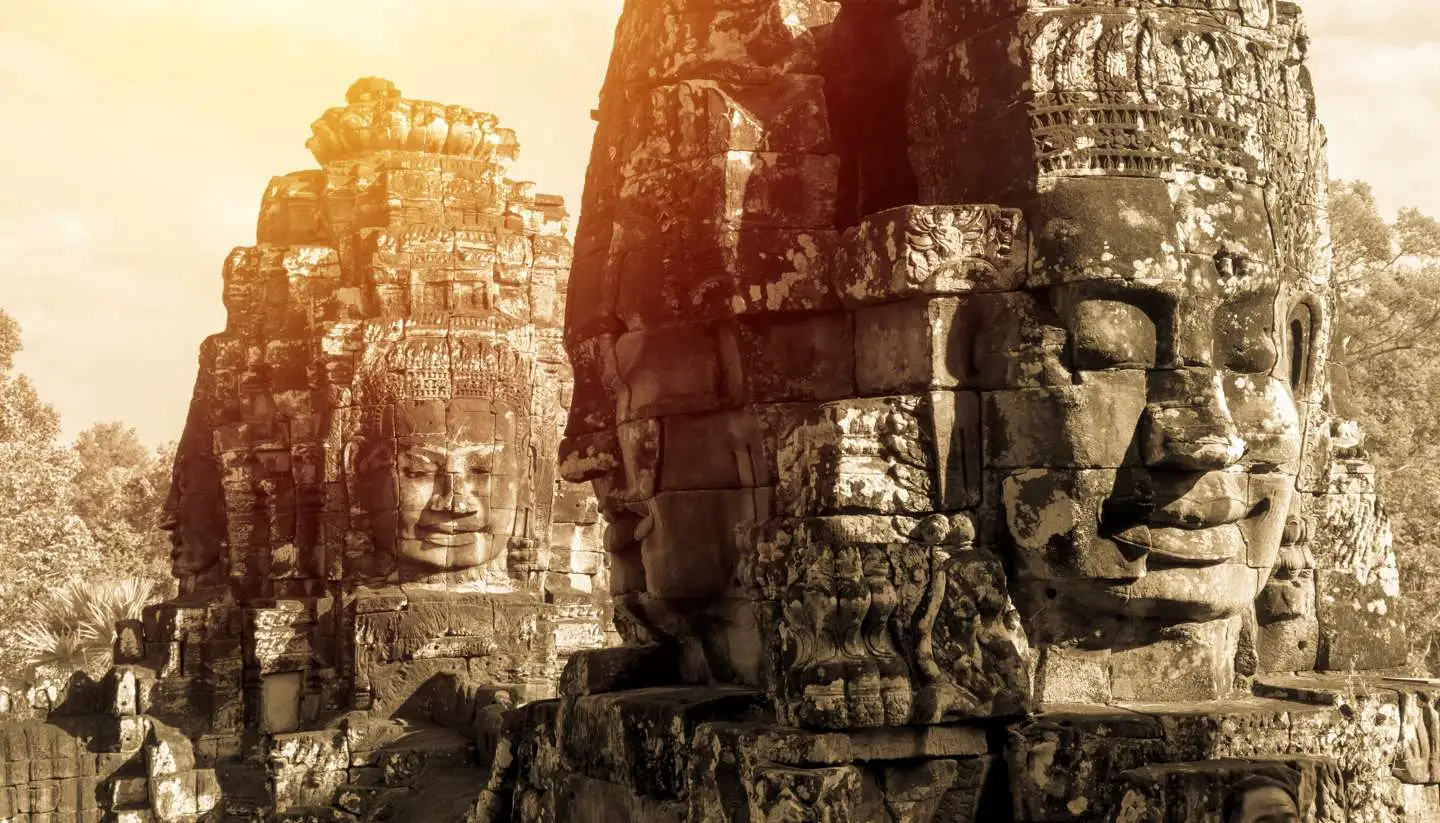
Angkor grew into a huge Khmer city with temples and canals before climate stress, heavy monsoons, and water problems helped weaken it.
Petra, Jordan
Via Reader’s Digest
Petra, the Rose City, was carved into red sandstone cliffs and became rich through trade, tomb building, temples, and desert routes.
El Dorado
Via Reader’s Digest
El Dorado began as a Muisca gold ceremony, then became a European legend about a hidden city filled with endless treasure.
Paititi
Via Reader’s Digest
Paititi remains a mysterious Amazon legend tied to missionary reports, satellite clues, dangerous expeditions, and stories of a hidden, wealthy city.
Mesa Verde, Colorado
Via Reader’s Digest
Mesa Verde preserves Ancestral Pueblo cliff dwellings, showing skilled stonework, community life, farming culture, migration, and deep Native American history.
Thonis-Heracleion, Egypt
Via Reader’s Digest
Thonis-Heracleion was an Egyptian port city lost beneath the Mediterranean, later revealing statues, temples, coins, jewelry, and sacred objects underwater.
Troy, Turkey
Via Reader’s Digest
Troy blends myth and archaeology, with layered ruins in Turkey linked to Homer’s Iliad, ancient conflict, and debates about the Trojan War.
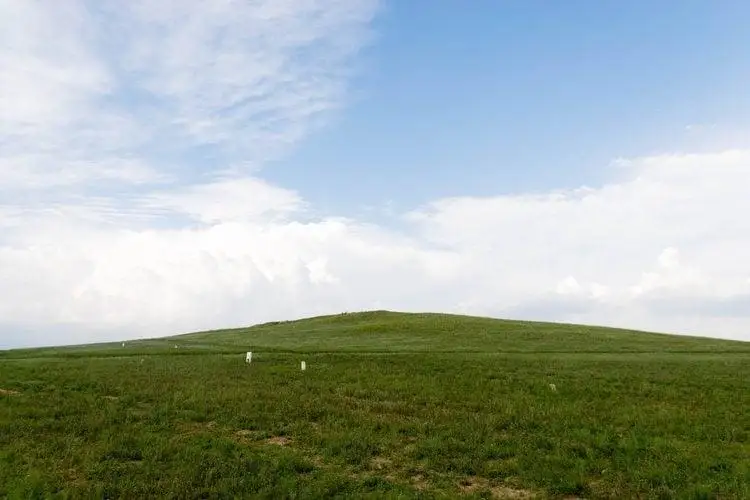
Camelot
Via Reader’s Digest
Camelot remains tied to King Arthur stories, but no castle or settlement has proven a direct link to the legendary royal court.
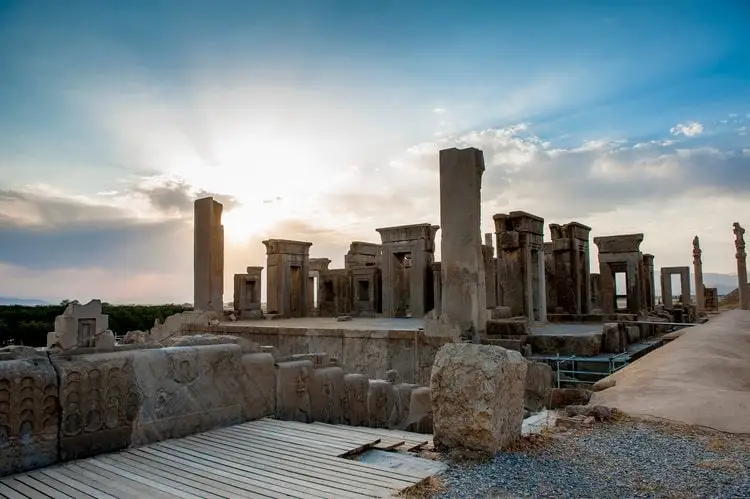
Persepolis, Iran
Via Reader’s Digest
Persepolis was a grand Persian ceremonial capital, partly destroyed by Alexander the Great and later studied through careful modern archaeological work.
Xanadu, China
Via Reader’s Digest
Xanadu, also called Shangdu, was Kublai Khan’s summer capital and became famous through poetry, travel stories, ruins, and later excavations.
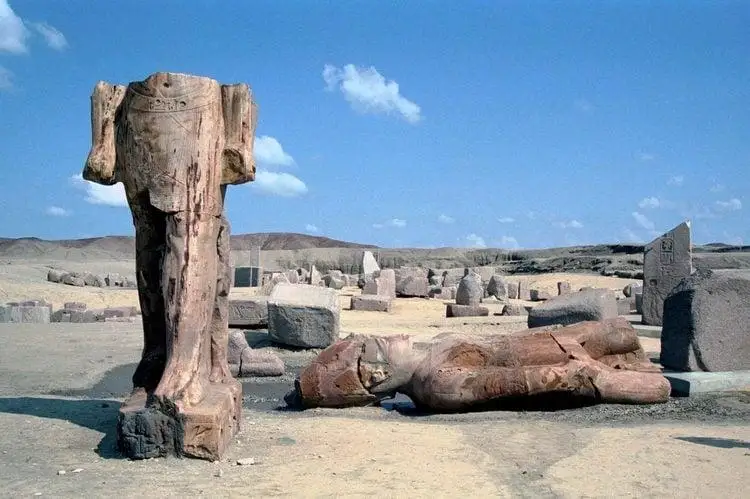
Tanis, Egypt
Via Reader’s Digest
Tanis held royal tombs and treasures, but its discovery received little attention because World War II overshadowed the major archaeological find.
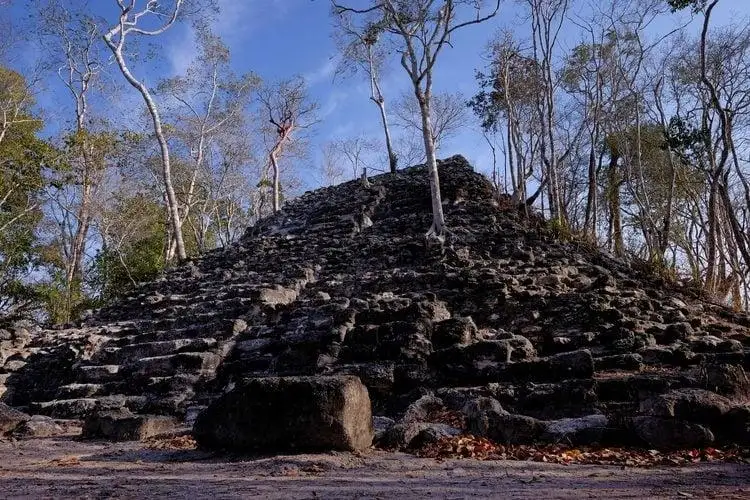
El Mirador, Guatemala
Via Reader’s Digest
El Mirador is a huge Maya city hidden in the jungle, with massive pyramids and clues about early Maya power and planning.
Mohenjo-daro, Pakistan
Via Reader’s Digest
Mohenjo-daro was an advanced Indus Valley city with planned streets, drainage systems, public spaces, and mysteries about its people’s decline.
Ciudad Perdida, Colombia
Via Reader’s Digest
Ciudad Perdida, also called Teyuna, is a mountain settlement older than Machu Picchu and still important to local Indigenous communities.
What Lost Cities Teach About the Past?
Lost cities continue to fascinate because they connect mystery with real human history. These places show how ancient people built homes, roads, temples, tombs, water systems, and trade networks without modern machines. Their ruins prove that earlier societies were skilled, creative, and deeply organized. Some cities were planned with great care, while others grew around religion, trade, farming, or royal power. Each site gives researchers a better look at how people lived, worked, believed, traded, governed, and handled challenges across different parts of the world. They also show that ancient communities were not simple or backward. Many ancient civilizations possessed remarkably advanced ideas about engineering, art, farming, defense, and city planning. They developed sophisticated irrigation systems, organized military strategies, and carefully planned cities that reflected both creativity and practical knowledge far ahead of their time. These cities also warn people about the weakness of even strong civilizations. Floods, volcanoes, earthquakes, war, disease, drought, and political collapse changed many of these places forever. A thriving city could become empty within years or slowly fade over centuries. Pompeii shows the sudden force of nature. Angkor shows how climate and water systems could shape a city’s survival. Mohenjo-daro raises questions about rivers, planning, and social structure. Babylon, Troy, and Persepolis show how conquest and shifting power could damage even the most famous cities. These ruins remind people that cities need balance with land, water, leadership, trade, safety, and community. When one part of that balance breaks, even wealthy and powerful places can decline.Via Travel Guide
The search for lost cities is not only about treasure or adventure. It is about learning from the past with respect. Many so-called lost cities were never lost to local or Indigenous people. Their knowledge helped guide outsiders and still matters in protecting these sites. Today, archaeology works best when science, history, and local voices come together. Tools like satellite scans, underwater mapping, laser technology, ground surveys, and careful excavation help experts study hidden places without causing major damage. These methods also allow researchers to find roads, walls, canals, temples, and settlements that may be invisible from the ground.